
From local private car owners to small business fleet operators, service vehicle upgrades play a pivotal role in enhancing productivity on jobsites. As mobile work units evolve, their innovation transforms not just the vehicle itself but the efficiency of the workforce utilizing them. Upgraded service vehicles boast spacious interiors and integrated technology that save time and streamline operations, leading to quicker job completions and better customer experiences. This article delves into key aspects of service vehicle upgrades, exploring how they enhance efficiency, incorporate transformative technology, deliver cost-effectiveness, and ultimately elevate customer satisfaction. Together, these factors paint a comprehensive picture of how modernizing service vehicles can lead to a more agile and responsive workforce, crucial for any business looking to excel in a competitive environment.
On-Site Command Centers: Upgraded Service Vehicles and Jobsite Productivity
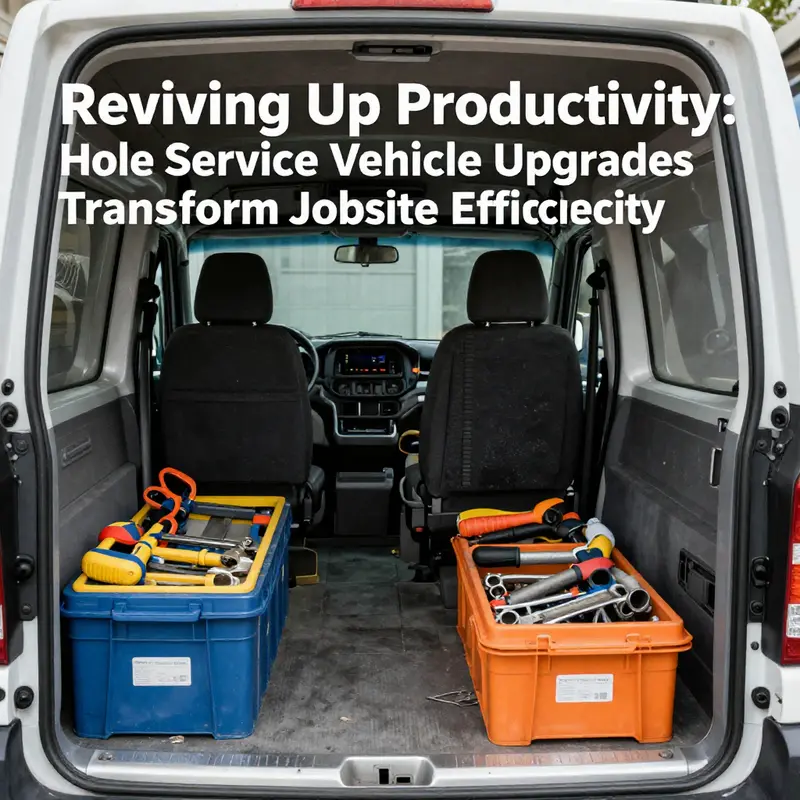
Every fleet story about productivity begins with a simple premise: the vehicle that carries a technician to a job should also be a practical extension of the workshop. Modern service vehicles have evolved from mere transport into rolling command centers, designed to support a smooth, continuous workflow. They enable on-site diagnosing, measuring, and repairing as a coordinated sequence rather than a string of tool hunts and last-minute scavenges. This upgrade is less about a bigger trunk and more about reimagining space, power, and organization to fit the daily rhythms of skilled tradespeople.
Interior layouts that respect ergonomics translate to faster, more accurate work. Tools live in clearly defined, modular compartments with quick-access drawers, magnetic strips for small parts, and labeled bins aligned with task sequences. A well-planned cockpit reduces downtime and cognitive load, while securing heavy equipment lowers the risk of injury and damage when the vehicle is in motion. The vehicle becomes a portable workshop, letting a technician stage a repair, perform a diagnostic, and wrap up without leaving the van.
Power autonomy matters as much as tactile organization. Integrated power sources such as compact generators or battery banks let crews run drills, chargers, and testing rigs directly from the vehicle, even where external power is scarce. A robust power backbone shortens cycle times, enables on-site calibrations, and supports remote problem solving without improvisation. It is the difference between a stalled day and steady momentum.
Specialized storage solutions sharpen performance further. Purpose-built shelves, tool rails, and modular organizers keep items accessible as the vehicle traverses rough terrain or busy streets. When a tool is found in seconds instead of minutes, project timelines compress and first-pass completion rates rise. The design philosophy treats the vehicle as a micro-shop that supports a continuous, on-site workflow rather than a collection of scattered tools.
Industry applications illustrate the gains in practice. In HVAC, plumbing, electrical, or field IT, on-board work benches and climate-controlled interiors minimize disruption and protect sensitive instruments. Diagnostics stations can be laid out on site, testing gear can stay powered and connected, and crews can interpret results without pausing to fetch components from a distant shop.
Beyond hardware, the integration of digital tools magnifies the organizing logic. GPS waypointing, real-time dispatch, and mobile work orders synchronize field crews with the office. When a vehicle is already loaded with the right parts and data, routing is optimized, idle time falls, and the number of completed jobs per day rises. The result is a more predictable service cadence and a stronger impression of professionalism.
Branding and finance also matter. A clean, professional interior and clearly labeled exterior surfaces reinforce trust with customers, while durability and onboard systems reduce maintenance downtime. The economic case stacks up quickly: faster job completion, less rework, lower fuel use, and longer fleet life. Together, these factors turn the vehicle into a strategic asset rather than a simple cost center.
Taken together, upgrading service vehicles shifts the way work gets done on a jobsite. The rolling workshop profile enables faster responses, higher first-time fix rates, and more consistent outcomes. When fleets are designed around workflow, space, power, and connectivity, customers experience reliability and professionalism from the moment the unit arrives.
Smart Moves on Wheels: Transformative Vehicle Tech That Drives Jobsite Productivity
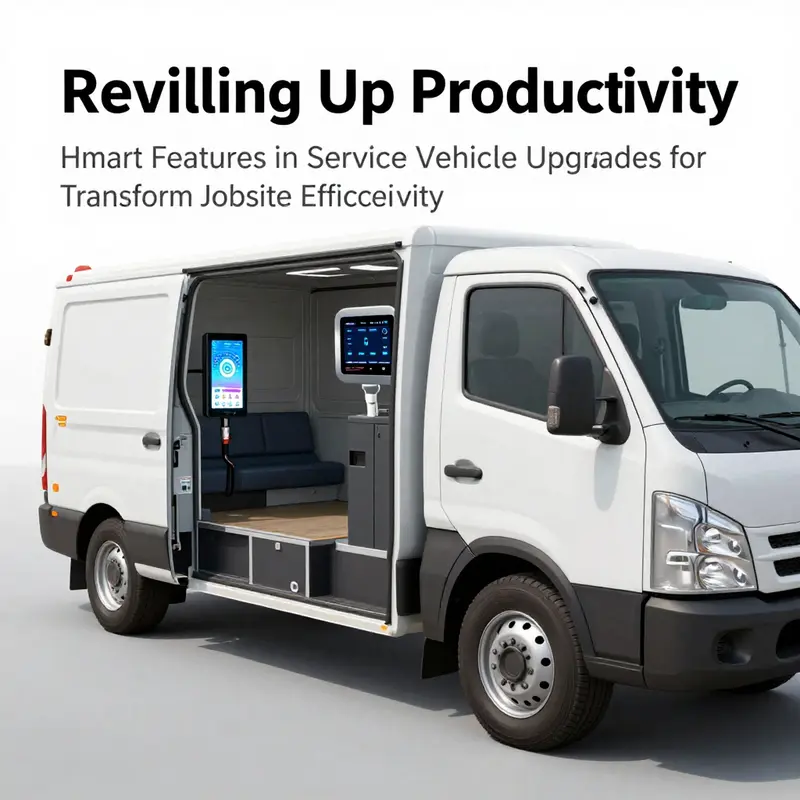
The landscape of field service is shifting from simple transport to technologically enabled performance hubs. Upgraded service vehicles are becoming the nerve centers of on-site operations, where every inch of space is organized for speed, efficiency, and reliability. In this emerging model, the vehicle is no longer merely a means of getting workers to a job; it is a self-contained workshop, a mobile office, and a data node all rolled into one durable chassis. When teams pull onto a site, they unlock a cascade of efficiencies that begin the moment the doors swing open. Tools are arranged for rapid access, materials are stacked with intelligent labeling, and portable work surfaces fold out to reveal a ready-made workspace. The results are tangible: technicians spend less time hunting for the right bit or the correct connector and more time executing the task at hand. The impact on productivity ripples outward, shortening project timelines, reducing overtime, and elevating the quality of work delivered to customers who demand precision and speed in equal measure.
At the heart of this shift lies a broader, more ambitious concept: software-defined vehicle (SDV) architecture. Far from a buzzword, SDV represents a new era in which the vehicle’s capabilities are continuously refined through software updates rather than hardware overhauls. Over-the-air (OTA) updates arrive like regular software patches, extending the vehicle’s capabilities, removing friction, and pushing performance in directions aligned with evolving jobsite needs. A fleet manager can push a new diagnostic routine to a hundred units at once, or tailor a route-planning module to reflect a particular project’s unique constraints. The agility is transformative. When a site introduces a new procedure, the vehicle can adapt in days, not months, by deploying updated software that integrates with on-board sensors, dispatch systems, and field tablets. This is how service teams stay ahead of changing demands without costly retrofits or prolonged downtime.
The GPS, telematics, and digital work-order ecosystems increasingly converge into a single, coherent operating picture. Real-time data streams reveal which vehicles encounter the most frequent delays, which tool sets are most often accessed, and how energy use correlates with project phases. Dispatch centers can reallocate resources based on live conditions, not best guesses, minimizing idle time and unnecessary detours. The result is a leaner frontline, where every vehicle arrival is synchronized with the project’s current state, ensuring that the right crew is in the right place at the right time with precisely what they need in hand. In practice, this means fewer broken sequences of trips to the depot, fewer stop-start cycles, and fewer unanswered questions about supply availability that stall progress. When a service call spreads across multiple tasks, the SDV framework keeps everything aligned through a shared digital thread. The technician’s tablet talks to the vehicle’s systems, the hardware inventory is updated automatically, and the customer-facing portal reflects accurate ETAs and work-in-progress notes in near real time.
Another crucial frontier is intelligent energy replenishment—an idea that has moved from the realm of futuristic concept to practical, on-site reality. Intelligent energy systems in service vehicles optimize how and when power is replenished, enabling near-continuous operation. In some leading implementations, overhead charging infrastructure acts as a strategic extension of the workplace rather than a constraint. Imagine a fleet that can operate long shifts on the road and in remote sites where a traditional refueling stop would cost valuable minutes. The vehicle not only carries its power but also intelligently manages its energy budget, prioritizing critical tasks and scheduling non-urgent loads during periods of lower demand. Such systems minimize the downtime typically associated with battery recharge cycles. The net effect is straightforward: more on-site work completed per day, better responsiveness to urgent client needs, and a reduced need for back-and-forth trips to a distant depot to swap batteries or recharge in a dedicated facility.
The environmental perception and decision-making capabilities embedded in modern service vehicles further sharpen productivity. Advanced sensor suites—lidar-like perception, radar, and vision systems—feed into robust on-board decision engines. These systems co-operate with route-planning modules to optimize travel through varying conditions, from congested urban corridors to rugged perimeters where visibility is limited. On the highway, predictive models anticipate traffic buildups and adjust timing to avoid idle periods. On complex work sites, the system evaluates terrain, weather, and safety constraints, choosing the safest, fastest path to complete a task. These capabilities do more than save fuel; they lower risk, which in turn reduces costly downtime caused by accidents or weather-related delays. When tied to a complete safety framework that features real-time risk warnings and rapid emergency response protocols, the smart vehicle becomes a proactive partner, not just a passive conveyance. Operators gain confidence from a machine that can anticipate problems and either mitigate them or escalate appropriately, which translates into steadier progress, fewer interruptions, and a more reliable service delivery profile.
Embedded within this ecosystem is a broader urban-mobility strategy. In dense cityscapes where access is constrained and time windows are tight, smart city mobility insights help fleets move with fewer friction points. Connected networks provide visibility into traffic flow, parking availability, and loading zones, enabling dynamic rerouting when a project’s schedule shifts or when a constraint surfaces on the ground. The fleet can exploit real-time data to minimize circling, shorten width-limited traversals through work zones, and preserve fuel by selecting the most efficient routes for the day’s sequence of jobs. This orchestration matters because productivity on the job is not simply about completing one task efficiently; it’s about orchestrating a sequence of tasks across multiple sites with minimal wasted motion. A single upgrade in the vehicle’s perception-to-planning loop can cascade into dozens of saved minutes each day, which compounds into meaningful gains over the course of a month or quarter.
The tangible benefits extend beyond speed. When a service vehicle doubles as a mobile workspace, the interior layout becomes a design problem with a direct line to efficiency. Properly engineered interiors reduce the cognitive load on technicians by presenting a consistent, ergonomic setup. Integrated workbenches give technicians a stable platform for diagnostics and assembly tasks without requiring them to improvise a workstation on the ground. Built-in power sources mean that a laptop, a portable diagnostic tool, and a lab-grade meter can run in parallel, with ample inverter capacity to spare. Climate control supports sensitive equipment and preserves operator comfort, which matters on hot days when heat can sap focus and slow performance. The combination of organization, power, comfort, and a calm, predictable environment translates into fewer mistakes and faster task completion, ultimately reducing the time a project spends in the field and accelerating its path to revenue. The company benefits too, by extending the life of sensitive tools and reducing wear from ad hoc, improvised setups.
Branding, often seen as a secondary benefit of fleet upgrades, becomes a functional productivity asset as well. Clear, consistent branding projects professionalism, but the real on-site value lies in trust-based interactions. A well-branded vehicle communicates readiness and capability, inviting technicians and customers into a space that feels prepared and professional. When a customer sees a clean, organized, and well-lit mobile workshop arriving on-site, the initial trust hurdle drops, and the collaboration path opens with fewer frictions. This is not cosmetic; it affects the flow of work by reducing the time spent explaining capabilities and expectations to clients and by speeding the alignment around the tasks at hand. In turn, this improves first-pass acceptance of work, reduces change orders, and shortens the cycle from visit to invoice.
Durability and reliability also play essential roles in productivity. Service vehicles designed for heavy use minimize maintenance downtime and extend fleet life. A robust platform with proven components is less prone to the unexpected failures that interrupt job progress. When a vehicle experiences fewer unplanned stops, technicians stay in rhythm with their schedules, and project managers can maintain tighter control over throughput. This reliability is particularly critical in environments with limited support infrastructure, where the cost of a breakdown is amplified by travel time and the complexity of bringing in a replacement. In short, upgrades that emphasize resilience keep the entire project moving, even when conditions are challenging—urban congestion, remote work sites, or adverse weather—and that resilience compounds into predictable delivery timelines and higher customer satisfaction.
All these elements converge to redefine what productivity looks like on the jobsite. It is no longer about a single improvement in one area, but about an integrated upgrade of how a team learns, decides, and acts in the field. The vehicle becomes an active participant in the project lifecycle: a sensor-lusioned observer of conditions, a reliable power source, a portable workshop, and a communications hub. It helps a technician do more in less time, not by forcing heroic effort but by removing the friction that slows progress. In practice, that means more jobs completed per day, less time wasted transitioning between tasks, and a more predictable, quality-driven outcome for customers. The strategic implications are substantial. Investments in smart vehicle capabilities yield returns through faster service cycles, improved accuracy in diagnostics, better energy management, and stronger safety. They also support a more agile workforce, capable of reconfiguring workflows as project requirements evolve, without the heavy latency of hardware refreshes or process redesigns. This agility matters when emergencies strike, when unexpected site conditions demand rapid adaptation, or when a client needs a fast turnaround to avoid cascading downtime elsewhere in the operation.
For practitioners seeking practical guidance on how to implement these transformations, the path begins with a rigorous assessment of current workflows and the specific constraints of the fleet. Map the typical trip patterns, the most frequent on-site tasks, and the bottlenecks that arise from tool searches, misplacements, or energy interruptions. The next step is to align technology investments with those realities: SDV capabilities that address the most critical pain points, energy systems that minimize downtime, and sensing and safety features that reduce risk. Importantly, it is not necessary to overwhelm the fleet with every possible feature at once. A staged approach, focusing on empirical gains—such as reducing time to locate essential tools, improving route predictability, and ensuring on-site power reliability—often yields the fastest, most measurable returns. As capabilities mature, additional layers can be added, such as enhanced interoperability with supply chains, smarter branding-driven customer interactions, and deeper analytics that quantify daily throughput and long-term lifecycle costs. The end result is a fleet that behaves less like a collection of individual vehicles and more like a cohesive, intelligent system that expands the boundaries of what is possible on every jobsite.
To connect these concepts with everyday implications, consider how a technician using an upgraded service vehicle experiences a typical workday. The morning starts with a precise plan loaded into both the dispatch system and the vehicle’s local software. The route is optimized in real time, factoring in current traffic, loading-zone availability, and whether any items require immediate replenishment. On arrival, the built-in workbench and power supply become the center of activity: diagnostics are initiated, data is logged directly into the digital work order, and the technician can validate service steps without leaving the vehicle. If a fault is detected that requires vendor-specific parts or specialized equipment, the SDV-enabled system can flag this in advance, trigger a parts pull from inventory, and reserve a time window that minimizes delay for subsequent jobs. The driver’s interface remains uncluttered, providing clear, actionable prompts rather than a sea of irrelevant alert messages. This streamlined interface reduces cognitive load, allowing technicians to focus on problem-solving rather than console management.
The broader effect on operations is equally meaningful. A fleet that yields consistent, on-time arrivals builds a reputation for reliability, which, in turn, reduces client anxiety and fosters loyalty. Lower downtime translates into a higher number of service calls completed each day, which is a direct driver of revenue and utilization. It also reduces the environmental footprint by cutting unnecessary idle time and optimizing fuel use across the fleet. The productivity gains are not merely a matter of speed; they are about speed, quality, and the steady, dependable cadence of work that keeps projects on track and customers satisfied. These gains accumulate across the project lifecycle, contributing to improved cash flow, more predictable maintenance budgets, and a more resilient business model overall.
For readers who want to explore practical implementation details and stay connected with ongoing industry conversations, one useful entry point is the KMZ Vehicle Center blog. It offers practitioner-focused perspectives and actionable tips that complement the strategic overview presented here. You can explore it here: KMZ Vehicle Center blog.
External resources also illuminate the broader trajectory of these developments. The future of jobsite productivity lies in the seamless integration of smart features that turn service vehicles into intelligent, responsive assets capable of driving efficiency across the entire project lifecycle. A comprehensive analysis of software-defined vehicles and their implications for industrial and service applications underscores how value delivery is evolving when vehicles become dynamic, software-powered platforms designed for continuous improvement. For a broader, industry-wide view of this transformation, see the external resource provided by Roland Berger on software-defined vehicles and their reshaping of automotive and related industries.
Further reflection on the implications for day-to-day operations can be found by examining how urban mobility and connected transportation networks can inform fleet routing and on-site efficiency. The convergence of smart energy management, environmental perception, and real-time data analytics creates opportunities to reimagine the jobsite as a distributed, intelligent ecosystem rather than a collection of isolated tasks. In this context, the service vehicle upgrade becomes a catalyst for a more productive, safer, and more responsive workforce—and a strategic asset that supports faster project completion, higher-quality outcomes, and greater customer satisfaction over the long term.
For teams seeking practical, embedded guidance, the journey begins with a careful audit of current fleet capabilities and a clear articulation of desired outcomes. What are the most time-consuming frictions on site? Which tasks require the most frequent tool retrieval or energy interruptions? How can route planning and safety systems be synchronized with the day’s schedule to minimize risk and maximize uptime? By answering these questions and aligning technology investments with observed patterns, organizations can realize meaningful productivity gains without overextending budgets. The technology is powerful, but its true value emerges when it is applied with discipline and a clear understanding of how field teams actually work. In that sense, the upgrades are less about gadgets and more about reimagining the service vehicle as a proactive partner in project execution—one that anticipates need, streamlines action, and keeps the job moving forward with confidence.
From Miles to Margins: The Economic Case for Upgrading Service Vehicles and Its Impact on Jobsite Performance
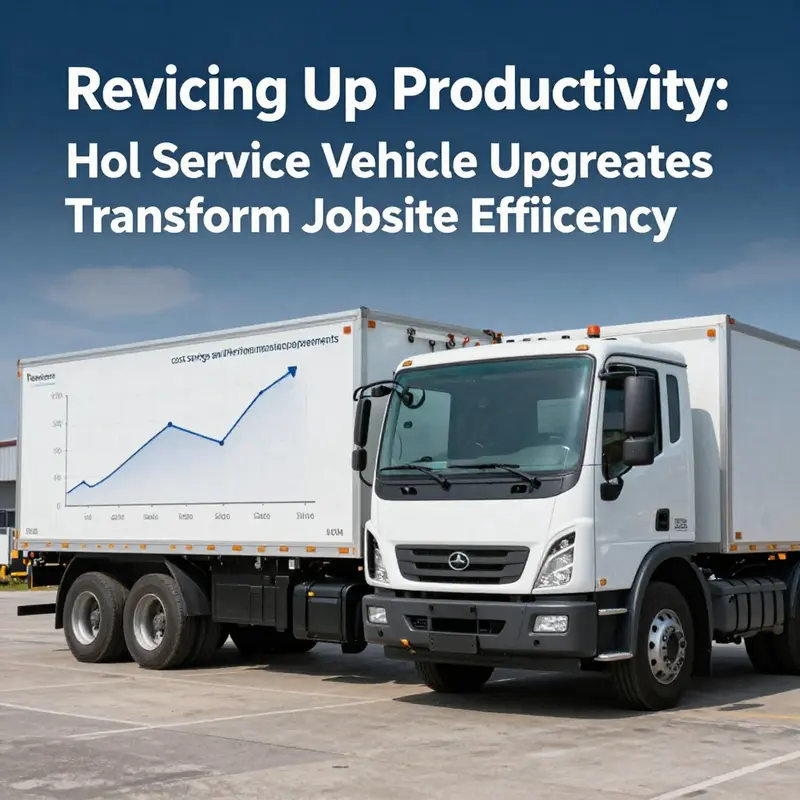
Upgrading service vehicles is more than a straightforward purchase decision. It is a strategic commitment to turning every mobile unit into a compact, well‑stocked, high‑functioning workstation that travels with the crew rather than waiting for it. When a fleet is redesigned around the realities of the job, the vehicle becomes a moving value center: a place where tools are organized, materials are within reach, and technicians can perform complex tasks without stepping away from the work. The immediate effect is simple to observe on the schedule—the same crew can start the day with all the essentials at hand, locate items with minimum search time, and devote more minutes to productive activity rather than logistics. In practice, that translates into faster job completion, fewer delays, and a reduction in the chain of small hold-ups that often accumulate into days of productivity lost. The argument for upgrading is not only about what is inside the toolbox; it is about how the vehicle itself reshapes the day’s rhythm and influences the bottom line across a project or a fleet’s lifecycle.
Inside upgraded service vehicles, space is reclaimed for efficiency. Modern interiors are designed to maximize storage and organization, with clearly delineated zones for hand tools, power tools, consumables, and spare parts. A well‑planned layout reduces search time, eliminates misplacement, and lowers the risk of damage to delicate instruments. An integrated workbench and built‑in power sources, such as generators or high‑capacity outlets, enable technicians to perform diagnostics, repairs, or system setup on site. Climate control ensures that sensitive equipment and lubricants remain within their required tolerance bands, which matters when technicians face variable weather conditions or are operating in remote locations. All of these elements minimize the back‑and‑forth trips to a central depot, a critical factor when the job demands rapid response, as in emergency service calls. In short, the vehicle becomes a scalable extension of the workshop, expanding the effective work window available on the ground.
Beyond the physical layout, the integration of smart technology and automation within the fleet amplifies this advantage. Real‑time dispatch software, GPS tracking, and digital work orders knit field operations to the central office with a clarity that was previously difficult to achieve. Dispatchers can allocate resources with a precision that reflects current conditions—traffic, weather, tool availability, and technician load—reducing idle time and unnecessary travel. The upshot is more jobs completed per day and less fuel wasted idling while crews wait for assignments or directions. The impact on responsiveness is especially pronounced for calls that demand immediate attention or crisis management, where the ability to deploy a fully equipped mobile unit can determine whether a customer’s downtime is a minor blip or a prolonged disruption. A fleet that can pivot quickly between urgent and routine tasks elevates the company’s promise to its clients: faster, more reliable service without compromising quality.
The branding and professional image that accompany vehicle upgrades also matter in a market where trust and perception influence customer choices. A clean, modern, well‑equipped vehicle communicates competence and reliability before a single word is spoken. While branding is often thought of as a cosmetic enhancement, it also contributes to customer interactions by signaling standard of care and attention to detail. A well‑presented unit reduces friction during on‑site introductions, clarifies expectations about equipment, and reinforces the message that the service provider is prepared for a wide range of contingencies. Brand alignment with performance can thus become part of the value proposition offered to clients, reinforcing perceived value and strengthening long‑term relationships that translate into repeat business and referrals—an important, though sometimes overlooked, component of cost efficiency.
Cost considerations for upgrading fleets must address durability as well. Investing in robust, purpose‑built vehicles designed for heavy use reduces the frequency and duration of maintenance downtime. A durable platform lowers the risk of mechanical failures that stall work, especially when crews operate in challenging environments—urban job sites with tight parking, rural locations with limited support, or rugged surroundings where extra protection, better traction, or weatherized cabins matter. In this light, uptime becomes a direct contributor to revenue—more hours billed, fewer unscheduled downtimes, and a steadier work rhythm that aligns with project timelines. When maintenance events do occur, they tend to be shorter and more predictable if the vehicle fleet was designed with easy access to critical components and standardized parts. Reliability, therefore, is not merely a comfort claim; it is a driver of cost efficiency because it preserves productive cycles and minimizes the cost of delays.
The economic logic of upgrading then extends into the long view of total cost of ownership. Fuel and maintenance costs have long been the traditional levers of cost savings, yet the modern economics of service fleets reach further. Vehicles with more efficient propulsion systems, such as hybrid or electric powertrains, can meaningfully reduce operating costs over the life of the fleet. The potential gains go beyond lower per‑mile fuel consumption. Electric or hybrid powertrains tend to offer smoother torque delivery, which assists in driving and handling on uneven surfaces, while also enabling more predictable maintenance schedules tied to electric drive components rather than a century‑old drivetrain paradigm. Even if the upfront price premium is nontrivial, the longer‑term savings from reduced fuel use, longer service intervals, and diminished wear on mechanical parts contribute to a compelling return. The financial benefits accumulate not only as direct expense reductions but as improved asset utilization: fewer days in the shop, more time servicing customers, and more dependable service windows that support a higher throughput of work per technician per day.
Yet cost effectiveness cannot be understood solely through the lens of individual fleet units. The broader policy and market context matters, because the viability of certain upgrades hinges on incentive structures, regulatory settings, and cost of ownership dynamics that evolve over time. A useful illustration comes from studies of plug‑in hybrid electric vehicles in large metropolitan settings, which show that the economics of deployment are highly sensitive to policy incentives and operating costs. In the Shanghai context, for example, researchers found that the economic viability of a portion of PHEV deployments increased dramatically when factors like reduced vehicle purchase costs and the opportunity to charge off‑peak were incorporated into the analysis. More specifically, a 10% reduction in purchase cost raised the share of deployments deemed economically viable from a narrow to a broad range of contexts, and shifting daytime charging to off‑peak hours enabled a sizable portion of projects to break even. The takeaway is that the best‑case financial outcomes depend less on the technology alone than on how the surrounding costs and policies align with operational realities. For fleets aiming to optimize cost efficiency, this means building a business case that factors in procurement timing, financing, charging strategies, and the potential to leverage external incentives—recognizing that technology is only one piece of a larger puzzle.
The practical implication of this broader perspective is not simply to chase the newest propulsion tech but to pursue a data‑driven plan that aligns asset capabilities with the actual work profile. Integrating a fleet‑wide data strategy—tracking energy use, maintenance trends, service hours, and on‑site performance—enables managers to identify the upgrade path that yields the highest payoff for a given set of applications. The aim is to model energy savings, anticipate maintenance demands, and quantify operational gains in terms of jobs completed, time saved, and customer satisfaction. In this sense, cost effectiveness becomes a measurable target rather than a vague aspiration. As industry thinking suggests, the most successful investments are those that deliver a combination of cost efficiency and future‑proofing—an approach that resonates with firms seeking stable, scalable growth in a changing environment.
A grounded way to think about this is to connect the dots between on‑site efficiency and financial metrics. Reduced downtime translates into more billable hours; better equipment organization reduces waste and errors; reliability produces a smoother cash flow through predictable service windows. When a vehicle supports rapid diagnostics and on‑site repairs, the crew avoids the expense and delay of redundant trips, makes better use of skilled labor, and maintains a higher tempo of work. The financial model, therefore, should capture multiple streams of value: lower fuel and maintenance costs, greater uptime, higher output per technician per day, enhanced safety and lower risk liabilities, and the intangible yet potent benefits of an elevated customer experience. Taken together, these factors support the case that upgrading service vehicles is not merely a line item on the budget; it is a strategic accelerator of productivity, profitability, and resilience.
To connect the discussion to practice, consider how planning and measurement feed into the cost‑effectiveness equation. A thoughtful upgrade program benefits from data‑driven assessments that mirror those used in evaluating equipment retrofits or fleet maintenance initiatives. By modeling energy savings, maintenance trends, and operational gains, a company can identify upgrade paths tailored to its particular use cases and operating environments. The financial objective is straightforward: achieve optimal cost efficiency, where every dollar spent yields measurable improvements in performance, safety, and environmental impact. As one expert emphasizes, the strongest investments are those that offer both cost savings and future readiness—an insight that applies equally to today’s service vehicle landscape. The goal is to move beyond a static view of upfront price and toward a dynamic, integrated assessment of how a modern fleet can sustain higher performance over time.
Practically, that means designing upgrades that are adaptable to evolving customer needs and shifting work patterns. It means selecting configurations that support broader service capabilities, such as on‑board diagnostics, rapid IT connectivity, and extended range for remote work sites, while avoiding unnecessary complexity that inflates maintenance costs. It also means recognizing the human element—the technicians who rely on dependable equipment to perform at their best. When vehicles enable technicians to complete more tasks with greater accuracy and safety, the value created is not just incremental; it compounds across days, weeks, and quarters, and it becomes visible in on‑time completions, fewer warranty issues, and higher client satisfaction. In this way, a cost‑effective upgrade is a carefully calibrated investment whose returns accrue through improved workflow, better asset utilization, and strengthened competitive position.
For fleets seeking a practical path to quantify these benefits, an important step is to anchor the upgrade plan in measurable outcomes. Track metrics such as on‑site dwell time, average job completion time, and the frequency of on‑site repairs versus depot returns. Pair these with maintenance cost per mile, downtime hours, and fuel consumption per shift. As the data accumulate, it becomes possible to compare different upgrade configurations and determine which changes yield the most favorable return profile for specific service profiles. This approach reframes the purchase decision from a one‑off cost to a holistic, performance‑based strategy that aligns asset design with the actual demands of the field. It also supports continuous improvement, encouraging periodic reassessment of vehicle layouts, power systems, and on‑board capabilities as technology and work patterns evolve.
The economics of upgrading service vehicles, then, rests on a convergence of hardware performance, software enablement, and policy context. When these elements align, the result is a more agile, responsive, and productive workforce—and a stronger value proposition for customers. The path to cost effectiveness is not about chasing marginal gains from the latest gadget; it is about building a resilient operating model in which the vehicle itself plays a central role in enabling high‑quality, timely, and safe service delivery. For organizations who embrace this integrated mindset, upgrades become less about expenditure and more about strategic asset optimization—an investment that yields higher output, safer operations, and a healthier bottom line over the life of the fleet.
If you would like a concise reminder of how routine vehicle maintenance supports cost effectiveness and reliability in the broader maintenance strategy, see the discussion on optimal oil‑change intervals linked here as part of a broader approach to maintenance planning. optimal oil-change intervals.
For scholars and practitioners seeking a broader empirical frame for these observations, broader research on cost‑effectiveness in fleet electrification and policy interactions provides a helpful context. See the study linked here for external context: https://doi.org/10.1177/0361198119837960
Reliability on Wheels: Upgraded Service Vehicles as Engines of On-site Productivity and Client Confidence
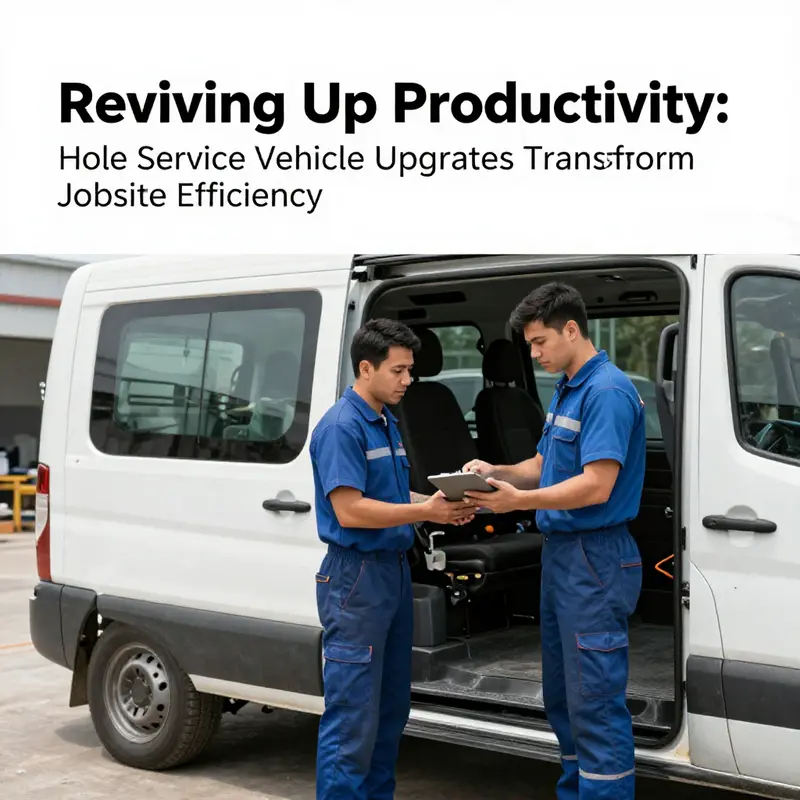
When a service vehicle is upgraded from a simple transport to a fully equipped mobile workshop, the effect on the jobsite is immediate and measurable. The interior becomes a spacious, organized environment where tools, parts, and digital devices have a dedicated place. Instead of bouncing between depots and supply rooms, technicians work from a single mobile hub that travels with the day’s schedule. The transformation is not just about comfort; it is a strategic redesign of how field teams access, manage, and apply the resources they need. A well-organized interior — with modular shelving, secure tool compartments, and built-in work surfaces — reduces search time, minimizes the risk of misplaced components, and accelerates the flow from diagnosis to repair. In practice, this means technicians can reach for the right instrument, grab the exact spare part, and begin a task without stopping to reconfigure or reroute their workday. The cumulative effect is a notable shortening of cycle times and a tangible improvement in the pace at which jobs move from kickoff to completion.
Beyond storage, modern upgraded service vehicles incorporate integrated workbenches, portable power sources, and climate control. A built-in workbench turns the back of the vehicle into a compact diagnostic station or a test bench for electrical systems, hydraulics, or control modules. A built-in generator or power outlets ensure that diagnostic scanners, portable heaters or coolers, and battery chargers can operate continuously, even when the site has limited access to conventional utilities. Climate control protects delicate electronics and preserves the comfort and focus of technicians who might be working in extreme temperatures. When teams can perform diagnostics, run tests, and verify repairs without returning to the depot, downtime drops and response times improve, which is especially critical during emergency service calls where every minute matters.
The allocation of space inside the vehicle also supports better material handling on site. Adequate storage for consumables, cleaners, sealants, and small parts prevents last-minute scavenging or trips back to a central warehouse. This is a simple but powerful driver of productivity: fewer interruptions mean fewer context switches, and fewer context switches mean fewer errors and faster task completion. The logic extends to larger, more complex jobs where multiple trades may share a single mobile workspace. When a vehicle can accommodate different configurations — a clean diagnostic area, a repair station, and a compact inventory hub — it becomes a flexible platform that can scale with the job’s evolving requirements rather than forcing a switch to a second location or a different vehicle.
The impact of upgraded vehicles does not stop at the workshop edge. A fleet that emphasizes reliability in design and build quality shows up in practical, on-site outcomes. The engineering behind heavy-use vehicles — reinforced frames, rugged storage systems, weather-sealed compartments, and high-durability flooring — reduces the likelihood of maintenance interruptions. A robust platform resists the wear and tear of rough terrain, tight urban streets, or long shifts in remote locations. Vehicles designed for hard use tend to experience fewer breakdowns, shorter unscheduled downtime, and longer intervals between major overhauls. In turn, managers see lower total cost of ownership over time, because the fleet delivers consistent performance and predictable maintenance schedules across diverse environments.
Technology inside upgraded service vehicles continues to be a force multiplier. Telematics, real-time dispatch, and digital work order systems knit field operations to the broader operation in ways that are visible on day one and accumulate across the project lifecycle. Real-time GPS and route optimization reduce idle time and fuel consumption while increasing the number of completed tasks in a single shift. Digital work orders eliminate paper trails and expedite data capture, so supervisors and dispatchers can monitor progress with clarity and confidence. When a technician updates a job status from the vehicle, the information is instantly available to the client’s project team and to the home office, reducing miscommunication and aligning expectations. This level of visibility supports proactive decision making, enabling managers to adjust priorities, reallocate resources, or reroute teams before delays become visible to clients or stakeholders.
That seamless connection between on-site execution and back-office operations contributes to a broader sense of professional reliability. The vehicle becomes a rolling ambassador for the company, projecting competence and efficiency through its appearance and performance. Branding is not a cosmetic detail; it is a signal that the service provider is serious about quality, safety, and accountability. When technicians arrive in a well-maintained, high-performing vehicle with the right tools and systems, it strengthens client trust from the first minute of contact. A consistent, professional presence on site helps convert one-off service calls into ongoing partnerships and turn temporary repairs into long-term maintenance agreements. In contexts where clients evaluate risk and return, the perception of reliability matters as much as the actual technical capability.
The chapter of a project that follows installation or upgrade is heavily influenced by supervisor and crew education about how to leverage the enhanced vehicle. The knowledge base expands as teams learn to integrate diagnostic tools with digital work orders, cycle through different equipment configurations, and plan on-site workflows that minimize downtime. A supervisor who understands the vehicle’s full potential can direct crews to use the mobile workspace strategically — for example, performing a diagnostic sweep on arrival, conducting a quick preventive maintenance check before work begins, or staging parts in one organized cabinet to streamline subsequent steps. This systemic understanding helps standardize practices across shifts, ensuring that the benefits of upgrades are not confined to a single crew or a single site. In other words, upgrades become part of a training and governance framework that lifts the entire operation, not just individual vehicles.
The practical upshot is a clearer path from upfront investment to measurable improvements in productivity and client satisfaction. When projects stay on schedule thanks to faster on-site diagnostics and fewer trips to the depot, client teams gain confidence in the vendor’s ability to deliver. Meeting milestones more reliably reduces the friction that often accompanies complex installations, repairs, or emergency responses. Clients notice fewer bottlenecks, fewer reschedulings, and more predictable outcomes. In service contracts that hinge on uptime and speed, the tangible benefits of upgraded vehicles translate into stronger renewal rates and longer-term commitments. This is not merely about getting more work done; it is about delivering on promises with consistency, which in turn reinforces positive client relationships and credibility in competitive markets.
Industry practices increasingly acknowledge the central role of vehicle performance in site productivity. A growing body of case studies and industry analyses highlights how integrated equipment performance, disciplined maintenance, and on-site readiness contribute to smoother operations, lower friction, and faster completion times. In large-scale environments, where every delay reverberates through schedules and budgets, the alignment of vehicle capability with project requirements can become a decisive factor in overall efficiency. To connect this discussion with broader industry perspectives while remaining framework-focused, consider how a leading equipment manufacturer’s productivity programs link vehicle performance and maintenance to site operations. They illustrate the principle that a well-designed mobile workspace is not a luxury but a fundamental capability that supports the entire workforce in delivering results more quickly and consistently. For readers who want to explore similar concepts more deeply, the KMZ Vehicle Center blog offers practical insights on maintenance, upgrades, and best practices you can apply on your next job.
As the chapter on productivity and client relationships unfolds, it is worth reflecting on how upgrades shape not just the workday but the business’s broader value proposition. When a fleet is built around reliability, speed, and professional service, clients experience fewer disruptions and greater confidence in the partnering company. The technicians who operate from upgraded vehicles become ambassadors who demonstrate that the organization is serious about quality, safety, and continuous improvement. This alignment between on-site capability and client expectations is what sustains repeat work, reduces lifecycle costs, and fosters a reputation for dependable service.
In closing, the narrative around service vehicle upgrades is not a purely mechanical one. It intertwines engineering, operations, and client engagement into a cohesive strategy that elevates productivity while strengthening relationships. By investing in a mobile workspace that is durable, well equipped, and technologically integrated, a company creates a triangle of advantages: faster work on site, lower downtime, and a more confident, satisfied client audience. The production line may be moving, but the vehicle acts as a stabilizing hub, coordinating tools, data, and people with the precision of a well-tuned ecosystem. The result is a workforce that can respond more rapidly to needs, adapt to changing jobsite conditions, and deliver outcomes that clients can trust. For practitioners seeking to extend these gains, ongoing attention to maintenance, staff training, and the integration of vehicle data with dispatch and project management systems will help sustain improvements long after the vehicle leaves the shop.
External resource: For a broader view of how productivity programs connect vehicle performance to site operations, explore this external resource from a leading equipment manufacturer: https://www.cat.com/en_US/products/services/productivity-services.html
Final thoughts
Service vehicle upgrades are essential for enhancing overall jobsite productivity, translating modern features into tangible benefits for technicians and clients alike. The integration of smart technology, improved organization, and cost savings positions service vehicles as vital components in any business strategy aimed at efficiency and customer satisfaction. In an ever-competitive landscape, investing in these upgrades not only streamlines operations but also builds trust with clients through timely and effective service. As we have seen, the relationship between upgraded service vehicles and enhanced jobsite productivity is clear and compelling, urging businesses to consider these advancements seriously for long-term success.