Service vehicles play a crucial role across various sectors, from facilitating public transportation to aiding in business operations and winter maintenance. The spectrum of vehicles categorized under this term extends beyond mere utilitarian functions, highlighting their significance in maintaining the fabric of daily commerce and community services. As local car owners, used car buyers, and small business fleet operators reflect on the importance and utility of these vehicles, an understanding of their varying purposes becomes essential. Each chapter of this article delves into distinct aspects: the general use in businesses, their role in public transport, specialized vehicles for winter maintenance, the regulatory landscape governing them, and their economic impacts. Together, these insights will not only inform but also empower stakeholders to make informed decisions in their dealings with service vehicles.
Steering Business Mobility: The Practical and Legal Role of Service Vehicles in Everyday Operations
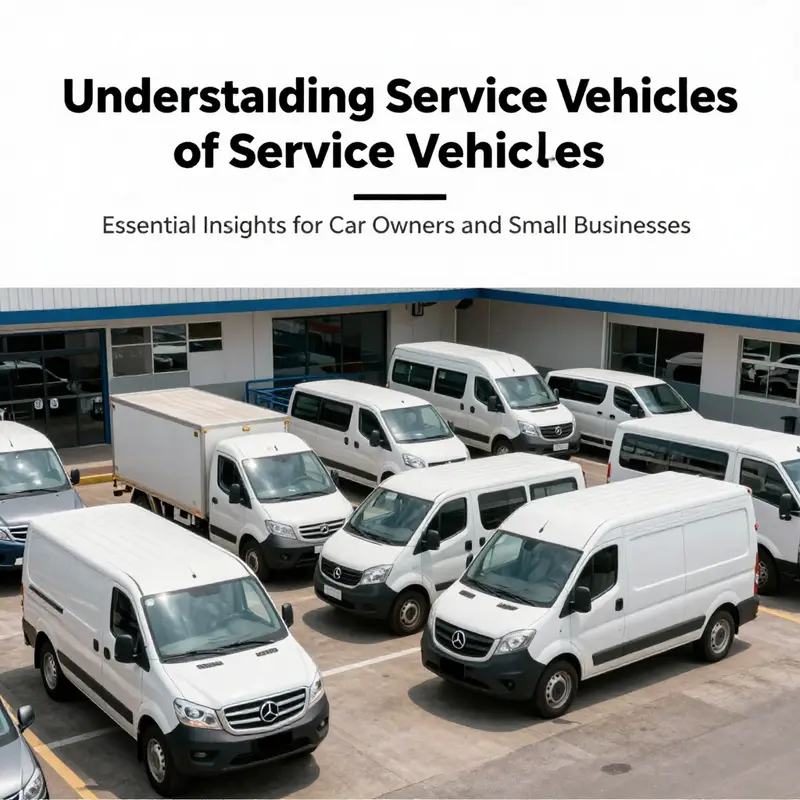
Service vehicles are the quiet engines behind many business successes. They are not merely means of transport but portable assets that enable sales calls, on-site service, deliveries, and field operations to happen on time and with reliability. The term covers a broad spectrum depending on the context. In a general business sense, a service vehicle is any automobile a company uses to support its core activities—fleet vans that ferry parts to a repair site, trucks that move goods from warehouse to customer, or a technician’s van that travels to client locations. In other settings, the same phrase may point to vehicles designed to produce a public benefit, such as buses operating along scheduled routes, or to those configured to clear away snow and ice during winter. Yet across these definitions, one thread remains clear: service vehicles are not luxury assets. They are working tools, integral to how a business delivers value to customers, manages inventories, and sustains its service promises.
From a financial and tax perspective, recognizing a vehicle as a service asset changes the lens through which a business evaluates its costs and benefits. When a car or van is used primarily for business purposes, the tax code recognizes that the vehicle is a necessary expenditure that supports income generation. If a vehicle is used exclusively for business, a company may deduct the associated ownership and operating costs. The deduction, however, is subject to rules, limits, and the specific method the business chooses to apply. Most organizations deal with vehicles that serve both business and personal needs, or vehicles that are leased rather than owned outright. In those cases, the allowable deduction is tied to the proportion of business use. The central idea is pragmatic: the more a vehicle contributes to revenue generation, the more the business should be able to recover the cost of owning and operating it, within the framework established by tax authorities.
There are two primary paths for claiming vehicle expenses on taxes, and each has its own logic and practicality. The actual expense method invites a business to calculate the true cost of operating the vehicle over the tax year. This approach includes depreciation or lease payments, registration, insurance, tires, maintenance, fuel, repairs, and any other costs tied to the vehicle’s operation. By compiling receipts and schedules, a company can allocate the total expense across the months in which the vehicle is used for business. This approach can be advantageous when maintenance costs are high, or when the vehicle’s price and capitalization structure generate significant depreciation. It can also be more precise for fleets that refresh or upgrade vehicles at different intervals and that perform frequent repairs or upgrades.
The alternative is the standard mileage rate method. This approach uses a set per-mile deduction for every mile driven for business purposes. The simplicity of this method appeals to many small businesses and sole proprietors who want to avoid the tangle of receipts and depreciation calculations. The per-mile rate is determined annually by the IRS; for tax year 2023, the standard mileage rate for business miles was 65.5 cents per mile. Choosing this method can simplify accounting and reduce administrative overhead, but it also imposes constraints. If you begin with the standard rate and later switch to actual expenses, the depreciation deductions may be restricted, and the vehicle’s basis for depreciation may be affected. Conversely, businesses that start with actual expenses can still switch to standard mileage in certain circumstances, but the switch isn’t always neutral for tax results. The choice between methods is a strategic decision, informed by the vehicle’s purchase price, expected maintenance, fuel efficiency, and how intensively it is used for business.
No discussion of service vehicles is complete without attention to the daily discipline of record keeping. The Internal Revenue Service expects clear, reproducible evidence of how the vehicle is used. If the actual expense method is chosen, you need organized documentation of all costs: depreciation or lease charges, insurance, registration, maintenance, tires, fuel, and any related financing. If the standard mileage rate is used, you still need a credible log of business miles to justify the deduction. A well-maintained log should include the date, the destination or purpose of the trip, the number of miles driven, and who performed the business activity. It is equally important to separate business miles from personal miles and commuting miles, which are generally not deductible. In the long run, meticulous records reduce the risk of disputes with auditors and help a business make informed decisions about fleet growth, replacement cycles, and cost control. For organizations that want authoritative guidance, the IRS publishes Topic No. 510, Business Use of Car, which outlines eligibility, calculations, and compliance considerations. The resource emphasizes that tax practice evolves and that staying aligned with current rules is essential for accurate reporting and optimal deductions.
Beyond strict tax treatment, the way a company uses and maintains its service vehicles has a direct impact on operations and profitability. Vehicles are part of the company’s service delivery model; their reliability, fuel efficiency, and uptime determine the speed and quality of customer interactions. A well-run fleet supports accurate delivery windows, responsive service calls, and predictable maintenance downtime. This puts maintenance and fleet management on par with engineering and sales in terms of strategic importance. Fleet decisions extend from which makes and models are acquired to how long a vehicle remains in service, how it is fueled or charged, and how risks are mitigated through safety programs and driver training. A practical fleet strategy blends purchase economics with utilization analytics. It looks at vehicle age, mileage, repair history, and total cost of ownership to decide when to replace or reallocate vehicles, how to renegotiate insurance terms, and how to structure maintenance contracts that avoid expensive, unplanned downtime.
In many businesses, keeping a vehicle fleet lean yet capable requires disciplined maintenance and proactive management. Routine checks, timely oil and filter changes, tire maintenance, battery health, and brake inspections all contribute to lower operating costs and higher reliability. The connection between maintenance and tax outcomes is subtle but real. Vehicles that are well maintained encounter fewer costly repairs, experience better fuel economy, and preserve their resale value, all of which influence depreciation and the overall cost basis used in the actual expense method. For readers who want practical, hands-on guidance on maintenance, there is a broad ecosystem of resources that expand beyond tax rules. In particular, for owners taking the first steps toward effective fleet maintenance, practical maintenance tips for trucks and service vehicles can be a powerful starting point. For example, see Truck maintenance tips for first-time owners, which offers actionable considerations about preventive care, scheduling, and cost control. Truck maintenance tips for first-time owners The goal is to align maintenance rigor with financial planning so that every mile driven advances service capacity while keeping costs predictable and manageable.
The operational dimension of service vehicles also intersects with broader governance and safety practices. A fleet is, in effect, a microcosm of risk management: it entails monitoring driver behavior, ensuring compliance with traffic laws, maintaining insurance coverage aligned with vehicle value, and implementing protocols that minimize accidents and downtime. For skilled operators, this means integrating scheduling systems, route optimization, and fuel management with cost accounting and tax planning. When a business analyzes whether to buy or lease, how to finance fleets, or how to structure maintenance service agreements, it weighs short-run cash flows against long-run benefits such as reduced downtime, lower repair risk, and steadier depreciation. The result is a transportation capability that not only moves goods and people but also stabilizes the company’s financial planning. In this sense, service vehicles become a bridge between the tangible operations of field teams and the abstract calculations of a ledger. They are the difference between a service promise kept and a service promise delayed.
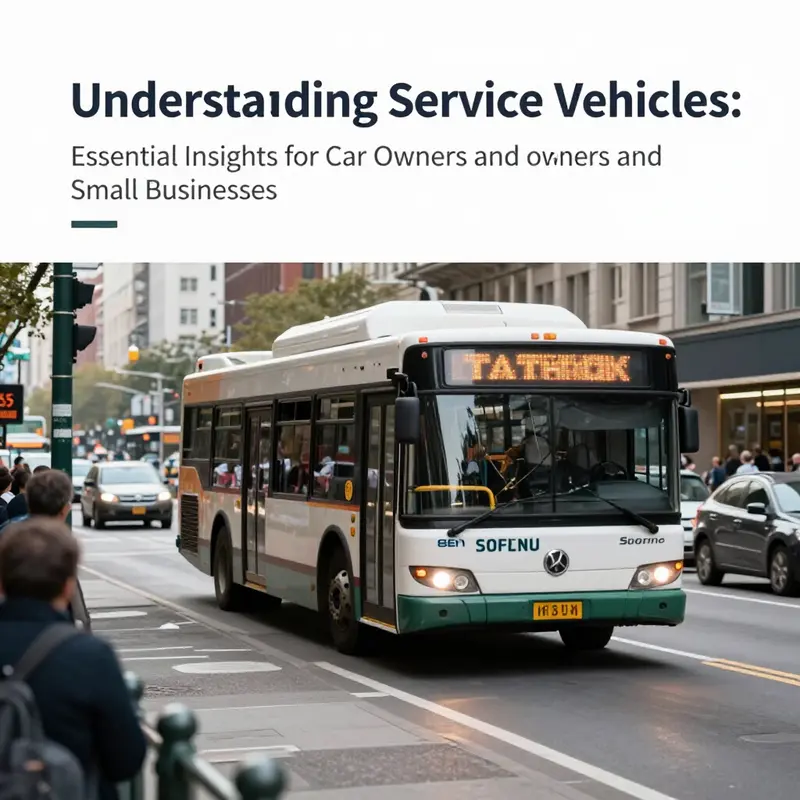
As readers consider the broader ecosystem of service vehicles, it is helpful to recall the different meanings that the phrase can carry. Public service vehicles, such as buses, demonstrate how vehicles function as public infrastructure, moving large numbers of people along fixed routes with mandated schedules. Winter service vehicles, including snowplows and snow blowers, show how special-purpose equipment supports safety and continuity of operations in adverse weather. Each variation underscores a central truth: service vehicles are designed to perform a defined service, and their value comes from the reliability and efficiency with which they fulfill that service. In a business context, that translates to predictable costs, compliant records, and a fleet that can scale with demand.
The decisions that shape a service vehicle fleet—whether to acquire, lease, or upgrade, and how to price, insure, and maintain it—are as much about strategic foresight as they are about day-to-day accounting. Tax considerations, while technical, should be integrated into the decision-making process early and often. The choice between actual expenses and standard mileage rates, the treatment of mixed-use vehicles, and the timing of placing a vehicle in service all influence cash flow and profitability. For a business just starting to build or optimize a fleet, it is helpful to approach these questions with a clear understanding of both the tax rules and the operational realities. The IRS resource mentioned earlier can act as a compass, but so too can a thoughtful review of maintenance practices, utilization patterns, and cost structures. In other words, the service vehicle is not merely a tool—it is a dynamic component of the enterprise’s value chain, deserving strategic attention in finance, operations, and risk management. For readers seeking practical, actionable guidance that ties maintenance to cost control, the internal resource on fleet upkeep can be a meaningful companion to the tax framework.
External resource: For a comprehensive overview of how the tax rules apply to business vehicle use, refer to the IRS Topic No. 510, Business Use of Car. You can access authoritative guidance at https://www.irs.gov/publications/p463#enUS2023_publink1000278959.
null
null
Clearing the Way in Snow and Ice: The Quiet Power of Winter Service Vehicles
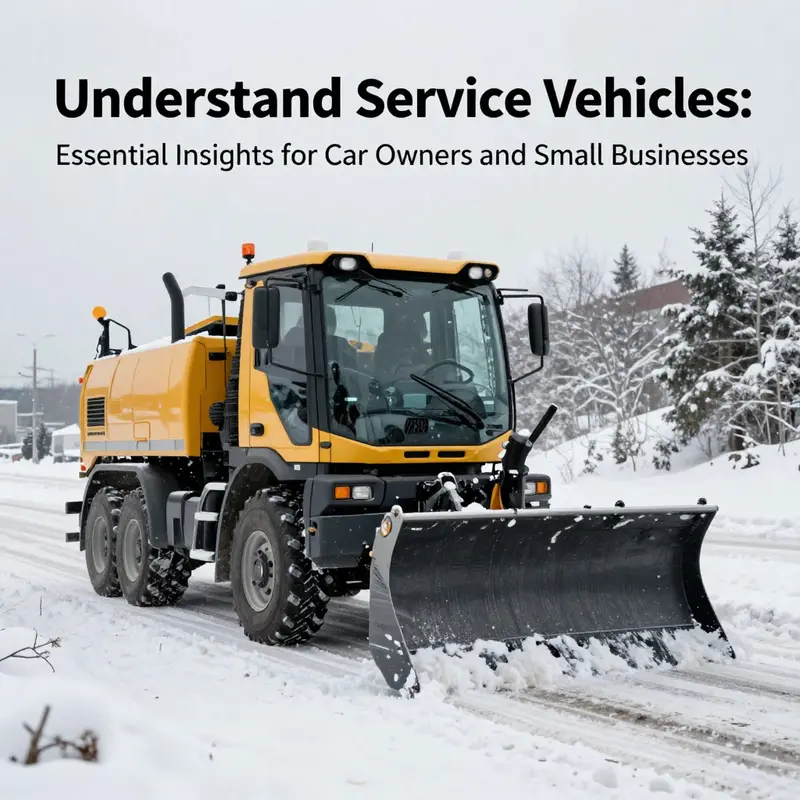
When we talk about service vehicles, the image that often comes first is a delivery van or a utility truck sliding quietly through a city street. But the broader truth is more nuanced: service vehicles are the workhorses of modern society, the mobile tools that deliver goods, move people, maintain infrastructure, and safeguard daily life. In winter, that role becomes both more visible and more critical. The winter service vehicle (WSV) is not a single machine with a single job; it is a family of purpose-built machines, each engineered to meet a specific winter challenge. Think of them as a fleet of specialized instruments designed to remove the day’s obstacles so a city can function, a highway can stay open, and an airport can operate with the same reliability that travelers expect in the dry months. From the urban boulevard to the rural lane, from the airport apron to the sidewalk, winter service vehicles embody a philosophy of proactive maintenance. They are about preparing for the worst weather with a disciplined, data-informed approach that keeps roads safe, goods moving, and networks resilient. In the broader context of service vehicles, winter maintenance reveals how specialized tooling—designed around the demands of a season—emerges from a convergence of engineering, public policy, and real-world experience. The last mile of winter safety is not merely a matter of plowing a path; it is a coordinated sequence of decisions, technologies, and resources that transform a potential hazard into a controllable risk. Central to this is the winter service vehicle, often colloquially called a snowplow or de-icing truck, but in practice a much more diverse family of equipment that can include plows, spreaders, sander trucks, brine applicators, and sophisticated de-icing systems. Each machine plays a distinct role in a shared mission: to restore traction, visibility, and predictability to a road network while minimizing disruption to commerce and daily life. The public-facing dimension of these vehicles is essential. In urban centers, WSVs clear arterial streets that keep emergency services responsive, keep bus routes on schedule, and allow commerce to flow despite hazardous conditions. In rural areas, where weather events can be more intense and less predictable, the same machines operate with fewer constraints, extending the reach of winter safety protocols to communities that rely on roads for access to schools, healthcare, and markets. The scope of winter service is not limited to moving vehicles along highways. It extends to pedestrian pathways, bicycle lanes, and even the interchanges of airfields, where the presence of ice on a runway can transform routine takeoffs into high-stakes operations. Airports in particular depend on a tightly orchestrated sequence of de-icing, snow removal, and runway treatment. The runways themselves are the nervous system of air travel; any delay or loss of grip can cascade into mismatches in scheduling, passenger frustration, and economic consequences for a region that relies on tourism, business travel, or freight. In this sense, WSVs are not just about clearing snow; they are about preserving the rhythm of mobility that underwrites the economy. This broad responsibility has driven an evolutionary arc in winter maintenance technology. Early methods relied on manual labor and small equipment, a slow and physically demanding approach that could only address limited areas. The transition to mechanized, engine-powered vehicles brought speed, scale, and predictability. Over time, designers recognized that winter conditions introduce a unique set of constraints: low temperatures, heavy payloads, slippery surfaces, and the need for precise application of de-icing agents. Modern WSVs therefore blend robust mechanical design with advanced control systems, hydraulics, and, increasingly, digital intelligence. The result is a fleet that can respond to a widening spectrum of weather patterns. Real-time weather data, road condition sensors, and centralized traffic management systems enable more precise and adaptive operations. Plowing can be timed to balance ice removal with minimizing salt use, while spreaders can calibrate the amount of deicing agent according to temperature, moisture, and traffic volume. The integration of guidance technologies and automated scheduling transforms a traditionally labor-intensive task into a data-driven process. Yet with technological advancement comes a set of trade-offs that must be navigated carefully. The environmental costs of winter operations are not limited to fuel consumption. The deployment and use of chloride-based deicers—common in many winter maintenance programs—pose risks to soil and water quality, and they can accelerate the degradation of infrastructure through corrosion and material wear. The literature on climate and environmental stewardship highlights the need to reduce chemical usage and to optimize timing and placement. In practice, this means more than simply applying chemicals more carefully. It means rethinking the winter maintenance strategy: adopting alternative substances where feasible, investing in training so operators can adjust tactics to real-time conditions, and leveraging ITS tools to minimize waste. The push toward sustainable winter maintenance is not a nostalgia for old methods; it is a pragmatic response to the ecological realities of modern infrastructure. The environmental calculus must include the operational footprint of the vehicles themselves. WSVs require significant fuel, maintenance, and energy inputs. They run for long shifts, on a schedule that becomes a rhythm for a region’s winter, and they carry the potential to contribute to local air quality challenges if not managed thoughtfully. The ethical dimension of this work emerges when communities seek to balance safety with environmental health and fiscal responsibility. For many municipalities, the challenge is to optimize across a spectrum of objectives: safety, reliability, total cost of ownership, and environmental impact. The solution is rarely a single silver bullet; rather, it is a concerted program that combines technology, best practices, and stakeholder collaboration. In this light, Intelligent Transportation Systems (ITS) emerge as a crucial enabler. ITS tools offer the capacity to monitor weather forecasts, road temperatures, and snow accumulation in real time. They enable dynamic routing for snowplows, adaptive sequencing for salting and plowing, and precise calibration of deicing materials. This capability translates into tangible benefits: more efficient operations, reduced chemical waste, and improved response times when incidents arise. When a fleet can see where hazard risk is most acute, it can allocate its resources to where they will have the greatest safety impact, rather than applying blanket treatments that may be unnecessary or wasteful. The human element of winter maintenance remains indispensable, even as automation and digital monitoring advance. Operators bring tacit knowledge about how snow behaves on different surfaces, how wind patterns affect accumulation, and how traffic flows interact with weather. Managers translate local conditions into policy choices: when to pre-treat roads, how aggressively to pursue de-icing, and how to coordinate with emergency services and aviation authorities. The social dimension—how people experience winter travel, how businesses plan around weather events, and how communities recover from storms—depends on the reliability of these decisions. The narrative of winter service vehicles, then, is a narrative of coordination at scale. It is about building and maintaining a fleet, training operators, and integrating systems so a city’s winter plan becomes a living protocol rather than a static list of tasks. It is about resilience: the capacity to adapt to the variability of winter weather, the confidence to maintain essential services, and the transparency to explain decisions to residents who rely on predictable mobility. The chapter’s throughline is that service vehicles, in their winter guise, reveal a broader truth about transportation in a changing climate. They illustrate how specialized equipment, when combined with intelligent planning and disciplined stewardship, can turn a season of risk into a season of continuity. They also remind us that the pursuit of safety and reliability must be balanced against environmental responsibility and economic feasibility. For those responsible for designing and operating these fleets, the path forward is clear in broad strokes even as the details remain nuanced. Invest in smarter, more precise application of deicers; reduce reliance on chloride through alternatives and timing; embrace ITS for optimization; maintain rigor in maintenance cycles; and foster a culture of continuous improvement among operators and planners alike. The aim is not merely to clear snow but to sustain a functioning, safe, and inclusive winter transportation network. To that end, the conversation around service vehicles must remain expansive enough to include not only the heavy fleet responsible for highways and runways but also the smaller specialists that maintain sidewalks, bike lanes, and other critical routes that keep communities connected during the harshest weeks of the year. The journey from horse-drawn sledges to modern, data-driven WSVs reflects a broader arc in public service: one that pairs mechanical ingenuity with a commitment to safety, accessibility, and environmental stewardship. For readers seeking practical ways to connect this chapter to the everyday realities of fleet management, a useful resource is available through the KMZ Vehicle Center blog, which offers broad insights into maintenance practices and fleet readiness. KMZ Vehicle Center blog. As winter continues to test road networks, the story of service vehicles remains a story of careful design, attentive operation, and collaborative governance that keeps people moving when the weather would rather stop them. For those who study or teach transportation, the chapter provides a lens to understand how specialized vehicles extend the reach of public safety and economic activity through disciplined, informed practice. The chapter closes with a reminder that the most effective winter maintenance programs are those that blend tradition with innovation: respect for time-tested plowing methods, and a willingness to adopt new sensors, smarter routing, and environmental improvements that minimize harm while maximizing safety. In this balance lies the enduring value of service vehicles as essential tools for keeping the world accessible, even when the cold winds blow and the first snowflakes begin to fall. External reading can broaden this perspective and connect it to broader systems thinking about winter road safety and ITS integration: Winter Road Maintenance: ITS Options. For practical reading on broader fleet maintenance considerations that support winter readiness, readers may also explore the KMZ Vehicle Center blog as a gateway to applied, hands-on guidance, including maintenance practices and routine checks that underpin reliable winter operations. External resource: https://www.researchgate.net/publication/382456721WinterRoadMaintenanceITS_Options
Regulatory Roadmap for Service Vehicles: Safety, Emissions, and Community Impact
Regulatory roadmaps shape how service fleets operate, balancing reliability with safety, emissions, and neighborliness. In the United States, the FMCSA framework governs commercial motor vehicles used in utilities and maintenance tasks, with hours-of-service rules, vehicle inspections, driver qualifications, and mandatory seat-belt use.
Hours-of-Service limits set when drivers may operate and for how long, influencing shift design and dispatch. Regular vehicle inspections ensure brakes, tires, lights, and essential systems remain in good order across the fleet’s mileage.
States and localities layer additional rules—noise limits near residential areas, emissions mandates, and access restrictions in congested corridors—driving fleets to adapt to urban realities.
In the European Union, vehicle type approval and emissions standards align safety with environmental goals. Type approval creates a common baseline for how vehicles are designed and tested before entering service; Euro emission classes drive procurement and maintenance planning, and influence how and where fleets operate in cities with strict air-quality targets.
Local authorities within EU member states tailor rules for parking, traffic flow, and operating hours in sensitive zones. This raises the importance of planning work windows that minimize community disruption while meeting service obligations.
Across regions, maintenance culture intersects with compliance. A disciplined program of inspections, documentation, and driver training reduces fatigue risk, supports audits, and translates regulatory expectations into day-to-day routines. Planning maintenance around regulatory windows, creating transparent records, and coordinating with dispatch ensures safety and reliability without surprising delays.
For readers seeking practical insight, the narrative emphasizes training that covers both vehicle operation and the regulatory context, documentation as a core competency, and procurement choices that reflect evolving standards. The regulatory landscape continues to evolve as technologies such as telematics, alternative fuels, and quieter powertrains reshape what is possible on the roads.
Wheels of Change: The Economic Footprint of Service Vehicles Across Sectors
Service vehicles are not just machines on wheels; they are the operational arteries of modern economies. They enable delivery, transport, maintenance, and care across a spectrum of activities, shaping how quickly goods move, how reliably people reach destinations, and how communities stay connected during harsh weather and routine traffic. To understand their economic footprint, we can explore three intertwined arenas where service vehicles matter most: public transportation, the automotive industry, and logistics and delivery services. Each arena reveals a different logic of cost, value, and risk, yet all revolve around a common truth: the choices surrounding service vehicles ripple through productivity, wages, and public policy in ways that are both visible in a ledger and felt in daily life. In this sense, service vehicles are both instruments and indicators of broader economic health. The discussion that follows threads these strands together, emphasizing how strategic deployment, intelligent design, and robust economic modeling can unlock value while mitigating the upfront and ongoing costs that accompany any shift toward new mobility paradigms. As the research body grows, it becomes clearer that the route to sustainable gains lies not only in the technologies themselves but in the governance, data systems, and workforce capabilities that accompany them. For readers tucked into the everyday realities of fleets and streets, the trajectory is less about a single breakthrough and more about an integrated transformation in how services move people and goods through space and time.\n\nPublic transportation sits at the intersection of public policy, urban form, and consumer behavior. The push toward automated and connected vehicles in this sector promises meaningful improvements in efficiency and affordability, but it also introduces a new calculus of costs and benefits. The cost landscape expands beyond the familiar price tag of a vehicle to include the costs of software platforms, data management, cybersecurity, and the maintenance of complex sensors and communication systems. Yet the potential upside is substantial. When a bus or shuttle fleet operates with higher reliability, fewer delays, and better route optimization, it translates into more predictable travel times, increased ridership, and greater social inclusion for people who depend on public transport. The economic argument becomes more nuanced as policymakers contemplate who bears the brunt of upfront investments and who reaps the benefits over time. This is where tools that map the local service costs and model the broader mobility ecosystem become essential. In fact, an economic assessment tool was developed and validated with real data from pilot sites within a major collaborative program. This tool aligns with a Total Cost of Mobility framework, capturing not just the direct costs of operating a vehicle but the full spectrum of alternative travel modes, the value of reduced congestion, environmental externalities, and the social benefits of greater accessibility. The results from this approach are not merely academic; they provide a financial outlook that supports policy decisions about the viability of automated services and shared mobility arrangements in cities. The lesson here is not that automation will automatically save money, but that carefully designed economics can reveal where savings are most likely, where risks are greatest, and how policy, regulation, and procurement strategies can align to maximize public value. Readers curious about the mechanics of these assessments can explore the AVENUE project and its validated tools, which demonstrate how data-driven modeling can guide decisions about when and where to invest in automated public transit. An important caveat remains: while the tools offer clarity on ROI and cost trajectories, they also underscore the unpredictability of revenue streams and the difficulty of pinning down exact breakeven points in diverse urban contexts. Still, the capability to simulate multiple scenarios is a powerful complement to traditional procurement and budgeting processes, especially as fleets evolve toward automation and shared pool management. To the skeptic, this is a reminder that the economics of service vehicles are not a static ledger but a living framework that must adapt to technology, policy, and behavior. A city that embraces this dynamic view can design governance mechanisms that share risk, incentivize performance, and maintain equitable access to mobility.\n\nThe automotive sector faces a parallel set of economics, where the advent of connected and autonomous driving intersects with manufacturing, software development, and fleet operations. In this view, the value creation from CAVs extends beyond single-vehicle sales. It spans new business models in service delivery, remote software updates, and data-enabled decisions that optimize routes, maintenance, and driver assignment. The potential profits span multiple domains: traditional vehicle manufacturing benefits from scale and advanced automation; software ecosystems open opportunities for continuous improvement and new revenue streams; and fleet management services can monetize improved uptime and utilization. Yet these opportunities come with substantial upfront commitments. Building the infrastructure to support autonomous technology—roadside networks, secure data centers, and robust cybersecurity protocols—demands significant capital. Even more crucial is the human capital equation: widespread retraining for technicians, engineers, and operators who must work with sophisticated systems and analytics. The risk here is twofold. On the one hand, the industry must weather the cost of transitioning supply chains, standards, and certifications that accompany new mobility tech. On the other hand, there is a strategic risk if investments race ahead of policy clarity, consumer acceptance, and interoperable ecosystems. Analysts point to the need for measured, staged investments that balance experimentation with scale, ensuring that learning from early deployments informs subsequent rollouts. Industry observers emphasize that long-run gains hinge on building resilient cyber-physical systems capable of withstanding evolving threats and maintaining continuity of service even as software and hardware evolve.\n\nLogistics and delivery services present perhaps the most direct and immediate economic incentives for service vehicles. Autonomous and semi-autonomous vehicles promise real reductions in labor costs, faster delivery times, and more reliable goods movement. The math is compelling: labor is a dominant cost in many logistics networks, and even modest improvements in uptime and route efficiency can yield outsized savings. At the same time, the capital required to acquire, integrate, and maintain an autonomous fleet remains steep. The initial expenditure for vehicle platforms, sensors, and control software, paired with ongoing maintenance and cybersecurity protections, forms a barrier that can temper early enthusiasm. Yet the experience from pilot programs suggests that with careful cost-benefit analysis, deployment can move toward profitability as efficiency gains compound over time. The dynamic here is influenced by route density, parcel volume, and the regulatory environment that governs autonomous operations. In markets where demand is predictable and scale can be achieved rapidly, the economics tilt toward favorable outcomes sooner. Conversely, in more fragmented or regulated landscapes, the pathway to ROI is more gradual, requiring robust partnerships, resilient supply chains, and clear policy signals that reduce risk for investors.\n\nAcross these sectors, a common thread emerges: robust economic modeling tools are critical to translating technology possibilities into actionable business cases. The AVENUE project, cited here, illustrates how a disciplined framework can simulate the full spectrum of mobility options within a city or region. The Total Cost of Mobility approach broadens the lens beyond vehicle price and fuel to include congestion costs, reliability, time value, customer experience, and social welfare. When applied to public transport, these tools illuminate how automated services might reshape budgets, staffing needs, and route design. For policymakers, the payoff is clearer forecasting and the ability to forecast scenarios that guide smart procurement and service design. For operators, the tools translate into practical insights about where to invest in sensors, data platforms, and digital interfaces to maximize uptime and passenger satisfaction. And for the broader economy, the promise is a more efficient movement of people and goods, with side benefits such as reduced emissions and improved air quality that feed into urban livability and long-run productivity.\n\nTo connect the theoretical with the practical, consider how a municipality might approach winter service vehicles designed to clear snow and ice while maintaining essential routes for public transit and emergency services. The same economic logic applies: upfront investments in specialized equipment, training, and routine maintenance must be weighed against the value of safer travel, reduced incident costs, and less weather-related disruption. The broader lesson is that service vehicles function as a case study in resilience and efficiency. They demonstrate how the configuration of fleets, the design of service models, and the economics of risk-sharing can influence the reliability of critical services during periods of stress. In this sense, the study of service vehicles is not merely about what they can do in ideal conditions, but how they perform when constraints tighten and demand patterns shift.\n\nFor readers seeking a practical pathway into this field, the literature suggests a few core commitments. First, adopt economic modeling as a standard tool in fleet planning, procurement, and policy design. Second, invest in interoperable digital ecosystems that connect vehicles, infrastructure, and service providers, enabling real-time data sharing and coordinated responses. Third, balance innovation with workforce development, ensuring that technicians, operators, and planners have the skills needed to manage increasingly intelligent fleets. Fourth, design pilots and phased deployments that produce clear ROI signals while accumulating transferable knowledge for broader rollouts. Finally, keep a long view: while today the emphasis might be on cost reductions, the true measure of success lies in sustainable mobility that serves users, supports commerce, and preserves public space for generations to come.\n\nFor those curious to explore the broader implications and practical considerations, further reading and ongoing discussion can be found in practical industry conversations and the KMZ Vehicle Center discussions, which offer perspectives on fleet maintenance and operations in the evolving mobility landscape. You can visit the KMZ Vehicle Center blog for related insights and guidance on fleet management and maintenance practices. KMZ Vehicle Center blog.\n\nExternal resources that illuminate the economic dimensions of automated mobility continue to emerge. A detailed external study that aligns closely with the themes described here is the Economic Impact Assessment of Local Service Costs of Automated Vehicles for Public Transport, which provides data-driven insights into the local costs and economic viability of automated public transit. Accessing this work can broaden understanding of how cities navigate the transition to automated service vehicles and how policymakers can design incentives and regulations that support prudent investment while protecting public value. External link: https://www.avenu-project.eu/publications/economic-impact-assessment-local-service-costs-of-automated-vehicles-for-public-transport.
Final thoughts
In summary, service vehicles are integral to various sectors, fulfilling essential functions that support local commerce, public safety, and community functionality. From their diverse applications in general business use to their pivotal role in public transportation and winter maintenance, understanding service vehicles’ regulatory frameworks and economic impacts is critical for stakeholders. These insights equip private car owners, used car buyers, and small business fleet operators with the knowledge to navigate the nuances of this multifaceted category of vehicles. Emphasizing the importance of service vehicles helps ensure their effective utilization, benefiting individuals and businesses alike.