
For Genesis vehicle owners, understanding where to get quality service is paramount. As a premium sub-brand of Hyundai Motor Company, Genesis shares many of the same service capabilities as Hyundai vehicles. This article examines the relationship between Hyundai dealerships and Genesis servicing, revealing certified options available for owners, the benefits of choosing Hyundai service centers, and important considerations to keep in mind. Each chapter will guide you through these facets, equipping you with the knowledge needed to make informed decisions about your vehicle maintenance.
Shared Wrenches, Shared Roots: Navigating Hyundai Dealers’ Ability to Service Genesis Vehicles

Genesis occupies a unique place in the automotive landscape. It is a premium sub-brand born from Hyundai Motor Group, sharing engineering DNA, supply chains, and, in many cases, service resources with its parent company. That kinship isn’t just a corporate footnote; it translates into real-world options for Genesis owners who want convenient, reliable maintenance without always traveling to a dedicated Genesis shop. The picture is nuanced, however. The broad network of Hyundai dealerships often provides routine care for Genesis models, but the depth of capability can vary. The result is a practical truth many owners encounter: you can usually get the basics done close to home, but when it comes to specialized diagnostics, software updates, or warranty-specific repairs, you may find the best fit is a purpose-built Genesis service facility. Understanding how to navigate this landscape—what to expect from a Hyundai dealership, where it makes sense to seek Genesis-certified service, and how to verify capabilities at a given location—can save time, preserve warranty terms, and keep a Genesis vehicle operating at its intended performance level, mile after mile.
At the heart of the matter is the shared ecosystem. Hyundai dealerships are typically equipped with the same chain of parts, factory-trained technicians, and service documentation that support Genesis vehicles. This shared infrastructure means that routine maintenance tasks—oil changes, tire rotations, brake servicing, cabin air filter replacements, fluid top-offs, and tire pressure monitoring system checks—are commonly within reach at many Hyundai locations. For an owner whose Genesis schedule is dictated by regular upkeep rather than a complex repair, this proximity translates into less downtime and fewer trips across town. The idea is straightforward: you do not have to drive miles out of your way for a simple service if the local Hyundai dealer can handle it correctly and efficiently.
But there is a caveat that becomes apparent once you move beyond routine maintenance. Genesis, while part of the same corporate family, carries its own diagnostic software, calibration procedures, software update workflows, and warranty policies that are tailored to its brand standards. Some advanced diagnostics require brand-specific tooling and software access that may be restricted to Genesis-certified technicians or certain service centers. Complex repairs—particularly those involving integrated safety systems, advanced driver-assistance configurations, powertrain recalibrations, or the software-flush procedures that can accompany a recall or a service campaign—may necessitate visiting a dedicated Genesis dealership or a shop with explicit authorization to work on Genesis platforms. In short, the same garage that happily changes your Genesis oil might not be equipped to reprogram an ECM or perform a software update that Genesis requires.
This distinction isn’t about a lack of competence at Hyundai stores; it’s about the scope of work and the depth of brand-specific tooling. To ensure that a Genesis vehicle receives the care it expects, it’s prudent to confirm a local Hyundai dealer’s Genesis certification status before booking an appointment for anything beyond the most routine service. A quick phone call or an online check often clarifies whether the technicians there have the necessary training, whether the facility carries Genesis-approved service bulletins, and whether they have access to the brand’s software tools for updates, recalls, or warranty-related diagnostics. The goal is to align expectation with capability, so that a visit doesn’t become an expensive detour or a documentation headache if a warranty claim is involved.
That verification step—whether a dealership is fully certified to service Genesis vehicles—can typically be found in two places. First, a dealership’s own service department can confirm their Genesis capabilities when you call. Second, the Genesis official support ecosystem provides guidance on where to go for particular services. The Genesis support page is a reliable source for up-to-date information about certified service networks, recall campaigns, and brand-specific maintenance requirements. Owners who wish to be proactive can consult that resource before arranging any service, ensuring they’re not asking a Hyundai service team to perform tasks outside their scope. This proactive check becomes especially valuable when a Genesis vehicle is under warranty, or when the service involves software-related updates and security recalls that require documented adherence to Genesis’ warranty protocols.
For those who manage their vehicles through a single trusted dealer, the experience can still be seamless. A Hyundai dealer that has a Genesis-certified service department can perform most routine tasks, document the work properly, and maintain the vehicle according to Genesis maintenance schedules. Technicians trained in cross-brand servicing learn the nuances of Genesis engineering and the expectations that come with premium-brand ownership. They understand the importance of torque specs, lubrication regimes, filter specifications, and service interval calibrations that differ subtly from mainstream Hyundai recommendations. In many cases, the service bay is organized to handle both brands’ vehicles in parallel, with technicians who can switch between diagnostic consoles and service procedures without missing critical steps.
That said, owners should also be aware of the limits. There are instances where a more specialized approach is required. For example, some Genesis models may rely on advanced diagnostics that involve proprietary software modules or calibration routines that only Genesis-certified technicians possess. Similarly, warranty repairs can require adherence to brand-specific diagnostic trees, with documentation that aligns with Genesis’ warranty terms and campaign strategies. A general preventive maintenance visit, performed with standard Hyundai factory parts and service practices, is often sufficient for routine items. But when the service touches on software updates, security patches, or safety-system recalibrations, the technician’s Genesis certification becomes a critical factor in ensuring the work is valid under warranty and that the vehicle’s systems continue to operate exactly as intended.
Owners will also benefit from knowing how to navigate trade-offs between convenience and depth of service. If a Hyundai dealership offers Genesis service for basic maintenance and a significant portion of diagnostics, but you anticipate a complex repair, calling ahead to confirm the availability of brand-specific tools can save a trip. If the issue is clearly software-related or tied to a recent campaign, a Genesis-certified center may be the safer bet, even if it means a longer drive. The aim is to protect the vehicle’s warranty, preserve its performance characteristics, and avoid a situation where a high-cost repair is performed with tools that don’t fully support Genesis architectures.
To help owners make informed decisions, many Genesis owners keep a simple matrix in their phones or car folders: the type of service needed, the likelihood that a Hyundai dealer can perform it, and the recommended next step if it cannot. For routine items, the Hyundai route is often efficient and economical. For anything beyond that, especially anything that touches software or warranty coverage, a Genesis-focused service facility offers the structured process and brand-specific expertise that can minimize risk and ensure continuity of the ownership experience.
Practical steps can make this process straightforward and stress-free. Start with a quick check of the dealership’s capabilities—call or visit the service desk and ask directly whether Genesis-certified technicians are available and whether the shop has access to Genesis-specific diagnostic tools. If the response is affirmative, you can proceed with confidence that the work aligns with brand standards. If the answer is uncertain, request a referral to a Genesis-certified service center or ask for a written confirmation of the tools and procedures the dealer uses for Genesis vehicles. In many regions, the Genesis Dealer Locator service is a quick way to identify the closest fully certified service sites, along with contact information and hours. While the locator is a practical resource, a phone call often yields the most immediate clarity about a particular model’s needs and the dealership’s current capabilities.
For owners who crave broader guidance on vehicle care and maintenance strategies, there is value in consulting reputable, brand-agnostic resources that emphasize sound mechanical practices. The KMZ Vehicle Center blog offers practical, broadly applicable car-care guidance that can complement brand-specific information. It’s a useful reference point for understanding maintenance intervals, general diagnostics, and best-practice timelines, especially when you’re weighing whether a dealership visit is warranted for a particular issue. You can explore that resource here: KMZVehicleCenter blog.
Ultimately, the message to Genesis owners is one of flexibility balanced with diligence. You can often obtain reliable routine service for a Genesis vehicle at many Hyundai dealerships, which translates into reduced travel time and faster maintenance cycles for everyday needs. Yet you should carry the awareness that more intricate work—especially anything tied to software updates, advanced diagnostics, or warranty-specific repairs—benefits from the precision and brand alignment that Genesis-certified centers provide. The most satisfying ownership experience comes from selecting the service path that preserves your vehicle’s capabilities and ensures the work performed is fully compatible with Genesis’ engineering intent. While the shared parentage creates a robust baseline of competency across a broad network, the final determinant of a successful service encounter is clear communication, explicit certification confirmation, and a diagnostic and repair plan that respects the Genesis brand’s distinctive requirements. This approach helps Genesis owners remain confident that their premium vehicle receives care that protects its performance, safety, and longevity while maintaining a streamlined relationship with a familiar and convenient service partner.
External reference for further guidance and up-to-date information: https://www.genesis.com/support
Between Brands, One Service Floor: Navigating Genesis Maintenance at Hyundai Dealerships
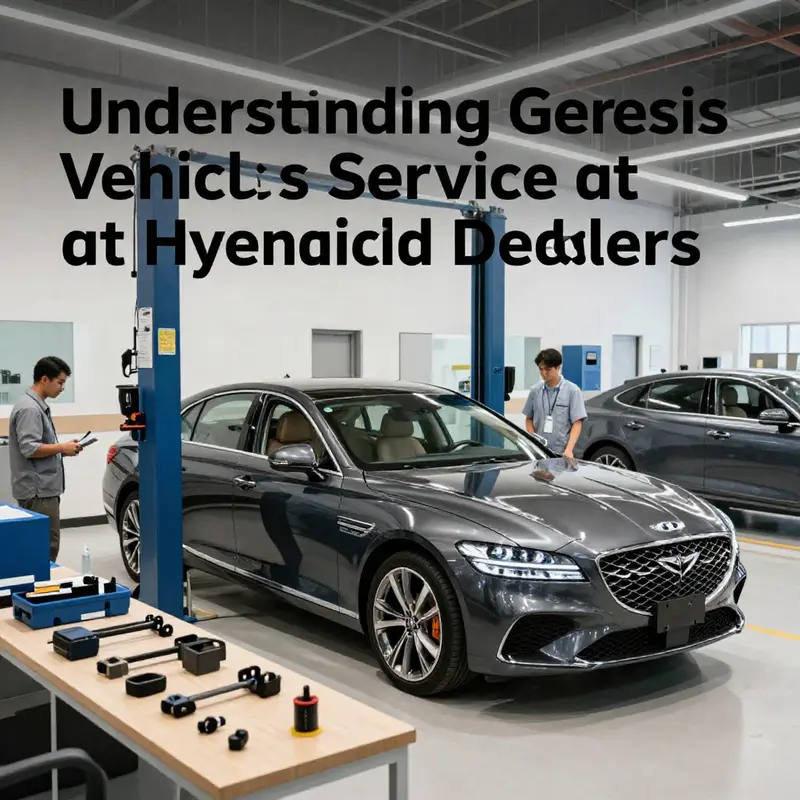
When owners ask whether Hyundai dealers can service Genesis vehicles, the question touches a practical intersection of corporate structure, dealership operations, and real-world maintenance. Genesis began as a premium sub-brand under Hyundai Motor Company, and that lineage shapes the service ecosystem in a meaningful way. The short answer is that many Hyundai-authorized service centers have the training, tools, and parts necessary to work on Genesis models. The longer truth is more nuanced: certification status can vary by model year, by the exact service capability required, and by the specific dealership’s equipment and technicians. For a Genesis owner, this matters not only for routine maintenance but for software updates, recalls, and more complex repairs that demand up-to-date factory guidance and access to the right parts. Understanding how these factors play out at the point of service helps keep a Genesis in peak condition while also protecting long-term safety, reliability, and value.
The connective thread here is the shared parent company and the overlap in service networks. Because Genesis operates within the same corporate family as Hyundai, many authorized Hyundai service centers are equipped with the same diagnostic tools, service bays, and parts logistics that support Genesis vehicles as well. This shared infrastructure means that technicians can often perform basic to intermediate maintenance without transferring the vehicle to a separate Genesis-certified facility. In practice, a routine oil change, tire rotation, brake service, battery checks, and general multi-point inspections can frequently be completed within Hyundai’s service framework. The practical implication is convenience and continuity: you can keep using the same trusted location, the same appointment cadence, and the same warranty-adjacent expectations you already rely on—provided the dealer has clear confirmation that their technicians are trained and authorized to service Genesis models. The comfort here is practical and grounded in how modern auto brands structure their service networks, where knowledge sharing across a parent brand’s portfolio reduces downtime and keeps maintenance costs transparent for customers who already trust one brand’s service philosophy.
Yet the path from “can service” to “can certify” is not universally identical. Some Hyundai dealers may routinely service Genesis vehicles for standard wear-and-tear maintenance, yet there are instances where certain newer or highly specialized Genesis models require more specific certifications, software access, or parts that are stocked only at facilities with explicit Genesis service credentials. The most reliable way to navigate this is simple: ask upfront. Before you book, contact the dealership and confirm whether their technicians are certified to service your exact Genesis model and year. If possible, request a named technician or service advisor who handles Genesis work. You’ll also want to verify whether the dealer has the latest factory flash software, access to service bulletins, and the ability to perform any model-specific recalls. In this way, the conversation shifts from a broad assumption about servicing to a precise confirmation about capability, ensuring you don’t encounter a surprise during the service window or after the vehicle is returned.
For owners seeking guidance, the Genesis official support channel offers the definitive reference point for what is currently certified and recommended. While the specifics can shift with model cycles and regional policies, the support page serves as a reliable source of updates about service eligibility, recommended service providers, and any required documentation. When in doubt, consulting Genesis support alongside a local dealer creates a two-pronged assurance: local accessibility and manufacturer-endorsed alignment. This is particularly important for vehicles that rely heavily on software integration, advanced driver aids, or electrified powertrains where the latest calibrations influence performance, safety, and efficiency.
In practice, the service journey begins with clear expectations. A Genesis-owner mindset recognizes maintenance as a collaborative process among vehicle, dealer, and manufacturer. The dealership will typically start by reviewing your vehicle’s service history, warranty status, and the nature of the requested maintenance. If the vehicle is within a warranty window, technicians will follow documented service protocols to preserve coverage, including any required pre-checks, software baselines, and calibration verifications. Even when a dealership is not a dedicated Genesis studio, the emphasis remains on following manufacturer-approved procedures. The technician will assess whether the problem is best addressed through routine service channels or if it requires a specialized diagnostic flow that hinges on Genesis-specific software or proprietary tools. When the latter is needed, the dealer may defer to a Genesis-certified team or coordinate with Genesis technical support to ensure the correct approach.
A key practical aspect concerns the condition of the parts supply chain. Modern Genesis and Hyundai vehicles share many components, but the fit and function of some parts—especially those tied to advanced electronics, driver-assistance systems, or interior electronics—can be model-specific. The implication for customers is that even a dealer with broad service capacity may encounter parts availability constraints. If a part is not standard stock, the service department will typically place a parts order or arrange a transfer from a regional repository. The best approach is to discuss parts availability at the outset, especially for services that require electronic modules, sensors, or software updates that depend on current part numbers and compatibility notes. A transparent dealer will provide a realistic timeline, outline any temporary limitations, and offer alternatives or a courtesy vehicle if the repair window is longer than expected.
While the mechanics of service delivery are critical, the relationship between a Genesis vehicle and a Hyundai dealer also hinges on the electronic and software ecosystems that modern cars inhabit. Many maintenance tasks are now software-driven, including system calibrations, infotainment interface refinements, and tire-pressure monitoring system recalibrations that cross-check with vehicle body control modules. In these cases, the dealer’s ability to access Genesis diagnostic runs, vehicle-history logs, and factory service bulletins matters as much as the physical toolbox in the bay. A dealership that can demonstrate direct access to Genesis-specific service data and steps demonstrates a higher readiness to handle contemporary maintenance without compromising the integrity of the vehicle’s systems. If a driver encounters repeat issues that are not resolving with standard maintenance steps, a dealer with deeper Genesis diagnostic capability is more likely to pursue targeted software updates or data-logged testing procedures that can uncover root causes that generic service flows might miss.
This is where a practical, customer-facing mind-set becomes crucial. The best service experiences align three elements: clear communication, transparent timing, and accurate expectations about what the dealership can and cannot do in a given visit. For example, a typical maintenance visit might begin with a light inspection, fluid top-offs, and tire checks that the technician can complete within a standard service window. If the vehicle’s electronic systems require deeper intervention, the advisor should inform you early about potential escalation and provide a plan that might involve a longer turnaround, a parts hold, or a specialist lab-day diagnostic. The dialogue should also reinforce that if the local Hyundai dealer does not offer Genesis-certified diagnostics for your specific model, there is a formal path to connect with Genesis technicians or a Genesis-certified center for the more sensitive tasks. The goal is not to surprise a customer with a sudden change in service direction but to build confidence that the right expertise is engaged for the right problem.
For maintenance planning, the scope of what a Hyundai dealer can handle often includes routine wear‑and‑tear services, refrigerant recharges within manufacturer specifications, brake-system inspections, tire services, battery health checks, and standard alignment checks. In many cases, this suite of services suffices for the majority of owners who require timely, convenient care without unnecessary downtime. When the conversation shifts toward more complex work—such as powertrain component inspections tied to warranty claims, high-voltage system checks, or advanced driver-assist cooperatives—owners should expect a more formal confirmation process. This may involve pulling the vehicle into a service bay with Genesis-approved diagnostic sequences, running a fresh set of data logs, and ensuring that any software or calibration updates align with current VIN-specific baselines. The end state is the same: a vehicle that leaves the service center with a record of work that matches what Genesis requires to maintain warranty validity and performance expectations.
An often overlooked but essential element of this process is the way maintenance plans and promotions are conveyed across markets. Genesis and Hyundai support ecosystems frequently offer coverage and incentive frameworks that reflect the brand’s approach to reliability and ownership convenience. In some markets, this can translate into bundled maintenance offers, extended warranties, or roadside assistance packages that reduce the friction of keeping a premium vehicle in optimal condition. While the precise terms are regional, the underlying philosophy is consistent: prioritize coverage clarity, ensure people understand what is included, and provide a straightforward path to getting the vehicle serviced properly without undue cost or confusion. This emphasis on clarity can ease the decision-making process when a Genesis owner weighs the option of staying with a familiar Hyundai dealer versus seeking a dedicated Genesis studio that might be geographically less convenient but offers deeper brand-specific expertise.
The practical verdict for most owners is pragmatic rather than absolutist. Hyundai dealerships often provide a high-quality service option for Genesis vehicles, particularly for routine maintenance and non-urgent repairs. The pivotal action is to engage in a direct, upfront inquiry about certification for your specific model and year, to confirm part availability, and to understand the dealership’s plan for any work that might require Genesis-specific procedures. If the dealership confirms Genesis certification for your model, you can proceed with the confidence that technicians are following manufacturer guidelines and that service records will reflect this alignment. If not, you still benefit from the convenience of the Hyundai service ecosystem but should anticipate a referral to a Genesis-certified facility for work that clearly requires model-specific tooling or software access. Either way, keeping a record of service, documenting any issues, and maintaining proactive communication with the service advisor creates a smoother, more reliable ownership experience.
Maintenance scheduling is also an opportunity to leverage knowledge transmitted through the broader care ecosystem. For instance, keeping up with oil-change intervals, brake wear, and tire health—topics that intersect with engine efficiency and safety—can be aided by practical maintenance resources. A good practice is to review the interval guidance aligned with your vehicle’s usage profile and regional climate, then cross-check with the dealer’s recommendations. See how a practical maintenance approach translates into real-world care by exploring resources that discuss how to balance time-based versus mileage-based service needs. This reference helps ground conversations in concrete maintenance planning, while still centering the dealership as the hub for execution, inspection, and accountability.
In the end, the choice of where to service a Genesis vehicle when you’re near a Hyundai dealer comes down to alignment. You want technicians who know the brand’s core engineering ethos, access to current factory guidance, and a clear procedure for handling model-specific service events. You want transparency about what is covered under warranty, what is urgent versus routine, and how long the service will take. You want to feel confident that the vehicle remains safe, comfortable, and performing as the engineering team intended. The shared corporate lineage between Genesis and Hyundai makes this feasible in many cases, but it does not erase the importance of proactive inquiry, precise certification checks, and an honest appraisal of whether a particular service is within the dealer’s current Genesis-certified scope. When those elements come together, a Hyundai dealer can indeed be a capable, convenient, and reliable partner for Genesis owners, turning a potentially segmented service experience into a cohesive maintenance journey that respects both brands’ standards and the owner’s expectations.
For those who want direct access to manufacturer-endorsed guidance beyond the local desk, the Genesis support page remains the authoritative resource. It offers model-specific expectations, current service advisories, and the latest information about how Genesis and Hyundai service networks coordinate to keep vehicles in peak condition. In practice, owners who combine informed questions with a proactive service plan find themselves navigating the care landscape with greater assurance, reducing the chances of miscommunication and ensuring that precision maintenance is delivered as designed. The result is a service experience that honors the integrity of Genesis engineering while leveraging the breadth and convenience of Hyundai’s broader service footprint. This synergy between brands, when managed thoughtfully, can deliver the best of both worlds: accessible, competent maintenance within a network people already trust.
Where Prestige Meets Practicality: How Hyundai Dealers Can Service Genesis Vehicles Without Compromise

The Genesis brand has always stood at the intersection of luxury and engineering discipline within Hyundai Motor Company, yet the practical question of service can feel murkier than the showroom brochures suggest. Because Genesis operates as a premium sub-brand under the Hyundai umbrella, many of the same service ecosystems—from training programs to parts networks and diagnostic tools—span both brands. That shared backbone creates a reliable pathway for Genesis owners who prefer the convenience of sticking with a familiar dealership, especially one that already understands the nuances of advanced technology, complex infotainment systems, and high-performance powertrains. The door to authorized Genesis service at Hyundai dealerships is not a metaphorical doorway; it is a real, working channel that many drivers can access with confidence. But like any specialized luxury service, there are important caveats. The landscape is shaped not only by corporate alignment but by the practical realities of certification, model year, and the evolving portfolio ofGenesis vehicles. Thus, the most informed approach is to treat the Hyundai dealership as a potential service partner for Genesis—but to verify, in advance, that the shop has the credentials, equipment, and authorization to service your particular Genesis model. This isn’t about convenience alone. It’s about preserving performance, safety, and resale value through a process that aligns with the standards created for Genesis vehicles from the outset.
To begin with, the most tangible advantage of using a Hyundai dealership to service Genesis vehicles is the access to factory- authentic parts and the accompanying service information. When a team sits in front of a high-tech chassis, sophisticated suspension setup, or a modern powertrain, the difference between using generic replacement components and genuine Genesis components can be pronounced. Genuine parts are engineered to work with the exact tolerances, software calibrations, and material specifications that Genesis vehicles require. This alignment matters not only for the immediate repair but for long-term reliability and performance. At a Hyundai dealership equipped to service Genesis vehicles, technicians can source these genuine components from the same distribution networks that supply Genesis authorized service centers. They can also apply up-to-date service bulletins and diagnostic procedures that reflect the latest knowledge about each model year and trim. In a field where a small variance in a bolt torque or a software calibration can ripple into a noticeable change in feel or safety, having access to factory guidance and parts translates into tangible value for the owner.
The second pillar of confidence comes from the technicians themselves. Authorized service personnel at Hyundai locations that handle Genesis work aren’t generalists dabbling in a wide range of brands. They are Genesis-certified technicians who have undergone training tailored to the peculiarities of Genesis platforms. This training encompasses not only mechanical repair but the integration of advanced driver-assistance systems, hybrid or electric powertrains, and the latest multimedia ecosystems that define Genesis ownership. The diagnostic tools they utilize mirror the equipment found in dedicated Genesis service facilities, ensuring that fault codes, sensor readings, and calibration procedures are interpreted with the same rigor as a brand-specific shop. The experience is not just about getting a car back on the road; it is about restoring the calibrated balance between luxury, safety, and performance that Genesis buyers expect. When a technician understands the vehicle’s architecture—from chassis tuning to the subtle characteristics of the steering feel—maintenance becomes less about a provisional fix and more about a repair that preserves the vehicle’s intended character.
A third, often decisive, advantage is warranty continuity. Genesis warranties carry weight and expectation. If a vehicle is still covered, maintaining that coverage typically requires service at an authorized dealership. Taking a Genesis to an out-of-network shop can threaten warranty validity, particularly for powertrain or electronics. This is not merely a bureaucratic hurdle; it is a safeguard that protects owners from the financial and logistical risk of gaps in coverage. Hyundai stores with Genesis service capabilities are positioned to honor eligible warranty work under the same terms as dedicated Genesis centers, provided the work is within the scope of the warranty and performed by qualified technicians. If a component failure or a repair needs to be conducted under warranty, having a dealership team that speaks the same brand language can smooth the process—from documentation to the submission of claims and the scheduling of follow-up visits.
Beyond the basics of parts, training, and warranty, there is another compelling facet of the service experience at Hyundai dealerships that service Genesis vehicles. It resides in a carefully structured ownership program that many owners value for the continuity it offers. The Genesis care ecosystem encompasses benefits designed to deliver a premium, worry-free ownership journey, including a comprehensive maintenance and support framework that is delivered through authorized channels. The specifics of such programs can evolve, but the core promise remains consistent: owners receive a level of attention that recognizes Genesis as more than a car, but a long-term relationship built on trust, reliability, and a high standard of service.
Within this ecosystem, the digital layer plays a critical role. An integrated service workflow can be accessed through a dedicated ownership app, which enables appointment scheduling, real-time updates on service progress, and even vehicle-level actions such as remote locking, starting, or climate control adjustments while the owner is away. The digital experience is designed to reduce friction, improve transparency, and give owners the reassurance that their vehicle’s status is known at every stage of the service cycle. This isn’t merely convenience; it is a meaningful enhancement to ownership experience that echoes the premium expectations Genesis buyers bring to the table. When a Hyundai dealership leverages this digital stack in concert with Genesis diagnostic and service data, the owner gains a cohesive, end-to-end experience that aligns with the vehicle’s brand promise.
Yet, even with these strengths, a discerning owner will want to confirm that their local Hyundai dealership is fully certified to service their Genesis model and that there is a clear understanding of which model years and trims are supported. In practice, some facilities may excel at servicing older Genesis models while newer platforms or special editions require a higher degree of specialization that only a subset of dealerships can confidently provide. This is not a negative reflection on the dealership; it is a reminder that the Genesis lineup has evolved quickly, incorporating new propulsion technologies and sophisticated software that require ongoing credentialing and investments in tools. The prudent approach is to call ahead or check the Genesis official resources to verify that your vehicle’s exact configuration is within the service network’s scope. The confirmation step protects both the owner and the dealership, ensuring that the service plan aligns with the vehicle’s calibration and warranty terms, while avoiding potential delays or miscommunications during the repair process.
The practical value of using a Hyundai dealership for Genesis service is best understood through a cohesive narrative: you gain factory-authenticated parts, technicians trained for Genesis, reliable warranty coverage, access to a carefully designed care program, and a seamless digital interface that tracks every step of your vehicle’s health. These elements come together to offer not just maintenance, but a continuation of the Genesis ownership experience—one that respects the vehicle’s engineering integrity and the owner’s time and expectations. In many markets, this convergence has created a near-seamless network where the loyalty of brand partners supports drivers who insist on premium service without needing to navigate a maze of independent shops. The goal for the owner is not merely to keep a car running; it is to preserve the nuanced balance of comfort, performance, and prestige that a Genesis represents, while enjoying the simplicity of a single, trusted point of contact for all service needs.
To make the most informed choice, it helps to view the decision through a practical lens. Start by identifying the dealerships you are considering and asking the right questions: Do you have certified Genesis technicians on staff who are current with the latest service protocols for my model year? Are genuine Genesis parts readily available at this location? Is the service facility equipped to handle any advanced systems specific to my vehicle, such as smart navigation or driver-assistance calibrations? Will service be performed under warranty if applicable, and what documentation will I receive to verify that the provisions of the warranty are being honored? By framing the conversation in these terms, owners can quickly separate facilities that are aligned with Genesis care from those that may only offer a generic maintenance offering.
For readers who want a touchstone for ongoing maintenance guidance, resources such as the KMZ Vehicle Center blog offer practical insights on routine checks, diagnostic indicators, and at-home upkeep that complements dealer service. Access to such resources can help owners prepare for visits, understand what technicians may be addressing, and participate more actively in the care of their vehicle. For example, you might discover articles on appropriate tire pressure trends, brake wear indicators, or software update cycles that affect performance and efficiency. The relationship between a dealership’s expertise and a car owner’s proactive care becomes stronger when both sides share a common language of maintenance and safety. If you would like to explore further, you can explore the KMZ Vehicle Center blog here: KMZ Vehicle Center blog.
Finally, the overarching takeaway is simple and practical. Hyundai dealerships that service Genesis vehicles can offer a premium and consistent experience without forcing owners to switch their trusted service environment. The alignment of parts, people, and processes ensures that Genesis owners do not have to navigate a fragmented service landscape to receive the high level of care their car deserves. The key is to seek confirmation about certification and capabilities before scheduling, and to leverage the ecosystem that supports a holistic ownership experience—from the initial appointment through ongoing maintenance and potential future updates. When those elements align, the result is a service relationship that preserves the Genesis vehicle’s performance, safety, and luxury character while offering the convenience that comes with a familiar, trusted dealer network.
For owners who rely on the security of a warranty and the convenience of a connected service experience, the Genesis care ecosystem—the dedication to quality, the maintenance commitments, and the integrated digital tools—continues to be accessed most effectively through authorized dealerships. The network you choose should provide clear assurances about parts provenance, technician credentials, and the availability of the essential programs that accompany modern Genesis ownership. It is not merely about finding a place to fix a problem; it is about engaging with a service partner that understands how to protect the investment you have made in a vehicle that is as much a statement of design as it is a performance machine. In that sense, the decision to service Genesis vehicles at Hyundai dealerships, when properly certified, is a practical alignment of capability and care that honors both brands and, most importantly, the driver who expects nothing less than a premium, reliable ownership experience.
External resource for further context: https://www.genesis.com/en-us/owners/genesis-care.html
Genesis Servicing at Hyundai Dealerships: Balancing Brand Standards and Convenience

This chapter explains how Genesis vehicles should be serviced, why authorized Genesis centers are preferred, and how Hyundai dealerships fit into the service landscape. It covers the importance of brand-specific diagnostics, genuine parts, technician training, and warranty considerations. Practical guidance for owners includes verifying certification status, requesting Genesis-qualified technicians, and planning maintenance with an eye toward model-specific requirements. The goal is to help readers make informed decisions that protect performance, safety, and warranty while recognizing practical access to service networks.
Final thoughts
In conclusion, Hyundai dealerships are generally well-equipped to service Genesis vehicles due to their shared parent company, but certain limitations may exist depending on the model and dealership certification. By choosing a qualified dealership, you can ensure your Genesis receives the care it deserves, ensuring high standards and expert servicing. It is advisable for owners to confirm certification before proceeding with any service work, ensuring a seamless maintenance experience.