
Owning a vehicle comes with the responsibility of regular maintenance to ensure safety and performance on the road. For private car owners, used car buyers, sellers, and small business fleet operators, recognizing the signs that indicate your vehicle requires servicing is crucial. This article will help you unveil the essential signals, from dashboard indicators to fluid checks and performance assessment, guiding you toward maintaining your vehicle in optimal condition. By exploring these key factors, you’ll be better prepared to keep your vehicle running smoothly, avoid costly repairs, and enhance its lifespan. Let’s delve into the crucial indicators that are essential for every vehicle owner.
Reading the Signals: How Dashboard Clues Reveal When Your Vehicle Needs Servicing
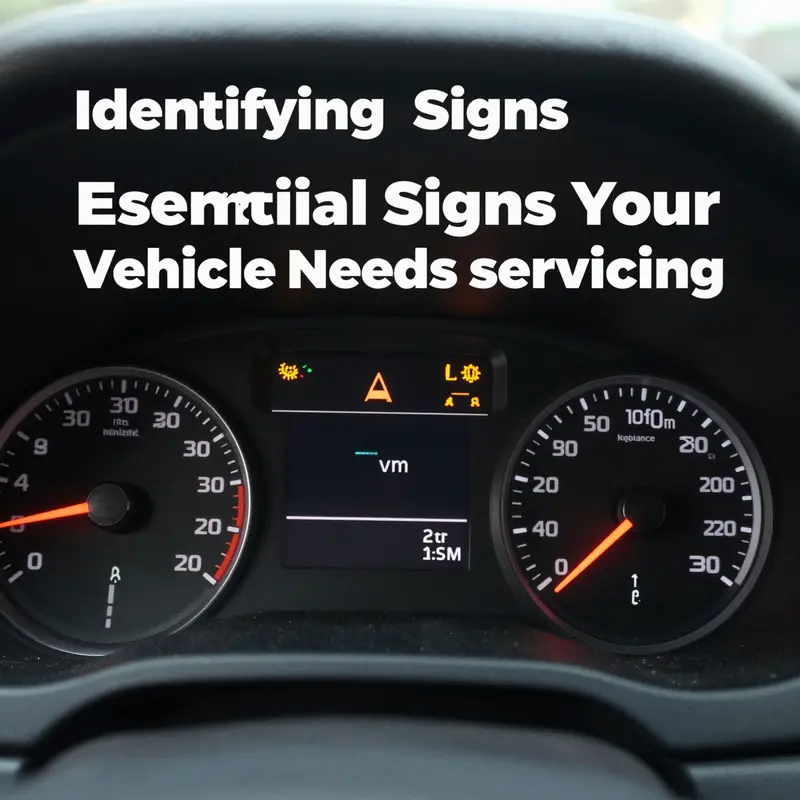
A car’s dashboard is more than a cluster of lights and gauges; it is a health report card for the vehicle you depend on daily. When you understand what the indicators are trying to tell you, you gain a proactive tool for preserving safety, performance, and value. Instead of waiting for a breakdown to force a trip to the shop, you can read the signs early and act with purpose. This chapter weaves together the most reliable cues from the dashboard, from the familiar service reminder to the subtle glow of a warning light, and shows how they fit into a coherent plan for maintenance. The approach is practical, not alarmist, rooted in how modern vehicles monitor systems and how drivers can respond without guesswork. In the end, a little vigilance translates to fewer surprises on the road and more confidence behind the wheel.
The most straightforward cue is the service reminder light—the dashboard icon that looks like a small wrench or a maintenance symbol. When this light illuminates, it signals that the vehicle has reached a scheduled service interval based on mileage or time. The reminder is designed to be a reliable nudge to consult the owner’s manual and book a service with a qualified technician. It is not a vague warning, but a specific prompt tied to the manufacturer’s maintenance plan. If the light stays on after starting, or flickers while you drive, treat it with the same seriousness you would give a warning light for a critical system. The light’s exact meaning and the required interval depend on the car’s design, so a quick check of the manual or a consult with a trusted shop ensures you don’t miss a crucial service.
Beyond the service indicator, there are a handful of more technical cues that come from the engine bay and the sensors that monitor it. The oil system is the lifeblood of the engine, and its condition is a reliable proxy for overall health. Regularly checking the oil level and its appearance on the dipstick is a simple, essential habit. If the oil appears very dark or thick, or you notice gritty particles, that signals degradation and potential contamination. The rule of thumb is time-based as well as mileage-based: many manufacturers recommend an oil change every six months as a precaution, especially in older engines or vehicles subjected to harsh conditions. Oil type also governs interval length: mineral oil commonly requires changes around every 5,000 kilometers, semi-synthetic around 7,500 kilometers, and full synthetic up to about 10,000 kilometers. These figures are guidelines, refined by the vehicle’s age, fuel quality, and how you drive. For anyone who fluctuates between short city trips and longer highway runs, the engine never enjoys the same cleanliness as a constant, steady rhythm of travel; in such cases, the six-month rule is a prudent safety net.
The oil story connects to a broader listening habit: listening for unusual noises or vibrations. The engine has a set of predictable sounds when it’s healthy, and any deviation deserves attention. A metallic knocking or ticking can be a chorus of insufficient lubrication or worn components such as timing chains. It does not always mean catastrophic failure, but it does mean a technician should examine the cause. When brakes screech or emit a high-pitched tone, that is usually a warning that the brake pads have worn down to a critical thickness and need replacement. The threshold often cited is around 3 millimeters; pass that mark and stopping distances may increase, especially in wet conditions. Suspension noises, such as a clunking from the front end, can point to worn ball joints or shock absorbers and should lead to a thorough inspection. These sounds are not decorative; they’re the car’s way of telling you that a component is nearing the end of its service life.
Fluids are the car’s circulatory system, and their levels and condition reveal a great deal about how well every subsystem is functioning. Coolant, for example, should remain within the proper level in the reservoir, and its color should stay clean and bright. Cloudy or discolored coolant can indicate contamination or leaks, and it requires timely attention. Brake fluid is another critical fluid that accumulates moisture over time. When it appears dark or shows excessive moisture content, it loses its effectiveness, which can lead to brake fade or failure under demanding conditions. Transmission fluid in automatic transmissions should be checked for correct level and a clean, pink-to-red appearance. A burnt odor or a dark, degraded color is a red flag that demands professional inspection. These fluid checks are not cosmetic; they reflect the health of entire systems—from the engine cooling loop to the braking and transmission assemblies.
Performance changes are often the most noticeable signals of aging or impending failure. A vehicle should deliver steady power and predictable acceleration. When power drops or acceleration feels sluggish, the fault can lie in a host of culprits: a clogged air filter that restricts airflow, dirty fuel injectors that misdeliver fuel, or worn spark plugs that misfire. A sudden or sustained drop in fuel economy is another important cue. If fuel use spikes by more than about 10 percent without a change in driving conditions, it usually means the engine is working harder due to inefficiencies. Misfires, rough idle, or hesitation on startup are all red flags that merit a diagnostic check. These signs often point to issues with ignition components, fuel delivery, or sensor systems that monitor engine performance.
Tires and brakes are the most tangible safety-related indicators on the panel. Tread depth is a straightforward measure of grip; when tread falls below 1.6 millimeters, tires must be replaced to maintain safe traction in all weather. Uneven wear patterns on tires can reveal misalignment or suspension problems that, if left uncorrected, will shorten tire life and compromise handling. Brake wear must be monitored as a part of routine checks; if pads are thinner than about 3 millimeters, the stopping distance grows and the risk of rotor damage increases. Tire and brake health is not just about performance; it is a direct line to safety that should never be neglected.
Alongside the mechanical cues, a series of dashboard lights ping out the car’s status. The Check Engine Light (CEL) is perhaps the most familiar. It signals that the onboard diagnostics have detected an emissions or engine issue that warrants investigation. In many cases, the problem is simple—like a loose gas cap—but it could also indicate more serious concerns such as misfiring cylinders or a failing catalytic converter. If the CEL remains on, it is wise to have the vehicle scanned with an OBD-II reader to retrieve the trouble codes and guide the repair plan. The Oil Pressure Warning Light is another critical signal. If this light comes on while you are driving, pull over safely and turn off the engine as soon as possible. Low oil pressure can cause severe engine damage, even if oil level appears normal on the dipstick. If the oil level is indeed low, add oil and continue to monitor. Persistent low pressure despite adequate oil is a sign of a deeper mechanical problem that needs professional attention.
A Battery Warning Light should also be treated with seriousness. A lingering battery light after starting the engine often points to a charging system issue, typically with the alternator. This can leave you stranded, even if the car starts after sitting a while. The Brake System Warning Light can illuminate for multiple reasons, including low brake fluid, worn pads, or a failure in the ABS. Ignoring this signal risks reduced stopping power in emergencies, so it should be inspected promptly. The Coolant Temperature Warning Light is another vital cue. Overheating can warp engine components or lead to a blown head gasket, and even a brief overheat episode can cause long-term damage. The Tire Pressure Monitoring System (TPMS) Indicator is a reminder that underinflated tires can compromise handling and fuel efficiency. Proper tire pressure improves safety, ride comfort, and economy. Finally, the general Service Engine Soon light, sometimes labeled Maintenance Required, acts as a broad reminder for routine servicing. It can reflect a specific early issue or simply be a routine prompt tied to the manufacturer’s maintenance schedule.
To make sense of all these signs, consider how driving conditions and habits influence wear. Stop-and-go urban driving subjects the engine to more frequent starts and stops, accelerating oil degradation and carbon buildup. Harsh environments—dusty air, salty road spray, or extreme temperatures—accelerate wear on filters, brakes, and cooling components. Aggressive driving, with frequent hard accelerations and brisk braking, places stress on the engine, transmission, and braking system, pressing the maintenance schedule forward. The practical takeaway is that the dashboard signals should be interpreted in the context of your typical driving, and then cross-checked against the maintenance plan in the owner’s manual. It is not enough to react to a single light or sound; a pattern of symptoms should guide a thoughtful service plan rather than a knee-jerk reaction.
In practice, the most effective approach is to develop a routine that blends the dashboard’s warnings with a proactive maintenance schedule. When a light lights up, assess your oil level and condition, listen for unusual noises, and check the basics—tire pressure, tread, and fluid levels. If you notice no obvious issue but the CEL is illuminated, you should still seek a diagnostic from a trained technician to prevent small problems from becoming expensive repairs. If the CEL is illuminated and accompanied by a noticeable performance drop or rough idle, the urgency increases. In such cases, a diagnostic scan can reveal misfires, sensor faults, or emissions problems that, if left unresolved, can damage the catalytic converter and raise repair costs.
There is value in knowing when to defer a repair and when to act quickly. Some lights, like the service reminder, are designed to be scheduled around your manual’s guidance and do not necessarily indicate an immediate hazard. However, others, such as the Oil Pressure Warning Light or the Coolant Temperature Light, demand immediate attention. In the moment, your first action should be to pull over safely if the engine is showing signs of distress, turn off the engine if advised, and consult the owner’s manual or a professional. After the immediate risk is managed, you can perform a quick self-check: verify oil level, inspect for visible leaks, and note any unusual sounds or smells. Failed indicators can be a symptom of a simple fix, such as topping up fluids or replacing a sensor, or a signal of a more complex repair that requires a skilled technician. The goal is to move from reaction to informed decision-making, using the dashboard as a guide rather than a surprise.
To bring the discussion full circle, consider how to integrate these cues into a practical, repeatable routine. Treat the dashboard as a health dashboard that updates you on the car’s condition. When you notice a drop in performance, or a noise that doesn’t belong, schedule a diagnostic, not a guess. Tie your checks to a simple calendar cue, like a quarterly or semi-annual review, and keep a lightweight log of any lights or symptoms you’ve observed. If the vehicle is older or exposed to more demanding conditions, lean toward more frequent checks. Remember that the service reminder light and the warning lights are part of a broader maintenance ecosystem. Working with your manual and a trusted technician helps ensure you respond correctly and efficiently, preserving safety and reliability on the road.
For readers seeking a deeper dive into oil-change timing, there is a practical guide that contrasts time-based and mileage-based intervals and helps you tailor changes to your situation. It’s worth a read if you want to fine-tune maintenance to your driving patterns and engine requirements: optimal oil change intervals (time vs. mileage).
In sum, understanding dashboard signals is less about memorizing a long list of warning codes and more about building a holistic sense of the car’s health. The core indicators—service reminders, oil status, unusual noises, fluid conditions, performance changes, tire and brake wear, and the key warning lights—work together to tell you when service is due and what kind of service is warranted. Trust the process of regular checks, consult the manual for interval specifics, and pair that knowledge with professional diagnostics when needed. With this mindset, you transform your vehicle from a passive device into a well-managed asset—one that protects you, your passengers, and your investment on every trip.
External reference: What car dashboard warning lights mean. https://www.motor1.com/news/428953/what-do-car-dashboard-warning-lights-mean/
Fluid Lifeblood: Reading Oil and Coolant Levels to Judge When Your Vehicle Needs Servicing
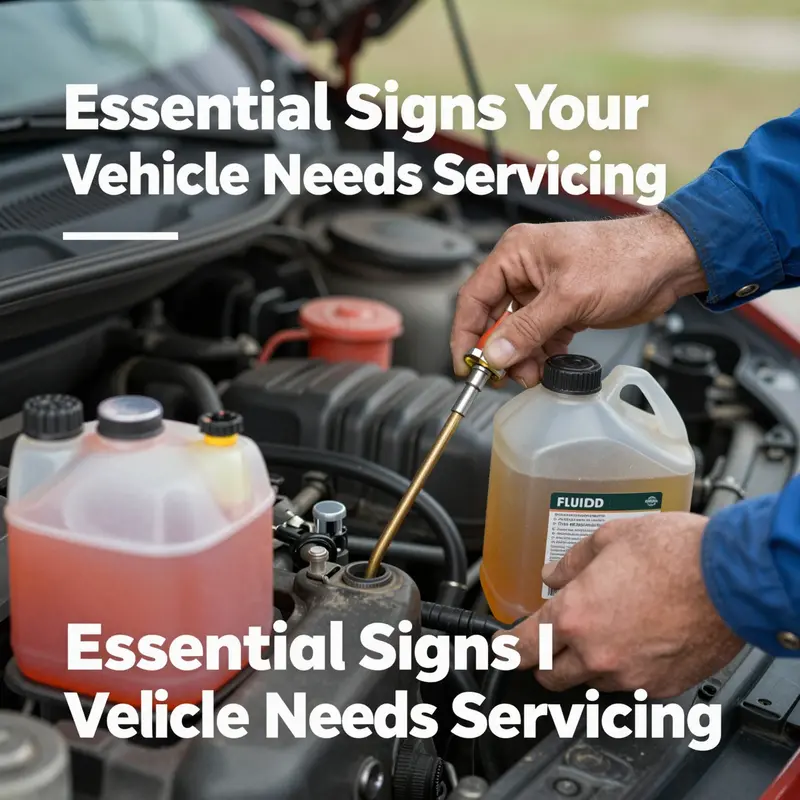
The engine relies on two essential fluids to stay healthy and perform at its best: oil to lubricate and protector moving parts, and coolant to manage heat and keep the system from boiling over. Together, they form a quiet, steady signal that can tell you when servicing is on the horizon. When you approach your maintenance routine as a dialogue with these fluids, you learn to read the delicate clues they offer. This is not a ritual of guesswork but a practical habit that reduces risk and saves money in the long run. By understanding what to look for in oil and coolant—and how to verify their levels and quality—you begin to translate a messy under-hood chorus into clear, actionable steps that fit naturally into your broader plan for keeping the car reliable, safe, and affordable to operate.
First, consider why oil and coolant hold such sway. Engine oil is the lifeblood of the moving parts, a slippery shield that minimizes friction, disperses heat, and carries away microscopic metal shavings and contaminants. When oil is low or becomes dirty, its protective properties erode. Engine wear accelerates, fuel economy dips, and the risk of a sudden, costly failure increases. Coolant, meanwhile, is the engine’s fever therapy. It absorbs heat from the combustion chamber and transmits it to the radiator where it cools. If coolant levels fall or the fluid becomes contaminated, the engine can overheat, leading to warped components, head gasket problems, or other expensive ailments. The logic is straightforward: keep the fluids at correct levels and in good condition, and you significantly reduce the odds of surprise repairs.
Oil checks are both simple and revealing when done with care. The vehicle should be on a level surface, and ideally the engine should be cool so you don’t risk a burn or reading an inaccurately high level from warm oil. Locate the dipstick, usually marked by a bright handle, and pull it out. Wipe it clean with a rag, reinsert it fully into the tube, then withdraw it again to read the level. The oil mark should land between the “min” and “max” indicators on the dipstick. If the level sits below the minimum mark, the engine may not be properly lubricated, which can manifest as slower response, faint initial power, or, over time, notable engine wear. Some vehicles offer electronic readouts, but the traditional dipstick remains a precise and universal method that doesn’t rely on diagnostic software.
Beyond the level, the oil’s condition is equally instructive. Fresh, healthy oil presents as a clean amber or light brown fluid. If the oil looks very dark, almost black, it has accumulated a layer of soot and varnish from combustion and contaminants. This means it has degraded and may no longer be offering adequate lubrication. A gritty texture is a sign of particulates that should not be circulating in the engine. If the oil appears milky, that could indicate coolant intrusion—a potential head gasket problem or another serious issue that demands immediate professional attention. In any of these cases, don’t simply top off and hope for the best; the oil requires changing and the root cause should be identified to prevent recurring trouble.
Oil maintenance is not only about the present level and appearance. It also hinges on the right interval for changing the oil, which depends on the type of oil used and the vehicle’s operating conditions. Mineral oil typically requires more frequent changes than semi-synthetic, which in turn differs from full synthetic formulations capable of longer intervals. The time-based aspect matters, especially for older vehicles or those driven in harsh climates or under heavy loads. And while mileage is a helpful guide, longevity can be compromised by stop-and-go urban driving, extreme temperatures, or frequent short trips that fail to fully heat the oil and bring it to its optimal operating viscosity. For some drivers, following the manufacturer’s recommended service schedule remains the safest path; for others, a practical reading of oil level and oil quality during routine checks provides a more responsive approach. In the broader context of the article, oil checks serve as a direct, early warning signal: a small ritual today can prevent a larger, unplanned repair tomorrow.
Calibrating the coolant picture follows a similar logic, though its indicators look a bit different. Coolant is not a single-purpose fluid; it’s an engineered blend designed to withstand high temperatures, resist freezing, and resist corrosion within the cooling system. A reservoir clearly marked with level indicators—min and max—is your first checkpoint. With the engine cold, open the hood and locate the coolant reservoir, then look at the level within the side markings. If the level is consistently at or below the minimum, you should top it up, using the correct type of coolant mixed with water in the recommended ratio—often 50/50, though this can vary by climate and vehicle design. It’s important to note that you should only add coolant when the engine is cold. Opening a hot reservoir can lead to burns from scalding fluid and a release of pressurized hot gas.
As with oil, color and clarity tell a story. Coolant that appears rusty, brown, or cloudy can indicate contamination or a failing cooling system component. A distinct sweet smell is common with some coolants, but if you notice a strong, unusual odor or a slimy film in the reservoir, it’s a sign that the system needs inspection. More subtly, you might observe a coolant reservoir that remains stubbornly low despite multiple top-ups. In such cases, a leak in the cooling system or a faulty cap could be the culprit, and the root cause should be diagnosed. Both oil and coolant levels can hint at leaks that require professional attention; a small loss of fluid that is ignored tends to grow, and those small losses often precede more significant failures.
The practical routine is to check both oil and coolant regularly, ideally during a weekly or biweekly park-and-check habit. This ritual creates a continuous feed of information about your car’s health and helps you catch drift before it becomes a drift into the expensive realm of major repairs. When you notice a consistently low oil level, a sudden drop in coolant, or any of the warning signs described earlier, you should schedule service without delay. The maintenance light on the dashboard, a general reminder to service, is another strong signal. While the light’s exact meaning can vary by vehicle model, it usually appears when the vehicle’s onboard computer detects it is time for a routine service interval or when a sensor indicates a potential issue that warrants a more thorough diagnosis. If the light is illuminated, treat it as a priority signal and consult your owner’s manual to interpret the warning properly. The lesson is clear: treat fluid checks as a continuous, proactive practice rather than a once-a-year or once-in-a-while chore. Integrating these checks into your regular driving routine sharpens your sense of when a professional inspection is warranted and strengthens the link between daily use and long-term reliability.
To connect this fluid-focused practice with the larger theme of the article, consider how these checks align with the broader recommendations a thoughtful vehicle ownership strategy would include. In the context of preventive maintenance, oil and coolant checks are two of the most reliable, accessible indicators you can monitor without specialized tools. They complement other signals, such as the service reminder light, unusual noises, and performance changes, which collectively form a robust early-warning system. When oil looks worn or coolant level dips, you have grounds to investigate further or schedule a service, rather than hoping the issue will disappear on its own. This approach harmonizes with a holistic maintenance plan that emphasizes timely oil changes, proper coolant management, and systematic inspections of belts, hoses, and the cooling system to keep the engine running smoothly.
As you expand your view beyond the engine bay, the same mindset applies to real-world driving and its demands. Short trips in city traffic can cause oils and coolants to work differently than long highway runs, and the impact compounds when outside temperatures swing dramatically. In harsh environments—dust, salt, or extreme moisture—the rate at which oil oxidizes or coolant becomes less effective can accelerate. Your daily driving habits, then, influence how often you should check and potentially service the fluids. If you regularly tackle arduous tasks in your vehicle, such as towing, hauling heavy loads, or navigating steep grades, you should account for more frequent checks, more frequent top-offs, and possibly different maintenance intervals. Importantly, the checks themselves remain the same: confirm level, assess color and clarity, and note any changes over time. The story your fluids tell is not about one moment but about a pattern you can read across multiple inspections, which is how you build a dependable maintenance routine that supports long-term reliability.
To help anchor these ideas to concrete action, a practical note: keep a small journal or a simple log in the glovebox or on your phone. Record the date of each oil and coolant check and note the observed level, color, and any anomalies. Over weeks and months, you will spot trends—gradual oil level decline, sudden dips after work on a leak, or coolant that remains low despite replenishment. These patterns are valuable signals. They inform you when to schedule maintenance, whether it’s a routine oil change, a coolant flush and refill, or a more thorough inspection of seals, hoses, or the radiator. The habit reduces the friction of maintenance, turning it from an abstract obligation into a sequence of straightforward steps you can carry out in minutes. When you learn to read the fluids this way, you also become more confident in recognizing when the car remains healthy and when it is telling you to seek professional help.
As you weave this practice into your overall approach to vehicle care, you will find that the fluid checks align naturally with other indicators of servicing. The oil and coolant observations dovetail with changes in fuel economy, noticeable shifts in engine performance, or even subtle hints from the driving experience—like a slight change in steering feel or a difference in how the engine responds at low speeds. These connections are not coincidences; they are part of a unified system that helps you determine whether your vehicle requires servicing, and if so, when that service should take place. In other words, by staying attuned to the life signs of oil and coolant, you build a proactive, informed relationship with your car. This reduces the likelihood of unexpected breakdowns, extends the life of critical components, and preserves resale value by keeping upkeep timely and transparent.
In closing, while oil and coolant checks are not the only factors in deciding when a vehicle needs servicing, they are among the most reliable, repeatable, and accessible indicators. They offer a direct line to the engine’s daily health and provide meaningful signals about the need for professional attention. When you combine these checks with the manufacturer’s service schedule, you gain a powerful framework for maintaining performance, safety, and reliability. The goal is not mere compliance with a calendar but a practical, informed practice that treats fluid levels as a language your vehicle speaks to you. By listening carefully, you can honor that language and respond with timely service, ensuring your car remains dependable for the miles ahead.
For readers seeking a deeper dive into the timing and approach for oil changes, a linked resource explores intervals in more detail. See the discussion on Optimal Oil Change Intervals for further context on time-vs-mileage considerations and how they intersect with real-world driving patterns. This reference complements the fluid-checking habits described here and can help you tailor maintenance to your vehicle and your usage.
For a broader perspective on maintaining a vehicle through thoughtful upkeep, consider expanding your reading with additional practical guides that reinforce the fundamentals of fluid care and preventive service. When you’re ready to go beyond fluids, the next sections will cover listening for unusual noises, watching tire and brake wear, and recognizing warning lights—each a piece of the same puzzle of proactive maintenance.
External resource: For a broader guide on checking oil and coolant levels, see the official guidance from a leading automotive information provider: https://www.aaa.com/automotive/vehicle-maintenance/checking-oil-and-coolant-levels
Performance Readouts: Interpreting Shifts in Vehicle Behavior to Determine When Servicing Is Due

A vehicle rarely sounds the same after months of daily use. Instead, it speaks in signals that arrive as subtle shifts in performance, new noises at odd times, or changes in feel when you drive. This chapter treats those shifts as a form of dialogue between driver and machine. The car warns you not with a chorus but with a chorus of small, accumulative cues that, taken together, reveal when servicing is overdue or imminent. The art lies in listening closely, keeping a simple record, and knowing how to translate impressions into practical action. When a driver learns to recognize these cues as meaningful rather than as quirks, the road becomes safer and the engine lasts longer. The emphasis here is not on chasing every squeak or tweak but on building a holistic sense of when something in the propulsion or chassis is asking for a checkup. This approach aligns with the broader goal of the article: to help you tell if a vehicle needs servicing before a breakdown occurs, using changes in operation as the most honest signal of overall health.
Fuel economy has always been a window into the engine’s efficiency, but over time a decline often speaks more loudly than any dashboard warning light. A noticeable drop in miles per gallon, or the need to fuel up more often than you are used to, is not merely an inconvenience; it is a diagnostic clue. Causes can range from a clogged air filter that starves the engine of air, to dirty fuel injectors that disrupt precise fuel delivery, or even a malfunctioning oxygen sensor that sends errant data to the engine control unit. Each of these issues disrupts the delicate balance of air and fuel the engine relies on to burn cleanly and efficiently. When such a shift is detected, the prudent course is a targeted inspection rather than an indiscriminate tune-up. The guidance from authoritative sources emphasizes tracing efficiency changes to the most likely culprits first, then expanding the check if the problem persists. The same principle applies to a sudden or sustained rise in fuel usage: start with the simplest, most accessible checks—air intake cleanliness, fuel system condition, and sensor diagnostics—before proceeding to more involved diagnostics.
Unusual noises act as another compelling signal. A metallic rattle, a squeal, a clunk, or a grinding sound is rarely incidental. Each noise carries its own potential diagnosis. A metallic ticking from the engine can indicate lubrication issues or worn components such as timing chains or valve train parts. A high-pitched brake squeal when you apply the pedal typically signals worn brake pads, especially when the friction material has neared the minimum thickness. A rattle from the undercarriage or suspension often points to worn bushings, loose components, or failing shock absorbers. These sonic cues are most informative when heard in context—under certain speeds, during braking, or when traversing uneven pavement. The goal is to separate normal operating sounds from distinct changes that can warrant a professional inspection. Coupled with a log of when the sounds occur and the driving conditions at the time, these notes become a robust basis for deciding whether to schedule service.
Handling and braking performance are equally telling. If a car pulls to one side when driven straight, or if the steering wheel requires a disproportionate amount of adjustment to maintain a straight line, misalignment or uneven tire wear is a likely culprit. Braking performance matters as well: longer stopping distances or a sensation of fading braking force indicate issues that range from worn brake pads to degraded brake fluid or even a failing anti-lock system. In some cases, the problem lies not in the brakes themselves but in the tires—their tread patterns, pressures, and even wear can create a sense of instability that complicates braking and cornering. When handling changes are noticeable, it is wise to pair a road test with a visual inspection of tires, wheel alignment, and brake components. A calm, measured approach—drive at moderate speeds, note any pull or pullback, and compare with baseline performance—helps distinguish a minor issue from a symptom of a more serious fault.
Warning lights on the dashboard are direct alerts from the onboard diagnostics system, and they deserve careful attention. The check engine light can illuminate for emissions or engine-performance concerns that require investigation. The brake warning light may indicate a hydraulic or ABS problem, while the battery or charging system indicator can reveal electrical health issues that might not yet affect driveability but could become critical if ignored. It is essential to treat any warning light as a prompt to perform a diagnostic check rather than a single fault code at face value. A quick glance at the owner’s manual will reveal the light’s meaning, but a diagnostic scan is often necessary to identify the exact fault and its severity. If multiple lights illuminate simultaneously, the safest course is to pause the drive and arrange a professional inspection. This is where the connection between operation and diagnostics becomes most explicit: changing performance patterns often coincide with new fault codes that the vehicle stores in its memory for later retrieval via an OBD-II scanner.
Engine performance decline is another telltale sign. Hesitation during acceleration, rough idle, or occasional stalling point to issues in the ignition or fuel delivery systems or in the intake and exhaust pathways. Worn spark plugs or fouled ignition coils can create misfires that degrade power and efficiency, while carbon buildup on the intake valves or in the combustion chamber disrupts air-fuel mixing. If the engine becomes noisy or unresponsive at certain RPMs, the diagnostic approach should be systematic: verify spark and fuel delivery, inspect the air intake for obstructions, and examine the exhaust system for leaks or restrictions. The lesson here is not to chase a single symptom but to relate multiple observations—loss of power, roughness at idle, and stumbles at higher speed—to the same potential root cause before moving to replacement or repair.
Cabin comfort and environmental cues provide equally practical clues. Odd odors—burning, sweet, or chemical smells—can signal a range of issues from an overheating cooling system to exhaust leaks or electrical faults at the HVAC unit. Excessive heat or poor airflow inside the cabin may reflect a cooling system problem or a failing HVAC component. While these cues may seem peripheral to performance, they often align with engine and accessory problems. For example, an overheating symptom paired with damp or oily residues on the engine bay can indicate a coolant leak or a failing water pump. The HVAC changes might reflect blocked cabin filters or a failing blend door in the climate control system. In all such cases, a careful inspection of coolant levels, leaks, and airflow paths can reveal the underlying issue and prevent more serious damage.
A disciplined approach to interpreting these signals involves more than listening or driving. It requires a simple, honest practice: keep a running log of observed symptoms, note the conditions under which they occur, and compare against the manufacturer’s maintenance schedule. When a symptom persists beyond a few days or reappears under similar conditions, the likelihood that servicing is needed increases. Modern vehicles also provide a powerful ally through diagnostic tools. An OBD-II scan can reveal fault codes and live data that quantify fuel trim, misfire events, sensor health, and system pressures. These insights sharpen the interpretation of performance changes and guide technicians to the most probable causes, minimizing guesswork. Regularly recording symptoms—together with a basic diagnostic check when unusual operation occurs—creates a reliable narrative of the vehicle’s health and helps to plan timely interventions.
The practical steps that flow from these observations are straightforward. First, assess whether the symptoms are isolated or part of a broader pattern. A one-off noise or a sudden surge in fuel use does not always demand a full service; a pattern—recurring noises during a specific maneuver, or a persistent drop in efficiency across several weeks—commonly signals a developing issue. Second, evaluate the severity and immediacy. If any symptom is accompanied by warning lights, smoke, a significant loss of power, or a sudden misfire that affects drivability, treat it as an urgent warning and seek immediate diagnosis. Third, consider the vehicle’s age and prior service history. Older vehicles with longer service intervals may require more frequent checks, even if the symptoms initially seem mild. Conversely, a newer vehicle with persistent, unexplained symptoms merits prompt attention to prevent longer-term damage.
To tie these ideas to concrete actions, begin with a quick self-check and then transition to professional diagnostics if the symptoms persist. Start by listening for new noises and feeling for handling changes during a routine drive. Note the conditions that trigger the symptoms: speed, road surface, steering input, and climate controls. Check obvious indicators such as fluid levels and tire pressures when it is safe to do so. If the symptoms persist, arrange a diagnostic appointment that prioritizes the suspected systems—fuel, ignition, air intake, exhaust, and braking. In the meantime, use the internal checks you perform as a practical baseline for the technician to compare against. This collaborative approach—driver observations, basic maintenance checks, and targeted diagnostics—helps ensure that servicing aligns with the vehicle’s actual needs rather than with a generalized schedule.
The chapter’s emphasis on performance changes does not diminish the value of following the manufacturer’s service schedule. Instead, it complements it. The reminder light, periodic oil changes, and fluid checks provide essential guardrails that prevent problems from progressing. The performance-centric view adds nuance to that framework by highlighting the dynamic signals your vehicle offers between scheduled maintenance. It is this combination of scheduled care and attentive operation that sustains safety, reliability, and efficiency over the long term. For context on timely oil maintenance, see the article on oil-change intervals, which discusses how time and mileage influence oil condition and how to balance the two factors for optimal protection. The topic of oil changes is a prime example of how a seemingly simple maintenance decision can have far-reaching consequences for engine health.
In practice, translating performance changes into servicing decisions involves a blend of observation, documentation, and professional evaluation. Keep a concise log of what you observe: the exact symptoms, how often they occur, the driving conditions, and any accompanying lights or gauge readings. This record becomes the driver’s aid when discussing the issue with a technician, helping narrow down the potential causes and reducing diagnostic time. When in doubt, a diagnostic check is a wise investment. It provides specific fault codes, real-time sensor data, and freeze-frame information that reveal not only what failed but also where in the system the fault originated. With that information, the technician can target repairs, avoid unnecessary parts replacement, and restore the vehicle’s performance more efficiently.
Ultimately, the goal is to turn a collection of impressions into a coherent plan of action. The road to service begins with listening, continues through careful observation, and ends with informed decisions grounded in data and professional expertise. The chapter’s approach—interpreting changes in operation as clear indicators of servicing needs—makes it easier to keep a car in peak condition. It also helps prevent small issues from evolving into costly breakdowns. By combining performance awareness with established maintenance prescriptions, you can protect both safety and value, ensuring your vehicle remains dependable for miles to come. As you move forward in this guide, you will see how other signals— including the service reminder light, fluid quality checks, and tire and brake wear indicators—fit into the broader framework of proactive maintenance. The integration of these perspectives strengthens your ability to schedule maintenance precisely when it is needed, rather than relying on guesswork alone.
For a practical reminder of one actionable link from the maintenance side, consider reviewing material on oil-change intervals. It can help you calibrate how often you change oil in light of your vehicle’s age, condition, and driving context. See oil-change intervals for a concise, grounded discussion of how time and mileage shape oil life and when to schedule oil service. This reference complements the performance-focused lens described above by anchoring your observations to a discipline that keeps the engine well-lubricated and protected between more extensive services. The fusion of listening to performance changes and adhering to a thoughtful maintenance cadence creates a robust, proactive approach to vehicle care that supports longevity and safety on the road.
Final thoughts
Regular maintenance is vital in ensuring your vehicle remains reliable, efficient, and safe. By being vigilant with the signs provided by dashboard indicators, conducting fluid checks, and assessing performance changes, you equip yourself with the knowledge necessary to maintain your vehicle in peak condition. Adopting these practices will not only prolong the life of your vehicle but also enhance your overall driving experience. Take the initiative—recognize these signals, schedule timely maintenance, and safeguard your investment on the road.