
When it comes to your vehicle, anticipating a service appointment can feel daunting, yet proper preparation is key to navigating this process seamlessly. Whether you’re a local car owner, a used car buyer or seller, or a small business fleet manager, arriving equipped with the right knowledge and tools can make all the difference. This guide will walk you through the essential steps needed to prepare your vehicle appropriately. From gathering important information to documenting any issues, to ensuring your vehicle is ready for inspection, and finally, selecting the right service channel—each phase builds upon the last, ensuring a well-rounded approach to vehicle maintenance and repair.
Gathering the Blueprint: Essential Information to Prepare Your Vehicle for a Service Appointment
A service appointment is rarely a blurred, impromptu event. When you come armed with a precise set of information, you shift the experience from reactive to proactive. The technician can locate the right parts, pull the correct maintenance schedule, and diagnose issues with fewer questions. This is the blueprint that keeps the process steady, speeds up the check-in, and increases the likelihood that your car leaves with the exact care it needs, not a best-guess estimate. The core idea is simple: the more you provide up front, the more accurate the service will be, and the less time you spend waiting for answers.
Begin with the vehicle information. The basics—make, model, and year—are not just vanity facts. They unlock the correct maintenance schedule, the right parts, and the vehicle’s configuration in the service system. The Vehicle Identification Number, or VIN, acts like a fingerprint for your car. It encodes manufacturing details, optional equipment, and production history, all of which matter when parts need to be ordered or when a diagnostic flow is tailored to a specific build. Providing the VIN helps ensure that service records are precisely linked to your vehicle and prevents mismatches that could lead to incorrect fluid specifications or software calibrations. The license plate number remains a quick, practical identifier for the shop’s lot and system, helping staff pull up your appointment and locate your car on arrival.
Parallel to this, the current odometer reading anchors the service within the right mileage window. Odometer data is more than just a number; it signals what maintenance is due and can reveal usage patterns that affect wear and reliability. If you are approaching a scheduled service, the odometer confirms whether the next cycle has begun, or if a special service is warranted due to accumulated mileage. It also becomes a reference point if the shop performs a diagnostic scan, letting technicians map symptoms to typical mileage related causes. Because the odometer connects directly with maintenance intervals, having an exact figure guards against miscommunication and helps technicians prepare the precise inspection plan.
A complete service history is another essential pillar. When you bring maintenance records or recent service notes, you provide the shop with a window into what has been done before, what was observed, and what patterns may be emerging. This is particularly important if you are pursuing a repair under warranty or if you are juggling multiple ongoing concerns. A documented history can reveal recurring issues, prior adjustments, or repeated part replacements, enabling the technician to avoid redundant checks and focus on root causes. If you do not have printed records handy, a digital copy on a phone or tablet works well too, provided the documents are legible and organized. In the same spirit, clear photos or short videos of the issue can be priceless. Visual evidence helps technicians see a noise, vibration, or symptom without chasing in person, and it can reduce the time needed for a suspicious diagnosis.
Shifting from vehicle specifics to personal coordination, the next layer is the traveler’s profile—your own information. The service bay operates like a hands-off handoff between you and the technician unless you are present to confirm details, ask questions, and approve work. Your full name and reliable contact information—phone number and email—serve as the thread that binds appointment logistics, progress updates, and after-service follow-ups. A dedicated contact channel is especially critical if the shop discovers an unexpected finding or needs authorization for a non-standard repair. By sharing a primary contact, you empower the team to reach you promptly, prevent delays, and keep the service plan aligned with your expectations.
Specific service details are the heart of the information you provide. Clarify the appointment’s nature—whether it is routine maintenance, a repair for a particular fault, or a diagnostic scan for an elusive issue. If you are dealing with a symptom, articulate it precisely: a warning light on the dashboard, unfamiliar noises, performance changes, or discomfort in driving dynamics. The more granular you are, the better the technician’s mental map becomes. For example, notes like check engine light on, intermittent misfire at idle, or brakes feel metallic when braking from high speed raise the likelihood of an accurate root cause during the initial inspection. If you already know services you want performed—such as a filter replacement, brake inspection, or windshield wiper change—name them during the booking so the shop can prepare the right parts and allocate appropriate time. When you couple concerns with symptoms, you give the technician a head start, which rarely produces a longer, more stressful visit.
Beyond these facts, several practical considerations shape how smoothly your appointment unfolds. Booking method, appointment time, and preparation all play their part. For newer vehicles with warranties, the path often runs through the official brand app, website, or customer service line. This route helps ensure genuine parts and authorized technicians, reducing the risk of aftermarket substitutions that might affect warranties. For older vehicles or cost-sensitive repairs, a reputable third-party shop can offer competitive pricing without sacrificing care. The key is to align the channel with your goals—speed, cost, or proof of authenticity—and to keep expectations calibrated.
Once the appointment details are selected, take a moment to review the plan before you arrive. Confirm the date and time, and verify the service location as part of your routine; many shops now send automated reminders, but a quick check helps avoid miscommunications. Understand the service package you have agreed to and question non-essential add-ons that could inflate the bill. It is perfectly reasonable to ask for a breakdown of items that seem discretionary, such as engine flushes or other elective maintenance, and to request upfront pricing that covers the core tasks you need. Knowing your options—including whether you can arrange a loaner car or a pickup/drop-off service—should be part of the booking conversation so you can plan your day with confidence.
Preparation also means bringing supporting materials. The service manual is not just background lore; it is a reference point for maintenance intervals and recommended procedures. Warranty documents can clarify coverage boundaries and implied responsibilities if a claim is involved. Current vehicle registration might be required for some formalities, especially at manufacturers’ service centers or when warranty work is in play. By assembling these documents ahead of time, you accelerate the check-in process and reduce friction when the car enters the service bay. On the day of the appointment, it helps to bring prints or have digital copies accessible. If you travel with a lot of personal items in the car, a quick physical cleanup reduces the risk of misplacing items during the service, and a clean cabin makes the inspection smoother for both you and the technician.
The act of gathering and organizing this information is more than a ritual. It is a practical workflow that translates into fewer back-and-forth questions, more accurate diagnostics, and a faster path to the right remedy. In the moments before you hand over your keys, take a moment to confirm the key data aloud: the VIN, the odometer reading, and the exact symptoms you have noticed. If there are photos or videos, ensure they are easily accessible on your phone or printed out. A calm, prepared approach signals to the shop that you value precision and transparency, which in turn makes it easier for them to tailor the service precisely to your car’s needs.
To keep this guidance aligned with practical living, you can explore more on how to plan and manage maintenance through the KMZ Vehicle Center blog. It is a useful resource for aligning your expectations with what a shop can deliver and for thinking ahead about scheduling, budgeting, and long term upkeep. KMZ Vehicle Center blog https://kmzvehiclecenter.com/blog/.
As you close the loop on preparation, remember that the goal is not to memorize every fact about your car but to assemble the essential pieces that the service team will need to act decisively. The VIN, the odometer, the service history, the exact symptoms, and your contact channels form a compact dossier that travels with your vehicle. This dossier becomes a living document, updated with new findings after each visit so that future appointments start with a clearer baseline. By adopting this mindset, you transform an ordinary service run into a precise, well orchestrated process that respects your time and preserves your travel plans. The road ahead for your vehicle is ultimately a dialogue between the car’s past, present, and the skilled hands that keep it moving. And the more clearly you present the conversation, the more smoothly the conversation ends with a car that is back on the road, ready to roll for miles to come.
For those seeking additional perspectives on service appointments and how to approach them with clarity, this external resource provides a broader view of best practices and expectations in the service ecosystem: https://www.autocar.co.uk/car-advice/vehicle-service-appointment-tips
Capturing Clues Before the Service Visit: How Thorough Issue Documentation Accelerates Vehicle Care
When a service appointment is on the calendar, the most decisive moment often happens before you ever hand over the keys. The questions you answer in advance, the notes you keep, and the pictures you snap can cut hours from a diagnostic process and prevent miscommunication that leads to unnecessary work. Documenting issues before you arrive is not a chore; it is a strategic step that empowers the technician to locate a cause, order the right parts, and deliver the service with precision. This chapter explores how to build a clear, useful record that translates your everyday experience behind the wheel into actionable information for the shop floor. It is the quiet, practical work that underpins a smoother appointment and a vehicle that returns to you operating as it should, with problems resolved rather than misunderstood.
Start with symptoms, not assumptions. Car problems rarely present as neat, isolated events. A rough engine idle, a faint squeak during curb handling, a sudden loss of power under load, or a sporadic warning light are signals that something is amiss. The goal is to capture a snapshot of the symptom in a way a technician can interpret. Note the moment it occurs: right after you start the car, while driving at a particular speed, or when applying the brakes. Include the sequence of events if the issue seems to come and go. For many drivers, pattern recognition is the first tool in the diagnostic kit. If a fault happens only after a warmup drive or at high speeds, that detail can steer the technician toward components like sensors, wiring, or cooling systems that behave differently under specific conditions. When you describe a symptom, use concrete descriptors rather than generic labels. Instead of saying “the car is failing,” describe what you felt or heard: a metallic grinding that starts when you turn the wheel, a clunk that accompanies gear engagement, or a vibration that intensifies with speed and disappears at idle. These specifics create a narrative a technician can follow with less guesswork.
Visual evidence is equally powerful. A picture or a short video can bridge the gap between your perception and the machine’s reality. Record the moment you notice the issue, if safe to do so. A quick clip of a dashboard warning lighting up in flight, or a video capturing unusual wobble as you brake, can be worth a dozen secondhand explanations. If you observe the problem while braking, note the condition of the road, whether the ABS light appears, and whether the condition occurs every time you brake or only under certain loads. If the issue is noise, try to capture it clearly: a few seconds of sound can reveal whether a squeak is a loose trim piece, a wheel bearing, or a belt-driven component. The goal is not to diagnose remotely but to provide a precise, shareable record that helps the technician reproduce the scenario in a controlled setting.
A written log is your ally, too. Keep a simple, dated entry of each issue you notice between visits. Include the mileage at the time, how full the tank was, and any changes in weather or road conditions that might influence the symptom. You can use your vehicle’s connected app, a notes app, or a small notebook—whatever is easiest for you. The important part is consistency: a short, regular log reduces memory bias and gives you a reliable thread to follow from one appointment to the next. If multiple issues emerge, prioritize them by frequency, impact on safety, and how reproducible they are. A recurring issue with intermittent behavior is often more informative than a rare, one-off event. You can and should share every observation that seems relevant, but you also have permission to ask the service advisor to focus first on the most critical concerns. This approach keeps the appointment productive while leaving room to explore other symptoms later in the diagnosis.
The record you assemble serves another crucial function: it helps the technicians allocate their resources effectively. A detailed description of the symptoms, along with clear photos or videos, reduces back-and-forth questions and accelerates the triage process. When the team has a precise record, they can prepare the right tools, bring the appropriate diagnostic modules, and order the right parts before you arrive. In some cases, the documentation can even illuminate a pattern that points to a broader maintenance need—warn about a sensor that may be on its way to failure, or highlight a fluid system that might require a closer inspection for leaks. This foresight is worth more than the initial time saved; it can influence the overall reliability and safety of your vehicle. It also minimizes the chance of a misdiagnosis that stems from ambiguous or incomplete information. The more specific you are, the more confident the team can be about narrowing the field of potential causes and focusing on the root problem rather than chasing symptoms.
As you document, consider the role of the digital tools at your disposal. Many modern vehicles connect to an app that can display service history, current odometer readings, and even an estimate for the work to be done. This connectivity creates an opportunity to review the consultation with the service team in real time and to flag questions or concerns before you step into the shop. If the app presents an estimate, you can compare it with your own notes from the symptom log and prepare a list of questions about any non-essential add-ons. This proactive stance is not about challenging the shop but about ensuring you and the technician agree on the scope and the likely costs involved. If something in the estimate seems unclear or surprisingly expensive, you should set aside a moment to prepare a concise set of questions to discuss during the appointment. A calm, prepared conversation is more productive than a rushed, defensive exchange and often yields a better outcome for both you and the vehicle.
Bringing the right items and having a clear plan are the practical complements to your documentation. Before you drive to the service center, gather the items that will help the technician locate and verify the issue quickly. A functional key fob and, if required by the center, a key card are often necessary for access and coordination inside the service area. If you drive an electric vehicle or a vehicle with a home charging setup, bringing the charging cable can be a simple but important step in the chain of preparation. Even if your appointment is not specifically about charging, a persistent charging issue may need to be replicated or tested in a controlled environment, and having the cable handy eliminates a minor but frustrating delay. Consider also bringing any recent service records you have on hand. If you know you were logged at a recent visit with a prior issue, showing that history can help the technician see whether the symptom is new or has evolved since the last service. In short, the act of bringing helps the shop reconstruct a broader history and prevents the repeated production of the same diagnostic questions.
The documentation you assemble should be a living, evolving file rather than a one-off form you fill out and forget. As you experience more driving, you may notice new related symptoms or a different pattern to an existing one. Updating your notes and augmenting photos or videos keeps the service history accurate and actionable. There is value in keeping a consistent, accessible record that you can reference during subsequent visits. If you maintain such a record, you will spend less time explaining and more time having the technician verify and resolve the fault. The goal is not to capture every possible cause but to capture what you observe with clarity so the path to resolution becomes shorter and more direct.
To readers seeking a deeper practical framework, consider visiting the KMZ Vehicle Center blog for broader guidance on service center preparation. It offers extended discussions and checklists that can complement the approach outlined here. See the KMZ Vehicle Center blog for more insights on making your service experience as efficient as possible. KMZ Vehicle Center blog
As you depart for the appointment, carry with you the confidence that your preparation matters. A well-documented history, precise symptom descriptions, and tangible evidence in the form of photos or videos set the stage for a smoother diagnostic journey. You are not merely handing over a set of issues; you are providing the technicians with a clear map of the terrain they will explore. The more detailed you are, the easier it becomes for them to trace a path from symptom to cause to repair. In practice, this means you can expect a more efficient use of shop time, faster confirmation of the root issue, and a higher likelihood that the recommended service actually resolves the problem. It also reduces the chance that you will be asked to approve non-essential services unless they are truly necessary, since you and the technician will have a shared, evidence-based understanding of the vehicle’s condition. And if you ever feel unsure about how to frame a symptom, remember that the goal is to describe the impact on your daily driving rather than to diagnose the exact component. The technician can translate your observations into a technical plan, and your part in this collaborative process is essential: you provide clarity, context, and corroboration that guides the next steps. As you prepare in this way, you transform what could be a tense, uncertain visit into a well-coordinated effort that respects both your time and your vehicle’s reliability.
External reference: https://www.tesla.com/support/vehicle-service-appointment
Physically Ready: A Thorough, Hands-On Prep for Your Vehicle Before a Service Appointment
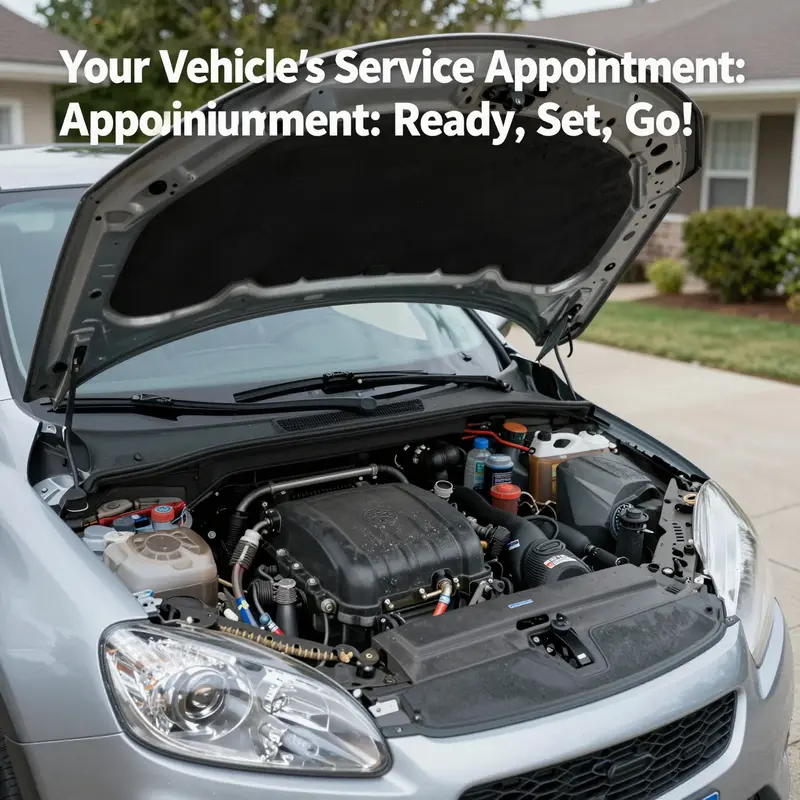
Arriving at a service appointment is more than a moment of drop-off and pickup. It is the culmination of deliberate preparation that happens long before the first dealership or shop bay doors swing open. The vehicle you bring in should be a partner in the diagnostic process, not a moving obstacle or a source of uncertainty. When you approach this moment with hands-on readiness, you reduce wasted time, minimize miscommunication, and give technicians the best possible starting point to identify and fix issues. This is not about vanity or ritual; it is about practical, mechanical clarity that translates into a faster, more accurate service experience for everyone involved. The physical preparation that follows centers on three core ideas: cleanliness and visibility, accurate, up-to-date information, and easy access to the areas and systems that will be inspected or serviced. Each element reinforces the others, so the whole process flows as a cohesive, low-stress exchange rather than a patchwork of scattered tasks.
First, cleanliness is more than a neat appearance. A clean exterior and a relatively tidy interior enable technicians to spot leaks, corrosion, or other signs of trouble that might otherwise be obscured by dirt or clutter. A thorough exterior wash, including the engine bay and undercarriage, makes it easier to detect dripping fluids, stains, or fresh damage that could influence the service plan. While some shops provide basic protection, bringing your own protective measures—such as seat covers, floor mats, and a steering wheel cover—helps preserve the interior and reduces the chance of incidental wear during the work. A clean vehicle is also a clear signal to the technician that you value the service encounter and want an accurate assessment rather than a rushed, half-hidden inspection. As you inspect, look for new scratches, dents, or signs of impact that may require noting on the service order. If you spot anything, document it with a quick note and, if possible, photos. The goal is to ensure there is no ambiguity about what existed before service began.
Second, bring the most current information and clear evidence of issues. A service appointment becomes far more productive when you present precise context for any problems you’ve experienced. Before you arrive, jot down a concise list of symptoms with timing and conditions. For example, note if a noise occurs only during acceleration, or if a warning light appears after a specific drive cycle. Add any changes in performance—hesitation, reduced power, or unusual fuel economy shifts—and include whether the issue is intermittent or persistent. In parallel, gather essential documents: vehicle registration, proof of insurance, and your maintenance or service history. If you’re chasing a warranty claim or a specific repair, having the prior service notes helps the technician understand what’s already been tried and what remains. In the modern context, you may also carry access to the manufacturer’s app or digital maintenance records. If your vehicle relies on key memory settings for seats, mirrors, climate control, or radio presets, consider saving those configurations or writing them down so you can restore them quickly after service. When you have photos of a visible issue—cracks in a hose, leaking fluid, or a damaged connector—bring them along. A well-documented issue is often the difference between a quick diagnostic path and a longer, more exploratory process.
Third, verify fluid levels and tire condition with an eye toward safety and diagnostics. The fluids that surround a vehicle’s critical systems act as both lubricants and indicators. Check engine oil level and appearance; a low level can signal a leak that warrants attention, while milky or unusual coloration may indicate coolant intrusion. Check coolant level in the reservoir and radiator, but never with the engine hot, and note any signs of creamy residue or overheating indications. Brake fluid should be within the proper range and free of contamination; dark or gritty fluid can reveal moisture ingress or internal wear. Power steering fluid, if applicable, should be clean and at the correct level, and windshield washer fluid should be topped up to avoid interruptions during the day of service. Tires deserve a careful look: verify tread depth and inspect for cuts, bulges, or uneven wear that might affect safety or the interpretation of road-test results. Use a simple gauge or the penny test to confirm tread depth, and check tire pressure against the vehicle’s door jamb sticker or the owner’s manual recommendations. When tires are low, topping them off before arrival minimizes time spent on basic prep and helps ensure a safe drive to and from the service center.
The preparation also benefits from a light, practical diagnostic mindset. Before handing the keys over, perform a quick functional check of key systems. Turn on all exterior and interior lights, including daytime running lights if applicable, and test indicators such as brake lights and turn signals. Confirm that wipers function smoothly at multiple speeds and that the horn, HVAC, and defrost systems respond correctly. A short, structured self-check helps you provide a clear, actionable handoff to the technician and reduces the likelihood of misinterpretation or repeat questions. If you’ve noticed warning lights on the dashboard, write down their exact symbols and consider taking a short video or a few photos showing the icon on the dash. While the service advisor will pull the fault codes, your direct observation often guides the technician to the relevant areas more quickly, especially for intermittent issues.
Documentation and logistics form a practical bridge between your home garage and the service bay. Gather the documents you’ll need at reception and during the service itself. Bring proof of ownership and insurance, and collect any relevant maintenance history that might influence the decision-making process for today’s work. For newer vehicles, having access to the owner’s manual or manufacturer app can be more than a convenience; it can speed up service scheduling, confirm service intervals, and verify necessary software updates or recalls that might be in play. If your car stores memory profiles for seats, mirrors, climate, and radio presets, take a moment to record these settings or save them in a note so you can restore them after service. This small step can prevent a cascade of small annoyances that distract from the task of getting your vehicle back to peak performance.
A practical dimension of preparation is protecting the vehicle during service and ensuring the technicians can access what they need without friction. While many shops provide basic protection, carrying your own robust, universal covers protects the interior against dust, dirt, and incidental contact with tools. Some tasks require access to the engine or undercarriage, so you may consider lightweight protective blankets or covers for vulnerable surfaces. In some cases, shops recommend additional temporary protective measures, such as shielding radiators or grilles to minimize debris exposure during certain procedures; following these recommendations demonstrates collaboration and a shared commitment to keeping the vehicle in the best possible condition.
Accessibility and safety are the practical rails that support the service experience. Park in a well-lit, flat area whenever possible, and avoid slopes or soft ground that could complicate inspections or test drives. Remove loose items from the trunk and cabin that could shift during service or get in the way of diagnostic tools. If the shop requires you to temporarily disable the alarm system or to place the vehicle in a particular mode for security or safety reasons, discuss this with the service advisor ahead of time rather than improvising at the last minute. Clear communication in these moments prevents misfires in the service plan and helps align expectations around what the technician will or will not do.
All of these steps—cleanliness, precise information, careful observation, and thoughtful logistics—serve a single purpose: to transform service into a precise, efficient, and collaborative process. When you show up with a well-structured narrative of the vehicle’s health, documented symptoms, and ready-to-check facts, you empower the technician to begin diagnosing immediately rather than chasing down basic questions. This approach also reduces the likelihood of unnecessary checks, redundant tests, or guesswork—costs and time that owners typically seek to minimize. The goal is not to overwhelm the service team with minutiae but to provide a clear map of what is happening and what you need from the appointment. A well-prepared vehicle sets the stage for a precise diagnosis, a fair estimate, and a smoother path toward repair or maintenance. If you want to extend the conversation beyond the appointment itself, the KMZ Vehicle Center blog offers a broad collection of maintenance ideas and practical care tips that can help you stay ahead of major issues and build confidence in your vehicle’s longevity. KMZ Vehicle Center blog.
In addition to your internal readiness, you can reference official guidance that codifies these best practices and emphasizes the importance of a structured pre-service approach. The National Institute for Automotive Service Excellence (ASE) provides formal guidance on vehicle preparation for service, reinforcing the idea that preparation is a professional standard rather than an optional step. Following the ASE framework can further align your expectations with industry benchmarks, ensuring that the process you follow matches recognized professional practices. For more on ASE’s official recommendations, see the external resource linked at the end of this chapter.
External resource: For official guidance on vehicle preparation for service, visit the ASE resource on vehicle preparation for service: https://www.ase.com/automotive-services/vehicle-preparation-for-service
Choosing the Right Service Channel for Your Vehicle Appointment: Navigating Convenience, Trust, and Transparency
Selecting the right service channel for your vehicle appointment is more than a matter of convenience; it sets the pace for how smoothly the entire service experience unfolds. In a landscape where digital tools increasingly manage the choreography of maintenance, the channel you choose acts as a bridge between your preparation and the technician’s ability to diagnose, prioritize, and fix. The decision matters because it shapes the immediacy of communication, the reliability of information, and the transparency of costs and timelines. When you approach this choice with a clear sense of your priorities—whether speed, depth of guidance, budget, or personal interaction—you align every step of the process with the reality of your day and the needs of your vehicle. The better you map out what you require from the service, the more responsive and accurate the appointment itself will be, turning what could be a back-and-forth ordeal into a coordinated, predictable process. This principle ties tightly to the prior steps of preparation: gathering essential vehicle data, documenting issues with precision, and making sure the car is physically ready for service. A strong channel choice amplifies those steps by recording and communicating the crucial details in real time, reducing the chance that a hidden concern goes unnoticed or a key symptom is misinterpreted in the handoff to the shop. The right channel also creates a record that travels with your vehicle, ensuring that the service history remains legible and accessible should you need to revisit a diagnosis or reference a past repair. In practice, most drivers today encounter a spectrum of options, and each lane has its own logic, benefits, and caveats. The most direct path is the official channel provided by the vehicle’s brand, typically through a mobile app or the brand’s website. These platforms are designed to capture the full spectrum of maintenance needs in one place, from routine inspections to more involved diagnostics. They allow you to schedule, reschedule, and track the progress of your service, sometimes including home pickup or shuttle and delivery services when available. Crucially, these channels tend to carry your vehicle’s authenticated service history and configuration details, which means that your odometer reading, recalls, and prior repairs are instantly visible to the technician. This integrated knowledge base can shorten the triage time when you arrive and improve the likelihood that the technician starts with the right baseline information, rather than re-creating your history from memory. When you use an official channel, you also gain a greater sense of security: the parts and technicians are aligned with the brand’s standards, and the process is structured to minimize the risk of miscommunication. To maximize the payoff of this choice, have your essential data ready before you book. Keep the exact vehicle identification details, mileage, and service history at your fingertips, because the app or website will ask for them and will often encourage you to upload images of symptoms. If you can attach a short video or several photos showing the leak, strut noise, or dashboard warning signs, you provide the technician with a concrete starting point, which helps the appointment stay focused and efficient. The second lane in the channel spectrum is the dedicated customer service hotline. Speaking with a live advisor can be invaluable when your maintenance needs are nuanced or when you’re navigating warranty questions, coverage limitations, or the fine print on recommended service intervals. A human voice can interpret a complex symptom better than a form field, and the advisor can guide you through the booking steps, confirm eligibility for certain services, and coordinate logistics such as loaner vehicles or pickup and drop-off arrangements. The trade-off is timing. Hotlines can entail wait times, and the pace of the call may depend on demand and the complexity of your request. If you anticipate questions about warranty claims, prior approvals, or special accommodations, preparing a concise script helps the conversation stay precise. Before you call, assemble a small packet of information: the VIN, current mileage, a summary of the symptoms with their onset, any recent maintenance, and the service history if relevant. You can also reference the exact parts you believe are involved or the dashboard lights you’ve observed. The third channel—social media and messaging platforms—offers a different flavor of convenience, often leveraging familiar tools and quick interaction. A growing number of brands and dealerships are enabling appointment requests through official accounts or integrated messaging services on popular platforms. This route can be particularly appealing if you value speed and a lighter touch of engagement, or if you enjoy the convenience of combining appointment requests with other inquiries in a single chat thread. It’s essential, however, to verify that you’re communicating through official channels and to keep in mind that some platforms may vary in their support for technical questions or warranty considerations. If you opt for this route, be ready to provide the same essential data in a concise form and to share images or short clips that illustrate the issue. You may also need to confirm whether the platform supports any follow-up appointments, loaner arrangements, or shuttle services in your region. The fourth option involves online marketplaces or third-party platforms. These can be valuable when you want to compare availability, read dealer notes, and see multiple quotes in one place. They are particularly helpful if you’re weighing alternatives across service centers or if you’re trying to understand price ranges for a baseline maintenance plan. The caveat is that third-party networks can introduce variability in pricing, parts sourcing, and appointment lead times. It’s essential to read the fine print about what is included in the service package and to confirm whether the technicians or centers affiliated with the platform are authorized to perform your vehicle’s specific maintenance or repairs. If you choose this route, use the platform’s filters to narrow by model, year, and the type of service, and prepare your questions about the scope, estimated duration, and any nonessential add-ons that might inflate the bill. Finally, there is still value in the simplest, most direct path—an in-person visit to the service desk, either by walking in or stopping by during business hours to set up the appointment on the spot. This approach offers instant human interaction and the opportunity to discuss your symptoms face-to-face, together with the service advisor, instead of relying on a digital description. It can be particularly effective when you’re in a time crunch or when you want to establish rapport with the technician and the shop team. You can physically present your notes, show any photos or videos you’ve captured, and immediately confirm the service package, loaner options, and the expected timeline. The choice among these channels should be guided by several considerations that align with your personal preferences and your vehicle’s needs. If speed is your primary objective, the app or an online booking tool often wins out, enabling you to lock in a slot in minutes and to receive automated reminders as the appointment approaches. If your case involves ambiguity, warranty questions, or a potentially costly repair, a live conversation by phone can reduce back-and-forth and help you capture nuances that aren’t easy to convey in text. If you’re comfortable with digital interaction and want to compare several centers or schedules, a third-party platform may offer the most efficient overview. If you simply value direct human connection and the confidence that comes from standing at the desk, an in-person visit remains a reliable fallback. Your choice should also synchronize with how you’ve prepared the vehicle for service. The channel you select should help you transmit your documented issues clearly, import the vehicle data you’ve gathered, and confirm the service package before any work begins. In practice, once you decide on a channel, the next step is to assemble the necessary information in a ready-to-share format. This means having your vehicle identification details, current mileage, comprehensive service history, and any diagnostic codes or warning lights summarized in plain language. If you’ve captured photos or a video of a concerning condition, organize them so the technician can review them without needing multiple messages. A strong channel choice makes it easier for the shop to triage ahead of your arrival, which can shorten the diagnostic phase and prevent redundant explanations. It also opens the door to scheduling logistics that matter to you, such as a loaner vehicle, a pickup service, or a guaranteed time window when you can drop off or pick up the car. When you’re ready, you can still revisit the specifics of the service package, question any add-ons that seem unnecessary, and confirm the total cost upfront. For readers seeking a consolidated source of scheduling insights, the KMZ Vehicle Center blog offers a broad look at maintaining a smooth service experience and balancing cost with quality. You can explore a range of practical tips and perspectives there by visiting the KMZ Vehicle Center blog. For broader safety and maintenance guidelines beyond scheduling, see https://www.nhtsa.gov.
Final thoughts
Preparing your vehicle for a service appointment is not merely a step; it is a commitment to ensuring efficient care for your automobile. By gathering essential information, documenting issues clearly, preparing your vehicle physically, and choosing the right service channel, you position yourself for a productive experience. The time invested in these steps will extend the life of your vehicle and enhance your satisfaction with its performance. Make vehicle maintenance a priority—your ride will thank you in the long run!