
The dashboard warning lights in your vehicle serve as important signals regarding the health of your automobile. Among these, the ‘Service Vehicle Soon’ light stands out as a crucial reminder for car owners. This indicator often hints at possible engine or transmission problems that could lead to severe issues if neglected. For private car owners, used car buyers, and small business fleet operators, understanding what this light signifies is essential for maintaining vehicle performance and longevity. This guide dives into the reasons behind the activation of this warning light, including sensor malfunctions, maintenance neglect, poor quality fluids, and transmission problems. Each chapter explores these topics in depth, providing actionable insights to help you keep your vehicle in optimal condition and prevent costly repairs.
Sensor Signals and the Service Vehicle Soon Light: Decoding a Dash Warning to Protect Your Engine

When you see the Service Vehicle Soon (SVS) light glow on your dashboard, it is not a random spark of warning clamor. It is the car’s built-in safety net, signaling that the onboard diagnostic system—primarily the Engine Control Unit (ECU) for most powertrains and, in automatic transmissions, the Transmission Control Unit (TCU)—has detected a fault serious enough to warrant attention. This light is not a guarantee that your vehicle will stall or break down, but it is a clear invitation to diagnose the issue before it escalates into a major repair. To understand why the SVS light comes on, it helps to think of the engine and transmission as a tightly synchronized team that relies on precise data from a network of sensors. Those sensors feed real-time information about temperatures, pressures, fuel and air flow, and timing to the control modules. When a sensor starts delivering faulty data, or when its signals become unreliable due to wear, corrosion, or contamination, the ECU can mismanage fuel delivery, ignition timing, or emissions controls. In such moments, the SVS light illuminates to prompt a professional check, even if the car seems to run fine at the moment. The guidance here is simple but critical: take the warning seriously, and seek a diagnostic scan to retrieve fault codes that point to the root cause rather than chasing symptoms.
The role of sensors in triggering the SVS light is central. Among the most common culprits are the oxygen sensor, the mass airflow sensor, the coolant temperature sensor, the intake air temperature sensor, and the crankshaft position sensor. Each sensor plays a specific role in helping the ECU maintain the delicate balance between air and fuel, keep the engine operating at the correct temperature, and ensure fuel efficiency without sacrificing power or emissions compliance. The oxygen sensor, for instance, measures the exhaust’s oxygen content as the engine runs. If this sensor fails or starts sending inaccurate readings, the ECU can miscalculate the fuel mixture, causing the engine to run too rich or too lean. A sensor that skews rich can flood the catalytic converter with unburnt fuel, leading to elevated emissions, reduced efficiency, and more heat. Conversely, a lean condition can cause misfires, rough idling, and potential damage to the catalytic converter over time. The mass airflow sensor is another linchpin; it gauges the amount of air entering the engine so the ECU can proportion fuel accordingly. When the MAF sensor is dirty or fails, the engine can receive too much or too little fuel for the air, resulting in poor acceleration, hesitation, and increased fuel consumption. A faulty coolant temperature sensor can mislead the ECU about engine temperature, delaying enrichment during cold starts and causing rough running or stalling. The coolant itself is a key variable because it dictates when the engine should switch from a cold-start map to the normal operating map—the moment when combustion is most efficient and emissions are minimized. A sensor that reads colder or hotter than reality will push the ECU into a suboptimal fuel strategy, which can degrade performance and raise emissions.
The intake air temperature sensor works in tandem with the MAF to determine the density of incoming air, a factor that influences air-fuel ratio and ignition timing. If it is biased high or low due to contamination or wiring issues, the ECU’s estimates of air density become unreliable, and the engine may run either too rich or too lean. The crankshaft position sensor, meanwhile, is a high-stakes component that helps the ECU track the precise position and rotational speed of the crankshaft. This information is essential for timing the spark and coordinating fuel injection. A failure in the crankshaft position signal can cause misfires, rough running, or even a stall, especially at idle or during acceleration. The intermittent nature of some sensor faults adds a layer of complexity. A loose connection or a sensor that intermittently loses signal can trigger the SVS light momentarily or illuminate it after a few driving cycles. In many cases, the message may be accompanied by a secondary code that narrows the field, such as a P-something code referencing the O2 sensor or the MAF, or a fault code pointing to a sensor circuit problem. While the immediate symptom might be mild, the underlying data error propagates through engine management, gradually compromising efficiency, reliability, and longevity.
Beyond sensor faults, other triggers can illuminate the SVS light with similar urgency. Maintenance neglect is a frequent culprit. Skipping scheduled oil changes, neglecting filter replacements, or using the wrong oil viscosity can accelerate wear on moving parts and skew sensor readings. The engine control system relies on clean, stable inputs; oil that breaks down or becomes contaminated reduces lubrication and cooling efficiency, which in turn can alter sensor behavior and push the SVS light on. Fuel quality also matters. Low-grade or incorrect fuel can cause knocking, increased carbon buildup, or irregular combustion, all of which can trigger the warning while leaving a driver with less-than-optimal performance and higher emissions. Powertrain problems—ranging from ignition timing drift to abnormal cylinder compression, clogged air filtering, or a malfunctioning throttle body—can also set off the SVS light by changing how air and fuel are delivered and how the engine manages power delivery.
The decisive point about the SVS light is not that it labels a single failed component, but that it signals a fault in the broader system where multiple inputs converge. It is wise to view the light as a protective signal rather than a nuisance. Even if the light goes dark after a restart, the persistence of a fault is what matters. A temporary glitch can happen from a momentary electrical disturbance, but a lingered-on SVS light usually means a fault that warrants professional diagnosis. The prudent course is to obtain a diagnostic scan with a modern OBD-II tool, whose codes guide a technician to the likely source of trouble. The codes do not fix the problem by themselves, but they dramatically narrow the field of investigation, saving time and reducing the cost of unnecessary repairs. When a shop retrieves the codes, they discuss the data alongside live sensor readings, freeze-frame data, and sensor performance history to determine whether a faulty sensor, a wiring issue, or a broader fuel and ignition management problem is at play. This systematic approach helps differentiate between a sensor that has degraded and a sensor whose signal was momentarily distorted by a transient condition, such as a cold start on a damp morning or a momentary loss of power during acceleration.
As the technician translates fault codes into a diagnostic plan, the practical steps you can take as a driver become clear. First, minimize driving with the SVS light on, particularly if it feels different in power, throttle response, or engine sound. Some issues can be resolved by a relatively simple operation, such as cleaning or replacing a sensor connection, but more often the path forward involves replacing a sensor, repairing wiring harnesses, or addressing a faulty control module. Second, keep a close eye on the vehicle’s fluids and routine maintenance. Check oil level and quality, confirm that coolant is at the correct level, and verify that fuel and air filters are clean or replaced as needed. These maintenance tasks, while not cures for an electronic fault, help ensure that the sensors have the best possible environment to operate in and reduce the chance of sensor data becoming unreliable due to contaminated air, sludge in the gas, or overheating.
From a safety and economic perspective, the message behind the SVS light is straightforward. Do not treat it as a minor nuisance. Ignoring it can lead to downstream consequences that are more expensive and harder to fix. A mismanaged fuel mixture over long periods can damage the catalytic converter, increase exhaust emissions, and reduce engine efficiency. In more severe cases, leaning on a misinformed control strategy can cause overheating, abnormal combustion, or misfires that stress the transmission and other drivetrain components. The cost of a diagnostic scan is minimal compared with the potential expense of replacing essential aftertreatment components, repairing a damaged catalytic converter, or rebuilding a worn-out transmission. Even when the vehicle continues to run acceptably, the long-term impact of unchecked sensor faults can erode performance, reliability, and resale value. That is why the best practice is to schedule a diagnostic appointment with a qualified technician at a reputable facility as soon as the SVS light appears or remains illuminated.
For readers seeking a practical framework to navigate these warnings, remember a simple sequence: observe, diagnose, repair, and maintain. Observe the symptoms, note how long the light has been on, and decide whether there are accompanying changes in engine feel, fuel economy, or idle quality. Diagnose with an OBD-II scan to retrieve the fault codes and view live data. Repair the root cause—whether that means replacing a sensor, fixing a wiring defect, or addressing ancillary issues such as a dirty air intake or a malfunctioning throttle body. Finally, maintain with discipline by sticking to the manufacturer’s service intervals, using the recommended fluids, and safeguarding sensor inputs with clean fuels and air filters. This approach not only resolves the immediate warning but also strengthens the vehicle’s overall resilience against future faults.
If you’re looking for additional context on how to interpret diagnostic information and connect it to maintenance routines, the KMZ Vehicle Center blog offers practical guidance and turnaround tips that can complement what your mechanic tells you. For broader information on vehicle safety and diagnostics, you can consult authoritative sources about the diagnostic process and warning signals. One authoritative external reference that can deepen understanding is the National Highway Traffic Safety Administration’s vehicle safety resources, which provide general guidance on how to approach dashboard warnings and the importance of timely maintenance. To explore more about general maintenance practices and how to approach the road ahead with confidence, you can visit the KMZ Vehicle Center blog for a broader set of tips and expert insights. For a direct read on safety resources, see the official NHTSA materials at their vehicle safety information hub.
In practical terms, addressing the SVS light starts with awareness and ends with proactive care. If your vehicle is showing the SVS light alongside unusual throttle response, rough idling, hesitation, or a drop in fuel efficiency, treat it as a concrete signal rather than a vague admonition. Schedule a diagnostic scan promptly, and be prepared to act on the findings. Even if the drive remains reasonably smooth, the underlying sensor fault may be quietly affecting emissions, fuel economy, and long-term reliability. When the mechanic confirms the fault code and identifies the faulty sensor or related wiring, you’ll find that the repair is often straightforward, cost-effective, and well worth the investment to prevent more serious damage down the line. Your vehicle’s ability to perform safely and efficiently hinges on the integrity of these data streams, and maintaining them is a crucial part of responsible ownership.
Ultimately, the SVS light is a guardian of your engine and transmission, a digital cue that the car wants you to invest a little time and attention today to avoid bigger costs tomorrow. By understanding the role of sensors in this warning, recognizing the common fault patterns, and following through with timely diagnosis and maintenance, you’ll keep your vehicle running smoothly, protect your investment, and preserve the reliability you rely on for daily life. For ongoing tips on maintaining engine health and understanding warning lights, you can explore the broader content available at the KMZ Vehicle Center blog, which curates practical advice and maintenance strategies for a range of vehicle concerns. And always remember to consult official safety resources when you need a broader perspective on the importance of proactive maintenance and diagnostics when warning indicators illuminate on your dashboard.
External resource: https://www.nhtsa.gov/vehicle-safety
Guardrails of Maintenance: Understanding the Service Vehicle Soon Light and the Quiet Call It Sends to Protect Your Engine and Transmission
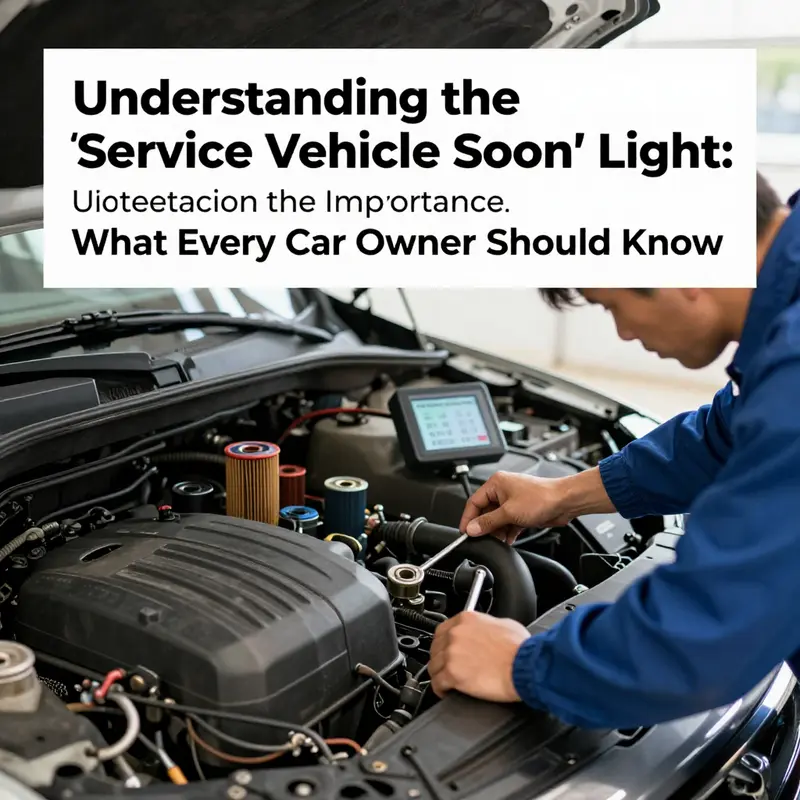
When the Service Vehicle Soon light glows amber on the dashboard, it often arrives with a mixture of caution and urgency. It is not a flashing alarm demanding an immediate, dramatic repair, but a careful nudge from the vehicle’s onboard computer system. Think of it as the car’s way of saying that something in the engine, the transmission, or the supporting systems would benefit from attention soon rather than later. In practice, this light can be activated by a range of conditions—from routine maintenance reminders to genuine faults detected by sensors that feed data to the engine control unit (ECU). The distinction matters because a reminder for a scheduled service is very different from a warning about a faulty sensor, an impending engine performance issue, or a transmission control problem. Yet the underlying message is the same: do not ignore the alert, even if it briefly goes away after restarting. Consider the light a conversation with your car, and your task is to listen closely, gather context, and respond with a plan that preserves reliability, safety, and efficiency over the long haul.
At its core, the Service Vehicle Soon light signals that a routine maintenance item is due or that a fault has been detected somewhere in the vehicle’s monitoring framework. The maintenance side of the signal is straightforward in most modern cars: it reminds you to address wear-and-tear components that keep the engine running cleanly and efficiently. Oil and filter changes, air and fuel filters, and tire rotations are typical triggers for this category of alert. These reminders are not arbitrary; they are calibrated to the way you drive, the environment you operate in, and the specific design of your vehicle. In addition, the light can illuminate as a consequence of sensor malfunctions that skew data reaching the ECU. When a sensor such as the oxygen sensor, coolant temperature sensor, mass airflow sensor, or crankshaft position sensor begins to drift, the ECU can misread engine conditions, and the dashboard light can respond by lighting up to flag the discrepancy. These sensor-driven scenarios can be subtle, occasionally clearing after a restart, but they often require professional diagnostics to isolate a faulty component or an errant connection.
Another important facet of the light is its tie to maintenance neglect. If the manufacturer’s recommended service schedule has been surpassed—oil changes delayed, filters overdue, or fluids allowed to degrade—the ECU may detect elevated wear or compromised performance and trigger the alert. The consequences of neglect can accumulate quietly: reduced lubrication efficiency leading to accelerated engine wear, diminished fuel economy from clogged filters or degraded sensors, and increased emissions or drivability issues that become more noticeable over time. In many vehicles, the Service Vehicle Soon light is ready to illuminate not merely because a problem exists, but because the system recognizes that the vehicle’s regular maintenance cadence has slipped. In this way, the light acts as a guardian of safety and longevity, prompting action before small issues become expensive repairs.
A third layer involves transmission concerns, especially in automatic vehicles. The transmission control system, after all, relies on precise sensor feedback and clean hydraulic fluid to shift smoothly and reliably. When a transmission issue is suspected, or when the ECU detects irregularities in transmission operation or fault codes related to the transmission control module, the light may illuminate to signal a potential problem that warrants diagnosis. Even if the problem is minor or intermittent, continuing to drive in this state risks escalating wear, reduced performance, or unexpected behavior that could compromise safety. The pattern of illumination can vary: sometimes a temporary glitch will trigger the light and disappear after a restart; other times, the light remains steady, signaling a persistent fault requiring inspection and repair. Either way, a cautious approach is prudent.
The consequences of ignoring the Service Vehicle Soon warning are well documented by automotive experts and safety authorities. Engine oil neglect stands out as a leading risk. Oil provides lubrication, cooling, and protection from deposits; when oil changes are postponed, the oil deteriorates, its viscosity shifts, and contaminant buildup can escalate engine wear. The result can be reduced fuel efficiency, diminished performance, and in the worst case, severe engine damage that proves costly to repair. Likewise, neglecting the brake system alongside a separate or related warning could create dangerous driving conditions. Worn pads, fading hydraulic response, or compromised braking performance undermine stopping power, increasing the likelihood of accidents. The broader picture, emphasized by organizations focused on vehicle safety and emissions, is that delayed maintenance is a major source of preventable breakdowns and hazards. Regular, timely maintenance not only extends a vehicle’s lifespan but also underpins occupant safety and compliance with emissions standards. In other words, the Service Vehicle Soon light is part of a safety ecosystem that connects maintenance discipline with real-world performance.
With the understanding that maintenance neglect is a central driver of the alert, the best response combines attentiveness with a practical, staged approach. The first step is to consult the owner’s manual for make- and model-specific guidance. This reference is not merely a formality; it conveys the exact maintenance intervals, fluid specifications, and diagnostic recommendations tailored to your vehicle. Simultaneously, a quick, sensible triage can help rule out obvious culprits. Check basic fluid levels and visual indicators: is the engine oil at the proper level, is the coolant reservoir within its typical range, and is there any sign of fluid leaks under the car? Inspect tires for adequate tread depth and proper inflation, as improper air pressure not only affects safety but can influence wear patterns that the ECU might interpret as abnormal engine or drive-train behavior. While these checks are not a substitute for professional diagnostics, they establish a baseline and can reveal simple, safety-related concerns that should be addressed promptly.
If the light remains illuminated after a short drive or a restart, the next step is a diagnostic scan using factory or dealer-grade tools to read fault codes stored in the ECU. These codes translate into specific system faults or wear indicators and guide the technician toward the root cause. A professional inspection can differentiate between a sensor that’s drifting out of spec and a genuine mechanical issue requiring repair. In many cases, the resolution involves a relatively routine service—an oil and filter change, a clogged fuel or air filter replacement, or a sensor connector that has become loose or corroded. In other cases, the underlying problem may be more intricate, potentially involving the fuel system, ignition system, or transmission controls. Either way, the diagnostic process is precisely what transforms the ambiguous amber warning into a targeted plan of action. It is this combination of preventative maintenance reminders, sensor health assessment, and fault-detection logic that makes the Service Vehicle Soon light a practical, not alarmist, feature of modern vehicle design.
A crucial component of responsible action is recognizing when maintenance intervals have slipped and taking a proactive stance to close the loop before costs spiral. Scheduling routine maintenance on the calendar or maintaining a digital log can help a driver stay aligned with the manufacturer’s recommended intervals. Regular oil changes remain a foundational practice, but it is equally important to follow up with filter changes, air and fuel system maintenance, and tire care. To keep the narrative and the practical choices in balance, consider integrating maintenance timing with your typical driving profile. If you drive in dusty conditions, frequent short trips, or extreme temperatures, you will likely need more frequent servicing than the standard schedule. In this context, the oil-change interval itself becomes a living guideline rather than a fixed rule. For guidance on balancing oil-change timing with driving patterns and other variables, see the resource on optimal oil change intervals.
As you navigate this landscape, remember that the Service Vehicle Soon light is not a verdict on your car’s health as much as it is a suggestion for maintenance stewardship. Even when the light extinguishes after a restart, do not assume the issue has resolved. A reset can occur if the fault was momentary, a loose connection, or a sensor glitch, but it can also mask a developing problem that will become more evident with time and usage. The prudent course is to monitor the vehicle, adhere to scheduled maintenance, and seek a diagnostic scan if the light reappears or if performance concerns surface—hesitation when accelerating, rough idling, misfires, unusual noises, or unexpected shifts in power delivery. These symptoms, combined with the Service Vehicle Soon indicator, should prompt a professional evaluation before they escalate into costly repairs or safety hazards.
In practice, building a maintenance mindset around this warning means adopting a structured routine that prioritizes reliability and safety. Begin with the basics: align service visits with the manufacturer’s maintenance schedule and supplement with vehicle-specific considerations such as climate, driving style, and load conditions. Track oil-change intervals by miles and time, not just mileage alone, and ensure that filters—oil, air, and fuel—are refreshed as recommended. Maintain clean, stable fluid levels for coolant and brake fluids, as compromised hydraulics can mirror engine-related warnings in the ECU’s eyes. Regular tire rotations, balanced with proper inflation, contribute to even wear and predictable handling, further reducing the chances of misinterpreting normal wear as a fault signal. A disciplined approach to maintenance creates a virtuous circle: when the car is well cared for, sensors read more accurately, the ECU makes better decisions, and the likelihood of nuisance codes or unnecessary repairs decreases over time. In this sense, the Service Vehicle Soon light serves not as a burden but as a timely invitation to protect investment, safety, and long-term performance.
Those who embrace this perspective often find that the light themselves become a driver for better habits rather than a source of anxiety. The maintenance schedule becomes an operating framework rather than a rigid checklist, and the dialogue between driver and machine grows more productive. In turn, the car behaves more consistently, delivering steady fuel economy, predictable power, and satisfactory handling, which reinforces the value of staying ahead of issues rather than chasing them after they emerge. The message is practical and empowering: small, consistent maintenance actions can prevent big, disruptive failures and keep the vehicle performing in the conditions in which you expect it to perform. As you move forward, use the light as a compass, not a siren, guiding you toward timely service, thorough diagnostics when needed, and a maintenance rhythm that aligns with how you drive and where you drive.
For those seeking a broader perspective on maintenance intervals and best practices, the path is clear and accessible through well-established resources that summarize the essentials without overwhelming the reader with complexity. A well-trodden rule of thumb is to treat maintenance like an investment in reliability rather than an expense, with the Service Vehicle Soon light acting as a reminder that the return on that investment accrues in safer trips, longer engine life, and lower total ownership costs over time. In this spirit, keep a clear record of every service, every part replacement, and every diagnostic code so you can observe patterns, anticipate needs, and communicate effectively with any technician who checks your vehicle. The light, once understood as part of a larger maintenance ecosystem, becomes a practical ally rather than a mystery—an instrument that helps you preserve performance, safety, and the value of your vehicle across years and miles.
External resources can offer additional context and guidance, particularly around maintenance strategies and how they relate to emissions standards and fuel efficiency. For a comprehensive overview of maintenance and tips provided by a national data center, you can explore official guidelines at https://afdc.energy.gov/vehicles/maintenanceandtips. This external reference complements the practical, vehicle-specific guidance discussed here and reinforces the idea that proactive care is a shared responsibility among vehicle owners, manufacturers, and policymakers who aim to keep roads safer and cleaner. In concert with your manual, your diagnostic tool, and trusted technicians, the Service Vehicle Soon light becomes a constructive prompt to maintain the vehicle you rely on daily, ensuring it remains dependable, efficient, and compliant with evolving standards across different driving environments.
When Fluids Fail: How Poor Fuel and Oil Illuminate the Service Vehicle Soon Light
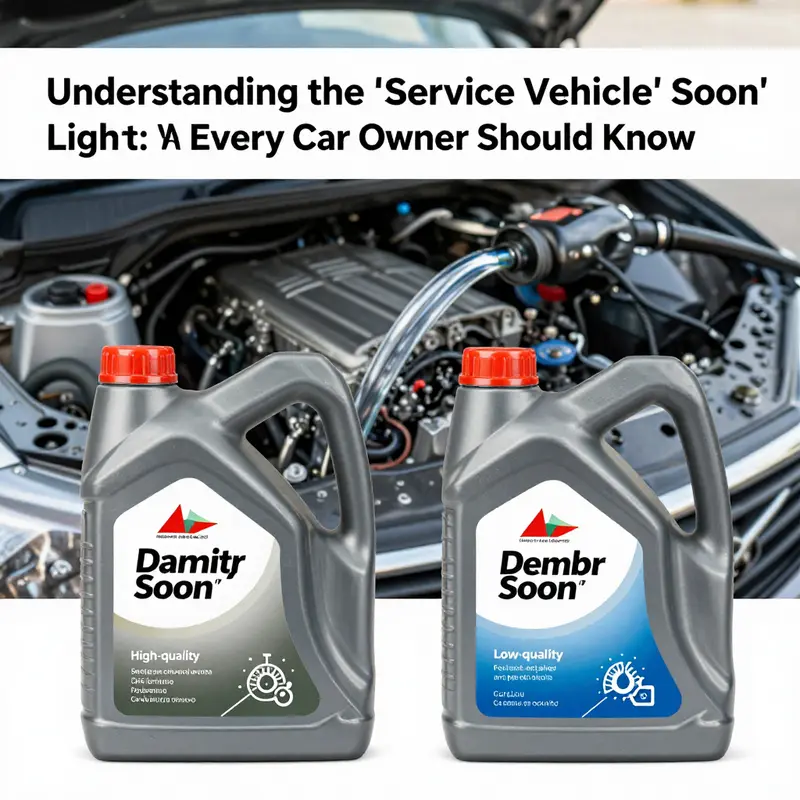
How poor fluids trigger the Service Vehicle Soon light
The “Service Vehicle Soon” light is a summary signal. It does not name a single failing part. Instead it tells you that the vehicle’s monitoring systems have detected parameters outside normal limits. One common and avoidable cause of that detection is poor quality fluids—specifically fuel and engine oil. Fluids that fall short of manufacturer standards change combustion, lubrication, and sensor readings. Those changes produce anomalies the Engine Control Unit (ECU) interprets as faults, and it responds by illuminating the service light.
Fuel and oil are the engine’s two living systems. Fuel provides controlled combustion energy. Oil reduces friction, cools parts, and carries contaminants away. When either system is compromised, the engine behaves differently. A different behavior creates different sensor signals. The ECU compares those signals against expected patterns. If the pattern deviates enough, the ECU logs fault codes and alerts the driver. The path from a drop of low‑grade fuel to a dashboard warning is direct and measurable.
Low-quality fuel can change combustion characteristics almost immediately. Using an incorrect octane rating lets pre-ignition or knocking occur. Knocking reduces power and stresses internal components. It also generates pressure and vibration pulses that affect knock sensors. Persistent knock sensor readings outside their normal range trigger the ECU to flag a performance issue, and the service light follows. Beyond octane, poor fuels may lack stabilizing and cleaning additives. Those additives prevent buildup in injectors, intake valves, and combustion chambers. Without them, deposits form quickly. Deposits change airflow and fuel spray patterns. That changes the oxygen sensor and mass airflow sensor readings, producing a mismatch the ECU recognizes as a fault.
Diesel engines, in particular, can be unforgiving of low-quality fuel. Modern diesel systems use high-pressure common rail injectors. These components operate at extremely high pressures and tight tolerances. Contaminants, water, or incorrect fuel blends can clog or damage injectors and filters. When pressure sensors detect abnormal fuel rail pressure, the ECU records a fault. That fault often turns on the service light because the system recognizes a risk to reliability and emissions compliance. Fuel contamination can also affect sensors tied to exhaust aftertreatment, which amplifies the perceived severity of the problem in ECU diagnostics.
Engine oil influences electrical signals, too, though indirectly. Oil quality affects component temperatures and clearances. When oil viscosity is wrong, lubrication gaps grow. Bearings, camshafts, and piston rings then experience increased friction. The result is higher operating temperatures, wider tolerances, and subtle changes in crankshaft and camshaft timing. Modern vehicles use cam and crank position sensors to monitor timing and engine load. When timing is altered by excessive wear, those sensors can report inconsistent signals. The ECU sees timing variance and may log misfire or timing codes. Those codes commonly light the service indicator.
Another critical oil-related trigger is oil pressure. Low-quality oil breaks down faster and loses viscosity. When viscosity decreases, oil pressure can drop. Vehicles monitor oil pressure via sensors or switches. A sustained low reading triggers immediate warnings, because oil pressure protects every moving part. Even intermittent drops can cause stored fault codes. Low oil pressure will often light the service warning before mechanical damage becomes severe, because the ECU prioritizes preserving engine life.
Beyond the direct effects, contaminated or degraded fluids can have cascading consequences. Deposits from poor fuel increase exhaust temperatures and restrict flow. Restricted exhaust affects turbocharger performance and exhaust gas recirculation systems. Those changes alter readings from temperature and oxygen sensors, leading to emissions-related fault codes. Worn oil that cannot control engine heat causes thermal stress on gaskets and seals. Leaking seals let oil reach electrical components. Oil on electrical connectors changes resistance and causes erratic sensor outputs. Erratic outputs are among the most common reasons for a service light, since the ECU cannot trust unreliable data.
Because the ECU uses multiple sensors to cross-check engine health, fluid-related problems rarely present as a single, obvious failure. Instead, they appear as inconsistent signals across several inputs. For example, a clogged injector can cause a rich condition that shows up in oxygen sensor readings, fuel trim adjustments, and misfire counters. The ECU aggregates these anomalies and flags a system issue rather than a single sensor. That aggregation is what drivers see as the vague “Service Vehicle Soon” indication.
Practical response should be methodical. If the service light is on and the vehicle runs normally, do not assume the issue is minor. Erratic symptoms must be investigated before permanent damage occurs. The first step is to confirm fluid quality. Fuel can be tested visually and chemically, but the fastest route is to drain and replace suspect fuel. Fuel filters should also be inspected and replaced if contaminated. For oil, check viscosity, color, and smell. A burnt smell, metallic particles, or a thin, watery consistency indicate poor or contaminated oil. Replace the oil immediately with the correct grade and specification.
After replacing suspect fluids, clear stored codes and monitor the system. Replacing fluids alone does not always clear the fault. The ECU stores data about past anomalies, and some codes persist until a successful drive cycle confirms normal operation. Running a diagnostic scan captures any remaining codes and identifies specific sensors reporting faults. If the scan reveals persistent sensor readings outside their normal range, further investigation is required. Sensors themselves can be damaged by contaminated fluids. For instance, oxygen sensors exposed to excessive deposits may need replacement even after cleaning.
Prevention is always cheaper than repair. Follow manufacturer recommendations for fluid grades and change intervals. High-quality fuel and oil carry additive packages engineered to protect modern engines and emissions systems. Using the correct oil viscosity and specification maintains oil pressure and protects timing systems. Regularly changing oil and fuel filters prevents contaminants from migrating into sensitive components. For those who drive diesel vehicles, attention to fuel quality and proper storage matters. Diesel fuel can degrade and grow biological contaminants when stored in warm, humid conditions. Fuel polishing and regular use of reputable suppliers reduce that risk.
Routine maintenance benefits from clear records. Document oil and fuel changes, filter replacements, and any fluid top-ups. These records help technicians identify recurring issues and correlate past service with present faults. If the service light appears after a recent fill-up, note the fuel station and fuel grade. That information helps isolate fuel-related problems and supports warranty or supplier claims if needed.
A linked resource offers guidance on interval choices and the tradeoffs between time and mileage. Reviewing those recommendations helps you plan maintenance and select appropriate service frequencies. For details on recommended schedules, see the page on optimal oil change intervals: https://kmzvehiclecenter.com/optimal-oil-change-intervals-time-vs-mileage/.
When a scan identifies no persistent codes after a fluid change, the service light may still remain until the vehicle completes several drive cycles. A drive cycle is a series of operating conditions that allow the ECU to test systems and confirm repairs. If the light persists beyond the expected number of cycles, return for a follow-up diagnostic. Technicians can perform targeted tests to verify sensor integrity, measure pressures, and inspect for deposits or mechanical wear. They may use cleaning procedures on injectors and throttle bodies, or they may replace damaged sensors to eliminate false readings.
Understanding the role of fluids in triggering the service light helps prioritize responses. Replace suspect fluids immediately. Run diagnostics to find stored codes. Resolve any sensor or component damage caused by contamination. And adopt preventative maintenance to avoid repeat events. The service light is not just a nuisance. It is a prompt to examine basic systems that keep the engine healthy.
Finally, consider the long-term implications of ignoring fluid-related warnings. Short-term savings from cheap fuel or skipping oil changes can lead to injector replacement, turbocharger failure, or complete engine overhaul. Each of those outcomes begins as a small deviation in sensor signals. The ECU responds logically, giving you time to act by turning on the service light. Taking that light seriously preserves performance, lowers repair costs, and extends engine life.
For a broader overview of what the Service Engine Soon or Service Vehicle Soon light means across modern vehicles, see this detailed explanation from an external automotive resource: https://www.autocar.co.uk/car-news/tech-features/what-does-service-engine-soon-light-mean?
When the Service Vehicle Soon Light Points to the Transmission: What It Means and What to Do
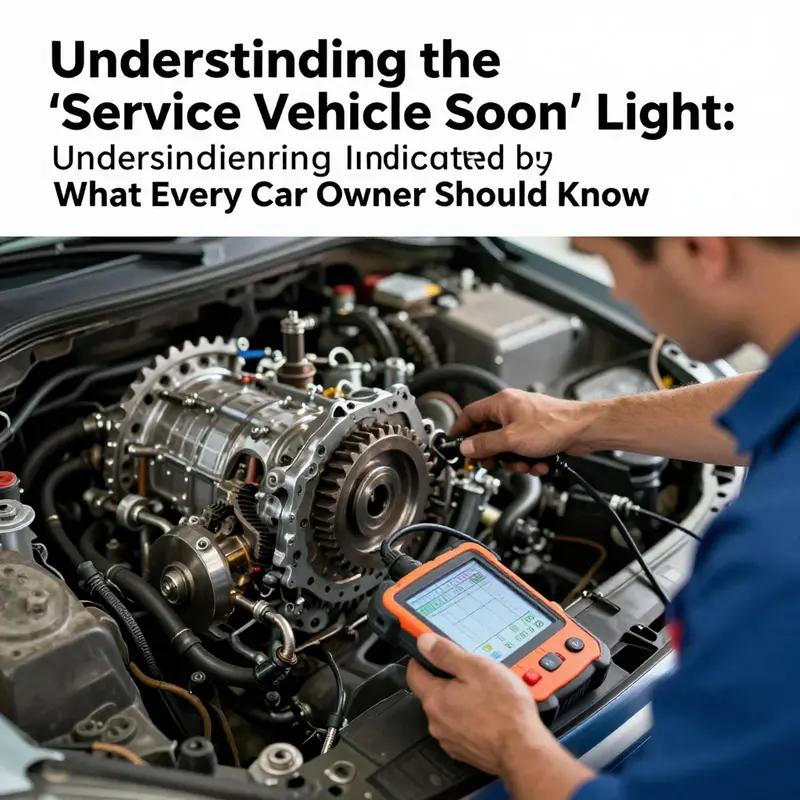
Interpreting the Service Vehicle Soon Light When Transmission Trouble Is Suspected
The “Service Vehicle Soon” (SVS) light is a general alert. It tells you the vehicle’s on-board systems detected a fault. The light itself does not name the fault. Sometimes the engine is at fault. Other times the transmission is the problem. When the transmission is involved, the consequences can escalate quickly. This chapter explains how transmission faults trigger the SVS light, what those faults commonly are, how technicians and owners narrow the cause, and sensible next steps to protect the vehicle and avoid expensive repairs.
When the SVS light appears with transmission symptoms, the vehicle may show additional signs. You might notice hard or delayed shifting. Gears may slip or hunt, or the transmission may downshift unexpectedly. The car might hesitate during acceleration, or it may stay stuck in a single gear. Buzzing, whining, or metallic noises often point to mechanical wear. In some vehicles, the car may enter a limp or fail-safe mode to prevent further damage. That mode limits speed and torque while the control modules log diagnostic trouble codes (DTCs). Those codes are the first concrete clue that links the SVS alert to the transmission.
The on-board diagnostics system will record fault codes whenever a transmission-related sensor, actuator, or control module reports a problem. A code such as P0700 is common; it flags a Transmission Control System Malfunction. But P0700 alone only says the transmission control module reported an issue to the powertrain control module. Other, more specific codes are often present, describing solenoid failures, pressure sensor faults, or gear ratio errors. Reading these codes with a professional-grade OBD2 scanner reveals where to look next. Live data streams from the scanner can show actual values for input and output speeds, line pressure, and solenoid states. This data helps separate electrical or sensor faults from hydraulic or mechanical failures.
Common transmission-related causes that trigger the SVS light vary by design and age, but several patterns recur. One frequent issue is faulty transmission sensors. Input or output speed sensors tell the vehicle when to shift. If they fail, the control module gets incorrect speed data. The result can be harsh shifting, no shifting, or an alert light. Another common cause is internal hydraulic pressure problems. Low line pressure, caused by a weak pump, clogged filter, or worn valve body, prevents proper clutch engagement. That manifests as slipping, delayed engagement, or overheating. Electrical faults also occur. Damaged wiring, corroded connectors, and blown fuses can interrupt control signals. Software problems or a failing Transmission Control Module (TCM) can confuse the shift strategy or disable normal operation entirely.
Fluid condition and maintenance history deserve special attention. Transmission fluid that is degraded, low, or contaminated directly affects hydraulic pressure and cooling. Dark, burnt-smelling fluid often points to overheating and internal wear. Metal flakes in the pan or on the magnet indicate clutch or gear deterioration. In many cases, a neglected fluid service or the use of the wrong fluid type accelerates wear and invites faults that trigger the SVS light. Regular fluid and filter changes, using the correct fluid specified by the manufacturer, are preventive measures that reduce the chance of sudden transmission faults and warning lights.
Diagnosing the problem follows a logical path. Start by retrieving stored DTCs and freeze-frame data. Those codes narrow the issue quickly. If codes indicate electrical faults, inspect wiring harnesses and connectors for damage or corrosion. Check fuses and grounds. If the codes suggest pressure or mechanical faults, inspect fluid level and condition first. A low or contaminated fluid level can cause many symptoms that mimic deeper failures. When the fluid looks healthy and levels are correct, proceed to tests that require a lift and specialist tools: pressure checks, valve body inspection, and road testing with a scanner attached. A technician can monitor live data to see how the transmission responds to throttle and speed inputs.
Not all faults require immediate transmission overhaul. Some are repairable with modest effort. Replacing a faulty speed sensor, cleaning or replacing a clogged filter, repairing a damaged wiring harness, or reprogramming the TCM can resolve the issue. However, if diagnostics point to internal wear—worn clutches, damaged gears, or a failing torque converter—repairs can become expensive. That is why early diagnosis matters. Ignoring the SVS light while continuing to drive can convert a fixable sensor replacement into a major transmission rebuild.
Owners can perform a few sensible checks before visiting a shop. Visually inspect the transmission fluid through the dipstick if the vehicle has one. Look for the right color and smell. Smell the fluid; a burnt odor indicates overheating. Check for obvious leaks under the vehicle. Inspect battery health and charging because low system voltage can confuse control modules and trigger false warnings. If you recently filled with fuel or changed fluids, consider whether the correct products were used. Poor-quality fluid or the wrong specification can cause control faults that illuminate the SVS light.
Deciding whether to drive or tow depends on symptoms. If the transmission slips, shifts erratically, runs hot, or the vehicle has entered limp mode, do not drive beyond a short, safe distance. Towing to a qualified repair facility is often the safer option. Driving under these conditions risks full failure and may cause collateral damage to the drivetrain. If the SVS light is on but the vehicle shifts normally and shows no other symptoms, you can usually drive to a service center with caution. Nevertheless, have the codes read promptly.
Finding the right repair path begins with choosing a qualified facility. Transmission diagnosis benefits from specialized tools and experience. A good repair shop will scan codes, perform live data checks, and explain the tests required and the likely costs. They should provide an itemized estimate for parts and labor and discuss options like a targeted repair, a refurbished unit, or a rebuild. If the vehicle is under warranty or a service contract, contact the provider before authorizing work. For fleet or heavy vehicles, follow recommended maintenance intervals closely and keep records. Preventive care reduces the chances of the SVS light appearing due to transmission trouble.
Understand the limits of quick resets. Clearing DTCs without addressing the root cause may extinguish the SVS light temporarily. If the underlying fault persists, the light will return. Temporary glitches happen—loose battery connections or momentary sensor errors can set a code and trigger the light. But recurring warnings indicate ongoing trouble. Treat the SVS light as a prompt to investigate rather than a nuisance to dismiss.
Transmission issues can be costly, but many are preventable with consistent maintenance. Follow manufacturer schedules for fluid and filter changes. Use the correct type of fluid and avoid mixing fluids of different specifications. For owners of trucks and heavy vehicles, adhering to maintenance schedules and using recommended fluids holds particular importance. For practical maintenance pointers, consult truck maintenance tips for first-time owners. Routine service prolongs transmission life and reduces the chance that an SVS warning signals serious internal damage.
When a professional diagnoses a transmission-related SVS light, expect transparency. The technician should present the diagnostic trouble codes, explain what they mean, and outline the tests used to reach a conclusion. Ask for evidence such as live-data logs or photos if internal inspection is required. A trustworthy shop will advise whether a simple repair is sensible or whether replacement or overhaul is the prudent choice.
The SVS light should never be ignored. When the transmission is involved, time matters. Prompt diagnosis reduces repair costs and avoids secondary damage. Whether the problem proves to be a failed sensor, a solenoid issue, a fluid problem, or an internal mechanical fault, the SVS light is your cue to act. Use diagnostic scans, straightforward fluid and electrical checks, and professional evaluation to move from warning to solution. For further reading on what this warning light generally means and how to respond, see the detailed overview from Autocar: https://www.autocar.co.uk/car-news/tech-explained/service-vehicle-soon-light-what-it-means-and-what-do
Final thoughts
In summary, the ‘Service Vehicle Soon’ light serves as a vital indicator for car owners, alerting them to potential issues that require immediate attention. Whether it’s due to sensor malfunctions, neglected maintenance, poor quality fluids, or problems with the transmission system, understanding the implications of this warning light can help mitigate further damage and expensive repairs. Regular inspections and timely interventions not only ensure a safe driving experience but also enhance the longevity and efficiency of your vehicle. Take proactive steps to address these warnings, and you will not only protect your investment but also enjoy a smoother, more reliable ride.