The dashboard of your vehicle serves as a crucial interface, revealing the overall health and performance of your car. Among its various alerts, the “Service Vehicle Soon” message is noteworthy, signaling that maintenance is required. This warning is not confined to a single system but broadly indicates that a closer inspection of your vehicle is needed. This article will guide local private car owners, used car buyers and sellers, and small business fleet operators through the implications of this alert, the common causes that might trigger it, and the importance of addressing it promptly. In understanding the nuances behind this message, better decisions can be made to ensure vehicle safety and longevity.
What ‘Service Vehicle Soon’ Really Means: Reading the Warning and Acting Wisely

Understanding the Warning as a System-Level Signal
When the dashboard flashes Service Vehicle Soon, it is doing more than reminding you about routine care. This message is a system-level alert from the vehicle’s monitoring network. It flags that one or more systems are operating outside normal parameters. It may point to a simple, low-cost fix. It can also be the first sign of a problem that will grow costly if left unattended. Treat the message as a prompt to investigate, not as a guarantee of imminent failure.
At its core, this warning often aligns with the Check Engine Light, also called the Malfunction Indicator Lamp. Modern cars use the onboard diagnostics system, OBD-II, to monitor components and sensors. When that system detects a fault, it stores a trouble code and illuminates a warning. The phrase displayed, whether ‘Service Vehicle Soon’ or a variant, is a human-friendly wrapper for that technical alert. It invites diagnosis. It does not, by itself, diagnose.
Understanding the likely causes helps you prioritize action. Sensors fail, emissions systems clog, ignition parts wear, and fluids fall below safe levels. The vehicle’s engine control unit or transmission control unit may flag abnormal readings from any of these. Sometimes the cause is a loose gas cap or a transient fault that clears after a restart. Often, it needs a targeted repair. The practical question is not what the car is trying to say, but what you should do next to keep the vehicle safe and dependable.
How the Warning Relates to Vehicle Health
Your vehicle’s computer watches several systems continuously. It measures air and fuel flows, monitors exhaust composition, checks temperatures, and tracks mechanical timing. When measured values stray beyond expected limits, the computer logs a diagnostic trouble code. That code narrows the issue to a subsystem or a specific sensor. The ‘Service Vehicle Soon’ message is the driver-facing indicator that a code exists.
This matters because a single symptom—reduced fuel economy, for example—can come from many causes. A failing oxygen sensor, a clogged air filter, or an issue in the fuel delivery system can all increase consumption. The computer’s code specifies where the fault was detected. Without reading that code, you are guessing. That is why a diagnostic scan is the most important step after the warning appears.
Common Underlying Causes and Why They Trigger the Warning
Faulty sensors are among the most frequent culprits. Oxygen sensors measure exhaust oxygen to help the computer adjust the fuel-air mix. A worn sensor can make the engine run too rich or lean. A mass airflow sensor, which measures incoming air, can misreport airflow and upset the fuel calculation. Camshaft and crankshaft position sensors supply timing data. If they fail, the engine can misfire or run erratically. Coolant temperature sensors tell the computer if the engine is cold or hot. A bad reading can lead to poor performance.
Emissions control parts are also common triggers. A clogged catalytic converter will not process exhaust correctly and can cause sensor readings to indicate poor combustion. An EGR valve stuck open or closed alters combustion temperature and emissions. The evaporative emissions system, which prevents fuel vapors from escaping, triggers a warning when it detects leaks. These components exist to meet emissions targets, but they also have practical impacts on drivability and engine life.
Ignition and fuel systems can prompt the message too. Worn spark plugs and faulty ignition coils cause misfires. Misfires lead to rough running and increased emissions. Fuel injectors that are clogged or stuck change spray patterns and reduce efficiency. Low fuel pressure from a bad pump or filter minimizes engine power and can set codes. Any of these problems can trip the onboard monitors.
Sometimes routine maintenance issues are the cause. Old oil affects lubrication and fuel economy. Dirty air filters constrain airflow. Using the wrong oil viscosity, or the wrong fuel octane, can change engine behavior enough to trigger a code. Even poor quality or contaminated fuel can cause rough running. Regular maintenance helps prevent many of the triggers that lead to an alert.
Finally, there are occasional simple causes that are easy to fix. A loose or missing gas cap can allow fuel vapors to escape, tripping an EVAP code. A battery with poor voltage can produce false readings. A temporary sensor glitch may clear itself after cycling the ignition. Still, every instance deserves confirmation through diagnosis.
Why Immediate Attention Matters
Ignoring the message risks escalating a small problem into a big one. A failing oxygen sensor left unattended can force the engine to run rich, causing higher fuel use and premature catalytic converter wear. Misfires can damage the converter quickly. Low oil or coolant issues can cause overheating and catastrophic engine damage. Even if the car seems to drive fine, a hidden fault may be slowly compromising components.
Safety is also a factor. Problems with sensors tied to engine management can affect power delivery at critical times. Transmission faults can produce unpredictable shifts. Systems that control emissions are often tied into performance controls, so a fault can translate into poor throttle response or stalling. The message is a warning to preserve safe operation.
Finally, there are legal and cost considerations. A vehicle with an unresolved emissions fault may fail inspection. Repairs are generally cheaper when they are prompt. Addressing a faulty sensor costs far less than replacing the catalytic converter or repairing damage caused by overheating.
Practical First Steps When the Message Appears
First, remain calm and observe changes in driving. Is the engine running rough? Is there a loss of power? Is the gauge cluster showing abnormal temperatures or pressures? Check for obvious signs like fluid leaks under the vehicle. If there are severe symptoms—loss of power, smoke, or a harsh noise—pull over safely and stop driving. For mild symptoms, you can drive to a nearby service center, but avoid high-load situations and extended trips.
Next, perform simple checks you can do without tools. Tighten the gas cap. Look for a low coolant reservoir or oil level. If you keep a maintenance log, review recent service for clues. These checks do not replace diagnosis, but they can catch easy fixes.
Then, prioritize a diagnostic scan. The OBD-II scanner reads stored trouble codes. Those codes point technicians to the likely subsystem. Share those codes with your mechanic, along with any symptoms you noticed. The codes let the technician focus testing and save time. Even if you plan to visit a dealership, having the code and a description of the problem speeds the process.
If you prefer self-diagnosis, an affordable scanner can read codes and display live sensor data. That data helps identify failing sensors or components. But interpreting live data requires some technical knowledge. When in doubt, seek a qualified technician.
What Diagnostic Codes Reveal and How Technicians Use Them
Diagnostic trouble codes are the starting point. Generic codes, like P0171 for a lean condition, indicate a symptom. A lean code means the computer sees too much air or too little fuel. The root cause could be a vacuum leak, failing injector, or weak fuel pump. Technicians use codes plus live data to pinpoint the source.
Professional shops often use freeze-frame data, live-streaming sensor values, and component tests. They measure fuel pressure, check injector pulse, and scan for misfire counts. They may perform smoke tests on the EVAP system to find leaks. They can also inspect wiring and connectors, which are common failure points. A systematic approach separates sensor failures from wiring faults and from component wear.
After diagnosis, the technician will present repair options. Good shops explain which fixes are urgent and which can be deferred. They will also list expected costs and timelines. Ask for the code and the test results. This transparency helps you make an informed decision and avoids unnecessary repairs.
How to Communicate with Your Mechanic
Clear information speeds diagnosis. Tell the technician when the message first appeared. Describe any driving symptoms and environmental conditions. Note whether the light is steady or flashing. A flashing Check Engine Light usually indicates a severe misfire that can damage the catalytic converter. Mention any recent repairs or maintenance. Provide the vehicle’s routine service history if available.
Ask the shop to read and record the trouble codes. Request an estimate for diagnostic time and parts. If you want a second opinion, ask for the code and recorded data. This lets another technician confirm the diagnosis without repeating tests. A good shop welcomes these questions and paperwork.
DIY vs. Professional Repair: Making the Right Call
Some fixes are straightforward for owners with tools and experience. Replacing fuel filters, air filters, spark plugs, and oxygen sensors can be done at home with correct parts and procedures. Tightening a gas cap or topping fluids is simple. For owners comfortable with basic maintenance, a scanner and a repair manual can make self-repairs feasible.
However, many diagnostics and repairs require specialized tools or training. Testing fuel pressure, performing smoke tests, and replacing complex components need equipment and expertise. Electrical diagnostics sometimes reveal corroded connectors hidden in harnesses. If a repair involves the catalytic converter, transmission internals, or engine timing, professional service is the prudent choice.
If you choose DIY, follow safety and repair guidelines. Use OEM or equivalent parts. Clear codes only after repair to verify the fix. If the code returns, re-diagnose before replacing other parts. Wishful swapping of parts wastes money and time.
When to Drive and When to Stop
If the vehicle runs normally and the light is steady, short, conservative driving to a service center is usually acceptable. Avoid towing heavy loads and long highway trips that elevate engine stress. If the light is flashing, stop driving and seek immediate service. A flashing indicator often signals repeated misfires, which can overheat and destroy the catalytic converter in a short time.
If you detect loss of power, strange noises, smoke, or fluid leaks, stop driving immediately. Continuing to run a compromised engine or transmission can cause irreversible damage and increase repair costs considerably.
Preventive Habits That Reduce Future Warnings
Regular maintenance prevents many triggers of the ‘Service Vehicle Soon’ message. Follow recommended service intervals for oil and filter changes, air and fuel filter replacements, and spark plug changes. Keep the fuel system clean and use correct fuel grades. Attend to dashboard warnings promptly when they first appear. Replace aging sensors on schedule when the manufacturer recommends it.
A reliable maintenance plan includes checking belts and hoses, monitoring battery health, and inspecting wiring harnesses for corrosion. For owners of diesel vehicles, attention to lift pump maintenance is important to avoid fuel delivery faults and related codes. For more targeted guidance on caring for heavier vehicles, consider reviewing truck-focused maintenance advice such as the comprehensive truck maintenance tips for first-time owners.
Balancing Cost, Safety, and Long-Term Value
When you receive the message, decisions will balance cost against risk. Minor sensor replacements are inexpensive. Major repairs like catalytic converter replacement are costly. Weigh options carefully. If you plan to keep the vehicle long-term, invest in proper repairs. If you are selling the vehicle, disclose the issue and consider its impact on value.
Insurance and warranties may cover certain failures. Check warranty status and service contracts. Some codes indicate defects that manufacturing warranties may cover. If a repair seems unusually expensive or complex, ask the shop to verify parts and labor and provide documentation of the diagnosis.
Final Thought: Treat the Message as an Ally, Not an Annoyance
The ‘Service Vehicle Soon’ indicator exists to protect your vehicle and your safety. It is an early warning designed to prompt inspection before small issues escalate. A measured, informed response avoids unnecessary panic and prevents avoidable damage. Read the code, gather symptoms, and seek qualified diagnosis. Tighten the gas cap, check fluid levels, and scan for codes when you can. Drive cautiously when necessary and stop immediately if severe symptoms appear.
For technical background on vehicle diagnostics and emissions systems, the U.S. Department of Energy maintains a useful resource on alternative fuels and vehicle technologies at the Alternative Fuels Data Center: https://afdc.energy.gov/
Decoding ‘Service Vehicle Soon’: Common Causes, What Each One Means, and Practical Next Steps

Understanding the ‘Service Vehicle Soon’ Message and Why It Matters
When the dashboard warns “Service Vehicle Soon,” the message is meant to prompt action. It is not an alarm for immediate danger in most cases. Instead, it is a proactive signal from your vehicle’s onboard systems that something needs attention. That range of possibilities can make the message feel vague. The light is intentional: it encourages inspection before a small issue becomes a costly failure. Understanding the common causes and their likely meanings helps you decide how quickly to act and what to check first.
The warning usually comes from the engine or transmission control systems. Modern vehicles rely on many sensors and computers to manage performance, emissions, and safety. When one of those components reports readings outside expected ranges, the control unit can set a fault code. Often the vehicle translates that code into an advisory message for the driver. In practice, this means the cause can range from routine maintenance reminders to sensors that need cleaning or replacement.
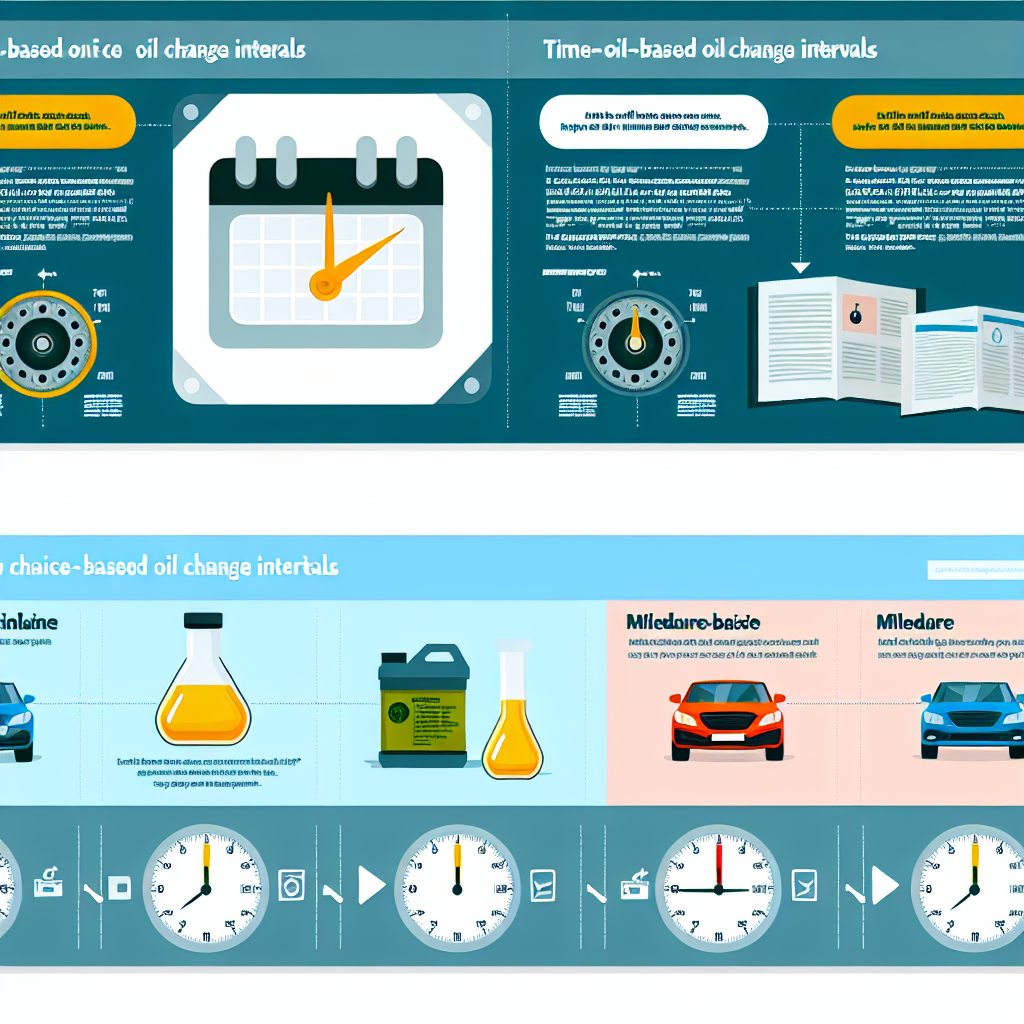
A frequent cause is scheduled maintenance due. Vehicles track service intervals and mileage. When the next oil change, filter replacement, or general inspection approaches, the system may display the message. This form of warning is a reminder, not a fault. Still, ignoring it invites accelerated wear. Timely scheduled maintenance keeps engine performance stable and prevents secondary damage. If the message appears around a known service milestone, check your maintenance history first.
Sensor malfunctions are among the most common triggers. Engines depend on inputs from oxygen sensors, mass airflow sensors, coolant temperature sensors, crankshaft and camshaft position sensors, and other devices. If any sensor fails or sends erratic data, the engine control unit cannot precisely manage fuel delivery, ignition timing, or emissions controls. That imprecision reduces fuel economy and raises emissions. A failing oxygen sensor, for example, often causes poor mileage and a richer or leaner fuel mixture. Mass airflow sensor issues can lead to stalling or rough idle. Sensor problems are usually diagnosed by reading stored fault codes with a diagnostic tool.
Oil quality and level problems also trigger this advisory. Engine oil is the lifeblood of internal combustion engines. Wrong viscosity, contaminated oil, or low levels change pressure and temperature readings. Modern systems monitor oil life indirectly through time, mileage, and sometimes through pressure sensors. Degraded oil increases friction and heat and can lead to accelerated engine wear. If the advisory appears after long intervals between oil changes, or if oil pressure warning indicators accompany it, prioritize checking oil level and condition. Consulting an article about optimal oil change intervals can help decide the right course of action for your vehicle and driving habits. You can find guidance about timing and mileage for oil changes here: https://kmzvehiclecenter.com/optimal-oil-change-intervals-time-vs-mileage/.
Minor emissions system faults are another routine cause. A loose or missing gas cap, a clogged charcoal canister, or issues with the evaporative emissions system can trip the vehicle’s monitoring logic. A loose gas cap allows fuel vapors to escape, upsetting pressure readings in the fuel system. Tightening the cap and clearing any related codes can sometimes extinguish the advisory. More complex emissions problems may require component testing and replacement. Because emissions systems affect legal compliance and environmental output, address these alerts before they worsen.
Transmission-related alerts can appear under the same message banner. Transmission control units monitor fluid temperature, pressure, and shift quality. Low transmission fluid, slipping gears, or failing solenoids produce abnormal data. When the transmission computer detects problems, it will often request service. Early intervention prevents damage to gears and clutches and avoids costly rebuilds. If the vehicle shows drivability symptoms alongside the advisory — such as delayed or harsh shifting — prioritize a transmission check.
Electrical issues and intermittent faults often masquerade as this advisory. Wiring harnesses, connectors, or grounds that are corroded or loose can interrupt sensor signals. A shorted circuit or intermittent connection may cause the control unit to flag a non-critical fault. Because these faults can be transient, they might clear temporarily and then return. A thorough inspection of connectors and a diagnostic trouble code readout will reveal whether the fault is electronic rather than mechanical.
Less common, but still important, are faults in vehicle safety or convenience systems. Some manufacturers consolidate advisories so that service messages appear instead of specific warnings. For example, a fault in an advanced driver assistance sensor, a camera, or a steering angle sensor may cause the vehicle to ask for service. These systems affect active safety features. If any safety systems are degraded, schedule inspection promptly.
Recognizing the severity of the underlying issue matters. A yellow or orange “Service Vehicle Soon” light signals a repair or inspection is recommended. A red warning or a “Check Engine” light accompanied by severe symptoms like loss of power, grinding noises, or smoke requires immediate action and likely towing. If the advisory appears with new, clear symptoms, such as overheating or oil pressure loss, stop driving and seek emergency service.
When the advisory appears without obvious symptoms, you have options. Start with simple, safe checks you can do yourself. Verify oil and coolant levels. Confirm the gas cap is tight. Look for obvious fluid leaks under the vehicle. Inspect connectors at the battery and major sensors if you have experience. If none of these checks find the cause, arrange a diagnostic visit. A qualified technician will plug a scan tool into the vehicle’s OBD-II port to read the fault codes. Those codes are the roadmap to the underlying issue.
Understanding diagnostic trouble codes (DTCs) helps you communicate with the technician. Codes point to the circuit or subsystem that triggered the advisory. They do not always name the failed part. For example, a code for an oxygen sensor circuit might mean a bad sensor or a wiring problem. A comprehensive diagnosis includes live-data observation: technicians watch sensor readings as the engine runs to see real-time behavior. That approach prevents unnecessary parts replacement and ensures the true cause is fixed.
Cost and time to repair vary widely. A loose gas cap or simple sensor cleaning is inexpensive and quick. Replacing an oxygen sensor or mass airflow sensor is still relatively affordable. Transmission repairs, or replacement of major engine components, are costlier. If the vehicle is under warranty or within a scheduled service plan, check coverage before scheduling repairs. Recalls and manufacturer service campaigns can also resolve certain issues at no cost. If the fault relates to a known recall, the manufacturer or dealer will handle repairs.
Consider safety and long-term costs when deciding how soon to address the advisory. Delaying minor repairs often leads to larger bills later. For example, ignoring a failing sensor can allow the engine to run too rich, contaminating catalytic converters. That can escalate into a multi-thousand dollar repair. Also, degraded fuel economy increases daily operating expense. The practical rule: address advisories promptly enough to prevent escalating damage.
If you prefer DIY repairs, gain a basic understanding of your vehicle’s systems. Buying a modest code reader allows you to identify the general area of the problem. Live-data-capable scan tools are more capable and more expensive. For those without experience, basic inspections like checking fluid levels, tightening the gas cap, and replacing an accessible air filter are reasonable first steps. For anything involving wiring, sensors with complex access, or transmission work, seek professional help.
When visiting a shop, provide clear context to the technician. Note when the message first appeared, any recent trips or repairs, and whether the light is steady or intermittent. Mention related symptoms like odd noises, loss of power, or fluid leaks. A clear description helps narrow down possible causes and reduces diagnostic time. If you captured the fault codes yourself, share them. Technicians appreciate accurate information and often use it to confirm a diagnosis faster.
Preventive habits lower the chance of receiving the message unexpectedly. Follow manufacturer-recommended maintenance intervals. Use the correct grade and type of engine oil. Replace air and fuel filters on schedule. Keep fuel caps tight and check them after fueling. Regular visual inspections under the hood and around the vehicle catch small leaks and worn components early. These habits extend component life and reduce the number of advisory warnings.
For owners of diesel or heavy-duty vehicles, specific systems warrant attention. Diesel engines require attention to fuel lift pumps and filtration. Water in fuel, clogged filters, and injector issues commonly trigger advisory messages in diesel platforms. If you operate a diesel vehicle, include lift pump maintenance and filter checks in your routine. Tailoring maintenance to your engine type prevents common failures and preserves reliability.
When your vehicle is taken to a dealership or independent shop, ask for a clear explanation of the fault codes and the proposed repairs. Request to see the diagnostic data if possible. Good shops will explain why a particular repair is necessary and offer options if available. If the recommended repair seems expensive, ask for an estimate and a timeline. A reputable technician will not pressure you into unnecessary parts replacements.
Warranty and recall considerations matter. If your vehicle is under factory warranty, many repairs may be covered. Document the advisory appearance and any symptoms carefully. If a repair fails to resolve the advisory, return to the service provider and insist on follow-up diagnostics. For vehicles with service plans, adhere to scheduled maintenance to maintain coverage.
In summary, the “Service Vehicle Soon” message is a useful early-warning system. It covers a broad range of issues, from scheduled service reminders to sensor faults and transmission irregularities. Treat it as a call to inspect and diagnose rather than as a cause for panic. Start with straightforward checks like oil level and gas cap tightness, then read fault codes or seek trained diagnostics if the cause is unclear. Acting promptly protects engine health and helps avoid costly, preventable repairs.
For reliable, authoritative guidance about safety and recalls, refer to the National Highway Traffic Safety Administration: https://www.nhtsa.gov/
Read Between the Dashboard Lights: Why Prompt Action on the ‘Service Vehicle Soon’ Warning Shapes Your Car’s Future

When a vehicle’s dashboard lights up with the words Service Vehicle Soon, it can feel like a vague whisper among louder, more dramatic warnings. It is not pointing to a single stubborn fault, but rather signaling that something within the car’s network of systems is not functioning as it should. In practical terms, SVS is a general caution from the vehicle’s onboard diagnostic system. It draws attention to a potential fault detected by the engine control unit (ECU) or the transmission control unit (TCU), among other sensors and subsystems. The message doesn’t tell you exactly what’s wrong, and that ambiguity is precisely why promptly addressing the warning matters. Think of SVS as a prompt to pause, run a mental checklist, and then seek a professional diagnosis before a minor issue becomes a major headache. The aim of this chapter is not to scare you into expensive, speculative repairs but to illuminate why this signal deserves respectful attention and how a careful, informed response can safeguard performance, safety, and long-term value.
What the SVS light represents goes beyond a mechanic’s shorthand. Modern vehicles are highly integrated machines where data flows continuously between the engine, transmission, emissions control, braking systems, steering, and numerous sensors. The SVS alert may light up for a sensor that is reporting out-of-range values, a fault that could degrade fuel efficiency, or a component that experiences intermittent function. The ECU and TCU, along with other modules like the brake control or emissions controllers, monitor variables such as engine temperature, air-fuel ratio, manifold vacuum, crankshaft position, wheel speed, transmission gear, and fluid pressures. When the sum of these inputs crosses a threshold indicating an abnormal condition, your car flags a warning. Unlike a bright, urgent check engine light—the kind of message that demands immediate attention—SVS sits in a grey area. It signals that something needs servicing soon, which invites a disciplined approach rather than a panic-driven reaction.
Among the most common triggers behind SVS are issues in the engine and transmission families. An engine that misfires even sporadically can still trigger SVS, particularly if the misfire is occurring in a way that could affect exhaust composition or catalytic efficiency. Misfires might arise from worn spark plugs, coil packs, or fuel delivery irregularities, but they can also be the symptom of more subtle problems like failing sensors that misreport air intake or ignition timing. A faulty oxygen sensor, for instance, can mislead the engine computer about the actual oxygen content in the exhaust, causing the ECU to adjust the air-fuel mixture in a way that reduces efficiency and increases emissions. A malfunctioning mass air flow sensor or a damaged crankshaft position sensor can similarly destabilize the engine’s electronic brain, leading to rough idling, hesitation, or stalling. In the transmission domain, SVS can point to issues such as sensor faults, pressure solenoid concerns, or even more complex hydraulic or electronic control problems that impair smooth gear engagement or shift timing. The breadth of potential causes explains why the SVS warning is intentionally broad; responding to it requires diagnostic clarity rather than a guess.
Another layer of potential culprits involves emissions control and related subsystems. Modern cars use complex catalytic converters and a network of sensors to monitor how efficiently combustion is happening and how cleanly exhaust is being processed. A failing sensor—oxygen sensors in particular—can trigger a cascade of adjustments in the engine control logic that compromise performance and raise emissions. If the emissions control system detects a fault it cannot reconcile, the SVS light may illuminate to flag a fault that could lead to higher exhaust emissions or even catalytic converter damage if left unaddressed. The risk is not just environmental; it’s practical and economic. A clogged or misreporting sensor, left unresolved, can lead to reduced fuel economy, increased fuel costs over time, and, in some cases, a chain reaction that stresses nearby parts such as the catalytic converter, oxygen sensors, or the exhaust manifolds. The pattern matters: a late or recurring misfire can heat and degrade catalytic materials; a sluggish sensor can misfire at critical loads, compounding wear.
Fuel, lubrication, and fluid levels also play their part in the SVS narrative. Low oil pressure or diminishing transmission fluid levels can trigger warnings that show up as SVS, because the car’s monitoring systems detect operating conditions drifting away from designed norms. A loose gas cap—a seemingly trivial issue—can disturb the evaporative emissions system and prompt a fault code that channels through the same diagnostic channels. In most cases, these aren’t catastrophic faults on the surface, but they are signals that the vehicle’s health is not pristine. The objective of SVS is to nudge you toward preventive maintenance before a small fault evolves into an expensive repair. The car’s systems are designed with safeguards, but those safeguards have limits. The SVS warning exists to prevent you from discovering those limits only after you’re stranded on the shoulder or faced with a costly tow.
A critical point to grasp is that SVS is a prompt about probability, not certainty. It tells you that a fault has been detected somewhere along the data chain and that the system has identified a risk of deterioration if left unattended. This probabilistic nature is why immediate driving beyond a short distance or an urgent repair cannot be deemed universally safe. If you notice SVS alongside other symptoms—unusual noises, a loss of power, a rough idle, symptoms of reduced braking performance, or warning lights for the braking or traction control systems—your best course is to reduce speed, seek a safe place to stop, and arrange for professional inspection rather than pressing onward. If, however, the engine is running smoothly, you’re not experiencing vibrations or misfires, and there are no obvious leaks or failures, you still should not dismiss SVS. The warning’s presence means that something is not operating within spec, and even seemingly minor deviations can compound, particularly in vehicles with high mileage or older maintenance histories.
Understanding the practical implications of SVS also means recognizing how it intersects with safety and reliability. The safety implications come from two directions. First, a fault that affects engine response or transmission control can alter acceleration, throttle response, and the ability to maintain consistent momentum in traffic. Second, sensor or control-system faults can affect braking performance, stability control, and other critical systems that rely on precise, real-time data. When you drive with an unresolved SVS fault, you are asking your vehicle to operate in a domain where its safety margins may be reduced. The risk isn’t that the problem will instantly escalate into a breakdown; it is that the margin for error—where vehicles tolerate small faults without immediate consequences—shrinks. Over time, safety margins erode as parts wear, sensors drift, and software tolerances degrade. From a performance perspective, unresolved faults can compromise fuel efficiency, horsepower, smoothness of operation, and latency in response to driver input. For someone who depends on their vehicle for daily routines or for work that relies on dependable transportation, this can translate into unpredictability and higher operating costs.
Economic considerations also shape how drivers respond to the SVS warning. A prompt diagnostic check is an investment in avoiding cascading repairs. A small misfire or a sensor fault discovered early may cost a fraction of what a later repair would, once the issue festers and affects related components. Likewise, the emissions-related faults that SVS sometimes flags can lead to black-flag warnings for inspections, possibly triggering passing concerns or even fines in regions with strict testing regimes. In short, the SVS light is an early-warning mechanism that, when treated with diligence, can preserve warranty coverage, protect resale value, and keep long-term maintenance costs more predictable. The goal is not to chase every fault code with a panic-led replace-every-part approach, but to approach diagnostics with a clear plan: confirm the fault code, understand its potential causes, assess symptomology, and set a prioritization that balances safety, reliability, and cost.
So, what should you actually do when the SVS light comes on? The simplest, most practical steps form a loop: observe and document, verify basic checks, secure a diagnostic appointment, and then interpret the results in the light of your vehicle’s history and use. Start with a calm assessment of the car’s behavior. Are there obvious signs such as rough starting, misfiring, stalling, or hesitation? Are there any fluid leaks, unusual sounds, or warning lights on other dashboards? If the car is behaving safely, it is reasonable to schedule a diagnostic scan within a few days, using a qualified mechanic or an authorized service center. A professional diagnostic scan is essential because it reads the fault codes stored in the ECU/TCU and translates them into actionable insights. Even a trusted DIY approach can be helpful at this stage if you have experience with reading OBD-II codes, but the nuance and the practical experience of a technician—who can cross-check sensor data, review live data streams, and perform more in-depth tests—are invaluable for accurate pinpointing and safe repair planning.
When talking with a technician, bring any observations, the vehicle’s maintenance history, recent repairs, and an honest note of how the car behaved at the time the SVS warning appeared. This information can help you and the technician avoid a misdiagnosis and can speed the diagnostic process. If you carry a log, noting dates, mileages, and conditions can reveal patterns that point to a root cause. The diagnostic conversation should include a discussion of possible fault codes, their potential implications, and a plan for confirming the exact cause. It’s reasonable to ask about the likelihood of sensor faults, ignition or fuel-delivery issues, transmission concerns, or emissions-related problems. You can also request a summary of recommended fixes, estimated timelines, and the cost range for each option. This collaborative approach helps you make informed decisions and aligns expectations with the vehicle’s actual condition rather than with generic advisories.
From a maintenance perspective, the SVS warning underscores the importance of regular, proactive care. Routine services, prompt fluid checks, and sensor calibrations as part of the service schedule can reduce the incidence of unexpected faults. For instance, keeping the engine’s cooling system in good order helps maintain stable operating temperatures that keep sensors reporting reliably. Checking and topping fluids—engine oil, transmission fluid, coolant, and brake fluid—helps ensure that the systems operate within designed margins. Even when a fault code points to a sensor or circuit that appears minor, addressing it within the broader routine maintenance plan can prevent the issue from deteriorating and triggering more serious chain reactions. The key is to view SVS not as a single, fixable black box, but as a persistent signal woven into the fabric of the vehicle’s ongoing health. By treating it as part of a broader maintenance discipline, drivers can extend the life of their vehicle, protect its performance, and maintain its value over time.
An important dimension of this approach is being mindful of the vehicle’s age, mileage, and operating environment. A car with high mileage may accumulate fault codes that reflect wear rather than imminent failure. In such cases, a mechanic might propose a targeted repair plan that prioritizes safety and reliability while considering the cost-benefit of other repairs. In contrast, a newer vehicle with a clean maintenance history but a current SVS alert may point to a sensor or software-related fault that can be resolved with a relatively simple update or replacement. The distinction matters because it frames the conversation around repair strategy rather than triggering a one-size-fits-all prescription. The overarching principle remains the same: treat the SVS warning as a reason to pause, not a reason to panic, and use it as a lever to implement a thoughtful, data-driven path back to peak performance.
To help bridge the gap between theory and practice, a practical checklist can serve as a navigator when SVS appears. Start with basic self-checks that don’t require special tools: inspect the gas cap for tightness and integrity, confirm fluid levels, and listen for unusual sounds or changes in engine feel. If everything seems nominal, still proceed with a professional diagnostic to read fault codes and review live data streams. Ask the technician to explain the meaning of the fault codes in plain language and to map each code to a plausible set of root causes and repair options. In some cases, the diagnostic result will present multiple plausible paths; in others, it will clearly identify a single culprit. Either way, the value of the diagnostic session lies in turning ambiguity into a concrete plan. When you receive the repair recommendation, discuss the priority and sequencing, the expected lifespan of the proposed fix, and any follow-up checks or maintenance that should accompany the repair to ensure the issue stays solved beyond the immediate fix.
It is worth noting that SVS can be a prelude to more formal service needs that benefit from professional expertise rather than DIY improvisation. Some repairs, especially those involving critical systems like the powertrain, braking, or emissions controls, require specialized diagnostic tools and calibration procedures. Attempting to bypass or suppress the warning without ensuring the underlying fault is resolved can leave a driver vulnerable to a range of downstream problems, from reduced performance to potential safety hazards. In the most prudent cases, the SVS signal translates into a diagnostic appointment within a reasonable window, a diagnostic scan, an interpretation of fault codes, and a repair plan that aligns with the vehicle’s condition, the driver’s needs, and the budget available. This is the essence of responsible vehicle ownership: using the SVS warning not as a nuisance to be ignored but as a symptom that invites careful investigation, transparent communication, and a disciplined path to restoration.
For readers seeking broader guidance on how these diagnostics fit into the larger framework of vehicle care, there is value in consulting trusted resources that summarize best practices in automotive maintenance. A well-regarded source for professional insights into diagnostics, maintenance planning, and the importance of timely action on dashboard warnings is available through industry organizations that certify technicians and provide consumer guidance. These resources emphasize that timely attention to warnings like SVS protects safety, performance, and long-term reliability. To stay informed, consider reviewing the general guidance offered by reputable industry bodies that publish diagnostic standards and maintenance guidelines. The emphasis across these resources is consistent: address warnings promptly, rely on qualified technicians for accurate fault isolation, and maintain a proactive relationship with your vehicle’s health data rather than a reactive, costly cycle of repairs.
On a practical note, you may encounter additional resources that help translate diagnostic results into actionable steps. Some service centers maintain post-visit summaries that outline fault codes, their likely causes, and the recommended repair approach. Reviewing these summaries with the technician can help you understand what was found and why certain repairs are prioritized. It also offers a reference point for future maintenance decisions, enabling you to assess whether a given fault code has recurred or if a pattern exists across several visits. The overall message remains consistent: SVS signals a need for careful assessment, not a rash, unplanned repair, and the path from signal to service should be guided by data, professional expertise, and a clear understanding of your vehicle’s particular needs.
If you find yourself curious about the broader framework of automotive diagnostics and the standards that underpin modern repair work, you can explore authoritative resources that discuss diagnostic procedures, fault-code interpretation, and technician certification. These sources help illuminate how pros convert a string of diagnostic codes into reliable repair decisions and how they communicate with vehicle owners about what is happening under the hood. By engaging with these materials, you can become a more informed partner in the maintenance journey—able to ask better questions, interpret technician explanations more accurately, and plan maintenance in a way that keeps the vehicle safe and dependable for the road ahead. For those who want a concise entry point into consumer-focused guidance on maintenance and diagnostics, a visit to the KMZ Vehicle Center blog can provide approachable, practical context and real-world tips that align with the themes explored here. KMZ Vehicle Center blog.
In closing, the Service Vehicle Soon warning is a cautious signal from a highly capable system that is constantly evaluating countless data points to keep you moving safely and efficiently. It is not a siren that guarantees a dramatic failure, but a reminder that your vehicle deserves timely attention to preserve its health, performance, and value. The right response is deliberate and informed: arrange a diagnostic scan, read the fault codes with care, and collaborate with a qualified technician to determine the most prudent repair path. By treating SVS as an opportunity to engage with your vehicle’s ongoing care rather than a one-off nuisance, you reduce risk, avoid cascading failures, and extend the useful life of your car. And by pairing this approach with established, reputable resources—both industry guidance and trusted blogs—you create a robust, knowledge-driven framework for responsible vehicle ownership that can adapt to your car’s unique history and your personal priorities. External resources from respected automotive organizations can further illuminate the diagnostic journey and reinforce the importance of timely maintenance. For continued learning and professional standards, consider exploring external guidance on automotive diagnostics and technician certification, such as the comprehensive materials available from the industry standard-setting bodies. https://www.ase.com/automotive-service-technician-certification/
Final thoughts
The ‘Service Vehicle Soon’ alert is an essential reminder of your vehicle’s health that should not be overlooked. By understanding its implications, recognizing common causes, and appreciating the necessity of timely maintenance, car owners can play an active role in ensuring their vehicles remain operational and safe. A proactive approach not only enhances the lifespan of your vehicle but also provides peace of mind. Stay informed, stay vigilant, and prioritize your vehicle’s maintenance.