
Understanding what it means to service a vehicle is crucial for every car owner, whether you’re a local private car enthusiast, a used car buyer, or a small business fleet operator. Regular servicing encompasses more than just oil changes; it’s a comprehensive approach to maintaining your vehicle’s performance and safety. This article delves into the routine maintenance and inspections required to keep your vehicle running smoothly, the significance of understanding vehicle fluids, the importance of technical checks for a well-functioning vehicle, and the economic advantages of regular servicing, all aimed at extending the lifespan and value of your vehicle.
The Quiet Backbone of Reliability: Routine Maintenance and Inspections in Vehicle Servicing
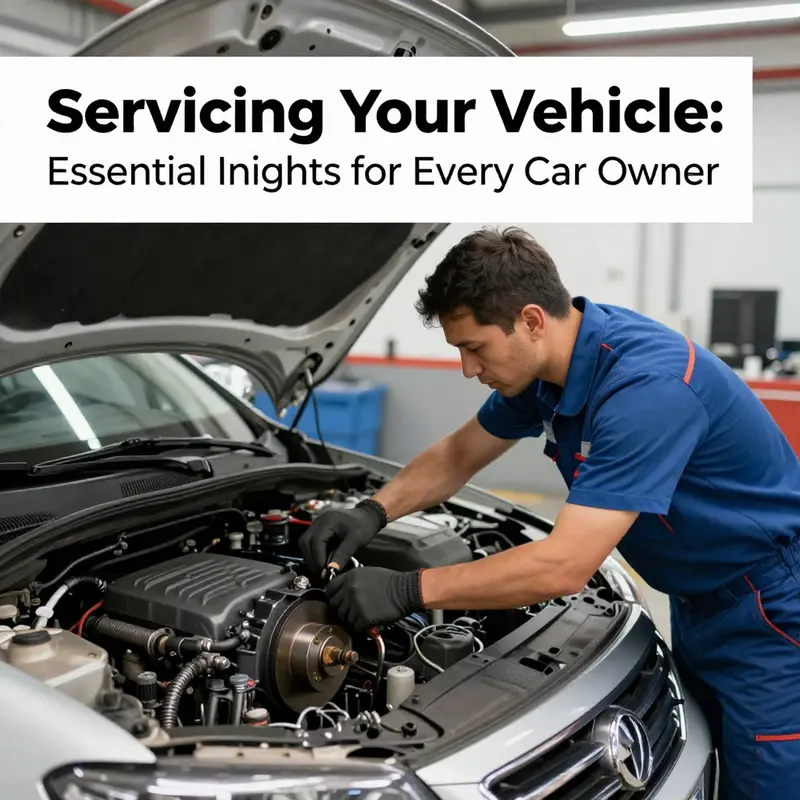
Routine maintenance and inspections are often the unsung discipline that keeps a vehicle responsive, safe, and trustworthy over the long haul. They are not dramatic repairs but deliberate, scheduled care that preserves the balance among performance, efficiency, and safety. When done consistently, maintenance acts like a health check for a machine that our daily lives depend on. It begins with the simplest acts—checking fluid levels, inspecting tires, and listening for unusual sounds—and expands into a structured routine that aligns with a vehicle’s design and its owner’s expectations of reliability. The goal is not to chase perfection but to minimize surprises, extend the time between major repairs, and protect the investment that a vehicle represents.
At the heart of routine maintenance are a handful of regular tasks that collectively monitor the health of the most critical systems. Oil changes, for instance, are more than a ritual; they are the essential lubrication that prevents metal-on-metal wear inside the engine. Fresh oil reduces friction, helps manage heat, and carries away contaminants that could otherwise shorten an engine’s life. While the frequency of oil changes can vary by model and driving conditions, the principle holds: timely oil replacement is a proactive act that pays dividends in smoother operation and predictable performance. Alongside oil, checking and replacing air filters ensures the engine receives clean air, which is vital for combustion efficiency and power. A clogged air filter can choke performance and reduce fuel economy, even if the engine itself is mechanically sound.
Tire care is another cornerstone of routine servicing. Underinflated tires waste fuel and wear unevenly, while tread depth affects grip and stopping distance. Regular tire inspections extend beyond a quick glance at pressure; they involve evaluating wear patterns, identifying potential alignment issues, and assessing the overall condition of the tread. The condition of tires feeds directly into vehicle safety, affecting braking responsiveness and cornering stability. Brakes, too, deserve disciplined attention. Brake pads wear gradually, and excessive wear diminishes stopping power. If brakes begin to squeal, feel spongy, or vibrate, they warrant a closer look. The objective remains the same: detect wear early, address it promptly, and keep the braking system operating within its designed performance window.
Beyond the mechanical components, routine maintenance places emphasis on systems that quietly influence everyday driving. Fluid levels—coolant to regulate engine temperature, brake fluid to preserve hydraulic pressure, transmission fluid to sustain gear-shifting quality, and even windshield washer fluid to maintain visibility—are checks that remind us of the interconnectedness of a vehicle’s subsystems. When any of these levels runs low or fluid quality degrades, the consequences may appear as minor inconveniences or, in worst cases, as more serious faults that could leave a vehicle stranded. Similarly, the role of filters—cabin air and engine air filters—goes beyond comfort. A clean cabin air filter improves the quality of the air inside the vehicle, while a clean engine air filter supports efficient combustion and can contribute to steadier power delivery and fuel efficiency. The belts, hoses, and electrical connections that weave through the engine bay are less visible, yet their integrity underpins reliability. A cracked belt or a leaky hose can cascade into more significant problems if left unaddressed, underscoring why a routine inspection is not merely a routine formality but a profound safeguard.
Service intervals, a practical backbone of maintenance, emerge from a combination of manufacturer recommendations, driving habits, and environmental conditions. The mileage and time thresholds act as guardrails, reminding owners when to perform essential services. A common cadence, such as a service every 10,000 miles or 12 months, is not a rigid law but a practical guide that accommodates the vehicle’s design and usage patterns. The important idea is consistency. When maintenance is performed on a predictable schedule, it becomes easier to catch deviations—like unusually rapid tire wear, creeping coolant levels, or changing noise patterns—that can signal developing issues before they become emergencies. This proactive approach minimizes the likelihood of roadside breakdowns and helps preserve the vehicle’s reliability, efficiency, and value.
The economic logic of preventive maintenance is striking. Industry insights consistently point to the fact that addressing small, routine tasks is vastly less expensive than repairing or replacing a failed system. An oil change—a relatively modest expense—pales in comparison to the cost of engine damage from poor lubrication, or the downtime and rental costs associated with a breakdown. The same principle applies across other routine items: a clean air filter may improve fuel economy by a small but meaningful margin, while timely brake maintenance can prevent costly repairs and unsafe driving conditions. The cumulative effect of these small investments is a vehicle that feels consistent, dependable, and capable of meeting daily demands without interruption. The broader implication is that maintenance is not a budget line to trim but a strategic safeguard that sustains performance, safety, and resale value over time.
To translate maintenance principles into real-world practice, many drivers find value in adopting a structured approach that extends through daily life and seasonal cycles. A practical mindset begins with awareness: recognizing that a vehicle is a dynamic system whose parts wear in concert. It continues with routine checks that can be performed during a regular car care moment—perhaps when filling gas, during a commute, or before a long trip. A simple checklist can anchor a robust routine without becoming a chore. For example, pressure gauges and a quick visual scan of tire tread, brake pads, belts, and battery terminals can be accomplished in just a few minutes. When more thorough inspection is needed, a qualified technician can provide the deeper assessment that supports the owner’s understanding of the vehicle’s condition. In more complex contexts, such as fleets or industrial operations where multiple vehicles share maintenance protocols, formal programs and documented schedules help standardize care, reduce downtime, and optimize utilization of each asset. The Department of Energy’s guidance on maintenance practices offers a structured path for implementing such programs, illustrating how disciplined routines can align with safety and efficiency goals across personal and commercial use cases. See the discussion on basic automobile maintenance explained for a practical framework that can scale from individual owners to larger operations.
For readers seeking a heads-up on practical maintenance intervals tailored to specific driving patterns, a look at the concept of oil-change intervals in particular can be instructive. The idea is to balance engine lubrication needs with driving realities such as city vs. highway use, climate, and short trips that may not allow full lubrication cycles to complete. There is value in understanding that the frequency of servicing can be influenced by the way a vehicle is driven, and that reasonable adjustments—within the bounds of manufacturer guidance—can optimize performance and cost. To explore a nuanced view of interval planning, one may consult resources that examine time-versus-mileage considerations for oil changes and other routine tasks. In practice, this means recognizing that the most effective maintenance plan is both data-driven and personally informed by the vehicle’s behavior under real-world conditions. For a practical discussion on intervals and a deeper dive into timing versus mileage, see our article on optimal oil change intervals.
The connective tissue of routine maintenance is not limited to the mechanical; it extends to the driver’s relationship with the vehicle. A well-maintained car is easier to trust, which in turn reduces anxiety about unexpected failures and supports safer, more confident driving. The discipline of servicing fosters a habit of care, reminding us that the vehicle is a complex partner that shares our daily rhythms. It invites owners to move beyond the notion of maintenance as a finite, isolated event and toward a culture of ongoing stewardship. In this light, service becomes a conversation between the vehicle’s evolving needs and the owner’s responsibilities to keep it safe, efficient, and ready for what lies ahead.
As this conversation unfolds, it is important to emphasize that routine maintenance and inspections are most effective when grounded in reliable sources and practical experience. The guidance above, while informed by industry understanding and official sources, ultimately rests on a foundation of attentive observation, timely action, and a willingness to consult qualified technicians when uncertainty arises. The objective is not to chase perfection but to cultivate a continuous, informed practice of care that respects the vehicle as a dynamic machine designed to serve. In that spirit, routine servicing is not a burden but a proactive, value-enhancing habit that supports safety, efficiency, and reliability on the road.
External resource: for a structured overview of maintenance practices and how they can be implemented in industry or fleet settings, readers may consult the Basic Automobile Maintenance Explained: Structure, Properties, and How to Implement in Industry resource on the U.S. Department of Energy’s website. https://www.energy.gov/eere/vehicles/basic-automobile-maintenance-explained This resource provides evidence-based guidance and practical guidelines that complement the day-to-day discipline described here, reinforcing the message that preventive maintenance is a viable, essential investment for anyone who relies on a vehicle to perform consistently and safely. Internal link: for a concise, practical discussion focused on interval planning and how it translates to real-world maintenance decisions, see our deeper dive on optimal oil change intervals. You can read more at the internal resource linked here: https://kmzvehiclecenter.com/optimal-oil-change-intervals-time-vs-mileage/ with anchor text pointing to optimal oil change intervals.
Fluid Foundations: How Vehicle Fluids Shape Safe, Efficient Servicing
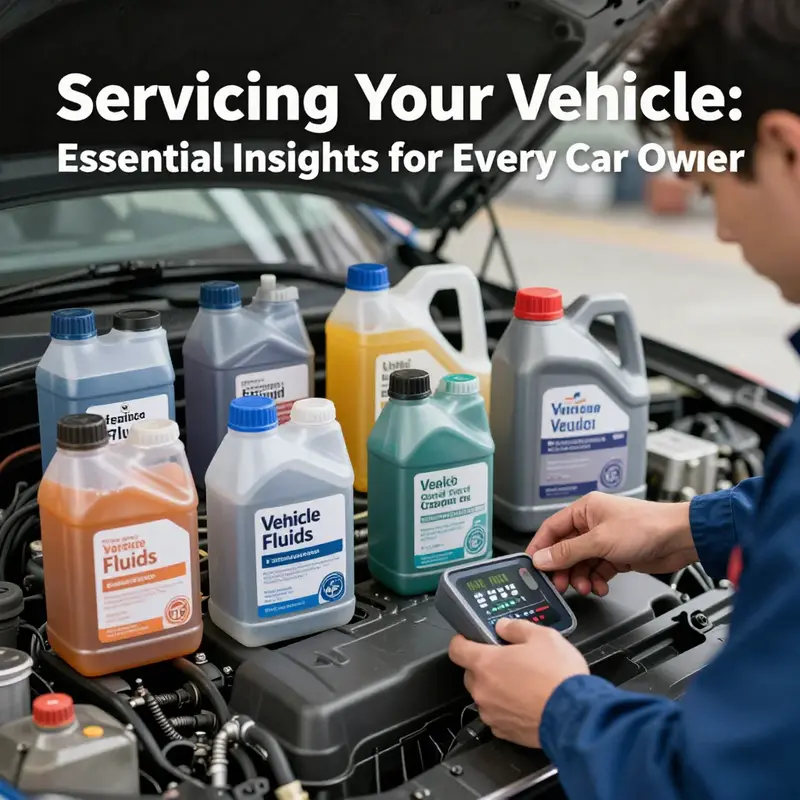
A vehicle’s service mindset begins with a simple truth: fluids do the unseen work that keeps everything else running. They lubricate moving parts, transfer heat, cushion hydraulic systems, and enable power to move from engine to wheels with control and predictability. Servicing, at its core, asks mechanics and owners to respect these liquids as living components of the machine. When you approach maintenance through this lens, the act of topping up or replacing a fluid becomes less a chore and more a careful calibration—an investment in safety, efficiency, and the car’s future reliability. The fluids themselves are not interchangeable commodities; each is engineered for a specific task and a specific set of operating conditions. That specificity matters because the consequences of using the wrong fluid can ripple through the drivetrain, steering, braking, and cooling systems in ways that are not immediately obvious but increasingly costly over time. A well-executed servicing procedure treats fluids as one integrated system, even as it attends to each part of that system with the respect it deserves.
Engine oil sits at the front of this conversation because it is the first line of defense against wear. It circulates through the engine as a thin protective film, reduces friction, carries heat away from hot surfaces, and cleans by suspending tiny metal particles and combustion byproducts. The viscosity grade, such as 5W-30 or 10W-40, is a shorthand for how the oil will perform in cold starts and at operating temperature. The first number before the W describes cold-flow performance; the second number reflects stability at higher temperatures. Using the manufacturer’s recommended viscosity is essential because the engine is designed to operate with that particular flow and film strength. A mismatch—whether too thin, too thick, or degraded by contamination—can elevate wear, reduce fuel efficiency, and even impair cold-start protection. The oil’s additives further tailor this protection, neutralizing acids, preventing oxidation, and keeping sludge at bay. When a service interval arrives, the oil quantity and its condition become a barometer of engine health, signaling whether an otherwise healthy engine is being asked to work harder than it should.
Transmission fluid is the second fluid that demands precision and respect. In automatic transmissions, it functions as a hydraulic medium, enabling smooth gear shifts while also cooling and lubricating internal components. In manual or dual-clutch configurations, the same fluid serves to cushion wear surfaces and manage heat, but the exact specifications vary across designs. Transmission fluids are formulated with detergents, friction modifiers, and anti-wear additives to maintain clean hydraulics and consistent performance under a wide range of temperatures and loads. Over time, heat and use can break down these properties, leading to sluggish shifts, erratic behavior, or increased interior noise. If a service procedure involves replacing or replenishing transmission fluid, it is not merely about reaching a target fill level; it is about restoring the fluid’s protective envelope and ensuring that the hydraulic circuitry can respond promptly to driver inputs.
Coolant—often mislabeled as just a “radiator fluid”—is equally critical, because it anchors the engine’s thermal stability through a carefully balanced mixture. The coolant’s role extends beyond keeping the engine from freezing in winter or boiling over in summer. It contains corrosion inhibitors that protect metal surfaces from long-term attack and seals from drying out or becoming brittle. The typical mixing ratio is designed to yield a specific freezing point and boiling range for a given climate, while maintaining adequate protection against internal corrosion. If the ratio is off, the engine can overheat under heavy load or in hot weather, and the cooling circuit may become a source of leaks or gasket failure. Modern coolants have evolved to address a broader spectrum of materials used in engines today, including aluminum alloys and advanced plastics, and some vehicles require specific, manufacturer-approved formulations to guarantee compatibility and performance.
Brakes demand a different kind of fluid discipline. Brake fluid must retain its compressibility and boiling point in hydraulic systems that translate pedal effort into stopping force. It is highly hygroscopic, meaning it absorbs water from the air over time. That absorption lowers the boiling point, especially under sustained braking or high-temperature conditions, increasing the risk of brake fade or, in the worst case, brake system failure. Regular checks of brake fluid level, clarity, and contamination are not cosmetic tasks; they are direct contributors to stopping reliability and pedestrian safety. A service that neglects this aspect can leave drivers with a false sense of security just as warning indicators light up with alarming frequency. The same attention applies to power steering fluids, which facilitate effortless steering by transmitting hydraulic pressure. In many modern systems, the fluid also participates in cooling and protecting seals. Although some modern vehicles lean toward electric power steering, the hydraulics still carry life through the steering column, and maintaining clean, properly matched fluid is a quiet, ongoing safeguard for road feel and control.
Differential oil deserves its own moment in servicing conversations, especially for owners of rear-, all-, or four-wheel-drive vehicles. The differential is a brutal environment: high load, intricate gears, and a constant dance of heat and pressure. The oil here is engineered to stay film-forming under heavy torque, resisting shear and oxidation. Over time, contaminants accumulate, and the oil’s viscosity can shift, which compromises lubrication and accelerates wear on ring and pinion gears. In conjunction with proper mental models about oil changes, differential lubricants help preserve traction and quiet operation, critical for confidence when cornering or pulling a heavy load. For performance vehicles or trucks, the flexibility and resilience of these fluids can translate into longer intervals between major service while still maintaining the protective margin that owners expect.
Beyond these conventional fluids, the landscape of servicing is evolving with technology. Electric and hybrid propulsion systems bring specialized fluids into the fold. Battery thermal management fluids address the unique heat exchange needs of high-density energy storage. Electric motor lubricants target bearings operating in high electrical and thermal stress. The point is not to overwhelm the reader with jargon, but to acknowledge that the right fluids harmonize with the vehicle’s architecture. Using the wrong fluid in a hybrid or electric powertrain can undermine efficiency, impair cooling, and accelerate wear in ways that aren’t intuitive. The broader lesson remains the same: fluids must be matched to systems, not merely to generic categories of maintenance tasks.
As with any maintenance activity, there is a moral dimension to fluid servicing rooted in accuracy and discipline. The correct fluid type and viscosity, the right fill level, and the proper ratios for cooling and additives are not optional extras; they are prerequisites for reliable operation. The rules are explicit: follow the manufacturer’s specifications, use approved products, and observe proper handling and safety protocols. The consequences of deviation can be severe, ranging from reduced performance and accelerated component wear to safety hazards like brake failure or overheating. The message is clear: intentional, informed choices in fluids underpin the entire service’s value proposition. This is why many technicians treat the fluids as the foundation of every successful maintenance event, not as an afterthought layered on top of mechanical checks.
From a practical standpoint, environmental stewardship weaves through every fluid decision. The industry increasingly favors eco-friendly, biodegradable lubricants and refrigerants where appropriate, particularly in hybrid and electric vehicles, to minimize the environmental footprint without compromising performance. Even when selecting a coolant, antifreeze, or oil, technicians are guided by a broader commitment to sustainable practice. Proper handling and disposal are non-negotiable. Used motor oil and other automotive fluids are hazardous waste and must be recycled according to local regulations. Safety remains paramount: gloves, goggles, and well-ventilated workspaces protect technicians from splashes, fumes, and skin exposure. Fluids should be stored in cool, dry places away from direct sunlight and heat sources to preserve their integrity until disposal or recycling can occur. The responsible approach to fluids extends beyond the garage door and into the community, where proper waste management preserves water quality and reduces ecological impact.
The cadence of fluid maintenance is typically driven by mileage or time, and while the specifics vary by vehicle, the principle is universal: consistent checks and timely replacements prevent breakdowns and preserve performance. The familiar rule of a service every so often—often framed as ten thousand miles or roughly a year in many manufacturers’ guidelines—still holds as a practical benchmark. Yet the exact intervals depend on the vehicle design, driving conditions, and the quality of the fluids used. Owners should consult the vehicle’s manual or trusted service providers for the precise recommendations. For readers seeking a deeper look into how these intervals are determined and how to balance time versus mileage in a fluid-change schedule, see the discussion on optimal oil-change intervals and time versus mileage. This resource clarifies how manufacturers, operating conditions, and driving styles interact to shape maintenance planning. optimal oil-change intervals time vs. mileage
In the larger arc of vehicle servicing, the fluids are the lifeblood that makes every other inspection meaningful. When a technician tests refrigerant and coolant temperatures, checks oil clarity, and verifies brake-fluid integrity, they are reading the health of a living ecosystem inside the engine bay. The approach is not merely mechanical; it is systemic. A thorough service integrates checks for leakage, contamination, and compatibility with the age and condition of the vehicle. It considers how the vehicle has been used—whether it has hauled heavy loads, endured extreme temperatures, or spent long hours idling in urban traffic. The fluids respond to these stressors, sometimes revealing underlying issues before they manifest as dramatic failures. A well-executed fluids plan also anticipates future needs, such as the emergence of new coolant formulations for evolving engine materials or the growing role of specialized lubricants in electric powertrains. This forward-looking stance helps maintain performance and value while supporting safety on the road.
A reader stepping back from the specifics will notice a unifying thread: servicing is not a single act but a choreography of attention to transmission of power, heat, and motion. The quality and condition of each fluid determine how effectively the car can respond to a driver’s intent. Fluid service describes a practical philosophy as much as a set of tasks. It asks for accuracy in fluid type and viscosity, discipline in clean handling, and responsibility in disposal. It offers a tangible payoff—less risk of breakdown, smoother operation, better fuel efficiency, and a quieter, more confident ride. The textures of this approach show up in quiet engine operation, steady transmission shifts, consistent braking performance, reliable steering effort, and predictable cooling under load. When one of these fluids falters, the effect is not isolated; it reverberates through the entire driving experience, reminding us that the vehicle’s health is a conversation among many components held together by liquid teamwork.
As you move beyond this chapter into the broader practice of vehicle maintenance, keep the fluids in view as you would the wheels or the tires: essential, cosmetically unremarkable until they are not, and revealing of the vehicle’s overall condition when inspected with care. The fluids are a lived interface between technology and daily life, translating the design intentions of engineers into tangible, measurable performance on the road. They connect the dots between safety, efficiency, and longevity, and they anchor the stewardship of a vehicle across its entire lifecycle. In that sense, fluid servicing is not merely one more checkbox to tick but a central discipline that underpins every subsequent chapter of vehicle care, from air and fuel systems to filtration, seals, and the evolving domain of electrified propulsion. When you understand fluids in this way, servicing becomes a thoughtful partnership with your car—one that honors both human judgment and mechanical precision as coauthors of a safer, more reliable drive.
For further reading on the broader theme of how fluid decisions align with serving a vehicle, and to see a practical discussion of intervals and intervals-driven planning, refer to the external resource linked here. It offers a detailed perspective on fluid maintenance that complements the hands-on guidance described above. external resource
Reading the Road by the Numbers: The Role of Technical Checks in True Vehicle Servicing
When people think about servicing a vehicle, the first image that often comes to mind is a routine oil change or top-up of coolant. But true vehicle servicing goes much deeper. It is a disciplined process of listening to the car’s hidden signals, reading the wear patterns on parts that carry us, and confirming that every system under the hood and beneath the chassis is functioning as it should. In this sense, servicing is less about a single, floating moment of maintenance and more about establishing a relationship with the vehicle—a daily reminder written in gauges, sounds, and sensations that tells you whether the machine is dependable today and for the miles ahead. The aim is safety, reliability, and efficiency, and the rituals of technical checks are the language by which that aim is achieved. Regular checks safeguard not only the driver and passengers, but also the vehicle’s lifespan and its value over time.
Most drivers, when they picture a service, imagine the familiar ritual of draining old oil and replacing filters. Yet the most consequential work happens in the spaces between those routine replacements. A thorough technical check examines the core systems that carry the most risk if they fail suddenly: brakes, suspension, steering, and engine performance. Each system is a chapter in the car’s overall health, and the technician’s task is to read the chapter as a cohesive story rather than as isolated lines of code. Brakes reveal themselves not only in the thickness of pads and the firmness of the pedal, but also in how the braking system responds under different conditions. A soft or spongy feel may hint at worn components or air in the lines, and a pulsation through the brake pedal can signal warped rotors or misalignment in the hub area. Suspension and steering are equally telling. A vehicle that seizes or sways unnaturally at the crest of a hill, or that does not return smoothly to center after a turn, can mask issues with worn bushings, damaged struts, or misaligned geometry. The engine, meanwhile, speaks through a chorus of cues—rough idling, hesitation under acceleration, oil consumption, and unusual exhaust notes all deserve careful attention. A capable technician listens for these notes while also checking the quieter, but equally meaningful, indicators: sensor readings, adaptive control responses, and the way the computer coordinates fuel delivery with ignition timing.
Central to this conversation is steering response testing. A vehicle’s steering is the driver’s direct line of communication with the road, translating intention into action with precision and speed. The importance of this link cannot be overstated. When steering feels delayed, vague, or inconsistent, it can erode reaction time in critical moments. A robust steering system should respond promptly to deliberate input and should maintain predictable behavior even when the road surface changes or the vehicle is under uneven load. During a service, a technician will perform a combination of static checks and dynamic assessments: inspecting linkage wear, checking alignment and tire wear patterns, and driving the vehicle to observe steering feel under acceleration, deceleration, and cornering. If the vehicle pulls to one side, if the steering wheel requires more turns than expected to achieve a given turn radius, or if there is a pull that changes with braking, these are not cosmetic faults; they are red flags that require further diagnosis. The beauty of a good steering check is that it often reveals issues early—before a minor misalignment becomes a tire-tormenting expense or before a corner becomes a risk.
The value of these technical checks extends well beyond driver safety. They are a deeply practical form of maintenance that preserves efficiency and reduces the total cost of ownership. When brakes are examined before wear becomes excessive, the risk of catastrophic failure drops dramatically. When tires are kept properly inflated and aligned, fuel economy improves and tire life extends, which translates into tangible savings over time. When cooling systems are inspected and coolant quality is tested, the engine remains within its optimal operating envelope, reducing the likelihood of overheating under load or during hot weather. Each of these checks contributes to a vehicle that runs smoother, quieter, and more predictably. The principle is straightforward: catch minor problems before they become major repairs, and your vehicle remains reliable in ordinary life and in unexpected situations alike.
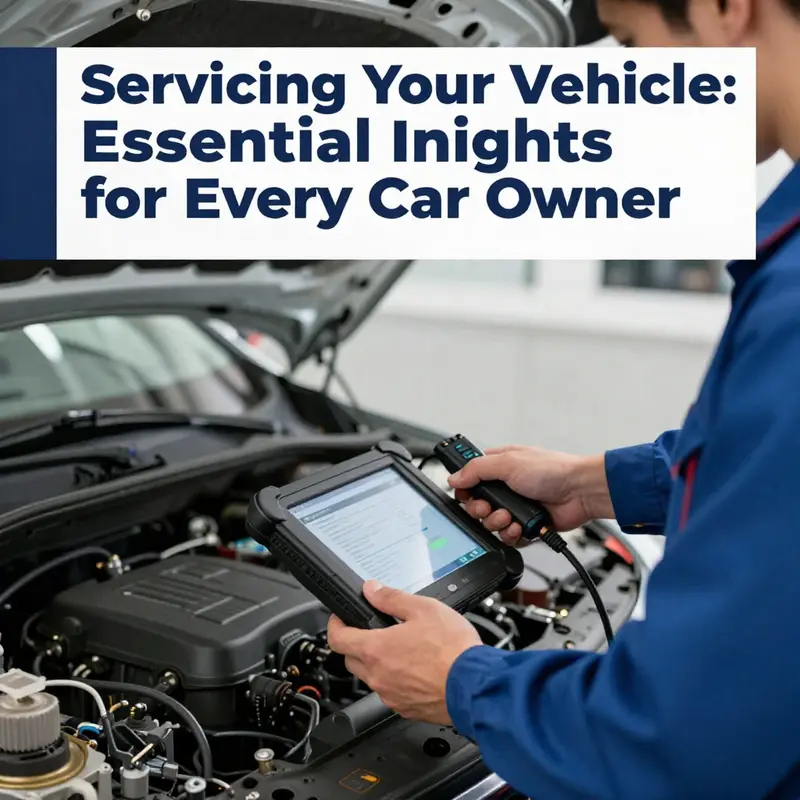
Technicians bring to bear a blend of tactile and diagnostic skills. Modern vehicles are sophisticated ecosystems with interconnected electronic systems. Sensors, modules, and actuators communicate across networks in real time, adjusting engine timing, fuel mix, and emission controls to optimize performance. But hidden faults can hide behind a dashboard light, in a sensor’s aging signal, or within the calibration of a control module. That is where the diagnostic toolbox comes into play. A comprehensive service includes data-driven checks—scanning for stored trouble codes, verifying sensor accuracy, and validating that the electronic control units are responding within expected ranges. It also means checking physical components with a trained eye: belts that show glazing or cracks, hoses that are hard or soft in a way that suggests degradation, and electrical connections that may be corroded or loose. The fusion of hands-on inspection with electronic diagnostics is what lifts a routine service from a basic top-up to a truly comprehensive health check. Without this fusion, difficult-to-see faults can slip through, compromising performance, fuel efficiency, and safety.
One subtle but powerful theme in technical checks is prevention. Early detection makes a difference not just in whether a part fails, but in how that failure manifests. Worn brake pads, for example, do more than reduce stopping power; they can alter braking balance and heat distribution, potentially affecting ABS performance. Low tire pressure does more than reduce comfort; it changes rolling resistance, ride quality, and steering response, while increasing the likelihood of a blowout under stressful driving conditions. Degraded coolant may not cause immediate overheating, but it decreases the system’s efficiency at removing heat and reduces the engine’s tolerance for high loads or high ambient temperatures. These are exactly the kinds of issues that routine technical checks are designed to surface early, so the vehicle remains predictable and safe across seasons and miles. The pace of modern driving demands vigilance; the road is not the same when you are in control and when something lurches or hesitates just enough to catch you off guard.
To build a service that truly serves the driver, communication is essential. A responsible servicing approach treats the vehicle as a living system with a history. The technician notes wear patterns, records the condition of fluids, documents part replacements, and reflects on how the vehicle has behaved since the last visit. For the vehicle owner, this documentation becomes a personal map of reliability. It informs decisions about future service intervals, driving habits, and even insurance considerations. The manufacturer’s recommended intervals provide a baseline, but the real rhythm of servicing should be personalized, taking into account how the car is used, the climates it frequents, and the distances it covers. A vehicle that logs longer highway hauls may reveal different wear profiles than one that spends more time in stop-and-go urban traffic. This is why the dialogue between owner and technician—and the shared understanding of the vehicle’s service history—is an essential element of the servicing process.
If readers are seeking practical pathways to implement thorough technical checks in their routine, it helps to view servicing as more than a list of tasks. It is a disciplined, ongoing conversation with the vehicle about how it is performing today and how it could perform tomorrow. This conversational approach encourages drivers to stay engaged with the health of their car, to recognize the subtle signals of wear, and to value preventive care as a core virtue of responsible ownership. For those who want to explore practical tips and checklists, the KMZ Vehicle Center blog offers deeper guidance and examples that translate these principles into everyday routines. You can visit the blog hub for a starting point that aligns with the ideas discussed here. KMZ Vehicle Center blog
The thread that ties all these elements together is the simple fact that a service, properly executed, is about assurance rather than a single moment of ritual. It creates a foundation of trust between the driver and the vehicle, a mutual understanding that the car will respond as expected under ordinary conditions and will be prepared to face the unexpected with composure. It also preserves the vehicle’s value by maintaining performance and condition over time. When a driver opts for regular, technically informed checks, they are choosing to participate in a process that views the vehicle as a long-term asset rather than a disposable appliance. This mindset shift—from reactive to proactive maintenance—transforms the relationship with the car. It makes every drive safer, more predictable, and more economical. In the end, technical checks are the engine room of good servicing. They power the confidence that comes from knowing your vehicle is ready for the road and capable of carrying you wherever you need to go.
For readers who want to understand the broader rationale behind service checks, and to place these practices within a trusted, standards-based framework, there is a clear reference in the industry’s guidance. External resources articulate the importance of vehicle service checks in terms of safety, reliability, and quality control, outlining why routine inspections should be part of every ownership experience. See the detailed guidance provided by industry experts for a comprehensive perspective on what drivers should know about vehicle service checks: https://www.rac.co.uk/drive/advice/vehicle-maintenance/what-every-driver-should-know-about-vehicle-service-checks/
Value as a Driving Factor: How Economic and Quality Considerations Shape Vehicle Servicing
When people think about what it means to service a vehicle, they often start with the visible costs: the price of labor, the cost of replacement parts, the time spent in a shop. Yet the decision to service goes far beyond the receipt at the end of a visit. It sits at the intersection of economics and engineering, where short-term expenditures meet long-term performance. Framed this way, servicing becomes not just a routine task but a strategic choice about reliability, efficiency, and the future value of the vehicle. The core insight from this perspective is simple: servicing adds value not simply by fixing what is broken, but by reducing the probability of failure, preserving the car’s operability, and protecting what the vehicle represents in the owner’s life—protection of time, money, and independence. In practical terms, the economics of servicing hinge on several intertwined threads: the immediate costs of parts and labor, the intangible benefits of trust and transparency, and the measurable returns in lifespan, efficiency, and resale value. The first thread is, of course, the most visible—the shop bill that lands on the dashboard or in an invoice. Routine maintenance items—engine oil, coolant, brake fluid, transmission fluid, air filters, and cabin filters—represent recurring expenses that repeat with mileage and time. The sticker price on each service line item may seem straightforward, but the total cost curve over the life of the vehicle is anything but simple. A nominally small service that is delayed or avoided can ripen into a much larger expenditure later, as a cascade of preventable issues emerges. In this light, preventive maintenance is a classic example of value-based decision making: paying a predictable, often modest cost today to avert a potentially expensive and inconvenient breakdown tomorrow. The long-term financial equation is rarely weighed in dollars alone; it also includes opportunity costs—the time lost during breakdowns, the friction of emergency repairs, and the potential disruption to work, travel, and family schedules. In that sense, the value of servicing accumulates as a form of risk management. When a vehicle is kept in a state of consistent upkeep, the risk of sudden failures declines. Frequency and quality of service matter here. A mechanically sound engine with clean fluids and properly functioning auxiliaries tends to require fewer emergency fixes, and when problems do arise, diagnostics can be faster and more targeted because the baseline is already well understood. The result is less downtime and more predictable performance, both of which translate into tangible economic benefits for owners who rely on their vehicles for daily tasks, long commutes, or professional obligations. The second thread concerns efficiency and performance. Engine oil lubricates, coolants regulate temperature, and proper filtration ensures that contaminants do not erode vital components. When maintenance is neglected, friction rises, temperatures drift, and fuel efficiency can slip. The financial implication is direct: higher fuel bills, more frequent servicing of overheated parts, and a greater likelihood that small inefficiencies compound into noticeable performance losses. In turn, owners may compensate by driving more conservatively or by visiting the shop more often—ironically increasing both time and money spent to maintain a level of performance that the vehicle could achieve more easily with timely service. The value calculus here is not about chasing peak horsepower or the latest gadgetry; it is about preserving the vehicle’s baseline operating economy. A well-tuned system runs with minimal drag, which translates into fewer visits to the pump and fewer surprises at the roadside. The third thread is the link between service quality and perceived value. The science of consumer choice shows that people respond not only to prices but to the confidence they feel in the service relationship. When a shop delivers clear explanations, transparent pricing, and honest assessments, customers perceive more value in the service even if the up-front price is higher. That perceived value often shows up as trust, repeat visits, and willingness to invest in higher-tier services that offer greater long-term protection. A high-quality service experience is more than a transaction; it is a signal of reliability. When owners experience accurate diagnoses, precise estimates, and courteous communication, they are more likely to view future visits as an investment rather than an expense. This dynamic feeds loyalty, which itself has economic consequences. Loyalty reduces uncertainty for both customer and provider, stabilizing demand for service work and encouraging a consistent maintenance cadence. For the owner, it means more predictable ownership costs and a smoother ownership experience. For the service provider, it translates into a steadier stream of qualified, recurrent business. The research on service quality and relationship value makes this connection explicit: high-quality service elevates perceived value and can justify premium pricing when the long-term returns include fewer problems and longer vehicle life. In practical terms, this means that a factory-recommended interval for certain maintenance tasks is not only a schedule but a value proposition. It invites owners to consider, for example, the timing and scope of lubrication, filtration, and inspection regimes as an investment in performance and resale value. The question then becomes how owners decide what level of servicing to pursue. Some drivers adopt a minimalist approach, choosing only the essential items they perceive as critical. Others pursue a more comprehensive plan, guided by the manufacturer’s intervals, the vehicle’s age, and their own risk tolerance. In discussing these choices, it helps to recognize that not all marginal costs produce equal marginal benefits. The seventh oil change might cost less in dollars than the fourth, but the cumulative effect of a consistent, high-quality regime can be dramatic in terms of longevity and reliability. That is where the micro-decision about oil changes—often cited as a standard benchmark in maintenance—becomes emblematic. For many readers, one of the most practical questions concerns the timing and frequency of oil changes. It is a quintessential test case of time versus mileage, wear versus opportunity. A balanced approach acknowledges both variables: time governs the degradation of fluids and seals that are susceptible to moisture and chemical breakdown, while mileage drives the accumulation of particulates and metal wear in the engine. For those who want a clear rule of thumb, many readers turn to expert guidance that weighs time, mileage, and the car’s operating conditions. To explore this nuanced issue, see the practical discussion on Optimal oil change intervals: time vs mileage. Optimal oil change intervals: time vs mileage. Beyond the oil drain, a broader lesson emerges: every service decision operates within a broader economic framework. The owner must decide not only what to fix but how to fix it and when. These are decisions about value as much as they are about safety or reliability. Transparent estimates, clear communication, and demonstrable competence in diagnostics become crucial signals. If an owner understands what to expect in terms of the likelihood of problems, the potential cost of those problems, and the probability that timely maintenance can forestall them, the decision becomes more straightforward and less anxiety-driven. In that sense, service quality and value are two sides of the same coin. When a shop earns a customer’s trust, it also earns the right to guide more meaningful, higher-value maintenance choices. This dynamic is not about extracting every possible dollar from a visit; it is about aligning the owner’s goals with the car’s needs in a way that creates long-term financial and practical payoff. The evidence from scholarly work reinforces this viewpoint. Studies show that the perception of service quality, the strength of the customer relationship, and the experiential value a consumer derives from the service encounter collectively contribute to greater long-term economic returns. In other words, owners who prioritize quality and transparency often experience lower total costs of ownership over the vehicle’s life. They avoid repeated, avoidable repairs and enjoy higher reliability, which translates into less downtime, more productive use of the vehicle, and a stronger resale proposition when the time comes to switch to another machine. The practical upshot for any reader is straightforward. Treat servicing as a strategic investment in the vehicle’s ongoing usefulness, not merely as a financial burden. Seek out service providers that offer clear, thorough diagnostics, honest pricing, and a track record of reliable workmanship. Embrace a cadence that matches the vehicle’s needs, the owner’s risk tolerance, and the life the car supports. Readiness to invest a bit more now for a noticeably smoother, more predictable experience later is not reckless spending; it is prudent stewardship. In the end, the economic and value considerations in vehicle servicing converge on a simple idea: the true cost of ownership is shaped as much by how well a car is cared for as by how it performs on the road today. The more thoughtfully we approach maintenance—combining disciplined intervals, transparent pricing, and a service relationship built on trust—the more consistently that car will serve its owner across miles and years. And that consistency, in turn, stacks value—quietly, reliably, and often invisibly until the moment when it matters most. For readers seeking deeper exploration of service quality’s impact on value and loyalty, the referenced research provides a rigorous, data-informed perspective that underpins this practical understanding. External resource for further reading: https://www.sciencedirect.com/science/article/pii/S0166497223001548
Final thoughts
In conclusion, servicing a vehicle is an integral aspect of vehicle ownership that extends beyond mere maintenance. By understanding routine inspections, vehicle fluids, technical checks, and the economic implications of servicing, car owners can better appreciate the importance of keeping their vehicles in optimal condition. Regular servicing not only enhances safety and performance but also preserves the car’s value, offering significant benefits to local private owners, used car buyers, sellers, and fleet operators alike. Make servicing a priority to enjoy a reliable and efficient vehicle for years to come.