The vehicle in service date marks the beginning of a vehicle’s operational life, serving as a crucial reference point for various administrative and regulatory processes. For local private car owners, used car buyers and sellers, and small business fleet operators, understanding this date is vital not just for compliance but also for ensuring optimal vehicle performance and safety. Each chapter of this article will delve into the significance of the vehicle in service date: its importance to vehicle ownership, its role in regulatory compliance, and the impact it has on vehicle maintenance and safety practices.
Why the Vehicle In Service Date Shapes Ownership, Compliance, and Maintenance
Understanding the Vehicle In Service Date and Its Practical Impact
The vehicle in service date is a single, simple timestamp. It marks the day a vehicle first entered operational life. Yet its influence reaches across registration, safety compliance, warranties, recalls, and financial eligibility. For owners and fleet managers, this date acts as a organizing anchor. It determines inspection cycles, warranty windows, and program qualification periods. Grasping its role clarifies many decisions about buying, modifying, and licensing vehicles.
At its core, the in service date identifies when a vehicle was first leased or sold to a retail customer. That initial placement into service starts numerous legal and operational clocks. Manufacturers base warranty start dates on it. Regulatory bodies use it to decide inspection timing. Incentive programs rely on it to assess eligibility. When a vehicle changes hands, or after repairs, that original date still matters. It remains the primary reference for age-based rules.
This date has a few close cousins that can cause confusion. The manufacturing date reflects when the vehicle rolled off the assembly line. The first registration date shows when authorities were first informed it was in use. The in service date, however, describes when it was first used by its intended user. In many jurisdictions, this is the determinative moment. It governs legal responsibility for emissions, safety checks, and periodic inspections.
Why does this single date matter so much? The reasons fall into practical and legal categories. Practically, it tells owners and technicians when to perform scheduled maintenance. Many service intervals tie to either calendar age or mileage. The in service date anchors the calendar interval. Legally, it defines eligibility and compliance windows. Programs that reward low-emission vehicles or offer rebates require vehicles to have been placed in service within certain dates.
For fleets, the in service date is crucial for lifecycle planning. Fleet managers track acquisition dates to forecast maintenance costs. They schedule preventive maintenance to reduce downtime. Insurance and leasing contracts often reference the in service date. It sets depreciation schedules for accounting and tax reporting. When a fleet vehicle is modified, the original in service date still affects compliance with safety and inspection regimes.
Consider warranty coverage. Most manufacturer warranties count days from the in service date. That means warranty periods start at first use, not at the time of manufacture or final sale to a subsequent owner. A vehicle stored or unsold for months still begins its warranty at placement into service. Buyers of used vehicles must check this date. A short time between the in service date and purchase may mean more remaining warranty. A long gap means the warranty may be near expiration.
Recalls and service bulletins also depend on the in service date. Automakers use it to identify which vehicles need attention during recall campaigns. A recall might target vehicles placed in service during a certain window. Service bulletins, which inform technicians about repairs and upgrades, often apply based on the in service date. For repairable written-off vehicles that return to the road, the in service date helps authorities determine inspection frequency and compliance steps.
Regulatory compliance provides another strong rationale for tracking this date. Authorities often attach inspection schedules to the in service date. In some regions, newly placed vehicles require an initial inspection sooner than older vehicles. Modifications that change a vehicle’s body, engine, or dimensions may trigger fresh inspection requirements anchored to the original in service date. This is especially true when alterations affect safety or emissions.
Different jurisdictions treat the date with slight variations, but the functional purpose remains the same. For example, in Western Australia authorities use the in service date to manage inspection cycles and compliance checks. They apply it when a vehicle is re-licensed after being written off or when a vehicle has been modified substantially. Other regions use similar rules for emissions testing and safety inspections. The in service date provides a consistent baseline for applying those rules.
Recordkeeping matters because incorrect dates cause practical problems. An inaccurate in service date can trigger unnecessary inspections or cause missed deadlines. It might shorten a warranty period unexpectedly. It can also make a vehicle ineligible for incentives that require placement within a tight timeframe. Clear and accurate documentation prevents these outcomes. When buying a used vehicle, request the original in service date, and cross-check it with registration records and manufacturer documentation.
Finding the in service date is usually straightforward. Dealer documents and sales contracts list it. The vehicle title, registration papers, or manufacturer documentation often note the date. For imports or older vehicles, authorities may accept a dealer affidavit or evidence of first registration in another jurisdiction. When uncertainties arise, contact the manufacturer or the issuing authority. They can often verify the date from internal records.
The in service date also interacts with vehicle modifications. When owners alter a vehicle’s structure or powertrain, regulators must determine whether the modifications change compliance requirements. The original in service date often remains the reference point for age-based rules. However, significant modifications can prompt additional inspections. Those inspections are scheduled based on the original in service date and the extent of the change.
Insurance and finance providers rely on the in service date for risk assessment. Older vehicles typically face different premium structures. Lenders use it to evaluate collateral value and depreciation. Lease agreements reference it to enforce mileage and maintenance terms. Buyers should ask lenders and insurers how they treat the in service date. Clarifying this point prevents surprises at renewal or during claims.
Tax and incentive programs tie to this date as well. Programs encouraging cleaner vehicles commonly set eligibility windows by in service date. To qualify, a vehicle must have been placed into service within a specific period. This prevents simply retrofitting older vehicles long after their initial use. The in service date serves as a fair metric for program designers to enforce time-limited benefits.
For prospective buyers, there are practical precautions to take. Ask for the original in service date before completing a purchase. Verify the paperwork against official registration records. Consider how the date affects warranty coverage and inspection requirements. If the vehicle is a repairable write-off being re-licensed, confirm what inspections will be required. For heavily modified vehicles, understand how the in service date will interact with certification rules.
Maintenance scheduling benefits from understanding the in service date. Many routine services follow a time-based interval. Knowing the exact date helps technicians plan and complete services at proper times. Fleet managers should align maintenance calendars with the in service dates of their vehicles. Preventive maintenance planned by an accurate baseline reduces failures and extends vehicle life.
Transparency also matters in resale. Disclosing the in service date builds trust with buyers. It clarifies warranty status and compliance obligations. Sellers should present the date alongside maintenance records. Buyers will appreciate a clear timeline for previous use, repairs, and ownership changes.
A few common pitfalls deserve attention. First, confusion between manufacture and in service dates can cause errors. Second, lost paperwork can lead to incorrect dates being recorded at re-registration. Third, when a vehicle is rebuilt after a write-off, some authorities might request additional proof to accept the original in service date. Address these issues early by obtaining reliable documentation and confirming official records.
Fleet transitions and decommissioning also hinge on this date. When disposing of assets, organizations use the in service date to calculate depreciation and determine replacement timing. This date helps justify budget allocations and replacement cycles. When acquiring used fleet vehicles, verify the in service date to assess remaining useful life and expected maintenance needs.
When it comes to compliance, the in service date keeps standards fair. It ensures that rules apply consistently to vehicles of similar age. Whether the issue is emissions, safety, or eligibility for a program, the date provides a clear baseline. Regulators and manufacturers use it because it is objective and verifiable.
For anyone dealing with vehicles, practical steps make use of the in service date easier. Keep original sale documents safe. Record the date in any fleet or personal vehicle log. Check registration papers when buying. Ask for manufacturer confirmation if needed. Use the date to schedule maintenance, to check warranty status, and to confirm eligibility for incentives.
A final note concerns information sources. When legal or programmatic definitions matter, consult authoritative references. Definitions and rules can vary across programs and jurisdictions. For legal definitions and precise wording, see the external reference linked below.
For guidance on keeping vehicles reliable over time, many owners find practical maintenance advice useful. If you manage trucks or operate a fleet, practical maintenance routines prevent costly downtime. One helpful resource with applied maintenance guidance is a set of truck maintenance tips for first-time owners.
For a precise legal definition used in contractual contexts, refer to the Original In-Service Date definition at Law Insider: https://lawinsider.com/dictionary/originalinservice_date
Starting the Clock: The Vehicle In-Service Date as the Real Beginning of Compliance, Warranty, and Lifecycle

The moment a vehicle becomes available for use marks more than the transfer of ownership or the activation of a new registration. It marks the official start of its regulatory life, the point at which the machine enters a framework of standards, inspections, warranties, and incentives that govern its operation on roads and in fleets. This is the vehicle in-service date, a seemingly simple milestone that carries a dense load of administrative consequence. When we examine what it means in practice, we see a thread that weaves together manufacturing discipline, dealer accountability, regulator oversight, and the lived realities of drivers who rely on predictable maintenance, transparent recalls, and legitimate assurances that a vehicle will perform within the boundaries set by law and industry norms. In many jurisdictions, including Western Australia, the in-service date is not a mere checkbox in a registration form. It is the reference point that unlocks the correct frequency of inspections, the appropriate calibration of safety and emissions standards, and the accurate timing for warranty coverage and potential incentives for low-emission technologies. Read together, these elements form a coherent picture of how a vehicle’s life is managed from first use onward, and why precision about the in-service date matters to regulators, manufacturers, and motorists alike.
To understand the weight of this date, imagine a fleet manager who is tasked with ensuring compliance across a diverse line of vehicles—trucks and vans, passenger cars and specialty units. Each vehicle carries a specific in-service date that may have been recorded at the point of sale, at delivery, or when the vehicle first entered service in lease programs. That date anchors the regulatory framework applicable to the vehicle. An in-service date set early in a model year can align the vehicle with older emissions standards or earlier safety requirements, while a later date may require adherence to newer, more stringent regulations. This simple dating decision cascades into choices about maintenance intervals, inspection regimes, and eligibility for incentives. In the broader ecosystem, the in-service date also interacts with regional registries, safety recall schedules, and warranty timelines, creating a lattice of obligations and protections that hold steady from the first day of operation.
In practical terms, the in-service date is the baseline from which compliance and risk assessments are drawn. It helps determine which emissions standards a vehicle must meet at the time of original sale or lease, and it informs regulators about the point at which a vehicle becomes subject to certain checks or retrofits. For example, a vehicle introduced to the market just before a major regulatory change may be governed by a different set of standards than a vehicle launched after the change. While the exact mechanics of how these standards are applied can vary by jurisdiction, the fundamental principle remains the same: the in-service date fixes the starting line for regulatory accountability. This is why manufacturers and dealers invest substantial resources in ensuring accurate record-keeping for each unit, preserving an auditable trail that can be traced back to the moment the vehicle moved from showroom floor to road.
The concept travels across borders and into the daily operations of maintenance and service scheduling. Emission compliance, which often sits at the heart of the in-service date discussion, hinges on the exact regulatory context in place when the vehicle first entered service. The date matters because it can determine which certification regime governs the vehicle’s emissions certification, how long that certification remains valid, and whether retrofits or retroactive measures are required as standards evolve. In some cases, changes in environmental policy or technology mandates compel updates to the vehicle’s status retroactively, but the in-service date still serves as the most stable reference point for determining responsibility and eligibility. This is not merely administrative nuance; it is a practical framework that helps fleet operators avoid penalties, minimize downtime, and ensure a predictable compliance path for each asset in their inventory.
Within the broader narrative of vehicle regulation, the in-service date also intersects with warranties and recalls in a meaningful way. Warranty periods are typically calculated from the moment a vehicle first enters service, not from the date of manufacture or initial sale alone. This means a vehicle that was built weeks before delivery but placed in service later can still begin its warranty clock at the point the customer starts using it. The same principle extends to recalls, where recall eligibility and remedy timelines are often keyed to the vehicle’s age in service, rather than its age from production. For manufacturers, keeping precise records of the in-service date across an entire fleet is essential to ensure that every car or truck receives timely notifications and that remedies are provided within legally mandated windows. For regulators, those records enable accurate monitoring of fleet-wide compliance, and for consumers, they translate into clearer expectations about when a remedy must be performed and what their rights may include in case of manufacturer-initiated fixes.
The Western Australian context exemplifies how in-service timing translates into practical rules that affect day-to-day operations. In Australia, and WA in particular, the in-service date can influence when a vehicle becomes subject to annual inspections or to other mandatory checks that keep roadworthiness levels high. The date is used to determine when inspections are due, how frequently they must occur, and what kinds of compliance checks are required during those visits. When a vehicle is modified—whether by changes to its body, engine, or overall dimensions—the in-service date can still anchor the applicable inspection schedule, while modifications themselves may trigger additional or different checks. Similarly, if a repairable written-off vehicle is re-licensed, the in-service date helps authorities determine the applicable interval for re-certification and verification that the vehicle continues to meet safety standards. In short, the in-service date is the point of entry for the vehicle into the regulatory lifecycle, and its accuracy is a linchpin for everything that follows.
A central thread in the discussion of in-service dates is the need for precise documentation. Lawmakers and regulators rely on consistent definitions to avoid ambiguity and to minimize disputes when issues arise—such as disputes about the correct inspection cycle, the appropriate warranty window, or the proper application of incentives. The concept of an Original In-Service Date, as defined in certain regulatory and industry contexts, highlights the importance of clarity: it marks the earliest date a vehicle was originally leased or sold to a retail customer. This definition underscores how critical it is for manufacturers and dealers to maintain robust records that trace the vehicle’s life from its earliest retail or lease transaction forward. When those records are incomplete or inconsistent, the consequences can include penalties, recalls, or legal challenges. The burden of accurate in-service dating thus falls on the ecosystem of producers, distributors, and regulators to create an auditable path that withstands scrutiny and supports a fair and transparent marketplace.
For ongoing compliance, manufacturers and fleet operators must maintain a disciplined approach to tracking in-service dates across their fleets. This is especially important for vehicles that are subject to zero-emission vehicle mandates or other environmental regulations that hinge on the specific year and regulatory context of a vehicle’s introduction to service. The broader implication is that the in-service date is not merely a historical marker; it becomes a living element of regulatory strategy. It informs when certain certifications are valid, when upgrades may be required, and how incentives such as tax credits for electric or low-emission technologies should be allocated. By anchoring all these considerations to a single, verifiable date, the industry can reduce uncertainty, ensure fair treatment of customers, and maintain the integrity of the regulatory framework that governs vehicle operation.
The implications of getting the in-service date right extend to each stakeholder in the automotive lifecycle. For manufacturers, precise dating supports compliance across multiple regulatory regimes and helps manage risk in the event of recalls or retrofits. It underpins quality assurance and traceability. For dealers, it informs the timing of disclosures, registrations, and warranty applications at the point of sale or lease. For public agencies, it facilitates proper scheduling of inspections, verification of emissions compliance, and enforcement actions when standards are not met. For owners and operators, it translates into predictable maintenance intervals, clear access to information about recalls, and a transparent basis for incentives and remedies. In this sense, the in-service date is a shared language that aligns the interests of all parties and reduces the friction that can arise when regulatory expectations collide with operational realities.
As the regulatory landscape evolves, so too does the way in-service dates are interpreted and managed. Advances in digital registries, standardized data exchange practices, and efforts toward harmonization of cross-border vehicle information are gradually changing how in-service data is captured and verified. A more robust, interoperable data environment can make it easier to confirm the original in-service date for a given vehicle, to audit the sequence of events from production to retail sale to road use, and to ensure that subsequent compliance actions—whether related to emissions, safety, or recalls—are aligned with the correct starting point. Even as regulatory requirements become more sophisticated, the central idea remains: the in-service date marks the true beginning of a vehicle’s regulatory life, and it should be treated with the seriousness it deserves.
Within this framework, a few practical practices help ensure that the in-service date remains a stable and reliable anchor point. First, comprehensive record-keeping at the point of sale or lease is essential. Every vehicle should have a clear, verifiable entry in the dealer’s and manufacturer’s systems that captures the date it first entered service, the terms of sale or lease, and any subsequent events that could affect its regulatory status. Second, proactive data governance across fleets helps prevent fragmentation. When vehicles move through different channels—sales, fleet management, rental, or government programs—their in-service dates should be preserved and communicated consistently to all stakeholders. Third, in jurisdictions with frequent regulatory updates, periodic audits of in-service date data become a prudent safeguard against misalignment between the date and the applicable standards or compliance obligations. By weaving these practices into the fabric of the vehicle lifecycle, the industry can preserve the integrity of the in-service date and ensure smoother compliance execution for every asset.
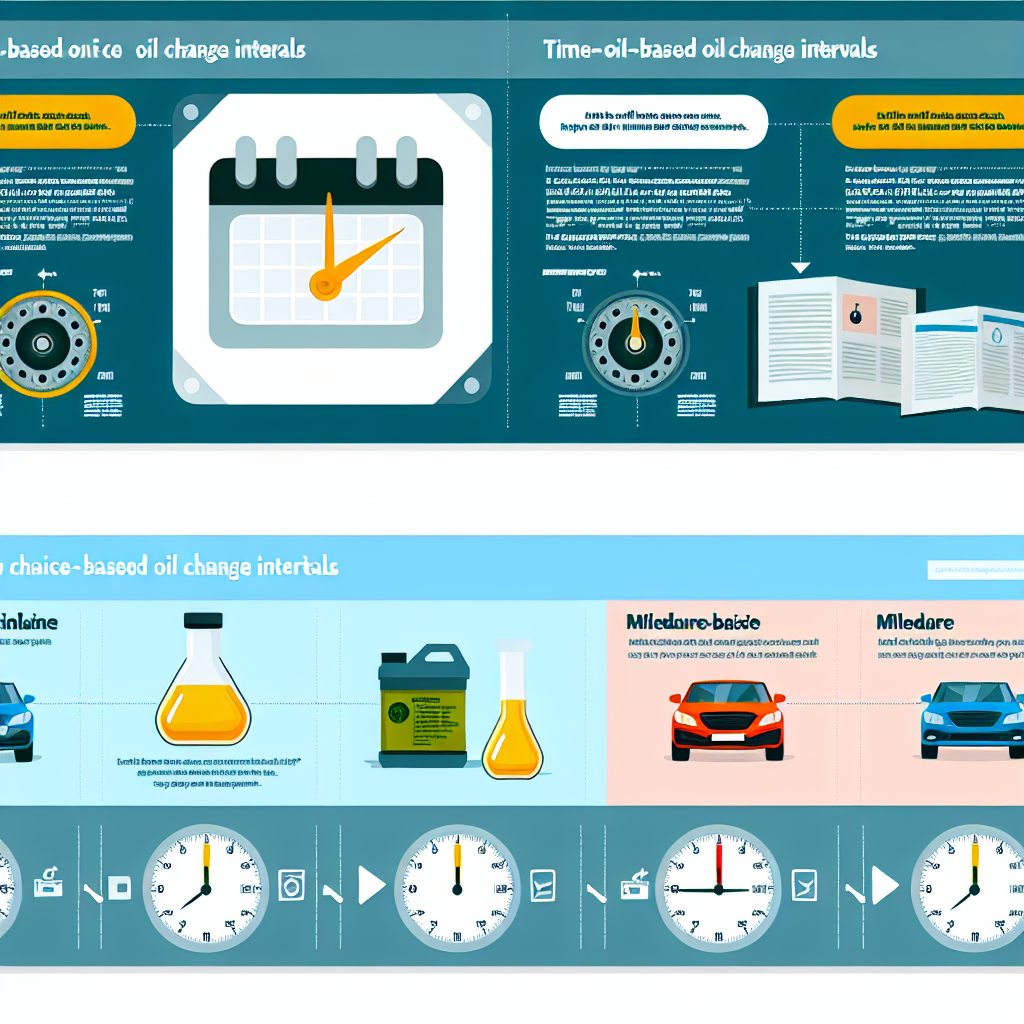
For readers seeking a practical anchor in the maintenance conversation, consider how this dating principle touches routine care. The in-service date informs maintenance scheduling in a way that is easy to grasp once viewed as part of a broader regulatory clock. A vehicle’s maintenance plan, including oil change intervals, filter replacements, and major service milestones, benefits from a clear understanding of when the clock started. While the precise maintenance intervals are driven by manufacturer recommendations and driving conditions, tying them to the in-service date clarifies why certain checks are due at particular times or mileages and how those timelines relate to regulatory inspections and warranty windows. In other words, maintenance planning becomes more predictable when grounded in the same starting point that governs regulatory responsibility. For a deeper dive into maintenance scheduling choices that reflect the balance between time and usage, you can read about optimal oil-change intervals in time versus mileage at this resource: optimal oil-change intervals (time vs. mileage).
As the chapter unfolds across regions and regulatory cultures, one constant remains clear: the in-service date is the fulcrum around which compliance, accountability, and consumer protection pivot. It is the date that first locks in the applicable regulatory regime while continuing to influence related considerations such as warranty duration and recall responsiveness. It is the point of reference that permits regulators to enforce standards consistently and allows manufacturers to communicate clearly about what a vehicle must meet, and when. It provides a predictable frame for fleet operators managing diverse assets on tight schedules and constrained budgets. And it anchors the driver’s experience in a transparent, trustworthy system where safety, environmental performance, and consumer rights are treated as coherent, complementary elements rather than signposts along a disjointed regulatory road.
In closing, the in-service date is not a narrow technical detail but a strategic anchor that touches nearly every aspect of a vehicle’s life. From emissions certification and safety compliance to warranty terms and service reminders, the date provides a stable reference point that helps everyone involved navigate the complexities of modern automotive regulation. When accurately recorded and consistently applied, the in-service date supports a smoother journey from showroom to road, ensuring that vehicles perform as expected, regulators can verify compliance efficiently, and drivers can rely on a clear, defendable framework for maintenance and protection throughout the vehicle’s operational life. This is why, across jurisdictions and industries, the in-service date remains one of the most fundamental elements of vehicle governance—a starting line that determines how far a vehicle can travel within the bounds of safety, responsibility, and accountability.
External reference for further framing on the exact definition of Original In-Service Date: https://www.lawinsider.com/dictionary/original-in-service-date
How a Vehicle’s In‑Service Date Shapes Maintenance, Safety and Long‑Term Reliability

Why the in‑service date matters for maintenance and safety
A vehicle’s in‑service date marks the moment it enters operational life. That single date frames everything that follows. It defines the timeline for age‑related wear, determines when time‑sensitive consumables must be renewed, and guides inspection schedules used by regulators and owners alike. While mileage tells part of the story, time modifies components in ways distance cannot. Recognising this difference changes how you plan maintenance, assess safety risk, and decide whether to invest in repairs or replace the vehicle.
Materials break down with exposure to heat, oxygen, sunlight and moisture. Rubber hoses and seals lose elasticity and crack over years, not kilometres. Electrical connections corrode slowly, often presenting intermittent faults long before a wire physically breaks. Paint and body panels look cosmetic at first, but paint failure and surface rust spread under the surface. These processes begin the moment a vehicle is placed in service. Therefore, the in‑service date is the primary reference for predicting when those age‑driven failures will appear.
Many maintenance tasks are scheduled by time rather than distance. Brake fluid, for example, absorbs moisture and degrades chemically. Even a low‑mileage car requires fresh brake fluid to maintain stopping performance. Manufacturers commonly recommend changing this fluid every two to three years, independent of mileage. Similarly, coolant and other hydraulic fluids lose protective properties over time. Oils and filters remain linked to mileage, but time‑based inspections catch seals, gaskets and corrosion that mileage metrics miss.
Safety systems in vehicles are designed with long service lives. Still, age affects their readiness. The sensors that trigger airbags, the electronic modules that manage deployment logic, and the mechanical components of retractors and pretensioners all face material fatigue and connector corrosion. Seatbelts can stiffen or develop stitching wear. These degradations often become significant after several years and should prompt periodic functional checks. Relying only on mileage or the absence of visible damage risks overlooking latent vulnerabilities.
Aging also affects braking performance beyond fluid condition. Brake components suffer from corrosion, pad and rotor degradation, and caliper seizing when a vehicle sits or is exposed to moisture over years. Rubber bushings and suspension components harden and change geometry, altering handling and ride stability. Tires age even without heavy use; compound hardening reduces grip and increases the likelihood of cracks. For safety, regulations and workshop best practices look at both age and use, which is why the in‑service date appears on inspection schedules.
Engine and transmission health decline with both time and mileage. Piston rings and valve guides show wear related to use, but seals, gaskets and internal lubrication quality degrade with time. Transmission fluid oxidises and loses viscosity. Gear shift characteristics can change even if the odometer reads low. Emission systems are not immune: oxygen sensors and catalytic converters age and become less effective, raising emissions and affecting fuel economy. An age‑aware maintenance plan will include periodic diagnostic checks and targeted part replacements to sustain performance.
The economic picture of ownership is also shaped by the in‑service date. As vehicles age, multiple systems often reach end of life concurrently. This clustering of failures raises repair bills significantly. Sourcing original parts for older models becomes harder and costlier. When the cost of remediation approaches or exceeds market value, owners must weigh safety and reliability against replacement. A clear understanding of the in‑service date helps project these costs and informs decisions about repair investments.
Designing a maintenance strategy around the in‑service date means separating time‑sensitive items from mileage‑sensitive ones. Replace or inspect all fluids with hygroscopic properties at firm time intervals. Check rubber components after a defined number of years, not kilometres. Schedule electrical system diagnostics after known age thresholds, especially when a vehicle approaches or surpasses eight years in service. Balance these age‑driven tasks with mileage‑based intervals for oil changes and transmission service. Owners who blend both approaches reduce the risk of unexpected failures.
Practical inspection priorities follow predictable timelines. Within the first five years, rubber aging begins to show. Hoses, belts and seals should be examined even on vehicles with low mileage. Fasteners and connectors exposed to road salt and coastal air require attention to prevent corrosion. Past five years, small leaks, stiff bushings and minor electrical gremlins become more common. By eight years, electrical insulation degradation and connector oxidation often emerge. After a decade, paint failure and structural rust may compromise both appearance and structural integrity, especially if underbody protection was insufficient.
Aging can also make diagnostic work more complex. Intermittent electrical faults are notoriously hard to reproduce. Corroded contacts may pass current under some conditions, but fail when moisture or vibration is present. Mechanical clearances change over long spans, altering tolerances that diagnostic tools assume. Technicians working on older vehicles must look beyond fault codes and consider the in‑service date as an explanation for symptoms. Scheduled preventive inspections reduce the time and cost spent chasing intermittent issues.
Maintenance costs rise for older vehicles not only because parts fail, but because systems interact more. An oil leak caused by hardened seals contaminates belts and electrical connectors. Corrosion on a chassis component alters alignment, accelerating tire wear. When one aged component fails, it increases stress on adjacent parts. The in‑service date helps predict these cascade effects and plan replacements in sensible batches to reduce labour costs and downtime.
Safety inspections and regulatory frameworks use in‑service dates to set inspection intervals and exemptions. Authorities often require specific checks when a vehicle reaches milestones in its operational life. For example, modified vehicles or repairable written‑off vehicles may be placed on tighter inspection cycles based on their in‑service date. Registries and inspectors use that date to determine eligibility for annual or periodic checks. For owners, maintaining accurate records of service dates simplifies compliance and reduces misinterpretation during official examinations.
Preventive action is straightforward when you use the in‑service date as a guide. Create a timeline that aligns manufacturer recommendations with age thresholds. Replace time‑sensitive items at the prescribed intervals, even if the vehicle remains low mileage. Inspect and, where necessary, replace rubber components, cooling hoses and belts beginning at the five‑year mark. Review electrical connectors and grounding points around year eight. Schedule thorough corrosion and underbody inspections by year ten, especially in corrosive environments.
Maintenance philosophy should also change as a vehicle ages. Early life focuses on preserving factory tolerances and preventing premature wear. Midlife maintenance becomes more proactive, with emphasis on parts that degrade with time. Late life requires cost‑benefit analysis for significant repairs. The in‑service date guides these shifts. Owners who adapt their maintenance mindset across the vehicle lifecycle achieve better safety and reliability outcomes while controlling costs.
There are concrete, easy checks owners can do that reflect the age of the vehicle. Visually inspect rubber hoses for cracks and brittleness. Check brake fluid quality and colour. Watch for telltale signs such as persistent electrical gremlins or flickering instrument panels. Note changes in ride quality or brake feel. These symptoms, when correlated with the in‑service date, help predict which systems need immediate attention and which can wait.
Documenting every repair and inspection moves the in‑service date from a static number to a living maintenance tool. Service histories tied to that date show patterns and allow owners and technicians to anticipate recurring problems. When you show a technician a clear timeline, they can better target diagnostic work and design preventative service plans. This record keeping extends the useful life of the vehicle and enhances safety for occupants and other road users.
Strategic grouping of repairs reduces both cost and downtime. If several age‑sensitive parts approach end of life, replacing them together often lowers labour costs. For example, replacing multiple rubber items in one service limits repeated labour on the same subassemblies. Group fluid changes and inspections in the same visit. These decisions should be informed by the in‑service date and the condition of parts revealed during inspection.
Fuel economy and emissions are affected by time as well. Aging sensors and catalytic components reduce combustion optimisation and increase pollutants. For owners in areas with emissions inspections or low‑emission zones, the in‑service date predicts the likelihood of failing tests. Preemptively servicing the emission control system, and replacing sensors at recommended intervals, can maintain compliance and avoid penalties.
Finally, consider resale and replacement planning through the in‑service date lens. Buyers often look at age first. Older vehicles require fuller disclosures and documented maintenance to command reasonable value. For fleet managers, the aggregate in‑service dates of vehicles inform replacement cycles and capital expenditure planning. Replacing a cohort of vehicles that entered service in the same year can be more efficient than a staggered approach. It simplifies parts stocking and training needs for technicians, and it makes safety oversight easier.
For vehicle owners, blending time‑based and mileage‑based maintenance is essential. A vehicle that sits unused still ages and needs service. Low‑mileage cars accumulate age‑related risk in rubber, fluid and electrical systems. Use the in‑service date to schedule time‑sensitive replacements. Combine those with mileage‑based services to protect both mechanical condition and operational safety.
If you want practical guidance on balancing time and distance for routine services, refer to discussions on optimal oil change intervals and the tradeoffs of time versus mileage. That resource provides helpful context for planning service that accounts for both the in‑service date and use patterns. For more detail on government guidance and age‑related safety advice, the Australian Government’s vehicle safety site has authoritative recommendations: https://www.safecar.gov.au/
By treating the in‑service date as a living reference point, you transform maintenance from reactive patchwork into proactive planning. This approach sustains safety, lowers unexpected repair costs, and keeps vehicles compliant with inspection regimes. Age matters. A vehicle in daily use ages differently than one parked for years. Either way, the in‑service date is the anchor for sensible maintenance and a safer ownership experience.
Learn more about optimal oil change intervals to balance time and mileage
Final thoughts
Understanding the vehicle in service date is essential for private car owners, used car buyers, sellers, and fleet operators. Beyond mere compliance, it plays a vital role in ensuring vehicles are safe, maintained, and legally roadworthy. By recognizing its importance, you can make informed decisions about purchase, maintenance, and regulatory compliance, ultimately safeguarding both your investment and safety.