
Maintaining a vehicle goes beyond routine fuel stops; it encompasses a series of important procedures known as vehicle servicing. This process ensures that a car is not only operational but also safe and reliable. Understanding what it means to have your vehicle serviced is crucial for local private car owners, used car buyers, sellers, and small business fleet operators. It involves important checks and maintenance tasks that enhance safety and prolong the vehicle’s lifespan. Through this article, we will elaborate on the various maintenance procedures of vehicle servicing, the key actions involved, the significance of regular maintenance, and the implications for safety and fuel efficiency. Each chapter will build a comprehensive picture, helping readers recognize the value of diligent vehicle maintenance.
Decoded: What Vehicle Serviced Really Means, How Maintenance Is Recorded, and Why It Shapes Your Car’s Story
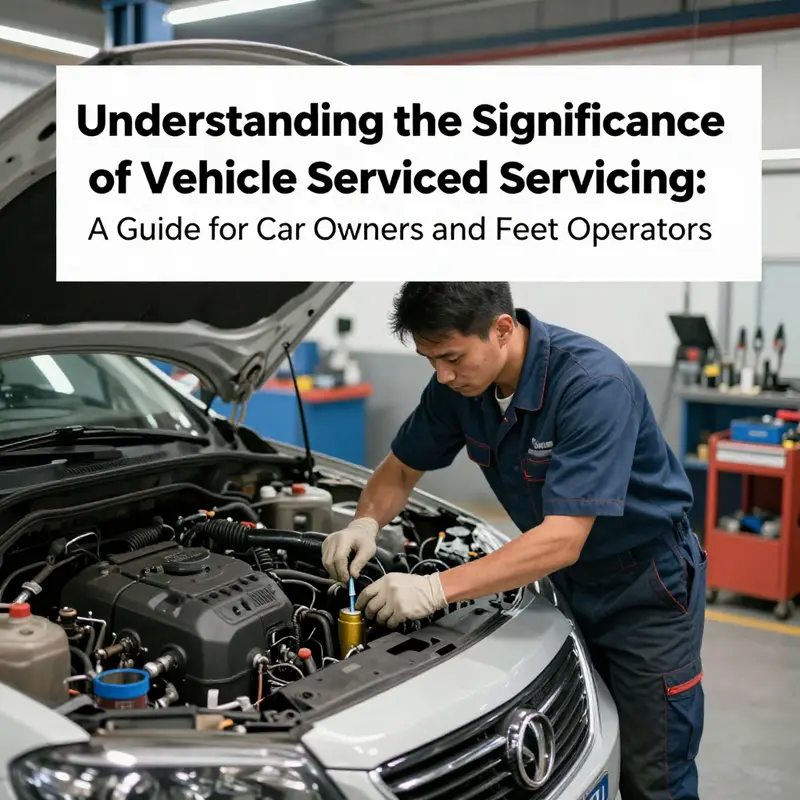
The phrase vehicle serviced sits at the crossroads of everyday language and technical history. For most drivers, it evokes a sense of care and reliability, a shorthand that suggests someone checked the car over and kept it in good shape. In the world of vehicle history reports and service records, however, the term carries more ambiguity than a passing glance might reveal. It can refer to a routine check, a comprehensive maintenance procedure, or something as simple as a logged inspection. Understanding what this label truly means requires looking beyond the literal words to the systems that generate and preserve those records, the people who interpret them, and the differences that separate conventional internal combustion vehicles from modern electric drivetrains. When a car is described as serviced, it signals that certain maintenance steps were carried out or at least noted, but it does not automatically certify the depth, quality, or even the necessity of those steps. This distinction matters because service history is a critical factor in assessing reliability, safety, and value, especially for someone evaluating a used vehicle or a vehicle with a sparse or inconsistent record. The gap between perception and documentation can be wide, and closing that gap requires a careful combination of history reading, corroborating receipts, and a practical sense of what normal maintenance looks like for a given model and year. In practice, the nuance is most often revealed when you move from the general idea of servicing to the specifics of what was done, who did it, when it was done, and why it mattered at the time. A reader encountering the label on a history report should not assume perfection or deficiency from the label alone; instead, the label should prompt a set of follow-up questions about the service event, the vehicle’s condition, and the ongoing maintenance plan that the owner or service provider has followed since then. The more you know about the context, the closer you come to answering a central question: does the vehicle deserve trust, and how should you plan for its future care given the documented history?
On many history reports, including widely used vehicle history tools, the box or flag marked Vehicle Serviced is a binary marker that is easy to scan but easy to misinterpret. A Carfax-style entry can be logged by someone with access to the database, and it may be checked off for a broad set of activities, from a simple visual inspection to a formal service performed by a licensed technician. In other words, the presence of a Vehicle Serviced entry does not guarantee that a professional shop did the work, nor does it certify that the work was substantial or necessary for the vehicle at that time. It can reflect a documented oil change, a routine inspection, or even a DIY oil change logged by a vehicle owner who has access to a Carfax-compatible system. For a curious buyer or a careful owner, that ambiguity is exactly why the service history needs to be read in conjunction with the details attached to the entry. The date, the mileage at the time of the service, the name or code of the service provider, and a description of the tasks performed are all essential clues. Without them, a so-called serviced status is little more than a signal that something was noted in the records. It is entirely possible that a vehicle was inspected without any parts replaced, or that an oil change was performed by an individual owner and later logged, rather than as part of a formal dealership service. In the context of a used car purchase, this distinction can have material consequences for expected maintenance costs, upcoming service intervals, and the overall risk profile of the purchase. A seller who can present a clean, verifiable service history with official receipts and precise service descriptions will typically offer greater reassurance than one who can only point to a checkbox in a history report.
For traditional internal combustion engine vehicles, a standard service cycle tends to follow a familiar rhythm. The procedure commonly begins with an oil and oil filter change, because oil lubricates the engine’s moving parts and cleanses away contaminants that accumulate with time and mileage. Replacing the oil filter is part of that routine, but the service often extends beyond the oil itself. A comprehensive inspection of fluid levels—brake fluid, coolant, transmission fluid, and others—frequently accompanies the service, along with top-offs as needed. Tire wear, pressure, and tread depth are checked, since proper tire condition directly affects handling, braking, and fuel efficiency. Brakes are tested, including pad wear and rotor condition, and urgent concerns are flagged for further attention. Belts and hoses are inspected for cracks, leaks, or signs of aging, because these components can degrade and fail suddenly if left unchecked. Finally, many service events incorporate a diagnostic check using onboard computer systems to scan for fault codes and to confirm that the vehicle’s control modules are functioning as intended. When a vehicle is described as serviced in this context, it often means that a formal procedure with defined steps has been completed, documented, and, ideally, verified by a technician. This kind of service is designed to reduce the likelihood of breakdowns, optimize fuel efficiency, and extend the vehicle’s lifespan by addressing the wear and tear that accumulate over thousands of miles.
However, the reality is that not every entry labeled as a service reflects the full breadth of a dealer-backed or shop-backed maintenance visit. When you see the term in a history report, you should ask: did this entry represent a substantial service with parts and fluids replaced, or was it a lighter check that merely noted the vehicle had been reviewed? Was the work performed by a licensed professional with a receipt, or was the entry logged after a casual inspection by a seller, a DIY enthusiast, or a dealership employee who did not perform formal maintenance but marked the box anyway? These questions matter because the clinical appearance of a record can mask real differences in vehicle condition. A well-kept vehicle with complete receipts and a clear service timeline is a different investment proposition from a vehicle with a murkier or inconsistent service history. The distinctions matter not just in theory but in the practical world of ownership costs, reliability expectations, and resale value. When you approach a service history with this level of scrutiny, you are better prepared to anticipate what maintenance may be necessary in the near term and what kind of care the car has already received.
The maintenance story also shifts when you consider the nature of the vehicle itself. In traditional gasoline-powered cars, routine service frequently centers on lubrication, cooling, sealing, and the mechanical interfaces that wear with time. The engine oil that circulates through an internal combustion engine is a lifeblood of sorts, and oil changes through the service interval are a common, highly visible practice. As engines age and accumulate mileage, service intervals may become more frequent or more urgent, depending on driving conditions and maintenance history. In the record, this manifests as entries that describe oil changes, filter replacements, coolant flushes, transmission service, brake fluid replacement, and tire rotations. What a potential buyer should look for is not only that these steps occurred but that they occurred at appropriate intervals and were accompanied by appropriate fluid levels and component checks. A missing oil change, an overdue brake fluid flush, or a failure to rotate tires in a timely fashion can be red flags that the vehicle was not maintained with diligence, even if the report shows a so-called serviced entry. The absence of a detailed description in the service entry is not a trivial gap; it is a clue that demands further validation.
In contrast, electric drivetrains alter the maintenance calculus in meaningful ways. The absence of engine oil changes is a defining feature of many modern electric powertrains, which translates into longer intervals between certain kinds of service, and in some cases the elimination of some routine maintenance entirely. When service is needed on an electric vehicle, it often centers on software updates, battery health monitoring, brake system inspections, tire rotation, and sensor calibration for driver assistance systems. The maintenance schedule for such vehicles is typically guided by the manufacturer’s recommendations, which prioritize software and firmware updates, periodic system checks, and component cleanings that support sensor accuracy. This means a service entry for an electric vehicle might look leaner in the traditional sense but can still carry significant implications for safety and performance. For prospective buyers, that difference matters: a well-documented, software-driven upgrade history paired with timely inspections can be a strong signal, while a lack of detail around sensor calibration, software updates, or brake wear can raise questions about the thoroughness of the service history. The point is not to overcorrect in one direction or another, but to interpret maintenance in light of the vehicle’s drivetrain and the documented steps that were taken.
As you weigh a service history, the human element matters just as much as the mechanical one. The party who performed the service matters, and so does the clarity of the documentation. A formal dealership service with dated receipts, ingredient-level descriptions, and a clear odometer reading at the time of service provides a strong basis for trust. An independent shop can offer the same if the records are precise, including explicit tasks performed, parts replaced, and the exact service codes used by the shop’s reporting system. A DIY return, while legitimate in some contexts, adds a layer of caution because it introduces variability in how service is interpreted and logged. The key is to seek transparency: can you review the service invoices, the labor charges, the parts numbers, and the service codes? Are there gaps between the reported maintenance and the current condition of the vehicle? Do the service intervals align with what the owner’s manual or the manufacturer’s maintenance schedule would expect for that model and mileage? The more you tighten these questions, the closer you come to a coherent narrative about the vehicle’s care history, and the less you risk misreading a simple label as a guarantee of reliability.
It is also important to recognize how the language in a history report can shape perceptions. The label Vehicle Serviced may be highly reassuring to a reader who interprets it as a stamp of regular care. Yet the reality may be far more nuanced: a routine check, a compliance inspection, or even a documented visit that occurred in conjunction with a sale and did not entail any repairs. This is why the emphasis on verification cannot be overstated. If a record shows a recent service, you should look for a corresponding description of the work, the exact service date, and the mileage at the time of service. If the description is conspicuously brief or absent, it is reasonable to seek clarification from the seller or to request a copy of the service invoice from the provider. In the worst case, you may decide to schedule a pre-purchase inspection to validate the condition of critical systems and to confirm that the service history aligns with the car’s reliability signals and test-drive impressions. A careful approach to reading a service history helps ensure that your assessment is grounded in verifiable facts rather than in a single label that can mean different things to different people.
If you are curious about the practical implications of maintenance strategies, consider how the maintenance philosophy you adopt as a driver intersects with the history you read. A vehicle that has been serviced on a regular cadence and documented with precise invoices demonstrates a commitment to upkeep that can pay dividends in reliability and resale value. On the other hand, a vehicle that shows sporadic entries, vague descriptions, or entries that reflect only a cursory inspection may signal uncertain care. The responsibility then falls on you as a reader to bridge any gaps between the history and your expectations for ongoing maintenance. This is not about nailing a single data point but about understanding the vehicle’s overall care arc: how consistently it was attended to, how well the service items were matched to a driver’s usage, and how promptly problems were addressed when they emerged. In this context, the term vehicle serviced becomes a prompt rather than a verdict. It invites you to investigate further, to corroborate with receipts, to compare against the owner’s manual, and to assess whether the car’s future maintenance needs align with your plans and budget.
For those who want to dig deeper into one practical aspect of maintenance history, consider how oil-change intervals relate to mileage. This is one of those topics that can spark debates among enthusiasts and technicians alike, because the optimal interval depends on driving conditions, climate, oil quality, and the vehicle’s engine design. To explore this topic further, you can review resources that discuss how oil-change intervals are determined and how mileages influence scheduling, since these decisions directly affect when a service is warranted and how it should be documented in a history report. This context helps you interpret a Vehicle Serviced entry more precisely: if the entry coincides with an oil change at an interval that matches the vehicle’s maintenance schedule, that adds credibility to the record; if the oil change timing seems inconsistent with the odometer reading, it invites scrutiny and verification. The goal is to read the history with an eye both for what was done and for how faithfully the timing and scope of the work align with established maintenance practices.
In the end, the phrase vehicle serviced is a starting point, not a guarantee. It signals that something was checked, and in many cases something was replaced or topped up. Yet the reliability of that signal rests on the traceable details behind it. When you encounter this label, your best practice is to pursue a fuller picture: review the service descriptions, check the receipts, confirm the mileage at service, and, when possible, corroborate with a recent pre-purchase inspection or a trusted mechanic’s evaluation. This approach turns a potentially ambiguous checkbox into a robust framework for evaluating how well a vehicle has been cared for and what kind of maintenance you should plan for as a new owner. For readers navigating the complex landscape of vehicle histories, the lesson is simple yet powerful: treat Vehicle Serviced as a prompt to verify, not a guarantee to rely on. And if you want to explore related maintenance timing in more depth, you can follow the resource on oil-change intervals and mileage and see how those decisions play out in real-world maintenance histories. oil-change intervals and mileage.
When you are ready to expand the scope beyond the traditional internal combustion paradigm, you will also encounter how maintenance philosophy adapts to electric drivetrains. In those cases, the service narrative often changes, but the same principles apply: documentation matters, details matter, and the best outcomes come from a clear record that you can read alongside the owner’s manual and a professional inspection. If you want authoritative guidance on maintenance practices for electric vehicles, you can consult the official maintenance guidance provided by the vehicle maker. official maintenance guidance. The overarching idea remains constant: the value of a vehicle is not only in how it runs today but in how well its care has been documented and understood over time. As you weave together the threads of service history, records, and the practical realities of upkeep, you gain a clearer sense of whether a vehicle’s story aligns with your expectations for safety, reliability, and long-term ownership joy.
Behind the Service Label: Decoding ‘Vehicle Serviced’ and What It Really Signals About Your Car’s Health
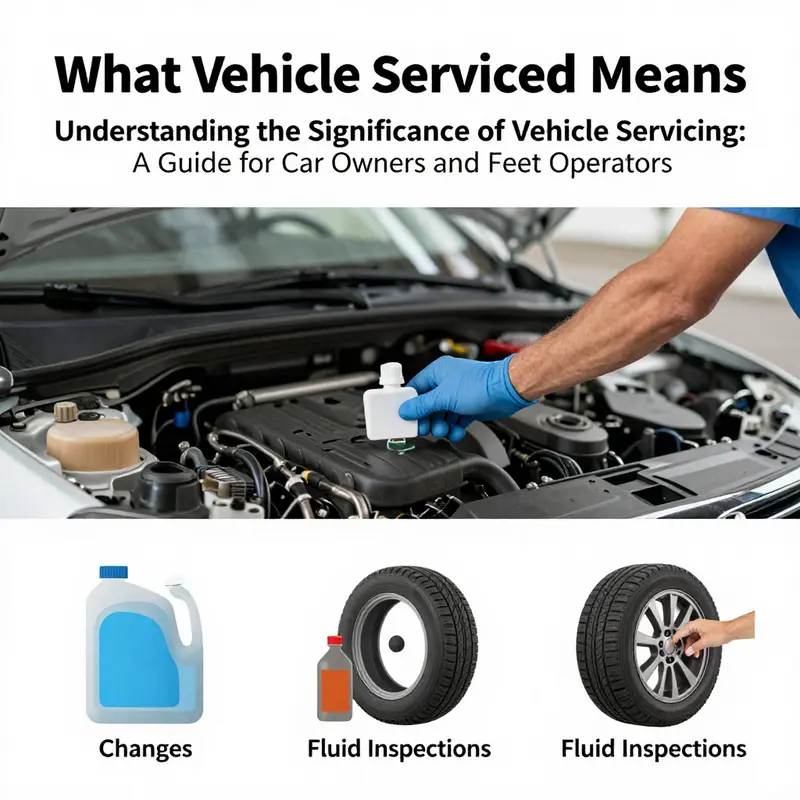
When a car history or maintenance note carries the phrase “Vehicle Serviced,” it often carries with it an air of certainty. The red flag, the warranty claim, the proof that something was checked—these are the impressions buyers and owners rely on. Yet in the day-to-day reality of vehicle maintenance, that single line may promise more than it can deliver. On the surface, it suggests a routine maintenance event occurred, perhaps a quick inspection or a standard service. But the deeper truth is more nuanced: the mere presence of a service entry does not automatically reveal the scope, depth, or quality of the work done. A service entry can be as simple as a log that someone opened the hood, checked a few resources, and pressed a button on a computer, or as comprehensive as a dealership service where multiple systems are tested, fluids are topped off, parts are replaced, and the vehicle is road-tested after every checkpoint. In other words, “Vehicle Serviced” on a report is a breadcrumb, not a map. It tells you that a service event was recorded, but it does not guarantee the extent of the maintenance or the precise tasks that were completed. This distinction matters particularly when a buyer is evaluating a used car or a seller is preparing a vehicle for sale. The phrase can be accurate in form and still misleading in substance if the reporting entry was created by an owner who logged a DIY oil change or by someone who merely noted a check of fluid levels without performing any consequential work. The practical takeaway is simple: the label signals that care was documented, but it does not automatically reveal the quality, necessity, or completeness of the service.
To understand what a genuine service entails, it helps to zoom from the label to the typical checks and actions that professional technicians regularly perform during a full-service visit. In a dealership or reputable shop, a scheduled service usually unfolds as a well-defined sequence of inspections and interventions designed to keep a car running smoothly, safely, and efficiently. Central to this sequence is the oil and filter change. Fresh engine oil reduces friction, carries away heat, and cushions moving parts, while a new filter ensures clean oil circulation. Alongside this, a technician will inspect and often top off critical fluids—brake fluid and coolant, yes, but also transmission fluid, power steering fluid, and windshield washer fluid—to maintain proper levels and prevent cascading problems. Fluid levels are not mere numbers on a gauge; they are indicators of how the car has been cared for, how it has been used, and how its vital systems are aging.
Tire health is another cornerstone of a genuine service. Worn tread, uneven wear, improper inflation, and misalignment can quietly undermine fuel economy, ride comfort, and braking performance. A service visit often includes a tire inspection and, in many cases, rotation to promote even wear. Even if rotation is not a formal requirement during every service, a technician will typically check tire condition and pressure and discuss any impending replacement needs with the vehicle owner. The brake system is another critical area. Pads and rotors wear over time, and brake fluid can accumulate moisture, reducing stopping power. A competent service session will include a brake inspection, measurement of pad thickness, and checks on rotor surface condition. If the fluid shows signs of degradation, a flush and replacement may be recommended. These elements—oil, fluids, tires, and brakes—form the backbone of most professional service events and are a practical reflection of the vehicle’s current health.
Beyond the basics, a comprehensive service extends to the engine’s breathing and the vehicle’s nervous system. The air filter, which governs how much clean air reaches the engine, is often replaced or cleaned to sustain efficiency and performance. The cabin air filter is another file that can be changed to improve interior air quality and HVAC effectiveness. Belts and hoses are visually and physically inspected for signs of wear, cracking, or aging—things that won’t necessarily trip a dashboard warning but can fail unexpectedly if left unchecked. The suspension and steering system, including shocks, struts, ball joints, and tie rods, are examined for play, noise, or leakage. Routine service sometimes includes a diagnostic scan, where an onboard computer is interrogated for diagnostic trouble codes (DTCs). This scanning can reveal hidden issues with sensors, actuators, or emission systems that may not present obvious symptoms yet can affect reliability and compliance with safety standards. In short, the full-service visit is a holistic checkup, blending preventive maintenance with data-driven diagnostics to map out a proactive path for the vehicle’s next miles.
Of course, the landscape is not always the same in every case. The label on a Carfax-style history report—“Vehicle Serviced”—merely indicates that a service event was logged. It does not automatically corroborate that all the nominal checks listed above were performed. When a car owner logs a maintenance event, the entry might be as simple as noting that an oil change occurred, without confirming that every fluid was topped up or that the tires were rotated. Some DIY enthusiasts report their own maintenance as a service entry, and some entries come from independent garages with varying documentation standards. This discrepancy makes a crucial point for buyers and sellers: the quality of the service can vary, and the written record may not capture the full scope of the work performed. The absence of a detailed service report should not cause alarm in isolation, but it should prompt diligence—checking receipts, asking for the exact service interval, and requesting itemized invoices that show which parts were replaced and what tests were conducted.
Visually, the difference between a routine oil change and a major service is often signaled by the duration and the breadth of the checklist written into the service record. A minor service might focus on basic checks, topping up fluids, and a quick diagnostic scan. A major service tone shifts toward a broader evaluation: it might involve replacing filters, inspecting the cooling system, flushing and replacing several fluids, inspecting the exhaust and emissions components, and performing a thorough road test. Each manufacturer has its own recommended service scope based on time and mileage, which means the schedule can be linear, time-based, or driven by miles driven, depending on the vehicle. It is where a critical distinction emerges between what the history log shows and what the vehicle truly needed at the moment of service. The same model car could have one owner who adheres rigidly to recommended intervals and another who understates or accelerates maintenance due to varying driving conditions or budget constraints. In either case, the presence of a “Vehicle Serviced” entry should be understood as a confirmation that some form of service happened, not a guarantee about its thoroughness.
What happens, then, when a buyer approaches a used car with a service history that includes a number of entries marked as serviced? The prudent path is to read between the lines. Look for consistency: do the dates align with manufacturer recommendations, and do the types of checks reflect an appropriate level of care for the vehicle’s age and mileage? Recurrent servicing at proper intervals generally signals responsible ownership and attention to depreciation and reliability. Conversely, irregular or sparse service entries, or a single vague line, can be a signal to investigate more deeply. The evaluation should include a discussion of the vehicle’s current condition and a close look at the available documentation. Receipts and service stamps from reputable shops provide a tangible trail that can be used to confirm what work actually took place. If the history shows frequent maintenance with consistent intervals, a reader gains confidence that the vehicle has been kept in good shape. If, however, the record is sparse or carries ambiguous notes, the reader should escalate the due diligence—request a certified inspection, seek independent mechanical assessment, and consider the risk profile in light of the car’s age and expected wear.
The concept of maintenance history intersects with the broader question of what ownership costs might look like in the long run. A vehicle that has received regular services is more likely to retain reliability and fuel efficiency over time, as well-maintained engines, transmission systems, and braking components typically perform more consistently and endure longer than poorly maintained counterparts. The insurance of peace of mind for a prospective buyer often rests on access to verifiable maintenance records, not just a single line that says the car was serviced. The chain from service to reliability is not perfect, but it is a strong indicator when it is supported by detailed documentation. The practical step for anyone evaluating a vehicle with a service history is to couple the narrative of the entries with the existence of supporting receipts or invoices. A detailed invoice can reveal the exact parts installed, the part numbers tied to the manufacturer’s specifications, the oil grade that was used, and the service intervals that correspond to the car’s age and usage. Such specificity allows a buyer to appraise whether the vehicle is likely to be dependable in the near term and whether it has benefited from a disciplined maintenance approach.
This is where the connection to the broader maintenance conversation becomes critical. A Carfax-style note is useful for confirming that a service event happened, but it can be silent about the quality and substance of the service. To bridge this gap, it helps to be familiar with the typical elements of a well-executed service, as well as the means by which owners and technicians communicate the degree of work performed. For instance, the inclusion of an oil-and-filter change, a tire inspection or rotation, a brake inspection, and a diagnostic check generally signals a comprehensive approach. When these elements appear consistently over a vehicle’s history, they form a coherent pattern of ongoing care that can translate into fewer surprises for the next owner. On the other hand, a history with sporadic entries may prompt a more cautious appraisal, and it may lead to a recommendation for a full pre-purchase inspection to uncover issues that a casual glance would miss.
The nuance also extends to the timing of service in relation to the vehicle’s usage. Some drivers operate in urban environments with stop-and-go traffic, which imposes different stresses on the engine, brakes, and fluids than highway cruising does. That’s why many service providers tailor the intervals to both time and mileage and why the same make and model are not universally identical in their maintenance needs. The idea of “time versus mileage” is a useful frame when interpreting service histories because it invites a conversation about how the vehicle has lived its life. A service entry recorded at a relatively low mileage for a long period could indicate that a car was stored or used lightly for that stretch of time. Conversely, frequent or aggressive maintenance patterns at higher miles often reflect an owner who prioritized keeping the car in top condition despite heavier use. In either scenario, the service label is a starting point for a deeper discussion about the vehicle’s past and its likely future resilience.
One practical implication for readers who are navigating this topic is to treat the phrase as a prompt rather than a conclusion. The prompt is: “What exactly did the service involve?” The conclusion, ideally supported by records, is: “This vehicle has a history of care that matches or exceeds recommended maintenance.” The two pieces—the label and the documentation—work together to paint a more complete portrait. If you encounter a Carfax entry that simply says “Vehicle Serviced” without specifics, use that moment to ask for the dealer or shop’s service invoice, the list of tasks performed, and the exact fluids and filters that were replaced. When you have those details, your assessment becomes less about a label and more about evidence. If you are the seller, you can anticipate such questions and prepare to share the documentation that demonstrates care. If you are the buyer, you can use that documentation to verify that the car has been kept in a state that aligns with its advertised condition or to plan a careful, cost-aware approach to any needed work. In either case, the journey from the one-line description to a well-supported understanding of the vehicle’s health is a matter of curiosity, due diligence, and clear communication.
For readers who want to anchor these ideas in practical resources, consider exploring the broader conversation about maintenance intervals and how to interpret oil-change frequencies in relation to mileage and time. This area remains a common source of questions because opinions and schedules can vary significantly depending on the vehicle, its age, and the driving environment. A useful reference point is the concept of optimal oil-change intervals, which helps clarify when an oil change is truly due and what that timing means for engine wear and efficiency. By engaging with the nuance behind oil-change timing, readers can enrich their understanding of what a routine service should deliver and how that aligns with the entries they see on a vehicle’s history.
In sum, the phrase “Vehicle Serviced” on a vehicle history or Carfax-like report is a doorway, not a doorstop. It signals that someone logged a service event, but it does not spell out the full scope of work or the quality of execution. A careful reader reads beyond the label, seeking itemized records, receipts, and a thoughtful alignment with manufacturer recommendations and the vehicle’s actual condition. With that approach, the service history becomes a meaningful guide to a car’s past care and a reasonable predictor of its future reliability. The next chapter will build on this foundation by examining how to assess the condition of a vehicle using both service history and real-world indicators, offering a practical framework for buyers and owners to make informed decisions.
To connect this discussion to broader maintenance planning, you can explore further guidance on intervals and maintenance strategies, including how to time oil changes most effectively for your engine and driving style. For more context on optimal oil-change intervals and the time-versus-mileage balance, see the related article on oil-change timing: https://kmzvehiclecenter.com/optimal-oil-change-intervals-time-vs-mileage/.
If you want a broader view of garage practices and how maintenance planning translates into real-world upkeep, consider additional reading from a general maintenance hub that covers a range of responsibilities for vehicle caretaking. For a broad starting point on maintenance concepts and ongoing care routines, you can visit a general automotive blog hub that compiles practical tips and explanations about upkeep, repairs, and routine checks: https://kmzvehiclecenter.com/blog/.
For readers seeking a more specialized perspective on how maintenance relates to ownership experience, there are resources focusing on particular vehicle categories and ownership stages. For instance, owners of medium- and heavy-duty vehicles, or those new to truck ownership, may find targeted advice on maintenance planning and common pitfalls at https://kmzvehiclecenter.com/truck-maintenance-tips-for-first-time-owners/. While these notes are not substitutes for manufacturer-recommended schedules, they offer practical framing for readers who want to translate maintenance principles into everyday decisions. In all cases, the throughline remains the same: a robust service history, paired with clear documentation and a disciplined maintenance approach, is a powerful asset in understanding a vehicle’s life story and in forecasting its future performance. As you traverse that story, keep in mind that the single line “Vehicle Serviced” is a prompt for deeper inquiry, not a final verdict on the car’s condition.
What ‘Vehicle Serviced’ Really Means and Why Regular Care Extends Vehicle Life

When someone says a vehicle has been “serviced,” it conveys more than a single action. It means a set of deliberate checks and tasks were carried out to keep the car safe, reliable, and efficient. A service can be a simple oil and filter change or a full inspection covering engine, brakes, cooling, electrical systems, and more. The phrase appears on paperwork, in sales listings, and as a dashboard reminder. Understanding what it covers, and why it matters, changes how you value service history and schedule maintenance for long-term ownership.
A clear way to picture service is as preventive care for the vehicle. Mechanics follow a checklist based on age, mileage, and manufacturer guidelines. That checklist usually includes changing engine oil and filters, topping up or replacing fluids, checking tires and brakes, and inspecting belts and hoses. It also often involves diagnostic tests using the vehicle’s onboard systems. Each item exists because a small, inexpensive fix today prevents a costly or dangerous failure tomorrow. Regular service is therefore an investment in reliability and resale value as much as it is in immediate performance.
One visible signal that service is due is the service light on the dashboard. Often shown as a wrench icon, the light is triggered by mileage or time intervals built into the vehicle’s maintenance schedule. When the light appears, it does not always indicate a breakdown. It typically signals that scheduled maintenance is due. Ignoring the indicator lets small problems accumulate. An overdue oil change increases engine wear. Low coolant or a failing belt can cause overheating and sudden stops. Regularly resetting the service reminder after completed maintenance keeps these systems accurate and prevents confusion about what work remains.
The scope of a service depends on timing and vehicle type. A minor service focuses on essentials: oil, filters, fluid levels, and a basic safety inspection. A major service adds deeper checks and component replacements. It may include replacing spark plugs, inspecting the timing belt, testing the battery, and performing a thorough brake inspection. Diesel engines, heavy-duty trucks, and high-mileage vehicles often require more frequent or specialized checks, such as lift-pump inspections, fuel filter changes, or turbocharger assessments. Following the right service schedule requires attention to the vehicle’s use and the manufacturer’s recommendations.
Proper intervals matter. Most manufacturers suggest a service every 5,000 to 10,000 miles, or at least once a year. However, driving conditions change those numbers. Short trips, extreme temperatures, heavy loads, and stop-and-start traffic increase stress on components. Severe conditions shorten service intervals. For example, frequent towing or long stretches at highway speeds might need more regular checks of cooling and transmission systems. For drivers who focus primarily on oil life, guidance on oil change timing helps decide between time-based and mileage-based services. For detailed guidance on oil change timing, see this piece on optimal oil change intervals: optimal oil change intervals.
A documented service history does more than keep parts working. It protects resale value. Buyers prefer cars with a clear record of regular maintenance. A consistent service history indicates the vehicle was cared for and reduces perceived risk for the buyer. For warranty claims, properly logged service visits can matter too. Some warranties require proof that recommended maintenance was completed on schedule. Keeping paperwork or digital records of service dates, work performed, and parts replaced makes future claims and sales smoother.
Safety is at the heart of regular servicing. A technician checks brakes, steering, suspension components, and tires for wear. These systems directly affect control and stopping ability. A worn brake pad or a cracked tire can cause accidents. Likewise, neglected suspension parts may produce unpredictable handling. Regular checks reduce the chance of sudden failures and help drivers spot symptoms early, such as pulling when braking, unusual vibrations, or uneven tire wear. Addressing these problems while they are small is both safer and more economical.
Reliability and fuel economy are also direct benefits. Clean oil reduces friction and improves engine efficiency. Correct tire pressure and aligned wheels lower rolling resistance and improve fuel economy. Replacing clogged air filters restores airflow and combustion efficiency. Left unattended, these smaller losses add up to higher costs at the pump and more frequent breakdowns. In short, service keeps the vehicle operating at the efficiency levels intended by the manufacturer.
Diagnostics play an increasingly important role in modern service. Many systems report errors to the vehicle’s computer long before drivers notice symptoms. Mechanics use diagnostic tools to read fault codes and live sensor data. That makes it possible to fix emerging issues early and to verify if warning lights reflect actual faults. Resetting a service light without performing required maintenance creates a false sense of security. Proper service includes both physical checks and, often, a diagnostic confirmation that systems are healthy.
Parts wear predictably. Some items have fixed lifespans, and replacing them on schedule prevents collateral damage. Timing belts and accessory belts, for example, should be replaced according to the manufacturer’s interval. A broken timing belt can cause catastrophic engine damage. Similarly, failing water pumps or coolant hoses can lead to overheating. Service routines include inspecting these parts and replacing them before they fail. Preventive replacement is usually cheaper than repairing the results of a sudden failure.
Service quality varies, so choosing a technician matters. Look for technicians who explain what they checked and why. A good report lists the work performed, the condition of critical components, and recommended next steps. Avoid vague notes like “serviced” without detail. A detailed record helps you track wear patterns and decide when to plan more extensive repairs. It also helps maintain a complete service history for future owners.
Cost and timing are common concerns. A basic service is an affordable way to prevent expensive repairs. Budgeting for regular maintenance avoids sudden, larger bills. Staggering services across the year also helps spread costs. If you drive less than average, time-based service may be more relevant than mileage. Conversely, if you drive more or under heavy conditions, plan for more frequent checks.
Environmental impact is another factor. A well-maintained engine emits fewer pollutants. Correctly tuned systems and fresh filters reduce emissions. Addressing leaks prevents fluid contamination of soil and water. Regular maintenance therefore supports environmental responsibility as well as mechanical health.
In practice, communicating that a vehicle has been “serviced” should mean it received a set of documented actions appropriate for its age and use. When evaluating a service record, check for specifics: oil change, filter replacements, brake inspection, fluid top-ups, and any part replacements. Look for diagnostic checks, tire rotation, and reset of service indicators. If something important is missing, ask for clarification. If the vehicle’s dashboard shows no active alerts and the service light has been correctly reset, the maintenance likely met expected standards.
A vehicle serviced on schedule is simply more dependable. Whether you own a compact car, a diesel truck, or a high-mileage commuter, regular maintenance reduces surprises. It keeps operating costs lower, preserves performance, and extends the useful life of major components. Treating service as routine, rather than occasional, shifts automotive ownership from reactive to proactive. That shift makes every trip safer and more predictable.
For readers who want to dive deeper into specific maintenance advice, reliable resources explain common indicators and schedules. One clear reference on why the service light matters and how to respond appears in automotive journalism and technical explainers. For a concise explanation, see this article: https://www.autocar.co.uk/car-news/technical-explained/what-does-service-light-mean-and-why-it-matters. That piece elaborates on service indicators and the risks of delaying recommended maintenance.
Understanding what “vehicle serviced” means allows confident decisions when buying, selling, or maintaining a car. It clarifies expectations for inspections and sets a standard for documented care. Regular service is not an optional expense. It is the practical method to keep a vehicle safe, efficient, and long-lived.
null

null
Final thoughts
Understanding what it means to have a vehicle serviced encompasses various critical maintenance procedures. Vehicle servicing is an integral part of car ownership that significantly impacts safety, longevity, and fuel efficiency. Whether you are a private car owner, a used car buyer, or a small business fleet operator, recognizing the value of regular maintenance can lead to better performance, fewer breakdowns, and a more enjoyable driving experience. Prioritizing these maintenance checks will ultimately save time and money in the long run, securing a safe and efficient vehicle for all your needs.