
In the complex landscape of vehicle maintenance, the role of a Vehicle Service Attendant is crucial, serving as the bridge between technical expertise and customer satisfaction. Their responsibilities extend beyond simple maintenance tasks, encompassing meticulous care for vehicles and effective communication with both mechanics and clients. For local private car owners, used car buyers and sellers, and small business fleet operators, understanding the value these attendants bring can enhance the overall vehicle upkeep process. This article delves into five key aspects of the Vehicle Service Attendant’s role, from their impact on vehicle maintenance to the expertise required and opportunities for career growth, providing a comprehensive view of this essential profession.
The Quiet Conductor of the Service Lane: How a Vehicle Service Attendant Orchestrates Care, Communication, and Confidence
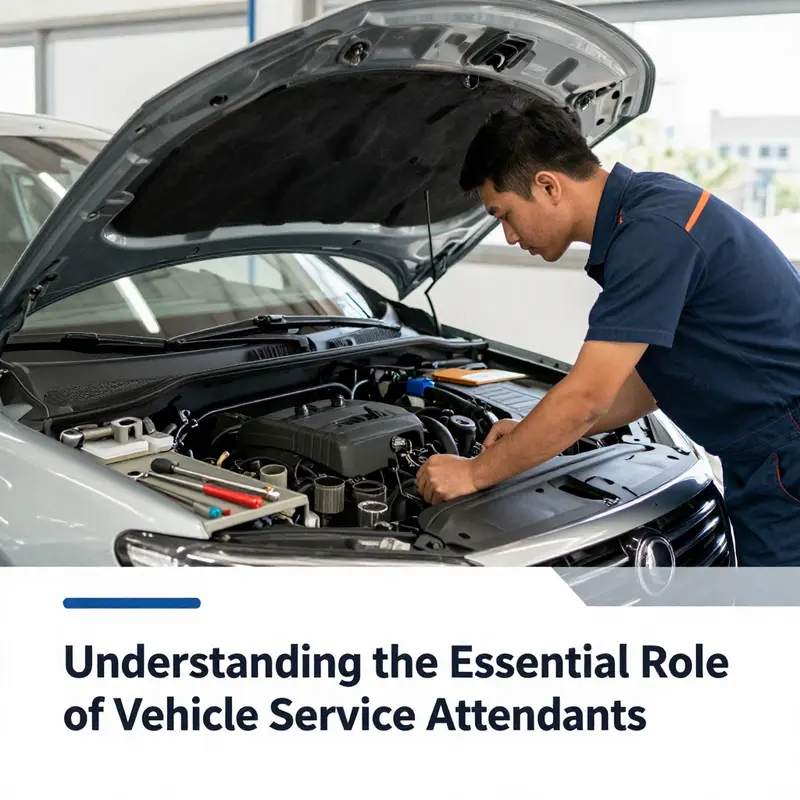
Behind every well-timed oil change, every precise brake inspection, and every smooth return to the road lies a role that rarely grabs the spotlight but is essential to the health of the vehicle and the trust between shop and customer. The vehicle service attendant is that backstage conductor, a professional who transforms a potentially stressful interaction into a seamless, transparent, and human-centered service experience. They are not the mechanic hammering wrenches or the technician tracing circuits, yet they sit at the crucial juncture where customer needs meet technical possibility. In a modern dealership or independent repair facility, this position is the connective tissue that keeps the entire process coherent, efficient, and focused on the driver’s safety and satisfaction. To understand what a vehicle service attendant does is to begin to see how maintenance becomes a predictable, understandable, and ultimately empowering experience for everyday drivers and professional fleets alike.
From the moment a customer arrives, the service attendant begins to translate a vehicle’s symptoms into a plan. The greeting is more than courtesy; it is an invitation to trust. A warm welcome signals that the customer’s concerns will be heard and that the vehicle will be treated with care. The attendant performs a preliminary inspection, often called a pre-check, which serves as the first formal step in bridging perception and reality. This is not a diagnostic verdict but a careful documentation of what is observed, what the driver has reported, and what the technician might confirm once the vehicle is in the bay. The notes taken at this stage—unusual noises, vibration patterns, dashboard warning lights, or timing irregularities—become a shared map that guides the next steps. The goal is clarity, not jargon. The service attendant translates symptoms into plain-language observations, enough to start a conversation with the customer and to prime the technician for the work ahead.
Initial diagnostics, guided by the customer’s input, begin in the same moment the intake is completed. The attendant listens for the story behind the car as well as the car’s mechanical story. A strange rattle might point toward a loose component or an exhaust issue; a drop in fuel efficiency can lead to a checklist that includes tire condition, air filter, and ignition timing. While the technician diagnoses, the attendant remains the customer’s primary point of contact, ensuring that information flows in both directions: the customer learns what is happening and why, and the workshop respects the constraints of time, parts availability, and safety. This is where transparency becomes trust. The attendant presents an initial set of recommendations with a clear rationale for each item: what it is, why it’s needed, and how it impacts the vehicle’s performance and safety. Crucially, the attendant breaks down costs in terms of parts, labor hours, and the potential impact on future maintenance. The aim is not to coerce a sale but to empower the customer to make informed decisions about the care of their vehicle.
The explanation of recommendations is a craft in itself. It requires the ability to convey complexity without overwhelming the customer. It means showing the value of preventive maintenance alongside the necessity of any urgent repairs. It also means setting expectations about timing. If a long list is recommended, the attendant might propose a staged approach—address the most critical items first, then schedule the remainder in subsequent visits. In this moment, the vehicle service attendant becomes a translator, a diplomat, and a strategist all at once. The conversation is not a lecture but a dialogue, one that respects the customer’s budget, priorities, and tolerance for risk while upholding the standards of safety and reliability.
Once the plan is agreed upon, the service attendant assumes the role of workflow coordinator. The vehicle’s journey from drop-off to pick-up is choreographed to maximize efficiency and minimize inconvenience. The attendant schedules the repairs, coordinates the work with technicians, tracks progress in real time, and proactively updates the customer if a delay arises. In a busy shop, delays are often inevitable: parts backorders, a late diagnostic discovery, or the arrival of an urgent vehicle requiring immediate attention. The attendant’s responsibility is to communicate these shifts honestly and promptly, explaining how the revised estimate affects the overall timeline and cost. This is not a minor administrative function; it is a critical trust-building exercise. Customers who feel informed about the schedule are more likely to remain patient and satisfied, even when the calendar shifts.
The service journey reaches a pivotal moment with the final inspection. Before the vehicle leaves the bay, the attendant and the customer participate in a joint walkthrough to verify that all agreed-upon work has been completed to a high standard. This final check is designed to catch anything that might have slipped through the cracks and to confirm that the vehicle behaves as expected. It also provides a chance for the customer to test drive the vehicle and to ask follow-up questions about the repairs, maintenance plan, or future service needs. The closure is both practical and symbolic: it marks the customer’s return to confidence behind the wheel, with a clear record of what was done and why. The attendant then organizes the delivery details, ensures the paperwork is complete, and explains the near-term maintenance plan, including any recommended service intervals and potential cost considerations.
Beyond the mechanics of the service itself, the vehicle service attendant is a master of relationships. Handling inquiries via phone or in person, the attendant becomes a steady source of information, guidance, and reassurance. They follow up after service not merely to solicit praise but to confirm the vehicle’s ongoing health and to identify opportunities for additional care that the customer might benefit from, such as routine maintenance packages or scheduled checks. The aim is not to upsell aggressively but to nurture a partnership where preventive care is understood as a meaningful investment in safety and performance. When opportunities for additional services arise, the attendant presents them with the same clarity and fairness that characterized the initial consultation, helping the customer see the long-term value and the return on investment. In this sense, the attendant is an ally who helps customers extend the life of their vehicles while avoiding unexpected repairs and costly breakdowns.
The role also carries substantial administrative weight. Maintaining accurate records through digital systems, such as dealer management systems, is essential. The attendant files and updates client records, logs inspection results, tracks service history, and contributes to reporting and marketing efforts. The precision of these records matters for warranty claims, service recalls, and ongoing customer communications. Yet the work remains grounded in the everyday human realities of a busy workshop: a calendar full of appointments, a multitasking software interface, a stream of questions from anxious drivers, and the constant need to balance speed with meticulousness. Good service is rarely about speed alone; it is about the deliberate pace of trust-building—the kind of pace that ensures the customer feels heard and the vehicle feels cared for.
In considering the broader context, the vehicle service attendant also holds a key position when the vehicle in question is more than just a daily commute. Heritage and high-value vehicles demand an additional layer of stewardship. In such settings, the attendant coordinates closely with specialists who handle delicate components, material preservation, and meticulous documentation of every inspection and maintenance action. The aim is to preserve the vehicle’s condition while explaining the care plan to the owner in a way that honors the vehicle’s lineage and the owner’s pride. Even without naming any specific brand or model, the principle remains the same: the attendant must communicate the sensitivity of the work, reassure the owner of the vehicle’s safety and authenticity, and document every step for future provenance and service history. This careful stewardship reinforces the idea that maintenance is not just a transaction but a long-term relationship built on respect and reliability.
The story of a vehicle service attendant is, therefore, a story of alignment. Alignment between what the customer expects and what the workshop can deliver; between the immediacy of a repair and the longer arc of preventive care; between the language of costs and the language of value. The attendant embodies a philosophy of service that prioritizes clarity, transparency, and continuity. They help customers navigate the sometimes opaque landscape of automotive service, turning a potentially opaque exchange into a shared journey toward safer, more dependable transportation. This is why the role matters not only for the car but for the people who depend on it—the families, the commuters, the small businesses that rely on fleets, and anyone who wants to get in and out of a shop with confidence and a clear sense of what has been done and what remains to be done.
For readers seeking further practical context on related maintenance topics, the KMZ Vehicle Center blog offers accessible resources and perspectives that complement this discussion. KMZ Vehicle Center blog.
As maintenance technologies evolve and customer expectations continue to rise, the vehicle service attendant remains the human anchor that steadies the process. Digital tools may speed up the flow of information, but it is the attendant’s skill in listening, explaining, and coordinating that preserves the integrity of the service experience. In the end, the service lane becomes a place where competence and care meet, where complex mechanical language is translated into reassurance, and where a routine service becomes a moment of renewed confidence in the road ahead. For those who spend their days in shops, this is the quiet art of the job: to listen first, speak clearly, act with purpose, and guide the journey from intake to delivery with a steady hand and a thoughtful heart. And when the vehicle returns to its owner with a clean bill of health and a brief, well-articulated maintenance plan, the credit goes not only to the technicians who did the work but also to the service attendant who kept the entire process coherent, humane, and trustworthy. The road, after all, is long, and the relationship between car and driver deserves nothing less than attentive stewardship.
External resource for standard service procedures and best practices can be found on the ASE guidelines site at https://www.ase.com.
Clear Conversations and Care: How Vehicle Service Attendants Communicate with Customers
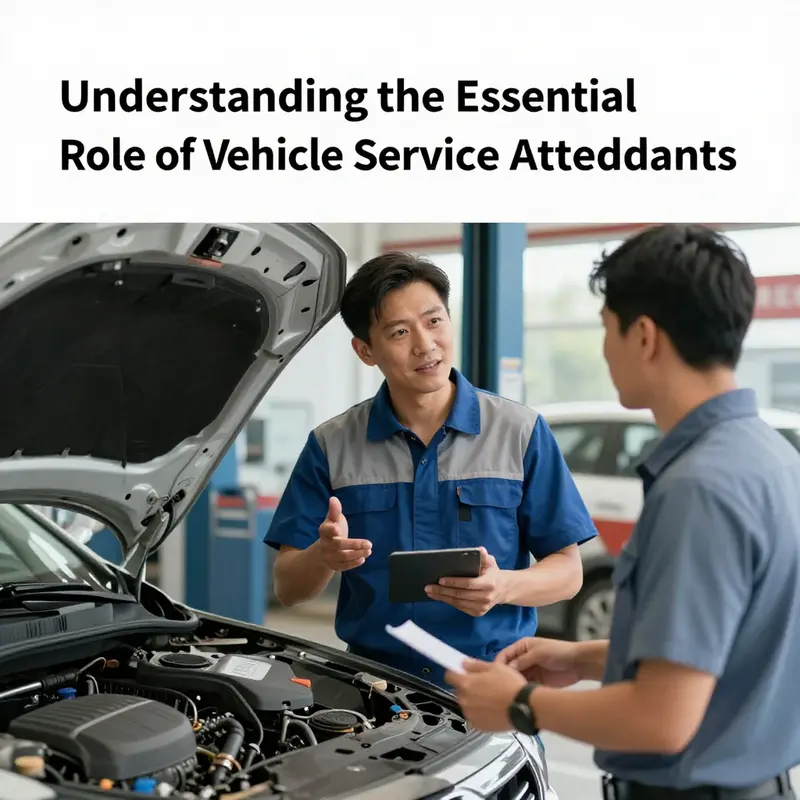
Customer communication is a core skill for a vehicle service attendant. The attendant often greets the customer, documents concerns, and coordinates the service process. Their words, tone, and actions shape the customer’s entire experience. Good communication reduces confusion. It speeds diagnosis. It builds trust and encourages repeat business.
A strong interaction begins the moment a customer arrives. The attendant listens actively and records precise details. Active listening means focusing on what the customer says, noticing hesitation, and picking up clues about past attempts to fix the issue. It also means repeating core points back to the customer in plain language. This confirms understanding and shows respect. Simple phrases—”So the engine stalls when you idle” or “You notice a noise after you brake”—help both parties align on the problem.
Asking the right follow-up questions is a skill that separates routine exchanges from effective problem solving. Instead of broad, open-ended queries, attendants use targeted questions that narrow the cause. They ask about when the issue started, its frequency, recent repairs, and any warning lights. They check for related symptoms like smells, leaks, or changes in handling. These focused questions speed up diagnosis and reduce unnecessary labor. They also reassure the customer that their concern is taken seriously.
Clear explanations make technical information accessible. Most customers do not speak mechanic. Attendants translate mechanic terms into everyday language. For example, explaining a timing belt issue as “a worn part that keeps engine parts synchronized” is more helpful than a list of mechanical terms. Visual aids like photos or simple diagrams can clarify complex points. When attendants outline the service plan, they describe what will be done, why it matters, and what outcomes to expect. They explain risks and alternatives, so the customer can make informed decisions.
Managing expectations is a daily necessity. Attendants provide accurate time estimates and highlight factors that can cause delays, such as parts availability or additional diagnostics. If a part is on backorder, the attendant offers clear alternatives and timelines. Regular progress updates, delivered by phone or text, reduce uncertainty and frustration. When a service takes longer than expected, a brief, candid update preserves trust. Promise only what can be delivered; overpromising creates disappointment.
Non-verbal cues reinforce verbal messages. Maintaining eye contact shows engagement. A calm, measured tone reduces anxiety. Nodding and leaning slightly forward communicate interest. Conversely, distracted behaviors—checking a phone or looking away—undermine confidence. Clean presentation and a tidy service desk signal professionalism. The small details of posture, expression, and workspace matter.
Handling complaints demands composure and a structured approach. When a customer is upset, the attendant first acknowledges feelings. Saying, “I understand this is frustrating,” validates emotion without admitting fault. Next comes active problem solving: gather facts, outline options, and set a timeline for resolution. If immediate correction is possible, offer it. If not, explain the steps that will be taken and who will be responsible. Follow-up is critical; a promised call or message that never arrives escalates dissatisfaction.
Service attendants also act as advisors on routine maintenance and preventive care. They highlight services that protect safety and value, like oil changes, tire rotations, and brake checks. Advising means balancing necessity and cost. Present the most important items first, then suggest additional services as optional. Use clear benefits: improved fuel efficiency, longer component life, and safer handling. For customers new to vehicle ownership, a short orientation about basic maintenance creates confidence. If the customer owns a truck or fleet vehicle, the attendant can point them to helpful resources such as practical maintenance guides for new owners, which reinforce the advice given and extend care beyond the facility. truck maintenance tips for first-time owners
Ethical advising avoids pressure. Recommendations should be grounded in inspection results and the vehicle’s maintenance history. Explain the consequences of deferring a suggested repair. If multiple repairs are needed, propose a priority list and phased plan to spread cost. Transparent pricing and line-item estimates empower customers.
Documentation supports all communication. Clear digital or written records capture what the customer reported, services performed, and parts used. When attendants note customer concerns verbatim, they create a useful trail for mechanics and future visits. Digital photos of worn parts, timestamps of test drives, and signed consent forms all reduce disputes. When an attendant hands the customer a concise service summary at pickup, it closes the loop: work performed, warranties, and recommended next steps are all visible.
Technology offers new channels for timely communication. Text messages, email updates, and online portals provide convenient status checks. Automated reminders for scheduled maintenance help customers stay on track. Yet technology supplements rather than replaces personal contact. A phone call to explain complex findings or to discuss cost-sensitive issues remains important. Attendants choose the channel that matches the message’s complexity and the customer’s preference.
Cultural sensitivity and adaptability are essential in diverse communities. Attendants adjust language, pace, and explanation depth to the customer’s background and comfort. Avoid idioms that may confuse non-native speakers. When language barriers exist, use simple vocabulary, visual aids, or translation services. Respectful communication builds rapport across communities and lowers the chance of misunderstanding.
Special contexts change the stakes for communication. When handling classic or high-value vehicles, attendants must convey the care standards and any special handling instructions. Customers who entrust rare cars expect meticulous documentation and regular updates. Explaining preservation techniques, climate-controlled storage, and detail-oriented inspections reassures owners that their investment is protected.
Upselling and offering additional services can benefit both the customer and the workshop when done responsibly. Frame suggestions around value and safety. For instance, recommend tire replacement because the tread is uneven and poses a safety risk. If the customer declines, document the advice and the customer’s decision. Ethical upselling maintains trust and avoids resentment.
Training and role-playing build communication skills. Facilities that coach attendants with scenario practice see better outcomes. Role-play helps attendants manage tense conversations, explain technical topics simply, and deliver bad news with empathy. Regular feedback from supervisors and occasional mystery-shopper reviews reveal improvement areas.
Measurement informs refinement. Track metrics like customer satisfaction scores, repeat visit rates, and complaint resolution times. Use this data to identify weak points in the customer journey and to reward excellent performance. Small changes—clearer check-in forms, a more visible service counter, or a standardized update cadence—can have outsized effects on customer perception.
Finally, follow-through creates loyal customers. A simple courtesy call after service to confirm everything is satisfactory can turn a one-time customer into a regular. When an attendant takes ownership of a problem and sees it through, customers notice. The combination of clear explanations, honest timelines, respectful behavior, and reliable follow-up defines outstanding service.
For a comprehensive outline of the duties and interpersonal expectations for automotive service attendants, the U.S. Bureau of Labor Statistics provides authoritative guidance and role descriptions: https://www.bls.gov/ooh/production/automotive-service-attendants.htm
Between Wrenches and Words: The Technical Craft and Customer Care of Vehicle Service Attendants
To understand the technical craft of a vehicle service attendant, it helps to imagine the role as a bridge. On one side are the mechanical systems that make a car move—the engine, the transmission, the braking and steering assemblies. On the other side are the people who rely on the service: customers with concerns, timelines, and budgets, all hoping for honest, transparent communication. The attendant must walk this bridge with both hands. The foundation rests on a solid grasp of mechanical principles. A competent attendant does not need to perform every repair, but they do need to recognize the signs that point to a problem and know where in the workshop the issue belongs. That means a working knowledge of how engines generate power, how transmissions change gearing and torque, and how braking systems convert kinetic energy into stop signals. It also means understanding subsystems with less obvious impact, such as cooling, lubrication, suspension, and exhaust pathways. This base is not static. It grows with experience and is reinforced by ongoing education. The industry reserves and promotes formal certifications, such as those offered by national organizations dedicated to automotive service excellence. Those credentials acknowledge a practitioner’s commitment to a structured, standardized body of knowledge and a minimum level of proficiency. In practice, this training translates into more accurate triage of vehicle conditions, fewer miscommunications, and better use of the technician’s time—ultimately saving customers money and reducing downtime for their vehicles.
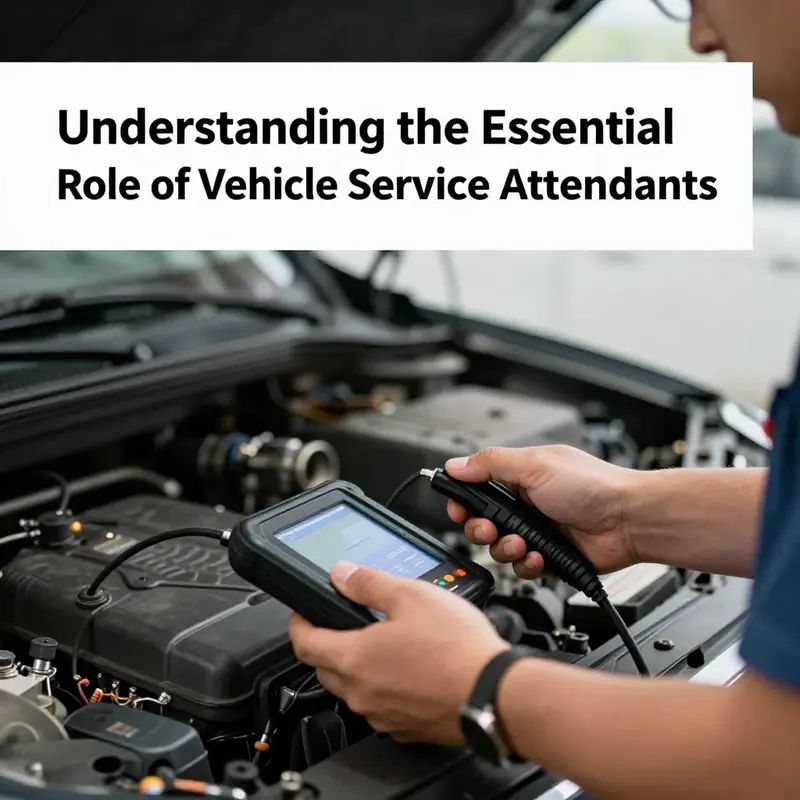
A second pillar is proficiency with diagnostic tools. Modern vehicles are steeped in electronics and software, and the shop’s diagnostic ecosystem reflects that reality. An attendant must be comfortable reading trouble codes, interpreting live data streams, and recognizing when a code points toward a true fault versus a symptom of a larger pattern. It is often the attendant who first notices an unusual reading or a warning light that has not yet triggered a full test plan. They may compare current data with historical service records, confirm steps with the technician, and help determine whether a repair should proceed immediately or be scheduled more strategically to avoid unnecessary work. As vehicles increasingly rely on complex control modules, sensors, and networked systems, the ability to navigate computer interfaces, log data accurately, and maintain organized service records becomes as essential as the ability to inspect a fuel line or check a tire tread. This diagnostic fluency is not about replacing the technician; it is about enabling better, faster, safer work by providing accurate context and timely information. A service facility that invests in up-to-date software tools and ongoing training for its staff tends to deliver more predictable outcomes and higher customer satisfaction.
Equally important is the art of communication. The best technical mind in a shop can still fall short if it cannot convey findings clearly. A vehicle service attendant translates the language of gears, sensors, and tolerances into plain terms the customer can understand. That means describing what is happening in a way that is informative, not alarming, and offering options that respect the customer’s priorities—whether that means speed, cost control, or long-term reliability. It also requires the discipline to set realistic expectations about how long a service will take and how much it will cost. In practice, this communication is a two-way street: listening is as critical as speaking. Attendants who listen well gain better insight into a customer’s concerns, which helps technicians target the right repairs and no more. Clear communication also extends to the professionalism of the service environment. A calm, respectful demeanor, attention to safety, and consistent updates build trust and encourage customers to take an active role in decision-making rather than feeling left in the dark.
Alongside mechanical literacy and diagnostic savvy, safety is non-negotiable. The shop is a place where fluids, moving parts, and elevated workloads can pose risks. A vehicle service attendant must adhere to safety protocols with diligence: handling hazardous fluids properly, using personal protective equipment, and ensuring vehicles are positioned securely with appropriate restraints and parking brakes. They should be vigilant about spill containment, battery safety, and the potential hazards of hot components or pressurized systems. A core duty is to verify that the vehicle is in a safe state before work begins and that the workspace remains organized to prevent accidents. This safety discipline protects the customer, the staff, and the vehicle—no matter how routine the service appears. It also underpins wider service quality, guaranteeing that a well-prepared vehicle leaves the facility in a condition that matches the level of care invested in its handling while it awaits pickup or delivery.
In environments that demand special care for classic or high-value vehicles, the role of the attendant expands beyond routine tasks. A museum workshop or a similarly sensitive setting requires a level of meticulousness that treats vehicles as custodians of history rather than mere machines. Here, attendants cultivate an awareness of preservation concerns, such as avoiding unnecessary wear, maintaining humidity and temperature controls when appropriate, and documenting every step of the service to preserve a traceable history of care. In practice, this means coordinating closely with technicians to plan actions that minimize risk to finishes, interiors, or components with historical significance. It also means preparing vehicles for transport with the same attention given to a museum exhibit: secure packaging, careful loading procedures, and clear handoffs to whoever will handle the vehicle next. In short, the craft of the attendant blends the technical with the custodial, recognizing that every car carries both mechanical life and, in many cases, cultural value.
The professional path for a vehicle service attendant typically includes structured learning, sometimes in tandem with certification bodies that standardize a baseline of knowledge and skill. This is not just about becoming proficient with a few tools; it is about joining a disciplined community that values precision, accountability, and continual improvement. The knowledge and skills described—mechanical understanding, diagnostic literacy, effective communication, and rigorous safety practices—form a cohesive capability set. Each element supports the others: mechanical literacy informs accurate triage and safer handling; diagnostic literacy makes communication precise; communication channels help align expectations and foster cooperation during complex services; and safety practices protect everyone involved while enabling steady progress on the most demanding jobs. Together, they create attendants who can navigate the full spectrum of automotive care, from routine maintenance to the nuanced handling of rare and valuable vehicles.
For readers seeking practical touchpoints beyond theory, consider how you would structure an introductory path toward mastery in this field. Start with a solid grounding in basic vehicle systems, then gain hands-on experience under supervision, while gradually incorporating diagnostic tools and software into your routine. Build a habit of precise documentation and proactive communication with customers and technicians. Emphasize safety in every decision, from the simplest fluid change to the transport of a delicate classic. If your interest lies in a museum or legacy workshop, cultivate awareness of preservation ethics, environmental controls, and meticulous record-keeping alongside technical proficiency. The aim is not merely to fix but to steward a vehicle’s lifecycle with competence and care.
To explore broader maintenance topics and related insights, the KMZ Vehicle Center blog offers a repository of practical perspectives and case studies that can augment understanding of routine procedures and common care questions. For a review of foundational guidance and ongoing maintenance considerations, readers can visit the KMZ Vehicle Center blog. KMZ Vehicle Center blog.
Beyond day-to-day practice, the profession also invites a commitment to continued learning. The automotive landscape evolves rapidly, with new propulsion technologies, advanced driver-assistance systems, and increasingly sophisticated diagnostics. Attendants who stay current—through formal certification, workshop trainings, and peer learning—help their teams deliver consistent quality while adapting to emerging challenges. While the exact path may vary by facility, the core idea remains constant: skilled, communicative, safety-conscious attendants create a stable backbone for any service operation. They enable technicians to focus on the specialized work they do best, while customers gain confidence that their vehicles are in capable hands. This synergy between hands and conversation, between safeguard and inspection, is what elevates routine maintenance into reliable, respectful care. As a chapter in the broader story of what a vehicle service attendant is, it underscores how technical mastery and people skills converge to keep both machines and relationships running smoothly.
External resource: https://www.ase.com/automotive-technician-certification/
Guardians of Value: How Vehicle Service Attendants Preserve High-Value Automobiles
Guardians of Value: How Vehicle Service Attendants Preserve High-Value Automobiles
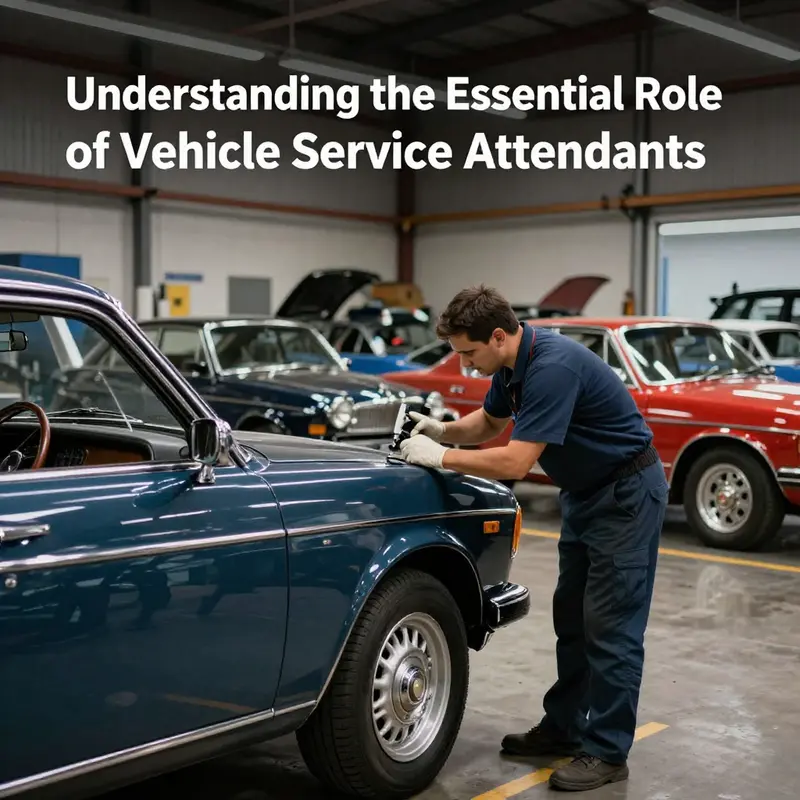
A vehicle service attendant who specializes in high-value automobiles functions as more than a technician’s helper. They are custodians of mechanical integrity, stewards of provenance, and the first line of defense against deterioration. In workshops, museums, and premium service centers, attendants maintain the precise environment and processes that luxury and classic cars require. Their actions directly affect a vehicle’s performance, aesthetics, and market value. Where every component carries weight, careful handling and rigorous habits preserve both function and legacy.
At the core of preservation is attention to detail. An attendant begins each assignment with an immersive inspection rather than a cursory glance. They check fluid levels and seals, but also examine joints, fasteners, and wiring for early signs of stress. They monitor tire condition, suspension play, and brake responses. For classic cars, they look for metal fatigue, paint anomalies, and early rust formation. These observations are recorded precisely. A small, documented anomaly can be the difference between a minor adjustment and an expensive, time-consuming restoration months later.
Using the right parts and materials matters. High-value vehicles often demand manufacturer-approved components and specialized lubricants. Attendants source and verify these parts to maintain the vehicle’s original specifications. This reduces the risk of incompatibility and ensures long-term reliability. The right oil, for example, protects tight-tolerance bearings and reduces wear in performance engines. For owners who follow recommended maintenance intervals, thorough, documented oil changes build a trustworthy service history. If you want guidance on timing maintenance, consult resources like the internal guide on optimal oil change intervals: Optimal oil change intervals: time vs mileage.
Climate control and storage play an outsized role in preventing decay. Attendants manage humidity, temperature, and light exposure in storage areas. They rotate vehicles to prevent flat spots on tires and perform periodic engine runs to circulate fluids. They ensure battery maintenance, using trickle chargers or conditioning systems when needed. For leather and wood interiors, regular conditioning prevents cracking and warping. These routine practices preserve both the hardware and the intangible allure that commands collector interest.
Documentation is another critical duty. Every service, inspection, and modification must be logged. High-detail records—dates, parts used, technician notes, and photographs—create a verifiable chain of custody. This lifecycle tracking reinforces a car’s provenance and strengthens its value for future buyers or appraisers. Attendants who maintain comprehensive logs add trust and transparency. For classic vehicles, photographic records of unique features and serial numbers are invaluable. They transform anecdote into evidence, elevating market confidence.
Communication bridges technical work and ownership. Service attendants act as interpreters between complex mechanical realities and the owner’s expectations. They translate inspection findings into clear, actionable recommendations. They explain urgency levels, likely timelines, and the trade-offs between preventive action and deferred repair. Effective communication prevents misunderstandings that might otherwise lead to inconsistent maintenance or inappropriate repairs. An owner informed by a trusted attendant is likelier to approve the right care at the right time.
Training and certification distinguish the competent from the exceptional. High-value vehicle attendants often receive specialized instruction in vintage systems, high-performance drivetrains, or electronic diagnostics. They develop skills in careful disassembly and reassembly, corrosion control, and the proper use of torque specifications. Many work alongside senior technicians to learn factory techniques not commonly required for everyday vehicles. This blend of formal training and hands-on mentorship builds the intuition needed to spot subtle issues early.
Specialized tools and controlled processes are essential. Attendants use calibrated torque wrenches, soft-lift equipment, and non-marring supports to avoid damage. They follow protocols for fluid disposal, contamination prevention, and safe handling of delicate trim pieces. In some workshops, attendants complete pre-lift checks to confirm jacking points and protect underbody finishes. Their insistence on process and the right tools minimizes human error, which is often the leading cause of accidental damage during service.
Coordination with external specialists expands an attendant’s effectiveness. Luxury and classic vehicles frequently require expert services: upholstery restorers, engine rebuilders, or period-correct part fabricators. Attendants coordinate logistics, vet suppliers, and often oversee the return of repaired subcomponents. They ensure that outsourced work meets the vehicle’s exacting standards, and they document every stage. This networked approach delivers outcomes that single shops cannot achieve alone.
Risk mitigation extends to transport and insurance interactions. Attendants supervise loading procedures for carriers, confirm secure tie-downs, and verify transport insurance specifics. They check the vehicle thoroughly before and after transit, documenting any change. This reduces disputes and preserves claims strength. For high-value cars, attendants often act as witnesses during transfers and as custodians of provenance during loan or exhibition arrangements.
The economic impact of good stewardship is measurable. Vehicles with meticulous service histories command higher resale values. Buyers pay premiums for transparent maintenance records and original-spec repairs. Conversely, neglect or sloppy documentation can trigger steep depreciation. Attendants who catch minor wear before it escalates prevent costly restorative interventions. Over a vehicle’s lifespan, preventive care diminishes total cost of ownership and protects the emotional and financial investment of owners.
Cultural stewardship matters as well. For museum collections and historic registries, attendants preserve artifacts that represent engineering milestones. Their work supports scholarly research, public education, and the responsible display of automotive heritage. In these settings, every cleaning action, every removal of a component, and every replacement decision has implications for authenticity. Attendants balance conservation best practices with the need for operability.
Technology now augments traditional skills. Digital records, diagnostic software, and telemetry capture a vehicle’s behavior across miles and time. Attendants use these tools to spot anomalies that might elude a visual inspection. Software logs can show intermittent faults or engine loads that predict wear. Combining hands-on inspection with digital intelligence produces a fuller picture of a vehicle’s condition.
Trust and reputation flow from consistent performance. Owners of high-value cars seek predictable, discreet, and respectful care. Attendants who demonstrate meticulousness, confidentiality, and technical acumen earn long-term clientele. Reputation matters in a market where relationships and word-of-mouth carry significant weight.
Ultimately, a vehicle service attendant’s role in high-value vehicle preservation cannot be overstated. They prevent small problems from becoming major failures. They maintain provenance through rigorous documentation. They ensure that condition, performance, and appearance remain aligned with the vehicle’s original character. For collectors, investors, and passionate owners, an expert attendant is an essential partner in protecting both mechanical function and emotional value.
For authoritative guidance on dedicated aftercare practices and manufacturer recommendations, consult the official aftercare resources from high-performance manufacturers, such as the Automobili Lamborghini guide on vehicle service attendants and aftercare: https://www.lamborghini.com/en-en/vehicle-service-attendants-and-aftercare
From First Check to Fleet Leadership: Charting Career Growth for Vehicle Service Attendants
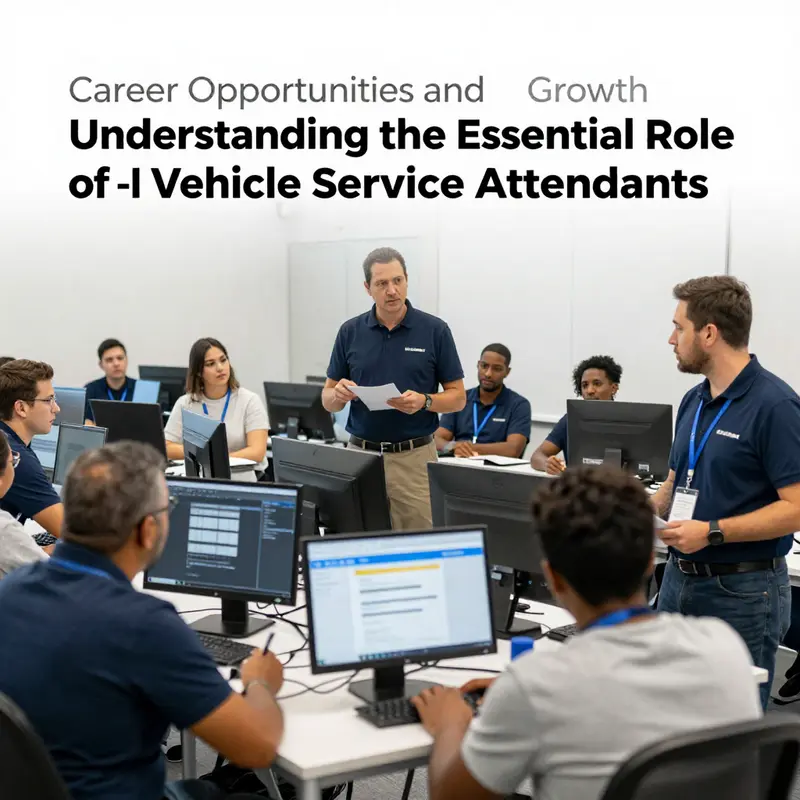
A vehicle service attendant occupies a frontline role in the maintenance ecosystem, a bridge between the mechanics who diagnose and repair and the customers who depend on reliable, transparent service. The work begins long before a customer arrives and continues well after a vehicle leaves the bay. It starts with preparation: pulling vehicles into the service lane, verifying VINs, confirming service orders, and organizing the flow of work so that technicians can focus on what they do best. In many shops, the attendant is the first human touchpoint, a caretaker who sets expectations, gathers the right information, and ensures that no detail is overlooked. This preparatory work is not menial; it is foundational. A misstep here can ripple across the entire service cycle, causing delays, miscommunications, and frustrated customers. The attendant, therefore, learns to read a service order the way a chef reads a recipe—looking for steps, dependencies, and timing, and translating that into the concrete actions of the day.
The daily rhythm blends hands-on checks with careful coordination. Basic inspections—fluid levels, tire condition, brake pads, lights, and visible wear—form the bread-and-butter of the role. Yet the value comes from the way these checks are integrated into a broader diagnostic conversation. Attendants collaborate with technicians, relay findings, and document the status of each vehicle in a system that tracks history, parts, and upcoming tasks. They become the eyes and ears on the floor, catching issues early and preventing last-minute surprises. In shops that handle specialized or high-value vehicles, the attendant’s responsibilities assume a heightened precision. Here, meticulous care is not just a courtesy; it is a precondition for preserving condition and safety. The craft of a good attendant is visible in the way a workshop hums with orderly movement, clean bays, and clear, timely communication to customers about what is being done and why it matters.
This is the career stage where service meets communication. A vehicle service attendant often explains repair needs in plain language, translating chassis jargon into practical choices for the owner. They may present the scheduled maintenance plan, outline the benefits of recommended services, and set clear expectations for costs and time. The ability to listen—to hear a customer’s priorities and constraints—becomes as important as the ability to read a diagnostic screen. That customer-facing dimension is a through-line in the growth arc for many who stay in the field. People who excel at this blend of operational fluency and people skills frequently move into roles that expand both scope and influence. A common next step is the service advisor, a position that formalizes the bridge between the shop floor and the customer. The advisor keeps the customer informed, translates the technician’s findings into actionable recommendations, and helps the customer decide what to approve and when. It is a role that rewards clarity, empathy, and the ability to manage expectations under pressure.
Beyond the advisor, the natural ladder climbs toward leadership in service management and dealership operations. A service manager, for example, assumes responsibility for the entire service department: staffing, scheduling, workflow optimization, quality control, and the bottom line. The manager must balance technical insight with business sense, ensuring that technicians have the right tools and parts to stay productive, while customers experience reliability and courtesy. At larger operations, the path can broaden into dealership operations management, where the scope extends to performance metrics, process improvements, customer satisfaction, and cross-department coordination. These roles demand more than technical proficiency; they require leadership, strategic thinking, and the ability to build teams that learn, adapt, and communicate well. Progression of this kind is not purely vertical; it can involve lateral moves into training, service engineering, or customer experience roles that still leverage the same core competencies—diagnostic acumen, process discipline, and people skills.
The evidence for such growth is both qualitative and quantitative. A number of employers highlight their commitment to developing talent from within by giving people opportunities to learn and advance. In the broader automotive services market, job postings consistently reflect a steady demand for capable attendants who can blend hands-on work with customer-facing responsibilities. In a representative regional market, thousands of service attendants were hired within a single year, underscoring the robust appetite for skilled workers who can hold the service pipeline together. National job platforms similarly show a strong pool of opportunities across the country, with hundreds or thousands of postings that welcome entrants who bring reliability, curiosity, and a willingness to learn. This strength in demand is not just about filling a seat; it is about the potential to grow into roles that command greater responsibility and compensation as expertise deepens.
To sustain and accelerate this growth, ongoing training is essential. The path frequently involves a mix of on-the-job learning and formal certification. On the job, attendants gain practical familiarity with the shop’s diagnostic tools, service workflows, and safety protocols. They learn how to triage problems, allocate time, and coordinate with the parts department so that repairs proceed with minimal delay. Formal training often centers on manufacturer certifications and industry credentials that validate proficiency in specific systems and procedures. These credentials can enhance credibility with customers and provide a structured framework for career advancement. In addition, experts highlight the value of broader competencies: diagnostic reasoning, understanding digital service platforms, and mastery of communication techniques that help customers navigate complex repair choices. The emphasis on soft skills is not incidental; it is foundational to earning trust, which in turn drives both customer satisfaction and repeat business.
Within this framework, a common thread is the impetus to keep learning. The automotive service field rewards curiosity and a habit of continuous improvement. For a vehicle service attendant, that means staying current with evolving vehicle technologies—electrification, advanced driver-assistance systems, and increasingly integrated vehicle networks. It also means embracing new service procedures and digital tools that streamline inspections and reporting. In practice, this could involve pursuing training through manufacturer networks, enrolling in community college offerings, or participating in shop-led apprenticeship programs. The result is a more confident, capable professional who can interpret a vehicle’s needs, communicate with customers with authority, and guide a shop through complex service scenarios with clarity.
The career arc is one of increasing responsibility, but it is also a story about value creation. When an attendant moves into a service advisor role, they extend their impact beyond the bay by shaping the customer experience. They become the face of the service journey, building trust through transparent explanations and reliable follow-through. As a service manager, they design the workflow that reduces wait times, improves throughput, and raises the quality floor for every repair. They cultivate technicians, mentor junior staff, and cultivate a culture of accountability. In a dealership operations leadership role, they influence how the entire business learns from data, how it communicates with customers, and how it aligns service with other parts of the organization. Across these steps, the fundamentals remain constant: a strong grasp of vehicle systems, a commitment to accurate documentation, a focus on customer needs, and a willingness to lead by example.
For readers who want a practical compass, the path is easier to chart when you begin with the right foundations. Start by demonstrating reliability in the role—show up prepared, follow cycles consistently, and communicate with accuracy. Seek opportunities to shadow more senior technicians during maintenance tasks and to observe how service advisors present options to customers. Ask for feedback on how you explain issues in plain language and how you manage the timing of updates. Document your own progress with a simple record of problems identified, actions taken, and outcomes observed. This habit of reflective practice not only sharpens your current performance but also builds a portfolio that supports future applications for higher roles.
Another pillar is formal training. Look for manufacturer-endorsed certifications that validate technical competence and that signal readiness to take on more complex tasks. Complement this with training in customer service, negotiation, and digital systems—skills that translate directly into the more front-facing roles in the service organization. The combination of technical certification and people skills often accelerates promotion because it signals a balanced capability to deliver both quality workmanship and an excellent customer experience. And remember that career growth in this field is not a solitary journey. It thrives in workplaces that value succession planning, invest in their people, and create clear ladders for advancement. In those environments, your growth is supported by mentors, structured programs, and exposure to a broader set of responsibilities that prepare you for leadership.
If you would like to explore practical examples, see how a typical shop workflow can evolve as staff progress, and read about daily routines that promote efficiency and accountability, you can visit the KMZ Vehicle Center blog for case studies and tips on shop operations and maintenance routines. KMZ Vehicle Center blog. This kind of resource can provide concrete ideas for sharpening your day-to-day practice while you plan for the next stage in your career.
The bigger picture is that a vehicle service attendant who uses the early years to build a solid foundation—technical proficiency, documentation discipline, and customer communication—finds that the doors to advancement stay open. The market demand supports this trajectory, and the training infrastructure makes it possible to convert commitment into credentialed expertise. The result is a career that remains engaging and meaningful, one that offers tangible milestones and continuous opportunities to learn. You’re not simply performing tasks; you are shaping experiences, guiding vehicle care, and participating in a cycle of service quality that underpins trust between the shop and its customers. This is the essence of growth for vehicle service attendants: progression that respects the craft, honors the customer relationship, and builds leadership through consistent, well-supported development.
External resource for broader industry perspective: For insight into how large employers articulate and support growth opportunities in automotive service, consider reviewing the examples provided on a major employer’s careers page. https://www.avisbudgetgroup.com/careers
Final thoughts
In the realm of vehicle service, the role of the Vehicle Service Attendant stands out as vital to ensuring both vehicle reliability and customer satisfaction. From performing essential maintenance tasks to communicating effectively with clients, these professionals bring a wealth of knowledge and skill to the automotive ecosystem. Their importance is particularly pronounced in the care of classic and high-value vehicles, where attention to detail can make all the difference in preservation. As demand for qualified service attendants continues to grow, so do the opportunities for career advancement within this field. Embracing the multi-faceted role of a Vehicle Service Attendant is key to a thriving vehicle maintenance experience for car owners and businesses alike.