Owning a vehicle is a significant investment, and understanding how to maintain it properly is crucial for both longevity and performance. Enter the vehicle service plan—a structured approach that helps car owners, used car buyers, and small business fleet operators manage maintenance needs proactively. This plan allows for timely interventions, predictable costs, and enhanced vehicle reliability. Throughout this discussion, we will explore the intricacies of scheduled maintenance, the comprehensive services offered, and the financial predictability that a vehicle service plan can provide. By delving into these areas, you will gain a clearer understanding of how such a plan can benefit you, whether you’re maintaining your personal vehicle or managing a fleet.
The Quiet Architecture of Vehicle Care: How Scheduled Maintenance Builds Reliability Within a Service Plan
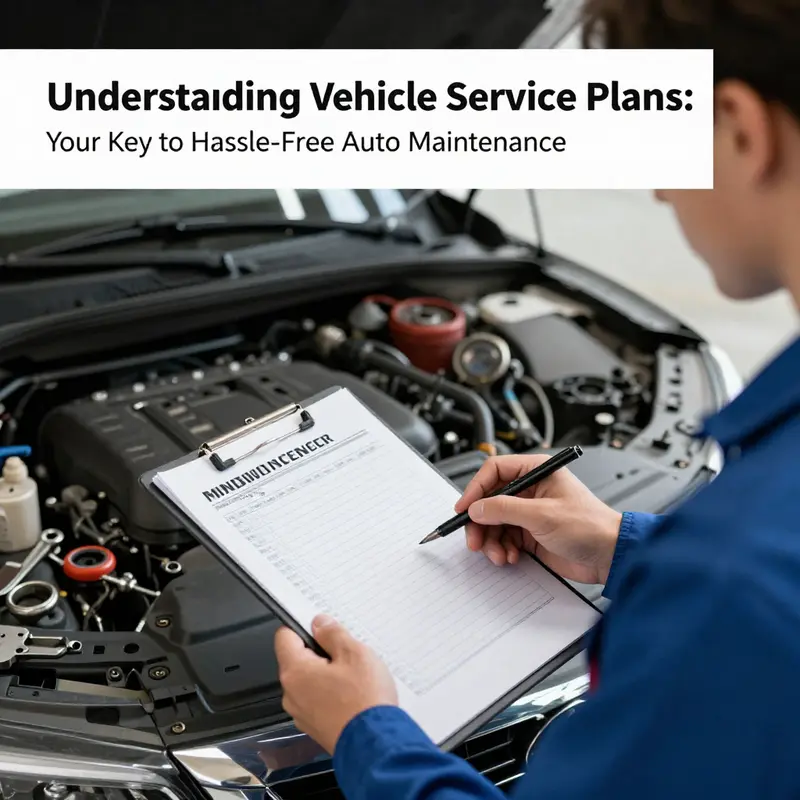
A vehicle service plan is more than a schedule of tasks; it is a deliberate framework that transforms a potentially reactive relationship with a machine into a proactive partnership. At its core, scheduled maintenance within a service plan codifies the intuition most drivers have, often after a close call or a costly repair: that regular, deliberate upkeep protects the car and, with it, the owner’s time, safety, and financial stability. Rather than letting wear and tear accumulate until a breakdown forces a crisis, the plan lays down a rhythm for care that aligns with the vehicle’s own physiology. It is, in effect, a blueprint for trust between the owner, the vehicle, and the garage, stitched together by a calendar and an engine’s expectations rather than by chance or memory alone.
To understand why this approach is so powerful, it helps to consider the two axes that typically govern scheduled maintenance: time and mileage. Time intervals reflect the aging of fluids, seals, and components that degrade with age even if the vehicle isn’t driven every day. Mileage milestones, on the other hand, track wear that progresses with use. The manufacturer’s guidance often blends these axes, telling owners to inspect, replace, or refresh certain parts at specific anniversaries or after accumulating particular distances. The result is a maintenance cadence that is both predictable and tailored to the vehicle’s needs, ensuring that critical systems remain reliable in the moments a driver most needs them.
A well-designed plan begins with the basic daily life of the car. It recognizes that routine maintenance is not merely a box to check but a sequence of quality-control rituals that protect the engine, the transmission, and the many supporting systems that make a car safe and efficient. Routine maintenance is not glamorous, but it forms the spine of dependable operation. Oil and filter changes, tire rotation and inspection, and the careful top-off of fluids—brake, coolant, and transmission—are not cosmetic adjustments. They are fundamental acts that preserve lubrication, cooling, and hydraulic integrity, all of which are essential for consistent performance and fuel economy. The plan also anticipates the less obvious but equally essential checks: the health of the battery, the condition of belts and hoses, and the ongoing evaluation of safety-critical components such as brakes, steering, suspension, lights, and wipers. When these checks are scheduled and executed with discipline, a car remains responsive and predictable week after week, season after season.
The way the plan communicates responsibility matters as much as the tasks themselves. It translates the manufacturer’s recommendations into a fixed, predictable program that the owner can budget for and rely upon. The benefit is twofold: it converts uncertainty into clarity and it makes preventive maintenance the default rather than the exception. Instead of facing the surprise of a sudden fault and a steep repair bill, owners enjoy a steady, known cost and a clear itinerary of what will be done and when. This is the essence of cost predictability, one of the core advantages of a vehicle service plan. A fixed-fee structure—whether monthly or annually—bundles essential services into a holistic package that protects the vehicle while shielding the owner from the volatility of repair costs.
The practical reality of scheduled maintenance is a calendar that mirrors the car’s own life cycle. The schedule is not arbitrary; it is rooted in the manufacturer’s engineering data, which captures how each component behaves under real-world conditions. Oil, for example, has a finite ability to lubricate and protect after a given period of use or a specified number of miles. Fluids like coolant and brake fluid degrade as heat and time attack their properties. The timing of replacements or inspections is calibrated to preserve optimal operating temperatures, hydraulic pressure, and frictional interfaces. The goal is to keep performance within the window the manufacturer designed, which preserves efficiency, responsiveness, and safety.
Within a vehicle service plan, the routine tasks expand beyond the obvious. They include checks that might fall under the category of system-specific servicing, which can involve deeper interventions such as timing belt-focused work, fuel system cleaning, transmission fluid changes, and brake pad and shoe replacements when wear reaches designated thresholds. The plan does not merely cover the surface level; it anticipates the needs of various subsystems and ensures that preventative measures are taken before a decline in performance becomes noticeable. This broader coverage is what elevates a service plan from a simple maintenance checklist to a comprehensive stewardship program for the vehicle’s longevity and reliability.
The effect of this approach on the ownership experience cannot be overstated. When a driver enters a maintenance cycle that is both scheduled and comprehensive, the routine becomes less a chore and more a path to peace of mind. Roadside assistance and loaner options, often included in many plans, amplify this sense of security by reducing the disruption of maintenance work. The schedule becomes a dependable routine that fits easily into the rhythms of daily life: a reminder pops up, a service appointment is scheduled, the vehicle is serviced on time, and the driver resumes usual activities with the reassurance that mechanical issues are being addressed before they arise as emergencies. In this way, scheduled maintenance reinforces the value proposition of vehicle ownership: safety, reliability, and a predictable cost of ownership that aligns with the car’s intended life cycle rather than the whims of chance.
But the value of these plans extends beyond the immediate mechanics. Regular, methodical maintenance preserves the vehicle’s performance envelope. An engine that remains well-lubricated and a cooling system that stays in good condition is more likely to deliver consistent power, sharper throttle response, and steadier fuel economy. Brakes and steering components that are inspected regularly maintain the driver’s ability to react quickly and reliably in unexpected scenarios. This careful maintenance also protects the car’s resale value. When the vehicle’s service history is transparent and thorough, prospective buyers can trust that the car has been cared for according to the manufacturer’s recommended schedule. In essence, the maintenance history becomes a narrative of reliability, contributing to a higher resale price and a smoother transition to a new owner who inherits a well-documented, well-maintained vehicle.
The plan’s convenience rests on its clarity and its alignment with real driving patterns. It translates manufacturer guidance into a tangible sequence of visits and tasks, reducing the cognitive load on the owner. There is a quiet satisfaction in knowing that on the anniversary of ownership or after a particular number of miles, the car will be checked for critical elements, that fluid levels will be verified, and that wear items will be refreshed before they fail. The result is not just a car that runs smoothly but a maintenance routine that feels almost invisible in daily life. Yet this invisibility is the true measure of its success: it removes the anxiety of the unknown and replaces it with a dependable, transparent plan for care.
A further layer of value emerges when we consider the educational dimension of scheduled maintenance. For many drivers, this structured approach is the first meaningful exposure to the inner logic of a vehicle. It invites them to understand why certain tasks matter and how each component contributes to the whole. The knowledge gained through regular servicing—what a dipstick reading implies, how a tire’s tread pattern reflects wear, why brake fluid quality matters for pedal feel—transforms maintenance from a reactive obligation into a practiced literacy. This literacy is empowering. It enables owners to participate more actively in the care of their vehicle, ask informed questions, and make better decisions when selecting service centers or adjusting driving habits to extend the life of specific components.
In the end, a scheduled maintenance plan complies with a broader philosophy of vehicle ownership: maintenance should be predictable, proactive, and proportionate to the car’s needs. It upholds safety by ensuring that critical systems remain within their designed specifications, preserves performance by maintaining engine health and fluid integrity, and sustains value by keeping the vehicle’s maintenance narrative intact. The plan invites the owner to adopt a long-term view, one that sees the car not as a disposable tool but as a durable investment whose value accumulates through consistent, well-timed care. While the specifics of each plan can vary—from the breadth of coverage to the exact intervals—the underlying principle remains consistent: when maintenance is timely, targeted, and transparent, the vehicle’s life is extended, and the journey of ownership becomes steadier and more rewarding.
Among the subtler yet powerful advantages is the way a well-structured plan changes the cost dynamic of owning a vehicle. The prospect of an unexpected repair bill in the middle of a busy month is a source of stress for many households. A fixed-fee program transforms that stress into budgeting certainty. Some plans structure the payment to spread costs over the duration of coverage, smoothing out financial fluctuations and enabling owners to plan ahead for major maintenance milestones. This predictability is especially valuable for households with tight monthly budgets or for fleets where downtime translates into lost productivity. The long view matters here as well; because the plan emphasizes adherence to manufacturer recommendations, it helps maintain the vehicle’s reliability and resale value, which in turn supports a healthier total cost of ownership over time.
Choosing a plan, however, requires careful reading of the fine print and consideration of one’s own driving context. The most compelling plans are not always the most expansive, but the ones that align with how a vehicle is used. A vehicle that traverses long highway miles might benefit from different fluid maintenance or timing routines than a city-run car that endures stop-and-go traffic and shorter trips. A discerning owner will look for plans that mirror these realities, prioritizing essential items while recognizing which services are likely already covered outside the plan or may be excluded due to wear items or typical exclusions. The promise of simplicity should not obscure the fact that the value of any maintenance program rests on trust: trust that the right services are performed at the right times, and trust that the chosen center will execute them with a level of care that meets or exceeds factory standards.
In this sense, the scheduled maintenance component of a vehicle service plan functions as a reliable navigator through the lifecycle of a car. It is a structured invitation to treat the car as a living system that deserves steady, thoughtful attention rather than a string of isolated fixes after a fault appears. The plan turns maintenance into ongoing stewardship, a discipline that protects the vehicle’s safety, performance, and longevity while offering a more predictable and less stressful ownership experience. By embracing this approach, owners can engage in a more collaborative relationship with their vehicle—the car guides the maintenance path, and the owner supports it with timely service, careful driving, and an understanding of what the schedule is designed to preserve.
For readers seeking a concrete, actionable sense of how this maintenance is typically organized, it is helpful to imagine the common maintenance mix in broad terms. The day-to-day upkeep centers on oil and filter changes, tire rotation and inspection, and routine checks of tires and brakes. Fluid levels and condition go beyond simple top-offs to include assessing the health of coolant, brake fluid, and transmission fluid, each of which plays a pivotal role in how the car behaves on the road. Battery health checks and the inspection of belts and hoses add another layer of preventive care, guarding against the slow onset of failures that can escalate under more demanding driving conditions. This continuum of services, delivered on a fixed schedule, stands in contrast to the episodic, reactive approach that occurs when maintenance is delayed or deferred. The difference is not merely procedural; it is a philosophy about how best to sustain the car’s performance and safety over a multi-year horizon.
In sum, scheduled maintenance within a vehicle service plan is the quiet architecture that underpins reliable, predictable car ownership. It translates complex engineering guidance into a practical rhythm of care, ensuring that essential systems stay robust, performance remains steady, and the vehicle’s life is extended. It is a framework built for the long haul, designed to reduce financial uncertainty while enhancing safety and comfort on every journey. And it invites drivers to participate in a more informed, proactive relationship with their vehicle—one that respects the car as a finely tuned machine and treats maintenance not as a reaction to failure but as a continuous, collaborative act of stewardship. For those exploring the value of a service plan, the takeaway is simple: when maintenance is scheduled, comprehensive, and aligned with the manufacturer’s guidance, the road ahead becomes clearer, safer, and more economical over time.
External context supports this view by highlighting how major automakers structure their own official scheduled maintenance plans as fixed-cost packages over defined periods. While the specifics may differ from one manufacturer to another, the core logic remains consistent: bundle preventive services, align them with production specifications, and deliver predictable care that protects safety and value. For readers seeking a reference point that illustrates this model in practice, an official overview from a major automaker illustrates how the framework can work in real life, including the coverage scope, the period of service, and the benefits that flow to owners who choose to participate. This external perspective serves as a practical complement to the personal narrative of maintenance discipline described here and underscores the universality of the scheduled maintenance approach across different brands and vehicle types.
For more guidance on practical maintenance intervals and the relation between time and mileage, you can explore a focused article that discusses oil change intervals and how time-based and mileage-based recommendations intersect. This resource provides actionable insight into when to service specific components, helping owners decide how to calibrate their own plans in light of driving patterns. Optimal oil change intervals time vs mileage
As you consider a vehicle service plan, remember that this is about more than a price tag or a list of tasks. It is about a relationship with your car that recognizes the vehicle as a sophisticated system requiring attention at carefully chosen moments. It is about turning the knowledge embedded in manufacturer schedules into a practical, livable routine that minimizes risk and maximizes reliability. The best plans are transparent, flexible enough to accommodate different driving realities, and designed to honor the factory’s intentions for performance and durability. In embracing scheduled maintenance, owners transition from a mindset of fear of breakdown to a mindset of informed stewardship, where preventive care becomes a natural and valued part of owning a car. And in that transition, the journey on every road becomes smoother, safer, and more predictable.
External resource: https://www.porsche.com/australia/vehicles/scheduled-maintenance-plan/
Everything Included: How a Full Vehicle Service Plan Protects Your Car and Your Budget
A comprehensive vehicle service plan is a single, coherent promise: to keep a car safe, reliable, and performing at its best with predictable cost and minimal hassle. Rather than a loosely connected list of fixes, a full plan combines scheduled preventive work, targeted repairs, protective care, emergency support, and digital tools into an integrated routine. Framed this way, the services are less a series of transactions and more a continuous care program that anticipates needs, reduces risk, and protects value.
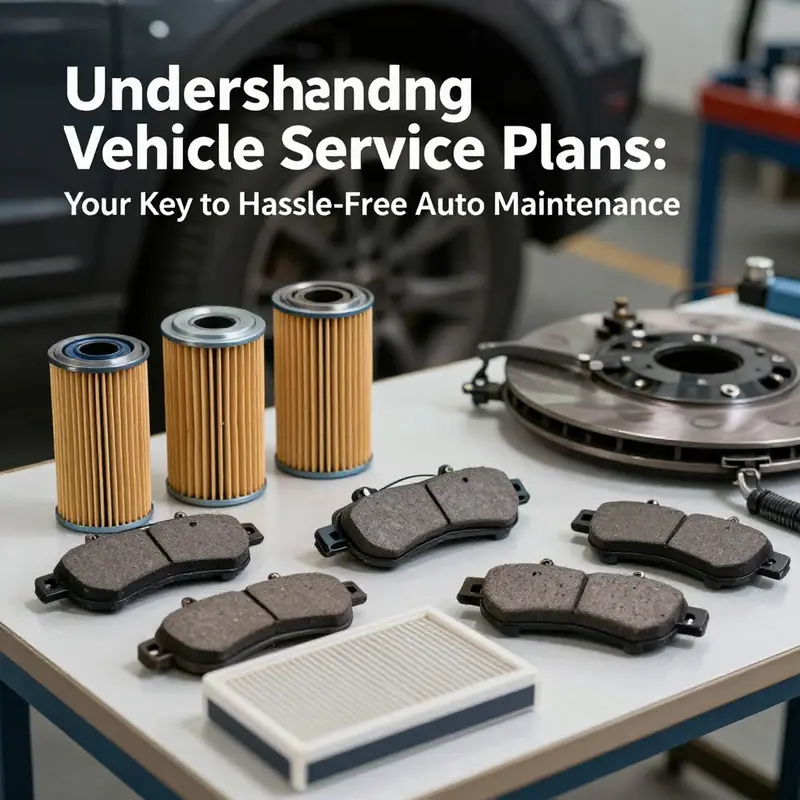
At the program’s core sits scheduled maintenance. This is the steady heartbeat that stops small problems becoming costly failures. A carefully designed plan lays out when to change fluids, replace wear items, and inspect safety systems. Oil and filter changes, tire rotation and pressure checks, brake inspections and pad replacements, battery tests, and fluid top-offs occur on fixed intervals tied to mileage or time. Those intervals reflect engineering realities: lubricants break down, belts age, and brake components wear at predictable rates. Regular diagnostic checks using modern tools can detect early faults in engine, transmission, and electrical systems. When diagnostics reveal a worn sensor or a loose connector, the plan covers the repair before it escalates. This preventive approach reduces the chance of roadside breakdowns and of unplanned repair bills.
Beyond the basics, a comprehensive plan extends protection to components and systems that owners often overlook until they fail. Transmission servicing and fluid changes, timing belt replacement, fuel-system treatments, and scheduled flushing of cooling systems prolong major component life. For items with long service intervals, the plan ensures timely intervention when the vehicle isn’t yet showing symptoms. That matters because a late timing-belt failure or neglected transmission fluid can mean an engine overhaul or a costly rebuild. By capturing these intermediate services in a predictable schedule, the plan spreads cost and preserves mechanical integrity.
Protection is not limited to mechanical systems. A truly wide-ranging plan covers cosmetic and interior care. Paint correction removes swirls and light scratches. Long-term coatings such as ceramic protection or paint protection film add resistance to abrasion and environmental damage. Full-body detailing and interior services — vacuuming, shampooing, leather conditioning, and steam sanitization — keep surfaces fresh and free of contaminants. These measures matter for two reasons. First, a well-maintained exterior and interior help preserve resale value. Second, they reduce wear on components; for example, cleaned and conditioned leather seats last longer than neglected upholstery. Cosmetic care and mechanical maintenance together form a holistic preservation strategy that protects both function and value.
Emergency readiness is another essential layer. Advanced roadside assistance is more than towing. It offers on-scene solutions: battery jump-starts, on-site tire changes, emergency fuel delivery, and lockout help. For more complex incidents, towing to a designated facility assures repairs from teams familiar with the vehicle and the plan’s terms. Support for key replacement and limited on-the-road coolant additions prevents a minor mishap from becoming a major disruption. When a plan includes immediate recovery and short-term solutions, owners avoid being stranded or forced into expensive, out-of-network repairs.
Modern service plans increasingly integrate digital and proactive tools. Remote diagnostics monitor vehicle health in near real time. They send alerts for low oil pressure, abnormal temperatures, and tire-pressure deviations. Connected platforms let owners schedule appointments through apps, request vehicle pickup, and track service progress on a digital dashboard. That transparency reduces uncertainty. It also enables a shift from reactive to proactive service: technicians see an emerging issue and call to schedule a repair before it causes a breakdown. Real-time tracking and appointment management reduce downtime and ensure the car spends minimal time in the shop.
Quality assurance and warranty coverage provide a final safety net. Many plans back repairs with extended warranties that go beyond factory coverage. These policies cover major assemblies like engines, transmissions, and drivetrains for specific terms and mileage. Clear guarantees — no surprise bills, transparent pricing, and covered repairs when the condition falls within warranty terms — build trust. When a plan includes a warranty extension and explicit service guarantees, owners gain financial certainty and simplified recourse if something goes wrong.
Customer experience enhancements round out the offering. 24/7 customer support, concierge services such as rental cars or hotel arrangements during extended repairs, and loyalty rewards for regular maintenance visits all make ownership easier. Seasonal care programs provide timely attention: winter checks focus on antifreeze, battery condition, and tire suitability, while summer inspections address cooling performance and air conditioning. Those seasonal touches anticipate predictable stressors and reduce weather-related surprises.
All these pieces interact. Regular oil changes ensure engine parts remain lubricated and reduce heat-related wear. Clean cooling systems prevent overheating and extend gasket life. Timely brake pad replacement protects rotors and calipers. Detailing prevents grit and debris from abrading painted surfaces and seals. Remote diagnostics detect a failing battery so roadside assistance can be arranged before a no-start morning. When combined, maintenance, protection, emergency support, digital monitoring, and customer services create cumulative benefits. The vehicle runs more reliably, components last longer, and ownership costs stabilise.
Cost predictability is central to the plan’s value proposition. Customers often pay a fixed fee, monthly or annually, that covers the services included. This shifts expenditure from unpredictable lump-sum repairs to a steady budget line. Predictable payments make it easier to include comprehensive care without fear of a single expensive failure. They also let owners compare the total cost of ownership more effectively, factoring scheduled maintenance into long-term projections rather than treating repair bills as variable risks. Many owners discover that routine care under a plan reduces the frequency of major repairs, yielding net savings over time.
Choosing the right level of coverage matters. A basic plan that only covers routine maintenance is sufficient for some owners, especially those who drive infrequently or who plan to trade the vehicle early. A more complete plan that includes extended warranty protection, cosmetic care, and concierge services fits owners who want minimal downtime and who intend to keep the vehicle for many years. Assessing expected mileage, driving conditions, and resale goals helps select an appropriate plan. For example, high-mileage drivers and those in harsh climates benefit from more comprehensive fluid and brake coverage. Owners who value resale appearance benefit from paint and interior protection options.
Transparency is essential when evaluating plans. Clear coverage lists, defined exclusions, and a simple claims process prevent surprises. Owners should review how labor costs are handled, whether parts are OEM or aftermarket, and any limits on coverage frequency. A plan that allows appointment flexibility, home pickup, and clear service tracking usually offers a better ownership experience. Guarantee clauses that promise no hidden fees and fixed pricing provide additional confidence.
Implementation details influence effectiveness. Skilled technicians and accredited facilities ensure work is done to standard. Proper record-keeping of services performed maintains a documented history that supports resale value. Digital records tied to the vehicle’s service history demonstrate consistent care to future buyers. Likewise, bundled perks — like priority scheduling and loaner vehicles — reduce personal disruption during repairs. In practice, an owner using a comprehensive plan experiences fewer unexpected repair stops, shorter repair durations, and a clearer financial picture.
A well-structured service plan also supports sustainability. Regular maintenance optimizes fuel efficiency, keeps emissions systems functioning, and reduces the risk of catastrophic failures that require resource-intensive repairs. Cleaner engines, properly inflated tires, and functional emissions controls lower environmental impact over the vehicle’s life. Some plans include resources or reminders that encourage eco-conscious maintenance, such as timely air-filter replacement or fuel-system cleaning when needed.
Understanding exclusions and limits prevents misunderstandings. Wear items like tires and windshield glass may be handled differently than covered mechanical components. Damage from neglect or modifications is typically excluded. Clarify whether the plan requires service at specific facilities and whether out-of-network work will be reimbursed. Knowing these parameters avoids unexpected denials and ensures compliance with plan requirements. Equally important is knowing the simple steps to file a claim or request roadside help. Mobile apps and hotlines make those steps easy and fast.
Service plans are evolving. Digital platforms now enable predictive maintenance using aggregated telematics and usage patterns. That means services can be scheduled not only by mileage, but by measured component condition. Predictive alerts target specific parts that show wear, which reduces unnecessary replacements and extends useful life. Integration with appointment systems and mobile logistics allows technicians to plan work efficiently and minimizes time without the vehicle. As vehicles become more complex, especially with advanced electronics, this proactive, data-driven approach becomes more valuable.
Finally, a comprehensive service plan aligns incentives. Owners want reliable vehicles with low total ownership costs. Service providers want consistent work and satisfied customers. When both parties commit to scheduled care, the result is mutual benefit: fewer emergency repairs, better-maintained vehicles, and a smoother ownership experience. For owners, the measurable outcomes are lower long-term repair costs, higher resale value, and less hassle. For providers, consistent maintenance schedules improve workflow planning and help maintain quality standards.
If you want to dive deeper on one core element — oil change timing — there is useful guidance on how time and mileage affect intervals and servicing choices: “optimal oil change intervals”. For safety-related checks and recommended maintenance guidelines, a national safety authority provides straightforward recommendations and resources: https://www.nhtsa.gov/equipment/vehicle-maintenance
Viewed as an integrated system rather than a menu of separate services, a comprehensive vehicle service plan delivers predictable cost, sustained performance, and real convenience. It turns maintenance from a task into a managed program. The result is a vehicle that remains safer, more efficient, and more valuable over time, while the owner gains clarity, control, and peace of mind.
Predictable Costs, Steady Momentum: The Financial Stabilizer Hidden in a Vehicle Service Plan
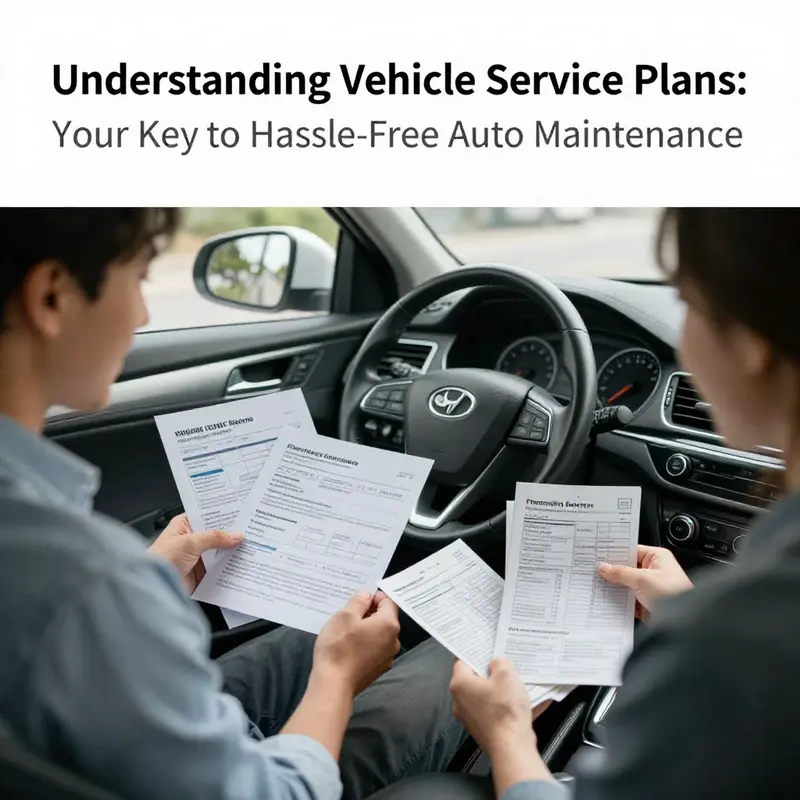
When a car moves from novelty to necessity, ownership shifts from a simple routine of fuel and route planning to a broader choreography of maintenance, risk, and financial discipline. For many drivers, the biggest surprise is not the engine or the tires themselves but the irregular, often opaque cost of keeping the vehicle safe and roadworthy. A Vehicle Service Plan enters that scene as a carefully structured instrument designed to transform what could be a volatile ledger of repairs into a predictable, manageable line item in the household budget. Rather than reacting to breakdowns with urgent, ad hoc spending, the plan offers a proactive cadence of care that aligns maintenance with manufacturer recommendations while translating uncertainty into clarity. It is a financial tool as much as a maintenance program, and its value emerges when the cost of keeping a vehicle on the road is not a fearsome unknown but a known sequence of payments, the coverage clearly mapped, and the consequences of neglect preemptively prevented.
At the heart of a Vehicle Service Plan is the shift from a reactive model to a proactive one. The plan covers a defined slate of routine tasks and sometimes extends to more substantial services—engine tune-ups, brake servicing and replacements, transmission care, even major component failures such as alternator or starter motor problems—embedded within a fixed framework of eligibility. The drawingboard that many owners find themselves facing is this: rather than facing a headlong rush of variable expenses when miles accumulate or time passes, you commit to a predictable expense that spans a period of years or a specific number of miles. In practice, the plan typically unfolds as a fixed monthly or annual fee that covers a preselected set of services. The financial logic is straightforward but powerful: you convert the unknowns of future maintenance into a planned cost, smoothing cash flow and reducing the likelihood that an expensive repair will derail your finances at a moment when the car is least convenient to service.
This predictability rests on two complementary forces. First is the clarity of the maintenance calendar. The plan translates a manufacturer’s recommended maintenance schedule into a concrete, pre-paid pathway. Oil changes, tire rotations, filter replacements, and fluid top-offs are choreographed on a timeline that mirrors the vehicle’s expected wear patterns. This is not mere scheduling for the sake of habit; it is preventive maintenance designed to forestall issues before they become failures. When a plan specifies, say, an oil change every 5,000 miles or six months, the driver is not guessing about when to service the vehicle. The schedule becomes an automatic reminder woven into the ownership experience, reducing the risk that a routine service is postponed due to budgetary confusion or competing priorities.
Second is the constellation of services and protections that accompany the plan. The coverage often extends beyond the basics to protect a broader array of components and situations. Routine maintenance remains the backbone—oil and filter changes, tire rotation and inspection, fluid top-offs, air filters, spark plugs, battery checks—but many plans also encompass system-specific work. This can include timing belt considerations where applicable, fuel system cleaning, transmission fluid changes, and brake pad or shoe replacements. And because the plan’s value is measured not only in maintenance but in reliability, safety checks for brakes, steering, suspension, lights, and wipers frequently appear on the list. When the coverage blends routine service with targeted, higher-cost interventions, the plan becomes a shield against the kind of surprise that provokes a dash to the budget or a difficult decision about whether to repair or replace.
Explain this balance and you begin to see the second pillar of financial control: the elimination of budget shock. A fixed fee that covers a spectrum of maintenance and certain repairs translates into predictable monthly outlays. This does more than spread costs evenly; it reframes the risk calculus. If you know what you owe each month, you can plan with greater confidence for the rest of the year and beyond. The price is a ceiling you can afford, not a ceiling you fear. Car ownership becomes less about counting unknowns and more about aligning the vehicle’s lifecycle with a well-considered financial plan. Even the prospect of inflation and price drift, which can complicate long-run budgeting for essential services, is softened because the plan locks in a broad swath of maintenance at a fixed price during the term of coverage. In a world where repair costs have a habit of creeping higher with age, a Vehicle Service Plan stands as a cushion—an advance agreement that helps you ride out the financial storms without reaching for emergency funds at the worst possible moment.
A critical dimension of this financial stabilization lies in the convenience and peace of mind the plan affords. The landscape of vehicle ownership becomes simpler when the friction around scheduling and payment is reduced. Many plans offer a nationwide network of certified service centers, a feature that matters far beyond mere access. When you travel or relocate, the continuity of care follows you, and the downtime associated with servicing can be minimized. The longer the vehicle stays in service rather than off the road, the more predictable your lifestyle and your budget become. In practical terms, this means less time waiting for service appointments, less anxiety about finding a shop you trust in unfamiliar territory, and less chance that essential maintenance falls through the cracks because the owner is juggling too many calendar reminders and invoices. Roadside assistance, loaner vehicles during repairs, or even rental car reimbursement can be part of the package, extending the same principle of predictability to situations that happen outside of routine maintenance. In sum, a Vehicle Service Plan does not merely “cover costs”; it reframes the experience of owning a car as a stable, well-managed process rather than a series of unpredictable medical bills for a patient who forgot to take their medicine.
From a broader perspective, the financial logic of the plan also aligns with the lifecycle of the vehicle and the decision to retain it over a longer horizon. The more you keep a car in good repair and in good condition, the longer you preserve its safety, reliability, and performance. The plan’s emphasis on consistent care helps maintain adherence to the service schedule that your manufacturer recommends. When service is performed consistently and well, the car runs more smoothly, fuel efficiency can be preserved, and the risk of major failures is reduced. This has tangible implications for resale value. Prospective buyers often place a premium on vehicles with a documented maintenance history and a comprehensive service plan in place, because the record provides reassurance about how well the car has been cared for and what expenses are likely to be anticipated in the near term. The upshot is not only a lower risk of unexpected costs but also a higher probability of maintaining the car’s value over time. In this way, the financial predictability of a Vehicle Service Plan contributes to the entire lifecycle of ownership, from the monthly budget to the long-span considerations of resale or trade-in.
As with any financial instrument, the true value of a Vehicle Service Plan emerges through careful examination of the terms and a clear alignment with your personal driving habits and your long-term ownership intentions. A thoughtful buyer asks questions about the scope of coverage: which services are included and which are excluded, what components are guaranteed under the plan, and whether there are any deductibles, caps, or conditions that limit coverage. The plan should tie directly to a documented schedule that mirrors the vehicle’s recommended maintenance, not to a generic checklist that bears little relation to the car’s actual needs. The decision to enroll often depends on the driver’s pattern of use: miles driven per year, typical driving conditions, and whether the car will stay in the family for many years, or be replaced after a shorter period. If you expect to keep the vehicle beyond the break-even point where the plan’s total payments offset the average cost of maintenance and unexpected repairs, the plan can be a clear winner. If, by contrast, you anticipate trading in the car sooner or you favor paying out of pocket when a service is required, the math may not favor enrollment. These are the practical calculations that turn a robust marketing promise into a meaningful financial decision.
The process of selecting and utilizing a Vehicle Service Plan also requires scrutiny of the practicalities. Enrollment often involves a review of your current vehicle history, a projection of ongoing maintenance needs, and a forecast of miles and time on the road. Once enrolled, the mechanics of claiming services should be straightforward: you present your plan details when you bring the car in; the shop verifies eligibility, and the cost is settled according to the terms. A well-structured plan will integrate smoothly with your preferred service center network and fit your typical service cadence without introducing delays or friction. The goal is not a rigid prescription that constrains autonomy but a coherent framework that supports timely, quality maintenance while keeping the owner’s financial life orderly. In this sense, the Vehicle Service Plan becomes more than a contract; it is a disciplined approach to care that complements prudent driving, routine inspections, and the habit of treating preventive maintenance as a core part of vehicle stewardship rather than an afterthought.
To illuminate how this translates in real life, consider a driver who keeps to a steady mileage pattern and values a predictable monthly expense. The plan provides a clear statement of how much is spent each month and what services are covered. The driver can plan around the calendar and weigh the trade-offs between paying now for maintenance and facing an uncertain but potentially larger bill later. The plan’s value grows when the driver learns to see maintenance as a capital-like expense rather than a drain on monthly cash flow. In economies where price volatility affects the cost of parts and labor, the fixed-fee structure protects against sudden spikes in service prices. The driver can budget for the predictable, while still leaving room in the budget for fuel, insurance, and other recurring costs. The shift from reactive to proactive maintenance is more than a financial convenience; it is a cultural change in how people perceive car care and responsibility for the vehicle’s health over time.
Integrating the notion of preventive maintenance with financial discipline creates a compelling narrative about ownership that resonates with people who value stability and foresight. It is not merely about reducing outlays; it is about aligning the way we care for our cars with how we manage the rest of our finances. The plan formalizes a discipline—staying ahead of wear, attending to safety-critical systems, and ensuring the vehicle remains dependable across long trips and everyday errands. In practice, this means fewer surprises at the wrong moment, less risk of embarrassing breakdowns, and a smoother economic experience that supports other priorities—education, healthcare, savings, or investments. The vehicle itself becomes both asset and ally, a partner whose reliability is protected by a structured commitment to regular checks, timely interventions, and a transparent, predictable cost structure.
The value proposition for many drivers ultimately hinges on the combination of certainty and coverage. The predictable cash outlay, the breadth of services included, and the reality of a nationwide service network collectively translate into a financial logic that is hard to dismiss for those who want to minimize disruption and maximize long-term value. The Vehicle Service Plan becomes a tool not only for cost containment but for better stewardship of the car and the resources that support it. It helps ensure that safety does not rest on memory or luck, but on a plan that consistently channels maintenance into the right times and places. It makes the idea of keeping a vehicle safely on the road feel less like a gamble and more like a strategy—one that respects the vehicle’s needs and the owner’s budget.
For readers keen to dive deeper into the broader implications of vehicle service plans and their effect on financial predictability, broader consumer guidance is available in a comprehensive industry overview. For authoritative information on how vehicle service plans impact financial predictability, see Consumer Reports’ overview on what you need to know about these plans: https://www.consumerreports.org/cro/magazine/2023/08/vehicle-service-plans-what-you-need-to-know/index.htm
Alongside this external perspective, readers may also explore related practical insights within the site’s broader coverage. For example, a post on maintaining critical systems and the timing of routine tasks can complement the financial planning aspect by clarifying what the plan is designed to cover and why those specific services matter for long-term reliability. The journey toward financial predictability, then, is not simply about locking in a price; it is about integrating a disciplined care routine with a coherent ownership strategy that respects both the car and the owner’s financial trajectory. In this light, the Vehicle Service Plan stands as a thoughtful response to the common tension between rising repair costs and the desire for stable, manageable ownership expenses. It invites a shift from the fear of the unknown to the practice of informed planning, enabling drivers to keep their vehicles in top condition while maintaining confidence in their financial future.
To engage more deeply with the maintenance side of planning, consider exploring guidance on maintenance intervals and timing, which can complement the financial framework of a plan. Access to consistent maintenance intervals, such as oil changes, is discussed in depth in the article on optimal oil-change intervals (time vs. mileage): https://kmzvehiclecenter.com/optimal-oil-change-intervals-time-vs-mileage/. This resource can help you think about how planned maintenance and fixed-cost coverage synchronize to keep your vehicle performing at its best without disrupting your budget. For readers who want practical tips on keeping a vehicle in good shape between major services, the site also offers concise guidance on lifting procedures, pressure checks, and general upkeep that helps extend the life of essential components. And for those who are new to the world of vehicle ownership and maintenance planning, a guide on the essentials of truck maintenance for first-time owners can provide a grounded starting point that translates well into the broader context of a service plan.
In the end, a Vehicle Service Plan is a form of financial optimization tucked inside a mechanical discipline. It is designed not to replace personal judgment or the expert advice of a trusted technician but to empower owners to act with foresight, protect against the costs of neglect, and keep the vehicle’s performance steady across thousands of miles and many seasons. It asks for a commitment, but it returns value through a calmer budget, a more reliable car, and a clear view of what each mile will cost in terms of care rather than crisis. The decision to enroll, the way you negotiate the terms, and the stories you tell about your car’s life afterward—all of these shape not just your wallet but your relationship with the vehicle that accompanies you through daily routines, long trips, and the quiet moments of maintenance that prevent tomorrow’s problems from becoming today’s headlines.
Final thoughts
In summary, a vehicle service plan serves as a valuable asset for car owners, used car buyers, and small business fleet operators alike. By embracing the principles of scheduled maintenance, accessing a range of comprehensive services, and enjoying financial predictability, vehicle owners can enhance their vehicle’s reliability and longevity. Understanding these components can help you make informed decisions, ensuring a smoother ownership experience and preventing costly repairs down the line. Investing in a vehicle service plan is not just about managing today’s needs; it is about securing peace of mind for all your future driving adventures.