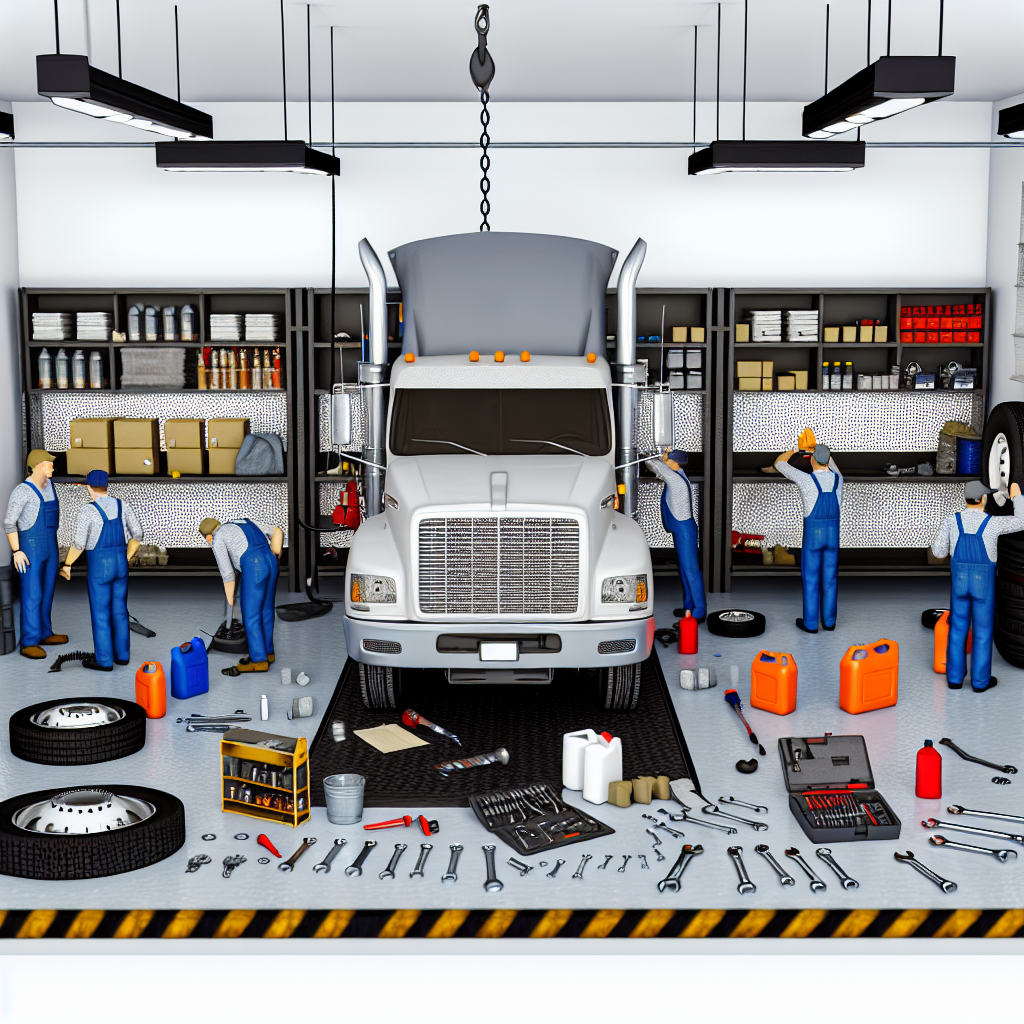
As a first-time truck owner, the excitement of driving off in your new vehicle is often overshadowed by the reality of ongoing financial responsibilities. Many new truck owners fall into the trap of believing that the purchase price is the extent of their costs. However, the truth is that the purchase price of a truck is only the beginning. Saving and managing routine vehicle maintenance is crucial for keeping your truck in top shape and avoiding unexpected expenses that can strain your wallet. From oil changes and brake inspections to tire replacements and insurance, understanding these regular costs is key to effective budgeting.
Moreover, it’s essential to plan for potential fluctuations in expenses, such as seasonal changes in fuel prices. As one expert aptly states, Managing finances as a first-time truck owner comes down to preparation and smart planning. By recognizing and anticipating these ongoing costs, you can create a solid financial framework that allows you to enjoy your truck without the stress of sudden financial burdens. In this article, we will explore the various aspects of budgeting for routine vehicle maintenance, helping you to stay organized, avoid costly oversights, and ensure your truck ownership journey is both enjoyable and financially manageable.

Ongoing Costs of Truck Ownership
When it comes to truck ownership, most first-time buyers focus solely on the initial purchase price, overlooking the numerous ongoing costs that add up over time. Managing these financial responsibilities is crucial for maintaining a budget and ensuring that ownership remains enjoyable and sustainable.
1. Insurance
Insurance is a significant expense for truck owners. On average, truck insurance can range from $8,000 to $12,000 annually, depending on factors such as the type of coverage, the truck model, and the owner’s driving history. Comprehensive coverage tends to be more expensive, often going upwards of $15,000 per year for those who opt for enhanced protection. Comparing quotes from different providers and evaluating necessary coverage can help in minimizing costs. For more detailed insights, refer to Progressive Commercial’s insurance cost guide.
2. Fuel Costs
Fuel represents one of the most variable and substantial expenses, with costs fluctuating based on current market conditions. Truck owners should budget approximately $70,000 annually for fuel depending on driving habits and fuel efficiency. Understanding fuel consumption and planning routes carefully can help in reducing this load on your budget.
3. Maintenance
Routine maintenance is critical for the longevity of any truck and comes with a price tag. The average maintenance costs can range from $15,000 to $20,000 per year, which includes regular oil changes, brake inspections, and tire replacements. Additionally, unexpected repairs can occur even with regular maintenance, making it vital to factor these costs into your budgeting. More information can be found in the 2024 Truck Maintenance Cost Guide.
4. Registration Fees
Truck registration fees can vary significantly based on state regulations, typically ranging from $800 to over $5,000 annually. First-time owners should be clear about the fees in their state and ensure these costs are included in their financial plans. A comprehensive overview of registration fees can be found on TruckersReport.
By assembling a clear understanding of these ongoing costs, first-time truck owners can establish effective budgeting strategies to navigate their new responsibilities with confidence. Beyond just preventing financial strain, being proactive about these expenses allows for a smoother ownership experience.
| Truck Model | Oil Change Cost | Tire Replacement Cost | Brake Inspection Cost |
|---|---|---|---|
| Ford F-150 | $60 | $1,000 | $150 |
| Chevrolet Silverado | $70 | $1,400 | $120 |
| Ram 1500 | $65 | $1,200 | $160 |
| Toyota Tacoma | $50 | $1,000 | $140 |
| Nissan Titan | $55 | $1,300 | $130 |
This table provides an overview of the typical maintenance costs associated with popular truck models, helping owners to plan their finances effectively.
Budgeting Strategies for Vehicle Maintenance
Effective budgeting is crucial for truck owners seeking to manage the costs associated with vehicle maintenance. Implementing well-thought-out strategies can significantly minimize financial stress and ensure a smooth ownership experience. Here are some actionable budgeting strategies:
1. Set Aside Monthly Funds
One of the most straightforward strategies is self-imposed savings for vehicle maintenance. By setting aside a fixed amount each month, truck owners can gradually build a maintenance fund. A recommended practice is to allocate between 15 to 20 cents per mile driven toward maintenance costs, as emphasized by Trucking Truth. This proactive approach allows owners to cover both scheduled services and unexpected repairs without disrupting their finances.
2. Use Apps for Tracking Expenses
Adopting technology to track expenses can lead to better financial management. Apps designed for budgeting can help truck owners record all maintenance-related expenses, from routine oil changes to major repairs. According to Owner Operator Direct, utilizing such apps enables real-time monitoring of costs and supports owners in identifying spending patterns. By analyzing these trends, truck owners can adjust their budgets more effectively and anticipate future expenditures.
3. Plan for Seasonal Changes in Fuel Prices
Fuel costs can vary significantly due to market fluctuations, making it essential to include these potential changes in your budget. As stated by industry experts, “Planning for seasonal changes in fuel prices helps maintain control over the budget.” Monitoring historical fuel price data and preparing for variations can help truck owners allocate sufficient funds for fuel. This can be done by keeping track of average prices during different seasons and adjusting savings accordingly.
4. Create a Separate Maintenance Savings Account
Establishing a dedicated savings account specifically for truck maintenance can be beneficial. This separation of funds helps ensure that money is readily available when maintenance needs arise. It also encourages disciplined savings behavior, providing peace of mind while preventing impulsive spending.
5. Build an Emergency Fund
In addition to a regular maintenance fund, creating an emergency savings buffer covering 3 to 6 months of maintenance costs can be lifesaving. Unexpected repairs can occur even with regular maintenance routines, so having additional savings can help truck owners tackle unforeseen expenses without financial strain.
In conclusion, truck owners who implement these budgeting strategies can effectively manage their vehicles’ maintenance costs while minimizing stress. As reiterated by experts, “Managing finances as a first-time truck owner comes down to preparation and smart planning.”

Budgeting Strategies for Vehicle Maintenance
Effective budgeting is crucial for truck owners seeking to manage the costs associated with vehicle maintenance. Implementing well-thought-out strategies can significantly minimize financial stress and ensure a smooth ownership experience. Here are some actionable budgeting strategies:
1. Set Aside Monthly Funds
One of the most straightforward strategies is self-imposed savings for vehicle maintenance. By setting aside a fixed amount each month, truck owners can gradually build a maintenance fund. A recommended practice is to allocate between 15 to 20 cents per mile driven toward maintenance costs, as emphasized by Trucking Truth. This proactive approach allows owners to cover both scheduled services and unexpected repairs without disrupting their finances.
2. Use Apps for Tracking Expenses
Adopting technology to track expenses can lead to better financial management. Apps designed for budgeting can help truck owners record all maintenance-related expenses, from routine oil changes to major repairs. According to Owner Operator Direct, utilizing such apps enables real-time monitoring of costs and supports owners in identifying spending patterns. By analyzing these trends, truck owners can adjust their budgets more effectively and anticipate future expenditures.
3. Plan for Seasonal Changes in Fuel Prices
Fuel costs can vary significantly due to market fluctuations, making it essential to include these potential changes in your budget. As stated by industry experts, “Planning for seasonal changes in fuel prices helps maintain control over the budget.” Monitoring historical fuel price data and preparing for variations can help truck owners allocate sufficient funds for fuel. This can be done by keeping track of average prices during different seasons and adjusting savings accordingly.
4. Create a Separate Maintenance Savings Account
Establishing a dedicated savings account specifically for truck maintenance can be beneficial. This separation of funds helps ensure that money is readily available when maintenance needs arise. It also encourages disciplined savings behavior, providing peace of mind while preventing impulsive spending.
5. Build an Emergency Fund
In addition to a regular maintenance fund, creating an emergency savings buffer covering 3 to 6 months of maintenance costs can be lifesaving. Unexpected repairs can occur even with regular maintenance routines, so having additional savings can help truck owners tackle unforeseen expenses without financial strain.
For additional resources on budgeting and financial planning, consider visiting:
- Financial Planning – Consumer Financial Protection Bureau: Official government resource providing tools and guidance for financial planning.
- Budgeting: How to create a budget and stick with it – Federal Trade Commission: Government guide explaining step-by-step budgeting methods and tracking expenses.
- MyMoney.gov – U.S. Financial Literacy and Education Commission: Federal government website dedicated to teaching financial literacy and offering budgeting tools.
- Budgeting & Saving – USA.gov: Official U.S. government portal with comprehensive budgeting resources, including how to create a budget and reduce expenses.
- Personal Finance – Investor.gov (SEC Office of Investor Education and Advocacy): SEC-backed resource covering budgeting basics and avoiding financial fraud.
In conclusion, truck owners who implement these budgeting strategies can effectively manage their vehicles’ maintenance costs while minimizing stress. As reiterated by experts, “Managing finances as a first-time truck owner comes down to preparation and smart planning.”
Conclusion
In summary, owning a truck comes with significant financial responsibilities that extend far beyond the initial purchase price. First-time truck owners often underestimate ongoing costs related to insurance, fuel, maintenance, and registration fees. As discussed in this article, it is critical to recognize that maintaining a truck requires proactive financial planning and disciplined budgeting.
Regular maintenance expenses—such as oil changes, tire replacements, and urgent repairs—can add up quickly, emphasizing the importance of allocating funds specifically for these purposes. By setting aside a designated maintenance fund, utilizing budgeting apps, and building an emergency savings buffer, truck owners can navigate these costs more effectively.
Furthermore, a thorough understanding of truck ownership costs is essential. From budgeting for routine maintenance to factoring in unexpected repairs, financial planning for trucks ensures that owners can manage their expenses without sacrificing their enjoyment of truck ownership. Additionally, understanding seasonal fuel price fluctuations and adjusting budgets accordingly can help prevent financial strain. The key takeaway is that responsible truck ownership relies heavily on preparation and smart financial planning.
Thus, being proactive in budgeting for maintenance expenses is not just wise but essential for ensuring that truck ownership remains a rewarding journey rather than becoming a source of financial concern. By establishing a strong financial plan, truck owners can enjoy their vehicles to the fullest without the burden of unexpected expenses looming overhead.
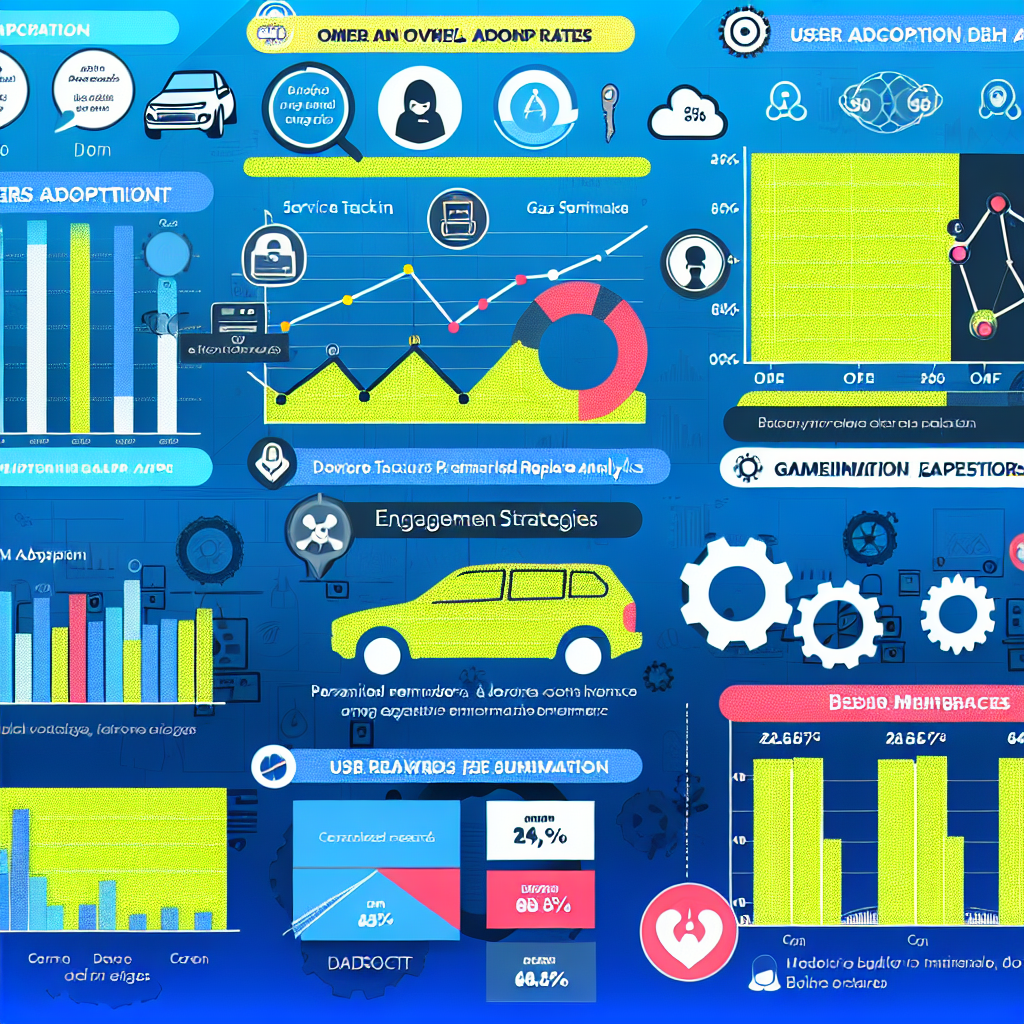
User Adoption Data of Budgeting Apps for Vehicle Maintenance
Research into the user adoption of budgeting applications tailored for vehicle maintenance reveals several compelling trends and insights:
-
Overall Adoption Rate: According to a recent JD Power survey, about 80% of U.S. gasoline vehicle owners have interacted with vehicle companion apps, indicating a steady increase since 2024. However, it’s noteworthy that only 27% of these users engage with the apps frequently, which suggests that while many individuals are adopting these tools, consistent usage remains a challenge.
– For more details, check the full survey here. - Desired Features: The survey highlights key features that users look for in vehicle maintenance apps, with 61% wanting garage door control, 39% interested in digital key functionality, and 38% desiring climate control management. These features can enhance convenience but suggest that beyond core budgeting functions, users are drawn to advanced capabilities.
- Engagement Strategies: The MyAutoLog app, focused on vehicle maintenance management, integrates personalized AI to improve user interaction. By providing tailored maintenance suggestions, smart reminders, and cost-trend analyses, the app aims to boost user engagement and encourages consistent usage through simplified expense tracking. More can be learned from Tapronix LLC’s features announcement here.
- Comprehensive Tracking: Another application, My Car – Vehicle Manager, offers extensive cost-tracking capabilities, including detailed fuel efficiency monitoring and service history logging. By providing visual statistics, it empowers users to minimize transportation costs and reflects a growing trend towards comprehensive tools that cover various vehicle expenses. For more info, explore KineApps Oy’s offerings here.
- Focus on Total Cost: The Fuel Cost Calculator & Tracker emphasizes total cost of ownership (TCO) analysis, enabling users to optimize vehicle efficiency. It includes features like maintenance reminders and instant cost breakdowns to facilitate better budgeting for vehicle upkeep. More details are available from the developers here.
Summary
Overall, while the adoption of budgeting apps for vehicle maintenance is on the rise, the challenge lies in sustaining user engagement. Features that enhance convenience and provide comprehensive tracking are critical in attracting and retaining users, indicating a shift towards applications that not only assist with budgeting but also offer actionable insights for maintaining vehicles effectively.
By staying informed about the latest trends and utilizing these tools, vehicle owners can better manage their maintenance costs and improve their overall budgeting strategies.

Unexpected Repairs and Financial Preparation
No matter how diligent you are with regular maintenance, unexpected repairs can still occur, often leading to financial strain. Statistics show that 78% of truck owners experience at least one unexpected repair during the first five years of ownership. Such repairs can stem from various factors, including brake system failures (23%), engine issues (19%), and transmission problems (15%) typically resulting in costs that can range from $1,000 to $15,000 per incident, according to the Trucking Industry Association.
To effectively mitigate the financial burden of these unexpected expenses, consider implementing the following strategies:
1. Establish a Dedicated Savings Fund
Creating a dedicated emergency fund specifically for vehicle repairs is a prudent practice. Financial experts recommend maintaining a reserve of $1,000 to $2,500 to cover unplanned repairs. This amount may seem daunting initially, but consistent monthly deposits can build this buffer over time.
2. Set Aside Monthly Allocations
As suggested by the Consumer Financial Protection Bureau, allocate 15-20% of your total vehicle budget to maintenance and repairs. This proactive approach can lessen the sting of sudden repair costs.
3. Utilize Budgeting Apps
Employ budgeting apps designed for tracking vehicle expenses to regularly monitor your maintenance and repair expenditures. These tools can help identify spending patterns and allow you to adjust your budget proactively.
4. Consider Extended Warranties
For newer vehicles, it might be wise to consider obtaining an extended warranty. Such coverage often provides peace of mind and can significantly reduce out-of-pocket repair expenses.
5. Engage in Regular Preventive Maintenance
Regular routine maintenance can minimize the likelihood of major repairs down the road. Keeping an eye on wear-and-tear components can prevent small issues from evolving into costly emergencies.
6. Educate Yourself About Common Repairs
Understanding common truck repairs and their associated costs can empower you to budget more effectively. Familiarize yourself with potential pitfalls and anticipate routine repairs to better prepare financial backup plans.
In summary, the uncertainty of unexpected repairs can be daunting, but through careful financial planning and proactive savings strategies, truck owners can navigate these challenges with greater confidence. By recognizing the importance of budgeting for maintenance and preparing for the unexpected, you can ensure that your truck ownership experience remains enjoyable and financially manageable.
Ongoing Costs of Truck Ownership
When it comes to truck ownership, first-time buyers often only consider the purchase price. However, numerous ongoing costs accumulate over time, making effective financial management essential for a sustainable ownership experience.
1. Insurance
Insurance is a major expense for truck owners. Depending on coverage type, truck model, and the owner’s driving history, costs can range from $8,000 to $12,000 annually. Comprehensive coverage may exceed $15,000 per year. To minimize costs, comparing quotes from various providers is beneficial. For further insights, refer to Progressive Commercial’s insurance cost guide.
2. Fuel Costs
Fuel is a significant and variable expense, influenced by market conditions. Truck owners should budget about $70,000 annually for fuel, depending on driving habits and fuel efficiency. Understanding consumption patterns and planning routes can help manage this expense.
3. Maintenance
Routine maintenance is vital for a truck’s longevity, averaging $15,000 to $20,000 per year. This cost includes regular oil changes, brake inspections, and tire replacements. Unexpected repairs can also arise, so it is critical to account for these in your budget. For more details, see the 2024 Truck Maintenance Cost Guide.
4. Registration Fees
Truck registration fees differ based on state regulations, typically ranging from $800 to over $5,000 annually. First-time owners should check the fees in their state and include them in their financial plans. A complete overview of registration fees can be found on TruckersReport.
By understanding these ongoing costs, first-time truck owners can establish effective budgeting strategies to manage their new responsibilities confidently. Being proactive about these expenses can lead to a smoother ownership experience.