
Motor vehicle services encompass a range of activities critical to the maintenance, repair, and operational support of vehicles. For local private car owners, used car buyers and sellers, and small business fleet operators, understanding the intricacies of these services ensures not only the longevity of vehicles but also optimal performance and safety. This guide will delve into various chapters, starting with an exploration of what motor vehicle services exactly entail, before breaking down key components and maintenance practices. We will investigate the increasingly pivotal role of technology in diagnostic testing, the impact of these services on fleet management and military contexts, and conclude with an overview of the regulations and standards governing the industry.
Motor Vehicle Services Unfolded: Definition, Scope, and the Lifespan of Roadworthy Care
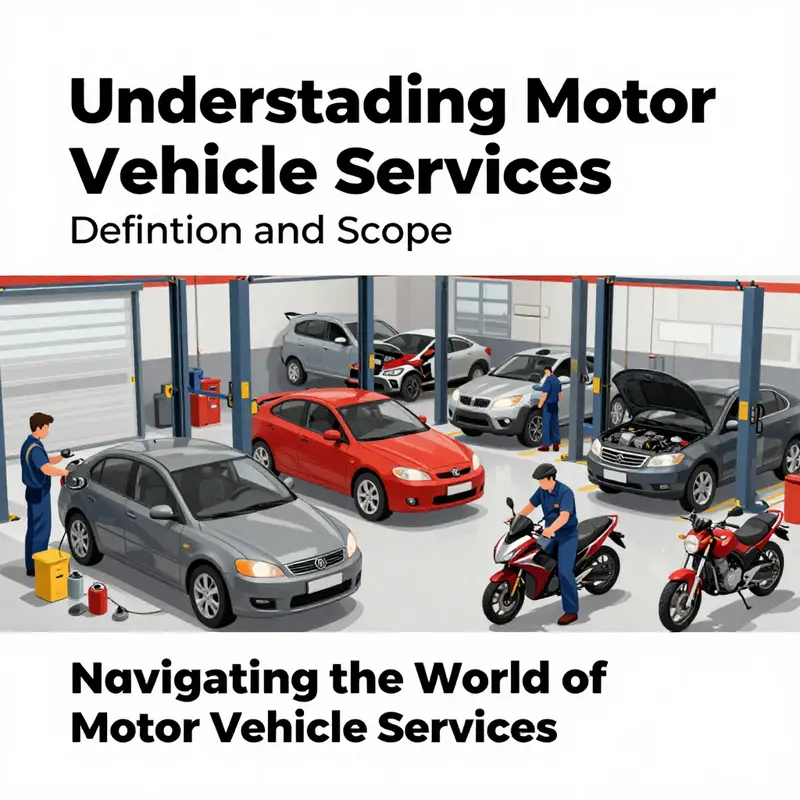
When people think about motor vehicle services, they often picture a simple oil change or a tire rotation. Yet the landscape of motor vehicle services is a living ecosystem that encompasses much more than routine upkeep. It is a structured, multi-layered set of activities designed to preserve safety, reliability, and longevity across the entire life of a vehicle. At its core, motor vehicle services refer to the active work performed on vehicles—mechanical, electrical, and pneumatic tasks that keep systems functioning, prevent breakdowns, and extend the car’s or truck’s useful life. This is not merely about mending what breaks but about maintaining a state of readiness that makes the vehicle dependable in daily use and resilient under demanding conditions. The distinction between service as upkeep and service as repair is subtle but important: servicing emphasizes prevention, inspection, and preventive replacements; repair focuses on restoring function after a fault has appeared. Taken together, they form the continuum through which ownership becomes a manageable relationship with machinery rather than a series of disruptive surprises.
The scope of motor vehicle services is broad and practical. It includes the everyday, such as scheduled servicing and fluid checks, and it extends into more complex domains like diagnosing electrical faults, conducting engine overhauls, and managing tire performance over time. It also covers tasks that involve fitting or removing components, which means that technicians must be adept at both mechanical and technical work. In many regulatory frameworks, the service space is defined not as storage or parking facilities but as premises where active work on vehicles is performed. This distinction matters because it frames what technicians do, what equipment they use, and the standards they must meet. In practical terms, a workshop that installs brakes, repairs electrical systems, or replaces a battery is operating within the realm of motor vehicle services, while a site that simply stores parked vehicles without performing work is not.
This comprehensiveness matters for how owners think about their vehicles. Routine maintenance is about inspection and timely component replacement—spark plugs, timing belts, filters, fluids, and tires—while more in-depth work includes diagnosing subtle faults that do not immediately affect performance but threaten reliability. Modern service shops are equipped to handle this full spectrum through a mix of diagnostic testing, mechanical repair, electrical work, and the fitment of parts and accessories. The idea is to keep a vehicle not just running but running well, with systems that operate within their designed tolerances and with predictable behavior that supports safe driving.
The civilian sector has built an expansive ecosystem around these activities. Independent garages, authorized dealer service centers, and large repair facilities all contribute to a lifecycle that begins with preventive maintenance and extends through minor repairs, major repairs, restoration, and even customization. Diagnostic testing has grown increasingly sophisticated, relying on specialized tools that interface with electronic control units, sensors, and networked systems within the vehicle. This technology enables technicians to pinpoint problems with accuracy and speed, reducing downtime and helping customers make informed decisions about required interventions. It also means service centers must invest in ongoing training and up-to-date equipment to stay current with evolving vehicle technology.
In addition to traditional repair and maintenance, the field includes tire management, alignment, suspension work, brake servicing, and the ongoing attention to electrical systems that power everything from lighting to advanced driver-assistance features. The fitment of parts—whether for performance upgrades, safety improvements, or routine replacements—plays a crucial role in extending a vehicle’s lifespan and maintaining its safety margins. These activities are all interconnected: a fault in one system can cascade into other areas, and a well-executed service plan can prevent a domino effect that would otherwise lead to more expensive repairs later.
A unique aspect of motor vehicle services lies in the role of standards and regulation. While every region may have its own specifics, there is a shared emphasis on safety, legality, and quality. For instance, Western Australia’s regulatory framework highlights that the scope includes installation, servicing, repair, overhaul, or removal of electrical equipment or systems in a motor vehicle. Such definitions help define what constitutes legitimate service activity and set expectations for professional competence, traceability, and accountability. This regulatory baseline reinforces the idea that service premises are about active work performed on vehicles and not just about storing or parking them. It also underpins legitimate consumer protections, ensuring that work is performed by qualified technicians using appropriate tools and procedures.
The military context adds another layer to the story of motor vehicle services. In defense settings, service operations ensure that vehicles and tractors remain operational in extreme conditions and across challenging terrains. The emphasis shifts toward reliability under pressure, rapid field maintenance, and the capability to recover and repair vehicles in the field. Training becomes a central element, with personnel learning driving and vehicle handling, as well as how to interpret technical manuals and safety regulations. The research oriented side—improving performance, reducing wear, and preventing accidents—becomes mission-critical. Even here, the same fundamental principles apply: proactive maintenance, meticulous diagnostics, and timely interventions are the keys to sustaining operation and safety.
A modern picture of motor vehicle services cannot avoid the digital layer that surrounds this work. Digital technologies have expanded the reach and efficiency of service delivery. Online booking systems streamline access to service slots, while real-time progress tracking helps customers and fleet managers understand when work will begin and what steps remain. Remote diagnostics, enabled by connected car platforms, offer the ability to monitor vehicle health from afar, anticipate faults, and guide on-site technicians with precision. Digital records create a transparent service history, which benefits owners, insurers, and service providers alike. This fusion of hands-on work with data-driven insight helps services evolve from episodic fixes to continuous care, supporting a lifecycle mindset rather than a one-off repair mentality.
The physical spaces where these activities occur—the garages, service stations, and authorized dealer centers—are more than just rooms with tools. They are environments designed to enable skilled technicians to apply complex procedures safely and efficiently. The equipment is specialized: lifts that enable hands-on access to undercar components, robust diagnostic consoles that speak the language of modern vehicles, and the range of tools required to disassemble, test, repair, and reassemble subsystems. The narrative of motor vehicle services is thus as much about craftsmanship as it is about systems engineering. In tandem with this craft, there is a growing emphasis on safety and regulatory compliance. Training programs, safety manuals, and regulatory guidelines shape daily practice, ensuring that every intervention preserves not only the vehicle’s functionality but the well-being of the operators and the driving public.
For vehicle owners, understanding the breadth of motor vehicle services can transform how they manage risk and cost. Routine servicing—oil changes, fluid checks, and filter replacements—creates a first line of defense against wear and unexpected failure. More complex work—diagnostics, engine overhauls, electrical repairs—requires professional expertise and time. The decision about when to pursue such interventions hinges on symptoms, service history, and the vehicle’s age and operating environment. A well-structured service plan, informed by manufacturer recommendations and professional assessments, helps balance cost with safety and reliability.
Within this broad framework, a simple reminder can carry meaningful impact: the maintenance intervals you adopt should reflect both the vehicle’s design and the realities of how you drive. For those seeking practical guidance on preventive intervals, there is value in consulting reliable sources focused on maintenance timing and intervals. For instance, the article on optimal oil change intervals discusses how to align time-based versus mileage-based recommendations with actual driving patterns, helping you tailor a plan that respects both engine health and budget. optimal oil change intervals is a resource that offers targeted guidance on this aspect of routine servicing.
As the field continues to evolve, the thread that ties all these activities together is a shared objective: roadworthiness. Vehicles are complex systems whose safety depends on the integrity of many interacting parts. Motor vehicle services, in their fullest sense, are the disciplined care that keeps those parts aligned and functioning in concert. The work spans preventive maintenance, diagnostic diligence, precise repair, careful component fitment, and, increasingly, data-informed decisions that anticipate problems before they manifest on the highway. This is why the service ecosystem—from the technician’s skill to the service facility’s equipment, from regulatory definitions to digital tools—matters to everyone who depends on a car or truck to perform reliably.
For readers pursuing a broader view of the field, it is helpful to see how the service profession sits within the wider transportation and safety landscape. Official bodies and government agencies provide normative guidance and consumer protections that shape how services are delivered. The practical reality, however, remains rooted in the daily work of technicians and the systems they rely on to maintain vehicles in a safe, reliable state. In this sense, motor vehicle services are not a single task but a continuous practice—a disciplined, ever-adapting craft that supports mobility, safety, and the smooth functioning of modern societies. For additional authoritative guidance on vehicle safety and maintenance standards, see the National Highway Traffic Safety Administration online resources. The link offers access to comprehensive information on vehicle safety and consumer protection in the motor vehicle service sector and underscores how standards translate into everyday practice on the shop floor and on the road.
Under the Hood of Service: How Motor Vehicle Care Shapes Safety, Longevity, and Everyday Mobility
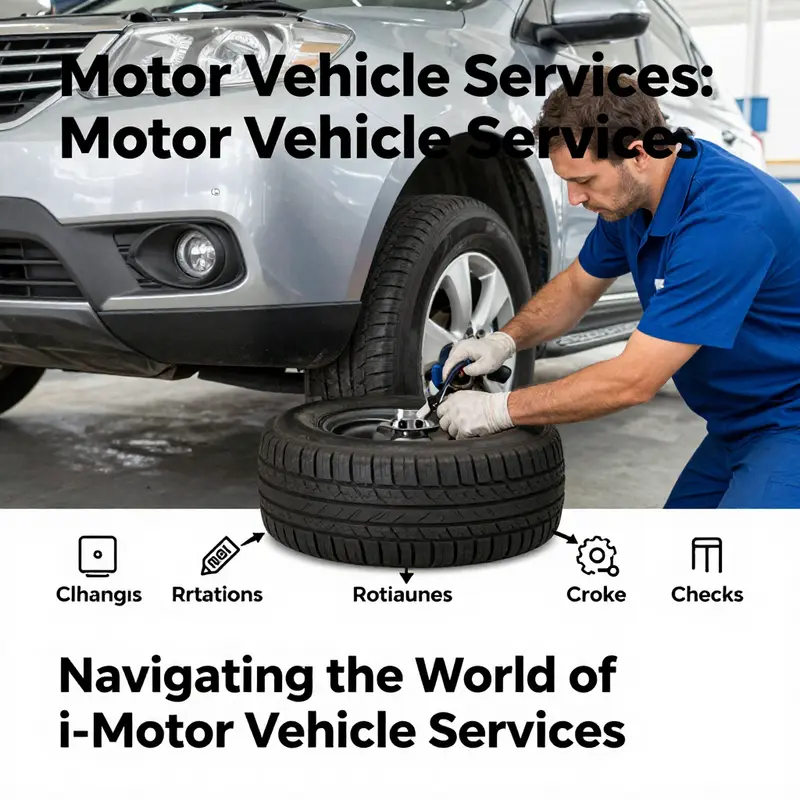
Motor vehicle services form the unseen governance of everyday mobility. They are not merely a list of tasks performed at a shop; they are a continuous, systemic practice that links the driver, the machine, and the roads to ensure safety, reliability, and value over time. In civilian life, this service ecosystem spans routine maintenance, complex repairs, diagnostics, and even the preparatory work of restoration and customization. In military and industrial settings, the same care becomes a mission-critical discipline, where vehicles and tractors must perform under demanding conditions and for long horizons. The core aim of motor vehicle services is straightforward yet profound: to keep moving parts coordinated, to prevent failures before they happen, and to extend the useful life of a vehicle while maintaining the highest standards of safety for the people who rely on it. This overarching purpose threads through the many specialized activities that technicians perform, from the hum of a tire changer in a crowded shop to the quiet precision of a diagnostic station where a vehicle’s electronic brain is interrogated for faults that could otherwise go unseen until a breakdown occurs on a busy highway or a remote work site.
At the heart of every vehicle’s daily operation lies a web of systems that must work in concert. The battery and alternator sit at the center of this web, powering starting circuits, lighting, infotainment, and the network of sensors that keep the engine, transmission, and chassis responsive. The battery is designed to weather extremes of heat and cold, delivering reliable starts and steady voltage across a broad operating range. To maximize life and performance, technicians emphasize regular assessment of battery health, terminal cleanliness, and corrosion control, with a practical rule of thumb recommending replacement roughly every three to five years or sooner if cranking becomes sluggish. In stop‑start driving environments, where the electrical load is high and the engine cycles frequently, OEM-rated or AGM (Absorbent Glass Mat) designs often deliver superior endurance and quicker, more stable starts, reducing the risk of mid‑trip failures that can cascade into larger electrical problems.
The alternator, meanwhile, is the engine’s electricity factory, converting mechanical energy into electrical power and recharging the battery while the engine runs. A failing alternator can be silent for a while, but its effects are cumulative: dimming headlights, dying dashboards, and, ultimately, a vehicle that cannot sustain essential electrical demands. For this reason, annual voltage testing after the vehicle has aged a few years becomes a prudent practice. Early signs—creeping electrical resistance, fluctuating voltage, or unusual sounds—should prompt a diagnostic check before a more consequential failure occurs. Taken together, the battery and alternator illustrate a broader truth about motor vehicle services: small, well-timed interventions are far less costly than major repairs born from neglect.
Beyond these electrical backbone components, modern motor vehicle services increasingly revolve around the data-driven, software-infused realities of today’s cars. Vehicles are not just mechanical assemblies; they are networks of electronic control units, sensors, and software that govern everything from engine timing and air-fuel mixtures to adaptive cruise, lane keeping, and climate control. Alongside the traditional service repertoire—tire rotations, brake checks, oil changes, and belt inspections—shops now routinely perform diagnostic testing with high-precision tools, calibrate sensors, and install software updates that optimize performance, efficiency, and safety. The shift toward digital integration has also reshaped the relationship between service providers and customers. Online booking, real-time service progress tracking, and remote diagnostics via connected car platforms are becoming standard expectations, presenting both opportunities and challenges for technicians who must interpret data streams, translate codes into actionable repairs, and communicate clearly with vehicle owners about recommended work and timing.
This expanded view of maintenance and repair naturally broadens the scope of what “service” means. It now includes not only returning a vehicle to a pristine mechanical state but also managing its electronic ecosystem, its software health, and its compatibility with evolving standards and technologies. The lifecycle view matters here: maintenance is not a single act but a continuous program that follows the vehicle from routine miles to major overhauls, through wear and tear, and into eventual retirement or repurposing. In this sense, service centers act as stewards of a vehicle’s lifecycle, balancing immediacy with foresight, addressing urgent needs while planning for longer-term reliability and safety. Within this framework, the practices of professionals—whether they are repairing a stubborn misfire, replacing a worn tire, or updating a sophisticated driver-assistance system—are guided by a disciplined approach to inspection, testing, and documentation.
A practical thread running through all these activities is the recognition that maintenance and repair must be grounded in standards and a respect for safety regulations. Industry guidelines from transportation authorities anchor the work, offering expectations for inspection intervals, critical safety checks, and consumer protections. The National Highway Traffic Safety Administration (NHTSA), for example, provides a repository of resources that inform best practices, emphasize preventive care, and guide how technicians communicate risk and recommended actions to drivers. This regulatory backbone reinforces the idea that every service interaction is an opportunity to reduce risk on the roads and to help drivers understand how proper maintenance translates into safer journeys for themselves and others sharing that space.
A skilled motor vehicle service is not merely a set of individual tasks; it is a cohesive practice that straddles hands-on labor and analytical observation. While replacing a battery or tightening a loose belt is straightforward in a well-equipped shop, diagnosing an intermittent electrical fault or calibrating a radar sensor requires a blend of experience, diagnostic software, and precise measurement. The industry has learned to value this blend because modern failures do not always present as clear, isolated problems. A sensor that drifts slightly out of spec can mimic a transmission fault, an alternator that falters under high loads can look like a battery issue, and a software update can resolve issues that hardware swaps alone cannot. Therefore, an effective service philosophy emphasizes not only corrective actions but preventive strategies, including routine checks, data-driven inspections, and a willingness to adapt as vehicle technology evolves.
The human element remains central. Training personnel, drafting technical manuals, and enforcing safety regulations are foundational activities that shape every repair, service, and diagnostic decision. In military contexts, this training becomes a formal discipline, with procedures designed to ensure vehicles remain mission-ready and resilient under pressure. In civilian settings, technicians cultivate a precise craft that combines traditional mechanical intuition with modern instrumentation. The enduring lesson is that reliability comes from a culture of continuous learning and accountability, where workers document what they observe, verify what they fix, and communicate clearly about the implications for the vehicle and its owner.
As vehicles increasingly integrate with smart technology and electrification, maintenance needs shift toward addressing high-voltage systems, software integrity, and networked subsystems. High-voltage battery management, thermal management for propelling systems, and secure software updates demand specialized tools and training. The maintenance ecosystem thus evolves into a hybrid of mechanical prowess and software engineering, with technicians often collaborating with engineers, data scientists, and cybersecurity professionals to ensure that the vehicle’s digital personality remains robust and safe. In this environment, diagnostic mastery expands beyond reading a fault code to interpreting continuous data streams, predicting wear patterns, and scheduling interventions that minimize downtime and maximize safety margins. The chapters of this overarching story—diagnostics, repair, parts replacement, and support services such as roadside assistance—interlock to form a resilient system that supports drivers wherever they travel.
To sustain this elaborate service ecosystem, one must consider the practical realities of access to parts, equipment, and expertise. A robust parts and accessories supply chain ensures that technicians can source genuine or compatible components efficiently, reducing downtime and preserving vehicle integrity. Support services—roadside assistance, towing, and emergency rescue—provide a safety net that complements preventive care. And at every stage, the customer experience matters. Online scheduling, transparent pricing, and clear explanations of what is needed and why help build trust and encourage ongoing maintenance. The most effective motor vehicle services recognize that people drive cars for reasons as varied as their destinations; the service narrative must be adaptable enough to accommodate family needs, commercial fleets, and specialized missions alike while preserving the universal goals of safety and reliability.
In this evolving landscape, a holistic view of maintenance emphasizes that care is a continuous, connected practice rather than a sequence of discrete fixes. The emphasis on preventive maintenance, timely diagnostics, and judicious component replacement translates directly into reduced downtime, lower long-term costs, and a safer driving environment for everyone on the road. It is a careful balance between honoring the vehicle’s current condition and anticipating its future needs, guided by data, professional judgment, and a shared commitment to responsible stewardship of mobility. For readers seeking practical guidance within this broader frame, many service resources offer detailed checklists and interval recommendations that illuminate how to plan and prioritize care without sacrificing convenience or safety. One such resource distills actionable insights about routine maintenance into accessible guidance that can be integrated into a driver’s regular routine: optimal oil change intervals: time vs. mileage.
In closing, motor vehicle services illuminate a simple truth: cars perform best when care is continuous, informed, and collaborative. This care unfolds through a duet of hands-on expertise and digital intelligence, a synergy that keeps engines humming, brakes responsive, and sensors aligned with the world the vehicle moves through. It is a discipline that honours the vehicle’s history while preparing it for the road ahead, ensuring maintenance remains a practical habit rather than an occasional necessity. By embracing this integrated approach, drivers can enjoy safer journeys, longer vehicle lifespans, and a deeper sense of confidence that the machine they rely on will respond when they need it most. External references offer theoretical grounding and specific case studies that reinforce these ideas, and they remind us that safety standards, consumer protections, and ongoing innovation all converge in the service of reliable mobility. External reference: Honda Civic Motor Car Overview – Key Features, Specifications, and Industrial Applications Explained (Published: December 24, 2025) https://www.hondacivic.com/vehicle-services-guide
Connected Diagnostics: How Testing and Software Integration Keep Vehicles Road-Ready
Connected Diagnostics: A Unified Approach to Vehicle Health
The practice of diagnosing and maintaining motor vehicles has evolved from manual checks and rule-of-thumb fixes into a tightly integrated blend of electronic testing, software management, and data-driven service workflows. Modern vehicles are networks of sensors and control units, and effective motor vehicle services now depend on tools and processes that can read, interpret, and act on that network. This chapter describes how diagnostic testing and technology integration work together to shorten repair cycles, improve safety, and preserve vehicle value across civilian and specialized sectors.
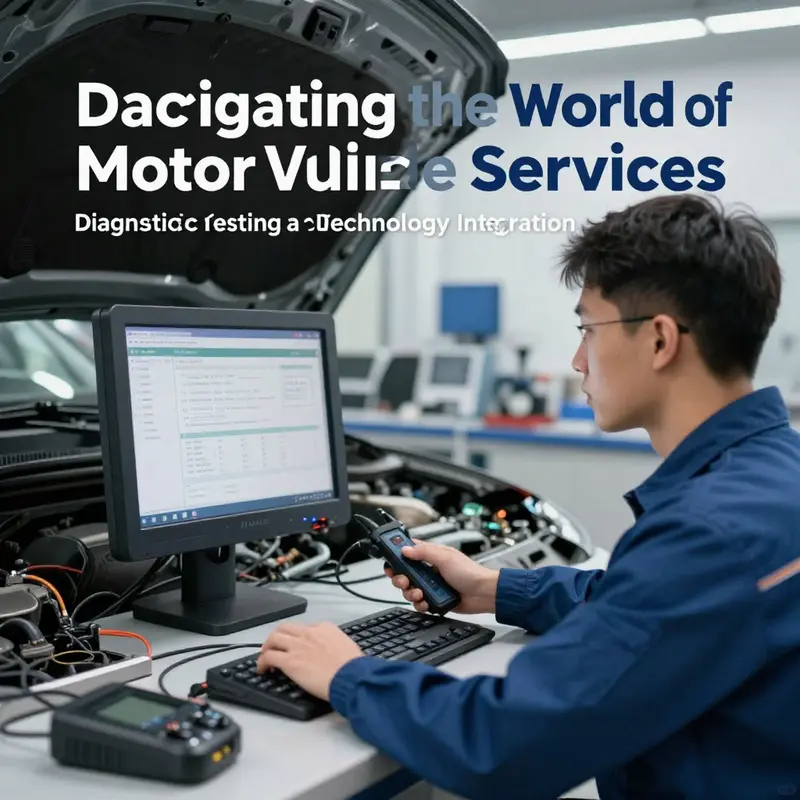
At the mechanical heart of contemporary diagnostics are the vehicle control modules. These electronic control units (ECUs) manage engine timing, fuel delivery, emissions controls, braking systems, and multiple safety functions. Each ECU collects sensor signals and executes software routines that keep systems within designed parameters. When a parameter deviates, the control module logs a fault and often triggers a dashboard alert. The service process begins when technicians connect an external diagnostic tester to the vehicle’s onboard diagnostics port. That connection opens access not only to fault codes, but also to live sensor data and the internal state of programmable modules.
Diagnostic tools range in sophistication from simple code readers to intelligent testers that replicate manufacturer-level capabilities. Basic tools can retrieve stored codes and clear historical faults. Advanced testers, however, perform several critical tasks in one workflow: they interrogate multiple control units, interpret manufacturer-specific codes, map data streams to likely root causes, and provide guided repair steps. Intelligent testers also maintain program recognition—matching software versions and calibration levels within a vehicle’s modules—and they can compare installed firmware to current releases in a central reference database.
This software-awareness alters how motor vehicle services are planned and executed. Where a mechanical replacement once resolved many symptoms, technicians now consider firmware updates and calibration corrections as routine steps. Software updates can close performance gaps, resolve known software defects that manifest as drivability issues, and ensure regulatory compliance for emissions-related controls. Because testers can download and install updated firmware directly to control modules, repair shops reduce the need for extended bench work or module replacement. The result is a shorter downtime and a lower total cost of ownership for vehicle operators.
Integrated diagnostics also change the diagnostic reasoning process. Rather than treating a fault code as a definitive answer, modern workflows treat codes as pointers within a broader data set. Technicians cross-reference live sensor values, freeze-frame data captured at the time of fault, and historical patterns stored in vehicle telematics. This triangulation helps separate true faults from transient conditions and avoids unnecessary part replacements. It also supports preventative service by revealing performance trends before they escalate into failures.
Connectivity expands the reach of these capabilities. Many service providers connect diagnostic testers to cloud platforms. These platforms store software release notes, known-fault signatures, and service bulletins. They also allow testers to verify a module’s firmware version against a manufacturer-maintained baseline and, if needed, retrieve the appropriate update package. Cloud-assisted workflows let service centers share diagnostic cases, compare symptom histories, and accelerate problem resolution across a network of technicians. For fleet operators, centralized diagnostics provide a unified view of vehicle availability, recurring faults, and component lifecycles.
The interaction between remote diagnostics and on-vehicle testers is particularly valuable for roadside support and rapid recovery operations. A tow operator or mobile technician can transmit diagnostic snapshots to a central service desk, which then recommends a targeted repair or a tow destination equipped for the required work. This reduces misdirected tows and increases first-visit fix rates. In contexts where uptime is mission-critical — such as logistics or field operations — these efficiencies directly translate into operational resilience.
Security and data integrity are essential considerations in this integrated ecosystem. Updating a control module involves writing code into a system that directly affects vehicle behavior. Proper authentication, secure delivery channels, and rollback mechanisms are necessary to guard against corrupted updates or unauthorized access. Diagnostic tools and platforms now incorporate encryption and certificate-based authentication to ensure that only validated updates are applied and that diagnostic commands come from trusted sources.
Training and documentation complete the integration picture. As vehicle systems grow more complex, technicians require both mechanical skill and software literacy. Effective motor vehicle services pair hands-on training with digital resources: interactive manuals, step-by-step guided diagnostics, and software simulation environments. These resources turn abstract fault codes into actionable repair steps and shorten the learning curve for new technicians. Service centers that invest in continuous training tend to resolve issues faster and maintain higher customer satisfaction.
Operational processes must adapt as well. Service centers redesign workflows to capture diagnostic data at intake, schedule software updates as part of routine maintenance, and log update histories in vehicle records. This approach prevents redundant work and creates an audit trail for warranty and compliance needs. For fleets, standardized update schedules ensure all vehicles operate with consistent software baselines, reducing variability in performance and maintenance requirements.
Finally, the customer experience benefits when diagnostic testing and technology integration are applied thoughtfully. Online booking that includes pre-service diagnostic checks, transparent reports showing live data before and after service, and clear explanations of software-related repairs build trust. Owners who understand that an update or calibration was necessary — rather than opaque repairs — are more likely to view maintenance as value-preserving rather than cost-driven.
The consolidation of diagnostic testing and digital integration is not a one-off improvement; it is a continuing shift that shapes how motor vehicle services are delivered. Vehicles become diagnostically visible, repair workflows become software-aware, and service providers become data-enabled. This blend of mechanical expertise and technological capability forms the backbone of dependable, efficient vehicle upkeep.
For practical maintenance guidance that complements diagnostic strategies, see the KMZ Vehicle Center blog for broader service topics and tips. For a deeper technical background on integrating service strategies with vehicle technology, consult the research by E. Juehling: https://doi.org/10.1109/ICIT.2010.5506738.
Keeping Fleets and Forces Moving: The Strategic Role of Motor Vehicle Services
Keeping Fleets and Forces Moving: The Strategic Role of Motor Vehicle Services
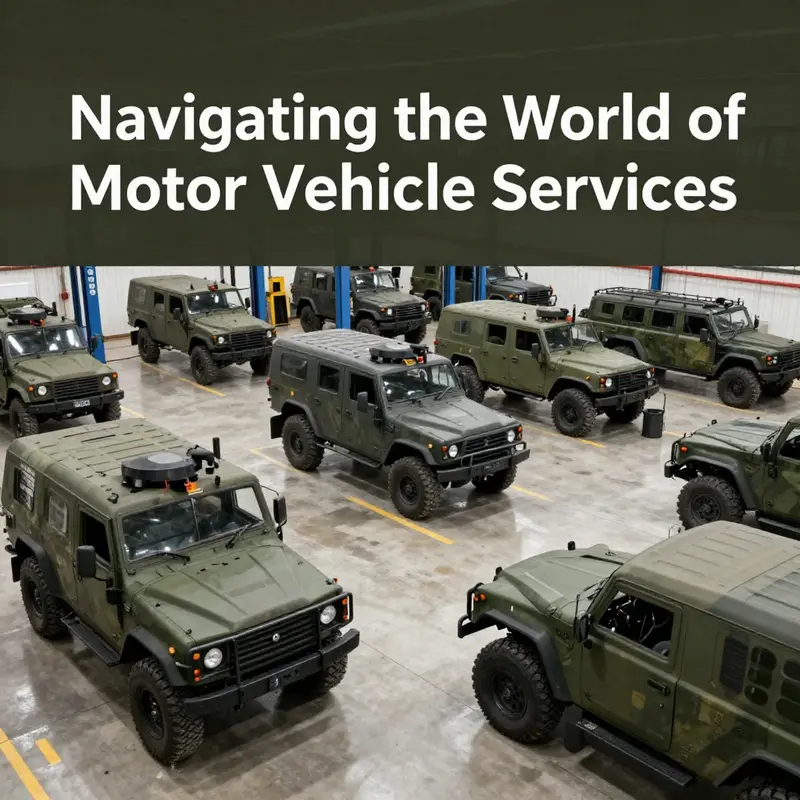
Motor vehicle services form the backbone of both commercial fleet operations and military mobility. They do far more than repair broken parts; they maintain operational readiness, manage costs, and preserve the life of valuable assets. Whether a fleet manager is responsible for a line of delivery vans or a military logistics officer is accountable for armored convoys, the systems and practices behind motor vehicle services determine how reliably vehicles perform when needed most.
At the core of effective motor vehicle services is a proactive approach to maintenance. Preventive programs schedule routine inspections, oil changes, brake checks, and tire rotations to catch wear and tear before it becomes critical. For fleets, this reduces unscheduled downtime and keeps vehicles on the road generating revenue. In military contexts, preventive care translates directly to mission capability: a vehicle that is inspected and maintained can complete a sortie, deliver supplies, or extract personnel under pressure. Standardized maintenance protocols and record-keeping are essential. They create a historical trail that informs future repairs, parts replacement cycles, and budgeting decisions.
Diagnostics and technical support are another pillar. Modern vehicles increasingly rely on electronic control systems, sensors, and telemetry. Skilled technicians use diagnostic tools to read fault codes, interpret sensor data, and pinpoint failures. Accurate diagnostics reduce the time vehicles spend in repair bays. In fleets, quicker turnarounds lower the cost-per-mile and improve scheduling reliability. For the military, speed and accuracy in diagnosis mean vehicles can return to service during tight operational windows. Beyond troubleshooting, motor vehicle services include calibration, software updates, and verification of safety systems, tasks that require both training and access to the right equipment.
Supply chain and parts management underpin every successful motor vehicle service operation. Standardization of components simplifies logistics. When vehicles share assemblies and interchangeable parts, maintaining inventory becomes easier and repairs are faster. This principle guides the unit-repair and unit-replacement systems used in military procurement, where assemblies are designed for rapid swap-out in the field. For commercial fleets, parts commonality reduces inventory carrying costs and eases sourcing during peak demand. Effective parts management also includes relationships with suppliers, clear labeling and storage, and forecasting based on usage patterns. A well-run parts system converts maintenance schedules into predictable workflows rather than chaotic searches for scarce components.
Training and personnel development are equally critical. Technicians must be versed in mechanical systems, electrical systems, and increasingly, vehicle software. In military units, training extends to drivers and recovery teams who operate under stress and often in hostile environments. Training programs that emphasize safe vehicle handling, routine checks, and emergency repairs reduce the risk of accidents and extend vehicle life. For commercial operations, cross-training staff in diagnostics, preventive maintenance, and basic electrical troubleshooting increases resilience and reduces dependency on outside vendors. Motor vehicle services therefore invest in continuous learning to keep pace with technological change.
Logistics and recovery services provide resilience when things go wrong. Towing, roadside assistance, and recovery teams move disabled vehicles out of harm’s way and back into maintenance cycles. In the military, recovery capabilities preserve expensive platforms and prevent salvageable vehicles from being abandoned. Rapid recovery limits exposure to further damage and allows for damage assessment and repair planning. For civilian fleets, efficient recovery minimizes service interruptions and protects brand reputation. Recovery operations must be coordinated with spare parts availability and repair shop capacity to ensure that recovery is followed by timely restoration.
Fleet management tools and data systems bring these functions together. Fleet maintenance software tracks service histories, schedules preventive work, logs fuel consumption, and monitors driver behavior. These systems provide actionable insights: which vehicles incur the most repair costs, which routes cause accelerated wear, and when to retire an asset. In the military, similar systems support readiness reporting, spare parts forecasting, and lifecycle management. Telemetry from vehicles can trigger maintenance alerts remotely, allowing technicians to prepare parts and labor before a vehicle arrives. This fusion of data and operations increases uptime, optimizes budgets, and extends vehicle service life.
Regulatory compliance and inspections are woven throughout motor vehicle services. Fleet vehicles often face safety inspections, emissions testing, and licensing requirements. Adherence to these standards prevents legal liabilities and keeps vehicles authorized for operation. Military vehicles follow separate but equally rigorous standards related to safety, interoperability, and mission suitability. Inspections and documentation validate that vehicles meet these standards, and they provide the evidence needed for audits and certifications.
Operational cost control is a direct outcome of mature motor vehicle services. Preventive maintenance reduces catastrophic failures and expensive emergency repairs. Standardized repair processes and parts commonality reduce labor and procurement costs. Effective scheduling and routing lower fuel consumption and idle time. Together, these savings improve total cost of ownership metrics and inform acquisition choices for future vehicles. Organizations that treat motor vehicle services as strategic functions can plan lifecycle investments more accurately and avoid reactive spending.
Finally, motor vehicle services drive innovation in both sectors. The adoption of remote diagnostics, predictive maintenance algorithms, and connected vehicle platforms improves decision-making. Research into materials, corrosion prevention, and fuel efficiency feeds back into maintenance practices and procurement strategies. Whether through adopting remote fault detection for a municipal fleet or integrating a unit-repair philosophy in military procurement, motor vehicle services shape how fleets evolve and how forces remain mobile and effective.
For fleet managers and military logisticians alike, the lesson is clear: motor vehicle services are not a support cost to be minimized, but a strategic capability to be optimized. They ensure vehicles are ready, safe, and cost-effective. They enable rapid response, minimize disruptions, and sustain operations. For practical guidance on formal fleet programs and standards, refer to the Motor Vehicle Fleet Services framework available from WA.gov.au, which outlines structured categories for fleet management and inspection services.
For fleets seeking hands-on operational advice, basic maintenance best practices—such as those tailored to heavy vehicles—are helpful; a practical starting point can be found in a guide on truck maintenance tips for first-time owners.
External reference: https://www.wa.gov.au/vehicle-services/motor-vehicle-fleet-services-cua06916
Regulation in Motion: How Standards Shape Modern Motor Vehicle Services
Motor vehicle services encompass far more than routine maintenance or a quick diagnostic. They are a coordinated system of care that ensures vehicles remain safe, reliable, and compliant from the moment they roll off the assembly line to the end of their usable life. The word “service” here carries weight: it implies trained hands, precise procedures, and a framework of rules that govern what gets done, how it gets done, and why it matters for everyone on the road. When you step back and look at the broader picture, you see that standards and regulations are not inert guidelines. They are the living infrastructure that keeps the entire ecosystem of maintenance and repair aligned with safety, environmental stewardship, and evolving technology. In this sense, motor vehicle services are an ongoing conversation between engineers who design systems, technicians who repair them, regulators who set boundaries, and drivers who rely on dependable performance every day.
Central to this conversation are the rules that shape how a service center operates. In the United States, federal safety standards set the baseline for what any vehicle must be able to withstand in a crash, what systems must perform correctly, and how failures are identified and corrected. Internationally, there are parallel but sometimes harmonized expectations. The United Nations Economic Commission for Europe (UNECE) WP.29 framework governs a broad swath of cross-border energy, safety, and environmental concerns for road vehicles, while various regional implementations reflect local priorities and infrastructure. These standards function much like a shared operating system for the automotive world. They do not just mandate particular parts or procedures; they articulate goals such as crashworthiness, system integrity, and risk reduction that service professionals translate into daily practice. When a technician runs a diagnostic tool, when a shop trains its staff, when a repair is documented and archived, these standards are in play. They guide what data should be captured, what tests should be performed, and how results are communicated to customers.
A particularly visible area where standards matter is in vehicle safety and performance validation. The idea that a vehicle should protect its occupants in a crash is not a single prescription but a layered set of requirements covering structure, restraint systems, and the behavior of systems under stress. The Federal Motor Vehicle Safety Standards (FMVSS) in the United States, for example, define expectations that ripple through maintenance practices. Do the service notes reflect a required inspection of critical safety features after a collision? Are the repair methods consistent with the latest crashworthiness criteria? Do technicians verify that any repairs restore the intended performance rather than merely addressing a symptom? Beyond the shop floor, regulators rely on these standards to assess recalls, oversee compliance, and protect consumers from retrofitted or substandard work. In practice, this means service providers must stay current not only with the ailments that vehicles present but with the rules that govern how those ailments are addressed.
Across the Atlantic and in many other regions, UNECE WP.29 regulations influence how motor vehicle services approach newer technologies. Modern vehicles increasingly rely on electronic control units, sensors, and connected systems. ADAS—the suite of rider-assist and autonomous features—depends on rigorous testing for reliability and resilience. Service professionals must understand how software updates, diagnostic procedures, and even cybersecurity measures should be implemented to preserve safety margins. The cybersecurity dimension is not an abstract concern. A vulnerability in a vehicle’s software can translate into a risk during routine maintenance if access controls are lax or credentials are mishandled. Standards in this arena demand disciplined change management, traceable software versions, and rigorous verification of system interfaces. The service center becomes a translation layer: translating engineering intent into repair actions while ensuring every step remains auditable and aligned with established expectations.
In this landscape, ISO 26262 emerges as a cornerstone of modern automotive safety engineering. This functional safety standard for road vehicles provides a structured approach to ensuring that electrical and electronic systems perform correctly and safely, even as vehicles become more software-driven. When a service procedure touches a safety-critical domain—such as high-voltage propulsion components, battery management systems, or power electronics—the implications of ISO 26262 become tangible. Technicians must recognize what constitutes a hazardous event, understand how to design or follow safety measures to mitigate it, and ensure that the tooling and validation methods used in service reflect a systematic safety mindset. ISO 26262 is not a manual for every individual repair; it is a framework that informs how service organizations structure their safety culture, training, and process controls. It nudges shops toward documenting responsibilities, validating that modifications do not introduce new hazards, and maintaining a complete record of safety analyses as vehicles evolve.
The practical implications of these standards for everyday service work are profound. First, training becomes a continuous priority. Technicians must interpret engineering concepts and translate them into repair and maintenance actions that uphold safety and reliability. Training programs now routinely cover not just mechanical skills but also system-level thinking, tool calibration, and the specifics of diagnostic data interpretation. Second, the diagnostics and testing regime has to be thorough and traceable. With modern vehicles generating vast streams of data, technicians must distinguish normal fluctuations from meaningful faults. They must know when to perform a fault tree analysis, how to verify a fix across multiple subsystems, and how to document each step so that regulatory bodies, manufacturers, and customers can review what was done and why. Third, the parts, materials, and process chains must be managed with an eye toward quality and compatibility. Standards discourage ad hoc substitutions that could compromise safety or reliability. Instead, service centers rely on approved practices that ensure parts interact predictably with the vehicle’s systems, preserving performance and protecting the vehicle’s operational envelopes.
These expectations extend to environmental stewardship as well. Global and regional standards increasingly govern how service facilities manage waste oils, used fluids, and hazardous materials. They encourage energy-efficient shop layouts, proper ventilation for exhaust and solvents, and responsible recycling of parts. When a vehicle is disassembled, remanufactured, or restored, the handling of components—such as catalytic converters, high-value sensors, or battery packs—must comply with regulatory norms designed to minimize environmental impact and maximize resource recovery. In practice, this means a service center’s operations are built around a cycle of inspection, repair, validation, and record-keeping that demonstrates accountability at every stage. The goal is not to produce a one-off fix but to create a durable service history that supports safety, performance, and environmental responsibility over the vehicle’s lifetime.
The digital dimension of motor vehicle services further reinforces the centrality of standards. Many shops now offer online booking, status tracking, and remote diagnostics. These capabilities enhance transparency for customers and provide data streams that regulators and manufacturers can analyze to identify trends, improve engineering, and verify compliance. Yet with connectivity comes responsibility. Service providers must ensure data privacy, secure access for technicians, and robust cybersecurity practices so that remote diagnostics do not introduce new vulnerabilities. Standards help articulate these expectations by outlining what kinds of data can be collected, how they should be stored, and who may access them under what conditions. The result is a more informed, safer, and more efficient service ecosystem where the vehicle, the technician, and the regulator operate with confidence in the shared framework.
The chapter’s essence lies in recognizing that motor vehicle services are a regulated craft, not a free-form activity. The idea that a technician can operate outside a codified system is outdated in an era of complex electronics, electrified powertrains, and ubiquitous connectivity. Standards like FMVSS, UNECE WP.29, and ISO 26262 establish the expectations that give service professionals a compass. They set the bar for what constitutes a trustworthy repair, a verifiable safety improvement, and an auditable service history. They also provide the common language by which manufacturers, service centers, insurers, regulators, and customers understand what has to be done, how it should be done, and why the outcome matters. In practice, this shared language translates into better customer protection, fewer repeat visits for the same issue, and a more resilient transportation system overall.
For readers seeking a broader view of related topics and ongoing discussions in the field, the KMZ Vehicle Center blog offers a repository of practical insights and community perspectives on vehicle care. Reflecting on the standards-driven nature of modern servicing, readers may explore this resource for a grounded, real-world perspective on how everyday maintenance intersects with broader regulatory expectations. KMZ Vehicle Center blog.
As the automotive landscape continues to evolve—driven by electrification, advanced driver assistance, and increasingly sophisticated software—the role of regulation and industry standards will only grow more central. Technicians will need to adapt to new repair modalities, diagnostics with greater diagnostic depth, and more rigorous validation procedures. Regulatory bodies may expand what needs to be demonstrated before vehicles enter service or after major repairs, while manufacturers will rely on standardized processes to ensure consistency across service networks globally. This dynamic is not a constraint but a path to higher safety, greater reliability, and bigger shared trust between people and the machines they rely on every day. For those who work in or study this field, embracing the standards ecosystem—understanding why it exists, how it is implemented, and what it enables—is essential to delivering service that is not only technically sound but also socially responsible.
External resources for deeper exploration of automotive functional safety and its regulatory underpinnings can be found in the standard documentation provided by the international standards community. For a detailed treatment of how functional safety is engineered and validated in road vehicles, review the ISO 26262 standard documentation at the following link: https://www.iso.org/standard/81748.html.
Final thoughts
Motor vehicle services are an indispensable part of vehicle ownership and operation, bridging the gap between technical maintenance and the road safety of numerous individuals. From understanding the wide scope of these services to harnessing the latest technologies, each chapter has highlighted the critical aspects that local private car owners, used car buyers, sellers, and small business fleet operators must consider. Staying informed about maintenance practices, diagnostic innovations, and regulatory requirements ensures that the vehicles we rely on remain safe, reliable, and efficient.