
For car owners, used vehicle buyers, and fleet operators, understanding vehicle service contracts is vital in today’s automotive landscape. A vehicle service contract is not just a piece of paper; it represents a formal agreement that outlines the services you’ll receive, the costs involved, and the responsibilities of both parties. Knowing when and why to secure a contract can protect your investment, minimize unexpected expenses, and provide recourse in case of disputes. In the following chapters, we will explore the importance of service contracts, decode the terms and conditions, identify key moments to secure a contract, and discuss the legal protections these agreements offer.
Beyond the Warranty: Navigating the Case for a Vehicle Service Contract
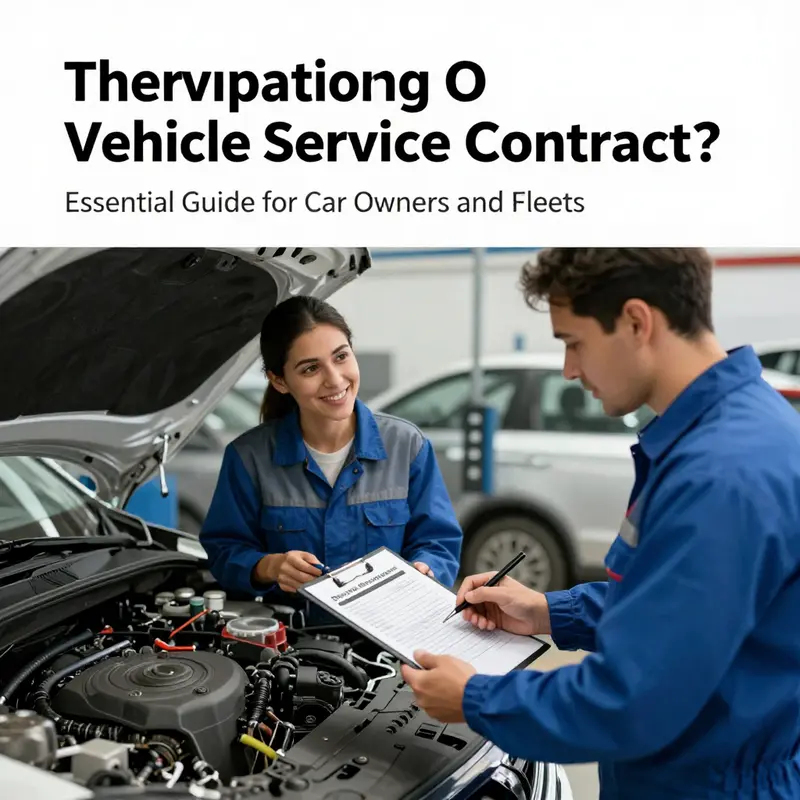
When you ask whether you need a vehicle service contract, you’re weighing risk against predictability. A service contract, often marketed as an extended warranty, is more than a seller’s promise to fix things. It is a formal agreement that outlines what work is covered, who will provide parts, how labor is charged, and what the limits are if something much more expensive breaks down. It represents a way to translate the uncertainty of the road into a structured plan. For many car owners, especially those who intend to keep a vehicle for several years or put a lot of miles on it, the contract becomes a practical tool. It isn’t a legal obligation, but it can be a prudent hedge against the financial shock of major repairs. The value lies in clarity, predictability, and access to a network of technicians who operate under a common standard. This is why a formal agreement deserves serious consideration rather than a casual “yes or no” judgment at the point of sale or service.
A well-crafted vehicle service contract is built on a clear scope. The document should spell out exactly which repairs and maintenance tasks are included and which are excluded. Routine items such as oil changes or tire rotations may or may not be covered, depending on the contract’s language, but the more consequential work tends to be where the real benefit shows up. A typical contract is structured to remove ambiguity about what is covered after a breakdown or wear-related failure. You want to know, in plain terms, whether a blown transmission, a failing brake system, or a failing engine control module is within scope, and how long the protection lasts. Clarity of scope prevents the familiar and frustrating combative moment: “I thought that was covered, the contract says otherwise.” The risk of misinterpretation is real, and the remedy is a clearly stated agreement that serves as the reference point during a dispute or a tense service visit. This is why the authority of a written contract matters even when the shop is trustworthy and the technician is skilled. It’s the document that anchors expectations and aligns everyone’s responsibilities.
Beyond scope, a vehicle service contract defines responsibilities in a way that reduces finger-pointing when things go wrong. The contract should specify who supplies replacement parts, whether the shop sources them or the customer provides them, and who handles the disposal of old components. It should lay out who coordinates towing, diagnostic fees, and any pre-work approvals required before major repairs begin. When responsibilities are muddied in loose conversations, the process becomes more stressful and more expensive. A formal agreement functions as the procedural playbook: it tells you what you must approve, what the shop must deliver, and what happens if either party falls short. The truth is that the best care for a vehicle often arises from a stable, predictable routine that reduces the chance of costly miscommunication. A contract makes that routine possible by creating repeatable processes that a service network can execute consistently.
Cost transparency is the most tangible benefit for many owners. A vehicle service contract typically itemizes labor rates, parts pricing, and any ancillary charges up front. You’ll know the cost framework for diagnostic time, labor hours, and the typical price ranges for common repairs under the contract. This transparency helps you budget and compare options without the fear of surprise bills after the work is completed. It also clarifies how coverage scales with miles and time, which can be especially important for high-mileage vehicles. When you face a major repair, your ability to forecast total out-of-pocket costs depends on the contract’s price schedule and the specified coverage. It’s not unusual for contracts to offer add-ons such as roadside assistance or rental car reimbursement as part of the package. These extras can significantly improve the overall value, turning a potentially disruptive breakdown into a manageable interruption rather than a financial catastrophe.
Warranty and guarantees are another core pillar. A reputable service contract will pair coverage with a warranty on both parts and labor. The warranty period—whether expressed in months or miles—defines how long protection applies after a repair or replacement. A typical framework is something like a defined period or mileage cap, sometimes with exceptions for wear items that degrade over time. The practical effect is simple: you can drive with greater confidence because a portion of the risk is shifted from your wallet to the contract provider. But the precise terms matter. A robust contract will explain the limits, any exclusions for pre-existing conditions, and the process for filing a claim. It should also specify what happens if a repair fails within the covered period, ensuring you do not become entangled in repeated out-of-pocket costs for the same problem. Reading these provisions carefully helps you avoid the disappointment of discovering a warranty gap only after a repair is completed.
Legally, a vehicle service contract is a binding agreement. It provides a framework for resolving disputes that could arise if the work does not meet expectations or if the diagnosis proves inaccurate. The contract becomes the evidentiary backbone for any disagreement about the quality of workmanship, the choice of parts, or the fairness of the charges. While a contract does not erase the obligation to exercise reasonable judgment or to work with a reputable shop, it does offer a recognized route for redress. This is especially valuable when you are dealing with significant repairs or when you are entrusting your vehicle to a service network away from your daily life. The contract’s enforceability rests on clear terms, consistent administration, and documented communications. If a concern emerges, you want to be able to point to the exact clause that governs the situation and to identify the steps you should follow to reach a resolution.
If you are weighing when a contract is most beneficial, practical scenarios help. Major repairs or substantial maintenance—like transmission work, engine repairs, or complex suspension replacements—are not the moments to gamble with ambiguity. In such cases, a formal contract that specifies coverage, timing, and cost protection can save you both money and stress. Custom work or modifications also benefit from a written agreement. When you’re altering a vehicle in ways that may affect warranties or future maintenance, a contract clarifies how the work interacts with existing protections and what the long-term expectations should be. For service agreements with dealerships, which can offer comprehensive maintenance packages tied to the manufacturer’s intervals, the contract structure becomes even more important because it aligns the dealership’s service standards with your ownership goals. If you’re a lessee or renter, you will find that these arrangements are governed by different contracts altogether, and the service agreement needs to be read in that specific context to avoid overlaps or conflicts.
The summary is practical: while you may not need a formal contract for a routine oil change or a basic check-up, any service beyond that threshold benefits from documented clarity. You are protecting your interests, ensuring you receive the service you paid for, and carving out a clear route to resolution if something goes wrong. In pursuing this protection, it is wise to consult credible sources on the importance and components of such agreements. The National Institute for Automotive Service Excellence (ASE) emphasizes the value of clear communication and documentation in automotive service, and their guidance can be a reliable reference as you review proposals and compare offers. To put that guidance into a practical frame, consider how a contract can influence your daily life: it reduces anxieties about rising costs, speeds up decisions when the car is in the shop, and steadies your expectations about the quality of work you will receive. For owners who intend to keep their vehicles for several years or who plan to accumulate substantial mileage, the contract is less about selling you something and more about giving you certainty when the road inevitably presents a maintenance moment.
For readers who want a sense of practical maintenance discipline that complements a service contract, there is value in exploring reliable maintenance tips and routines. For instance, owners who adopt disciplined maintenance intervals and stay engaged with the vehicle’s evolving needs tend to maximize the benefits of any service agreement. A resource with actionable guidance on upkeep can illuminate how to allocate future costs and plan for major services. To support this, you can explore practical maintenance tips such as resetting expectations on oil-change intervals and understanding how mileage interacts with maintenance schedules. A useful collection of tips can be found here: Truck maintenance tips for first-time owners. This linked resource provides a grounded, hands-on perspective that helps you translate the contract’s promises into everyday stewardship of your vehicle.
As you consider these elements, remember to ask thoughtful questions before authorizing any significant work. Request a written agreement, read the terms carefully, and confirm how the contract handles diagnostics, labor rates, and the use of aftermarket versus OEM parts. If something seems unclear, press for clarification. Your goal is a transparent, mutually respectful arrangement that aligns your vehicle’s long-term needs with both the service provider’s capabilities and your budget. In that spirit, a vehicle service contract becomes less about risk avoidance and more about deliberate ownership. It is a tool that supports informed decision-making at the moment of service and long after, ensuring you are not paying for uncertainty but paying for certainty—certitude in the quality of work, in the predictability of costs, and in the confidence to keep moving forward when the road ahead is uncertain.
For a formal framework and broader regulatory context, see the Framework Agreement for Vehicle Maintenance and Repair Services. This framework demonstrates how structured support and reliable service networks are both recognized as valuable in public procurement and aimed at ensuring consistent standards across providers. You can review the framework here: https://www.gov.uk/government/publications/framework-agreement-for-vehicle-maintenance-and-repair-services
Decoding Vehicle Service Contracts: Do You Really Need One?

Vehicle service contracts can feel complex, but the core question remains: should you buy one, and what will it actually cover beyond routine maintenance? A clear contract spells out what repairs are included, for how long, any deductibles, and who handles claims. It should identify the administrator and the process for approvals or disputes. Read the definitions page and any riders closely, because vague language like repair as needed or discretionary approval can lead to gaps or unexpected costs. Consider your car’s age, mileage, and reliability history. If the factory warranty already covers major components, a separate contract may be redundant; if the car is aging and costly repairs are likely, protection against large bills can bring peace of mind. Roadside assistance, towing, and diagnostic fees are common add ons to evaluate against your needs and existing coverage. Compare plans on scope, price, and ease of claims. Always obtain a written agreement before authorizing any significant work, and seek clarification in writing if anything is unclear. For practical guidance, you might consult reputable consumer resources and, when in doubt, walk away from a contract that promises broad protection but lacks specifics.
Guardians of the Wallet on the Road: Do You Really Need a Vehicle Service Contract for Major Repairs?
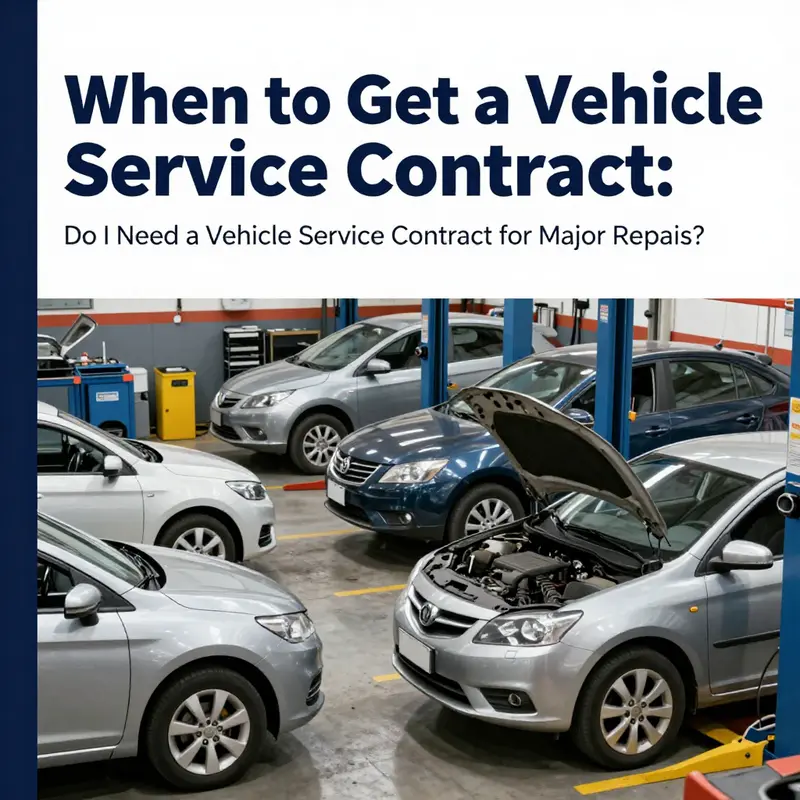
When you slide behind the wheel and hear the hum of a well-tuned engine, you’re unlikely to be thinking about contracts. Yet for many drivers, the decision about whether to secure a vehicle service contract for major repairs is less about immediate expense and more about long-range financial peace of mind. A major repair can swing the balance between keeping a car you love and letting it go. A service contract, in the right form, acts like a financial shield against an expensive, unpredictable future. It is not a universal obligation, and it does not replace real maintenance discipline, but it can be a prudent layer of protection when the risk of costly failures looms large. The question you ask yourself—do I need one for major repairs?—is really a risk-management decision. It hinges on your vehicle’s age, its value, your tolerance for uncertainty, and how much you would pay out of pocket should a major failure occur. For the average owner, major repairs involve parts and labor costs that can quickly exceed a responsible monthly budget. A service contract can convert that uncertain future into a predictable set of payments, much like other forms of insurance. The value of that predictability grows when the vehicle is older, when mileage climbs steadily, or when you own a high-value model whose repair bills can be strikingly high. The heart of the matter is not simply a price tag, but what you get in exchange for that price: coverage that aligns with real risk, a documented path to resolution, and a clear understanding of what happens when the unexpected arises. In this sense, the decision to pursue a contract is less aboutcription and more about aligning your expectations with the realities of repair bills that frequently arrive without warning. It is a choice about how you want to approach the next several years of vehicle ownership. If you anticipate driving the car through rougher terrain or through a large number of miles, you should be especially thoughtful about this choice. The major repairs most people worry about—engine, transmission, drivetrain, and suspension components—do not simply fail at random. They fail when aging internals, cumulative wear, and sometimes overlooked maintenance converge. A well-structured service contract recognizes this convergence and offers a framework for handling it without derailing your budget. It isn’t a magic wand; it’s a structured approach to risk transfer, the same way a homeowner might insure against major repairs to their dwelling. The contract spells out the scope of work, the financial commitments, and the procedures that will govern a claim. It makes the expectations clear before a wrench is turned, which is essential because disputes often arise when people assume something is covered when the contract says otherwise, or when costs sneak in under ambiguous language. That clarity matters most when trust is tested—on day one of a large repair or after a difficult diagnosis when you’re already stressed about time, parts availability, and transportation. For many drivers, clarity is a form of convenience. You want to know what will be done, how much it will cost, and how long the repair might take. A contract that outlines these elements helps you avoid the all-too-common cycle of surprise charges, partial coverage, or unresolved questions about responsibility. The contract, when crafted with care, also sets a benchmark for the repair process. It defines who sources parts, who performs the work, and whether you must use a specific network of shops or can choose your own trusted technician. It clarifies whether the contract covers labor only, or both labor and parts, and it often includes a warranty on both. This is not merely a procedural document; it is a negotiation tool that helps you advocate for fair treatment if something goes wrong. The durability of this protection becomes most meaningful when vehicles age or accumulate miles. An older car has a higher probability of encountering significant failures, and the costs can escalate quickly. In such cases, a service contract can prevent a single expensive repair from triggering a cascade of financial concerns. The same logic applies to high-value or luxury vehicles, where the complexity of systems means repair bills can be substantial even for routine failures. For used cars out of factory warranty, a contract can fill the coverage gap and offer some continuity of protection for major components. The practical value of a contract thus lies in its ability to convert uncertainty into a structured plan. It’s not a guarantee that nothing will fail, but it is a guarantee that when it does, you have a well-defined route to resolution and a clearer sense of costs from the outset. The decision is not purely financial, either. There is a behavioral dimension: having a contract can encourage better maintenance practices. When you know that major failures are likely or expensive, you may be more diligent about timely oil changes, brake inspections, coolant service, and follow-up diagnostics. The contract, paired with disciplined upkeep, contributes to a longer, healthier life for the vehicle and a more predictable ownership experience. Of course, the contract must be chosen and read thoughtfully. You should request a written agreement before authorizing any major work and scrutinize the terms for scope, exclusions, and handling of pre-existing conditions. The contract should specify the parts and services covered, the labor rates, and any payment terms or deductibles. It should also note whether the contract is transferable if you sell the vehicle, and whether it remains in force if you switch repair shops. Exclusions are equally important; no contract covers everything. Some contracts exclude routine wear items, pre-existing conditions, or certain high-risk failure modes unless you maintain a specific service schedule. Understanding these limitations is essential to avoid the misperception that everything is automatically protected. The process of evaluating a contract deserves the same careful attention you give to a major repair estimate. You should compare several options, looking at cost versus coverage, the breadth of parts and systems included, any caps on benefits, and the reputation of the provider. Ask for a sample claim form, a clear outline of the claim process, and for a written warranty on both parts and labor—ideally with defined durations such as a fixed period or mileage limit. In some cases, the contract will require that you use particular service centers or qualified technicians; in others, it offers a broader network and more flexibility. If you are unsure about the language, bring a trusted mechanic or advisor into the review. The goal is to avoid ambiguity and to ensure that your expectations are aligned with what the contract actually delivers. For readers seeking practical guidance, there are reliable resources that discuss the importance of communication and documentation in automotive service. You might explore articles on the KMZ Vehicle Center blog, which cohesively ties together maintenance planning, cost considerations, and repair readiness. KMZ Vehicle Center blog can be a helpful starting point for understanding how to frame questions, compare options, and approach major repairs with a plan. While the blog can offer general insights, your decision should be grounded in your vehicle’s specifics and your financial situation. All of this leads to a straightforward policy: a vehicle service contract for major repairs is not a universal necessity, but it is a compelling option when the likelihood of expensive failures is nontrivial and when you value predictability and a clear path to resolution. If your car is older, has high mileage, or is a high-value model with complex systems, the contract can turn potential disaster into a managed risk. If, however, you own a newer car with a solid factory warranty and you keep up with routine maintenance, the incremental value of another layer of coverage may be less compelling. In those cases, a well-maintained vehicle with a robust warranty might be enough to keep you moving without the added complexity of a service contract. Regardless of where you stand, the most important step is to proceed with a written agreement whenever you consider major work. The document should spell out the scope of services, cost expectations, and the procedure for handling disputes. It should also specify how the warranty on parts and labor is administered and what happens if you decide to switch shops or sell the vehicle. This transparency helps both parties align their expectations and reduces the potential for friction when a repair is needed. For further reference on the importance of documentation, and to explore more about how to approach these agreements thoughtfully, you can consult external automotive labor and service resources, such as ASE. The American Society for Automotive Engineers and Technicians emphasizes clear communication and documented processes as central to quality service. external reference: https://www.ase.com/
Guardians of Your Wallet: Navigating Legal Protections and When a Vehicle Service Contract Makes Sense
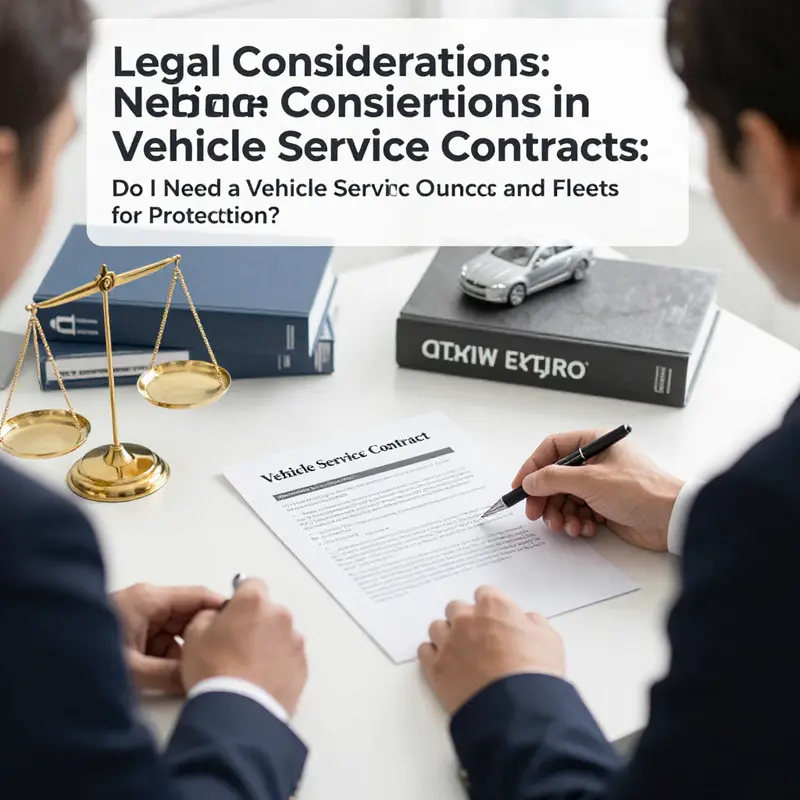
When you consider a vehicle service contract, you are stepping into a landscape where business promises meet legal boundaries and personal risk assessment. The allure of added protection against expensive repairs can be strong, especially for aging vehicles or those with a history of stubborn breakdowns. Yet the legal framework surrounding these contracts is not a backdrop to be ignored; it is a map with rules, disclosures, and remedies that can determine whether a contract actually delivers on its promise. This chapter looks beyond sales pitches to the core legal protections that govern vehicle service contracts, and it translates those protections into practical steps you can take to decide whether a contract is right for you.
At its core, a vehicle service contract—often described as an extended warranty—is a written agreement between a consumer and a provider that promises to cover specified repairs after the manufacturer’s warranty expires or in certain instances during its term. The contract defines what will be repaired, under what conditions, and how payments and reimbursements are handled. It is not merely a list of benefits; it is a binding legal instrument that allocates risk between you and the service provider. Because it is a binding contract, the legal protections that govern it are crucial. Federal law, state law, and consumer-protection doctrines shape what must be disclosed, what can be excluded, and how disputes are resolved when coverage is mishandled or denied.
From a legal standpoint, one of the first safeguards you should expect is clear, conspicuous disclosure of terms. The Federal Trade Commission (FTC) sets expectations for transparency in the sale and administration of service contracts. Providers must spell out the terms, conditions, exclusions, and limitations in a way that a reasonable consumer can understand. When those disclosures are vague or hidden in the fine print, the risk of misrepresentation rises, and legal remedies may be triggered. The FTC’s oversight is not merely bureaucratic theater; it is designed to prevent situations where a customer believes a repair will be covered, only to discover later that the contract excludes the very component that failed.
State-level regulation adds another layer of protection. Many states require providers of service contracts to be licensed or registered. Licensing creates accountability channels—financial solvency requirements, renewal of credentials, and disciplinary processes—that help ensure the provider can actually fulfill promises when the time comes. This is important because a contract that cannot be honored due to the provider’s weak financial footing or lack of licensure leaves you with a legally unenforceable agreement and potentially substantial out-of-pocket costs.
Beyond licensing and disclosures, the Magnuson-Moss Warranty Act provides a national baseline of consumer rights that intersects with vehicle service contracts. While the Act governs consumer warranties on manufactured products, its emphasis on clear, enforceable guarantees resonates with how service contracts should function. If a contract misrepresents coverage or fails to deliver the promised protection, you may have a legal avenue for relief. In practice, this means you should expect the contract to clearly state what is covered, what is excluded, the procedure to file a claim, and the remedies available if coverage is denied without valid reason.
But the legal landscape is not simply about what the contract says on paper. It also concerns how the contract is sold and administered. Unfair or deceptive practices are not confined to the old days of aggressive sales tactics; they can occur when a provider uses selective wording, fails to explain exclusions, or imposes unreasonable waiting periods or pre-authorization requirements. The FTC’s rules require that any limitations or exclusions be stated up front, and they give you recourse if you encounter a pattern of misrepresentation. When you walk through a dealership, a repair shop, or a dedicated warranty company, you should be alert to how the contract is framed, how you are told to understand its scope, and what you are asked to sign. If something feels vague or puts an undue burden on you to verify coverage, it is worth pausing and seeking a clearer explanation or independent advice.
Another practical and often overlooked legal consideration is how coverage interacts with ongoing service relationships and the timing of claims. Some contracts allow a broad network of authorized service centers; others tie you to a single facility or a limited service network. The breadth of the network affects not only convenience but also the likelihood that authorized technicians will diagnose and repair correctly, which in turn affects the enforceability of guarantees. A well-structured contract will specify where you can service your vehicle, how the shop must be chosen, and what happens if a repair is delayed because the part cannot be sourced quickly. Additionally, the contract should address transferability if you sell the car. A transferable contract can add resale value, while a non-transferable one can complicate a sale or lower the vehicle’s appeal to buyers who expect ongoing protection.
From a consumer-protection standpoint, it is essential to examine the coverage terms with a critical eye. A legal contract is not a magic shield against all costs; it is a mechanism to manage risk and provide a fair path to resolution when coverage disputes arise. Look closely at the scope of labor and parts coverage, the existence of deductibles, the caps on benefits, and any refunds or cancellations. Does the contract cap the number of covered repairs per year? Does it impose a time limit on how long you can claim a repair after the defect is discovered? Are there caps on the amount payable for a given repair, or on the total of the contract’s lifetime? Each of these questions matters for the contract to function as protection rather than a license to deny.
The claims process deserves special attention. A robust legal framework implies a predictable, fair process for filing claims, obtaining pre-approval when required, and resolving disputes. A well-drafted contract will lay out the steps: who must authorize a repair, what documentation is required, the timeline for approvals, and how disputes are resolved if the provider denies a valid claim. Some contracts embed arbitration clauses as a condition of coverage. Arbitration can be efficient, but it can also limit your recourse compared to court litigation. If you encounter an arbitration clause, you should weigh the benefits against the potential loss of the right to a jury trial or to pursue a class-action remedy if broad misrepresentations or systemic issues are involved. The essential takeaway is that the path to a claim should be straightforward, with clear deadlines, transparent documentation requirements, and accessible customer support.
For the reader who wants to approach this decision with method, the starting point is not a sales pitch but a checklist grounded in law and practical risk assessment. Start by verifying licensure or registration of the provider with the state authorities where you live. Read the contract aloud, if possible, and identify any wording that seems to shift risk onto you via ambiguous language. Confirm that the contract includes a clear description of covered components and inclusions, a list of exclusions, and a concrete claims process. If you encounter a term you do not understand, seek a plain-English explanation before you sign. And consider bringing along a trusted mechanic or a consumer-rights resource to help interpret the language. ASE, the National Institute for Automotive Service Excellence, emphasizes the importance of clear communication and documentation in automotive service. Their guidance is a reminder that the value of any service agreement rests on mutual understanding and documented expectations rather than on the persuasiveness of a salesperson.
The decision to acquire a vehicle service contract should be anchored in a realistic assessment of your vehicle’s age, mileage, reliability, and your budget for potential out-of-pocket repairs. A younger, low-mileage vehicle with a strong history of reliability may offer less incremental value from a long-term service contract, particularly if the manufacturer’s warranty remains in force and the likelihood of major failures is lower. Conversely, an older vehicle with a track record of recurring issues or high repair costs can present a compelling case for coverage, as the out-of-pocket expenses for major failures could otherwise outpace the annual premium. It is here that practical experience and actuarial reasoning meet the legal framework: the contract represents not only legal protection but also a calculated gamble about future repair costs.
If you decide to explore a contract, you should pursue a comparative approach rather than accepting the first offer. Compare not just the price, but the terms: the breadth of coverage, the exclusions, the deductibles, the network of service providers, and the ease of filing a claim. Ask for written documentation of any promises—the scope of coverage, the parts included, the duration of protection, and the procedure for cancellation or transfer. A transparent provider will welcome such requests and will provide precise language that you can rely on if a dispute arises. In some cases, it may be prudent to obtain a brief legal review, especially if the contract involves substantial upfront costs or an unusual coverage structure. This is not about distrust but about ensuring that your financial exposure aligns with the actual protections promised.
From an information-soaked perspective, this chapter does not seek to discourage prudent risk management; it seeks to empower you to read, question, and decide. The landscape of vehicle service contracts is not uniformly regulated, and a carefully chosen contract, coupled with a solid understanding of your rights, can be a meaningful safeguard. Yet it is equally important to recognize when a contract represents a prudent investment in protection and when it is a cost that might be better allocated elsewhere. As you weigh these factors, remember that a written contract with clear terms and a fair dispute-resolution process provides a credible source of protection and a reliable reference point should a service issue ever arise. If you choose to pursue coverage, let the decision be informed by both legal protections and practical considerations, anchored in your vehicle’s realities and your financial means. For further reading on how maintenance decisions relate to warranties and service expectations, you can explore related guidance in the automotive maintenance space, such as resources that discuss maintenance intervals and time-vs-mileage considerations. Optimal oil change intervals: time vs. mileage.
When it comes to understanding the legal protections surrounding vehicle service contracts, the most reliable anchors are transparency, licensing, and a clear claims framework. The combination of federal guidance, state regulation, and consumer-protection doctrine should guide your expectations and prevent you from signing away more than you realize. If the contract passes these tests, it can function as intended: a shield against unpredictable repair costs while preserving your right to fair treatment and accurate service. If it raises questions, seek clarity before you sign—there is no shame in asking for precise language and confirming the practical steps you must follow when a repair is needed. Those conversations, captured in a written contract, are the true guardians of your peace of mind.
For authoritative information on consumer rights and vehicle service contracts, the Federal Trade Commission provides ongoing guidance and enforcement resources that can help illuminate your options and safeguard your interests: https://www.ftc.gov
Final thoughts
Securing a vehicle service contract is a proactive measure that can save you from unexpected expenses and ensure clarity in the services provided. Whether you’re a local car owner, a used car buyer, or a small business fleet operator, understanding the need for such contracts prepares you to make informed decisions regarding your vehicle maintenance and repairs. Remember, a well-documented agreement not only protects your financial interests but also fosters a clear understanding between you and your service provider. Empower yourself by knowing when and how to secure a vehicle service contract.