As a Honda owner or a prospective buyer, the decision to purchase a Vehicle Service Contract (VSC) can significantly impact both your driving experience and your finances. Understanding the unique advantages of the Honda Care® program, the costs involved, and how it stacks up against third-party alternatives requires careful consideration. This article will guide local private car owners, used car buyers and sellers, and small business fleet operators through the intricacies of Honda’s service contract. By examining the benefits and drawbacks, we aim to equip you with the knowledge necessary to make an informed decision, addressing your specific needs and circumstances in each section.
Is a Honda Care Vehicle Service Contract Worth It? A Practical Guide for Honda Owners
Deciding whether a Honda Care vehicle service contract is worth it is not a universal yes or no. It hinges on your risk tolerance, how you drive, and how you want to manage potential repair costs. A service contract converts unpredictable big-ticket repairs into a predictable, budgetable expense. For some drivers that predictability is priceless; for others the extra premium feels unnecessary. The core question is not just what the plan covers, but how that coverage aligns with your driving habits, how long you expect to own the car, and how you handle repairs within your budget.
To begin, Honda Care plans are designed to extend protection beyond the factory warranty and typically cover major components like the engine, the transmission, the electrical system, and other powertrain related areas, often through a term up to eight years or a mileage cap such as 120,000 miles, whichever comes first. The exact mix of coverage varies by plan, but the focus is on protecting against the most expensive failures that can occur after warranty expires. Brand backing and a straightforward repair process are commonly cited advantages of official programs, with extras such as roadside assistance and rental car reimbursement frequently included depending on the contract. It is important to read the fine print to see what is included, what is excluded, and any deductibles or waiting periods that apply.
The price question is central. A premium paid annually for eight years could be worth it if it meaningfully lowers the chance of a tens-of-thousands-dollar bill. If you plan to sell or trade in before the end of the term, the upfront cost may not be recouped. The math depends on your vehicle, its condition, how you use it, and how you anticipate future repairs. If you drive a lot or keep the car for a long horizon, the odds of encountering a serious failure rise, which can tilt the balance toward value. For drivers in harsh climates, with rough roads, or with a history of reliability concerns, the contract may offer real protection against disruption and budget shocks.
There are caveats that matter. A service contract is not a guarantee of flawless operation. There are exclusions, deductibles, limits on claims, transferability issues, and potential restrictions on coverage if the car has pre-existing conditions or if maintenance hasn’t been up to schedule. It’s essential to compare plan specifics, including term length, mileage caps, and deductibles, against likely repair costs and your own budget. Some plans include routine maintenance in some markets, while others do not. Understanding what is covered and how claims are handled helps you judge whether the contract adds real value for you.
A practical approach is to perform a break-even analysis. Estimate the annual premium for a Honda Care plan and the expected major repair costs over the same horizon based on your car’s age, mileage, and service history. If the contract reduces the expected annual repair cost to a comfortable level within your budget, it may be worth it. If not, you might prefer to self-insure with a repair fund or explore a third-party plan with different terms and pricing. Some buyers adopt a blended strategy: keep funds in reserve for big repairs while retaining coverage for the most expensive failure modes as a backstop.
Lastly, align the decision with your ownership plans. If you intend to keep the vehicle beyond the typical warranty horizon, a VSC can provide budgeting stability and peace of mind. If you expect to upgrade, lease, or trade in within a few years, the economics shift and a third-party plan or self-insurance may offer a better fit. When in doubt, request quotes, compare them side by side, and consult a trusted mechanic for a professional view of the vehicle’s likely risk profile. The right choice depends on your personal risk tolerance, your budget, and your plans for ownership.
Beyond the Sticker Price: A Comprehensive Look at Costs, Protections, and Real-World Value in a Manufacturer-Backed Vehicle Service Contract
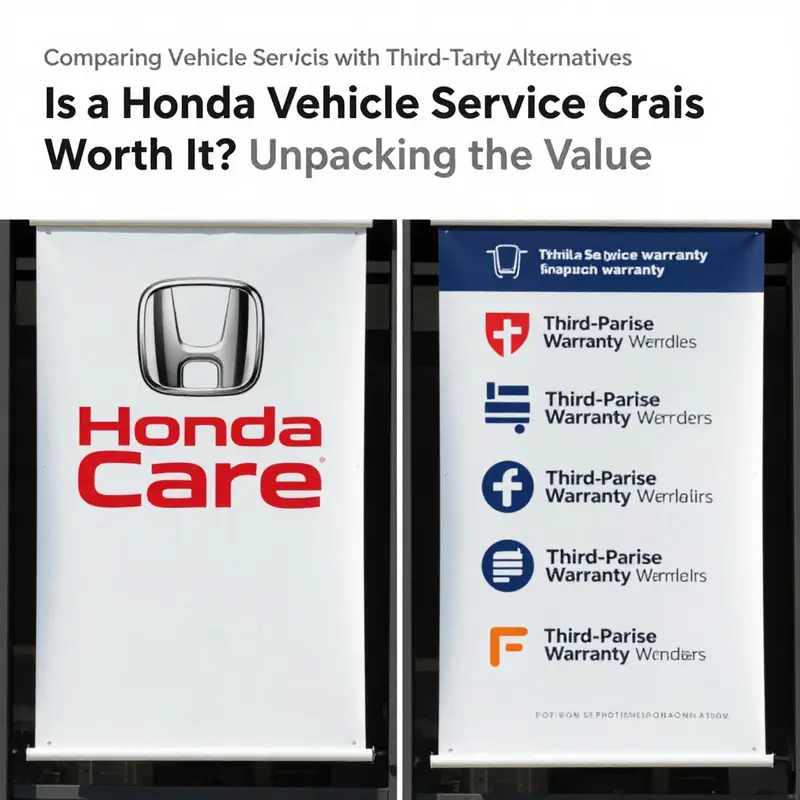
Choosing whether to purchase a manufacturer-backed vehicle service contract is not a moral of math alone, and it isn’t merely about the headline price. It’s a decision that sits at the intersection of budget planning, risk tolerance, and how you view ownership over the long haul. For many drivers, a vehicle service contract—often marketed as an extended warranty—feels like a shield against the shock of sudden, expensive repairs. For others, it seems like a hedge that may or may not pay off depending on how long you keep the car, how it’s driven, and what you’re comfortable paying out of pocket if repairs arise. The best way to approach this is to treat the decision as a long-term cost-benefit calculation, not a one-time purchase. The facts you need are not only the stated protections but also how those protections translate into real-world costs and savings across your anticipated ownership horizon. When you consider a manufacturer-backed service contract, you enter a landscape where the price tag is just the beginning. The sticker price is only part of the story. The real question is how likely you are to encounter major repairs during the contract term, how much those repairs would cost without coverage, and how certain you can be about the reliability of your specific vehicle given its age, mileage, and the conditions in which you drive. The costs and benefits are sensitive to a handful of variables that every prospective buyer should map out before committing. The first is the total cost of the contract as offered by the manufacturer or its authorized providers. In many cases, the typical range is between approximately $760 and $1,575, depending on the model year, mileage, the level of coverage you select, and the geographic area where you live. This price range is a useful starting point, but it’s only a crude proxy for the true economic value of coverage for you. Some buyers will pay closer to the lower end because they drive fewer miles, have newer cars, or opt for a basic mechanical plan. Others may approach the higher end if their vehicle is older, has higher mileage, or they want a comprehensive package that includes electrical systems, cooling, and additional protections like roadside assistance and rental car reimbursement. The pricing logic behind these numbers reflects a straightforward but imperfect equation: what is the probability of a major repair during the contract term times the expected repair cost, minus how the premium reduces or redistributes that risk. A crucial factor in this equation is the vehicle’s model year and mileage. As cars age and accumulate miles, the likelihood of expensive failures climbs—particularly for components like the engine, transmission, and certain electronic subsystems that can be costly to diagnose and fix. In practice, this means that an older Honda with high mileage is more likely to find value in a service contract than a brand-new one still under the factory warranty. Conversely, a newer model with lower miles may not deliver enough higher-cost claims to justify the additional premium, at least not in the near term. Geography also matters because repair costs and the availability of service providers vary by location. In some regions, an extended warranty may come with generous roadside assistance and rental car coverage that adds tangible value, especially if you rely on your vehicle daily and can’t afford downtime while repairs are underway. The overall calculus also hinges on how you intend to use the vehicle. High-mileage commuters, long-distance travelers, or those who intend to keep the car well past the seven- or eight-year mark are more likely to benefit from a contract that covers major powertrain components, transmission, and critical electrical systems. The protection is not just about the dollars saved on a single, catastrophic failure; it’s about predictable budgeting. If you are the kind of owner who would rather know what a major repair could cost before you face it, a service contract can offer peace of mind by stabilizing maintenance expenses and shielding your savings from surprise expenditures. On the flip side, there are legitimate circumstances where forgoing the contract makes more sense. If you plan to trade in or sell the car within a few years, the premium you pay for the contract might not be recovered in the sale price. If you are budget-conscious and comfortable absorbing the risk of potential minor repairs while managing preventative maintenance in-house, you may prefer to self-insure by building a dedicated repair fund rather than paying ongoing premiums. The decision is not binary; it lives on a spectrum determined by how you balance risk, predictability, and your willingness to deal with a claim process when the need arises. The nature of what is covered can also shape your decision. A manufacturer-backed program typically focuses on major components such as the engine, the transmission, and the electrical system, with an emphasis on powertrain integrity and reliability. Many plans extend beyond those core parts to include cooling system components, steering and suspension elements, and sometimes ancillary protections like towing, roadside assistance, and rental car reimbursement. The appeal of this breadth is clear: it translates into a single, coherent policy that is backed by the manufacturer’s service network and reputation for vehicle-specific knowledge. Yet the cost and the actual inclusions vary, and the fine print matters as much as the headline benefits. Exclusions and deductibles are not mere technicalities; they are often the difference between a covered repair and an out-of-pocket bill that can stretch into the thousands. For instance, some contracts exclude wear-and-tear items or components that fail due to pre-existing conditions, improper maintenance, or the use of non-recommended fluids and parts. Others apply deductibles per repair occurrence, or set mileage caps that affect how many times a roadside tow or rental car reimbursement can be used. The practical effect is that two buyers who appear to be paying similar premiums may experience very different real-world costs based on the contract’s exclusions and deductible structure. In this sense, the true value of a manufacturer-backed contract lies not only in what it covers but also in how well the coverage aligns with your driving realities and maintenance discipline. A disciplined maintenance routine is a crucial multiplier for the value of any extended protection. Regular service and timely repairs can reduce the probability of breakdowns that would trigger coverage, but they can also influence how the contract handles particular issues. For instance, the lifecycle management of a vehicle—oil changes, cooling system maintenance, brake service, and the care of transmission components—has a direct bearing on the likelihood of certain failures. Staying current with manufacturer-recommended maintenance can help you avoid claim denials or disputes that arise when a failure is deemed linked to neglect or improper care. In this sense, the relationship between maintenance and coverage is symbiotic: good maintenance can extend the life of the vehicle and keep the contract meaningful for longer. When it comes to maintenance, a practical way to minimize risk and maximize value is to adhere to maintenance schedules and to document service meticulously. This is where thoughtful attention to routine tasks matters. For example, staying on top of oil changes is one of the simplest actions owners can take to protect the engine and preserve the overall health of the powertrain. It’s a concrete habit that translates into fewer incidental issues and smoother operation. To connect this maintenance discipline to the broader decision about coverage, consider exploring practical guidance on maintenance intervals and their impact on vehicle health, such as the guidance offered on optimal oil-change intervals in reliable maintenance resources. You can read more about such interval considerations through the detailed article on oil-change timing here: optimal oil change intervals. The point is not to outsource maintenance to a contract but to recognize that consistent upkeep interacts with coverage in meaningful ways. The same logic applies to other preventative tasks—cooling system checks, transmission fluid analysis when appropriate, and brake system inspections. When these practices are part of your routine, the odds that a major, covered failure will occur decline, or at least the severity and frequency of needed repairs may be mitigated. The value proposition, therefore, becomes a question of not only whether you will encounter a large repair but how proactively you manage the vehicle to reduce the chances and cost of such repairs. Beyond the mechanics of the policy itself, there is a strategic dimension: transferability and resale value. Some contracts offer transferability to future owners, which can be an asset when you decide to sell or trade in your vehicle. A transferable contract can reassure a buyer that the vehicle has protection in place, potentially supporting a higher resale price or at least a smoother negotiation. Whether transferability adds real value will depend on your plans for the vehicle and the preferences of prospective buyers in your market. In practice, this means asking upfront about who can take advantage of the transfer and whether there are any fees or conditions attached to the transfer. The inclusion of roadside assistance and rental car reimbursement amplifies the practical value of the contract for active drivers who rely on their car for daily tasks, travel, or work. The peace of mind that comes with knowing help is available, 24/7, can be substantial for someone who wants to avoid the disruption and uncertainty that accompany unexpected breakdowns. These non-mechanical benefits—roadside assistance, towing, and a guaranteed mode of transportation during repairs—add a real-world layer of utility that may tilt the value proposition toward a contract for certain lifestyles. Yet, it’s essential to scrutinize the fine print around these perks as well. Towing distance limits, the number of days a rental car is provided, or geographic constraints can diminish their usefulness if you frequently travel across state lines or live in remote areas. As with any contract, the decision comes down to whether the aggregate package of coverages, deductibles, and extras aligns with your needs and your risk tolerance. Another dimension worth weighing is the possibility of acquiring coverage from third-party providers. While these third-party options can be attractive on price, they come with trade-offs. They may underwrite similar protections but often lack the brand-specific service network and the seamless claim experience that a manufacturer-backed program can offer. The absence of direct manufacturer oversight can complicate coordination with technicians who are familiar with your vehicle’s design and systems. This complexity matters most when a claim involves intricate electronics or powertrain components that rely on precise diagnostics and approved repair procedures. If you value a straightforward process with reputable brand-backed support, the manufacturer-backed option may feel more coherent and easier to navigate in times of tension or uncertainty. If you are weighing these choices, a structured decision framework can help. Start with a baseline estimate of your potential exposure: what is the maximum you would be prepared to pay out-of-pocket for a major repair during the contract period? Compare that to the premium you would pay for the contract, accounting for taxes and any deductible you would owe per repair. Then adjust for the non-monetary benefits: the value of predictable monthly expenses, the convenience of a single point of contact for claims, and the potential assurance that comes with a widely recognized service network. It is also prudent to gather personalized quotes from authorized providers and to request a detailed comparison of plan inclusions, exclusions, deductibles, coverage limits, and any waiting periods. While the numbers tell an important part of the story, the experience of other owners—how smoothly claims are processed, how quickly repairs are completed, and how helpful the customer service is in difficult moments—can be equally influential. In terms of approach, you should not rely on a single source or a single estimate. Instead, use multiple quotes, read the policy language carefully, and consider how the contract would interact with your intended ownership horizon, maintenance habits, and driving environment. If you decide to move forward, the next steps are straightforward: obtain precise pricing, review the policy terms line by line, confirm the scope of coverage, understand deductibles and caps, verify transferability if that matters to you, and map out how the claim process would unfold in a real-world scenario. This is where the practical value of the decision becomes tangible, not merely theoretical. For readers who want a concise takeaway, the bottom line remains consistent with the broader narrative: a manufacturer-backed vehicle service contract is generally worth it if you expect to own the vehicle for a long period, you drive enough miles to raise the likelihood of major repairs, and you value predictable costs and a robust support network. If you are budget-conscious, anticipate selling the car soon, or are highly confident in your own maintenance discipline, it may be reasonable to skip the contract or to explore third-party options with careful comparisons of coverage scope and service quality. In any case, the process should be informed, deliberate, and grounded in your personal finances and lifestyle. For readers seeking precise pricing and coverage details tailored to their model and location, consult the manufacturer’s official information and quotes from authorized providers. The official information provides a framework for understanding what a contract could cover, how it is structured, and what to expect in terms of benefits and limitations. For a direct reference to official program details, you can visit the manufacturer’s service contract information page here: https://www.honda.com/vehicle-service-contract. Maintaining a balanced view, combining careful reading of policy language with a clear personal budget and ownership plan, is the most reliable way to decide whether a manufacturer-backed vehicle service contract is a wise investment for you. In other words, the decision is not made in isolation. It is shaped by your plan for ownership, the realities of your driving life, and your readiness to absorb or mitigate large, unpredictable repair costs. When you bring these pieces together, the answer emerges with greater clarity: the value of coverage is highly personal and highly contingent on how you live with your car, not merely on the size of the premium.
null
null
Final thoughts
Ultimately, deciding whether a Honda Vehicle Service Contract is worth the investment largely depends on your personal driving habits, vehicle usage, and financial situation. As we’ve explored, the Honda Care® program promises extensive coverage, peace of mind, and reliability that is hard to match. However, it’s critical to weigh this against your vehicle ownership plans and alternative options available. By considering the unique benefits of Honda Care while also being mindful of the potential savings from third-party providers, you can make an informed choice that best suits your needs.