The cost of vehicle service is a fundamental aspect for any car owner, be it a local private car enthusiast, a used car buyer, or a small business fleet operator. Understanding the various elements that influence these costs can make a significant difference in managing your vehicle expenses effectively. From routine maintenance that ensures the longevity of your car to specialized services that cater to specific needs, and even emergency services that can arise unexpectedly—this guide aims to clarify the financial aspects of vehicle servicing. Each section will dissect typical service costs so you can make informed decisions tailored to your specific circumstances.
Counting Cost, Caring for the Car: Unpacking Routine Maintenance and the Real Price of Vehicle Service
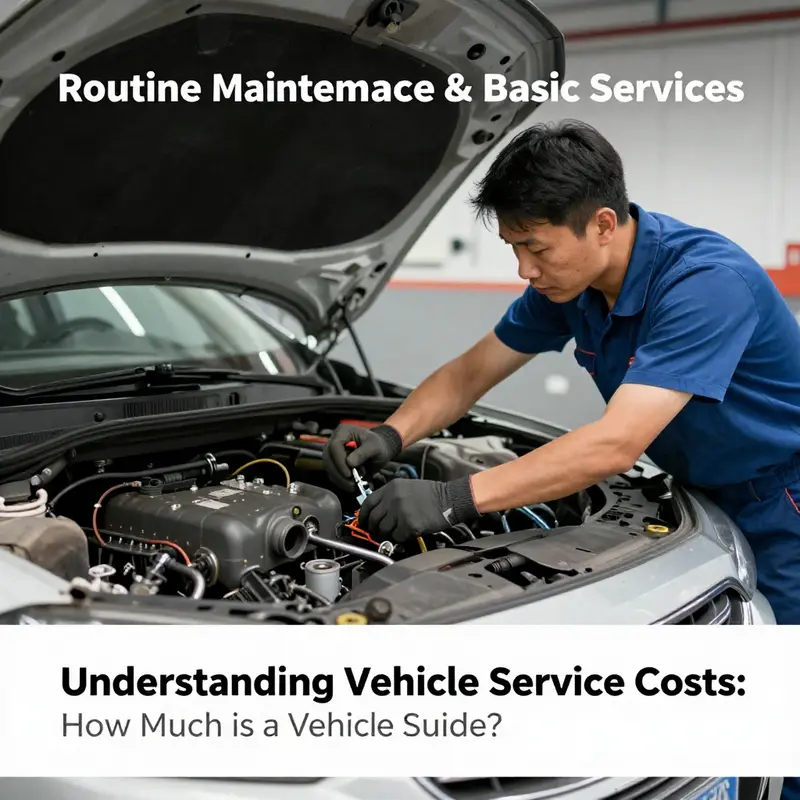
The routine maintenance of a vehicle is more than a policy of good practice; it is a practical commitment to safety, performance, and the long life of the machine you depend on every day. When people ask how much a vehicle service costs, they often picture a single price tag. In reality, the number is as variable as the road you travel. The age of the car, its make and model, the local market, and the choice of service provider all shape the final bill. To understand what you might pay for routine maintenance, it helps to picture the service as a spectrum rather than a single category. At one end sits the quick tune up that keeps an engine ticking over between trips to the gas station. In the middle, more comprehensive inspections and replacements that address wear and aging components. At the far end, there are premium exchanges and add on treatments that some drivers request when their vehicle needs special care or when the car belongs to a luxury segment. Across this spectrum, a common thread remains: routine maintenance is designed to sustain safety, reliability, and efficiency, and its cost will rise in proportion to the service level and the complexity of the job required.
The most frequent entry point into maintenance is the oil change and filter replacement. This service is widely recognized as the backbone of routine care because oil lubricates moving parts, reduces friction, and helps prevent premature wear. In many markets, a straightforward oil change with a basic filter is relatively affordable, yet the price can vary dramatically depending on the oil grade chosen and the shop performing the work. A basic oil change can be economical when conventional oil is used and the service is performed at a local shop or independent garage. However, the same task can escalate quickly when synthetic oil is required by the manufacturer or when the service is delivered at a dealership, where the bundled package may include additional checks and diagnostics. You may encounter a broad range that extends from modest figures to more substantial sums, reflecting not only the type of oil but the scope of the service, the labor rate, and the pride with which the shop executes the work. A practical way to frame this is to start with the idea that costs for routine maintenance are anchored by the oil change but can move up as the service envelope expands.
For a clearer sense of scale, consider the concept of a small service versus a major service. A standard approach to maintenance often includes the oil change and filter, an inspection of essential systems, and perhaps a quick air-filter replacement. In many consumer discussions, this baseline is described as a small service, and the price widely reflects the mix of parts and labor involved. While early sources sometimes cite oil change ranges like fifty to one hundred fifty dollars, recent and more comprehensive cost analyses tend to present a broader picture. A typical small service, when viewed through the lens of current market practices, commonly lands in the two hundred to seven hundred dollar range for a standard passenger vehicle. This spread accounts for the type of oil, the vehicle’s specific requirements, and the labor time necessary to complete the task alongside the included checks. The range is not a hard ceiling or floor; rather, it marks the zone where most drivers will find routine maintenance when they book a conventional oil change with a standard filter at a non luxury shop. It is also a reminder that the figure is fluid and influenced by the local environment and the shop’s pricing philosophy.
Beyond the basic oil change, a more comprehensive maintenance service—often labeled as a second level or major service—adds several components that contribute to higher costs but deliver greater protection for the engine and its surroundings. In this broader service, technicians may replace spark plugs, cabin air filters, and perform brake inspections, in addition to more thorough engine oil care. The price for these more extensive checks typically ranges from three hundred fifty to eight hundred fifty dollars. The upper end can climb higher when the vehicle’s design demands more expensive filters or when the labor involves complex access or additional diagnostic work. For luxury vehicles or cars with advanced technology, the price can push past one thousand five hundred dollars and even approach two thousand five hundred in a single session if the service incorporates premium parts and sophisticated testing. The message is consistent: as the service expands, so does the investment, and the value should be weighed against the car’s age, condition, and the manufacturer’s recommended maintenance plan.
In the same ecosystem of routine care, there are specialized and higher end services that go beyond the core engine and basic systems. Engine bay cleaning, for example, can be a routine cosmetic refresh or a meticulous process for those who prize a pristine engine compartment. Basic engine bay cleaning may cost between eighty and two hundred dollars at a typical shop, while a dealership or high end detailer could charge more, often ranging up to five hundred dollars for surface cleaning. When a deeper or more thorough approach is taken, the price can jump to three hundred dollars to eighteen hundred dollars, depending on the method—steam cleaning, dry ice methods, or other advanced techniques—and the degree of grime that must be addressed. For those who want interior refreshment, vehicle detailing represents another tier of service. A simple wash and wax might cost twenty to fifty dollars, which is accessible to many drivers seeking a modest update. More involved interior deep cleaning can run from one hundred fifty to five hundred dollars, and full vehicle detailing that covers exterior and interior care well beyond the basics can reach from three hundred up to a thousand dollars or more, depending on the vehicle’s size, the condition, and the detailing package chosen. In some cases, extra layers of protection, such as paint protection film, become an add on that can run into the several thousand dollar territory. The important takeaway is that routine maintenance is not simply a single price point; it is a menu of services where the line between practical upkeep and aspirational care can blur, particularly when the vehicle requires attention beyond the core maintenance needs.
Periodically, owners also encounter premium service bundles—subscription style programs designed to simplify routine upkeep. These programs typically begin with a base price and bundle multiple maintenance visits, parts such as air filters, and even pick up and drop off services within a specified radius. The appeal is clear: predictable costs, convenience, and the avoidance of scheduling friction. Yet these bundles differ widely by provider, and they must be evaluated against the car’s actual needs and the owner’s usage patterns. A thoughtful decision considers whether the bundled inclusions align with the car’s maintenance schedule and whether the consumer will truly benefit from the included services over time. As with any service plan, the value lies in balancing convenience with the genuine maintenance needs of the vehicle and recognizing that the cost is a function of time, mileage, and the environment in which the car resides.
A pivotal factor in all of this is the engine oil itself. The choice between conventional oil and synthetic or high performance formulations carries a clear impact on price. Conventional oil keeps the costs down, while synthetic or high spec oils—especially those required by certain manufacturers or for engines with demanding tolerances—raise the price significantly. A useful contrast emerges when considering a dealership versus an independent shop. A full synthetic oil change at a dealership, where the service may be bundled with a comprehensive diagnostic or dealer-specific checks, can be substantially higher than a similar service at an independent shop. In real terms, a dealership synthetic oil change could fall into a higher range, while independent shops may offer the same service for roughly two to three times less in many markets, depending on the brand of oil and the labor rates. The practical implication for car owners is that the oil choice is not merely about fuel economy or engine protection; it is a direct lever on the service cost you will encounter when you schedule a routine maintenance session. For those who want a mental model, consider the practical guidance on oil strategy that addresses the balance between time and mileage. For practical guidance on choosing an oil strategy aligned with your car’s needs, consult the guide on optimal oil-change intervals (time vs mileage).
As vehicles age and accumulate mileage, maintenance needs grow more complex. Components that were once durable may begin to wear more noticeably, and certain parts begin demanding more attention or revision. Timing belts, for instance, can be a major investment when replacement becomes necessary. In typical scenarios, timing belt replacement can range from about two thousand to four thousand dollars, depending on the vehicle and the labor required. Transmission fluid changes, often overlooked until a service is overdue, may cost from one thousand five hundred to three thousand dollars for certain transmissions with the requisite service intervals. Catalytic converter cleaning, while less common than full replacement, can fall in the eight hundred to fifteen hundred dollar range when cleaning is feasible and appropriate for the engine’s condition. These figures illustrate a broader principle: as the car ages, the maintenance budget can skew towards larger, more infrequent items that require careful estimation and specialized labor. The goal remains keeping the vehicle safe and reliable, even when the price tag reflects the additional complexity of the work.
Of course, the exact ticket for a routine service is not written in stone. It depends on the location and the provider, and it is shaped by what is included in the service package. A neighborhood shop may offer a lean package at a lower price, with fewer bells and whistles, while a dealer or upscale facility may package a more thorough check with a premium price. The best approach for the consumer is proactive: call ahead, share the vehicle make and model, year, current mileage, and any symptoms or concerns. Request a written quote that itemizes labor, parts, and any fluids or filters, and ask whether the quote reflects the actual service you need or if it includes optional checks that can be deferred. It is also wise to prepare for the reality that maintenance costs rise with age and mileage, so budgeting should factor in both the routine expected costs and the possibility of larger, less frequent repairs. The value of routine maintenance lies not only in the immediate performance gains but in the avoidance of expensive failures down the road, a risk mitigated by timely service that addresses wear before it becomes a breakdown.
In the end, understanding how much a vehicle service costs is not about locking into a single price. It is about recognizing the service as a spectrum of care with varying levels of scope and quality. It involves weighing the car’s current needs against the provider’s pricing structure, and it requires a realistic assessment of how much you are willing to invest in preventive care for the sake of safety and reliability. The numbers above offer a map rather than a verdict. They provide a frame for discussion with a mechanic, a reference when comparing quotes, and a guide for budgeting across the life of the vehicle. The important outcome is not the exact amount in every case, but the clarity to anticipate how routine care can evolve as a car ages and as your local market evolves. For readers who want to tailor oil strategies to their particular vehicle, the embedded link above points to a resource focused on balancing time and mileage in oil-change intervals, a decision that helps ensure you are neither changing oil too early nor neglecting it until it becomes a problem. As with all financial planning around vehicle ownership, transparency, preparation, and informed decision making are your strongest allies, because routine maintenance is an ongoing investment in safety, efficiency, and the road ahead.
External resource: https://www.aaa.com/autorepair/articles/maintenance-costs
Priced to Reflect Precision: Navigating Specialized and Higher‑End Vehicle Services
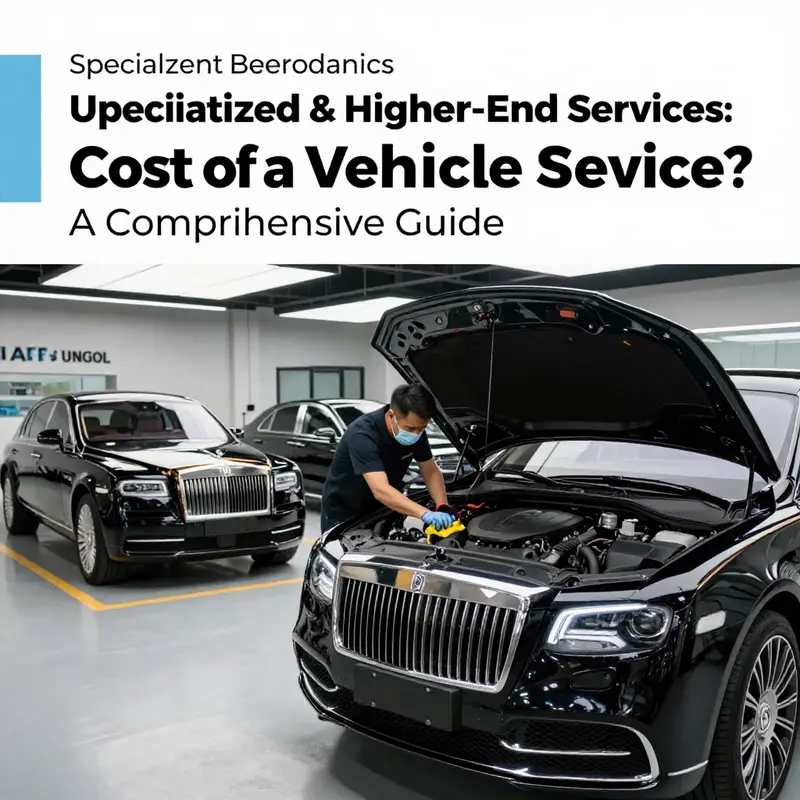
Costs tied to vehicle servicing are rarely linear, and nowhere is that more evident than in the specialized and higher‑end end of the market. When a routine oil change gives way to a hybrid system diagnostic, a transmission overhaul, or a full‑blown engine bay restoration, the price tag moves beyond the familiar number you see on a simple ticket. The journey from basic maintenance to premium service is not simply a matter of more labor hours; it reflects the complexity of modern automotive technology, the quality of parts and procedures, and the structured pricing philosophies of different service venues. In this chapter we unpack how those higher end services are priced, what drives the cost up, and how a discerning owner can navigate the landscape without losing track of value.
To begin with, standard maintenance still forms the bedrock of these costs. Minor services, such as routine oil changes and filter replacements, can lie in a broad range that depends largely on the type of oil and the quality of filters chosen. A conventional oil change with a standard filter is typically the most affordable entry point, while a synthetic oil change, with a premium filtration setup, pushes the price nearer the upper end of the spectrum. But once the vehicle enters categories that demand advanced diagnostics, specialized parts, or high‑precision procedures, the numbers climb quickly. Logbook services, the manufacturer‑specific maintenance tasks that keep a vehicle within its warranty terms, can sit between modest and moderate expense, but they are rarely incidental. They carry a premium because they are time‑bound to a precise schedule and require meticulous attention to the manufacturer’s service bulletin and specification sheets. In many markets, these standard or near‑standard maintenance tasks set a baseline cost, and the specialized work is added when the system calls for it.
The escalation from basic to advanced is most evident when the vehicle relies on sophisticated, high‑tech systems. Hybrid and electric drivetrains, turbocharged engines, and advanced driver assistance components demand more than just a technician’s time; they require diagnostic tools, software access, and sometimes OEM‑specific training. The cost of replacing a component in a premium system often reflects not only the price of the part itself but also the expertise needed to install it correctly and to reinitialize the system so that it works in harmony with the rest of the vehicle. For instance, replacing a battery in a hybrid setup is not simply swapping cells; it involves safety protocols, high‑voltage isolation, and a careful calibration of the hybrid control software. In many cases, this moves the service into the thousands of dollars rather than the hundreds, and it underscores a key point: higher‑end work is priced to reflect the risk, the skill, and the data integrity required to restore performance without compromising safety.
Advanced engine and transmission repairs illustrate the same principle from a different angle. When a fault diagnosis reveals a failure in a precision component or a subsystem with several interconnected modules, the technician’s diagnostic time becomes a major component of the bill. Modern engines can include complex fuel‑delivery systems, emission controls, variable valve timing, and sophisticated cooling loops. Even with a stubborn fault, the time to identify it—versus the time to fix it—can be a meaningful portion of the total cost. If a repair requires dismantling or reassembly of critical subsystems, the labor hours multiply. In worst‑case scenarios, where the fault is in a high‑value component with multiple potential failure modes, the repair can stretch into the tens of thousands. This is not to alarm readers, but to illustrate why specialized work carries a premium: the stakes are higher, and the margin for error is smaller.
Dealer networks and independent specialists approach pricing from different strategic angles. Authorized dealerships often carry higher overhead, with a workforce trained to manufacturer standards, access to OEM repair information, and access to genuine parts. The premium these factors justify is not always straightforward, but it tends to appear as higher quoted totals for the same diagnostic and repair tasks. Independent repair shops, by contrast, may offer lower labor rates and more flexible scheduling, but they may also face constraints around parts sourcing, certification alignment, and certain higher‑level diagnostics. The result is not simply a better or worse choice; it is a question of the service level you expect, the assurances you want, and the vehicle’s particular needs. The price gap can be meaningful, but it is not always the deciding factor. If a technician at an independent shop can source a genuine component with robust warranties and deliver documentation of the repair path, the difference may be a matter of value rather than raw cost.
Consider the idea of a broader service ecosystem beyond single repairs. In some markets, premium service packages or maintenance bundles are offered as subscription‑like programs. They promise convenience—pickup and delivery, regular intervals, and a predictable annual spend—and they can smooth out budgeting for ongoing maintenance. These bundles typically include core services like oil and filter changes, air and cabin filter replacements, and a set number of inspections or diagnostic checks. The intent is to align routine maintenance with the vehicle’s long‑term needs while shielding the owner from the friction of re‑quoting services at every interval. It is crucial to recognize that such packages are designed to simplify maintenance logistics and may or may not cover the specific high‑end tasks that arise in a given year. In other words, they can be a valuable tool for budgeting, yet they do not eliminate the possibility of encountering a major repair that falls outside the package’s scope.
The cost landscape for specialized services is also shaped by parts quality and the choice between OEM, aftermarket, or remanufactured options. In high‑end contexts, technicians may insist on OEM parts or equivalent, particularly for critical systems where tolerances and compatibility are essential. OEM parts often come with longer warranties and a track record of reliability, but they command a premium. Independent shops, seeking to balance price with reliability, may offer high‑quality aftermarket components or remanufactured options with strong warranties. The key for the consumer is to understand what the warranty covers, how long it lasts, and what the coverage means in practice. A cheaper part that fails prematurely can undermine the value proposition of the entire service. Conversely, an upfront premium for a trusted, tested component can yield longer‑term savings in reduced downtime and fewer follow‑ups.
Another dimension to consider is the diagnostic process itself. When specialized issues arise, the cost isn’t only the physical replacement of a part; it often includes extensive testing, software updates, and system recalibration. The software aspect is particularly important in modern vehicles. Many systems rely on intricate control software that dictates everything from fuel injection to torque delivery and brake system performance. Accessing the correct software, running the right version, and ensuring compatibility with the vehicle’s other modules requires licensed tools and trained technicians. The longer the diagnostic phase lasts, the higher the labor bill, even if the eventual repair is modest. In some cases, the diagnostic effort reveals that no parts need to be replaced, only a software calibration or a recalibration after a routine service. While that still costs labor, the value is different: you are paying for knowledge, accuracy, and the safeguard of preventing an unnecessary part replacement.
For readers weighing dealer versus independent options, a practical heuristic can help. If the vehicle is newer, under a manufacturer warranty, or relies heavily on integrated systems with proprietary diagnostics, a dealer‑level service may deliver the best alignment with the warranty terms and the vehicle’s expected long‑term performance. If the car is older, or if the owner prioritizes lower upfront costs and a quicker turnaround, a trusted independent shop with strong credentials and clear warranties can be a wise choice. Either path requires transparency: request a written diagnostic report, ask for a granular line‑item estimate, and confirm whether the price includes labor, parts, environmental fees, and any disposal costs. Transparency reduces the risk of sticker shock and helps you compare apples to apples across providers.
As you navigate the quotes, remember that the cost is only one dimension of value. The potential impact on vehicle reliability, future resale value, and safety can tilt the decision toward the option that delivers more predictable outcomes. It helps to consider the source of expertise as a form of value: the technician’s training, the shop’s access to current repair data, and the shop’s service philosophy regarding updates and follow‑ups. The most expensive quote is not necessarily the best one; neither is the least expensive. The sweet spot is the provider that offers high competence, robust warranties, clear communication, and a repair path that minimizes risk while respecting your budget.
To keep this chapter grounded in practicality, it is useful to connect these considerations to how readers typically budget for service. The price for a basic oil change remains a simple anchor, while higher‑end work may require a reserve fund or a planned service budget to accommodate the inevitable repairs and replacements that modern vehicles sometimes demand. For those who want to translate theory into a concrete plan, practical maintenance strategies—like setting aside a dedicated maintenance fund, scheduling diagnostic checks at key mileage milestones, and negotiating service plans that align with vehicle usage—can provide clarity. And for readers who want to explore ideas on maintenance intervals and how they intersect with cost, the KMZ Vehicle Center blog offers a straightforward, reader‑friendly lens on practical maintenance intervals and the time vs mileage debate. KMZ Vehicle Center blog This kind of resource helps turn a looming, opaque cost into an actionable plan rather than a vague sum to bear.
Ultimately, the price of specialized and higher‑end vehicle services reflects a balance between risk, expertise, material quality, and the service provider’s approach to safety and reliability. It is a landscape where knowledge and transparency matter as much as the number on the invoice. If you walk away with a clear diagnostic narrative, a credible parts list, and a defined path to restore performance, you have something more valuable than a single price: confidence in your car’s continued reliability and your own budgeting ability. For readers who want to see how the market is shaping up at a broader level, industry sources and cost guides provide a complementary frame. They reinforce that, while basic maintenance can be straightforward in cost, specialized work remains an investment in long‑term vehicle health. To explore a broader industry snapshot of current service costs, an external industry guide can be a useful reference: https://www.autocar.co.uk/car-service-cost-guide-2025-what-you-need-know.
This nuanced understanding helps prevent sticker shock and equips readers with a pragmatic approach to getting the right service at the right price. It also underscores why a well‑planned maintenance strategy—one that anticipates the likelihood of higher‑end services as a vehicle ages or as driving patterns change—can save money in the long run. The cost of service, especially in the specialized and higher‑end space, is not simply a line item; it is a gauge of the car’s health, the quality of components that keep it running, and the reliability you can count on when you need it most.
Repair Costs Demystified: Decoding What a Vehicle Service for Repairs Really Costs
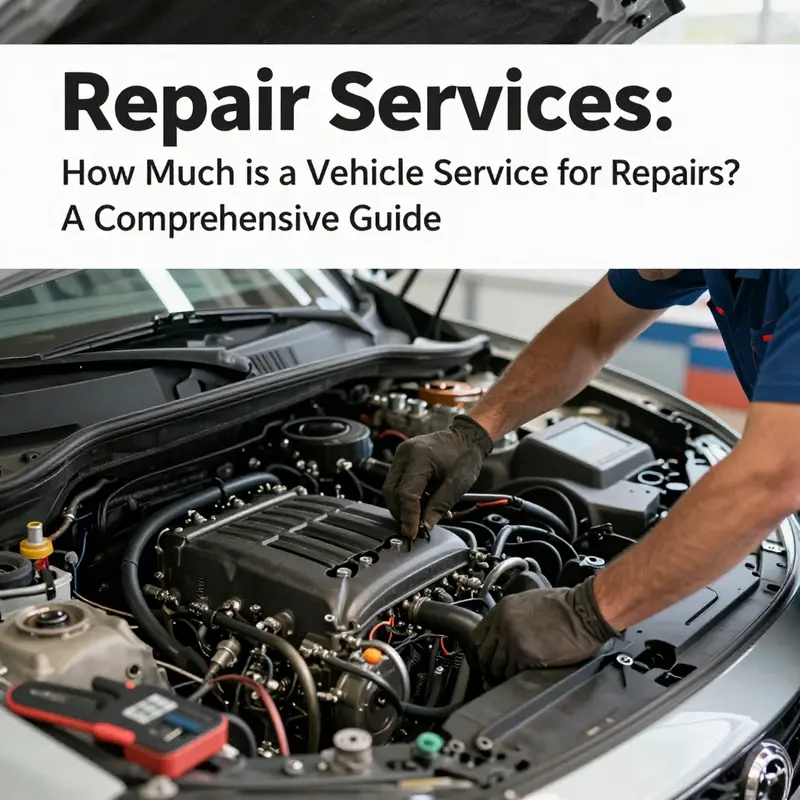
When a vehicle starts acting differently, many drivers instinctively reach for the calculator before the wrench. The path from a sudden odd sound or warning light to a repaired car is rarely linear, and the price tag attached to repairs can swing widely. This chapter focuses on the repair side of vehicle service, peeling back the layers of cost so you can anticipate bills without being blindsided by surprise charges. It’s a narrative about how prices are built, what those price ranges mean in practice, and how a careful shopper can navigate the landscape of dealerships and independents without sacrificing reliability or peace of mind. At the heart of the discussion is the simple truth that repair costs are not a single number. They are a spectrum shaped by the type of work, the vehicle’s design, the availability of parts, the labor environment, and the shop’s pricing philosophy. As you move through this landscape, you’ll see that the goal isn’t just to spend less, but to spend smartly—choosing the right fix, at the right time, from the right people, with an eye toward long-term value and safety.
A steady baseline helps frame the conversation. Basic services fall on the low end of the spectrum, acting as a first step in maintenance rather than a repair. An oil change and filter replacement, for instance, is one of the most frequent jobs and is usually priced between $50 and $150 in many regions. This range is driven by two key facts: the cost of the oil itself and the type of oil used. Conventional oil keeps the price down, while synthetic or premium blends push it toward the higher end. The job also includes a filter change, which, while inexpensive in isolation, contributes to the overall value proposition of routine upkeep. Other routine items, such as air filter replacement or cabin air filter replacement, follow a similar pattern of modest price bands—often $30 to $100 for the cabin filter and about $50 to $150 for an air filter, depending on the vehicle and the shop’s labor rate. These numbers matter not only as current costs but as reminders that regular maintenance is a budgetable habit that prevents larger, costlier repairs later.
When the conversation turns from routine service to actual repairs, the terrain shifts dramatically. Engine work, transmission servicing, and brake replacements tend to inhabit a broader price landscape. A full brake job, including pads, rotors, and labor, commonly falls in the $300 to $800 range, though premium brake components or vehicles with higher labor demands can push that total higher. Engine work or transmission servicing can quickly climb into the several hundreds up to a couple of thousand dollars, depending on the scope. A set of sensors or an electrical module, for example, may require meticulous diagnostics, replacement parts, and careful programming, and those costs can accumulate more rapidly than a straightforward mechanical repair. In some cases, complex repairs can exceed $2,000, and major overhauls may reach well beyond that, especially when multiple systems are affected or when the repair requires specialty tools and expert technicians. The variability is not merely about the parts themselves; it is equally about the time, labor intensity, and the level of expertise required to complete the job correctly and safely.
Across this spectrum, there are distinct repair archetypes that help buyers anchor expectations. Timing belt replacement, a service that is recommended at specific mileages in many car designs, is a common example. It typically ranges from $500 to $1,200, depending on the vehicle and whether additional cam or crankshaft work is necessary during the same service. A full brake job, as mentioned, covers more than just pads; it can involve rotors, calipers, and sometimes a resurfacing or machining of the braking components, driving the price into a higher bracket if the entire assembly needs attention. Electrical issues often complicate matters further. They may require multiple diagnostic steps, wiring checks, and possibly replacement of sensors or control modules. The price tag in such cases is highly contingent on the number of failed components and the complexity of the electrical system. These are the moments when a clear diagnostic step becomes essential, because the same symptom—say, a failing starter or a consistent misfire—could have several root causes with very different repair costs.
A practical approach to repair costs begins with transparency about the diagnostic process. Many shops offer diagnostic services either for free or at a modest fee, with the caveat that the diagnostic cost is credited toward the repair if you proceed with the recommended work. A diagnostic report can act as a contract of sorts between you and the shop: it outlines what is wrong, what parts are needed, the labor hours expected, and the total price. This clarity not only helps owners understand the bill but also reduces the risk of paying for unnecessary repairs. It is worth noting that the labor rate, which varies by region and by the shop’s positioning, significantly influences the final amount. A shop located in a high-cost urban area or a dealership setting generally charges more per hour than an independent workshop in a smaller town. The difference in hourly labor rates can dramatically alter the total, especially for jobs that require significant hands-on time or intricate diagnostics.
The choice between dealership and independent shop further affects the repair cost equation. Dealerships tend to use OEM parts and have technicians with specialized training for specific makes. This can translate into higher hourly rates but can also yield benefits in the form of precise diagnostics, factory service bulletins, and sometimes better alignment with warranty requirements. Independent shops, by contrast, often balance more competitive labor rates with a broad familiarity of multiple makes, potentially offering more flexible scheduling, shorter wait times, and a pragmatic approach to parts sourcing. The most important criterion is not the label on the door but the shop’s competence, transparency, and track record. A gasket replacement at one shop might be far more economical yet riskier if performed by a technician who lacks experience with that engine family. Conversely, a dealership might guarantee a specific diagnostic procedure but at a price that doesn’t align with a consumer’s budget. The essence is to match the repair strategy to the vehicle’s design, the severity of the issue, and the owner’s tolerance for risk and cost.
In practice, prudent budgeting for repairs involves a blend of education and current pricing awareness. Start with a clear description of the symptoms and a request for multiple written estimates. The quotes should itemize parts, labor, and any shop supplies or disposal fees, and they should specify the estimated time for completion. It is wise to ask whether the quoted labor hours reflect typical scenarios or if they anticipate any additional time for potential complications. When you receive the estimates, compare not only the bottom line but also the recommended course of action. If one shop proposes a more expensive repair with a longer interval before the next service, while another offers a lower-cost fix with a shorter lifespan, the long-term costs may tilt in favor of the seemingly pricier option if it genuinely reduces the likelihood of a repeat visit. And remember that cheaper is not always better if it compromises safety or reliability. A thorough diagnostic and a durable repair should be prioritized, especially for critical systems such as brakes, steering, and engine management.
As you navigate the repair landscape, consider how maintenance history and the vehicle’s age influence costs. A well-documented service history can sometimes keep repair bills lower because the likelihood of certain failures declines when the vehicle is well cared for. Conversely, an older vehicle with high mileage may require more frequent or more extensive repairs, particularly if wear has accumulated in several systems at once. In such cases, it may become reasonable to discuss options such as a targeted repair versus a more comprehensive overhaul, a choice that hinges on the vehicle’s overall value, the owner’s driving needs, and the financial calculus of future maintenance. A key theme across these decisions is communication. Transparent dialogue with the technician or advisor reduces miscommunication and helps ensure that estimates reflect the actual scope of work. This is where the diagnostic report becomes not just a tool for pricing but a roadmap for action.
For readers who want to learn specifically how to approach the repair pricing conversation, consider this practical step: when you discuss a repair, ask for a repair plan that outlines three scenarios—minimum viable repair, standard repair, and best-case repair with contingencies. This framework helps you see how the price grows with the complexity of the fix and what you gain at each tier. If you encounter a shop that hesitates to provide options or pressures you toward a single solution, that hesitation can be a signal to seek a second opinion. As you weigh your options, you might also contemplate whether a repair aligns with your vehicle’s current value and your long-term needs. If the car is approaching a stage where major overhauls may be on the horizon, it could be reasonable to explore alternatives such as a trade-in, a refurbished replacement, or a maintenance plan that keeps essential systems functional while deferring larger expenditures.
An important thread running through all of this is the idea that not every repair is equal in urgency or consequence. Some repairs are necessary to restore safe operation immediately, such as fixing a brake problem or addressing an engine misfire that affects drivability. Others are elective or preventative, where the goal is to preserve performance or prevent future failures but may not be strictly required to operate the vehicle in the short term. The distinction matters for budgeting and decision-making, especially when funds are limited or when the vehicle holds sentimental or strategic value. In the end, the right choice balances safety, reliability, and the owner’s financial reality, guided by careful diagnostics, multiple quotes, and a clear appreciation of the trade-offs involved.
For readers who want to connect this framework with real-world planning, a practical tip is to track each repair in a simple log. Record the date, the shop, the reason for the repair, the estimated cost, the final bill, and whether any follow-up work was required sooner than expected. This log becomes a powerful reference for predicting future costs and understanding your vehicle’s operating economics over time. It also provides handy leverage when discussing price with a shop, because you can point to past quotes and actual bills, creating a data-driven dialogue rather than a purely emotional one. As with any financial decision, preparation reduces risk and improves outcomes. It is not about chasing the lowest price but about securing a dependable fix at a fair price.
Within this broader context, one can appreciate how the repair costs landscape connects with other aspects of vehicle ownership. The cost of repairs does not exist in a vacuum; it interplays with ongoing maintenance, fuel efficiency, reliability, and even resale value. Regular maintenance can mitigate the likelihood of unexpected, high-cost repairs, while timely, well-documented repairs can extend the life of a vehicle and protect its value. This interconnection means that even when a major repair is unavoidable, a thoughtful, well-documented approach to selecting a shop and negotiating a price can yield a better outcome in both reliability and financial terms. It also underscores the importance of using credible sources and best practices in estimating costs. Consumers should seek quotes from multiple local repair shops, compare the specifics of what is included, and be wary of estimates that lack detail or fail to consider all potential contingencies. Many mechanics offer free diagnostics, which can identify the issue and help avoid unnecessary repairs by ensuring the proposed fix is genuinely necessary.
In closing this exploration, it is helpful to anchor a few actionable takeaways. First, treat repairs as a two-step process: diagnosis followed by repair. The diagnostic phase should be transparent and well-documented, ideally with a written report. Second, gather multiple written estimates to understand the range and to evaluate the rationale behind each one. Third, consider the value of the repair in relation to the vehicle’s age, mileage, and overall condition, especially when major components are involved. Finally, lean on credible guidance from reputable sources to frame expectations and to verify the fairness of a proposed price. For those who want to explore additional perspectives on maintenance costs and intervals, one can look at practical planning resources that discuss the trade-offs between time and mileage in oil-change intervals, which can influence long-term maintenance costs as well as the frequency of certain repairs. optimizing oil-change intervals
If a repair is truly looming on the horizon, it can be both daunting and liberating to have a process you trust. The steps outlined here—seek multiple quotes, request a written diagnostic, compare the scope of work, consider the vehicle’s value, and prioritize safety—offer a disciplined path through what can feel like a financially uncertain moment. The goal is not to accumulate price tags but to secure a repair that preserves safety, performance, and the vehicle’s longevity, all within a realistic budget. When this approach is adopted, repair costs become less a mystery and more a manageable component of responsible ownership.
External resource: For a broader overview of repair costs and what you can expect to pay in 2024, see Consumer Reports’ Repair Costs Guide: https://www.consumerreports.org/cars/repair-costs-a-guide-to-what-you-can-expect-to-pay-2024/
In the Moment of Breakage: Decoding Emergency Roadside Help and What It Means for Your Vehicle Service Costs
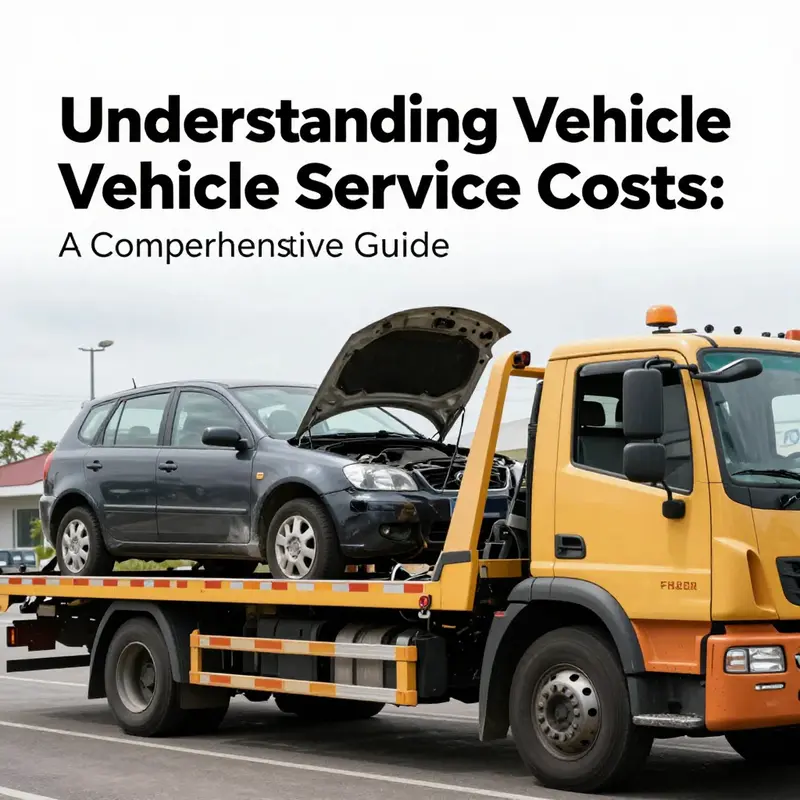
A vehicle is a compact system of moving parts, and when something jams, stalls, or simply refuses to start, the price tag of getting back on the road can feel less like a quote and more like a test of whether you should have planned better. Emergency or rescue services are a distinct part of the broader conversation about how much a vehicle service costs. They arrive not from routine maintenance schedules, but from the moment when a breakdown interrupts travel, safety, or ability to reach a destination. The numbers attached to roadside help are often less familiar to drivers than the price of an oil change or a brake pad replacement, yet they can be equally decisive in budgeting for vehicle upkeep. A person might look at a standard service menu and think only in terms of planned visits, but urgent help introduces a different calculus—one that blends geography, timing, vehicle type, and the terms of coverage already in place through warranties, insurance, or service packages.
At its core, emergency roadside assistance functions like a safety net. It is designed to deliver rapid relief during a breakdown, accident, or other immobilizing event, and its pricing structure reflects the urgency and the resources that the situation demands. Unlike routine maintenance, which follows a predictable cadence and a set of standard parts, rescue services hinge on a few dynamic variables. The distance towed, the time of day, the size and weight of the vehicle, and the complexity of the repair needed after the tow all influence the bottom line. This is why understanding the true cost of emergency help requires looking beyond the quoted hourly rate of a technician and considering what the service covers in different scenarios.
To frame the conversation with clarity, it helps to separate the common components drivers encounter in urgent situations. Towing is usually the most visible and often the most costly element. Within city limits, a tow for a small car can start around two hundred dollars, with the price rising in proportion to the vehicle’s weight or the distance to the repair facility. If the breakdown occurs at night or on a weekend, many providers apply a surcharge, typically in the range of ten to twenty percent, reflecting the demand and the operational costs of after-hours assistance. This pricing mechanism mirrors the practical reality that emergency services must mobilize scarce resources—tow trucks, drivers, and sometimes specialized equipment—on short notice, often under less than ideal conditions.
Another major factor is on-site service versus off-site transport. A roadside assistant may be able to perform a basic fix at the roadside in some cases—like providing a jump start, changing a flat tire, or delivering enough fuel to reach a safe location. These on-site tasks are generally billed per service call or by the hour, and they can range from roughly one hundred to a few hundred dollars depending on the nature of the fault and the labor time required. When on-site repair is not feasible or when the vehicle cannot be safely operable, the vehicle must be towed to a repair facility. In those scenarios, the cost more often aligns with the distance traveled and the size of the vehicle than with a single fixed fee.
Within this landscape, jump-start services, flat-tire changes, and other quick interventions form a separate subset of emergency costs. A jump start typically falls in the range of one hundred to two hundred dollars, a flat tire change often lands between one hundred fifty and three hundred dollars, and additional on-site interventions—such as delivering a small amount of fuel or performing a diagnostic check in the field—can vary widely. These figures reflect the practical realities of keeping the vehicle safe enough to reach help or to continue the journey in a controlled manner, rather than solving every underlying mechanical problem on the spot. It’s a difference between getting heat, light, and mobility back for a few hours versus addressing a root cause that may require extensive parts replacement or a more comprehensive repair.
From the consumer’s perspective, what makes emergency roadside pricing most meaningful is understanding how coverage can alter the out-of-pocket experience. Some drivers have warranties or service plans that explicitly include roadside assistance as a value-added feature. In those cases, the policy may cover towing costs to the nearest service center or to a facility that can perform the required repair, with the insurer or warranty administrator absorbing the bill. Other drivers rely on a separate auto club or travel assistance policy that reimburses or directly pays the service provider, depending on the plan’s terms and the incident. In many instances, coverage also includes ancillary benefits—rental car or taxi assistance, hotel accommodations, or meal vouchers—when a breakdown interrupts a multi-day trip or leaves the driver stranded far from home. The reimbursement or coverage limits for such ancillary support vary widely. A common framework across many programs is a per-incident cap, sometimes around a thousand dollars, that applies to the total costs of rescue, repair, and interim accommodations. This means a driver might experience a scenario where the direct towing and on-site expenses are paid by the plan, while additional costs incurred while the vehicle is immobilized—such as a rental car—are subject to the set maximum.
For those navigating these waters, the practical takeaway is to treat emergency roadside coverage as a component of total vehicle service cost rather than an isolated line item. A driver who has comprehensive roadside protection may find that a substantial portion of the incident’s expenses is covered, reducing the immediate leap in out-of-pocket costs. Conversely, if coverage is limited or absent, the same breakdown could result in a sizable bill that tests a budget built around more predictable maintenance expenses. It is here that the distinction between planned maintenance and emergency rescue becomes especially meaningful. Routine services—oil changes, filter replacements, brake checks—form the backbone of vehicle reliability and do not involve the high-urgency, high-variability pricing seen in roadside assistance. Yet a refusal to plan for contingency can escalate a routine journey into a costly detour, should an unforeseen incident occur.
The pricing narrative also reveals a practical strategy for reducing unexpected charges: clear, proactive preparation. Before embarking on lengthy trips, a driver can verify whether their policy includes emergency services and what the coverage entails. It’s essential to check the geographic limits if the journey runs across state lines or into rural areas, where response times may be longer and coverage boundaries different. Knowing the terms in advance helps manage expectations when the tow truck arrives and the driver is asked to authorize work. For instance, some plans cover the nearest BMW center or any authorized repair facility, while others may specify reimbursement schemes or require the driver to pay upfront and seek reimbursement later. While the exact language varies, the underlying principle remains consistent: understanding coverage translates into better decision-making under stress.
In addition to coverage specifics, a broad but practical insight emerges when drivers weigh the value of urgent support against the price tag. If a breakdown happens in a location with high towing costs or limited service options, the charges can accumulate quickly. A plan that seems expensive on a monthly basis may prove economical when one considers the potential out-of-pocket exposure during a single incident. This is not merely about dollars—it’s about risk management. The assurance that help can arrive quickly, take responsibility for the logistics, and keep the driver and passengers safe is, for many people, worth the investment. The emphasis, then, is not only on what roadside assistance costs, but on how the service changes the overall financial footprint of a vehicle emergency across the life of ownership.
As with any service, there is also value in shopping around and asking pointed questions in advance. A driver should inquire about typical response times in their area, the range of services that can be performed roadside, whether the plan includes emergency accommodation, and how billing is handled. Some providers bill per incident, others bill per hour for the labor involved, and some bundle services with a flat rate for a given geographic region. These variations underscore why a simple price tag attached to “emergency rescue” is rarely sufficient. The true cost narrative is contextual: the incident type, the location, the vehicle class, the availability of a service network, and the clauses of any coverage become the actual levers that determine the final amount.
Readers seeking deeper context on maintenance and the broader spectrum of vehicle care might find it helpful to consult practical maintenance resources that address long-term vehicle health and ownership basics. For example, you can explore guidance on preventive care and how it intersects with emergency planning by visiting topics such as truck maintenance for new owners. This link provides downstream value for readers who want to align emergency coverage with a broader strategy for keeping a vehicle dependable over time. truck maintenance tips for first-time owners.
Ultimately, the question “how much is a vehicle service” expands beyond the sticker price of a single fix or a roadside call. It becomes a composite assessment of routine protection and contingency planning. The emergency component, while often more episodic and less predictable than scheduled maintenance, exerts a meaningful influence on total cost of ownership. For some drivers, emergency coverage is a crucial safety valve that minimizes disruption and preserves mobility during the most stressful moments on the road. For others, it is a feature to evaluate against the probability of needing it, translating preferences for peace of mind into concrete financial decisions. Either way, the practical approach remains consistent: know what you have, what is covered, what the limits are, and how to leverage that protection when it matters most. If you can walk into a breakdown with a clear understanding of how emergency help is billed, you can navigate the moment with less anxiety and more agency, turning a potential financial shock into a manageable cost within the broader framework of vehicle care.
External resource for further reading: https://www.bmwusa.com/roadside-assistance
Final thoughts
In essence, grasping the intricacies of vehicle service costs can empower car owners—be they personal drivers or small business fleet managers—to navigate the financial landscape of automotive care effectively. From basic maintenance routines to specialized services and urgent repairs, each aspect of vehicle servicing entails distinct cost considerations that influence your overall investment in vehicle ownership. Understanding these costs not only helps in budgeting but also ensures that you prioritize the necessary maintenance needed for your vehicle’s longevity and performance.