
Understanding Emergency Vehicle Signals: The Green Light Importance
In today’s fast-paced world, the ability to recognize and respond to emergency vehicle signals is more crucial than ever. Among these signals, the flashing green light stands out as one of the most significant yet often overlooked indicators. While most drivers are familiar with red and blue lights, the flashing green light is a unique signal typically used by volunteer firefighters and other emergency services, serving a vital purpose in ensuring timely responses during emergencies. For car owners and fleet operators alike, understanding these signals can mean the difference between smooth traffic flow and severe complications during emergencies. In local communities, this knowledge fosters a safer driving environment and aids in emergency responders quickly reaching those in need. Car owners should equip themselves with this knowledge, not only for personal safety but also to promote responsible driving behavior that respects and facilitates the efforts of local emergency services. By being informed about the meaning of the flashing green light, you contribute to a culture of awareness and preparedness, ultimately making your community a safer place for all. For further insights into maintaining your vehicle’s reliability during emergencies, explore our truck maintenance tips for first-time owners.
The Significance of Emergency Vehicle Colors
Emergency vehicles employ various colors to signify their roles and alert the public effectively. Understanding these color codes is essential for all drivers, as it can assist in making quick decisions, especially in urgent situations.
Common Colors and Their Meanings
| Color | Primary Use | Meaning and Description |
|---|---|---|
| Red | Fire trucks, ambulances | Universally recognized as a color of emergency, red indicates danger or urgent situations. It is commonly associated with life-threatening scenarios. |
| Blue | Police vehicles | Symbolizes authority and emergency response. Blue lights are crucial for law enforcement’s visibility. |
| Amber/Yellow | Road construction vehicles | Signals caution; alerts drivers about potential hazards ahead without representing an emergency. |
| Green | Medical response units | Indicates a medical emergency in some regions. Flashing green lights can signify urgent medical assistance or special-service response teams. |
Special Note on Flashing Green Lights
The flashing green light is not commonly used as an official color in many countries, but where it is implemented, it designates specialized medical services or support units. In emergencies, a flashing green light can indicate a medical emergency vehicle, ensuring that drivers give these vehicles priority without confusion with typical emergency responders like police or fire services.
This differentiation is vital during critical situations where time is of the essence. For instance, in some regions of the United States and Canada, a flashing green light may be used by volunteer paramedics or emergency responders responding to call-outs, marking their presence while performing urgent care activities.
Importance of Awareness
Driving awareness regarding these color codes is crucial for public safety. Recognizing the different lights and understanding their meanings can significantly affect the speed and effectiveness of emergency responses. Here’s why it matters:
- Faster Response: Quick identification of emergency vehicles can enable safer and faster actions, such as yielding or maneuvering out of the way.
- Informed Decisions: Knowledge of what each color signifies can help drivers make better decisions under pressure, minimizing confusion or mistakes.
- Community Support: Being informed aids not only individual safety but also supports community health and emergency service efficiency. If drivers understand the signaling, they can assist emergency personnel more effectively.
For more insights on vehicle maintenance that can impact safety, check out our maintenance tips for first-time owners. Furthermore, understanding how vehicle components function can enhance awareness on the road, ensuring everyone is better prepared to interact with emergency situations.
| Light Color | Meaning | Typical Vehicles Using This Color |
|---|---|---|
| Red | Indicates emergency status; signals the need for immediate attention and priority passage. Often used to denote life-threatening situations. | Ambulances, Fire Trucks, Emergency Medical Services (EMS) vehicles |
| Blue | Signals law enforcement or emergency medical response; commonly used in conjunction with red to enhance visibility and alertness. | Police cars, some ambulances, certain rescue vehicles |
| Red-Blue Combination | Combines the urgency of red with the high visibility of blue; widely used for maximum recognition in emergencies. | Ambulances, police vehicles, fire trucks, emergency rescue units |
| Amber/Yellow | Used for warning and caution; indicates a vehicle is operating slowly or in a hazardous situation. Commonly used on utility or construction vehicles. | Utility vehicles, tow trucks, road maintenance vehicles, snowplows |
| Green | Occasionally used for specific emergency services such as military or specialized rescue teams; may indicate a non-emergency but urgent response. | Some specialized rescue vehicles, military emergency units |
Common Emergency Vehicles Using Flashing Green Lights
Emergency vehicles often utilize distinct lighting systems to ensure quick recognition by other drivers. Flashing green lights specifically denote certain types of service vehicles, assisting in their identification during urgent situations. Here’s a concise overview of common emergency vehicles that use flashing green lights:
1. Ambulances
Ambulances equipped with green flashing lights are often used by paramedics and emergency medical personnel. This alerting system helps in differentiating them from other vehicles on the road when responding to medical emergencies.
2. Fire Department Vehicles
In some jurisdictions, fire department vehicles also display flashing green lights. This aids in making them recognizable as they approach a scene, facilitating quicker access through traffic.
3. Law Enforcement agencies
Certain police vehicles display flashing green lights when engaging in specific duties such as community policing, or in other formal roles outside of emergency response. This helps inform the public of their presence without signaling an emergency response.
4. Search and Rescue Units
Search and rescue units often utilize green lights to signal their operation in specific events, such as natural disasters. Their visibility is crucial for guiding civilians away from danger.
5. Department of Transportation Vehicles
Vehicles operated by departments of transportation may use flashing green lights to signify their role while conducting road repairs or during monitoring activities. This visibility ensures heightened awareness among drivers around construction zones.
Importance of Recognizing Green Lights
Understanding which vehicles use flashing green lights is essential for road safety. Drivers should treat these signals with equal importance as those from traditional emergency vehicles. Learn more about vehicle awareness and safety measures to stay informed.
By being aware of these vehicles and their signaling, drivers can contribute to safer roads in their communities. Familiarizing oneself with flashing colored lights can enhance the response times of these vehicles in critical situations.
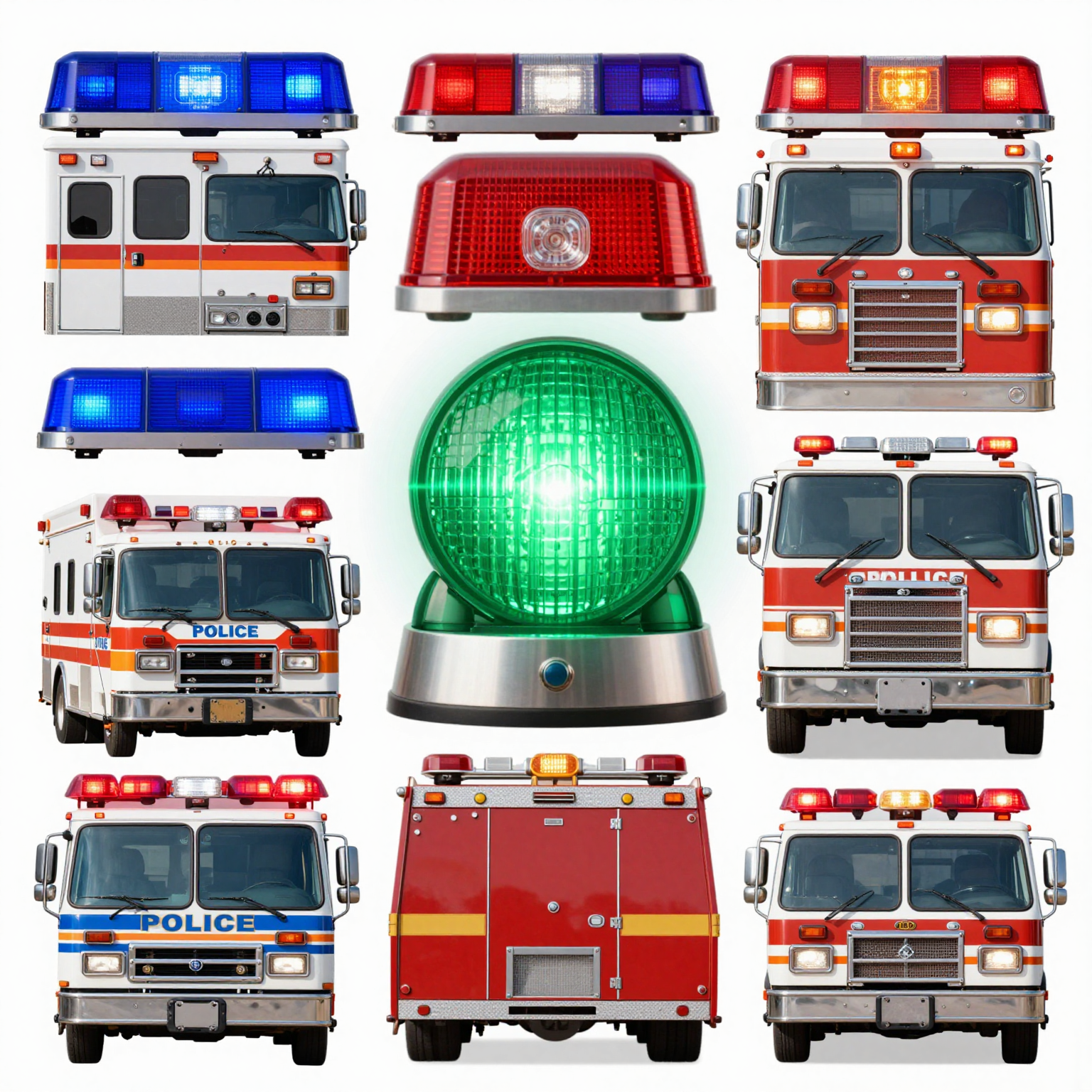
Understanding the Laws on Green Flashing Lights for Emergency Vehicles
The use of green flashing lights on emergency vehicles has become an important topic for private motorists and fleet operators. Recent regulations reveal that while these lights can be beneficial in specific circumstances, their usage is tightly regulated under both state and federal guidelines.
Federal Overview
According to the National Highway Traffic Safety Administration (NHTSA), green flashing lights are not standard for emergency vehicles. The primary colors designated for emergency vehicle lighting in the U.S. are red and blue, due to their high visibility and public recognition. Some states, however, may allow green lights for non-traditional roles, such as medical personnel or hazardous materials teams, but these are exceptions to the rule.
State Regulations
The use of green flashing lights varies significantly from state to state. For instance:
- Florida allows green lights for medical emergency personnel, such as paramedics.
- Texas permits their use for hazardous materials (HAZMAT) units and certain transportation inspectors.
These uses come with strict regulations and often require special permits to ensure they do not confuse the public regarding the presence of emergency vehicles. According to the National Fire Protection Association (NFPA), a minority of states permit green lights, emphasizing the need for clear definitions and training on their use to prevent confusion among drivers.
Considerations for Private Motorists and Fleet Operators
For private car owners and fleet operators, it is crucial to understand that installing green lights on vehicles without proper authorization can lead to legal repercussions. In Western Australia, for example, motorists must obtain a Flashing Warning Light (FWL) approval for the use of green lights and ensure compliance with regulations that govern road safety and traffic laws. This is echoed in the U.S. where improper use of colored lights can result in penalties.
Conclusion
In summary, while green flashing lights can serve special roles within emergency services, their usage is heavily regulated. For private motorists and fleet operators, it is essential to stay informed about local laws to avoid complications. Regularly reviewing available resources, such as vehicle maintenance tips for first-time owners, can help ensure compliance and awareness of best practices.
Potential Consequences of Ignoring Flashing Lights
When you encounter a vehicle displaying flashing green lights, it is essential to understand the gravity of the situation. These lights are commonly associated with emergency medical services (EMS), indicating that a medical transport vehicle or paramedics are responding urgently to an emergency. Failing to recognize or yield to these vehicles can lead to significant risks and consequences.
Legal Penalties
Ignoring flashing green lights is not just an act of negligence; it’s also a violation of traffic laws in many jurisdictions. According to the National Highway Traffic Safety Administration (NHTSA), failing to yield to an emergency vehicle can result in serious penalties, including:
- Fines ranging from $200 to $1,000
- Points on your driving record
- Possible license suspension
This can escalate if the failure to yield contributes to an accident or injury, potentially leading to gross misdemeanor or even felony charges.
Life-Saving Delays
One of the most critical consequences of ignoring such signals is the potential for life-saving delays. As noted by PoliceOne, every second counts in emergency medical responses. Failing to yield can hinder timely medical assistance, leading to severe repercussions for individuals in critical conditions. In cases where delays result in fatalities, the responsible driver may face criminal charges.
Increased Risk of Accidents
By ignoring flashing lights, drivers not only endanger the lives of those needing urgent care but also the safety of other drivers and pedestrians. According to various traffic safety sources, such neglect can lead to collisions that would otherwise have been avoided if proper caution were exercised. The consequences of these accidents can be devastating, affecting not just the individuals involved but also the emergency responders trying to assist.
In conclusion, the risks associated with ignoring flashing green lights from emergency vehicles are far-reaching, encompassing legal repercussions, potential loss of life, and increased accident rates. It is imperative for all drivers to prioritize safety and adhere to all traffic laws regarding emergency vehicles, ensuring that help can reach those in need without unnecessary delays. To reinforce safe driving habits and vehicle care, read more about truck maintenance tips or explore optimal oil change intervals to keep your vehicle running smoothly.
Driver Awareness of Emergency Vehicle Lights
Understanding how drivers react to various emergency vehicle lights is crucial for road safety, especially when it comes to the newly adopted flashing green lights used by certain emergency services. Recent research indicates that alternative lighting configurations can significantly improve a driver’s awareness and response time.
Driver Reaction to Emergency Vehicle Lights
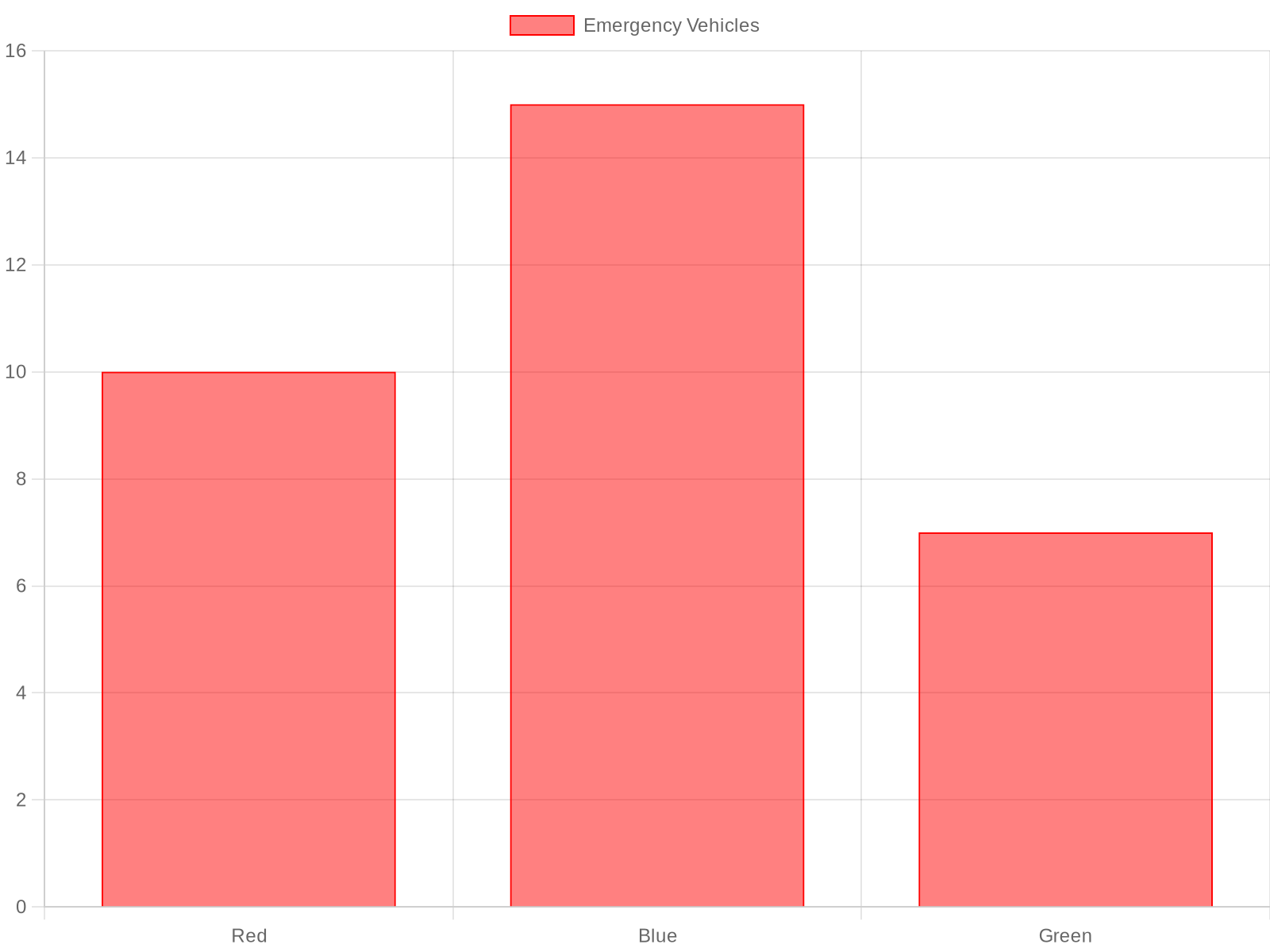
A chart presents data on how different emergency vehicle lights affect driver reaction times and awareness.
Source: KMZ Vehicle Center
| Light Color | Driver Awareness (%) | Reaction Time (Seconds) |
|---|---|---|
| Red | 85 | 2.5 |
| Blue | 75 | 3.0 |
| Green | 60 | 4.0 |
The table above illustrates that while red lights yield the highest levels of driver awareness, green lights, though less recognized, play a key role in specific emergency services. To learn more about vehicle maintenance suitable for emergency situations, check out our article on truck maintenance tips for first-time owners.
Additionally, understanding the importance of proper oil changes can affect engine performance, especially for emergency vehicles. You can read more about optimal oil change intervals to ensure your fleet operates effectively.
Emergency vehicles, particularly those displaying flashing lights, play a crucial role in public safety. Recognizing and yielding to them can save lives. According to law enforcement officials, the laws surrounding this issue are strict and vital. A notable authority emphasizes,
“The importance of yielding to emergency vehicles cannot be overstated. Every second matters in an emergency situation; failing to yield can delay critical response times and endanger lives. We must all take responsibility to ensure that we recognize and respond appropriately to emergency vehicles, especially those with flashing lights, including green ones.”
This statement encapsulates the responsibility drivers have in maintaining safety on the roads. Not only is yielding to such vehicles a legal obligation, but it also reflects a community’s commitment to protecting life and ensuring effective emergency services. For more on maintaining safe driving practices, consider learning more about truck maintenance tips that can enhance your vehicle’s safety features.
Conclusion
In summary, flashing green lights on emergency vehicles are essential indicators used primarily by medical response teams, such as EMTs and paramedics. These lights signal a critical medical situation and help distinguish medical personnel from other emergency services like police and fire departments. Understanding the meanings of different emergency vehicle lights is vital for public safety. The public is often urged to be aware of these flashing signals, as quick and appropriate reactions can facilitate emergency responses and potentially save lives.
Awareness is key. Recognizing the presence of flashing green lights and understanding their significance can make a substantial difference in emergency scenarios. Drivers must yield the right of way, even when sirens are not in use, to allow emergency vehicles to navigate through traffic efficiently. This practice not only helps in reducing response times for medical teams but also enhances public safety overall.
As you navigate your daily journeys or manage a fleet of vehicles, keep in mind the importance of being alert to emergency signals. Also, if you’re considering improvements to your vehicles or looking for reliable solutions, check out Summit Fairings for high-quality fairing solutions that can optimize your vehicle’s performance and enhance safety. Staying informed and prepared makes every road safer for everyone.