
Introduction
Understanding a vehicle’s service history is crucial for anyone who owns or plans to purchase a used car. For private car owners and used car buyers, knowing the maintenance and repair track record of a vehicle can significantly influence both its reliability and resale value. A comprehensive service history not only offers insight into how well a vehicle has been cared for, but it can also alert you to potential future issues that may arise if proper maintenance has been neglected. In this article, we will explore several reliable sources for finding a vehicle’s service history, the importance of this information in making informed buying decisions, and how regular maintenance can enhance the longevity and performance of your car. Related topics such as understanding maintenance records (learn more about organizing records) and the impact of regular service on vehicle reliability will also be highlighted. Whether you’re a private individual or a small business fleet operator, this knowledge is essential to maximizing your investment and ensuring optimal vehicle performance.
Why Vehicle Service History Matters
Understanding a vehicle’s service history is crucial for both car owners and prospective buyers. A well-documented service history not only reflects a vehicle’s maintenance but also significantly influences its resale value and overall safety.
Significance of Service History
A 2025 analysis by CarGurus found that vehicles with complete service records sell for an average of 12% more than those without. This premium is primarily attributed to buyers’ perception of reduced risk; documented maintenance indicates that a vehicle has been cared for and is less likely to require expensive repairs soon after purchase.
In another compelling study by J.D. Power, 87% of used car buyers identified service history as a “very important” factor in their purchasing decisions. Furthermore, cars with clear maintenance logs had 56% fewer mechanical issues reported within the first year post-purchase. These statistics demonstrate the vital role vehicle service history plays in fostering buyer confidence, especially in the used car market.
Enhancing Resale Value
The trend is growing for buyers to be willing to pay more for vehicles that come with complete maintenance records. Research from Edmunds shows that a car’s resale value could increase by up to $2,000, depending on its age and condition. Specific maintenance actions, such as timely oil changes and tire rotations, enhance this value further. Conversely, cars lacking a service history depreciate at an accelerated rate, losing up to 8% more value than well-documented counterparts.
Safety Considerations
Safety is another critical aspect where service history matters. The National Highway Traffic Safety Administration (NHTSA) indicates that vehicles with documented service histories are significantly less likely to have unresolved safety recalls and mechanical failures in crucial systems. This translates to lower accident rates; well-maintained vehicles can reduce the risk of accidents by up to 40%. For small business fleet operators, ensuring that every vehicle in their fleet has a thorough service history not only supports employee safety but also minimizes downtime and unexpected repair costs.
Conclusion
In conclusion, maintaining a comprehensive service history is not just good practice-it’s essential for maximizing vehicle value and ensuring safety. For small business fleet operators and individual car owners alike, maintaining thorough records can make a meaningful difference in both resale value and long-term reliability. As such, investing time in proper vehicle service documentation should be prioritized, confirming responsible ownership and care.
The Importance of Vehicle Service History
Understanding the history of a vehicle is crucial for both buyers and sellers. As emphasized by automotive experts, keeping track of service history can greatly influence a vehicle’s reliability and resale value.
“A comprehensive vehicle service history is essential for assessing the value and reliability of a used car. Regularly maintained vehicles tend to have a longer lifespan and lower failure rates.”
- Automotive Expert, CarGurus
Read more about it here.
Having access to reliable service records can help potential buyers identify any recurring issues that may indicate hidden defects, thereby aiding them in making informed purchasing decisions. For more in-depth tips on vehicle maintenance, you can check out our article on organizing first-time truck maintenance records.
This highlights the necessity of reviewing service history before committing to any used car purchase. Knowing a vehicle’s past maintenance can lead to better choices and long-term satisfaction.
How to Obtain Service History from Dealerships
Getting your vehicle’s service history can be crucial in understanding its maintenance needs and history, especially if you are considering buying or selling a used car. Here’s how you can request this information from car dealerships:
Steps to Request Your Service History:
- Find the Right Dealership:
- Locate the authorized dealership that corresponds to your car’s make (e.g., Ford, Honda, Toyota). This can usually be found on the brand’s official website.
- Prepare Necessary Documentation:
To facilitate your request, gather essential documents including:
- Vehicle Registration Document: This serves as proof of ownership.
- Driver’s License: A valid ID helps verify your identity.
- Vehicle Identification Number (VIN): This unique identifier allows the dealership to search for your car’s records efficiently.
- Visit the Dealership:
- Ideally, you should visit the dealership in person, as they can access their internal systems. Make sure to ask about their hours of operation and if you need to schedule an appointment.
- Request the Service History:
- Once at the dealership, ask the staff to provide your vehicle’s service history. They will look it up using the VIN and retrieve records from their database, which often includes all repairs, maintenance services, and any recalls performed on the car.
- Obtain a Printed Copy:
- Ask for a printed copy of your service history for your records and future reference. Having this document can help during resale or maintenance planning.
Additional Tips:
- Timing: It’s often useful to request this service history before purchasing a used car. This allows you to confirm that no major issues have been overlooked.
- Cross-Check with Other Records: If applicable, cross-verify with any service records previously kept by the car owner.
For additional information on car maintenance, you might want to explore our tips on organizing first-time truck maintenance records or truck maintenance tips for first-time owners.
By following these steps, you can easily access your vehicle’s service history and make informed decisions whether for resale or ongoing maintenance planning.

This image visually depicts various sources where vehicle service history can be obtained, such as dealerships, online databases, mechanic shops, and personal maintenance logs. Ideal for local private car owners, used car buyers and sellers, and small business fleet operators.
Using Online Resources for Service History Tracking
Accessing your vehicle’s service history can significantly aid in understanding its past and making informed decisions regarding maintenance and future purchases. Online resources such as Carfax and AutoCheck are two prominent services that provide detailed reports on a vehicle’s history, including service and maintenance records.
Accessing Vehicle Service History through Carfax
Carfax is well-known for its comprehensive vehicle history reports. To access a Carfax report, you’ll need the Vehicle Identification Number (VIN) of the vehicle. Here’s how to go about it:
- Visit the Carfax Website: Go to Carfax.com.
- Enter VIN: Input the VIN in the designated search box.
- Purchase the Report: A single Carfax report costs $39.99. Alternatively, if you require multiple checks, Carfax offers a subscription plan at $29.99 per month for unlimited vehicle checks.
Carfax collects data from participating dealerships and repair shops, which means the completeness of your service history will depend on whether those specific service providers reported data to Carfax.
Accessing Vehicle Service History through AutoCheck
AutoCheck provides similar services, allowing users to access vehicle history reports. To use AutoCheck, follow these steps:
- Go to AutoCheck: Visit AutoCheck.com.
- Input VIN: Provide the VIN to check the vehicle’s history.
- Purchase Details: A detailed report from AutoCheck costs $29.95.
AutoCheck sources its data from a variety of channels, including auto auctions and state DMVs, but like Carfax, it may not have all service history records, particularly if the service was provided by independent shops not participating in their data network.
What to Look For in Reports
When accessing these reports, you should pay attention to the following:
- Service Records: Look for regular maintenance jobs such as oil changes, brake services, and part replacements.
- Accident History: Check if the vehicle has been involved in any accidents and the extent of the damage.
- Mileage Verification: Confirm the accuracy of the odometer readings to rule out potential tampering.
- Ownership Changes: Understand how many previous owners the vehicle has had, as this can impact overall reliability.
Potential Costs Involved
The costs for obtaining vehicle service history reports are generally reasonable when considering the value they provide. Here’s a quick comparison:
| Service | Cost per Report | Subscription Option |
|---|---|---|
| Carfax | $39.99 | $29.99/month |
| AutoCheck | $29.95 | Not Available |
Utilizing these online services can be an invaluable part of the vehicle buying process. If you are looking to deepen your understanding of the vehicle’s maintenance needs, consider combining report data with direct records provided by the seller for a complete picture of its service history. Such diligence not only aids in making smart buying decisions but can help maintain vehicle longevity once it’s in your possession as outlined in our first-time truck maintenance records guide.
Comparison of Popular Vehicle History Report Services
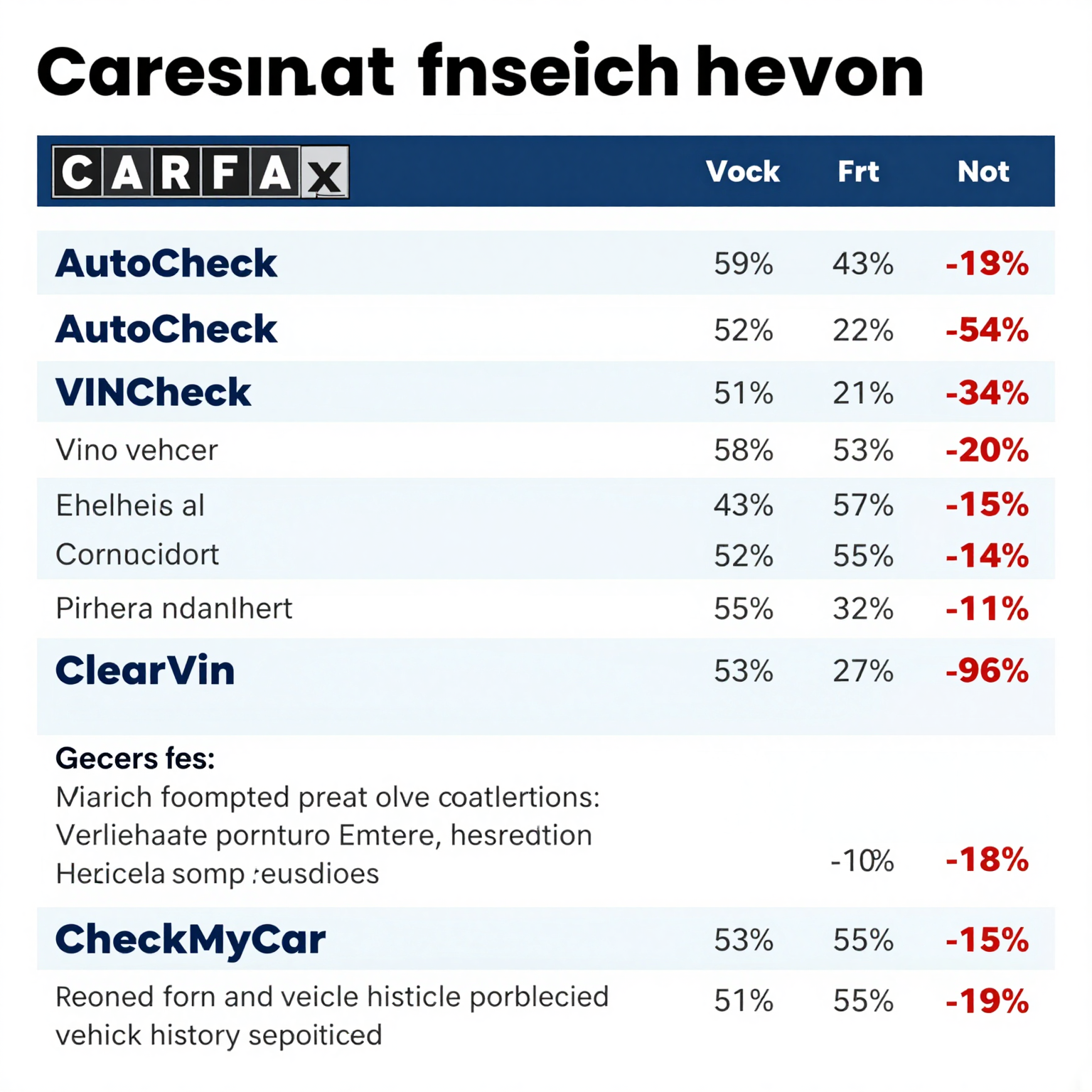
When searching for a vehicle history report, various services provide distinct features and pricing structures. Below is a comparison of five popular vehicle history report services to help you make an informed decision:
| Service | Price | Key Features |
|---|---|---|
| Carfax | $39.99 | Comprehensive report with accident history, title issues, and service records from over 140,000 sources. |
| AutoCheck | $24.99 | Auction and rental history focus, with options for subscription ($9.99/month for up to 5 reports). |
| VINCheck | Free | Official free tool to check for stolen vehicles and recalls using VIN; no detailed history. |
| ClearVin | $19.95 | Includes vehicle valuation estimates and open recalls. |
| CheckMyCar | $34.99 | Real-time alerts and dealership integration; includes a detailed report. |
For more information on vehicle maintenance, you can learn about truck maintenance tips for first-time owners and master your automotive care with essential checklists.
Conclusion
In summary, vehicle service history is an invaluable asset for both used car buyers and sellers, influencing decisions significantly. As outlined in the article, having access to service records helps buyers verify the car’s maintenance history, offering insights into its reliability and long-term care. A well-documented service history can increase a vehicle’s value by 10-15%, as evidenced by studies showing that cars with complete records command higher resale prices and sell faster. For sellers, providing these records builds trust and credibility, facilitating smoother transactions and potentially higher offers.
Moreover, knowing the car’s service history empowers buyers to make informed decisions, reducing the risk of unexpected repairs and fostering peace of mind throughout the purchase process. Ultimately, whether you’re buying or selling, understanding and obtaining comprehensive service records should be a top priority.
By ensuring that you have this crucial information, you can navigate the car market with confidence, knowing that you’ve taken the necessary steps to secure your investment. Remember, a vehicle’s service history can not only enrich negotiation strategies but also offers a sense of security, knowing what you are truly purchasing or selling.
For those interested in maintaining their vehicles properly, learn more about truck maintenance tips for first-time owners and consider how organizing your service records can benefit you in the future.

When it comes to maintaining your vehicle, understanding its service history is crucial. A comprehensive service history enables you as a car owner, buyer, or fleet operator to identify necessary repairs and prevent costly future issues. Moreover, routine maintenance not only enhances the vehicle’s longevity but also significantly impacts its resale value. To ensure that your vehicle remains in top condition, it’s vital to also pay attention to its aesthetics. A well-maintained exterior can attract potential buyers, while also providing you with a sense of pride in your vehicle.
Now, consider complementing your vehicle’s maintenance with high-quality fairings from Summit Fairings. Their premium products can enhance both the performance and appearance of your vehicle, allowing you to drive with confidence and style. Explore their offerings today, and transform your ride into a statement of excellence! Learn more about proper vehicle care for a seamless ownership experience!
FAQs on Vehicle Service History Inquiries
1. How long are vehicle service records retained?
Vehicle service records should generally be kept for at least 5 to 10 years. Consumer Reports suggests maintaining these records to support warranty claims and enhance the resale value of your vehicle. The National Highway Traffic Safety Administration (NHTSA) also recommends retaining maintenance records for a minimum of 5 years, especially for safety-related issues. For more detailed guidelines, you can refer to the NHTSA’s service record guidelines.
2. What if there is no vehicle service history available?
If a vehicle lacks a service history, it’s advisable to take specific actions:
- Obtain a comprehensive vehicle history report from trusted providers like Carfax or AutoCheck, which can reveal hidden issues.
- Have the car inspected by an independent mechanic who specializes in pre-purchase evaluations, particularly crucial for used vehicles.
- Check with the manufacturer’s app (such as MyBMW) for digital service records for newer cars.
- If the seller claims a full maintenance history without documents, request proof of ownership and verify the VIN with the dealership. For further insights on this, check out the helpful tips from the Carfax Blog.
3. Why is it important to keep service records?
Keeping service records is crucial for several reasons:
- Warranty claims: They provide proof of proper maintenance, which may be required when claiming warranties.
- Resale value: A well-documented service record can significantly boost buyer confidence and the vehicle’s resale value.
- Identifying issues: Comprehensive records help in understanding the vehicle’s history, including previous repairs and potential recurring issues.
4. Can I access service records from previous owners?
Generally, if you purchase from a dealer, they may have access to previous reports. You can also ask the previous owner directly. If they used services from a dealership or authorized service center, it’s worth contacting those places for potential records.
Conclusion
Understanding vehicle service history is vital, especially for used car buyers and fleet operators. Keeping organized records not only helps in maintaining the vehicle but also serves as a safeguard for future transactions.