
Understanding how often to service your vehicle is crucial for every car owner, whether you are a private car enthusiast, a used car buyer or seller, or a small business fleet operator. Regular maintenance ensures vehicle longevity and safety, while neglecting it can lead to costly repairs and compromised performance. This guide delves into service intervals, the influence of manufacturer recommendations, the impact of driving conditions, the importance of routine checks, and how to adjust your maintenance schedule for the long haul. With insights tailored to various vehicle users, you will gain a comprehensive understanding of optimal service practices and how to keep your vehicle reliable and on the road for years to come.
Decoding the Basic Service Rhythm: How Often Your Car Truly Needs Attention
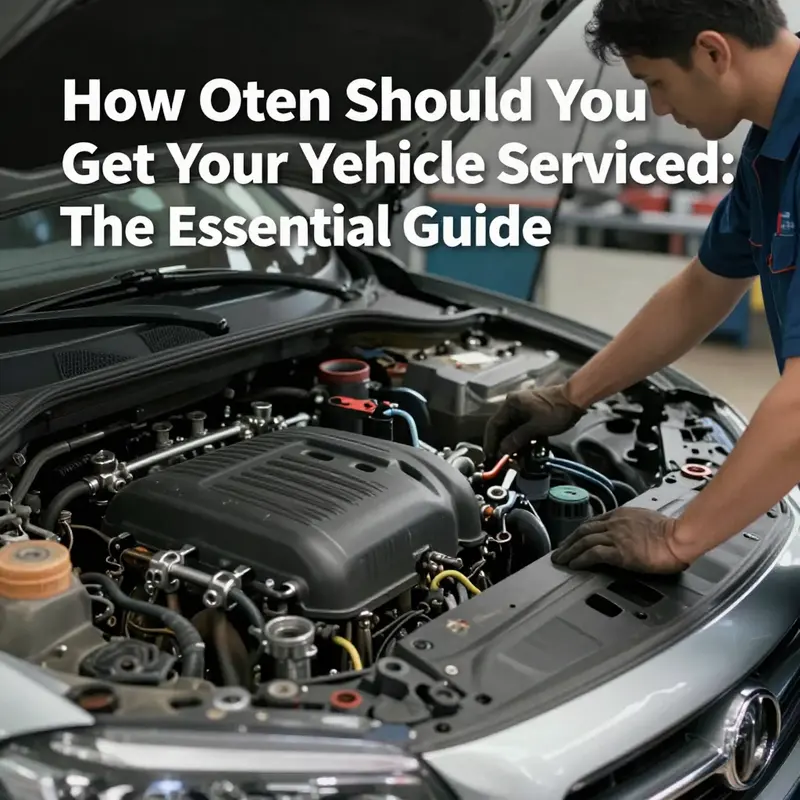
Gear shifts, road noise, and the hum of the engine often mask the slow drift of wear that accrues over thousands of miles. Yet the question remains persistent for every driver: how often should you get your vehicle serviced? The answer isn’t one-size-fits-all. It rests on a blend of the car’s design, how you use it, and the environment you drive in. The most reliable compass, however, points to the maintenance schedule etched into your owner’s manual. That document is more than a checklist; it is a map of the car’s needs calibrated by the manufacturer after countless miles of testing. In practical terms, many vehicles follow a basic service cadence of about 10,000 to 15,000 miles, or roughly once a year, whichever comes first. This interval serves as a baseline. If your car runs synthetic oil, the oil change might stretch to around 10,000 miles or longer, but the rest of the routine—brakes, tires, fluids, and systems checks—still demands timely attention. And even when you are following a mileage-based cadence, monthly or pre-trip checks stay essential for spotting issues that don’t wait for the odometer to move.
The rhythm of maintenance is not merely a function of distance. It is a response to how the vehicle is used and the conditions under which it travels. A highway cruiser racking up miles with minimal stop-and-go will wear differently from a compact car pressed into city duties, or a heavy-duty vehicle that tows frequently. In hot, humid climates, some components may degrade faster, while in regions that salt roads in winter, the corrosion risk on brake hardware and calipers rises, nudging maintenance into more frequent checks. This dynamic means a service plan should be flexible, anchored in the manufacturer’s recommendations but adjusted for personal usage and local climate. When in doubt, the owner’s manual is the most authoritative source, the document that translates the maker’s lab tests into the cadence you will actually follow.
On a practical level, some tasks are scheduled by time rather than miles, others by miles only, and a few are triggered by observable conditions or warning signals. For example, brake fluid health is a time-based concern in many cars, with a typical interval of about every four years. The logic is straightforward: even if you drive sparingly, brake fluid absorbs moisture from the air, which can lower the fluid’s boiling point and compromise braking performance. In high-demand situations—towing heavy loads, steep descents, or spirited driving—this interval might be accelerated, and checks should be more frequent in hot and humid environments where moisture condenses more quickly. Then there are cabin air and filtration systems. The cabin air filter, including HEPA or carbon variants, is usually recommended for replacement every three years. That interval protects air quality inside the vehicle, helping to shield occupants from dust, pollen, and odors, especially important for allergy sufferers or urban drivers where air quality fluctuates.
Wiper blades, the often-overlooked line of defense between you and the elements, typically warrant replacement about once a year. This is not only about visibility in rain or snow but also about ensuring maximum efficiency of the windshield wiper system, which can degrade more quickly if blades become brittle, warped, or lose their edge. Brake calipers deserve their own steady routine: cleaning and lubricating them around every year or every 12,500 miles (20,000 kilometers), particularly in regions where roads are treated with salt during winter. Salt accelerates corrosion, which can affect calipers and their sliding pins, potentially compromising braking performance if neglected.
Even the tire heart of the vehicle—rotation—has a clear directive. A tire rotation is recommended every 10,000 kilometers, or whenever tread depth differences reach 1.5 millimeters or more, whichever comes first. Rotations help even out wear across all four tires, extend the life of the tires, and preserve balanced handling and fuel economy. Yet the reasons behind these numbers are more than math; they reflect the physics of how tires grip the road, how weight is distributed, and how driving style influences wear patterns. If tires wear unevenly, handling can become unpredictable, and the risk of a sudden tread loss increases, especially in wet or icy conditions.
These guidelines, while practical, exist within a larger framework of monitoring and adjustment. Many modern vehicles provide a maintenance status readout that can be accessed through the dashboard or touchscreen interfaces. In some systems, you can navigate to a path like Controls > Service > Maintenance to view the current maintenance status and upcoming service items. This digital check acts as a real-time management tool, translating the owner’s manual cadence into an actionable schedule. It is important to note that some maintenance considerations—such as the cautionary note about opening the battery coolant reservoir and the warranty implications of damage from such actions—appear in the interface as well. These prompts remind us that the maintenance journey is not only about what you do but also about how you do it and what precautions you take along the way.
Still, no device on the dashboard can replace the manufacturer’s official schedule. Manufacturers test cars under controlled conditions and with a defined set of usage scenarios. Those trials produce maintenance intervals that should guide owners, yet real life—ranging from cumulative miles per year to elevation changes and climate—sometimes calls for localized adjustments. Your guideposts remain the owner’s manual and the dealership or authorized service providers who understand the nuances of your specific model. When you need to delve deeper into the oil-change conversation, you can explore practical guidance on the trade-off between time-based and mileage-based intervals, a topic that many drivers find reveals smarter approaches to oil maintenance. For a deeper look at how oil schedules interact with mileage and time, see the guide on optimal oil change intervals: time vs mileage.
The day-to-day decision of whether to push a service or hold off a bit longer isn’t a choice you should make in isolation. Consider the vehicle’s history: a previous brake fluid change, a recent coolant flush, or an upcoming tire replacement all influence the next steps. If you often drive in demanding circumstances—towing, mountain roads, extended highway cruising—the maintenance cadence can shift toward more frequent checks and earlier replacement of wear-prone components. Conversely, if the car is kept in gentle, lower-stress use and stored in a climate-controlled environment, you might stretch certain intervals slightly, provided you’re attentive to the signs of wear. The common thread in all scenarios is proactive engagement. Monthly checks—oil level and condition, coolant levels, tire pressure, and windshield washer fluid—act as a confidence-building routine. These quick checks help catch issues before they escalate into expensive repairs and keep the vehicle running smoothly between formal service visits.
From the driver’s seat, the practical plan becomes a blend of knowledge and routine. The engine oil, especially under synthetic oil regimes, benefits from longer intervals between changes, but this should not lull you into neglecting other critical items. Brakes, belts, hoses, and cooling systems all demand attention on their own cadence. The brake system, for instance, is a composite of fluid health, caliper condition, pad wear, and rotor integrity. While the fluid may be replaced on a fixed interval, signs of heavy braking, frequent descents, or towing should prompt an earlier check of the whole system. The cooling system, fans, and hoses must also be inspected regularly to prevent overheating or leaks, which can compromise performance and safety.
In the end, the optimal servicing rhythm is a conversation with your car and your environment. It begins with the manufacturer’s recommended schedule and evolves with your driving patterns and local conditions. The goal is not to chase a rigid milestone but to maintain a vehicle that remains reliable, efficient, and safe on every journey. When you approach your next service, bring with you a mental checklist rooted in your manual: the mileage clock, the time since last service, and any new noises, smells, or changes in performance. If you drive a vehicle that demands particular attention to cabin air quality or filtration, or if you operate in climates where salt or heat accelerates wear, adjust accordingly. The timing of fluid changes, the replacement of filters, the care of the braking system, and the life of the tires all contribute to a broader aim: to preserve the vehicle’s performance while maximizing its longevity.
For readers seeking a deeper dive into oil-change intervals and the balance between time and mileage, the linked resource above offers guidance on how to navigate those decisions in a way that aligns with specific vehicle designs and driving habits. And to keep the momentum going, consider tying this chapter’s guidance to practical maintenance activities in your own garage through one of the related posts on vehicle care, which delves into topics such as oil schedules, brake maintenance, and tire management as part of a broader maintenance plan. As you align your routine with the car’s needs, remember that the goal is not just to adhere to a schedule but to cultivate a sustainable, informed approach to vehicle care that protects safety, performance, and value over the long haul.
External reference: https://www.tesla.com/support/maintenance-intervals
Tuning the Clock: How Manufacturer Timelines Dictate How Often You Should Service Your Vehicle
The rhythm of a car’s maintenance is not a guess but a carefully tuned schedule that stems from the engineering choices a manufacturer makes and the realities of real-world driving. The owner’s manual is more than a passport to warranty coverage; it is a blueprint for protecting performance, reliability, and safety. When you hear that “service frequency” is determined by the manufacturer, you are hearing a principle grounded in testing, refinement, and an understanding of how a modern vehicle ages under varied conditions. This is the backbone of why many cars are advised to receive routine service on a baseline every so often, with more comprehensive checks threaded in as miles accumulate. The manufacturer’s guidance is designed to balance protection against the nuisance and expense of over-servicing, a balance that recognizes engines and components age differently across climates, terrains, and driving habits. In practice, that guidance translates to a conservative, scientifically informed framework: a dependable starting point you can build from as your car’s life unfolds.
For most cars, the simplest rule of thumb centers on two practical touchpoints. First, a basic service—often involving an oil and filter change, fluid top-offs, inspection of critical systems, and a few preventative checks—appears at regular intervals measured in either time or mileage. Second, a more thorough or major service occurs less frequently but brings a wider net of checks to ensure that wear hasn’t sneaked past the first line of defense. The intention is clear: protect engine longevity, preserve braking and steering integrity, monitor cooling and transmission health, and keep tires and suspension components in a safe, predictable state. When you follow these manufacturer-led intervals, you are aligning your routine with the engineering logic embedded in your vehicle from day one.
These intervals are often expressed in two forms: mileage and time. A common pattern is an initial baseline service every 5,000 to 10,000 kilometers (roughly 3,000 to 6,000 miles) or every 6 to 12 months, whichever comes first. That early service is not merely symbolic; it’s a checkpoint that confirms oil clarity and viscosity, verifies fluid levels, and ensures that filters, belts, and hoses are intact. Major services typically follow at longer intervals, perhaps every 20,000 to 30,000 kilometers (about 12,000 to 18,000 miles), by which point more expansive inspections and replacements—such as spark plugs, transmission fluids, and more comprehensive brake checks—are prudent. These guidelines are designed to be conservative, reflecting a bias toward safeguarding the vehicle against wear and tear that accumulates across ordinary driving conditions and the occasional outlier.
There is a reason modern automakers can tolerate longer service intervals than ever before. Advances in materials science, tighter manufacturing tolerances, and, most notably, high-quality synthetic oils have raised the ceiling on how long some components can operate safely between visits. In vehicles engineered for longevity, especially those with engines designed to run on robust synthetic oil blends, the oil-change frequency can extend toward the upper end of the suggested range, while other critical checks remain non-negotiable. This nuance—the ability to extend an oil interval without compromising protection to the rest of the engine and the drive system—illustrates why the owner’s manual must be treated as a living document. It’s a map that accommodates material improvements and technology trends, not a fixed decree etched in stone.
Yet, the same document that promises longer oil-change intervals also calls for vigilance in areas that don’t easily stretch with time. Brakes wear with use and should be evaluated regularly. Tires wear unevenly based on alignment, road conditions, and driving style, necessitating periodic inspection and rotation. Fluids—coolant, brake fluid, transmission fluid, and power steering fluid—lose their protective properties with time and exposure to heat and moisture. Even if the oil is changed on a more generous schedule, these other components still require routine oversight. The manufacturer’s recommendations, therefore, create a comprehensive web: not just a single ticking clock but a cascade of checks that work together to preserve safety and performance.
Within this framework, it is also important to recognize a broader dynamic in the automotive service ecosystem. While the factory schedule provides the gold standard, some service providers—particularly those operating in high-volume settings—may advocate more frequent visits. There is no conspiracy here, but rather a convergence of incentives and business models. Dealerships and independent shops alike are often motivated by the economics of maintenance work, where the margins on routine service can be higher than on other tasks. The result can be a perception that more frequent visits are necessary. The prudent response is simple: trust the manufacturer’s schedule, and view deviations with a critical eye. If a service adviser recommends a more frequent cadence, ask for the specific, vehicle-specific rationale—what wear indicators, driving patterns, or environmental conditions justify it? If the reason is not anchored in your car’s documented needs, you still have every right to rely on the manufacturer’s baseline as your default.
Driving conditions play a crucial role in how exactly those timelines translate in real life. For drivers who routinely log long highway miles on a steady, moderate climate, the factory’s baseline service schedule is typically more than adequate. Highway efficiency and consistent operating temperatures tend to produce less abrupt wear and less thermal cycling for many components than stop-and-go urban driving or frequent short trips. In contrast, drivers who routinely tow heavy loads, haul in dusty environments, operate vehicles in extreme heat or cold, or engage in frequent short trips that never allow the engine to reach full operating temperature will likely notice accelerated wear on certain systems. In these cases, the manufacturer’s guidance often contains caveats that encourage adjusting the service plan to reflect conditions that stress parts differently. The essence is simple: follow the schedule as a starting point, but tailor it to how you actually use the vehicle.
A practical approach to implementing this guidance is to couple it with habitual, informed checks. Monthly or pre-trip inspections—an engine oil level and condition check, coolant levels, tire pressures, and windshield washer fluid—act as early warning signals. It is not enough to rely on the odometer alone; a quick visual and tactile scan can reveal anomalies well before a low-oil warning or a spongy brake pedal appears. The oil’s appearance—amber or light brown—and the range between the “min” and “max” marks are simple indicators you can monitor at a glance. Coolant should be vibrant and free of oily residues on the dipstick; radiator hoses should be intact and free of cracks or bulges; tire pressures should reflect the vehicle’s recommended settings, which are often posted on a door jamb rather than the fuel cap. These checks are not a substitute for the formal service windows; they are a first line of defense that supports the schedule and makes it possible to reach each service milestone with confidence that nothing has unexpectedly changed the vehicle’s baseline condition.
For a deeper dive into how oil-change timing can vary with time and mileage—and how to balance oil life with other maintenance needs—readers can explore the nuanced discussion linked here: Optimal oil-change intervals: time vs. mileage. This internal resource is intended to complement the manufacturer schedule, not replace it. The key takeaway is that oil is only one part of a broader maintenance picture. Engine wear, fluid health, brake performance, tire integrity, and the condition of belts, hoses, and filters all contribute to a vehicle’s reliability and safety. The manufacturer’s framework is designed to keep these elements in alignment over the life of the car.
Ultimately, the manufacturer’s recommendations are the gold standard that anchors prudent maintenance. They reflect a synthesis of engineering judgment and empirical testing aimed at delivering reliable performance across a spectrum of conditions. If your vehicle sees normal, steady use—highway cruising, predictable daily commutes—the baseline intervals are both sufficient and cost-effective. If your driving rhythm departs from that norm—frequent short trips that never fully heat the engine, heavy towing, or operation in dusty or corrosive environments—the schedule can be adjusted downward with the manufacturer’s guidance and the expertise of a trusted technician. The objective remains constant: protect the integrity of the powertrain and the broader vehicle systems while maintaining warranty coverage and minimizing the total cost of ownership over time.
In this way, the clock that governs service frequency is not a rigid deadline but a living benchmark. It evolves with your driving realities, the technology of your vehicle, and the ongoing advances in automotive engineering. By treating the owner’s manual as a reliable compass and by coupling it with attentive, informed care, you can navigate the path to optimal maintenance with clarity and confidence. The result is a car that performs as designed, travels farther between major interventions, and continues to feel safe and predictable on every road.
External resource: https://www.nhtsa.gov
Riding the Real World: Translating Driving Conditions into a Smarter Servicing Rhythm

The question of how often you should service a vehicle rarely lives in a vacuum. Manufacturer guidelines exist, ages of oil sit on a chart, and the calendar neatly marks a year. Yet the real rhythms of a car’s life are written in the miles driven and the conditions under which those miles accumulate. When you pull the manual from the glove box, you see a schedule stitched together from countless tests and validated assumptions. It offers a dependable baseline: basic service every 10,000 to 15,000 miles or once a year, whichever comes first, with oil changes sometimes stretching longer for engines running synthetic oil. But the road rarely travels in a straight line, and the car you drive every day endures a broader spectrum of life than a straight highway trip. The practical answer, then, lies in listening to the car and adjusting to the conditions in which it operates. The real world is not a single lane; it is a landscape of stops, starts, elevations, weather, and traffic patterns that all influence a service schedule.
Driving conditions are not a minor footnote in maintenance planning. They are a primary determinant of wear, fluid durability, and component stress. In cities where urban dwellers routinely match a full daily routine to a handful of miles, frequent short trips dominate the calendar. The engine never quite reaches its optimal operating temperature, and the oil doesn’t get a chance to thin and burn clean. When an engine spends most of its life warming up and cooling down rather than running smoothly at steady temperatures, contaminants build up faster. The result is not dramatic, but cumulative: oil becomes darker and thicker sooner, fuel residues accumulate, and sludge can form in less forgiving engines. In such environments, the maintenance cadence needs a more attentive eye. It isn’t simply a matter of chasing a date on the calendar; it is about recognizing that the realities of daily urban life demand more frequent checks, more frequent oil condition assessments, and a willingness to adjust the oil-change interval when the numbers on the dipstick point in a concerning direction.
The second broad reality is extreme conditions. Dust, snow, salty roads, or desert grit introduce burdens a vehicle was not meant to bear in several ordinary trips. Each mile under these conditions carries more impact: debris can reach the air intake and the engine, and corrosive agents can attack braking systems and exhaust components. Manufacturers frequently respond by shortening service intervals to account for the added wear. For engines under dusty operating regimes, the oil change cadence can slip from a typical 7,500 miles to around 5,000 miles. The same logic applies to filters and fluid quality. Air filters clog faster, cooling systems carry extra loads, and brake components encounter more particulate matter and moisture. In these scenarios, the owner’s manual becomes not only a reference but a practical map—indicating when to shorten the interval, add more frequent inspections, and consider fluids designed to hold up under harsher environments. The underlying message is simple: when the road throws more at the vehicle, the service schedule should respond with more frequent checks, not fewer.
Stop-and-go driving, particularly in hot conditions, adds another layer of consideration. When traffic snarls on blistering summer days, the cooling system bears the brunt of the workload. Transmissions and fluids experience heat soak that can accelerate degradation. Brakes operate under frequent thermal stress, which can accelerate wear on discs and pads and impact the hydraulic systems that bring a car to a safe stop. In such conditions, a routine service interval based on mileage may lag behind what the car is actually experiencing. Instead, the fluids—engine oil, transmission fluid, coolant, and even brake fluid—should be treated as living components whose condition matters as much as the miles logged. Regular checks for fluid level, color, and smell become crucial indicators between scheduled services. The presence of an onboard diagnostic system in many modern vehicles helps with this reality. These systems monitor patterns of driving and usage and alert owners when maintenance is due based on actual use rather than simply on miles. They bridge the gap between a static calendar and a dynamic road life.
On the other end of the spectrum lies steady highway driving, which, in mild climates, can extend the interval between services. Long-distance cruising at consistent speeds allows engines to operate in a stable regime for extended periods. This steadiness can be kinder on the engine and fluids, leading to fewer opportunities for contaminants to accumulate or for oil to degrade rapidly. Yet even here, caution is warranted. The environment remains a constant companion—highways expose the vehicle to sustained air resistance, occasional debris, and temperature swings that can surprise a cooling system or a battery and a few other subsystems that are less visible in day-to-day urban driving. The best approach is to view highway miles as a potential for longer intervals but coupled with disciplined checks. The oil level, the oil’s condition, the coolant level, tire pressure, and fluid leaks deserve a monthly quick review, especially if you know you’ll be covering several hundred miles in a single stretch or driving through variable weather. In this sense, the road teaches restraint: let the manual guide the baseline, but let the road teach you when to adjust.
The practical takeaway is not to chase a universal schedule but to tailor it to what the car endures. In severe driving conditions, or when the climate and the traffic mix lean toward more intense use, consult the vehicle’s owner manual for guidance about shortening intervals and increasing inspection frequencies. The choice to use synthetic oils or high-performance fluids is not a luxury but a tool for extending the car’s reliability in the face of extreme demands. Synthetic oil, formulated to resist breakdown under heat and stress, can contribute to longer drain intervals in some engines, but it does not absolve you from periodic checks. Other components—the brakes, tires, cooling system, and steering and suspension systems—still require attentive maintenance and timely fluid checks. Even with higher-quality oils, neglecting belts, hoses, coolant, and brake fluids exposes the vehicle to unnecessary risk and costly repairs.
Technology offers a practical ally in this balancing act. Many modern vehicles offer onboard maintenance reminders that adjust based on driving patterns. Rather than relying on mileage alone, these systems aggregate real usage to estimate when service is actually due. This is particularly helpful for drivers who rotate through a mix of city and highway use, or who encounter weather extremes that intensify wear. It is still wise to couple these signals with your own observations—an engine that sounds different on startup, a dipstick that looks darker than usual, or a transmission that shifts with less smoothness—all of which can indicate that a service is overdue. Keeping a simple maintenance notebook, even if it is a digital reminder on your phone, helps you align your personal schedule with the manufacturer’s recommendations and the realities of how you drive.
With these ideas in mind, the question shifts from a rigid universal answer to a more flexible plan: how to balance mileage, time, and road conditions into a coherent servicing rhythm. A few actionable steps help render this approach practical. First, schedule a proactive check before long trips or seasonal changes when the car will perform in new or extended conditions. Second, when you notice abnormal wear indicators—noise, vibration, or a softer braking feel—address them promptly, even if the odometer hasn’t moved far. Third, consider annotating your driving conditions alongside the service history. If you know you spend most days in stop-and-go urban traffic or in harsh, dusty environments, you can justify clearer intervals for oil changes and filter replacements and be prepared for more frequent inspections. Finally, consult the manual and rely on the linked guidance about oil-change intervals to build a robust understanding of how mileage interacts with time and condition. For instance, the discussion on optimal oil-change intervals demonstrates how time and usage converge to shape the right drain-and-fill schedule in real-world contexts: optimal oil-change intervals.
The overarching benefit of this condition-aware approach is not merely extending the life of a motor. It touches safety, reliability, and resale value. A vehicle that is consistently checked, that has fluids replaced when signs indicate wear, and that receives attention tailored to its environment is less likely to surprise you with a breakdown on a critical trip. And because your car is kept in closer synchrony with how it’s actually used, its performance remains predictable and reassuring. This harmony between driving reality and maintenance practice reinforces that servicing truly is a dynamic process: it evolves with where you drive, how you drive, and the climate you navigate. The guideline from the most general sources—timing, mileage, and annual checks—remains a solid foundation, but the day-to-day routine you establish should reflect the weather, the roads, and the rhythms of your life. The result is a service calendar that breathes with the road rather than a rigid schedule carved in stone.
For readers seeking a deeper dive into how severe driving conditions reshape service intervals, the broader discussion in expert automotive media offers a complementary perspective that aligns with these practical conclusions. This resource lays out the rationale behind more frequent intervals under harsh conditions and helps translate that logic into real-world maintenance decisions. External reference: https://www.motortrend.com/cars/what-are-severe-driving-conditions-and-how-do-they-affect-your-car-service-interval/
Steady Rhythm: Balancing Service Intervals with Smart Between-Visit Checks
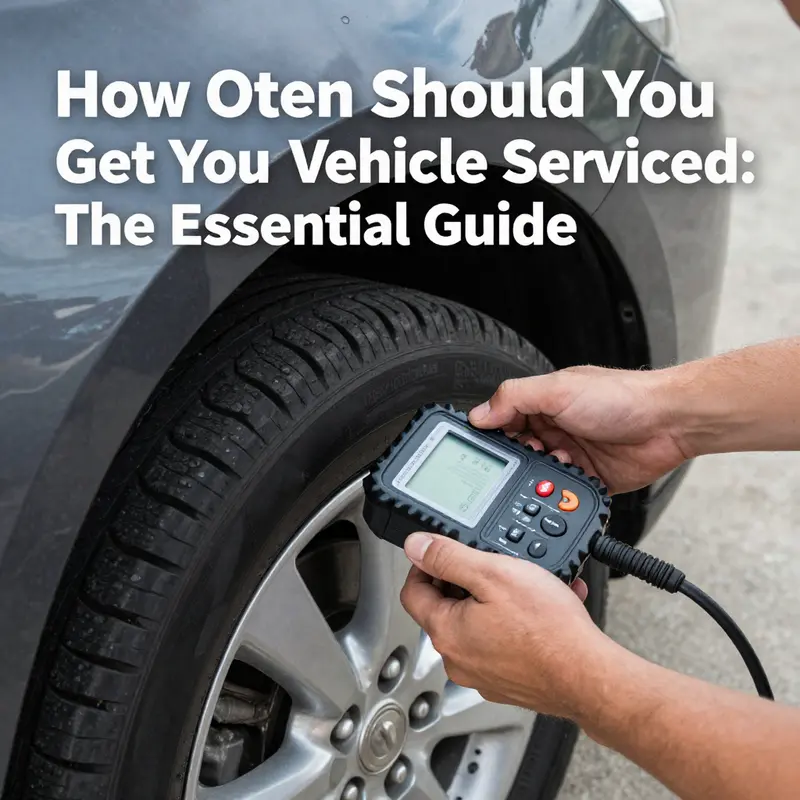
The question of how often you should service a vehicle rarely has a one-size-fits-all answer. It is better understood as a steady rhythm that blends the guidance of the manufacturer with the realities of your daily driving and the conditions you routinely encounter. Think of it as a conversation between your car and you, a conversation that begins with the owner’s manual and is enriched by attentive, simple checks you perform between visits. When you frame servicing in that way, the rhythm becomes practical, not punitive. The goal is safety, reliability, and longevity, not a calendar that grows more demanding with every mile.
In broad terms, most manufacturers recommend a basic service every ten to fifteen thousand miles or once a year, whichever comes first. That guideline creates a useful baseline, but it is not a rigid ceiling. Vehicles that run on synthetic oil can sometimes stretch the interval for oil changes to about ten thousand miles or more. Yet even when you push the oil change farther apart, other components still demand regular scrutiny. Brakes, tires, cooling and brake fluids, hoses, belts, and the overall health of the engine compartment should be checked with equal diligence. The difference between a car that cruises smoothly for years and one that develops trouble is often found in the small, overlooked checks performed consistently between full services.
A practical way to approach this is to treat the owner’s manual as your primary schedule, then fill in the gaps with routine monthly or pre-trip checks. The manual offers the official cadence tailored to your specific model, including any notes about the engine design, transmission, or exhaust aftercare that might influence service needs. For many drivers, the simple rule of thumb remains: look at the recommended interval, then assess your driving patterns. Do you routinely drive in heavy traffic, run the air conditioner on hot days, tow a trailer, or endure dusty environments? All of these factors can nudge the servicing frequency upward. In conditions like these, a more frequent inspection regime helps prevent small issues from becoming costly failures.
A key element of bridging the gap between services is recognizing what constitutes a routine check and what constitutes a service. You do not need a wrench to perform meaningful, timely checks that inform you whether a service is due sooner than expected. Start with the basics: engine oil level and condition, coolant level, tire pressure, tread depth, and the functionality of lights and wipers. These checks are straightforward and offer a quick read on the car’s health. When you check the oil, you should aim for a level between the minimum and maximum marks and observe the color. A clean, amber or light brown shade generally indicates good condition, while oil that looks gritty, dark, or smells burnt can signal something deeper that warrants professional attention. Even if the dipstick appears fine, variations in oil temperature, viscosity, or contamination can affect engine wear over time, making an annual or mileage-based service essential.
Coolant levels are another practical indicator. While some cars are designed with sealed cooling systems, checking the reservoir helps you catch leaks or low-fluid conditions before they lead to overheating. Tire maintenance is equally important, for both safety and efficiency. Maintaining correct tire pressure improves handling, reduces rolling resistance, and preserves tire life. It is worth noting tread depth as part of a broader safety check; worn tread reduces grip in wet conditions and can signal the end of a tire’s useful life. Likewise, lights and wipers play a quiet but critical role in visibility. A failing headlight or a wiper blade that streaks across the windshield can turn routine trips into safety hazards, particularly at night or during adverse weather.
These checks feed directly into a more nuanced understanding of service intervals. The oil change, while often the most conspicuous maintenance task, does not stand alone. A vehicle that accumulates mileage quickly in urban, stop-and-go traffic may accumulate contaminants in the oil sooner, while a vehicle that mainly does highway miles could tolerate longer intervals for oil changes. In either case, the heart of the service schedule remains anchored in the oil, fluids, and the mechanical health of critical systems. For drivers who prefer to know the precise tradeoffs, it can be helpful to consult resources that explore time versus mileage when determining oil-change intervals. A clear explanation of this balance can be found in discussions that compare the practical implications of time-based versus mileage-based changes for different oil formulations. Optimal oil-change intervals: Time vs. mileage
Between scheduled visits, a disciplined approach to checks yields dividends in reliability and peace of mind. A simple monthly routine can be imagined as a short audit of the vehicle’s most vital systems. Check the engine oil level, light the engine, and listen for unusual sounds or changes in startup behavior. A sudden rattling, knocking, or rough idle can indicate a fault that is not yet obvious from a dashboard light. A small change in the smell or color of oil, or a coolant that leaves a faint sweet scent near the radiator, can be a sign of a developing issue. The goal is to catch anomalies before they escalate, which is precisely what proactive checks are designed to accomplish.
On the road, the environment matters. Extreme temperatures, dusty or sandy conditions, or the strain of heavy loads alter how often you should service the vehicle. In hot climates, for instance, cooling systems work harder, which can accelerate wear on hoses, belts, and cooling fans. In dusty regions, air filters clog more quickly, reducing engine efficiency and potentially stressing turbochargers or intake systems. Heavy towing or frequent short trips can also shorten the optimal interval, as engines do not reach full operating temperatures regularly, leading to moisture being trapped in oil and exhaust systems. In such circumstances, a service that the manual labels as routine may become a more frequent visit in practice. The key is to recognize patterns in your own driving and to adjust the cadence accordingly while still respecting the manufacturer’s baseline guidance.
The philosophy behind routine checks is not to micromanage every mile, but to create a habit of observation. A healthy car is usually steady and predictable, but it also whispers about its needs through subtle signs: a slower oil-level response on the dipstick after a long trip, a coolant reservoir that looks a touch low after idle-heavy city driving, or a tire that rides a little higher than the others in a city pothole. Paying attention to such details, journaling any notable changes, and then aligning them with the owner’s manual can transform maintenance from a monthly expense into a predictable, preventative discipline.
Another practical dimension is the maintenance of fluids and critical components beyond the engine oil. Transmission fluid, brake fluid, power steering fluid, and coolant all have service implications that extend beyond the simple question of oil replacement. A full service is about more than filling fluids; it is an opportunity to review wear items such as brakes, belts, hoses, air filters, and the battery’s condition. A good service routine recognizes that a single visit can address several potential issues in one organized inspection. If you drive in dusty or sandy environments, for example, you may find yourself replacing air filters more often, and this, in turn, has an impact on fuel efficiency and engine health. The corollary is that extended intervals for oil changes do not exempt you from checking other parts of the vehicle at the same cadence.
In practical terms, most drivers will aim for a full vehicle service at least once a year or every twelve thousand miles, whichever comes first. This anchor helps align daily checks with a more formal, professional assessment. However, this is not a universal rule carved in stone. A vehicle that endures extreme conditions or heavy usage may require more frequent servicing. Conversely, cars used mostly for long highway drives in mild climates can sometimes stretch the interval slightly, provided the oil type and viscosity recommended by the manufacturer are followed and the car is not exhibiting signs of wear or fluid loss. It is this flexible, conditions-aware approach that makes the servicing plan both reliable and resilient.
To keep you aligned with the broader framework of maintenance while preserving your autonomy as a driver, remember that tools exist to support you. A structured checklist, used faithfully, serves as the bridge between the regular service schedule and the day-to-day routine. You can treat the checklist as a living document, adjusting it as your driving patterns shift seasonally or as your vehicle ages. For example, if you notice that tire pressure tends to drop in winter or that the coolant level fluctuates after long trips, you can add specific checks to your monthly routine. The objective is not to rely solely on opportunity or fear of breakdowns but to cultivate an ongoing awareness of your car’s health.
In summary, the appropriate servicing frequency blends a manufacturer’s guidance with your real-world use. It depends on whether you predominantly drive in city traffic, on open highways, or in challenging environments, and whether you choose conventional or synthetic oil. The oil-change interval is a meaningful starting point, yet a complete service involves a broader sweep of the vehicle’s systems and fluids. The practical approach is clear: perform the routine checks regularly, respect the intervals laid out in the owner’s manual, adjust for your conditions, and book the full service when you sense wear or when the schedule signals. This balanced rhythm keeps your car running smoothly, reduces the likelihood of unexpected failures, and protects the long-term value of the investment you rely on every day.
External reference: For a concise and practical overview of essential servicing guidance, see Autocar’s Essential Car Servicing Guide, which complements the manufacturer guidelines with step-by-step tips for keeping your vehicle running smoothly: https://www.autocar.co.uk/car-buying/essential-car-servicing-guide-step-by-step-tips-keep-your-vehicle-running-smoothly
Dynamic Longevity: Crafting a Flexible Service Schedule for Your Car’s Future

A maintenance plan that truly serves your car—and you—does more than repeat a calendar. It grows with your driving, your climate, and the age of the vehicle itself. The idea of “one size fits all” service intervals dissolves the moment you look beyond the owner’s manual and listen to the story your car tells you on the road. The owner’s manual remains the foundation. It lays out the baseline for oil changes, filter replacements, and critical inspections. Yet those baselines are not ironclad laws; they are starting points. The real art of long-term maintenance is learning to translate those guidelines into a living plan that adapts to how and where you drive, how old the car is, and how your engine and components respond to time and use. In that sense, longevity emerges not from rigid adherence to a fixed mileage but from a dynamic rhythm that respects both manufacturer wisdom and the car’s evolving needs.
Understanding that foundation is the first step toward a customized plan. The manual’s recommended intervals often cluster around broad ranges: oil changes and general service at regular mileages or annual marks, whichever comes first. Those numbers give you a framework, but they don’t tell the whole story about your daily life behind the wheel. If your commute is a mosaic of short trips and stop-and-go city blocks, your engine never reaches a fully steady state. It experiences more cold starts, more oil oxidation, and more condensate buildup in the exhaust and exhaust-related fluids. If, by contrast, you spend most days cruising on highways at steady speeds, the engine maintains a stable temperature longer, and oil degradation can proceed more slowly. The key is to let the context that surrounds your driving inform how you apply the manual’s guidance. The balance point is a personalized schedule that keeps your car performing well without unnecessary trips to the shop.
To build that schedule, you start with one anchor: the baseline from your owner’s manual. But you don’t stop there. The next layer is your daily conditions—climate, dust, potholes, and the kind of loads you carry. In dusty or polluted environments, air filters and cab filters collect debris more quickly, and the effect of that debris can ripple through performance, fuel economy, and cabin air quality. In areas with heavy winter use, frequent salt and moisture exposure can accelerate corrosion on undercarriage components and braking systems. These realities argue for shorter intervals on certain consumables and more frequent quick checks. It’s not about alarmist vigilance; it’s about reading the environment and translating that reading into concrete actions. This approach becomes especially practical when you integrate simple, recurring checks into your routine. A monthly glance at engine oil level and condition, coolant level, tire pressures, and windshield washer fluid acts as a health check. If any of these indicators tilt toward the low end or show signs of change in color or texture, you respond before a small issue becomes a roadside surprise.
The choice to extend or shorten intervals also leans on the vehicle’s age and how you use it. A relatively new car often benefits from sticking close to the manufacturer’s schedule, since the components are still in the early stages of wear. As the years accumulate, the predictable curve bends toward more frequent inspections and preventative maintenance. Even if you drive only a few thousand miles a year, engine oil oxidizes over time. Time-based maintenance becomes essential for cars that sit idle for long stretches. If a vehicle is unused for a year or more, a thorough, time-based service is prudent to prevent sludge buildup and corrosion, regardless of the mileage figure. This recognition—that time and mileage together govern wear—helps you avoid the trap of assuming a long service interval will remain valid simply because the odometer isn’t turning quickly.
Then there is the evolution of engine technology and design. Modern engines employ tighter tolerances, advanced materials, and design features that can legitimately push some service intervals farther apart. A high-pressure common-rail diesel, or other contemporary powerplants designed for efficiency and reduced downtime, may be engineered to stretch maintenance to a full year or longer—sometimes reaching around 20,000 kilometers in specific conditions. Yet this improvement is not boundless. The broader truth remains: while certain components may tolerate longer gaps between services, others—brakes, tires, and fluid systems—still demand regular, attentive checks. The improved durability of a few parts does not equate to a license to neglect the rest of the vehicle’s vital systems. In practice, a modern maintenance plan should balance the potential for longer intervals with the reality that most vehicles benefit from consistent attention to brakes, tires, cooling, and fluids.
An essential part of turning this knowledge into action is maintaining comprehensive records. A detailed maintenance log—dates, services performed, parts used, costs, and the observed conditions at the time of service—becomes a practical tool for forecasting. With such records, you can identify patterns: patterns in oil consumption, in brake pad wear, in tire tread life, or in the rate at which cabin air filters accumulate debris. A well-kept history informs future decisions more effectively than memory alone. It also adds value should you ever decide to sell the vehicle, because prospective buyers can see a transparent, proactive approach to upkeep. The quality of the parts installed matters just as much as the timing of the service. Genuine parts or high-quality aftermarket alternatives protect the system’s integrity and help ensure that a longer interval does not come at the cost of reliability. Choosing reputable repair shops and technicians who align with your maintenance philosophy is part of cultivating a sustainable, long-term plan. A trustworthy partner will interpret your logs, explain necessary adjustments, and help you calibrate the schedule as the car ages and your driving patterns evolve.
When you translate these ideas into daily practice, you begin to think of servicing as a dialogue rather than a drill. The baseline schedule suggested by a manufacturer becomes the first line of defense, while your environment, your car’s age, and the way you drive become the subsequent lines. For readers who want to dive deeper into the nuance of oil care and how it relates to mileage versus time, there is a helpful discussion framed around optimal oil-change intervals: time vs. mileage. That discussion can guide how aggressively you apply the manual’s oil-change recommendations to your particular situation. For those curious about the specifics, it’s worth exploring the broader guidance on oil intervals and the trade-offs involved in time-based versus mileage-based maintenance. It can illuminate why a hybrid approach often yields the best long-term outcomes. optimal oil-change intervals: time vs. mileage.
In practice, a flexible plan begins with a practical, repeatable routine. Schedule a baseline service in line with the manual, then set a recurring reminder to reassess after a defined window—perhaps every six to twelve months depending on how far you drive and in what conditions. Before long trips, perform a quick but thorough check of critical systems: oil level and condition, coolant pressure and level, transmission and brake fluids, tire tread and pressures, brakes for unusual noise or heat, lights, wipers, and the battery’s performance in cold weather. These checks serve as a preflight, reducing the chance of surprises and guiding whether an earlier-than-scheduled service is warranted. If you drive in challenging conditions—extreme heat, frigid cold, heavy dust, or rapid temperature swings—the threshold for servicing should move toward the conservative side. You preserve performance and safety by treating the schedule as a mutable instrument that tunes itself to your real-world usage rather than a rigid decree.
What emerges from this approach is a broader, more resilient philosophy of car care. It acknowledges that longevity is earned through attentive, adaptive management. It recognizes that the road is not a calendar but a living environment that wears parts at different rates depending on whether you’re navigating a congested urban canyon, cruising a sparely trafficked highway, or hauling heavy loads up grades. It respects time as a factor, especially for older vehicles, and it honors the fact that modern engineering can push some intervals outward without sacrificing safety or performance. Above all, it foregrounds the human element: the driver who understands the car’s history, the partner shop that shares a commitment to thoughtful maintenance, and the clear, honest log that records every milestone and every deviation from the plan.
As you carry this approach forward, you begin to see servicing not as the cost of ownership but as a deliberate investment in reliability and peace of mind. The goal is not merely to avoid breakdowns but to maintain the vehicle’s responsiveness, efficiency, and safety across years of use. Your personalized schedule becomes a narrative of care—built from the manual’s wisdom, refined by your environment, and validated by the car’s ongoing performance. And as you move through this evolving plan, you’ll find that the question “how often should you get your vehicle serviced?” yields to a more nuanced answer: service as needed, with a rhythm that respects both the machine and the miles you share with it, season after season. The result is a vehicle that remains dependable, economical, and safe, well beyond the original warranty horizon and into the years when longevity truly matters.
External resource: https://www.consumerreports.org/car-maintenance/how-often-should-you-service-your-car/
Final thoughts
Proper vehicle servicing is not merely a recommendation—it’s vital for extending the life of your car and ensuring safety on the road. Understanding the recommended service intervals, adhering to manufacturer guidelines, considering your unique driving conditions, and performing regular routine checks will not only prevent unexpected malfunctions but also enhance your vehicle’s overall performance. Lastly, adapting your maintenance schedule based on your driving patterns and the age of your vehicle can lead to significant savings and peace of mind. Take the initiative, and prioritize your vehicle’s health today.