
Canceling a vehicle service contract can be a daunting experience, especially for private car owners, used car buyers, and small business fleet operators. Understanding the nuances of cancellation policies tailored to various service providers is crucial in making this process smooth and efficient. In this guide, we will delve into the specific steps required to cancel service contracts, covering everything from manufacturer-provided services to third-party platforms and dealership agreements. By the end of this article, you’ll be equipped with the knowledge to navigate these cancellations like a pro, safeguarding your interests while saving time and effort.
Ending the Auto-Care Commitment: A Pragmatic Guide to Cancelling Manufacturer-Provided Vehicle Service Contracts
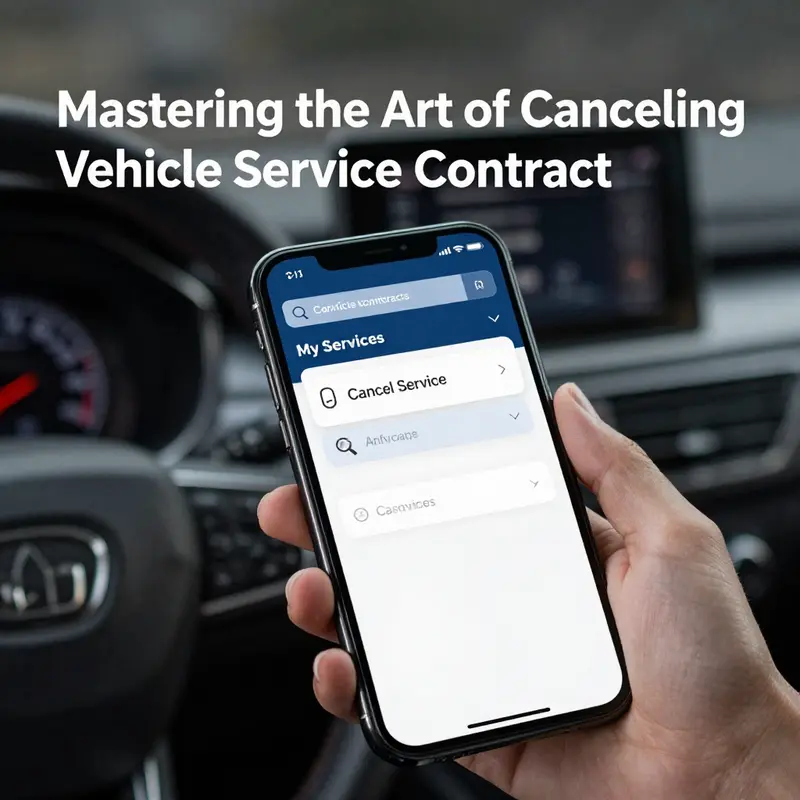
A vehicle service contract promised ease and protection, a shield against the unexpected costs of routine maintenance or major repairs. When the terms no longer fit your needs, or the price no longer feels reasonable, canceling that contract can feel daunting. Yet for many drivers, learning how to navigate the manufacturer’s system for cancellation is a practical skill. The process, when it involves a manufacturer-provided service through the carmaker’s official channels, is designed to be self-serve in most cases. The core idea is straightforward: you locate the active service in your account, initiate cancellation from the service’s detail page, and confirm your decision. But the simplicity ends there if you overlook the fine print. Contracts may include minimum service periods, cancellation windows, or fees that offset the value of what you’ve prepaid. The real-world path to cancellation is not a single click in isolation; it is a careful, documented negotiation with terms that may shift with the duration of your commitment and the specifics of your purchase history. Approaching it with a calm, methodical mindset often yields the clearest path to an outcome that minimizes fees and preserves your rights as a consumer.
To begin, imagine the process in its most common form: a vehicle owner signs into the manufacturer’s official app, a portal that is increasingly the primary interface for many car-related services. In this setting, the ability to cancel resides in a familiar, intuitive landscape. You open the app and reach your personal space—often labeled as something like a profile or account area. From there you navigate to a section that manages services or subscriptions. The terminology can vary, but the logic remains consistent: you search for the active service you wish to discontinue, tap into its details, and look for a clearly marked option that says “Cancel Service” or “End Subscription.” A confirmation prompt typically follows, asking you to verify your choice. It is here that the contract’s terms surface in a practical way. Some cancellations are instantaneous; others are subject to a notice period, prorated refunds, or other restrictions. A careful read of the on-screen terms before final confirmation helps avoid surprises. This in-app workflow reflects a broader industry intent: to enable straightforward disengagement while ensuring that the business terms tied to the contract are respected.
Yet every journey through a manufacturer’s app is anchored by the exact wording of your contract. While many providers design self-service cancellation to be simple, the document itself may specify a minimum commitment, a window in which cancellation is allowed with or without fees, or a prorated refund schedule that depends on how much service has already accrued. The practical upshot is that the button you press is not merely a click; it is a legal act within a framework of obligations you agreed to when you signed the contract. This is why the pre-cancellation phase deserves deliberate attention. Start with a careful review of the cancellation clause, if it is there, and any associated refund policy. Look for phrases that describe notice requirements—does the contract demand a 30-day notice, a 60-day lead time, or perhaps a shorter window to cancel without penalties? Some agreements state that cancellation becomes effective at the end of the current billing period, while others may apply a prorated adjustment based on the remaining time or services used. Understanding these provisions helps set expectations and reduces the likelihood of disputes later.
Documenting the entire process is the second pillar of a prudent cancellation strategy. In the digital age, a paper trail matters as much as a digital one. Take screenshots of the cancellation confirmation within the app, save confirmation emails, and, if possible, export or print the service agreement and any correspondence about its cancellation. A dated record of your actions and responses provides leverage if there is any question about whether you followed the required steps or met the stated notice periods. Writing to the provider in a formal, written channel can strengthen this record. An email or a certified letter that states your intent to cancel, references the specific service, and cites the cancellation terms you are relying on creates a tangible trail beyond the app’s ephemeral confirmations. Even if the app confirms cancellation, a written follow-up note can clarify the effective date, any fees assessed, and the status of refunds. This approach also helps when you must address related matters, such as ensuring that no further charges are levied for insurance, warranties, or other connected products that might be tied to the service contract.
In the broader landscape of cancellation, there is always the possibility that a manufacturer-provided service cannot be canceled without some consequence. Depending on the contract, you may encounter non-refundable components, partial refunds, or a conclusion that the cancellation takes effect only after the current term ends. While the notion of a penalty is not universal, it is a reality in some agreements, particularly if the service was bundled with a promotional period or if prepaid arrangements cover a substantial segment of the contract. If you discover that the cancellation cannot be completed without a penalty, this reality does not represent a dead end. It simply reframes your options. In many cases, there may still be a path to an exit through negotiation. A request for goodwill withdrawal of fees, or a reduction based on hardship or service dissatisfaction, sometimes yields a more favorable outcome. When you approach such conversations, present precise information: a summary of the service you purchased, the date you initiated cancellation, and the specific terms you believe support your case. Remaining civil, factual, and well-documented increases the likelihood of a constructive resolution.
Beyond the mechanics of cancellation, there is value in considering the broader implications for your ongoing relationship with the carmaker and the continuity of related protections. If you cancel a maintenance package, for instance, you may need to re-evaluate how you manage future service needs. Will you rely on the dealership network for standalone maintenance, or will you transition to a third-party platform or independent shop? Each path has its own set of considerations, such as pricing, service quality, and the potential for transferring coverage of existing components or warranties. It is worth considering whether canceling the contract affects any bundled advantages, such as enhanced roadside assistance, seamless integration with the car’s digital ecosystem, or overlapping coverage with an existing factory warranty. In some cases, you might discover that canceling a manufacturer-provided service opens an opportunity to tailor a more flexible, “à la carte” maintenance approach—one that aligns more closely with your driving patterns, the age of the vehicle, and your budget.
The practical steps of cancellation also intersect with the logistics of other related protections. If your contract included an extended warranty option or an insurance component, changing or canceling the service can trigger impacts on those linked products. It is prudent to review these connections and confirm, in writing, that no unintended coverage gaps arise. In a landscape where customer support channels may vary in responsiveness, moving deliberately with written communication helps ensure you document not only the decision to cancel but also the resolution of any ancillary implications. A well-structured cancellation record should capture the service’s exact name, the account identifier, the cancellation date, the final amount charged (if any), the expected date of any refunds, and the contact details of the support agent who handled the request. This level of detail protects you from ambiguity if a billing statement surfaces later that seems inconsistent with the stated terms.
It is also helpful to keep in mind the value of learning from the experience. Even when a cancellation goes smoothly, reflecting on what aspects of the process were straightforward or opaque can guide you in future customer-legal interactions. The more you understand how the manufacturer’s platform communicates, the better you will be at navigating similar processes, whether you are canceling a different service in the same account or evaluating future offers. If you want a broader practical perspective on the maintenance landscape and how to manage ongoing vehicle care, you can explore the KMZ Vehicle Center blog for related insights on routine maintenance and vehicle care decisions. KMZ Vehicle Center blog. This resource can complement the procedural knowledge described here by offering context on maintenance planning, which often underpins whether a service contract remains a prudent choice over time.
Despite the emphasis on ease and self-service, the channel for cancellation is not always a one-way street. If you encounter an instance where the online path blocks you—perhaps due to a system error, a paused account, or a requirement for human verification—you should not hesitate to reach out to customer support through the channel the provider designates. A live person can review your account, confirm the service’s status, and guide you through alternative steps. In some cases, a phone call or an email may be necessary to resolve ambiguities that the app cannot address in real time. The obligation to provide a clear, accurate response rests with the provider, so your persistence in seeking a definitive answer is not only reasonable but often essential to avoid ongoing charges or the misapplication of terms. In your communications, reference the exact service name, your account details, and any confirmation numbers you possess. Request written confirmation of the cancellation’s effective date and any refunds or credits that are due. Keeping a calm, professional tone tends to yield the most reliable results, especially when competing claims or misunderstandings arise.
The ultimate objective is to terminate the contract on terms that align with your financial reality and your expectations of value. You want to avoid paying for services you do not intend to use, or for protection that has already been superseded by another plan or by better maintenance practices. The paths outlined here—self-service cancellation in the manufacturer’s app, careful review of the contract, meticulous record-keeping, and, when necessary, polite negotiation—constitute a practical framework. This approach applies not only to the initial cancelation but to the broader habit of reviewing service commitments as your vehicle ages and your circumstances change. By keeping the process deliberate and well-documented, you also preserve the possibility of pursuing additional remedies if your rights under consumer protection laws are challenged, including misrepresentation, breach, or other grounds that may support termination under specific circumstances. For detailed guidance on consumer rights and contract cancellations in the United States, consider consulting authoritative resources that address these protections and the conditions under which refunds or equitable relief may be appropriate.
In closing, canceling a manufacturer-provided vehicle service contract is rarely a single moment in time; it is a sequence of informed decisions, each anchored in the contract’s language and in your personal budgeting realities. When you approach the process with clarity, you more readily identify whether the cancellation is a straightforward end to a service or the beginning of a more nuanced negotiation about refunds, remaining coverage, and the implications for your vehicle’s ongoing care. The key is to combine a clear understanding of the online path with a careful reading of the contract and a disciplined approach to documentation. If you are ever in doubt, lean on written communication and seek confirmation in writing. And as you navigate this terrain, remember that you have rights as a consumer, and you are not obligated to accept terms that do not align with your needs or that lack reasonable transparency. The combination of self-serve access, disciplined record-keeping, and thoughtful negotiation makes cancellation a manageable, and potentially beneficial, step in maintaining control over your vehicle’s maintenance trajectory.
External resource for further guidance: For authoritative guidance on consumer rights regarding service contracts in the U.S., refer to the Federal Trade Commission (FTC) resources on consumer rights and contract cancellations. https://www.ftc.gov/
How to Cancel a Vehicle Service Contract via a Third-Party Platform
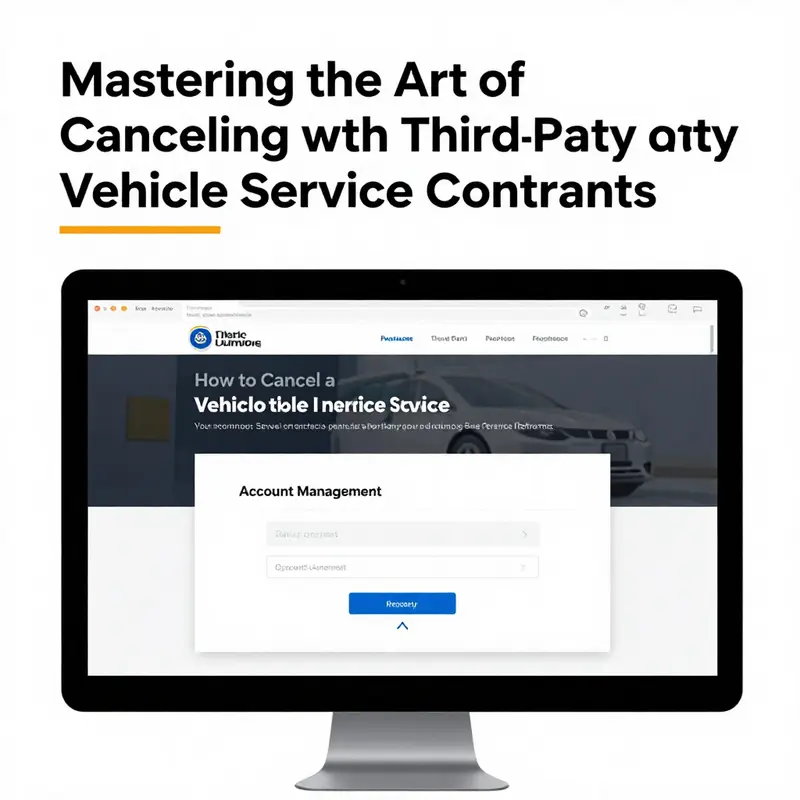
Canceling a vehicle service contract obtained through a third party platform can be straightforward when you understand the terms, the cancellation paths available, and the steps to document your request. Start by reviewing the cancellation terms in the platform terms of use and in the service agreement attached to your vehicle. Look for notice requirements, any early termination fees, refunds, and whether self service cancellation is offered in app or on the website. This helps you set expectations and avoid surprises.\n\nNext, sign in to your account, navigate to the services or subscriptions section, and locate the specific contract you want to cancel. If you see a Cancel Service option that is active, select it and then confirm. Take note of any remaining obligations and the effective cancellation date. If self service is not available, contact customer support and request formal cancellation confirmation, providing your service agreement number, account ID, the service you want to cancel, and a brief reason. Ask for a cancellation reference number and for written confirmation via email or secure message.\n\nDocumentation is your ally. Save emails, chat transcripts, and any cancellation confirmations. If you must send a formal written notice, use a traceable method and keep copies. Monitor your account for the cancellation status, any due balance, and any post cancellation steps such as disabling auto renew or removing payment methods. Be aware that penalties or refunds may apply and consider negotiating terms if appropriate.\n\nFinally, canceling a third party platform does not remove maintenance or insurance considerations. You may need to arrange alternative maintenance, warranty, or coverage. Use the cancellation as an opportunity to reassess your plan and budget. If you believe your rights are being violated, seek consumer guidance from official resources, such as the FTC.
How to Cancel a Vehicle Service Contract Signed at a Dealership

Signing a vehicle service contract at a dealership can feel like securing a layer of protection for your car and your budget. But when life changes, plans shift, or the service feels unnecessary, canceling that agreement becomes a real option. The path to termination, however, depends on a few moving pieces: the exact language of your contract, the timing of your request, and the rules that govern consumer cancellations in your location. The goal is to navigate these elements with clarity, so you avoid penalties and preserve your rights while keeping your vehicle care on track.
The starting point is practical: locate the cancellation provisions inside the contract you signed. Read every line with care. Look for a cooling-off period, if one exists, and note how it is described. Some contracts built around dealership signing include a short window, often between three and ten days, during which you can cancel without major penalty. The presence of such a window changes the entire calculus, because it gives you a genuine chance to rethink the arrangement while the paperwork is still fresh. If your contract does mention a cooling-off period, mark the dates and the conditions that apply. If no cooling-off language appears, the terms about early termination and any associated fees become even more critical, because they will largely determine your leverage and your obligations.
Beyond the contract itself, the laws in your jurisdiction may also play a decisive role. In many places, consumer protection provisions recognize a cooling-off concept, especially when a contract is signed away from the primary business location or during a sales event that feels pressurized. The precise duration and eligibility can vary widely—from a handful of days to a couple of weeks—and the scope may depend on the type of contract and how it was executed. A prudent next step is to verify whether a cooling-off rule exists in your area and whether it covers vehicle service contracts signed at a dealership. If you need a reliable starting point, the broader body of consumer rights guidance from official sources can offer a framework to build your case. For ongoing learning and context, you can explore the KMZ Vehicle Center blog for discussions about ownership responsibilities and maintenance planning. KMZ Vehicle Center blog
If you discover a cooling-off period that applies, act promptly. The window is your strongest ally. Write to the dealership asserting your intent to cancel, and do so in a manner that creates a verifiable record. A formal written notice is advisable, delivered through a trackable channel such as certified mail or another method that provides proof of delivery and receipt. This is not merely ceremonial; it creates a documented trail that supports your claim if questions arise later about timing or notice. In many cases, sending a notice in writing also helps you avoid miscommunications that can occur over the phone or in casual email exchanges. When you draft this notice, keep the language concise but explicit. State your contract ID or the date you signed, the specific service agreement you wish to cancel, and your request for termination effective as of a defined date within the cooling-off window. You should also request confirmation of cancellation and details about any refunds, if applicable.
The practical mechanics of canceling within the cooling-off period are straightforward but time-sensitive. In many dealerships, the cancellation is processed by the after-sales or finance team, and you may be asked to return or revoke any prepaid services, future appointments, or stand-by maintenance offers that are tied to the contract. Some vendors require you to complete a formal cancellation form or to submit supporting documents, such as a copy of your ID, a copy of the service contract, or proof of payment. If the dealership requires documentation, collect these items in advance so you can present a complete package in a single submission. Once the cancellation is processed, obtain written confirmation that the contract has been terminated and any refunds due are being issued.
Even when a cooling-off period looks favorable, you must manage expectations about refunds. A prorated refund is a common outcome when a portion of the prepaid service has not yet been used. In some cases, refunds are full, but more often they reflect the portion of the contract not yet utilized. Conversely, certain agreements issued at the dealership may be non-refundable or may entail fees for early termination. The risk of penalties is real if you attempt to cancel outside the permitted window or if the contract lacks a cooling-off clause altogether. The careful reader understands that timing and the exact contract language dictate the financial consequences, not the goodwill of the salesperson. When you request a refund, request the calculation method in writing and ask for a timeline for the return of any funds. Keep a copy of every document and every receipt to document the financial flow from start to finish.
If you are within the cooling-off window, but the dealership pushes back or insists that cancellation is not possible, you still have pathways. Negotiation can be productive, especially if you are facing hardship or if the requested cancellation aligns with misrepresentation concerns or a breach of contract by the dealer. In such cases, it may be helpful to escalate the matter through a manager or to seek guidance from consumer protection agencies. While this route can feel daunting, the legal frameworks that support consumer rights often encourage fair resolution, particularly when the complaint involves misleading sales tactics or undisclosed terms. In these moments, persisting with clear documentation and polite, firm communication can move the process toward a constructive outcome.
The post-cancellation phase warrants attention as well. Even after a successful termination, you must ensure all related obligations are settled and that your vehicle care remains uninterrupted in a financially sensible way. Canceling a service contract does not automatically terminate other linked commitments, such as ongoing maintenance appointments, warranty considerations, or insurance add-ons that may be tied to the contract. Review your current coverage and confirm that any alternate plans you rely on are still in effect or replaced with equivalent protections. It is wise to review all monthly statements and dispute any unexpected charges that may appear after cancellation. If you discover discrepancies, address them quickly and in writing to preserve your position.
The legal terrain can sometimes feel uncertain, which is why practical, document-driven steps matter so much. If you cannot access a cooling-off period or if the contract terms categorically prevent cancellation, there remains potential for remedies through negotiation or even legal channels in cases of misrepresentation, breach, or unconscionable terms. In such situations, seeking expert guidance from a consumer attorney or a trusted legal aid organization can help you understand your options and craft an approach that respects both your rights and your financial realities. When exploring these avenues, aim to build a coherent narrative supported by the contract language, the timeline of communications, and any evidence of how the terms were presented during the sale.
For readers seeking additional context on consumer protection and contract cancellations, reputable resources from national consumer protection agencies can offer authoritative guidance on rights and remedies. The key is to connect the practical steps described here with the broader protections designed to keep purchases fair. As you navigate this process, consider consulting reliable sources and continuing your education through the broader vehicle ownership conversation. This topic intersects with maintenance planning, scheduling, and the practical realities of budgeting for a car over its life cycle. If you want to expand your understanding of vehicle care while navigating these contracts, the KMZ Vehicle Center blog can be a helpful companion to your reading. KMZ Vehicle Center blog
Finally, when you consider the full arc of canceling a dealership-signed vehicle service contract, keep in mind one enduring principle: act promptly, document everything, and stay within the boundaries of the contract language and applicable law. Your written record becomes your most effective ally, especially if disputes arise. Retain copies of all notices, confirmations, forms, receipts, and correspondence. Maintain a clear timeline from signing to cancellation to settlement, and review your post-cancellation statements with the same level of scrutiny you apply to your original agreement. The process may feel procedural, but it is also a gateway to preserving control over your finances and your vehicle care without unnecessary penalties.
External resource for authoritative guidance on consumer rights regarding service contracts can be found at a national consumer protection authority: https://www.ftc.gov
Cancel with Confidence: A Practical Guide to Ending Your Vehicle Service Contract
Deciding to cancel a vehicle service contract often comes from changing circumstances or reassessing value. The aim is to illuminate the path from consideration to closure with clarity. Cancellation terms vary by provider: manufacturer, third‑party platform, or dealership. Yet common threads apply: read the terms, document carefully, and communicate with a plan. A well‑documented approach protects finances and reduces surprise charges.
Foundation: reread the contract to locate cancellation clauses: whether you can end early, required notice, any fees or penalties, and whether refunds are prorated. Some contracts include minimum service periods or nonrefundable portions. Weigh those against the value you received. If a partial cancellation or modification is possible, that may be more economical than full termination. Keep a file: contract copies, online term screenshots, and emails referencing cancellation rights.
Cancellation pathways fall into three channels: OEM app/portal, third‑party platform, or dealership‑bundled packages. The pathway you follow dictates the steps and required information. Preparation saves time.
OEM app/portal: typically self‑service. Open the app, go to your account, locate active services, and select cancel. A confirmation prompt finishes the action. Many cancellations are instant, though some contracts restrict cancellation during a commitment window or require extra verification. If you see a blocking message, record it and ask for the reason. You may complete cancellation online or need to contact support to finalize. When you reach out, confirm identity and reference the specific service.
Third‑party platforms: log in and manage contracts under service management. Some allow online cancellation; others require support to initiate. Check for renewal or notice periods, e.g., 30 days, to avoid unwanted charges. If contacting support, note the date/time, agent name, and instructions. Request written confirmation and keep it. Review any fees, including early termination charges or prorated refunds. A documented interaction helps prevent surprises.
Dealership bundles: cancellation may require visiting the dealership and speaking with a service advisor. You might need to present ID, contract, and proof of payment. The dealership’s review can take days, and refunds can be limited or unavailable if you’re far into the term or have used the service extensively. A respectful dialogue often yields the best outcome, especially if you can point to service deficiencies or hardship as justification.
Pre‑cancellation discipline: document everything—contract numbers, purchase dates, service dates, emails, chats. Save confirmations and take notes during calls. After submitting a cancellation request, request written confirmation of the outcome. This creates a durable record if billing resumes later.
Practical implications: canceling a service contract does not automatically alter auto‑insurance or existing warranties. Check coverage gaps or overlaps and confirm with your insurer whether changes affect premiums or deductibles. If you rely on the network for regular maintenance, arrange alternatives to avoid gaps in care.
If cancellation is not possible under current terms, consider alternatives such as downgrading, pausing, or reducing service frequency. If misrepresentation, breach, or failure to deliver value is involved, you may have grounds to challenge the contract. Seek consumer guidance from resources such as the Federal Trade Commission on consumer protections and contract cancellations. Act promptly and stay informed by your agreement and your documentation.
Closing the process: once a resolution is reached, confirm all outstanding charges are settled and that no future billing remains. If refunds are due, confirm the amount, payment method, and processing timeline. Verify the service is fully terminated, including auto‑renewals. Seek a definitive end to avoid post‑cancellation charges.
To support your journey, consider reputable consumer guidance and maintenance resources. The KMZ Vehicle Center Blog offers practical content on maintenance and decision‑making for vehicle care. For broader guidance on cancellation processes, consult manufacturer guidance published through their official channels. External resource: https://www.ford.com/support/vehicle-services/cancel-service/.
Final thoughts
Navigating the cancellation of a vehicle service contract doesn’t have to feel overwhelming. Armed with the right knowledge and steps tailored to your specific service provider—be it a manufacturer, third-party platform, or dealership—you can execute this process efficiently and confidently. Always remember to review your service agreement carefully and maintain thorough documentation throughout your cancellation journey. With these strategies in hand, you can protect your financial interests and ensure smoother transitions in your vehicle ownership or fleet management experience.