
Understanding your vehicle’s in-service date is key for car owners, particularly those in the used car market and fleet management. This date is not just a bureaucratic formality; it influences essential milestones like annual inspections, insurance timelines, and overall vehicle history. Throughout this article, we will explore effective methods to locate your vehicle’s in-service date. From examining your vehicle registration certificate to utilizing government online portals, we’ll break down each method, guiding you step by step. Furthermore, we’ll delve into decoding VINs and consulting service records, offering a comprehensive resource for car owners and buyers looking to maximize their vehicle knowledge.
Unlocking the In-Service Date: Reading the Vehicle Registration Certificate to Confirm When Your Car Joined the Road
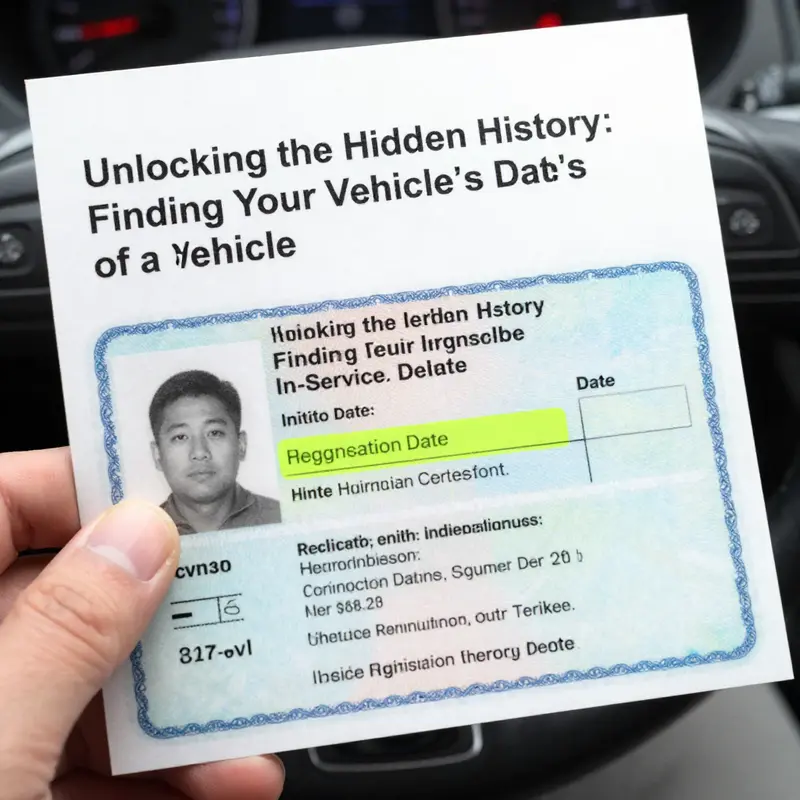
The moment a vehicle first joins public roads is more than a date on a page; it is the official beginning of its documented life. The in-service date, often referred to as the first registration date or initial registration date, is a cornerstone piece of the vehicle’s history. It anchors the calendar for future maintenance milestones, insurance renewals, and annual checks. In practical terms, knowing this date helps you align yourself with the vehicle’s lifecycle so you can anticipate when it is due for the next annual inspection, adjust insurance considerations, and properly interpret mileage and wear as the car ages. When people hear about the in-service date, they often think of a manufacturing timestamp or a rough estimate of age. In truth, the in-service date is a legal and administrative marker. It marks when the authorities first registered the vehicle and allowed it to be driven on public roads. This distinction matters because it is the official starting point that many systems and records reference, from road tax to historical records, from the vehicle’s first registration to its long-term ownership trail. If you are trying to confirm this date, the most dependable route is to start with the Vehicle Registration Certificate, the government-issued document that captures the vehicle’s identity and legal status at the moment of first registration. It is the document that, in common parlance, earns the vehicle its official “green light” to operate, and it is the primary source you should consult before turning to other data sources.
In the United Kingdom, the V5C logbook—formally the Vehicle Registration Certificate—stands as the most reliable conduit to the in-service date. Within this document, you will locate a field that explicitly records the first registration date. This is not a casual note; it is the accreditation of the vehicle’s entry into the public vehicle register. The wording on the certificate is clear to those who read it carefully: look for terms such as “First Reg Date” or “Registration Date” within the Vehicle Information or Registration Details section. The date shown there is the official in-service date. If you are fortunate enough to possess the physical certificate, this field is your surest anchor. If your copy is digital or you no longer have the physical cert, you still have a reliable path. The government’s vehicle portal and the relevant authorities maintain records that can be accessed with proper identifiers. For UK residents, the DVLA and its online services are designed to provide verified information about a vehicle, and you can often retrieve the first registration date by entering the license plate number. The process is straightforward, and the information returned focuses on the vehicle’s registration status, including the critical first registration date.
This approach—pulling the first registration date from the official certificate or the official government portal—acts as the most direct line to the in-service date. It is not merely accurate; it is the date that matters because it is the date that the government recognizes as when the vehicle legally began its road life in that jurisdiction. The certificate confers an official stamp of legitimacy. It is, in a very literal sense, the document that marks the moment the vehicle enters the system, becomes subject to regulatory requirements, and begins its lifecycle under the authority of the state. When you are trying to verify a vehicle’s age for purposes of MOT due dates, insurance policies, or the completeness of the vehicle’s history, this first registration date serves as the baseline. It is not simply a date on a page; it is the anchor of the vehicle’s legal story.
If you are navigating this task from outside the United Kingdom, the same principle applies, though the concrete terms and the exact document may vary by country. In many regions, the official Registration Certificate or its equivalent records the initial registration date in a similarly explicit way. The principle remains constant: the year, month, and day recorded as the first registration date on the official document is the date you should rely on as the in-service date. In a global sense, this is the date when the vehicle first becomes a registered, road-legal asset in the country where the registration was issued. It is also a date that will often align, though not perfectly, with the vehicle’s documented history, the vehicle’s mileage milestones, and the timing of subsequent registrations if the car changes hands or is imported into another jurisdiction.
The practical value of this date cannot be overstated. For a buyer, it signals the vehicle’s age and helps calibrate expectations about wear, parts life cycles, and maintenance intervals. For an owner who is renewing insurance or planning service intervals, it anchors the annual cycle around the anniversary of first registration. For a researcher or a forensic buyer who wants to reconstruct a vehicle’s history, the first registration date is a primary data point that can corroborate other records. Because the in-service date is so central to multiple administrative and practical processes, relying on the official source—whether the paper logbook or the digital record in the government portal—reduces the risk of misalignment between different datasets and misinterpretation of the vehicle’s true age.
The steps to access this date are, in practice, remarkably straightforward, though they require a careful eye and a check against other records. Start with the Vehicle Registration Certificate if you have it. Open the section that houses vehicle information and registration details. Scan for the label that indicates the first registration date. In UK documents, this is often labeled as “First Reg Date.” The date next to that label is the in-service date. If the certificate is missing, or if you possess only a digital copy, you can still verify the date through the government vehicle portal. In the UK, the DVLA’s online services allow you to check certain registration details by entering the license plate, and the result typically includes the first registration date. In the United States, the equivalent process uses state DMV portals, where you can lookup vehicle records using the VIN or license plate. While the user interface and terminology differ by jurisdiction, the underlying principle remains the same: the first registration date captured by the official system is the authoritative in-service date.
It is worth pausing to reflect on why this single date carries so much significance. First, it provides a baseline from which all other age-related obligations are calculated. In many countries, the initial registration date is tied to the schedule for the first mandatory inspections, the rate and timing of taxes, and the renewal cadence for coverage that protects the owner and others on the road. Second, the date has historical value. It helps reconstruct a vehicle’s life story when you are reviewing maintenance records, mileage history, and ownership changes. We often encounter situations in which the in-service date appears to be earlier or later than expected due to imports, re-registrations, or administrative delays. In such cases, the certificate remains the most reliable source, but understanding the potential deviations helps you interpret the data correctly. A late first registration date might reflect a vehicle that spent time overseas or in storage before it was registered in the current jurisdiction. An early date could indicate a vehicle that was registered promptly after manufacture but may have been subject to later import or re-registration. These nuances underscore why the certificate is essential, and why corroboration from additional sources is prudent when you are evaluating a vehicle’s history.
Beyond the certificate itself, there are complementary ways to triangulate the in-service date if the certificate is not readily available. One practical method is to decode the VIN, specifically its tenth character, which denotes the model year. While this approach does not reveal the exact date of first registration, it provides a useful estimate of when the vehicle came off the production line. The model year can help you bracket the possible period in which the vehicle was produced and thus potentially registered. It is a helpful cross-check, especially when you are comparing multiple records or trying to determine the vehicle’s age in the absence of a reliable first registration date. It is essential to strike a careful balance here: the VIN-derived model year and the first registration date from the certificate should align in a sensible way, but you should treat the VIN as a guide rather than a definitive source of the in-service date.
Another layer of verification comes from the vehicle’s service history. If the car has a complete service record, the date of the first service or oil change almost always falls soon after the in-service date. Technicians and service centers typically record a car’s initial service after its registration, when the vehicle begins its road-life and the clock starts on maintenance intervals. If you are evaluating a used car, reviewing the first service entry can provide a practical corroboration for the in-service date. This approach is especially valuable when the official certificate is not available, and you need a reasonable basis for dating the vehicle’s early life. It is not as precise as the legal registration stamp, but it offers a meaningful corroboration that supports your overall assessment.
It is crucial to distinguish between manufacturing date and in-service date. Manufacturing date, which is the date the vehicle left the assembly line, is often printed on a metal plate on the driver’s side B-pillar or a windshield sticker. This date can be used to estimate the vehicle’s age but should not be treated as the official in-service date. The manufacturing date provides context about the vehicle’s age and production period, but it may not reflect when the car became legally registered for use on public roads. The presence of a B-pillar plate or a windshield sticker with a production month and year can help you corroborate the overall age of the vehicle. However, for purposes of determining legal obligations and the vehicle’s official lifecycle, the in-service date from the registration certificate remains the gold standard.
When you cannot access the primary source, or when you want the most comprehensive view of a vehicle’s history, third-party vehicle history checks can be a valuable addition. Services that compile data from multiple official databases can present the first registration date along with mileage history, accident records, title status, and more. These reports can be particularly useful when purchasing a used car, as they provide an independent cross-section of information gathered from different sources. Yet even with third-party reports, the first registration date they present should be reconciled with the official certificate data whenever possible. The third-party reports act as corroboration rather than replacement for the authoritative source, and they can reveal inconsistencies that merit closer scrutiny before a purchase decision is made.
For readers who are navigating this topic for the first time, the practical workflow is straightforward but powerful. Start with the official document—the Vehicle Registration Certificate—and locate the first registration date. If you cannot locate a certificate or if you need a quick online confirmation, use the government vehicle portal to retrieve the registration details by entering the license plate number or VIN, depending on the jurisdiction. Use caution with VIN decoders; they can guide you toward a reasonable estimate, but they do not provide the exact in-service date. If you have access to the vehicle’s service history, scan for the first service date as added context, understanding that this date will usually occur soon after the in-service date. And if you are evaluating a used car, pull a trusted third-party history report to obtain a broader picture of the vehicle’s life and to check for discrepancies across records. The most reliable path remains consulting the official certificate and cross-referencing with notes from the government portal and the vehicle’s maintenance history. The cross-checking process is not about doubting any single source; it is about building a robust, corroborated understanding of when the car truly began its road life.
If you want a concise synthesis of the most reliable method, the official registration date from your V5C or the government portal is the most accurate route to determine the in-service date. It is the date that marks the legal start of the vehicle’s life on the road, and it anchors the entire lifecycle record. This is not just bureaucratic trivia; it informs practical decisions, from scheduling the first MOT to negotiating the terms of a used-car purchase. When you are thorough and methodical, you can move from uncertainty to confidence, knowing you have anchored the vehicle’s age to its most authoritative record. And when you are ready to explore related practicalities and examples, the KMZ Vehicle Center blog offers a repository of related guidance and insights you can consult as you navigate the world of vehicle records and ownership histories. KMZ Vehicle Center blog
The journey from certificate to confidence does not end with the certificate itself. In real-world practice, you will often find the first registration date echoed in other official and semi-official sources, each with its own processes and timelines. The DVLA or DMV portals may display the information as part of the broader set of vehicle data, sometimes alongside the tax status, MOT due date, and other registration details. For the layperson, this online interface can be a revelation: a single license plate or VIN can unlock a tidy bundle of information that helps you verify the in-service date quickly and with a high degree of reliability. The speed and convenience of online lookup are complemented by the security of official records, which are designed to withstand scrutiny from buyers, sellers, and authorities alike. When you combine the certificate data with a government portal lookup, you minimize the risk of misdating the vehicle and you position yourself to understand the vehicle’s age in the context of its actual road life.
In the end, the in-service date is more than a timestamp; it is the starting line of a vehicle’s documented life. It informs how you plan for maintenance, how you understand insurance obligations, and how you interpret mileage as a natural measure of use rather than a blip on a dashboard. It ties together the legal framework, the practical maintenance life, and the historical narrative of the vehicle. By anchoring your conclusion in the official record, you ensure that your understanding of a vehicle’s age is as precise as possible. Where data gaps exist, you fill them with corroborating evidence from service histories and, when available, trusted third-party checks. And when you want a resource to deepen your grasp of how these records come together, the KMZ Vehicle Center blog can be a valuable companion on your journey through vehicle records and ownership histories. KMZ Vehicle Center blog
For readers who want to verify the official guidance directly, the government’s documentation on the Vehicle Registration Certificate, the license, and vehicle tax provides authoritative context and details about what is recorded on the certificate and why it matters for the in-service date. This official resource reinforces the understanding that the first registration date is the definitive moment when the vehicle becomes a registered road asset, and it clarifies the relationship between registration and subsequent regulatory obligations.
External resource: https://www.gov.uk/government/publications/vehicle-registration-certificate-vehicle-licence-and-vehicle-tax
Tracing the In-Service Date Through China’s Official Online Portals: A Practical Path to Confirming Vehicle Age in Real Time
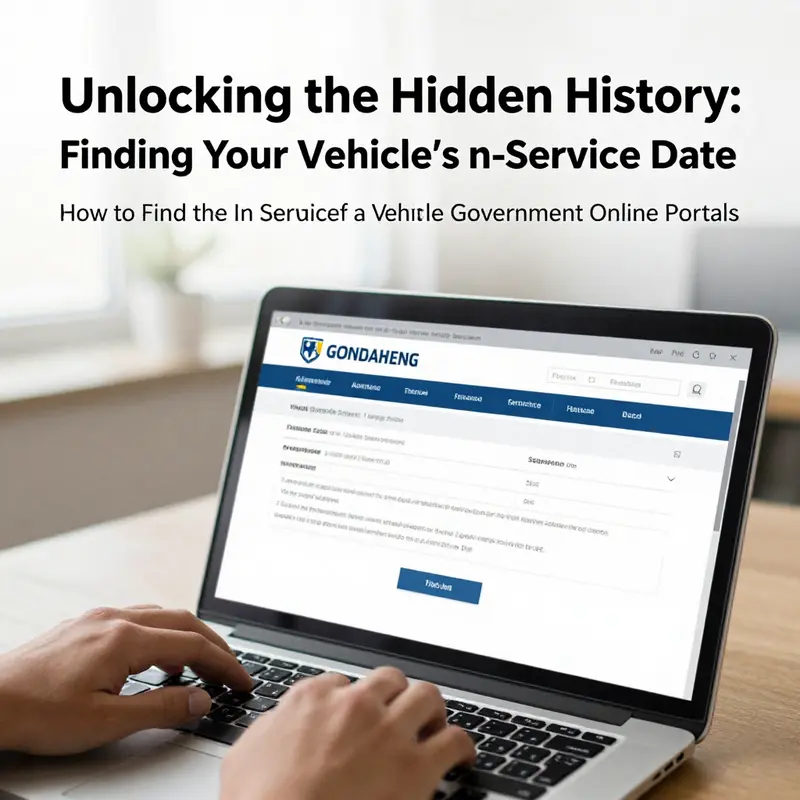
Determining the in-service date of a vehicle is a foundational step in understanding its history, planning its maintenance, and evaluating ownership costs. Across jurisdictions, this date marks when a vehicle first enters official service and begins its lifecycle in the eyes of the authority that registers and tracks roadworthiness, taxes, and compliance. In many places, the in-service date is the same as the first registration date, a precise moment captured by official records. In others, it is inferred from the first time the vehicle was registered or released into public traffic. Regardless of the country, the core goal remains the same: identify a date you can rely on as the start of the vehicle’s active life. When the vehicle is new, the in-service date is straightforward—often the same as the manufacture date plus a short window before it is registered and sold. But for imported vehicles, leased fleets, or cars that change hands across borders, the journey from manufacture to streets often introduces gaps. In such cases, the in-service date becomes a critical anchor for everything from annual inspections to insurance coverage. In China, this anchor is maintained through a tightly integrated, officially administered set of tools. The government has built a centralized repository of vehicle records that links license plate, VIN, and owner information with the moment the vehicle first enters circulation. Access to this data is granted through two main channels: a secure online mobile platform and an official web-based service, both designed to provide accurate, real-time information to registered users who prove their identity and ownership. The principle is simple in practice: when you query the system with a plate number or a VIN, the platform retrieves the initial registration date—explicitly labeled as the in-service date—and presents it alongside related records, such as current inspection status, any pending violations, and a brief ownership history. This seamless integration serves as a robust counterweight to uncertainty, especially for buyers and sellers who need a trustworthy baseline for valuation and transfer. This chapter walks through the practical steps, the safeguards, and the subtle nuances of interpreting the Chinese official sources, while keeping the wider idea of finding the in-service date in view for readers who operate beyond one jurisdiction. It also threads in how these mechanisms connect to the broader practice of verifying vehicle age through multiple channels, including public records, service histories, and, when applicable, third-party history checks that synthesize data from various official databases. The goal is not merely to locate a single date but to understand how the in-service date sits at the intersection of regulation, transparency, and everyday vehicle ownership. To start with, imagine a driver who wants a precise baseline for maintenance planning. In the Chinese system, the initial registration date shown by the official platform is the definitive reference for when the vehicle joined the national registry. It is the date that triggers the countdown for mandatory inspections, aligns with registration renewals, and anchors the vehicle’s age in insurance considerations. The user experience is designed to be frictionless, with authentication that secures personal data while enabling convenient access to information about a specific vehicle. The process begins with authentic verification, a principle that protects both the vehicle owner and the integrity of the database. Once the owner logs in to the official platform, they access a section commonly labeled something akin to My Vehicles or Vehicle Management. The system then asks for a precise identifier—most often the license plate number, sometimes the VIN if the plate is not sufficient or if multiple vehicles share a plate in a fleet context. In practice, license plate queries are the most common path for individuals and small fleets. On the screen that follows, the user is presented with a concise set of key data: the initial registration date, the current status of the vehicle’s inspection cycle, and any outstanding or recent violations that might affect registration status or compliance. The initial registration date is the heart of this screen; it is the one datum that most readers will rely on to determine the vehicle’s service life. This exact date is described by the authorities as the moment the vehicle was first registered with the public road management system and, by implication, the start of its public service life. The design purpose of this data field is practical: it informs inquiries that range from regulatory compliance to insurance planning and tax calculations. The clarity of a single, verified date reduces ambiguity that could otherwise arise from mixed sources or misinterpretations of when a vehicle was manufactured, registered, or first put on the road. The process has prudent privacy safeguards. Access to the full record is restricted to the legitimate owner or a party with authorized access. This principle mirrors the careful balance between public record transparency and personal data protection. It also mirrors across borders the general pattern of information governance: official records are authoritative, but access is controlled and trackable. For readers who are evaluating a used vehicle in this environment, this model means you can rely on the in-service date as a stable reference point, provided you are accessing the data through the proper channels and with proper authorization. The experience is designed to be intuitive, yet there is depth behind the scene. The system must confirm the vehicle’s identity and ownership, match the plate to the vehicle’s VIN, and ensure that the data returned corresponds to the same vehicle. Once this alignment is confirmed, the initial registration date is displayed, often with a precise day, month, and year. It is not just a number; it is a legal date that ties the vehicle to a specific registration event and a regulatory moment. When you cross-check this with other data, you can verify how long the vehicle has been in service and how that aligns with maintenance intervals, inspection cycles, and insurance terms. For the practical reader, the method is straightforward yet powerful. Open the official vehicle management portal on a mobile device. Complete any required real-name authentication, a standard security measure that guarantees you are the rightful owner or authorized user. Navigate to the section that lists your vehicles—sometimes labeled as My Vehicles or a similar term—and select the specific car you want to query. Enter the license plate number; in many cases the system will present a dropdown or a confirmation prompt to ensure you’ve chosen the correct vehicle, particularly in fleets with multiple cars bearing similar marks. From there, the page that appears should display the essential data, with the initial registration date prominently presented near the top. If the record is complete, you will see not only the date but related items that give you a quick sense of the car’s current compliance status: whether the vehicle’s annual inspection is due, whether any violations are outstanding, and whether the vehicle is eligible for renewal. These connected data points reinforce why the in-service date matters so widely—from the moment a vehicle enters the registry, it becomes part of a tracking system that informs health, safety, and fiscal responsibilities. The logic of this system resonates with the broader principle that official data should supersede informal estimates. In practice, that means you should use the in-service date from the official platform as your anchor, especially when you are evaluating a used vehicle, negotiating price, or planning a purchase that depends on vehicle age for future maintenance costs. Yet, it is equally important to recognize the value of corroborating this date with other sources. Service histories, for example, can provide context about when the first significant maintenance occurred, a signal of how soon the vehicle might have required attention after entering service. In the case of a newly imported car, the first maintenance date may reflect the initial readiness checks, the first oil change, or other routine services that were performed before or shortly after registration. While these dates do not replace the official in-service date, they paint a fuller picture of how the vehicle entered service and how its early life progressed. Similarly, a manufacturing date plate or a windshield sticker can confirm the age of the vehicle in terms of production chronology. These dates are informative and help establish a timeline, but they are not substitutes for the official in-service date. They function as cross-checks that help consumers understand the gap, if any, between manufacturing and registration. This distinction matters. A vehicle may have sat in a port, on a dealer lot, or in transit for weeks or months after it was manufactured. The registered date becomes the official milestone that starts the clock on inspections and policy requirements. The third-party checks, while not the primary source, can play an auxiliary role. Independent history services compile data from multiple official databases, including registration records, maintenance logs, and sometimes court or enforcement data related to the vehicle. The benefit of these checks is breadth and synthesis; they provide a broader view of a vehicle’s life beyond a single registry. In the Chinese context, the real strength lies in the precision and immediacy of the official portals when you have a legitimate need to verify the in-service date. Real-name authentication and identity verification are designed to ensure that the person querying the data has a rightful interest in the vehicle. This is not merely a guardrail for privacy; it is also a practical safeguard that reduces the risk of data tampering or misrepresentation. For anyone who owns a vehicle or plans to purchase one, this system offers a trustworthy baseline. The in-service date is the reference point that aligns with legal and practical obligations, from the timing of inspections to the calculation of insurance and the anticipation of potential depreciation. The narrative of how to find this date in China mirrors a broader global pattern: authoritative, government-backed data beats scattered or anecdotal information. It is a reminder that the reliability of the in-service date is as strong as the integrity of the official record. This is why, when you embark on a serious assessment of a vehicle, you begin with the official platform, verify your identity, and retrieve the initial registration date for that vehicle, using the license plate as the primary key. If you face obstacles—such as a failed login, a missing record, or a discrepancy between the plate and the VIN—the recommended path is to seek assistance from the local authority’s help desk or through the official support channels. The goal is to resolve issues so that you can access the correct data promptly, without compromising privacy or data security. While the official sources are the gold standard for the in-service date, the broader practice benefits from a layered approach. After obtaining the initial registration date from the government platform, you may wish to consult the vehicle’s broader history through a third-party report that aggregates data across multiple official databases. This step is especially useful for buyers who want to validate ownership history, confirm that the registration details match the vehicle’s VIN, and corroborate that no red flags—such as unregistered modifications or unresolved violations—are present. In practical terms, the steps to verify the in-service date in China flow from identity verification to a precise query by license plate, followed by confirmation of the initial registration date and any related compliance details. The approach remains grounded in privacy protections and the security of the registry, ensuring that only authorized users can access sensitive information about vehicles and their owners. This is not merely a bureaucratic exercise; it is a crucial check that yields tangible benefits for maintenance scheduling, insurance planning, and the accurate interpretation of a vehicle’s age. For readers who are cross-border buyers or sellers, the Chinese example emphasizes a universal principle: when evaluating a vehicle’s age, the most dependable starting point is the official in-service date, directly retrieved from the national or regional vehicle management system. Any supplementary data, such as the production year derived from the VIN or the first service date in the vehicle’s maintenance log, should be used to enrich understanding, not to replace the official date. The integration of these sources—official portal data, VIN-based estimation, and service history—provides a robust, multifaceted view of a vehicle’s lifecycle. It supports more informed decisions, clearer expectations about future upkeep, and a transparent narrative that both buyers and sellers can trust. For readers who wish to pursue further context or background, the official platforms often provide guidance, frequently asked questions, and user assistance that explains the data fields and their meanings. It is worth spending a few moments exploring these resources so you understand exactly what the in-service date represents in the eyes of the authorities and how it interacts with other regulatory milestones. The bottom line is straightforward: in China, you obtain the initial registration date—the in-service date—through an official, identity-verified query on the government platform or its mobile counterpart. This datum is your anchor for the vehicle’s age and its regulatory lifecycle, and it should be your first reference when you assess a vehicle’s history or plan its ongoing maintenance. As you read this, you may wish to keep a simple mental map: the license plate is the key that unlocks the record you need; the initial registration date is the core entry that confirms when the vehicle began its official life on Chinese roads; and the surrounding data—inspection status, ownership, and violations—fills in the broader story of the vehicle’s regulatory journey. In closing this practical overview, remember that privacy and authorization are not stumbling blocks but essential guardrails that keep the system reliable for legitimate users. If you are the owner or a verified agent, you should expect a straightforward, real-time result that aligns with the vehicle’s legal status and maintenance obligations. The tools are designed to be user-friendly, and they integrate with other official services to provide a comprehensive view of a vehicle’s lifecycle. For readers who want to deepen their understanding beyond the date itself, this approach invites you to explore related maintenance considerations, such as how the age of a vehicle informs recommended service intervals, tire replacements, and safety inspections. It also invites you to reflect on how the formal record interacts with practical maintenance timing—how the first years of service often set the tone for reliability and cost of ownership, and how later years may demand more careful planning as the vehicle ages. If you are curious about broader maintenance guidance while you navigate the in-service date, you can explore additional context through the KMZ Vehicle Center blog, which offers practical insights into vehicle upkeep, lifecycle planning, and related topics. The link below points to that resource for readers seeking a broader maintenance perspective that complements the precise date you pull from official records. KMZ Vehicle Center blog. If you are seeking direct access to the official Chinese platform for verification, you will find that the primary sources emphasize secure, authorized access to vehicle information through the government’s trusted portals. An explicit reminder is included in the official guidance: you must be the registered owner or have proper authorization to access private vehicle data. Unauthorized access may violate privacy laws. For the most accurate and legally compliant results, always use the official government vehicle management platforms for your queries, which are updated in real time and recognized by authorities for reliability and privacy protection. In addition to the official portals, a practical step is to use the common sense of cross-checking critical dates with the vehicle’s service and maintenance records. The first maintenance date, often close to the in-service date, can offer a practical corroboration and help you assess the vehicle’s early service life. If you are purchasing a used vehicle, a post-purchase check that includes the official in-service date, mileage history, and any recorded maintenance events will give you a fuller sense of how the vehicle has aged and how its early years were managed. This layered approach—official registry data paired with corroborating service information and a professional history review—provides a robust basis for decision making. It also aligns with prudent risk management practices that sellers can adopt to demonstrate transparency, and buyers can rely on to minimize surprises after purchase. The overarching message is clear: the in-service date is the anchor that organizes the vehicle’s history and regulatory obligations. When you locate this date via official channels, you unlock a precise, authoritative starting point for understanding the vehicle’s lifecycle. The integrity of this data depends on using the appropriate channels, and the protection of privacy depends on strict adherence to authentication requirements. In the Chinese context, the combination of a mobile platform and a web-based service makes it feasible for individuals and fleet managers to verify the date quickly and securely, while also having access to related regulatory information. This approach is a model of how modern vehicle administration can support both individual ownership and broader public safety goals. As readers consider their own contexts—whether they are evaluating a vehicle for purchase, planning ongoing maintenance, or simply curious about how age is established in different systems—this chapter encourages a pragmatic mindset. Start with the official date, then enrich your understanding with corroborating records, mindful of privacy and authorization limitations. The result is a well-founded, transparent view of a vehicle’s age that serves as a reliable baseline for all subsequent decisions. For those who want to explore more about vehicle lifecycle considerations beyond the date itself, the linked blog offers broader guidance on maintenance intervals, reliability considerations, and practical tips for keeping a vehicle healthy over time. The journey from the plate to the date, and then to a comprehensive understanding of a car’s life, is not merely a bureaucratic exercise. It is a disciplined approach that supports smarter ownership, safer driving, and clearer clarity in every transaction that involves a vehicle’s history. In summary, when you need to confirm the in-service date in this Chinese framework, you begin with an authorized query on the official platform using the plate number, or you verify via the web portal with proper identity authentication. The result you obtain—the initial registration date—serves as the authoritative start of the vehicle’s service life. It is the key date for inspections, registrations, and insurance timelines, providing a reliable foundation for everything that follows. If you find the data lacking or you require a broader historical portrait, you can supplement with service records and, where appropriate, third-party history summaries that merge multiple official data sources into a coherent narrative. In this domain, accuracy and trust are inseparable, and the official in-service date is the cornerstone that keeps the rest of the story grounded in verifiable fact. For readers who want a quick, practical reminder of how to proceed, the most important steps are these: authenticate with the official platform, select your vehicle, and read the initial registration date directly from the record. This approach minimizes ambiguity and positions you to confirm the vehicle’s age with certainty. The narrative above reflects a broader truth about vehicle data in the modern era: trusted authorities, when accessed properly, provide a clear and verifiable timeline that helps people make informed decisions about ownership, maintenance, and safety. As a closing note, remember that the in-service date is not merely a number; it is a portal into a vehicle’s lifecycle, a baseline for regulatory alignment, and a practical anchor for planning. When you align official records with a careful review of related maintenance and ownership data, you gain a complete and reliable understanding of a vehicle’s age—one that stands up to scrutiny in any negotiation, inspection, or purchase. External resource for further reference: official government vehicle management portals provide the most accurate and legally compliant verification, with updates in real time. You can explore a representative official portal through this external resource: https://jtgl.12123.gov.cn
null

null
Final thoughts
Locating your vehicle’s in-service date is an essential task that provides invaluable insight into its history and reliability. Through the examination of vehicle registration certificates, utilization of government online portals, and decoding the VIN along with service records, private car owners, used car buyers, and fleet operators can gain a clearer picture of their vehicle’s timeline. Whether you aim to stay compliant with regulations or make a well-informed purchase decision, these methods empower you to foster a more transparent ownership experience.