
Understanding a vehicle’s service history is crucial for local car owners, used car buyers, and small business fleet operators. The insights gained from this history can reveal past maintenance, uncover hidden issues, and inform future care. In a competitive market where quality and reliability matter, knowing how to effectively gather service history can give you the upper hand, whether you are maintaining your personal vehicle, buying a used car, or managing a fleet. This article guides you through five essential methods to access a vehicle’s service history: leveraging third-party platforms, contacting original dealerships, checking insurance records, utilizing manufacturer resources, and requesting service records from sellers. Each chapter will equip you with the tools necessary to uncover reliable information and make informed decisions that extend the longevity and performance of your vehicle.
Illuminating the Road: How Third-Party Vehicle History Platforms Reveal a Car’s Service Story
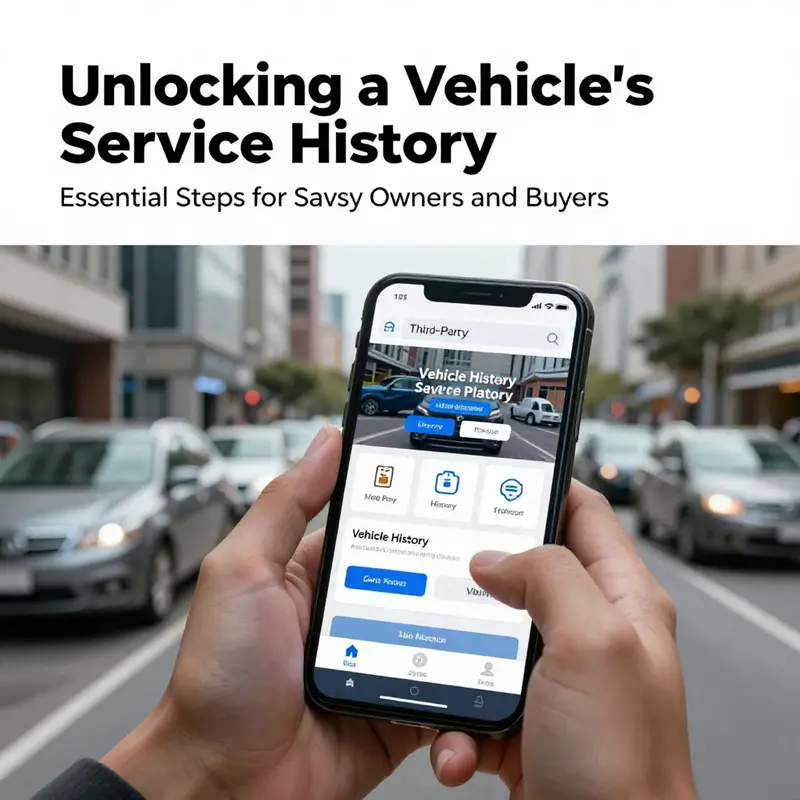
When you consider a vehicle’s true condition, the story behind its maintenance and repairs often matters more than the latest aesthetic polish. Third-party vehicle history platforms have become a practical compass for readers of that story. They compile data from a wide range of sources and present it in a single, navigable report. In markets where many drivers rely on a mix of official dealer records, independent repair shops, and insurance claims, these platforms offer a consolidated view that would otherwise require visiting multiple offices or departments. The result is not just convenience; it is a clearer, more trustworthy baseline from which to assess value, assess risk, and plan future maintenance. To get the most from these tools, approach them as a first pass that shapes your questions, rather than as the final word.\n\nThe essence of these platforms lies in their breadth. They pull data from numerous service providers and repair facilities, capturing routine maintenance as well as extraordinary events. This is particularly valuable when you are buying a used car, evaluating a trade-in, or simply trying to understand why a vehicle behaves differently from expectations. The process typically begins with a WeChat-based interface, where a user can access a vehicle history service through a mini-program or official account. From there, you choose the specific inquiry you need—whether it is the maintenance and repair history or the accident and insurance record—so the platform can assemble the relevant data. The next step is straightforward: you enter the vehicle’s VIN, a 17-digit code that uniquely identifies the car, or you upload a photo of the vehicle’s registration certificate. In many cases, a photo upload can substitute for a manual VIN entry if the digits are difficult to read. Within moments, the system processes the request and renders a structured report, designed to be read by both laypeople and professionals.\n\nThe report itself is more than a list of dates and parts. A well-constructed history includes a sequence of maintenance events that reveals how diligently the vehicle was cared for. You will see routine maintenance activities—oil changes, filter replacements, brake service, tire rotations—tied to approximate mileages or calendar dates. You’ll also encounter repairs that point to major wear or component failures: water pump or timing belt changes, suspension repairs, transmission issues, and more. For vehicles with an active insurance history, the report will show airbag recalls, collision repairs, and insurance claims tied to specific incidents. Importantly, the data may extend beyond maintenance and repairs to include the vehicle’s status in the broader sense: whether the car is under mortgage or has any other encumbrances. This can be particularly critical if you are considering financing or a title transfer. In the same breath, you may also learn about the vehicle’s insurance coverage—compulsory and commercial policies, where applicable—which helps you gauge ongoing risk exposure and potential gaps in protection.\n\nFor many buyers, the most actionable value is the ability to verify or challenge the seller’s assurances. A history that shows regular, well-documented maintenance aligns with a vehicle that has been cared for and monitored. Conversely, a record with irregular intervals, overlapping or inconsistent mileage entries, or repeated, costly repairs can signal hidden wear or mismanagement. The best of these platforms also offer an additional dimension that is invaluable for older or energy-efficient vehicles: battery health or remaining life estimates for electric or hybrid powertrains, as well as inspection statuses and compliance checks. Taken together, the data paints a more complete portrait than a single dealership receipt or a handful of receipts ever could.\n\nIt is worth acknowledging that third-party histories have limits. They are robust in breadth, but they can be uneven in depth. Not every repair shop participates in every data feed, and some records may be incomplete or partially automated. A garage that keeps only paper records or that uses a local, non-networked system may leave gaps in the centralized report. Data quality can also hinge on how accurately the VIN is recorded and how consistently mileage is logged across different service events. Privacy considerations mean that some information may be restricted or aggregated, depending on the platform policies and the jurisdiction in which you operate. For this reason, the history report should be viewed as a well-informed snapshot rather than an indisputable archive. The prudent path is to treat the third-party report as a starting point, then verify critical points through direct channels most notably the original 4S dealership that serviced the car, the current or previous insurer, and when possible the manufacturer’s own app or portal for owner-registered vehicles.\n\nIn practice, you can optimize the usefulness of these platforms by engaging in a simple, disciplined workflow. Begin with a broad sweep: run the standard maintenance and repair history and the accident and insurance records, then review any notes about the vehicle’s status, such as liens, mortgages, or administrative flags. This broad view often reveals whether the car has a clean, traceable lineage or a more complex past that deserves deeper scrutiny. Next, drill down into the specifics that matter for your decision. If the report highlights a long sequence of unexpected repairs at uncertain intervals, schedule a follow-up with a qualified mechanic to inspect the areas flagged by the history. If the record mentions a notable collision, obtain the repair invoices or parts used to assess whether the fixes were proportional to the damage and whether the vehicle’s structural integrity was adequately restored. If the vehicle’s status shows a financial encumbrance or an outstanding suspension, you’ll want to resolve those issues before finalizing a purchase or transfer of ownership.\n\nThe narrative power of these platforms also benefits from thoughtful interpretation. A healthy pattern might show consistent maintenance aligned with manufacturer guidance, with occasional deviations explained by owner-specific circumstances. Patterns of frequent minor repairs could point to a car that required more attention than average, or to a driver who uses the vehicle in demanding conditions. Conversely, a lack of maintenance entries or a long, unexplained gap in mileage could signal that service records were not kept, or that the vehicle was operated in a context where regular servicing was neglected. In either case, the report equips you with concrete prompts for further investigation, rather than leaving you with vague impressions. The goal is not to guarantee a perfect history but to reduce the risk of hidden problems and to inform a more confident buying decision.\n\nAs part of your due diligence, you can enrich your understanding by consulting related resources. Internal knowledge on best practices for interpreting service histories can be found in broader reading resources such as the KMZ Vehicle Center blog, which aggregates practical car care guidance and insights. See more at KMZ Vehicle Center blog. This kind of cross-reference helps you connect the dots between a vehicle’s past and its future maintenance needs, turning a history report into a actionable maintenance plan. For readers who want to explore one of the definitive reference points for these platforms, an external resource you may consult is a leading provider in the field, which offers a comprehensive overview of data coverage and platform scope. External resource: https://www.houchekejian.com\n\nIf you plan to take the next step after reviewing a third-party history, remember that nothing replaces direct, on-the-ground verification. Request the seller to provide any physical service records they possess, and use those receipts to corroborate what the history report suggests. If possible, arrange a face-to-face review with the servicing dealer where the vehicle was most often maintained. In a best-case scenario, the dealer’s records corroborate the third-party report in detail, providing dates, mileage readings, part numbers, and labor codes. This triangulation—third-party history, dealer records, and, when available, insurer data—constitutes a robust evidentiary foundation for assessing value, risk, and future maintenance needs. The process is not about chasing perfection but about building a credible, data-informed picture that supports better decisions.\n\nIn the end, third-party vehicle history platforms serve as a powerful accelerant for due diligence. They enable you to move beyond vague impressions and surface concrete, important details about maintenance discipline, accident history, and financial encumbrances. By using these platforms in combination with direct sources and careful interpretation, you can arrive at a clearer, more confident conclusion about a vehicle’s service history and its longer-term viability. For those who want to explore more about how these tools work and how to use them effectively, the KMZ Vehicle Center blog provides practical guidance and real-world examples that complement the data you obtain from these platforms. Read more at the KMZ Vehicle Center blog. For a deeper dive into the broader ecosystem of vehicle maintenance and the precise ways to interpret a history report, you can consult the external resource linked above. Ultimately, the most reliable picture emerges when you blend broad-scope data with verified, site-specific records, guided by a careful, methodical evaluation rather than by a single source alone.
Direct Access from the Original 4S Dealership: Securing a Vehicle’s Untarnished Service History
When a buyer needs a trustworthy account of a vehicle’s life, the strongest source is almost always the original point of service: the dealership that sold the car or that has been performing its routine maintenance. This method sits at the top of the reliability scale because it draws from the manufacturer’s own records, updated in real time by certified technicians, and stored in official systems that synchronize with the central database. In practical terms, that translates to a service history that is not only detailed but also legally recognizable should you need to validate warranty claims or assess a car’s true condition before a purchase. Reaching out to the dealership that has long cared for a vehicle provides a level of completeness that other routes—no matter how convenient—often struggle to match. The process is straightforward, but it does require careful preparation and a clear understanding of what you are asking for and why.
To begin this journey, you first assemble the essential information that will establish your identity and your ownership rights. The VIN, or Vehicle Identification Number, sits at the heart of this search. It is the key to the car’s digital dossier and will be the reference point for every inquiry that the dealership makes. Alongside the VIN, you should gather your driver’s license to confirm identity and proof of ownership, such as the vehicle’s registration certificate or the original purchase invoice. These documents reassure the staff that you are entitled to access sensitive maintenance data and that you are not seeking information for unauthorized purposes. The dealership will usually require these items to comply with privacy and data-protection policies and to ensure that the history is released only to the rightful owner or their designated agent.
With the paperwork in hand, the next step is to initiate contact. You can start with a phone call to the dealership’s after-sales department or, if you prefer, visit the showroom or service center in person. In many cases, an in-person visit can expedite the process because you can present your documents on the spot and speak directly with the staff who manage service history records. Whether by phone or in person, be prepared to provide the VIN and your identifying details. The staff may also ask for the license plate number or the registration certificate number. Answering these questions accurately helps verify your ownership and accelerates the retrieval process. If you are contacting the dealership as a prospective buyer, be transparent about your intent. Explain that you want a complete, authoritative history to inform a purchase decision and to verify warranty eligibility. A straightforward request tends to yield the most cooperative response.
Once the dealership confirms your identity and ownership, the core task begins: pulling up the vehicle’s complete service history. The department responsible for after-sales or customer relations typically handles this request. They will pull the data from the manufacturer-specific system, which is integrated with the central database and updated in real time by the technicians who service the vehicles. In most cases, the report you receive will cover several key areas. First, it will list service dates and mileages at the time of each visit, providing a chronological snapshot of how the vehicle has been cared for over the years. Second, it will itemize maintenance tasks performed, from routine oil changes and tire rotations to more substantive work such as brake service, transmission service, or suspension inspections. Third, you can expect to see details about parts replaced, including the part numbers when available. This portion is particularly valuable for assessing parts wear and the overall condition of critical systems. Fourth, the report often includes labor notes. In some cases, you may also obtain information about the labor hours charged and the technician’s notes, which can shed light on any issues encountered during service and how they were resolved.
A notable advantage of requesting records from the original dealership is the specificity and reliability of the data. Because the dealership’s system is tied to the manufacturer’s network, it can reflect exactly which parts were used, which service advisories were followed, and whether a particular issue was addressed under warranty or paid out of pocket. In some brands’ ecosystems, this information feeds into an official Siebel Automotive or equivalent system, linked to the brand’s central database. When such integration exists, the records you receive from the dealership are not only comprehensive but also aligned with the manufacturer’s own standards for documentation. This alignment is critical if you are validating a used car purchase, negotiating a warranty claim, or presenting evidence to a lender who requires verifiable maintenance history.
Dealerships often offer multiple pathways to access these records beyond the traditional in-person or phone-based request. Many locations now provide online portals or mobile apps where owners can retrieve service histories after registering their vehicle. For someone who is not the registered owner but has legitimate interest—such as a prospective buyer—this capability may be more limited and sometimes requires additional authorization from the owner. If you are currently evaluating a vehicle, ask the dealership whether a digital copy of the service history is available and whether it can be emailed or downloaded directly from their secure portal. The convenience of digital access does not diminish the need for physical documents in some cases, but it can speed up the initial review and help you prepare for a more formal, on-site inspection.
It is important to recognize that, while the 4S dealership is the most authoritative source for complete records, there are practical constraints. Some vehicles have been serviced at multiple locations within a brand’s network, or they may have accrued service history at independent workshops that the dealership does not regularly monitor. In those scenarios, the dealership can still provide the records it possesses, but you should expect to see only the portion of history that was logged within that specific dealer’s system. To assemble a full picture, you may need to triangulate data from additional sources—such as a third-party vehicle history platform, the insurer’s claims data, or the manufacturer’s own owner portal if available. The strength of the dealership route, however, lies in the authenticity and depth of the primary records it can confirm. It can also validate details that are difficult to corroborate from other sources, such as the precise parts installed during a service and the exact labor operations performed at given dates and mileages.
As you pursue this information, keep in mind the practicalities that can influence the experience. Some dealerships may impose a small fee for pulling a complete service history, especially if the records span many years or require data consolidation from multiple internal systems. Turnaround times can vary; a routine retrieval might be instant if the records are readily accessible, while more complex requests could take a day or two. If you are on a tight schedule or a contingent purchase timeline, communicate your deadline clearly and ask about expedited options. Privacy and data protection rules govern the process, so you may be asked to sign a confidentiality or data-release form, especially if you are not the registered owner or if you intend to share the information with a third party. A respectful approach—acknowledging the sensitive nature of maintenance data and emphasizing your legitimate interest as a buyer or current owner—will usually smooth the path.
In some cases, the dealership’s staff can also help you interpret the report. A maintenance history can reveal patterns that are not immediately obvious from a simple glance at the dates. For instance, repeated minor issues with a particular component may indicate a broader systemic concern, while a long stretch of routine maintenance without major repairs is often a positive signal about the vehicle’s overall reliability. If you observe gaps in the maintenance timeline, you can request explanations for those periods—perhaps the vehicle sat idle during a period of ownership or service was outsourced to a non-network shop. Interpreting these nuances, alongside the explicit entries, can give you a balanced view of how well the vehicle has been cared for and what questions to bring to a formal inspection.
To weave this approach into the broader strategy of verifying a vehicle’s history, many buyers like to supplement the dealership records with a trusted external check. A broad overview from a third-party vehicle history platform can provide a wide-angle view of maintenance and accident records across multiple service locations. However, when possible, starting with the original dealership ensures you have access to the most authoritative and comprehensive set of data. Once you have the dealer-provided history, you can cross-verify critical points with insurer records or with any official manufacturer app or portal available to the vehicle’s owner. This multi-pronged validation helps you build a robust narrative about the car’s past, reducing uncertainty and strengthening your position in the bargaining process.
For readers seeking additional context on maintaining and tracking service records, you can explore further insights at the KMZ Vehicle Center blog, which offers a broader discussion on how to organize and interpret vehicle maintenance information: kmzvehiclecenter.com/blog/.
External resource for reference on official service history portals provides a model of a direct channel through which owners access their records. While the specific brand portal will vary by manufacturer, the concept remains consistent: an authenticated, owner-accessible repository of maintenance and repair data. If you need a concrete example of how such a portal is presented to owners, you can consult a general description of an official vehicle service history portal here: official vehicle service history portal.
In sum, contacting the original 4S dealership is not merely a means to obtain a document; it is a gateway to a trusted, verifiable record that anchors your assessment of a vehicle’s condition and provenance. The process rewards preparation, clear communication, and an understanding of what the records can and cannot fully reveal. Used-car buyers, warranty claim seekers, and even current owners aiming to confirm ongoing maintenance status will find the dealership route to be the most reliable foundation for their decisions. When combined with corroborating sources and digital tools, this approach yields a robust, evidence-based picture of a vehicle’s life—one that supports smarter negotiations, fair pricing, and longer-term confidence in ownership.
Insurance Records as the Gatekeeper: Reading Your Vehicle’s History Through Policy Claims
Insurance records act as a quiet but powerful gatekeeper to a vehicle’s history. When you’re assessing a used car or tracing the full arc of a vehicle’s life beyond the surface, the insurer’s ledger can reveal incidents, repairs, and the rhythm of events that the vehicle itself may not disclose. This chapter explores how to access and interpret those records, why they matter, and how to weave them into a holistic understanding of a car’s condition. The aim is not to replace other sources like official dealer histories or third‑party reports, but to add a layer that is unusually authoritative for certain kinds of information. The insurer’s data captures what happened after a policy was in force, including not just dramatic events but the costs and consequences of those events. Understanding what the claims history shows—and what it does not—helps you gauge risk, verify maintenance, and make a wiser purchase or ownership decision.
Accessing insurance history is más straightforward than it may appear. In most markets, the insurer maintains an online portal or mobile app where policyholders can manage their accounts. Your first step is to log in with the credentials you already use for your policy. Once inside, navigate to sections like “My Policies” or “Policy Management.” The vehicle in question should appear in your list if the policy is active or has a linked history. Here you can request or view a detailed claims and repair history. The data you see is anchored to the vehicle by identifiers such as the VIN and, in many cases, the license plate. The typical entries include the date of each incident, the nature of the claim (for example, collision, theft, or a fire), the amount paid by the insurer, and the general scope of repairs. In some portals, you may also encounter a brief summary from the adjuster describing the damage and the rationale behind the settlement. Importantly, the information is often organized chronologically, letting you trace the vehicle’s journey through time with a clear eye for how issues evolved or were resolved.
In markets where digital access is mature, insurers also provide a window into the vehicle’s history that covers several years—often up to five years of claims data. This historical span can be exceptionally useful when you are evaluating a car that has changed hands recently or when you want to corroborate the seller’s narrative about past incidents. The data retrieval generally requires only a few basic details: the VIN, which resides on the vehicle registration certificate and often on the windshield’s lower corner, and sometimes the license plate number. If you encounter hurdles—tenacious identity verification steps, privacy blocks, or incomplete online data—customer support is typically available to assist. In many cases, once you verify your identity, they can provide a comprehensive summary by email or SMS, making the information easier to review alongside other sources.
The reliability of insurance history is high when you’re looking at events that were insured and processed through the policy. This includes major incidents that led to claims and the subsequent repairs that were funded or reimbursed by the insurer. It does not, however, capture routine maintenance that never triggered a claim. Regular oil changes, brake pad replacements, and tire rotations at independent shops or dealer service centers are typically not reflected in the claims history unless they coincided with a claim or were part of a larger insured repair. For that reason, insurance records shine a light on the risk side of the equation—what happened to the car and how costly those events were—while other records illuminate the maintenance and care that kept the car running day to day. When you combine both types of data, you gain a fuller picture of the vehicle’s past.
Another important nuance is that a vehicle can carry the footprints of multiple insurers. Ownership changes, policy transfers, or lapses in coverage can lead to a mosaic of histories, especially for cars that have been in use for many years or across multiple regions. The insurer’s portal may display different entries corresponding to different policies, each with its own set of claims and repairs. This mosaic is not a flaw; it is a truthful record of how the vehicle was funded, protected, and repaired across life events. As a buyer or prospective owner, you should look for consistency in the data: do the dates of major repairs line up with the vehicle’s reported odometer readings? Do the claim reasons align with the vehicle’s reported condition or visible damage? Small discrepancies aren’t unusual, but large mismatches warrant closer scrutiny and, if possible, corroboration with other sources.
With that readiness in mind, you can approach the insurer’s data as a critical check against the seller’s story. If the vehicle has undergone a substantial collision, the claims record will reveal the timing, severity, and final settlement. If a theft or a fire occurred, the record will document when and how the incident was resolved and whether there were subsequent repairs or structural work. These details help you assess residual value and future risk. For example, a single high-cost claim years ago might have implications for the car’s structural integrity or suspension components, depending on the repair’s scope. Conversely, a clean claims history, even in the presence of non‑routine maintenance notes, can indicate reliable ownership and fewer unanticipated repair events.
To weave insurance history into a broader evaluation, you should view it alongside other data streams. A complete assessment blends three strands: first, the insurer’s claims record as described; second, a dealership or manufacturer service history for repairs performed at authorized centers, with explicit notes on parts and labor; and third, a third‑party history report that aggregates data from multiple sources, including independent garages and known repair chains. This triangulation helps you spot gaps or inconsistencies and reduces the chance of missing critical information. It also clarifies the difference between an event that was insured and a routine maintenance task that was simply not claimed. In practice, you might notice that a recent major repair was not preceded by any obvious maintenance logs; this could prompt a closer look at the car’s maintenance discipline or the seller’s honesty about prior servicing.
The practical workflow to leverage insurer records is straightforward but requires careful handling. Start by gathering the basics: the VIN and a legitimate request channel through the insurer’s portal or customer support. Verify your identity, and then request the claims history for the vehicle and the time window you care about. If the portal allows, export the data into a readable format or request a written summary. Next, review the dates and claim types, paying attention to clusters of activity that may indicate recurring issues or a particularly expensive repair period. Compare these events to any known service intervals or large component replacements you see in other records. If there are inconsistencies—say a repair claim that does not line up with any service record in the dealer’s ledger—mark them for deeper verification. In that step, you might contact the insurer for a detailed explanation or request additional documentation, such as the damage assessment or the parts used in a repair.
An important caveat is privacy and consent. Access to insurance records is generally restricted to policyholders or authorized representatives. If you are purchasing a car, you will typically encounter a process that requires the seller’s consent or an explicit buyer authorization to retrieve the history. It’s prudent to prepare the necessary identification and to have a clear, legitimate reason for requesting the data. Transparency with the seller about the purpose of the data check can also smooth the path to a complete history. When you combine this with the other sources of truth, you end up with a robust, multi‑faceted view of the vehicle’s past.
For readers who want to see how this information sits within the broader ecosystem of vehicle history checks, consider exploring additional resources that discuss how different sources complement each other. In the same spirit, you may want to explore related topics on the KMZ Vehicle Center blog to understand broader maintenance and history-check practices and how they fit into smart ownership. You can find practical insights and related discussions there, which can help you map out a comprehensive due‑diligence process. KMZ Vehicle Center blog
Finally, while insurance records are highly accurate for past insured events, they are not a universal archive of every condition the vehicle might have. They should be interpreted as part of a broader story. If you’re evaluating a prospective purchase or trying to verify a used vehicle’s history, use the insurer’s data to confirm past incidents, then corroborate maintenance and non‑insured repairs with dealer records or trusted independent technicians. This layered approach reduces risk and gives you a better sense of the vehicle’s true condition and expected future performance. When in doubt, lean on a cautious, methodical review rather than a single source of truth, and use the insurer’s history as a sturdy, objective backbone for your assessment.
External resource: For those who want to explore official policy inquiry services directly through an insurer’s portal, reference is often provided by national or large-scale providers. Access to policy and claims history can be located via official portals, which can streamline your review of past events and repairs. External resource: https://www.cic.cn/
Unlocking the Manufacturer’s Vault: Accessing a Car’s Service History Through Official Portals
When evaluating a used vehicle or validating a recent service, the manufacturer’s official resources stand out as the most trustworthy gateway to a complete, authentic record of upkeep. This path rests on one simple premise: the manufacturer maintains a centralized archive of every maintenance and repair entry logged through its authorized network. Because these records flow from the brand’s own service ecosystem, they carry a level of precision and consistency that is hard to match through third parties alone. Yet access to this vault is not automatic; it requires knowing where to look, how to verify ownership, and what the data can and cannot reveal. Read as a single thread rather than a constellation of scattered snippets, the journey through official channels is a disciplined way to understand a vehicle’s history with clarity and confidence.
The first hinge is the Vehicle Identification Number, or VIN. The VIN is the universal key that unlocks the chain of records, and it is usually found on the lower-left corner of the windshield or printed on the vehicle’s registration documents. With the VIN at hand, you move from the street to the brand’s digital perimeter. The most straightforward entry point is the manufacturer’s official app. These apps are designed to be user-friendly for owners and prospective buyers alike. After downloading the app, you create an account or log in, then locate the section that corresponds to the vehicle’s service or maintenance history. The process typically involves binding the vehicle to your account by entering the VIN and confirming ownership through standard verification steps. Once bound, the system pulls a comprehensive service ledger that can include maintenance dates, mileage at the time of service, the exact services performed, and sometimes the parts replaced. In some brands, the report can also show photos or notes added by technicians, giving you a more tangible sense of what was done and when.
If a smartphone app is not available or if you prefer a desktop experience, the manufacturer’s official website usually offers a parallel route. The website often has an “Owner Services” or “Vehicle Information” portal where you can enter the VIN and verify your identity. The verification step is essential; it ensures the data is linked to the rightful owner or authorized party. Once verification succeeds, you are presented with the maintenance and repair history, still anchored to the manufacturer’s own network of authorized dealers. The data pulled from the website tends to be consistent with what appears in the app, reinforcing confidence in the authenticity of the record. This dual-access approach—app and website—supports different user preferences while preserving the integrity of the information.
A complementary, though not always comprehensive, pathway is direct contact with the manufacturer’s customer support. If online access is temporarily unavailable or if you encounter a snag—perhaps the VIN is not yet linked in the central system—reaching out to the brand’s helpline can bridge the gap. Customer service representatives can initiate a manual retrieval from the central database, verify ownership, and provide a secure transmission of the service history. While this route adds a layer of human verification, it remains anchored in the same core source: the manufacturer’s authoritative maintenance ledger. The key benefit here is assurance. When a human being confirms entries in the official system, you gain additional reassurance about the authenticity and completeness of the report, a form of verification that automated portals cannot always guarantee in isolation.
The data you access through official channels is typically limited to services performed at the brand’s authorized dealerships and service centers. This is not a shortcoming but a defining scope: it reflects the brand’s official record of maintenance performed within its own network. The advantage is the precision of the entries—dates, exact service codes, labor hours, and genuine parts used. The potential limitation is that repairs carried out at independent shops or non-brand facilities may not appear in this official ledger. For a detective’s work, this is an important distinction to note. If the vehicle was regularly serviced at independent garages or if the owner used non-brand service centers for routine maintenance, those records may live in other sources and must be cross-checked to form a complete picture.
To illustrate how this works in practice without naming brands, consider a hypothetical scenario where a dealer-stamped service history is requested through the manufacturer’s owner portal. The report you receive often reads like a chronological diary: service dates aligned with odometer readings, a list of performed tasks such as oil changes, brake inspections, or tire rotations, and a record of parts that were replaced, down to part numbers where available. In some systems, you’ll also see a status note indicating whether a service adhered to the manufacturer’s recommended maintenance schedule. This is key for buyers and sellers alike, signaling whether the vehicle has been kept to the brand’s standard cadence. The level of detail makes it possible to detect patterns that might otherwise be hidden in memory or scattered across paper receipts. For instance, repeated oil changes without corresponding diagnostic notes could raise questions about the depth of routine maintenance, while repeated brake inspections with timely pad replacements can be a positive signal about ongoing care.
Within this framework, a practical expectation emerges: use the official channels to gain the most authoritative baseline, then augment that baseline with additional sources when you need a fuller picture. A layered approach often proves most effective. Start with the manufacturer’s platform to secure the core maintenance record. If any entries appear ambiguous or if you suspect gaps, consult the original dealership records. These are the closest thing to an on-site memory of the vehicle’s service history, and they can provide granular detail about parts replaced, labor charges, and the exact dealership location. If the car has ever been involved in an insurance claim, the insurer’s records can complement the picture by confirming accident-related repairs. The nature of official data makes discrepancies easier to identify: a service reported by the insurer as a repair may appear in the manufacturer’s ledger as a different category, and cross-checking helps you assess overall condition more accurately.
The practical implication for buyers is clear. Official manufacturer records offer a high-confidence baseline that helps determine whether a used vehicle has been maintained consistently and in line with manufacturer recommendations. They also illuminate any major interventions—engine work, transmission service, or hybrid system maintenance—that may merit closer inspection. To maximize reliability, you should view the manufacturer’s records as a core reference point and then triangulate with third-party history services, the selling dealer’s provided records, and insurance claim histories. The triangulation guards against blind spots and provides a more robust, complete narrative of the vehicle’s past.
When you’re ready to explore beyond the official platform, remember that this repository is most powerful when you treat it as a living document rather than a finished ledger. Download or export the report when you can, store it with other vehicle documents, and keep it up to date as new maintenance occurs. If you are evaluating a prospective purchase, bring the history into negotiations. A crisp, well-documented maintenance chronology can strengthen your position, while a surprising gap or a conspicuous gap in maintenance can justify a more cautious approach or further inspection.
For readers seeking a practical starting point on related maintenance topics, the KMZ Vehicle Center blog offers a broad spectrum of guidance and case-based insights that complement the official-record approach. You can explore practical discussions and scenario-based advice here: KMZ Vehicle Center blog.
In sum, accessing a vehicle’s service history through the manufacturer’s official resources provides a foundation of authenticity and depth that few other sources can match. It grounds your understanding in the brand’s own service ecosystem, where records are tied to authorized work and verified by the same network that maintains the vehicle’s core systems. When used thoughtfully—with awareness of its scope and limitations, and in concert with other sources—it becomes a powerful tool for assessing condition, planning future maintenance, and negotiating with confidence during a vehicle purchase. For broader context and real-world guidance that extends these ideas, you may wish to consult external perspectives on reading maintenance records, such as this resource: https://www.example.com/vehicle-maintenance-record-2026
Behind the VIN: How to Elicit and Read a Seller’s Service History to Safeguard Your Purchase
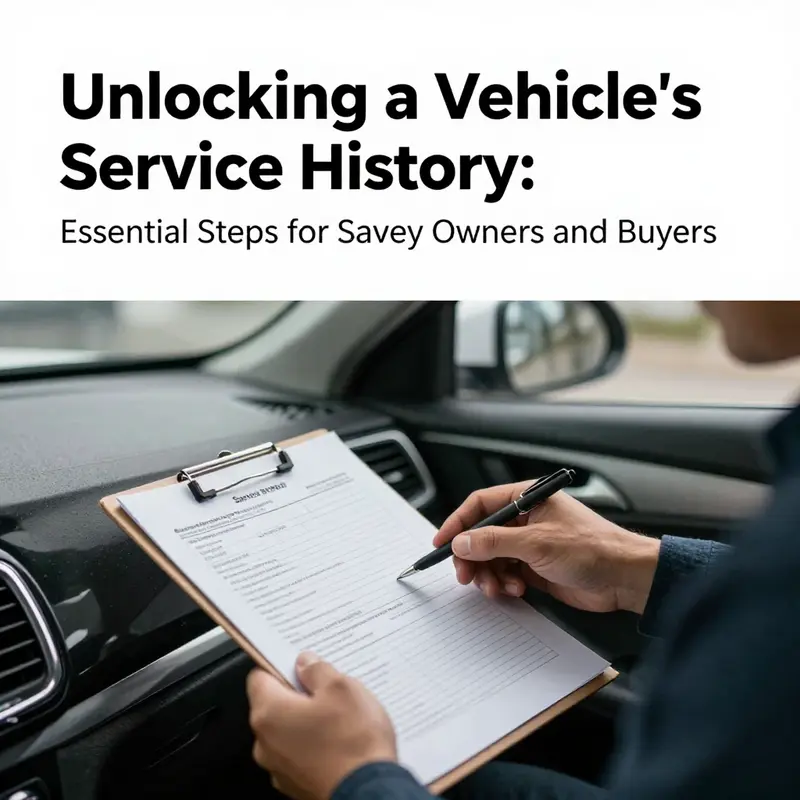
When you’re buying a vehicle, a complete service history is more than a folder of receipts. It’s a narrative of how well the car has been cared for, how consistently it has been maintained, and what hidden issues might be lurking beneath its paint and upholstery. The seller may present a clean record, but the real value comes from how you verify, interpret, and cross-check those documents. The aim is not merely to collect paperwork; it is to assemble a coherent story of maintenance, wear, and care that aligns with the car’s age, mileage, and overall condition. A robust approach starts with a direct request, but it unfolds through a careful synthesis of sources that together reveal the truth behind the numbers, the stamps, and the dates.\n\nFirst, you should approach the seller with a calm, businesslike request for any available documentation. A well-documented vehicle typically carries a complete set of records, including receipts for regular maintenance like oil changes, filter replacements, brake services, tire rotations, and scheduled inspections. Work orders that specify parts replaced, labor times, and the dealership or shop that performed the service add credibility. The tone matters: framing the inquiry as due diligence rather than doubt helps keep the conversation constructive and reduces the chance of defensiveness. If the seller has kept their records, they can provide a clear timeline showing when maintenance occurred and what was done. If they have gaps, you’ll know where to focus your verification efforts. In some cases, the seller may offer a digital log or an email archive, while in others you’ll receive physical receipts and maintenance logs. Either way, you should ask for the documents to be organized and complete, ideally in chronological order, with dates that match the vehicle’s odometer readings at each service.\n\nBeyond the basic documents, the format and specificity of the records tell you a lot. Look for receipts that reference specific parts, such as battery replacements, timing belt changes, or brake components, along with the labor rate and the total cost. The presence of a stamp or signature from a licensed shop or dealership adds legitimacy. Check that the mileage stated on each record is consistent with the vehicle’s total mileage and does not imply a sudden, unexplained jump. If the maintenance intervals appear to be irregular or the logs stop well before the present, that is a red flag worth flagging. A comprehensive history should include routine maintenance alongside any major repairs or part replacements. If a repair occurred at an independent shop, there should still be clear records showing what was done, the parts used, and the workshop’s information.\n\nTo extend the reliability of the seller’s documentation, you should explore manufacturer-backed avenues. Manufacturers often provide owner portals or official apps that store service histories across authorized dealerships. Access to these records typically requires the VIN and some proof of ownership or registration, and the data comes directly from the brand’s systems. When available, these records are among the most trustworthy sources you can obtain, because they reflect maintenance performed at authorized service centers tied to the brand’s standards. The caveat is that not every manufacturer offers this service, and access may be limited to the registered owner. Even so, asking the seller whether the vehicle’s VIN has an accompanying official history through the brand’s platform helps you gauge how thoroughly the car has been cared for and whether the seller has already pursued a transparent route.\n\nAnother robust route is to turn to third-party vehicle history services. Platforms that aggregate data from multiple dealers and repair shops can fill gaps left by individual owners or single-dealership histories. A widely used option in many markets operates through a digital interface that you can access via a smartphone. The process is simple: you enter the VIN or upload a photograph of the vehicle registration certificate, and the service pulls data from a broad network of sources, including 4S stores and independent repair shops. The strength of this approach lies in its breadth. Even if a car was serviced at several different facilities over its life, a third-party history can piece together a more complete story, including maintenance intervals, locations, and sometimes even accident information or insurance claims. When you receive a report, compare it to the seller’s records and look for consistency in dates, mileage, and service items. Discrepancies in key areas—such as a service that occurred at a date or mileage not supported by the odometer—should prompt further verification rather than a quick assumption that one source is wrong.\n\nIn practice, you will often use a combination of these sources to build confidence. If the seller provides a complete set of receipts and logs, you can treat those as the baseline. Then, you supplement with a third-party report to catch anything the seller may have overlooked or to cover services performed at non-dealership shops. If the vehicle has a history of insurance claims—especially for accidents—checking the insurer’s records can reveal repairs and subsequent maintenance that might not be captured elsewhere. This step is particularly important for judging whether the vehicle was damaged and subsequently repaired, which can affect everything from structural integrity to resale value. The limitation here is obvious: routine maintenance logs do not appear in insurance claims, so this source should be used to corroborate accident-related events rather than to replace maintenance records.\n\nWhen you begin to assemble these pieces, you will likely encounter charts, stamps, and acronyms that can feel opaque at first glance. Your task is to translate those artifacts into a coherent assessment of the car’s health. A consistent maintenance pattern—regular oil changes at reasonable intervals, timely replacements of wear items such as brakes and filters, and a clear record of preventive maintenance—bodes well for the vehicle’s future. In contrast, frequent gaps in service, repeated minor repairs without a broader narrative of preventive care, or reports that show maintenance performed irregularly or at unrecognized shops can indicate neglect, which may foreshadow higher ownership costs later. If a seller cannot produce a reasonable history or provides only partial documentation, treat that as a significant risk factor and adjust your negotiation stance accordingly. You should not rely on a single source to tell you everything about the car’s past. Instead, you want a mosaic—enough pieces aligned so that the picture is believable and complete.\n\nAs you talk through records with the seller, practical questions can surface that help you interpret the data rather than merely collect it. For example, ask about the intervals between maintenance services and whether any major components were replaced and why. If a timing belt, water pump, or transmission service comes up, request the related work orders or invoices to confirm the parts were genuine and installed correctly. You should also consider the vehicle’s environment and usage history: a car that has been used in harsh conditions or for frequent short trips may require more frequent servicing and could show a different wear pattern than one driven primarily on highways. The absence of evidence in one area does not automatically negate a car’s value, but missing details should trigger a more careful, targeted verification using the sources described above.\n\nTo illustrate how this approach works in a real purchasing moment, imagine you have a VIN in hand and a seller who can furnish a chronological log of maintenance. You’d begin by validating the date stamps against the odometer readings. Then you’d cross-check the listed services with receipts and the parts described. You’d consult the official manufacturer portal for any maintenance documented there and compare those results with the seller’s records for consistency. Finally, you’d pull a third-party history to capture any maintenance performed at independent shops or any unreported incidents. This layered verification helps you avoid a situation where a vehicle seems well maintained on the surface but hides a pattern of skipped services or undisclosed damage.\n\nFor a quick and reliable check, consider using the Houche Kejian platform via a WeChat mini-program. Simply search for the platform, open the service, and enter the VIN to generate a detailed report that covers maintenance, repair history, and even mileage history. This tool is especially valuable when the car has lived a life across multiple shops or has a service narrative that is difficult to reconstruct from receipts alone. It is not a substitute for your own diligence, but it can dramatically reduce the time and effort needed to assemble a credible, evidence-backed picture of the car’s past. You can read more about how to interpret these findings and how to weave them into your decision by visiting the KMZ Vehicle Center blog. KMZ Vehicle Center blog.\n\nAs you integrate all these sources, you’ll reach a point where the decision to purchase rests on a clear, defensible assessment rather than a handful of hopeful anecdotes. If the seller’s records align with official and third-party histories, show a consistent maintenance pattern, and reveal a transparent accident and repair record if applicable, you gain confidence in the vehicle’s stewardship and potential reliability. If, however, the records are incomplete, inconsistent, or contradictory across sources, you should proceed with caution, negotiate more aggressively, or walk away if the risk seems too high. The aim is not to harvest perfect documentation but to assemble a trustworthy narrative that supports a sound investment and a safe ownership experience.\n\nExternal resources can provide additional context about how to evaluate vehicle histories. For instance, authoritative guidelines from major safety and regulatory bodies offer frameworks for understanding what constitutes a complete record and how to interpret discrepancies between sources. Such guidance complements the practical steps outlined here and helps you build a decision process you can rely on in any market.
Final thoughts
Gaining access to a vehicle’s service history is a multi-faceted process that can greatly influence your ownership experience or purchasing decision. By employing a variety of methods—from leveraging third-party platforms to engaging directly with manufacturers—you can paint a comprehensive picture of a vehicle’s past. Whether for safeguarding your investment, ensuring performance, or enhancing resale value, understanding service history paves the way for smarter automotive choices. As you navigate these resources, you empower yourself for better vehicle care and informed transactions.