
Navigating the world of used vehicles can be daunting, and understanding their service and warranty information is crucial for making informed decisions. From purchasing a used car to managing a fleet, having access to reliable vehicle history can prevent potential pitfalls such as purchasing accident vehicles or those with dubious service logs. This guide presents effective methods to access this valuable information, ensuring that both buyers and sellers can confidently engage in transactions. Through detailed exploration, we will discuss third-party information platforms, official dealership inquiries, insurance company records, the use of traffic management apps, and the importance of professional inspections. By the end of this article, readers will be equipped with the necessary tools to uncover a vehicle’s true condition.
Unraveling a Used Car’s Past: How Third-Party History Platforms Bring Service and Warranty Records Into Clear Focus
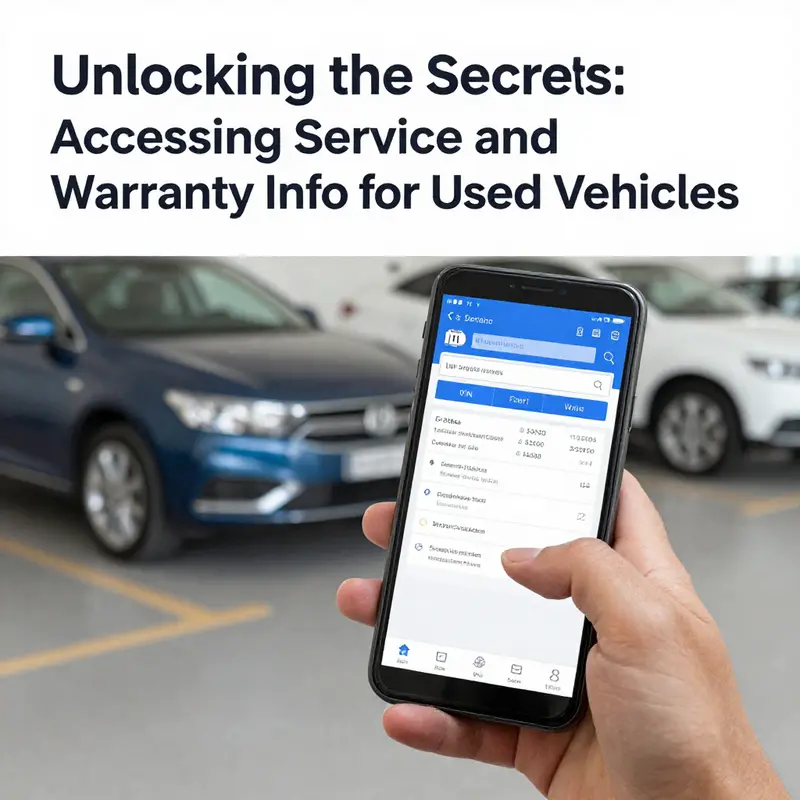
When evaluating a used car, the past service, repairs, and warranty events can make or break the decision. Buyers often encounter sparse maintenance receipts, mismatched service stamps, or vague seller explanations that raise more questions than they answer. In environments where records are scattered across shops, insurers, and public agencies, a holistic view is rare without a system designed to pull data from multiple sources. Third-party vehicle history platforms step in as a practical bridge, aggregating data from official and semi-official streams to present a consolidated report covering maintenance, repairs, accidents, insurance claims, and even certain diagnostics that affect warranty status. The appeal is simple: you want speed with depth, a reliable snapshot that informs negotiation without opening the door to guesswork. The right platform achieves this by connecting to diverse data channels and presenting them in accessible terms while preserving precision for informed discussion.
A central feature is the vehicle identification number, VIN, as the anchor for data retrieval. With a 17-digit VIN in hand, a buyer can initiate a query and receive a structured report within minutes. Some platforms let the user upload a clear image of the vehicle registration certificate as an alternate verification path. The resulting document reads like a detailed health record for the car: maintenance intervals logged by various service providers, specific parts replaced with dates and labor hours, a chronology of repairs, and a ledger of insurance claims tied to the vehicle. This data typically comes from multiple origin points, including authorized service centers across brands, insurance providers, and public or semi-public databases. The fusion of sources helps mitigate the risk that a single dealership or insurer notes are incomplete or biased. It also helps reveal patterns that might not fit neatly into a single shop or insurer record, such as recurring issues addressed under different warranties or across multiple service intervals.
Battery health and other EV indicators are increasingly part of a modern history report. For buyers considering electric or hybrid models, seeing battery maintenance notes, replacements, or capacity concerns inside the same document as engine oil changes and brake work can be surprisingly illuminating. It’s not just a matter of counting repairs; it’s about understanding the car’s ongoing care and how diligently issues were tracked and addressed. A robust third-party history report can also expose gaps that deserve attention. Was there a long stretch without a maintenance entry that might warrant a closer look at wear and tear? Were there insurance claims for collision damage that suggest a more complex repair story? These signals are what a comprehensive history report is designed to surface, allowing a buyer to distinguish between ordinary wear and potential red flags.
The value of these platforms rests not only in breadth but in delivering clarity without compromising privacy. Reputable aggregators emphasize privacy protections and minimize unnecessary data exposure. They design query processes to avoid repeatedly exposing personal information and to limit the amount of data requested to what is strictly necessary for a credible history check. This matters, because more data means higher risk of leakage or misuse. Favor systems that align with privacy best practices, provide audit trails for who accessed what information, and clearly state how data is stored and used. The goal is to obtain a trustworthy history while maintaining a responsible standard for personal information. In practice, that means focusing on platforms that pull data from official channels and present it in a consistent format, reducing misinterpretation caused by inconsistent terminology across sources.
Yet third-party history platforms are not a complete substitute for every official record. A well-informed buyer uses them as the first leg of verification, not the final verdict. Official channels often contain records not mirrored by third-party aggregators, or access may require seller cooperation. For example, dealership service records stored at a brand-specific network can reveal exact repairs performed, parts used, and precise labor hours charged for each service event. This granularity can matter when evaluating the provenance of a critical component. Insurance claims records can illuminate the severity of an incident, the extent of damages, and how repairs were billed, which matters for assessing post-accident history. Sometimes, data from official channels confirms what the third-party view suggests; other times it adds detail that helps resolve ambiguities that an aggregated report cannot fully resolve.
Beyond these primary sources, corroborating history with other avenues adds value. A traffic management system, accessible with proper authorization and owner consent, can provide a publicly visible snapshot of maintenance and regulatory compliance tied to a vehicle. This can help in cross-region purchases where histories travel across jurisdictional boundaries. Professional inspection remains a cornerstone of due diligence. A certified inspector can perform a physical examination that cross-checks the digital history against the car’s wear patterns, mechanical condition, and any signs of past accidents or improper repairs. A meticulous inspection can catch inconsistencies, such as mismatched paint, unusual wear on components, or suspicious service gaps, that a report might not fully explain. The best approach marries digital depth with on-the-ground verification: the history platform provides the narrative, official channels supply corroborating facts, and the inspector validates the story with objective, hands-on assessment.
If you are new to this process, a practical approach is to start with a trusted third-party history check once you have the VIN. Review the maintenance timeline and flag any gaps that seem unusual, such as a long pause between services or multiple repairs clustered in a single year. Look for mentions of accident history, major component replacements, or recurrent issues that were only partially resolved. Use the report as a discussion starter with the seller, asking for receipts, parts catalogs, or service orders that align with the documented events. When possible, request access to official dealership or insurer records to corroborate the report’s details. If the seller is unwilling to cooperate, that can itself be a red flag. In parallel, plan a professional inspection to verify the physical condition and identify latent issues that might not be captured in the digital footprint.
For readers seeking ongoing, up-to-date insights on vehicle history and maintenance considerations, the KMZ Vehicle Center Blog offers practical perspectives on how history checks relate to broader maintenance decisions. The blog is publicly accessible at KMZ Vehicle Center Blog.
Finally, while history reports are invaluable, they are pieces of a larger puzzle. Use them to guide questions, prioritize a comprehensive inspection, and frame negotiations. A transparent seller who can provide coherent, verifiable records across maintenance, repairs, and any warranty work will usually inspire greater confidence than one who offers only partial information. The goal is a purchase built on verifiable facts rather than impressions, with a history that supports future reliability rather than concealing risk. In the end, a careful synthesis of third-party history data, official records when available, and a professional inspection yields a robust understanding of the car’s condition and likely future warranty landscape.
External resource: https://www.autohome.com.cn/chejia/5690835.html
Beyond the VIN: Accessing a Used Vehicle’s Service and Warranty History Through the Official Dealership Channel

When you are weighing a used car, the most compelling evidence of its past is often tucked away in a single, authoritative place: the manufacturer’s official service history kept by the dealership network. Accessing service and warranty information through an official dealership channel—one brand’s authorized stores—offers a level of reliability that is hard to achieve from scattered reports or secondhand notes. It is not merely about confirming when the oil was changed or whether a belt was replaced; it is about assembling a coherent narrative of how the vehicle was cared for, what potential issues may be lurking, and whether any recalls or warranty claims remain active. In the world of used vehicles, where doubt can outpace trust, the dealership inquiry stands as a cornerstone of due diligence, bridging the gap between a seller’s claims and verifiable records held within the manufacturer’s ecosystem.
The path to this trusted clarity begins with recognizing what makes dealership-derived records distinct. When a car is serviced at an official brand network, the service center logs every visit in their internal systems. These entries are not casual notes; they are standardized repair orders, maintenance checklists, part replacements, labor hours, and the dates that seal the vehicle’s life story within a manufacturer-approved framework. The data can extend beyond routine upkeep to include important details such as technician observations, test results, and notes about conditional warranty considerations. For buyers, this means a consolidated ledger that aligns with the car’s original specifications and warranty architecture. The result is a snapshot of identity, condition, and history that third-party reports often struggle to match in completeness or verifiability.
To begin, the process is straightforward but precise. It hinges on the VIN—the vehicle identification number, a 17-character key that uniquely identifies this car within the global fleet. The dealership you contact may be the one where the vehicle was originally purchased, or any authorized dealership of the same brand. The critical step is to approach the right channel with the right information. A call or an in-person visit can open the door to authentic documentation, but it requires a clear articulation of your request and a readiness to provide supporting details. You will typically be asked to supply the VIN first; following that, a small set of additional identifiers may be requested to confirm ownership and protect data privacy. These can include the vehicle’s license plate number, the owner’s name, and your own identification documents. Such measures are standard practice; they help ensure that sensitive maintenance histories are shared only with legitimate prospective buyers or current owners.
When you present yourself to the dealership, your demeanor should reflect a cooperative, patient stance. Explain that you are evaluating the vehicle for purchase and would like the complete service and warranty history. The staff will then search their internal CRM or a dedicated vehicle history database using the VIN. Depending on the dealership’s workflows, they may ask you to sign a consent form or provide proof of a pending purchase, but this is not inherently burdensome. It is, in fact, a protective step that keeps the information secure while enabling access to records that can illuminate the car’s past with precision. In many cases, the dealership can retrieve the original repair orders and service entries that accompany each visit. These documents typically include the service date, the vehicle’s mileage at service, the exact maintenance tasks performed (such as oil changes, brake work, or suspension inspections), the specific parts replaced, labor hours, and the service center’s notes. If there were warranty issues or recalls that affected the vehicle during its life, those items may also be flagged in the report. This is where the official channel shows its strength: you are not merely seeing a list of services; you are obtaining a curated record set that the manufacturer deems authoritative.
Interpreting this information requires a careful, contextual eye. A well-constructed dealership history should reveal a consistent pattern of preventive care—a cadence of services aligned with the manufacturer’s maintenance schedule. It should also reveal any deviations, such as late oil changes, irregular service intervals, or repeated components that were replaced under warranty. Both positive and negative signals matter. For instance, a long streak of timely maintenance with few or no major repairs can increase confidence in the vehicle’s reliability. Conversely, a cluster of high-cost repairs or recurring issues tied to the same subsystem could warrant closer scrutiny or a professional pre-purchase inspection to uncover hidden wear, potential recalls still unresolved, or latent defects that may not be immediately obvious when the car is stationary.
The report will often distinguish between routine maintenance and repair activity, and it will explicitly note any outstanding warranty claims or recalls. That distinction is crucial for buyers who want to understand what, if anything, might still be covered should they take ownership. Warranties can vary by model year, trim, and regional program, and the dealership is typically the most reliable source for interpreting the scope of coverage, eligibility timelines, and any transfers required to keep those protections intact. It is equally important to consider the provenance of the data. Because dealership records originate within the manufacturer’s own network, they tend to reflect the car’s service life as designed and tracked by those who initially validated and sold the vehicle. This connection adds a level of accountability that is often absent in independent or nonmanufacturer reports.
As you navigate this process, remember that the dealership may face privacy and access rules that shape what they can disclose. In many markets, a buyer’s request can be accommodated, especially when a sale is in progress and proper ownership verification is provided. If a prior owner explicitly restricted access to certain records, the dealership may still share historical entries that are not restricted, or they may offer a limited view of the service history pending consent. Understanding these boundaries helps you manage expectations and reduces the frustration that can accompany data retrieval. The key is to start the conversation with a clear, respectful request and to let the dealership guide you through the available options. Their response will often include practical details about the exact documents they can provide, the time frame within which you will receive them, and whether any fees apply for printed repair orders or a formal service history report.
An important practical note concerns the scope of what the dealership can retrieve. If the vehicle was never serviced within the brand’s official network, or if it has had extensive work performed by independent shops or non-brand partners, the dealership’s system may not contain a complete view. In such cases, the history you obtain from the dealership will be robust for what has been documented within the brand’s ecosystem, but it may not capture every service item performed outside those channels. This reality underscores why many buyers choose to complement the dealership record with other sources. A well-rounded approach often combines the dealer-generated service history with third-party reports and, where possible, cross-checks with insurance claim histories and public records. The aim is to triangulate a car’s true condition and to confirm that the narrative built from the dealership’s data aligns with the vehicle’s present state.
To broaden your understanding while staying anchored to official sources, consider a practical pointer from the broader consumer journey. A reliable, privacy-conscious information hub can provide insights into how digital records are collected, stored, and verified across different channels. For readers who want to explore this topic further, the KMZ Vehicle Center blog offers a thoughtful exploration of how data from official channels aggregates into a coherent vehicle history. It can serve as a useful companion piece as you assess a used car’s trustworthiness and plan your next steps in verification. https://kmzvehiclecenter.com/blog/
In the broader sequence of checks, a dealership inquiry works best when used in concert with other verification methods. While the dealership delivers the manufacturer-backed history, other sources can fill in gaps and provide corroborating data about the vehicle’s life. The combination of a trusted dealer record, a third-party history report, and a careful physical inspection creates a robust picture. For example, if the dealership history shows a well-documented routine of maintenance but a physical inspection uncovers signs of unusual wear in a key subsystem, you can address the discrepancy directly with the seller or request further confirmation from the dealership. Likewise, if the dealer confirms an outstanding recall, you can plan the necessary service to bring the vehicle into compliance before or after purchase, depending on your timing and the recall’s urgency. This layered approach protects you from assumptions and helps you negotiate with confidence.
In closing, the official dealership route is not only about obtaining a record; it is about anchoring your due diligence in a source the manufacturer itself recognizes and stores. The report you receive is the product of a controlled process designed to ensure accuracy, traceability, and accountability. It speaks to the vehicle’s history with a clarity that is hard to achieve through piecemeal data. When combined with other corroborative sources, it becomes a powerful tool—one that can help you avoid hidden liabilities, verify warranty transferability, and make a purchase decision grounded in verified facts. For readers who want to delve deeper into how digital records intersect with vehicle history checks, a visit to the KMZ Vehicle Center blog offers further reading on related topics, including maintenance practices and record-keeping best practices. And for broader safety and recalls information, consult official regulatory resources that provide up-to-date guidance and documentation on vehicle safety programs. External reference: https://www.nhtsa.gov
Unlocking Hidden History: Accessing Service and Warranty Information for Used Vehicles Through Insurance Records
When you are evaluating a used car, insurance records can act as a quiet witness that complements the stories told by maintenance receipts and dealership logs. These records aren’t a full service diary, but they can reveal how the car has been used and what kinds of incidents or claims it has faced. They offer clues about the vehicle’s past that you might not see from a simple inspection or a quick test drive. Claims history can show whether the car was involved in insurance-covered repairs, and accident data can indicate whether there was damage that might influence long-term reliability or resale value. In some cases, mileage estimates derived from telematics or insurer notes can help corroborate odometer readings, contributing to a fuller picture of usage patterns over time. Yet it is important to approach this information with realism: insurance records aren’t designed to document routine maintenance, part replacements, or the current status of any manufacturer warranty. They are, rather, a contextual layer that helps you assess risk and probable future costs, especially when other sources provide gaps or conflicting signals. Privacy considerations and access controls further shape what you can obtain, so the path to these records often depends on consent from the seller or the vehicle owner and on the policies of the insurer involved. The skill lies in using insurance data to corroborate or challenge what other records show, rather than treating it as the sole authority on a car’s health or warranty coverage.
To leverage insurance records effectively, you begin with a clear sense of what you are hoping to learn. You want to know whether the car has a history of significant incidents, the severity of those incidents, and how they were resolved. You want to understand whether the vehicle’s current warranty status is at risk or still active, and you want to see if there are any patterns in claims that might foreshadow future issues. With those questions in mind, you can navigate the process in a way that respects privacy while maximizing information. It helps to anchor your inquiry in a simple, verifiable starting point: the VIN. The VIN acts as a universal identifier that can be requested by the insurer to locate records tied to a specific vehicle, ensuring you are looking at the correct history while avoiding mix-ups with other cars. If you are the buyer in a private sale, you will typically need the seller’s cooperation to request information from their insurer, and in many cases a signed authorization or a release is required before data can be shared.
Accessing insurance records is often most effective when viewed as part of a larger investigative approach to a used car. Start by confirming that other sources align with or challenge what the insurer data suggest. Dealership service histories, when available, can confirm repairs performed under a brand’s network, and they may provide a more granular view of parts replaced, labor hours, and dates. Manufacturer warranty databases, which can be queried with the VIN, are another essential component. They can reveal whether a warranty is still in force, what coverage remains, and whether any recalls or advisories might impact future costs. Third-party vehicle history reports can be valuable, too, because they aggregate data from multiple sources, including some insurance and repair-provider records, to present a more comprehensive narrative of ownership, title history, and incidents. When you combine these sources, insurance records become a powerful piece of a multifaceted due-diligence puzzle. If you want a broader sense of how these pieces fit together, you can explore the broader topics in the KmzVehicleCenter blog, which provides practical context on maintenance and history checks. KmzVehicleCenter Blog
The practical steps to access and interpret insurance data are straightforward but require careful coordination. First, obtain the VIN and the vehicle’s current registration details. With consent in hand, approach the insurer that previously covered the vehicle. Request a claims history and any accident-related records tied to the VIN. The insurer can sometimes provide a summary of major claims, the dates of incidents, the nature of damage, and the repairs that were funded, though the level of detail will vary by policy, region, and privacy rules. It is essential to recognize that insurers rarely compile a complete maintenance log. Routine service, oil changes, and parts replacements performed under a dealership or independent shop are generally not the core elements of an insurance file. This distinction matters because a list of claims does not equate to a warranty status check. A car can carry an active warranty even if it has a few insurance-indemnified repairs in the past, and conversely, a car with minor claims might still be out of warranty for specific components if the warranty terms have lapsed or if a prior owner had certain conditions excluded.
Second, request the accompanying documentation you are most likely to encounter. You may receive accident reports, repair invoices submitted to the insurer, and settlement documents. These materials can offer insight into what was damaged, whether the repairs were performed at authorized repair facilities, and whether any major structural or safety-critical components were affected. Although the insurer’s records can illuminate the outcomes of incidents, they rarely detail every service visit, every part replaced, or the precise maintenance schedule. That gap is precisely why insurance data should be cross-checked with dealership records and, when possible, manufacturer databases. The intent is not to replace these sources but to triangulate the vehicle’s history. If a discrepancy arises—for example, a claimed repair that never appeared on a dealership bill—document it and pursue clarification from the seller or the service center. Such diligence is not adversarial; it is a necessary step to ensure you are not assuming quiet risks hidden in a paper trail.
Accessing these records also involves practical considerations about privacy and consent. In many jurisdictions, data sharing from insurers is regulated and requires explicit authorization from the car’s current owner or the prior owner if you are evaluating a vehicle for purchase. If you are in a private sale, you may need to guide the seller through the process, providing a simple authorization form and ensuring you both understand what data will be released and how it will be used. Some insurers can provide a redacted or limited report if full access is not permissible, which can still offer helpful signals about the car’s history without revealing sensitive personal details. While this may feel opaque at first, approaching the insurer with a professional, respectful request and a clear purpose can streamline the process and reduce delays. In some cases, the seller can facilitate the inquiry by contacting the insurer directly with your authorization, which keeps negotiations smooth and helps you maintain momentum in the purchase process.
As you gather information, maintain a disciplined evaluation framework. Start by validating the VIN against the registration and the insurance documents to prevent any misalignment. Then review the insurer’s records for signs of major incidents and the repairs that followed. Do these records reveal a pattern of damage from collisions, flood events, or other hazards? If the answer is yes, consider whether the repairs were robust and if there were any ongoing issues after the work. It is also worth checking whether the insurance data corroborates the mileage estimates you are seeing elsewhere. If there is a mismatch, investigate further: it could indicate odometer tampering, inconsistent servicing, or administrative errors that require resolution before you commit to buying. In short, insurance records can help you confirm or challenge a narrative about the car’s past, but they work best when interpreted alongside a broader set of information.
For a broader sense of how insurance data fits into a comprehensive history check, it helps to link to wider resources that synthesize data from a range of sources. A thorough vehicle history report from reputable third-party providers can bridge gaps left by insurance records and dealership logs. These reports often combine title history, ownership timelines, and reported incidents with service entries where available. While no single source is perfect, a layered approach—insurance records as one piece, dealership and maker data as another, and third-party histories as a consolidated view—offers the most reliable foundation for assessing risk and budgeting future maintenance or warranty costs.
In practice, you would use insurance records to answer targeted questions about the car’s past rather than to replace formal warranty verification. Always verify active warranties with the manufacturer or a certified dealership using the VIN. If a warranty is still in effect, note the terms, coverage limits, and any service requirements that could affect future costs. Then triangulate this with a Carfax-type history to understand ownership tenure and any discrepancies in reported service events. This multi-source approach reduces the likelihood of overlooking a latent problem or misreading a repair history. If you want to explore more about building a comprehensive history, consider the broader guidance available in the KmzVehicleCenter Blog, which covers practical tips on maintenance and checks. KmzVehicleCenter Blog
External resource: For an expansive, independently maintained overview of a vehicle’s history, refer to Carfax Vehicle History Reports at https://www.carfax.com/vehicle-history. This resource aggregates data from various channels, including some insurance and repair records, to provide a fuller picture of ownership, title status, and incidents. Remember, however, that even Carfax reports are most powerful when used in conjunction with direct checks at a dealership, manufacturer portals, and trusted service providers. By combining these sources, buyers can form a well-supported view of a used car’s true condition, its current and future warranty landscape, and the potential financial commitments that may accompany ownership. The careful reader will come away with a clearer sense of the car’s story and the confidence to negotiate from a position of informed caution rather than assumption.
From VIN to Verified History: Accessing Service and Warranty Details through the Official Traffic Management Platform
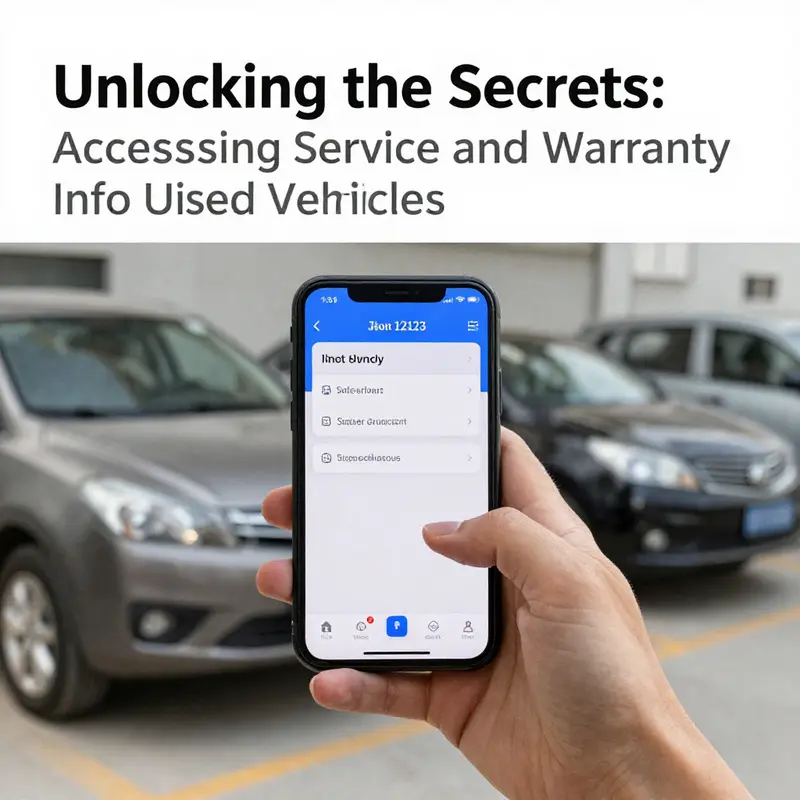
Every used-car purchase carries a hidden ledger of service visits, repairs, and ownership changes. The truth about a car’s condition is often scattered across service records, insurer files, and payment histories, making it easy to stumble into misrepresented mileage, undisclosed accidents, or eroded warranty coverage. In this landscape, the most reliable beacon is an official, government-backed vehicle history channel that can be accessed through the national traffic management platform. When you enter the VIN and request a history check, you tap into a repository that aims to capture a vehicle’s lifecycle in a single, auditable thread. This is not a basic compliance record; it is a comprehensive ledger that ties together maintenance events, accident reconciliations, insurance settlements, and ownership transfers. The result is a data-driven baseline that helps you assess whether a used car’s claimed condition aligns with its documented past and whether any warranty entitlements remain intact or have lapsed through prior service or ownership changes.
The central idea behind this approach is straightforward: reliability comes from transparency, and transparency comes from access. The official platform aggregates data from multiple authoritative sources, including traffic police divisions, vehicle management bureaus, and licensing authorities. In practical terms, this means that a single search can reveal a multi-faceted view of a vehicle’s history without requiring a buyer to navigate a maze of disparate offices or relay personal information to unvetted vendors. The seventeen-digit VIN serves as the key. It is the universal identifier that links a car’s identity to its service footprint, accident history, and ownership timeline. When you perform a check, you are not simply confirming whether a car looks clean on the surface; you are validating a record of what happened to the vehicle since new, including subtle but consequential events such as battery health in electric models, if those data streams are integrated into the system. The promise is not flawless perfection—no system is—but the signal-to-noise ratio increases dramatically when the data comes from a centralized, legally recognized channel supported by national records.
To engage with this process, you begin with the VIN, but you also must handle the practical realities of operating within an official framework. The platform is designed to be user-friendly enough for a first-time buyer, yet robust enough to stand up to scrutiny by professional buyers and inspectors. You access the service by signing into the official traffic management portal or app, which is purpose-built to serve as a verification hub for vehicle histories. The interface presents clear sections for maintenance events, accident records, insurance claims, ownership changes, and registration status. Each section is anchored to the same VIN, ensuring that cross-references remain legible and auditable. When you view maintenance histories, you are not merely seeing dates and odometer readings; you are glancing at the backbone of the car’s reliability narrative. You may see last service dates, the parts involved, and the length of labor hours billed in the official log. Accident history might detail the type of impact, the extent of damage, and the settlements or repairs funded through insurance or administration. Ownership transfer data illuminate how many hands the vehicle has passed through and whether there were any complexities, such as liens or unresolved disputes, attached to the title. While some entries may be summarized, others are documented with the granularity that can make a decisive difference in a purchase decision.
One practical implication of this approach is the ability to verify warranty status in a meaningful way. For used vehicles, warranty information can be subtle: some warranties remain active only if the vehicle has undergone regular, manufacturer-approved maintenance, while others may be transferable only under certain conditions. The official data stream captures these maintenance milestones and the timing of service that may affect eligibility. If a model-specific warranty requires a particular service interval, the platform’s records can reveal whether those intervals were observed and whether any deviations might affect coverage. This is especially valuable when considering vehicles that have passed through multiple owners or brands, where a patchwork of records from different sources could otherwise obscure the truth. The integrity of the available data depends on the completeness of the reporting, but what the platform offers is a legally recognized baseline that significantly reduces the likelihood of unknowingly inheriting a vehicle with hidden warranty gaps or undocumented service lapses.
Of course, no single source should be treated as the final authority. The official history is most powerful when it is cross-checked with other verifications. Dealer records from brand-specific service centers can provide original repair orders and the granular detail of parts replaced, labor hours, and service dates—information that confirms what the official ledger shows and clarifies discrepancies. Insurance records offer another perspective, particularly around crash-related repairs and payout histories. Even when not all repairs are channeled through an insurer, the claims history can reveal the scale and frequency of damage the car has sustained. The Traffic Management platform itself also facilitates a broader cross-check by aligning information with public records, such as ownership transfers and lien statuses. For a buyer, the value lies in triangulation of three or more independent sources: the official vehicle history, the dealership-maintained service log, and the insurer’s claim record. When these sources line up, confidence in the car’s history rises dramatically.
In addition to the data streams, there is a practical, user-centered aspect to using the official system. You will often face the need to authorize someone else to access the vehicle’s records, especially in a private-sale scenario where the seller is involved in the transaction. The platform recognizes this reality and supports binding the vehicle’s license plate and VIN to a single account with appropriate authorization. This binding is an important safeguard that ensures you are viewing records that are truly tied to the car in question, not to a misrepresented vehicle. The authorization step is a reminder that data integrity lives not only in the data warehouse but in the processes that govern access. It also helps prevent the kind of data leakage or misattribution that could otherwise derail a purchase. As you navigate this system, you may encounter the time- and jurisdiction-dependent variability of data completeness. Some regions contribute richer details than others, and some older records may be partially archived. The practical upshot is to treat the official history as a high-confidence backbone rather than a guaranteed, one-stop solution for every nuance of a vehicle’s past.
To enrich your understanding beyond the numbers, consider supplementing the official check with a methodical physical inspection. A professional inspector can corroborate maintenance claims with visible wear patterns, corrosion, or signs of past structural repair that may not be fully captured in digital records. A meticulous exterior and undercarriage evaluation can reveal hidden issues that could affect long-term reliability or resale value. In parallel, a quick, targeted review of registration and lien status with the vehicle administration office can help confirm that the car is free of encumbrances and that the registered owner is who claims to own it. This broader due-diligence approach—combining digital history with physical verification—offers the most robust protection against hidden risks and misrepresentation. It also aligns with a practical buyer mindset: use official history as a trusted baseline, then augment it with independent checks to fill any gaps.
For those who want to deepen their understanding of how to navigate these checks, a broader reading pool is available. A centralized resource, the kmzvehiclecenter blog, can provide experiential guidance and practical tips that complement the official checks. This broader context helps buyers build a coherent decision framework around vehicle history, warranty eligibility, and maintenance expectations, without relying on any single source. See the related discussion at thekmzvehiclecenter blog for more nuanced perspectives and real-world scenarios where history checks uncovered critical issues before a sale. kmzvehiclecenter blog.
Finally, while the official platform is a cornerstone of due diligence, it is prudent to rely on a carefully structured sequence when evaluating a used vehicle. Start with a VIN-based history check on the official platform to establish a credible record of maintenance, accidents, and ownership transfers. Then obtain and compare dealer-maintained repair orders to verify parts and labor details. If available, request insurer records for crash-related information and payouts, while keeping an eye on any gaps between reported events and the vehicle’s current condition. Conclude with a professional inspection to verify the car’s physical state and to check for non-digital issues such as frame damage or hidden repairs. This layered approach helps you distinguish between a vehicle with a clean, well-documented past and one whose history warrants a closer look or a more cautious price negotiation.
For direct access to the official pathway and its current capabilities, you can explore the official guidance on government vehicle checks. This resource provides up-to-date instructions and eligibility considerations, ensuring you are using the most accurate and authorized route to verify service and warranty information before committing to a purchase.
null

null
Final thoughts
Accessing service and warranty information for used vehicles is an essential step for buyers, sellers, and fleet operators aiming to make informed decisions. By leveraging third-party platforms, official dealerships, insurance records, traffic management apps, and professional inspections, stakeholders can effectively unveil the true history of any vehicle. This proactive approach not only safeguards against potential risks but also empowers better negotiating power and peace of mind. Understanding available resources transforms the used vehicle experience from one of uncertainty to informed confidence.