
Owning a vehicle often involves various service contracts—from extended warranties to maintenance packages—that provide peace of mind and protection. However, circumstances change, and knowing how to cancel a vehicle service contract properly becomes essential for local private car owners, used car buyers and sellers, and small business fleet operators alike. Effectively canceling a contract helps avoid unnecessary charges and ensures clear documentation. This guide breaks down the entire process into four essential steps. First, it explains how reviewing your contract carefully sets the foundation. Next, it covers how to initiate contact with the provider to begin cancellation. Then, it explores following the proper cancellation procedure to meet provider requirements. Finally, it highlights how to confirm the cancellation in writing and understand applicable fees or refunds. Each chapter provides focused guidance to help you approach cancellation confidently and without surprises.
Decoding the Fine Print: A Practical Guide to Canceling Your Vehicle Service Contract

Canceling a vehicle service contract is rarely as simple as clicking a button or signing a quick form. It is a process shaped by the exact language of your agreement, the identity of the provider, and the timing of your decision. The moment you decide to pull back from a service plan, you step into a landscape where precision matters almost as much as intention. The most reliable way to navigate that landscape is to begin with a careful read of the contract itself. The document you signed is not a generic template; it is a bespoke map that points to the required steps, the fees that might apply, and the window in which you can act without unnecessary turmoil. The core of the cancellation experience rests on four pillars that rise and fall with the terms of your agreement: the cancellation policy, the notice period, the required method of notification, and the formal procedure for termination. Understanding each of these is not about pedantry for its own sake but about safeguarding yourself from avoidable charges and ensuring your request is processed promptly and correctly.
Begin with the cancellation policy. This is the section that tells you whether canceling early triggers any penalties, whether you can receive a prorated refund for unused time, and whether there are stipulations around non-transferable benefits or fees that survive cancellation. Some contracts are forgiving, offering a straightforward refund of the unused portion minus a small administrative fee. Others are rigid, imposing nonrefundable deposits or a flat termination charge. The way the policy is written can also reveal what counts as “unused time.” Does the clock run from the purchase date, the activation date, or the end of the current billing cycle? These details determine how much you could potentially receive back when you cancel and whether attempting to cancel mid-cycle is worth the effort.
Next comes the notice period. The contract often specifies how far in advance you must inform the provider before you want the service to end. A common figure is 30 days, but it can be longer in some cases or shorter in others, depending on the product, whether it is time-bound versus usage-based, or whether surrendering early triggers a different rule set for refunds. A renewal or auto-renewal clause can complicate this: you might need to give notice before the next billing date to prevent another term from locking in. Because timing is central to avoiding charges, you should map your cancellation date against your billing cycle as soon as you know this is the path you want to take. A delay can become a stealth charge, quietly rolling into your next payment and creating confusion about what you owe and what you don’t.
The method of notification is another essential detail. Contracts increasingly offer multiple channels for starting the cancellation process—app-based cancellations within a manufacturer’s account portal, online forms in a dedicated service management section, or even steeped traditional routes like written notices mailed to a specific address. Some providers require you to submit a cancellation request through a precise form that is accessible only after you log in, while others accept a simple email or a letter with your contract number and identity verification. The risk here is mismatch between how you try to cancel and what the contract specifies as acceptable. Choosing the wrong method can stall your request or, worse, invalidate it, leaving you billed for subsequent periods purely because the notification failed to arrive at the right place.
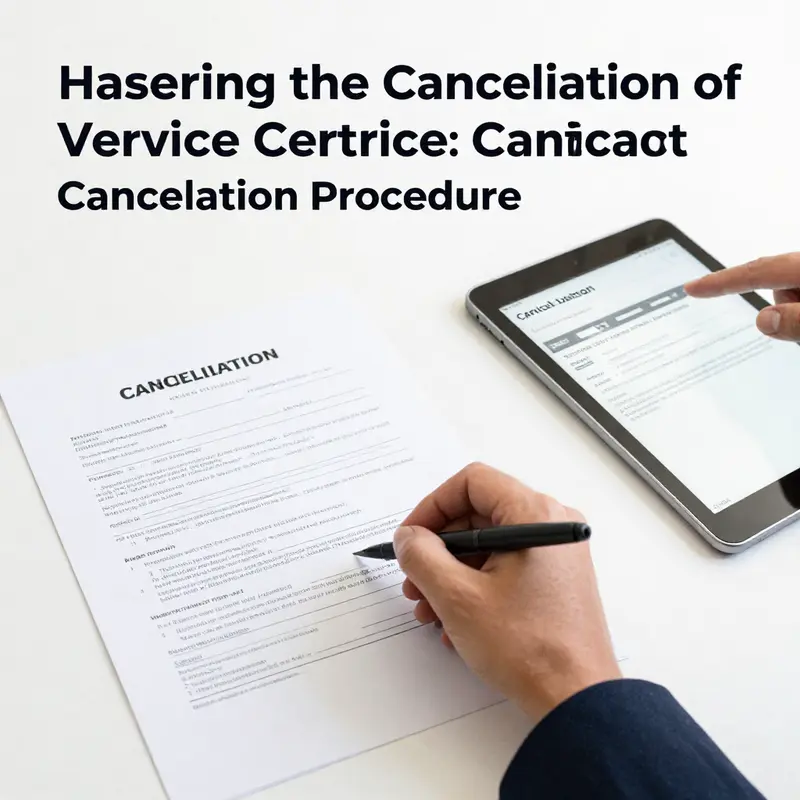
The exact cancellation procedure is the last piece of the puzzle, and it can be surprisingly procedural. Some agreements demand that you fill out an official cancellation form and attach supporting documents such as a copy of your ID, proof of ownership, and your contract number. Others require a written written request, sent to a designated email or postal address, accompanied by a signature, and sometimes even a return acknowledgment that you must obtain from the provider. There are also contracts that push you toward an online portal, where you initiate the cancellation and then receive a confirmation number. Each path has its own verification checkpoint. The fundamental goal is to produce a clear, unambiguous record of your intent to terminate and to ensure that the provider’s internal systems reflect that decision in a timely manner. If you skip a mandated form, or fail to attach the required documents, you risk delays or even a denial of cancellation, with charges continuing until the paperwork catches up.
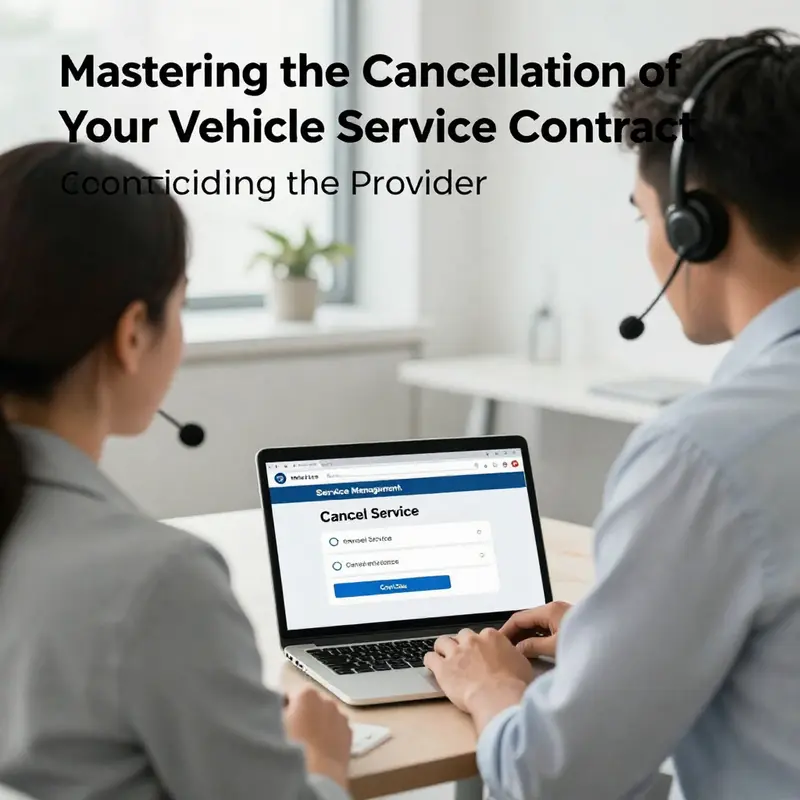
With the contract reviewed and the cancellation pathway identified, the next step is to contact the provider through the channel specified by your agreement. This is where the discipline of your preparation pays off. Before making the call or composing the message, gather the essentials: your contract number, account details, the exact service being canceled, and a preferred cancellation date aligned with the notice period. If you choose to reach out via an online form or app, you may need to log into your account and locate the service entry that corresponds to the cancellation. If you call, take notes. Record the date and time of the call, the name of the representative, and the exact language used to confirm your cancellation. If you send an email, use a clear subject line that includes the contract number and a succinct statement of your intent to cancel, followed by a confirmation request for a written acknowledgment.
A crucial moment in this process is to follow the provider’s procedure precisely. That means completing any required forms in full, supplying the exact information requested, and adhering to any identity-verification steps. If the contract requires you to attach documents, do not skip them. If the provider asks you to confirm a cancellation date, provide one and then request a written confirmation that specifies the effective cancellation date and notes any remaining obligations, such as the final billing amount or post-cancellation service access. The more you document at this stage, the less likely you are to encounter a miscommunication. In some cases, a confirmation email will suffice; in others, a signed written letter or a formal form may be necessary. Treat this as a formal administrative step rather than a casual request, because the end result will be an official record that can be referenced if questions later arise.
The moment you have submitted your cancellation request, seek and obtain written confirmation. Do not rely on a phone promise or a hopeful email subject line. Request a document or email that states clearly that the service has been canceled, the exact date the cancellation takes effect, and any impact on ongoing charges. This written confirmation serves as essential proof and can become your best defense if a billing dispute arises after the cancellation. It also provides a concrete anchor for any prorated refunds or remaining credits that may be due to you. If the provider cannot furnish timely confirmation, push for a reference number or a case number tied to your cancellation request. This will help you track the status and demonstrate that you actively pursued the cancellation rather than letting it languish in the provider’s queue.
Once you have a cancellation in place, turn your attention to refunds and fees. The terms of your contract govern whether you receive a prorated refund for unused time or whether any cancellation fees apply. Some contracts require you to surrender any earned perks or benefits, and some impose administrative charges or a processing fee. The key is to compare the outcomes to what your contract promised. If you are owed a refund, the provider should outline the calculation method and the expected timeline for payment. If a fee is charged, request a breakdown of the charge and the date it was assessed. In some circumstances, refunds may be issued via the same payment method you used to purchase the contract, while in others you may receive a check or a direct credit. Keep a careful eye on your upcoming statements after cancellation to ensure there are no duplicate charges or lingering fees for a period beyond the effective cancellation date.
The questions don’t end with the mechanics of cancellation. Consider how the decision interacts with other vehicle-related commitments. If your contract was tied to a dealership, a manufacturer, or a third-party platform, you may be transitioning away from a bundled package that included maintenance, road-hazard protection, or extended warranty services. Your next steps should include an assessment of how you will maintain your vehicle moving forward. This may involve resurfacing the plan with an alternative option, such as a different service arrangement, an independent maintenance schedule, or a new warranty product from a different provider. In some cases, the very act of canceling a service contract can affect long-term relationships with the dealer or lender, so approach the conversation with courtesy and clear documentation of your intent. This is not merely a financial transaction; it is a reset of expectations about what kind of coverage, if any, you prefer as you move forward with your vehicle ownership.
For readers who are navigating this process for the first time or who are balancing multiple service contracts at once, practical guidance can come from structured roadmaps and real-world examples. The exact steps you take should be driven by your contract’s language rather than by a generic assumption about how these agreements work. If you encounter a provider that disputes your right to cancel despite clear contract terms, you may need to escalate the matter. This can involve requesting a supervisor, filing a formal complaint with a consumer protection agency, or seeking independent legal advice. In such situations, your contract documentation becomes your strongest ally. It is the record that proves what you understood, what you asked for, and what was eventually granted or denied by the provider. The process is rarely glamorous, but it is an exercise in disciplined compliance. When you treat cancellation as a formal, well-documented administrative act, you reduce the risk of surprise charges and you preserve your rights as a consumer.
If you are exploring this topic in conjunction with broader vehicle-management decisions, you may find it helpful to engage with resources that bridge maintenance, cost, and ownership experience. For instance, a detailed maintenance perspective can offer context for decisions about service contracts—what you gain versus what you don’t. A practical touchstone is to consider how the cancellation aligns with your vehicle’s current maintenance schedule, your driving habits, and your expectations for future reliability. In some cases, canceling a service contract is not a single moment but part of a broader strategy to balance reliability, cost, and convenience. As you integrate this decision into your overall ownership plan, keep in mind that the language of your contract is the compass. Your ability to interpret it accurately and to act within its requirements will determine whether cancellation is a cost-saving measure or a strategic misstep. To support ongoing learning about vehicle care and ownership, you can explore practical maintenance topics such as the one you’ll find in the linked resource: Truck maintenance tips for first-time owners. This offline handbook of tips can help contextualize the value and risk of service plans as you map out a future with your vehicle.
Finally, the broader takeaway is straightforward: cancellation is not about abandoning your vehicle’s needs but about aligning your protection with your budget and your expectations. Approach it with a mindset of careful reading, precise action, and thorough documentation. Start with the contract, map the procedural steps, and execute with written confirmation. Protect yourself from inadvertent charges by knowing the exact terms and by following the provider’s request precisely. If you do that, you transform what can feel like a bureaucratic hurdle into a manageable, transparent process. And while every contract is different, the core discipline remains the same: clarity, timeliness, and documentation are your most reliable tools when you cancel a vehicle service contract.
For readers seeking broader guidance beyond the specifics of the cancellation steps, reputable consumer resources offer general frameworks for evaluating obligations, calculating refunds, and understanding your rights as a service-contract holder. External guidance can help you interpret the implications of any fees and to compare your experience with standard industry practices. One such resource you may consult is available here: https://www.consumerfinance.gov/. If you plan to explore this topic further, you may also wish to look into related articles that discuss vehicle maintenance and ownership lifecycle, such as the content available through the KMZ Vehicle Center blog, which provides practical insights and steps that complement the cancellation process. Internal link reference: Truck maintenance tips for first-time owners.
null
null
null
null
Cancel with Confidence: Navigating Vehicle Service Contract Cancellations, Fees, and the Paper Trail
Deciding to cancel a vehicle service contract is rarely a single moment of clarity. It is a sequence of practical choices, each pulling you toward a cleaner, simpler relationship with your car’s coverage. The aim here is not merely to end a commitment but to end it with clear proof, fair terms, and a plan for what comes next. A cancellation, properly executed, can free you from unused time, protect you from surprise charges, and leave you with a documented record that you can rely on if questions arise later. To travel this path with confidence, it helps to internalize a few truths about vehicle service contracts: they are contracts first, and cancellation policies live within those contract terms. No universal shortcut exists that skips careful reading, precise communication, and a disciplined record of every step you take. The most reliable route begins with understanding what your particular agreement actually says, then following the exact steps your provider requires. In many cases, the process is straightforward in principle, but the exact steps, fees, and timelines depend on whether the service was purchased from the car manufacturer, a third‑party provider, or a dealership. The lesson is simple but essential: precision matters as much as intention when you cancel.
Begin with the contract itself. The heart of any cancellation decision is a careful review of the terms that govern termination, notice periods, and refunds. Look for sections labeled “Cancellation,” “Termination,” “Notice Period,” or “Refund Policy.” Even a seemingly minor line can change what you owe or what you are owed. Some contracts require a fixed notice period, such as 30 days, while others may demand more or less. Some agreements spell out prorated refunds for unused service time, and others may forfeit refunds entirely after a certain date or service milestone. If your contract is a bundled product with other protections or products, be mindful that cancellation rights can be layered—one part may be cancellable, another non-cancellable, or subject to different fees. When the terms are unclear, it helps to document the exact language in your own words, flag the sections, and prepare questions to present to the provider. The point is not to entangle yourself in legalese but to illuminate how the cancellation will actually unfold in your case.
The next major step is practical contact with the right person or team. The path you take depends on who provided the service. If the contract came through the car manufacturer, the most efficient route is often through the official app or website. These ecosystems have become familiar with cancellations and can guide you through a self-serve process. If the service was purchased through a third‑party platform, you may be directed to contact their support team directly, sometimes by phone or email, to initiate cancellation. And if the service or warranty was bought at a dealership, the local service center is usually your best point of contact. In all cases, you should be prepared to identify yourself and reference your contract number or account details. You may also be asked to confirm the vehicle identification number (VIN) or other identifiers that tie the agreement to your specific car. The goal here is to establish your identity quickly and confirm that you are the rightful party authorized to modify the agreement.
Once you’ve reached the right channel, follow the provider’s procedure to the letter. Every company has its own official process, sometimes requiring you to fill out an official cancellation form, sometimes to submit a written request by email or letter, and sometimes to go through a digital confirmation flow within an app. You may need to provide the exact contract title, your customer or account number, and documentation that proves you are the contract holder. Some programs require you to acknowledge the cancellation in writing and to accept any stated cancellation penalties or processing fees. Don’t skip the identity verification step or the documentation requirements; they exist to protect both you and the provider and to ensure that you cannot be charged for a service you no longer want or are not authorized to cancel.
After you’ve initiated cancellation, insist on receiving confirmation in writing. A simple email or a printed letter stating that the service has been canceled, along with an effective date, provides crucial evidence. This written confirmation protects you from future charges and serves as a reference if a misunderstanding arises later. In addition to the cancellation confirmation, request a summary of any refunds or fees that apply and a timeline for when you can expect any money to be returned. The clarity of this written record matters as much as the act of cancellation itself. It turns an action into verifiable fact and shifts the dynamic from ongoing negotiation to a documented transaction.
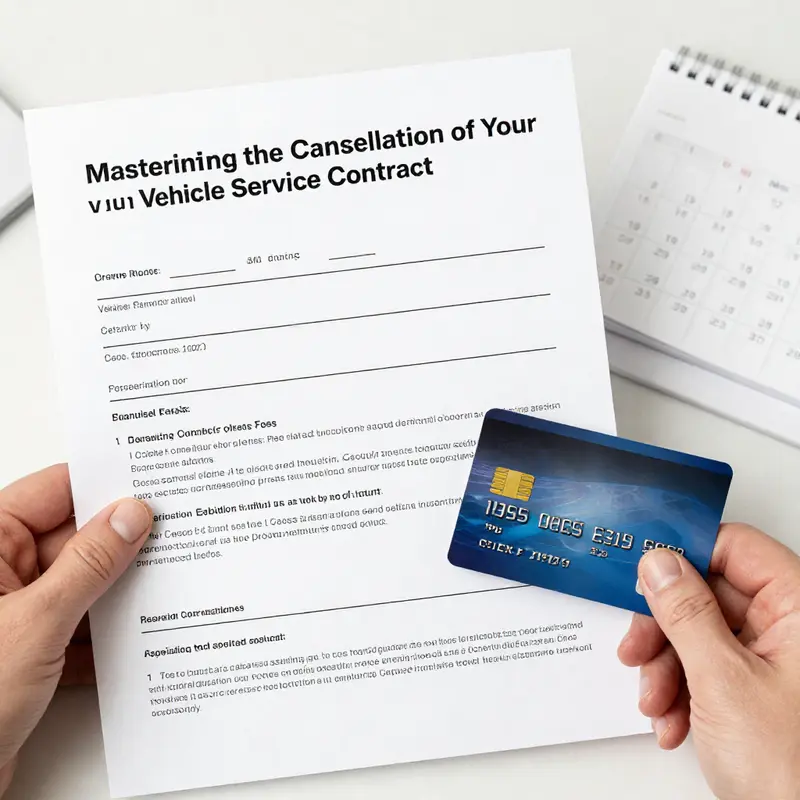
An important part of responsible cancellation is understanding the financial implications. In many contracts, cancellation fees are specified, and the mechanism for calculating refunds is spelled out. A common example found in various agreements suggests a fee structure that can feel punitive if you are not prepared: a fee calculated as a percentage of the original purchase price plus a flat processing component. In some instances, the total fee can be 12% of the original purchase price plus a $120 management fee. This kind of structure reduces the amount returned to you but still offers a prorated path toward recouping unused time. It is essential to check your own contract for the exact numbers, because the precise calculation can vary widely from one provider to another. If your contract uses a different formula, your refunds may look quite different from the example. The key is to understand what portion of any unused period you are entitled to and how the penalties or processing charges apply. If you are uncertain about the math, you can ask for a clear, itemized calculation in your cancellation confirmation so you can verify the numbers independently.
Timing is a practical lever in any cancellation. Always consider your upcoming billing cycle or renewal date. Initiating cancellation too late can expose you to a full or partial charge for the next period that you could have avoided with an earlier request. If you anticipate a move or a change in your vehicle ownership status, plan accordingly. If a prorated refund is offered, ask for an explicit calendar of when refunds will be issued and in what form (credit to your original payment method, check, or other). The sooner you start the process, the smoother the transition tends to be. A thoughtful timeline also helps you secure the right documentation before any new charges could accrue, turning a potentially messy situation into a straightforward administrative task.
Documentation is not only a safeguard but a practical requirement. Keep copies of every email, form, letter, and screen capture from the cancellation process. If you are cancelling via an app, take screenshots of the cancellation confirmation screen and any reference numbers that appear. If you submit forms or letters by mail, use tracked delivery to confirm receipt. Store the receipts for any processing fees and note the dates when charges would have appeared on your account. When you later examine your statements, you’ll be able to reconcile them against the written confirmation and the terms you reviewed. The paper trail you maintain today becomes your best ally if a future dispute arises about whether you canceled on time, whether you were granted the correct refund, or whether a charge was properly assessed.
If your provider refuses to honor a cancellation despite clear contractual terms, you still have options. In some cases, you may dispute the charge with your bank or credit card company, citing the documented cancellation and the terms of the agreement. This is not an instant remedy, but it can be a practical lever when the provider’s response stalls or when there is a miscommunication about the status of your cancellation. In parallel, seek guidance from consumer protection resources or an attorney who specializes in contract law. The ability to challenge a denial or to contest an excessive fee comes from a clear understanding of your rights and the details in your contract. You should approach this step with calm, organized records and a clear statement of what you were told, what you were promised, and what the contract requires.
Where does practical guidance come from when you are navigating the day‑to‑day realities of cancellation? The most useful advice often comes from real‑world experiences that emphasize how the process plays out in the moment. In many cases, the primary path to cancellation runs through the automaker’s official app. The steps are typically intuitive: login, navigate to your account, find the service or subscription in the service management or subscription management section, open the details of that service, and select the cancellation option. A confirmation prompt will usually require you to affirm the cancellation again, and then you will receive a written acknowledgment. This digital path is designed to streamline a process that can otherwise become a maze of paperwork and phone calls. For those who purchased through a dealership or third‑party platform, the journey may involve filling out a form, submitting identity verification, and providing the contract documentation. The consistent thread across all routes is that you must follow the provider’s procedure exactly as described and preserve every piece of correspondence—the more evidence you gather, the better protected you will be.
Within this landscape of steps and possibilities, it can be helpful to connect with wider communities or resources that discuss vehicle maintenance decisions and service planning. For instance, a practical read on maintenance and ownership decisions can provide context for why you might opt to cancel and what to consider as you plan your vehicle’s future coverage. KMZ Vehicle Center blog offers a broad repository of related discussions and guidance that may illuminate related considerations about keeping or altering vehicle coverage. Keeping that resource in view can help you align cancellation decisions with your broader maintenance strategy and your vehicle’s long‑term care plan.
Finally, it is useful to situate your cancellation within the broader framework of consumer rights and contract clarity that exists in most markets. The cancellation policy is a facet of the contract that interacts with your financial health and your time management. While you can often recover part of your unused time, you should be prepared for processing fees and deadlines. The objective is to protect your interests without compromising the protections you expect from a warranty or service plan. By approaching cancellation with diligence—understanding the terms, following the prescribed steps, obtaining written confirmation, tallying refunds and fees, timing the action carefully, and maintaining a rigorous paper trail—you reduce the risk of surprise charges and post‑cacto disputes. You also reinforce a culture of informed consumer behavior that emphasizes clarity, accountability, and proactive communication.
In terms of practical next steps, once you have canceled, take stock of your current needs. Do you still require some level of service or maintenance assistance? If so, consider whether there are alternative plans that better match your budget and usage. Sometimes a shift from a full service contract to a more limited plan or a pay‑as‑you‑go arrangement can yield savings without limiting essential coverage. If your decision to cancel stems from dissatisfaction with the provider’s responsiveness, consider documenting those interactions as part of your review for future decisions. The cancellation itself is not a verdict on the overall value of service contracts, but rather a recalibration of what makes sense for your circumstances, your vehicle, and your financial plan.
External reference for broader context on consumer contract considerations and cancellation dynamics can be found at https://www.autohome.com.cn/ for readers seeking additional viewpoints and research that inform how such agreements are framed and reviewed in practice. The aim is to equip you with a balanced perspective: understand the terms, execute meticulously, and preserve the evidence that your cancellation is legitimate and final.
In sum, the key to canceling a vehicle service contract lies in understanding your specific agreement and then following the provider’s established procedure with discipline and care. The process is rarely instantaneous, but with a well‑managed approach, you can secure a clean termination, a transparent accounting of any refunds or fees, and a documented record that protects you from future charges. The cancellation you undertake today becomes the clarity you carry into your next phase of vehicle ownership, where you can pursue maintenance, protection, and peace of mind on terms that truly fit your needs.
Final thoughts
Successfully canceling a vehicle service contract is a straightforward process when informed by a clear understanding of your agreement and the provider’s procedures. By starting with a thorough review of the contract’s cancellation terms, you ensure you know your rights and any obligations. Reaching out to the service provider through the correct channels enables a smooth initiation of cancellation. Following their required steps carefully—including submitting the right forms and identification—helps avoid delays or complications. Finally, obtaining written confirmation and clarifying any fees or refunds provides peace of mind and shields you from future charges. Whether you are a local private car owner, a used car buyer or seller, or managing a small business fleet, applying these detailed and practical steps protects your interests and allows you to navigate cancellations confidently.