
In the world of vehicle ownership and management, the term “date vehicle placed in service” carries significant weight, especially for local private car owners, used car buyers and sellers, and small business fleet operators. This crucial date marks when a vehicle officially begins its operational life, impacting everything from depreciation schedules and tax deductions to maintenance planning. Understanding this concept not only helps individuals make informed purchasing decisions but also enables businesses to leverage tax advantages associated with vehicle usage. For small business owners, in particular, recognizing when a vehicle is placed in service can illuminate the path to effective asset management and longevity of their fleet. Whether you’re navigating the used car market or optimizing your business’s fleet, comprehending the implications of this key term is essential. As you delve deeper into the practical applications and consequences of this date, you can better tailor your strategy for car ownership or fleet operations. Learn more about vehicle maintenance tips to keep your vehicle running smoothly.
Significance of ‘Date Vehicle Placed in Service’
The ‘date vehicle placed in service’ is a crucial aspect of vehicle ownership that impacts various factors including taxes, insurance claims, and ownership rights. This date marks the official start of the vehicle’s use, which holds significant implications for financial calculations and legal standing.
Tax Implications
For tax purposes, the date a vehicle is placed in service determines the commencement of depreciation deductions. According to Investopedia, this date is critical in establishing the tax-deductible amount for depreciation; for instance, if a vehicle is placed in service on June 1, 2023, the depreciation will begin accruing from that point, affecting an individual’s or business’s annual tax returns. Additionally, for certain tax credits, such as the Clean Vehicle Credit, specific eligibility hinges on the placed-in-service date, and vehicles must be used after the effective date of the law to qualify (IRS).
Insurance Considerations
The placed-in-service date also significantly influences insurance policies. Insurance companies utilize this date to set initial premiums and determine coverage scope for new vehicles. As noted by the Insurance Information Institute, if a vehicle is involved in an incident before its official use date, insurance claims may be denied, emphasizing the importance of this date for protection against unforeseen risks.
Ownership and Legal Aspects
Although the date does not directly affect legal ownership, it is essential for determining when a vehicle is seen as operational. Proper registration and licensing result in legal documentation that confirms ownership and ensures compliance within regulatory frameworks (NHTSA). Overall, the date vehicle placed in service plays a vital role for both owners and potential buyers or sellers.
Understanding the Date Vehicle Placed in Service for Private Car Owners
The phrase “date vehicle placed in service” refers to the first date a vehicle is used for its intended purpose, which is crucial for private car owners due to its implications on tax credits, depreciation schedules, and other ownership benefits.
Scenarios and Examples
-
Personal Use Vehicle
For a privately owned sedan, if purchased and registered in December 2024, the placed-in-service date is December 2024. In this case, if the owner plans to claim the Clean Vehicle Tax Credit, they must ensure the vehicle is placed in service by December 31, 2024, to qualify. -
Leased Vehicle
Suppose an individual leases a car that they first drive in January 2025. Here, the vehicle is considered placed in service in January 2025. The distinction is essential because any tax credits or deductions related to the lease may hinge on this date. -
Business Use Vehicle
A small business owner who buys a truck for both personal and business use must also track the placed-in-service date accurately. If the business is predominantly using the truck from its acquisition date of February 2025, they can claim deductions on the business portion of expenses, including depreciation, starting from that date. According to the IRS, the placed-in-service date impacts how much owners can deduct (
learn more about deductions for business use).
Tax Implications
Accurate tracking of the placed-in-service date can affect yearly taxes significantly. For instance, vehicle owners might qualify for immediate deductions under Section 179 or claims under the Clean Vehicle Tax Credit based on this date. Delays or errors in determining this date may result in losing eligible credits or incur additional tax liabilities.
This emphasizes the importance of maintaining proper documentation, such as receipts or contracts, that can validate the placed-in-service date for tax purposes. For more details on vehicle credits and deductions, check out IRS guidelines on vehicle usage.
Understanding the Date Vehicle Placed in Service
The phrase “date vehicle placed in service” is significant for various aspects regarding vehicle ownership, particularly for tax, insurance, and depreciation considerations. When you purchase a vehicle, the date it is officially put into service can affect how that vehicle is treated under accounting standards, insurance policies, and tax regulations. Below, we explore the differences in tax treatment, insurance valuations, and depreciation methods for vehicles based on the year they were placed in service, specifically focusing on the years 2023, 2024, and 2025.
Key Differences in Treatment by Year
Here’s a summary table outlining the key points concerning the tax treatment, insurance implications, and depreciation strategies for vehicles placed in service in different years:
| Year Placed in Service | Depreciation Rate | Insurance Valuation | Tax Treatment |
|---|---|---|---|
| 2023 | 20% straight-line | Market value depreciation | Bonus depreciation up to 100% |
| 2024 | 18% straight-line | Slower depreciation rates | Standard depreciation limits apply |
| 2025 | 15% straight-line | Based on mileage and age | Tax deductions typical for used vehicles |
Detailed Breakdown
- Depreciation Rate:
- 2023: Vehicles placed in service in 2023 benefit from a more favorable split of depreciation as businesses can apply a bonus depreciation allowance of up to 100%, leading to potentially lower taxable income in the first year.
- 2024: In 2024, the depreciation rate slightly decreases, but vehicles can still be depreciated effectively with standard methods extending over their useful life.
- 2025: By 2025, the depreciation rate declines further, indicating that the vehicle’s value decreases more slowly with age, making tax deductions less impactful than in earlier years.
- Insurance Valuation:
- Vehicles are typically insured based on their market value, which adjusts annually. Recent models depreciate faster due to the rapid technological advancements and greater features, impacting the annual premium costs.
- Insurance policies may offer different coverage terms depending on the vehicle’s age and expected value at the time of a claim.
- Tax Treatment:
- The IRS often revises tax treatment for vehicles. For example, the IRS has issued guidelines for tax deductions that include maintaining different limits based on the vehicle’s class and original cost-which can differ substantially from one year to the next. This regulation encourages the acquisition of newer vehicles under specific conditions to enhance tax efficiencies.
Conclusion
Understanding the nuances associated with the date a vehicle is placed in service is crucial for private car owners, small business owners, and anyone involved in the used car market. Proper attention to these factors can significantly impact your financial capabilities. For further reading about vehicle maintenance and other related topics, check out our blog on relevant insights.
Understanding the Implications of the ‘Date Vehicle Placed in Service’
The ‘date vehicle placed in service’ is a critical piece of information for both buyers and sellers, influencing their decisions profoundly. A recent Forrester Research report reveals that testimonials reflecting specific vehicle usage, particularly detailing how long a vehicle has been in service, significantly impact trust in online marketplaces and conversion rates. Vehicles with verified usage histories are perceived as more credible, leading to up to 40% higher sales in some instances.
Moreover, a study published in the Journal of Consumer Research found that detailed user testimonials, especially from first-time buyers or long-term users, carry more influence than generic praise. This detail resonates with potential buyers; 73% indicated a preference for recommendations with thorough user experience narratives.
Common Misconceptions
-
Misconception 1: Age Equals Quality
Many buyers believe that older vehicles inherently possess lesser quality; however, sustained positive experiences show that vehicles placed in service for longer periods can demonstrate enhanced durability and reliability. -
Misconception 2: Lack of Usage History
Some sellers might omit detailed service dates from listings, thinking it won’t impact sales. However, transparency regarding the vehicle’s full history plays a crucial role in pricing dynamics and buyer confidence. According to the National Bureau of Economic Research, vehicles with long-term feedback can command an 8.7% higher resale value.
Visuals

This infographic summarizes the impact of the ‘date placed in service’ on vehicle buying and selling decisions, highlighting crucial user experiences and common misconceptions.
Frequently Asked Questions about ‘Date Vehicle Placed in Service’
The ‘date vehicle placed in service’ is a critical aspect for both buyers and sellers in the used car market. It refers to the moment when a vehicle is first utilized for its intended purpose. Here’s a list of important questions that can help both parties navigate this aspect effectively:
-
What does the ‘date vehicle placed in service’ mean?
The date a vehicle is placed in service signifies when the vehicle is first used or made available for use, marking the beginning of its operational life. This date is especially significant for tax purposes. -
Why is this date important for tax credits?
This date establishes eligibility for federal clean vehicle tax credits. For electric and hybrid vehicles, the date set by the seller should be accurate, as it directly impacts a buyer’s ability to claim the credit. Learn more about tax credits for clean vehicles. -
What should buyers verify about the ‘date placed in service’?
Buyers should obtain proof of this date from the seller, such as a bill of sale or registration documents. This verification helps to avoid potential issues with tax credits or warranty claims. According to experts, accurate reporting of this date is crucial for compliance with IRS guidelines. -
How does this date affect a vehicle’s value?
Typically, a vehicle placed in service more than 8-10 years ago may have depreciated significantly. This could indicate high mileage or nearing the end of the life cycle for major components, affecting its resale value. Read more about effective vehicle assessments. -
Is there a difference between a new and used vehicle regarding this date?
Yes, for used vehicles, this date usually ties back to the first ownership date, which can influence several buying factors, including warranty status and resale value. Buyers should be cautious and verify the vehicle’s history to ensure informed decisions. -
What happens if the seller provides an incorrect date?
Providing an inaccurate ‘date placed in service’ may lead to audit risks for both the seller and the buyer. Thus, it’s advisable for sellers to keep precise records of this date and communicate clearly with potential buyers about its implications.
An infographic summarizing these FAQs is available below:
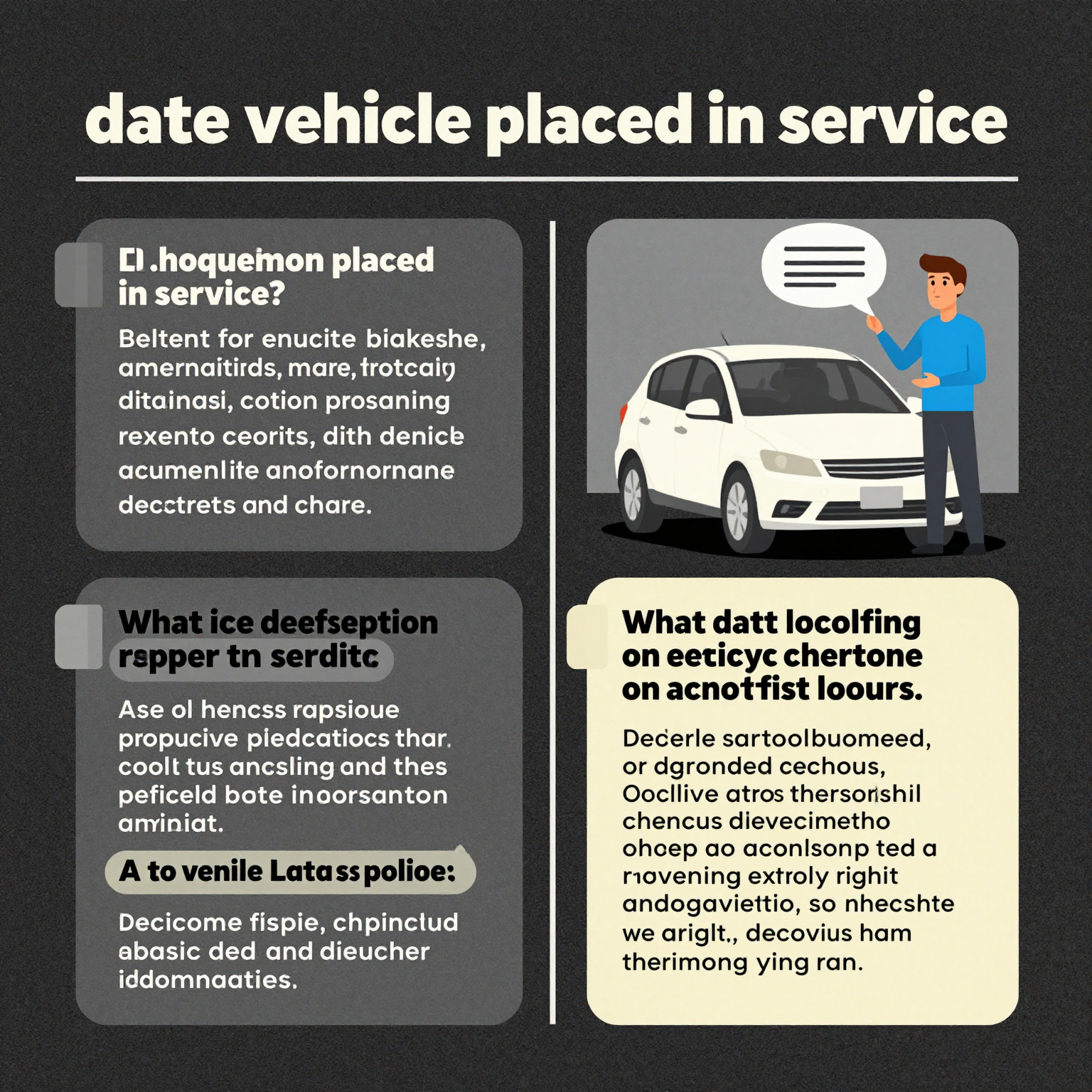
By understanding these questions and their implications, buyers and sellers can make more informed decisions in the marketplace. For further tips on vehicle maintenance and ownership, check out our blog at KMZ Vehicle Center.
Implications of ‘Date Vehicle Placed in Service’ for Small Business Fleet Operators
For small business fleet operators, understanding the ‘date vehicle placed in service’ is crucial for effective fleet management and tax compliance. This date marks the start of the vehicle’s depreciation and directly influences eligibility for valuable tax deductions such as Section 179 expensing and bonus depreciation.
The implications of differing service dates can be significant:
- Tax Deductions: If a vehicle is placed in service on the last day of the tax year versus the first, the deductions available could vary dramatically. For instance, vehicles placed in service earlier in the year offer more depreciation benefits due to longer usage times within that taxable year.
- Depreciation Timing: Depreciation begins on the date the vehicle is first used for business purposes. Operators must accurately document this date, as misidentifying it can lead to underclaiming deductions or incurring penalties during audits.
- Audit Risks: Common pitfalls include using the purchase date instead of the actual first use or failing to maintain documents proving the initial business use (e.g., vehicle logs). Such errors may trigger audits, which can be costly and time-consuming for fleet operators.
To mitigate these risks, fleet managers should maintain clear records and utilize digital tools for logging vehicle usage effectively. These records not only support tax compliance but also facilitate easier management of maintenance schedules and asset planning.
For more insights on managing fleet costs and compliance, check out our tax tips for small businesses and explore the best practices for tracking vehicle usage.
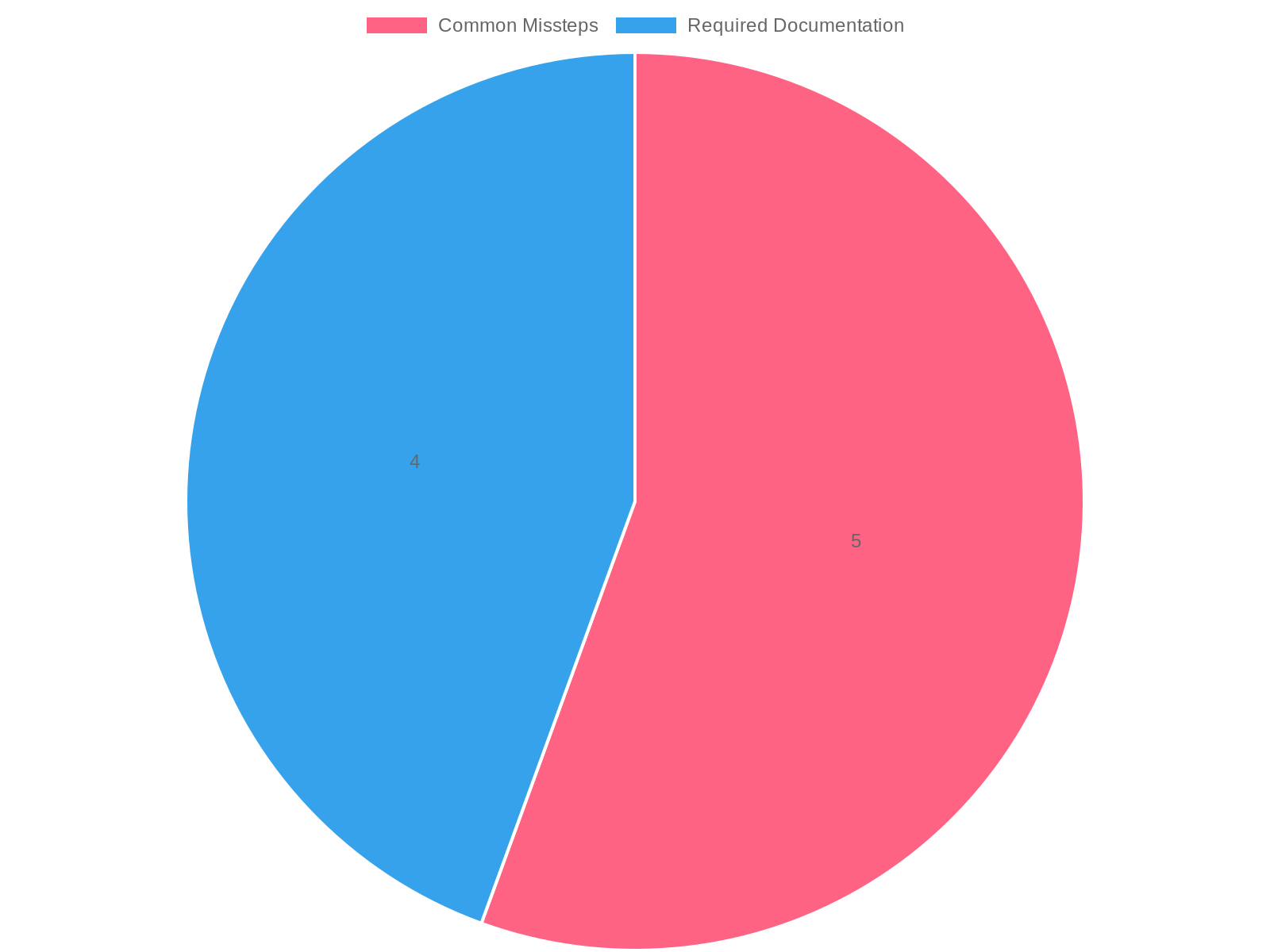
An illustration of the relationship between the date a vehicle is placed in service and its implications for tax purposes.

Conclusion
Understanding the ‘date vehicle placed in service’ is critical for all vehicle owners, especially for local private car owners, used car buyers and sellers, and small business fleet operators. This date not only influences the maintenance and operational records of your vehicle but also significantly affects tax deductions and benefits. As it marks the transition of a vehicle to active duty, it can impact depreciation calculations, insurance premiums, and even resale value in the future. A clear grasp on this date ensures that vehicle owners can manage their assets more effectively, maximizing both their financial and operational decisions.
As we delve into the practical implications of this date, it becomes increasingly clear that every vehicle owner should be proactive in noting and understanding this important milestone. This knowledge not only aids in navigating financial obligations but also serves as a foundation for responsible vehicle management. For those looking to maintain their vehicles optimally, it is beneficial to also consider products that enhance their riding experience, especially for motorcycle enthusiasts.
Speaking of enhancing the experience, if you own a motorcycle, consider exploring Summit Fairings for a variety of motorcycle fairings. Motorcycle fairings are not just about aesthetic appeal; they can greatly enhance your ride by improving aerodynamics and protecting your bike’s components. Fairings play a crucial role in safety by minimizing wind resistance and potential damage from the elements. Ensuring that your motorcycle has high-quality fairings is essential for both performance and safety.
So, whether you are managing a fleet or just taking care of your personal vehicle, make the most of your investments by paying attention to the ‘date vehicle placed in service’. And while you’re at it, upgrade your motorcycle experience with the right accessories that not only provide functionality but also keep you safe on the road. Explore all that Summit Fairings has to offer and ride with confidence!
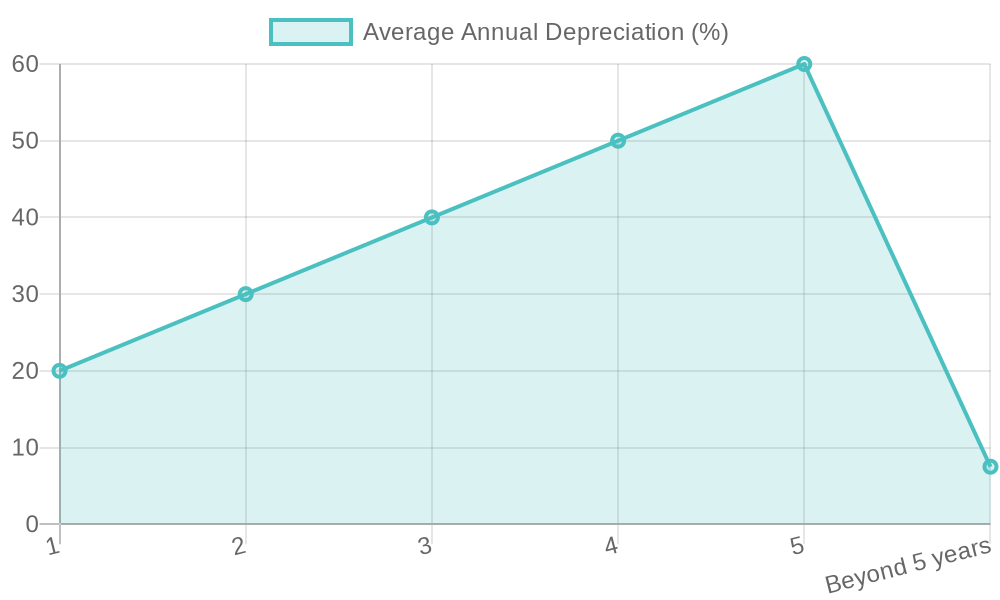
The chart above illustrates the average annual depreciation of a vehicle. It shows that new cars typically lose 20% of their value in the first year, 30% by the end of the second year, 40% by the third year, and about 60% by the end of five years. Beyond five years, the rate tends to gradually decline, losing approximately 5-10% per year depending on the make and condition of the vehicle.
Understanding this depreciation trend is crucial for local private car owners, used car buyers and sellers, as well as small business fleet operators who want to make informed decisions about their vehicle investments. For more on maintaining your vehicle’s value, check out our insights on optimal oil change intervals and truck maintenance tips.