Washing your car is crucial for maintaining its appearance and ensuring that it lasts longer on the road. Proper car washing techniques are essential in the realm of exterior car maintenance, as a clean vehicle not only enhances aesthetics but also protects the paint and the overall finish from environmental contaminants. However, improper washing techniques can lead to detrimental effects on your car’s exterior finish.
Washing your vehicle daily is not advisable, since car detailing experts say this can cause paint to fade as protective wax gets washed away.
Therefore, while maintaining cleanliness is important, striking a balance in the frequency and technique of washing your car is equally vital to avoid damaging the paint and to keep your vehicle looking its best for years to come. Make sure to follow the best practices on how to wash a car effectively, ensuring you protect its exterior while keeping it clean.
Why Best Practices Are Essential for Washing Cars
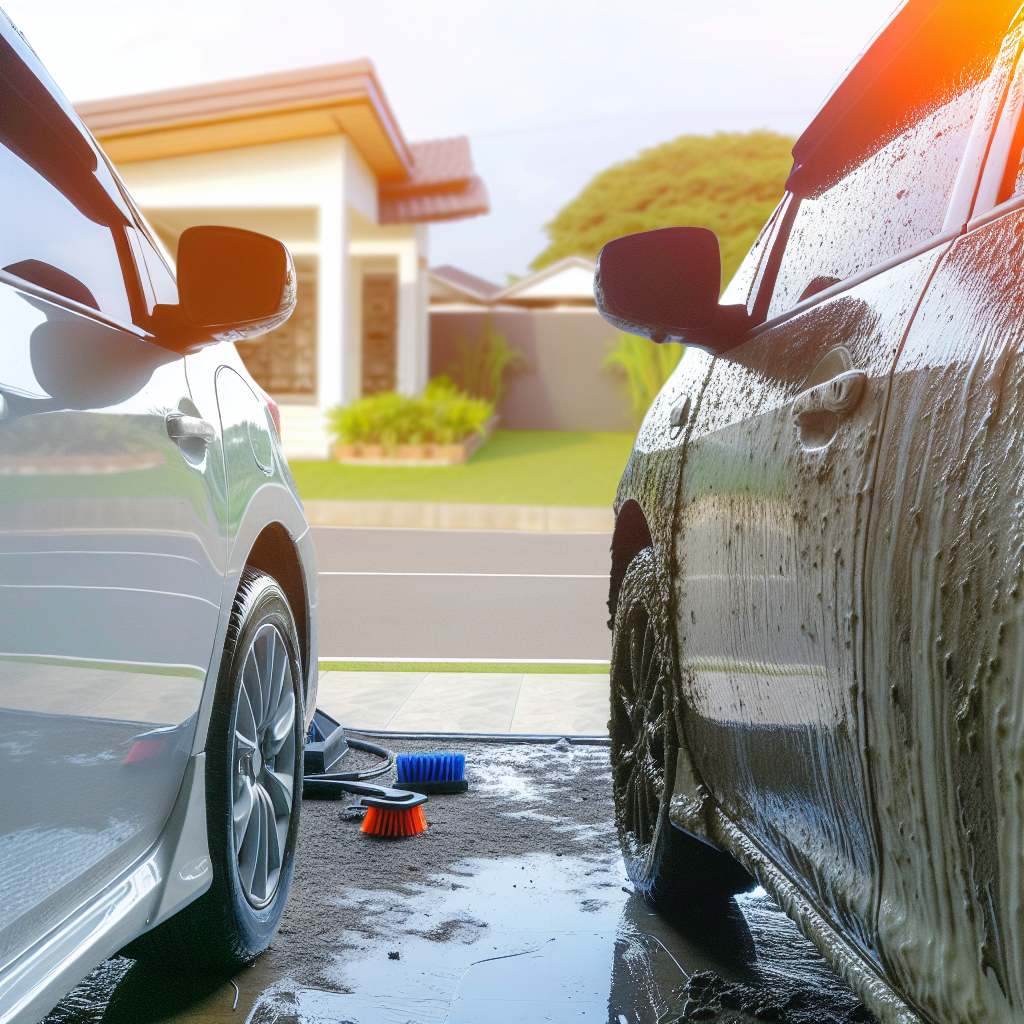
Washing your car may seem straightforward, but failing to follow best practices can lead to significant damage to paintwork. Adhering to specific guidelines not only ensures your vehicle looks great but also protects its finish from scratches, swirl marks, and other unsightly blemishes.
Importance of Best Practices
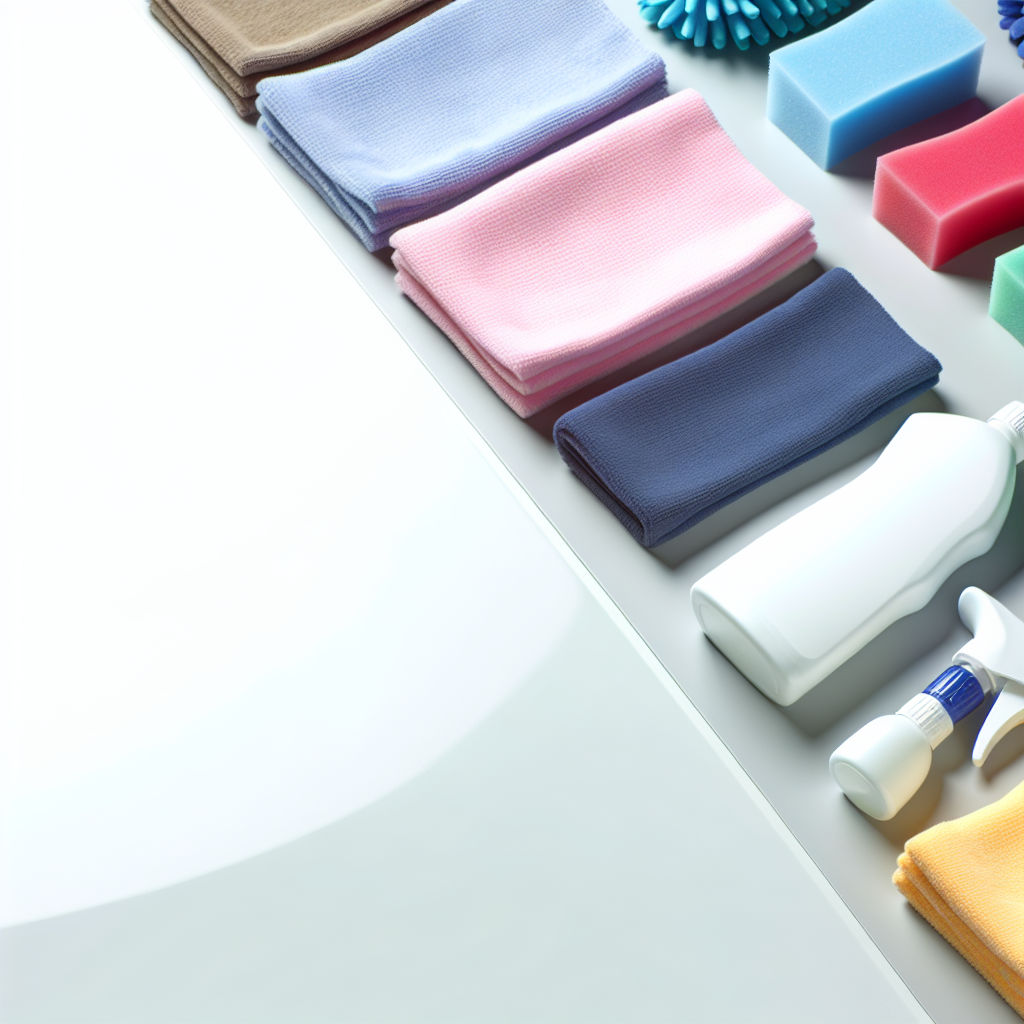
Best practices in car washing emphasize a systematic approach that includes using the right products and techniques to maintain paint quality. Experts recommend using pH-balanced car shampoos to prevent stripping protective wax layers. Additionally, employing high-quality microfiber towels can significantly reduce the risk of scratching, ensuring that the surface remains smooth and gleaming.
Consequences of Improper Techniques
Many car owners overlook the impact of their washing methods. Common mistakes include:
- Washing in Direct Sunlight: This can cause soap to dry too quickly, leaving spots on the paint surface. An insight from seasoned detailers suggests, “Avoid washing your car in direct sunlight, as the water can dry too quickly and leave spots on your paint.”
- Using One Bucket: The single-bucket method can transfer dirt back onto the car’s surface, increasing the chance of scratches. The two-bucket method is highly advised as it minimizes cross-contamination.
- Rubbing Paint: Excessive rubbing with dry cloths leads to swirl marks. Instead, a gentle blotting technique should be used to dry off the vehicle, helping to maintain its shine.
User Insights
Car enthusiasts and detailing professionals share valuable insights regarding the frequency and detail of washing. Many advise washing your vehicle every two weeks as a standard practice, particularly if it’s frequently exposed to road grime or environmental factors. They stress that maintaining regularity helps protect the finish and prevents build-up that can lead to more significant issues in the long run.
Summarizing Key Facts
- Regular car washing every two weeks is recommended for optimal paint protection.
- Use quality, pH-balanced products to prevent stripping essential wax layers.
- Adopting techniques like the two-bucket method and microfiber drying towels can minimize the risk of damaging paint.
By following these best practices, car owners can uphold the appearance of their vehicles while safeguarding the longevity of their paintwork. Protecting your investment is essential, and it starts with how you wash your car.
Top Recommended Car Washing Products
1. Gyeon Q²M Bathe
- Formulation: pH-neutral shampoo with rich foam.
- Benefits: Gentle on coatings; maintains wax integrity.
2. Gyeon Q²M Bathe+
- Formulation: Enhanced with SiO₂ for hydrophobic properties.
- Benefits: Adds gloss; ideal for ceramic coatings.
3. Carbon Collective Lusso Shampoo 2.0
- Formulation: Professional-grade, high foaming, and pH-neutral.
- Benefits: Safe for all finishes; excellent lubricity.
4. YumCars Wash
- Formulation: Super slick and pH-neutral.
- Benefits: Luxurious washing experience; protects finishes.
5. Stjarnagloss Bubblor High Gloss Car Wash
- Formulation: Balanced cleaning power, pH-neutral.
- Benefits: Wax-safe; produces satisfying foam.
Advantages of pH-Balanced Car Shampoos
- Preservation of Protective Layers: Maintain existing waxes and coatings.
- Gentle on Paintwork: Lift dirt without damaging paint.
- Enhanced Lubricity: Reduces friction, preventing scratches.
Using any of these recommended pH-balanced car shampoos will help you maintain the appearance and integrity of your vehicle’s paintwork while ensuring a thorough cleaning experience.
| Car Wash Method | Pros | Cons |
|---|---|---|
| Hand Wash |
|
|
| Automated Wash |
|
|
| Foam Wash |
|
|
Step-by-Step Guide to Effectively Wash Your Car
Washing your car is essential for maintaining its appearance and protecting the paint. Following best practices can help prevent damage and ensure your vehicle looks its best. Here’s a step-by-step guide to washing your car effectively:
Step 1: Gather Your Supplies
Collect all necessary cleaning products and tools, including:
- pH-balanced car shampoo
- Two buckets (one for soapy water and one for rinsing)
- High-quality microfiber towels
- A soft wash mitt or sponge
- A wheel cleaner and brushes for the wheels
- Optional: a foam cannon or spray nozzle
Step 2: Find a Suitable Location
Next, it’s crucial to choose a shaded area away from direct sunlight. Washing in the sun can cause water and soap to dry too quickly, leading to unsightly spots on the paint.
Step 3: Rinse Your Car
Before applying soap, rinse your car with clean water to remove loose dirt and debris. This step reduces the risk of scratching the paint during washing.
Step 4: Prepare Your Wash Buckets
Fill one bucket with clean water and the pH-balanced car shampoo per the label instructions. Fill the second bucket with clean water for rinsing your wash mitt or sponge.
Step 5: Start Washing the Car
Next, it’s essential to use your wash mitt or sponge to apply soapy water to the car’s surface. Begin from the top and work your way down. This method ensures that dirt flows down without recontaminating clean surfaces. Rinse your mitt frequently in the clean water bucket to remove dirt particles, ensuring you do not scratch the paint.
Step 6: Clean the Wheels
Next, use a dedicated wheel cleaner and brushes to clean your wheels. Ensure you use a separate mitt or sponge for wheels to avoid transferring dirt and brake dust back to the body of the car.
Step 7: Rinse Off the Soap
Thoroughly rinse the entire car with clean water to remove all soap traces, starting from the top and working your way down.
Step 8: Dry Your Vehicle
Use clean, dry microfiber towels to blot dry the car. Avoid rubbing, which can cause swirl marks. Instead, gently blot and soak up the water.
Step 9: Apply Wax or Sealant
For extra protection, consider applying a layer of wax or a sealant after the car is dry. This step helps to protect the paint and enhance shine, giving your car a freshly detailed appearance.
Helpful Tips to Protect Paint
- Wash your car every two weeks if driven regularly. If your car is garaged and used less frequently, a wash every two to three weeks is adequate.
- In winter, wash your car at least once a month to prevent corrosion from road salt.
- Avoid using old or dirty sponges that can carry dirt and cause scratches.
- Always use separate materials for different parts of your vehicle to prevent cross-contamination.
By adhering to these steps, you will maintain a clean, shiny vehicle while protecting its paint and finish. Remember, the care you provide during washing will preserve your vehicle’s aesthetic and longevity for years to come.
Common Mistakes Car Owners Make When Washing Their Vehicles
Washing your car may seem simple, but several common mistakes can lead to damaging your vehicle’s paint. Here are some key insights from car detailing experts to help you avoid these pitfalls:
- Using Household Cleaning Products: Household cleaners can strip protective wax and harm your paint. It’s recommended to use pH-balanced car shampoos designed specifically for vehicles.
- Washing in Direct Sunlight: Direct sunlight can cause soap and water to dry quickly, leaving spots on your car. It is best to wash your car during cooler hours, such as early morning or late afternoon, or find a shaded spot.
- Using a Single Bucket: Many car owners utilize a single bucket for both washing and rinsing, which can result in transferring dirt back onto the vehicle. Implementing a two-bucket method minimizes cross-contamination.
- Dirty or Improper Cleaning Tools: Using old or dirty sponges and towels can lead to scratches. Always utilize clean, soft microfiber tools specifically designed for automotive use.
- Skipping the Pre-Rinse: Not rinsing your car before applying soap can push dirt around and harm the paint. Always pre-rinse to remove loose debris.
- Neglecting Wheels and Undercarriage: The undercarriage and wheels can accumulate severe grime. Clean these areas first to avoid transferring contaminants to your car’s paint.
- Improper Drying Techniques: Air drying can lead to the formation of water spots. Instead, use clean microfiber towels to gently blot dry the surface, reducing the risk of scratches.
- Using Circular Motions: Circular motions during washing and drying can create swirl marks. Instead, wash and dry in straight overlapping lines from top to bottom.
- Neglecting Regular Maintenance: Failing to wash your car regularly allows harmful contaminants to build up. Establish a washing routine to protect your vehicle’s finish.
By avoiding these common mistakes, you can enhance the longevity of your car’s paint and keep it looking great. Remember, as quoted by experts, “If you live in a dusty area or somewhere it rains often, you’ll have to wash your car more frequently” to maintain its appearance.
Common Mistakes Car Owners Make When Washing Their Vehicles
Washing your car may seem simple, but several common mistakes can lead to damaging your vehicle’s paint. Here are some key insights from car detailing experts to help you avoid these pitfalls:
- Using Household Cleaning Products: Household cleaners can strip protective wax and harm your paint. It’s recommended to use pH-balanced car shampoos designed specifically for vehicles.
- Washing in Direct Sunlight: Direct sunlight can cause soap and water to dry quickly, leaving spots on your car. It is best to wash your car during cooler hours, such as early morning or late afternoon, or find a shaded spot.
- Using a Single Bucket: Many car owners utilize a single bucket for both washing and rinsing, which can result in transferring dirt back onto the vehicle. Implementing a two-bucket method minimizes cross-contamination.
- Dirty or Improper Cleaning Tools: Using old or dirty sponges and towels can lead to scratches. Always utilize clean, soft microfiber tools specifically designed for automotive use.
- Skipping the Pre-Rinse: Not rinsing your car before applying soap can push dirt around and harm the paint. Always pre-rinse to remove loose debris.
- Neglecting Wheels and Undercarriage: The undercarriage and wheels can accumulate severe grime. Clean these areas first to avoid transferring contaminants to your car’s paint.
- Improper Drying Techniques: Air drying can lead to the formation of water spots. Instead, use clean microfiber towels to gently blot dry the surface, reducing the risk of scratches. Car detailing experts advise using dedicated drying towels instead of bath towels or rags, as they can help eliminate streaks and are less abrasive.
- Using Dish Soap Instead of Car Wash Soap: Dish soap can strip the protective layers from your paint, leading to dullness. Always choose a pH-balanced car wash soap specifically formulated for automotive finishes. This ensures the longevity of waxes and sealants on your vehicle.
- Using a Single Towel for All Surfaces: Employing a single towel for different parts of the car can transfer dirt and create scratches. It’s beneficial to color-code towels for specific areas, mitigating cross-contamination risk.
- Overwashing the Car: Washing your car too frequently without proper maintenance can lead to faded paint over time. Car enthusiasts warn against overwashing; it’s essential to balance cleanliness with the preservation of protective coatings.
In conclusion, by avoiding these common mistakes and seeking advice from detailing professionals, car owners can significantly enhance the longevity of their car’s finish and maintain its aesthetic appeal. Remember, if you live in a dusty area or somewhere it rains often, you’ll have to wash your car more frequently to maintain its shine and protection.
Conclusion
In conclusion, maintaining the cleanliness of your vehicle is essential for both its visual appeal and its paint protection. Throughout this article, we have discussed key practices and methods that will help you wash your car effectively without risking damage to the paint. It is crucial to regularly wash your car using pH-balanced shampoos that respect the protective wax layer on the surface. Adopting the two-bucket washing method minimizes the risk of transferring dirt back onto the paint, which can result in scratches and swirl marks.
Remember to wash your vehicle every two weeks under normal conditions, and adjust your schedule according to environmental factors, such as dust or rain. By following these best practices, you not only enhance your car’s appearance but also extend the life of its paint quality. A clean car not only looks great but protects your investment for the long term. Make it a habit to maintain your car’s cleaning regimen, because a little effort goes a long way in preserving your vehicle’s exterior.
Take the plunge into regular car maintenance to enjoy a beautiful, well-kept vehicle that turns heads and stands the test of time.
Car Washing Best Practices Checklist
Keep your vehicle looking its best with this comprehensive car washing checklist. By adhering to these best practices, you ensure optimal paint protection and a sparkling clean finish.
Frequency Recommendations
- Frequency of Wash:
- Wash your car every two weeks for optimal maintenance.
- If rarely used and garaged, every two to three weeks may suffice.
- During winter, wash once monthly to combat corrosion from road salt.
Recommended Products
- Use pH-Balanced Car Shampoos:
- Choose products like Gyeon Q²M Bathe or Carbon Collective Lusso Shampoo 2.0 for gentle cleaning.
- Ensure the product is designed for automotive finishes to protect existing wax.
Effective Techniques to Avoid Paint Damage
- Wash in the Shade:
- Always wash your car in a shaded area to prevent soap and water from drying too fast, leading to water spots.
- Implement the Two-Bucket Method:
- Use one bucket for soapy water and the other for rinsing to minimize dirt transfer that could scratch paint surfaces.
- Gentle Washing and Drying Techniques:
- Use a soft wash mitt and avoid circular motions; instead, move in straight overlapping lines.
- Blot the paint dry with microfiber towels rather than rubbing to reduce swirl marks.
- Use Quality Tools:
- Invest in high-quality microfiber towels and dedicated wheel cleaning brushes to prevent cross-contamination.
Additional Tips
- Pre-Rinse Before Washing:
- Always rinse your car to remove loose dirt before applying soap, which helps reduce scratches.
- Clean Wheels Last:
- Start with the body and finish with wheels to prevent transferring heavy grime back to the paint.
By following this checklist, car owners can keep their vehicles pristine while protecting the longevity of their paintwork. Celebrate your commitment to maintaining your vehicle’s aesthetic appeal and protecting your investment!
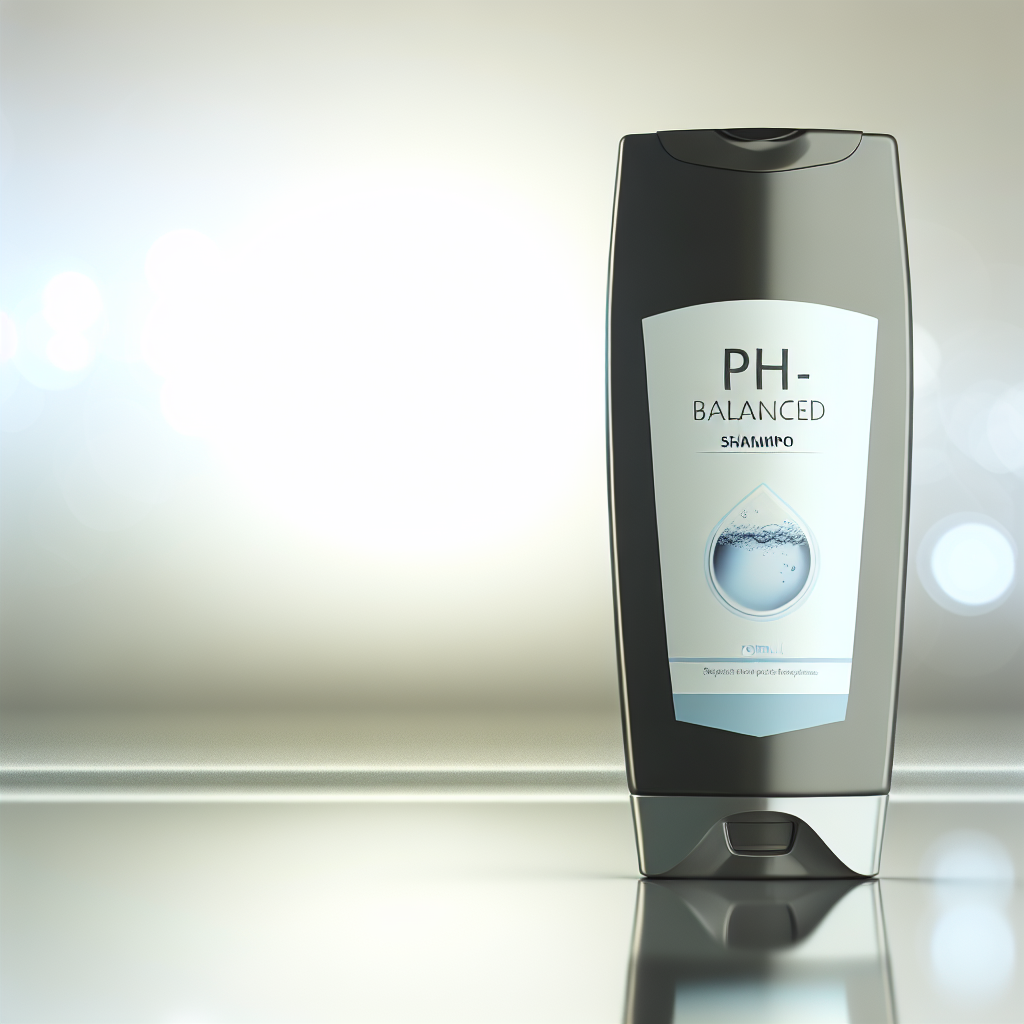
Top Recommended Car Washing Products
When it comes to maintaining your vehicle’s appearance, using the right car washing products is essential. Below is a list of top-rated car washing products based on expert reviews and consumer feedback:
1. Gyeon Q²M Bathe
- Formulation: pH-neutral shampoo with rich foam.
- Benefits: Gentle on coatings; maintains wax integrity.
2. Gyeon Q²M Bathe+
- Formulation: Enhanced with SiO₂ for hydrophobic properties.
- Benefits: Adds gloss; ideal for ceramic coatings.
3. Carbon Collective Lusso Shampoo 2.0
- Formulation: Professional-grade, high foaming, and pH-neutral.
- Benefits: Safe for all finishes; excellent lubricity.
4. YumCars Wash
- Formulation: Super slick and pH-neutral.
- Benefits: Luxurious washing experience; protects finishes.
5. Stjarnagloss Bubblor High Gloss Car Wash
- Formulation: Balanced cleaning power, pH-neutral.
- Benefits: Wax-safe; produces satisfying foam.
6. Chemical Guys Honeydew Snow Car Wash Soap
- Formulation: pH-neutral soap that produces rich foam.
- Benefits: Effectively lifts dirt and grime, pleasant scent.
- Source
7. Meguiar’s Gold Class Car Wash Shampoo & Conditioner
- Formulation: One-step wash and conditioning solution.
- Benefits: Cleans effectively without stripping wax protection.
- Source
8. Chemical Guys Mr. Pink Super Suds Car Wash Soap
- Formulation: Thick, lubricating foam, safe for all paint types.
- Benefits: Reduces the risk of scratches during washing.
- Source
9. Meguiar’s Hybrid Ceramic Wash & Wax
- Formulation: Ceramic-infused for added protection.
- Benefits: Leaves a noticeable shine and touch.
- Source
Advantages of pH-Balanced Car Shampoos
- Preservation of Protective Layers: Maintain existing waxes and coatings.
- Gentle on Paintwork: Lift dirt without damaging paint.
- Enhanced Lubricity: Reduces friction, preventing scratches.
Using any of these recommended pH-balanced car shampoos will help you maintain the appearance and integrity of your vehicle’s paintwork while ensuring a thorough cleaning experience. Regular maintenance using these products can significantly enhance the longevity of your car’s exterior.