
Understanding a vehicle’s service history is critical for every car owner, especially when purchasing a used car or managing a fleet of vehicles. In this guide, we will delve into various efficient methods to access detailed service history records. Each chapter will provide unique insights—ranging from leveraging third-party platforms to utilizing official documentation—ensuring you are well-equipped to make informed decisions regarding vehicle reliability and value.
Beyond the Glance: Verifying a Vehicle’s Service History Through a Trusted Third-Party Platform
A used car can be a reliable workhorse or a quiet trickster, and the difference often hides in the service history. A spotless exterior and a fresh paint job can mask long gaps in maintenance or undisclosed repairs, so a thorough check becomes essential before purchase or long-term ownership. In modern practice, a third-party vehicle history platform offers the most efficient way to assemble a comprehensive, cross-brand record without visiting a dozen different shops. These platforms operate by aggregating data from multiple sources, including various authorized dealerships and independent repair centers, and then presenting it in a single, readable report. The value of this approach lies not only in ease but in breadth: you gain a wider view of the car’s past than any single dealer or private seller could provide. While the method is powerful, it works best when used as part of a broader verification strategy rather than as a lone, stand-alone check. A careful reader will see how this approach fits into the larger puzzle of vehicle history and what it can and cannot reveal. When you’re evaluating a used car, the promise of speed and completeness makes third-party history checks especially appealing, but the smart buyer knows to temper optimism with practical verification elsewhere along the chain of evidence.
To begin, you will look for a reputable third-party platform that aggregates data from a range of sources rather than one single network. The advantage is clear: a more complete picture reduces the chance that important maintenance events or incident notes are buried behind data silos. Once you have chosen a platform, the next step is straightforward, yet precise. Access the service through its web portal or mobile app, locate the feature commonly labeled as Vehicle History Report or Vehicle Maintenance and Repair Record Inquiry, and prepare to supply identifiers that uniquely tie the history to the car you are examining. The most dependable identifier is the 17-digit Vehicle Identification Number, the VIN. This code is the key to a specific vehicle’s service timeline, and accuracy at this stage matters more than almost any other detail. If you cannot easily read the VIN from the vehicle, a photo of the registration certificate or the dashboard placard can often be uploaded. Modern platforms use optical recognition to extract the VIN from such images, but they still require a clear, legible shot to avoid mismatches. After you enter the VIN or upload a document, the platform will present you with available report options and pricing. The decision here is practical: choose the level of detail you need, mindful that more comprehensive reports add time and cost but can dramatically improve confidence in the car’s history.
The report itself is a compilation that aims to capture more than routine service notes. Look for a clearly itemized list of maintenance events with dates, odometer readings, and the specific procedures performed. A well-constructed report will identify parts that were replaced or serviced, include references to part numbers when possible, and name service centers or technicians, where such details are recorded. A crucial layer of value is the inclusion of accident history and insurance-related events. A platform that aggregates data from multiple sources can reveal whether the vehicle has been involved in a crash, the extent of damage, and whether any repairs were reported to an insurer or a claims processor. Some reports even include the vehicle’s status, such as whether it is pledged as collateral or has any current legal constraints. The synthesis of this information into a readable chronology helps you see patterns: repeated brake work around the same mileage, a string of suspension repairs, or a series of electrical issues that align with a specific production batch. Such patterns, once visible, inform whether the car’s past was orderly and well cared for, or whether there are recurring themes that warrant deeper investigation.
A key strength of third-party history platforms is their speed. You can often receive a full report within minutes after payment, once the system has matched your VIN with its data sources. The convenience is matched by a growing depth of data, as platforms continually expand their connections to dealerships, repair networks, and insurer records. Yet, there are inherent limitations that buyers should respect. The data may lag behind real-time events; a service performed yesterday at a small independent shop might not appear until the next data refresh. Some information, particularly when it involves privacy concerns or non-disclosure policies, may be restricted or obfuscated. For this reason, it is wise to use the third-party report as a core reference point rather than the sole basis for a purchase decision. The most reliable practice is to corroborate what the report shows with additional sources such as the vehicle’s official records from a brand’s authorized service network and, when applicable, the insurance history that reflects major claims or structural repairs.
To maximize the value of a third-party history check, consider weaving the platform’s findings into a broader verification strategy. Start by cross-checking the maintenance records with the owner’s manual and the vehicle’s service schedule. An entry showing a major repair just before a sale, without a corresponding recall or service bulletin, may be a red flag. Similarly, compare the reported mileage at service dates with the odometer readings noted at those visits. A mismatch could indicate tampering, a sensitive issue that deserves closer scrutiny. This is where the “two sources” mindset pays off: a platform’s comprehensive data becomes more meaningful when matched with the brand’s own service history, if accessible, and with insurer data that covers major incidents. The result is a more robust, triangulated view of the car’s life.
It is also important to remain mindful of privacy and access limits. Some owners may object to a third-party inquiry, or certain records may be restricted to the vehicle’s registered keeper or the vehicle’s legal owner. In such cases, you can still proceed with a practical combination of methods. The authorized dealership channel remains the most authoritative source for original, brand-specific history, though it typically reveals only the data from that dealer’s network. If the car has a notable accident history, an inquiry with the insurer can provide corroborating evidence, including the severity of damage and the repairs performed. When pursuing any of these routes, bring the essential documents: proof of ownership or authorization, vehicle registration, and the VIN. This ensures your requests can be fulfilled smoothly and respect privacy policies that govern access to records.
For buyers seeking a broader context beyond the core history, a long view of maintenance practices can help. Maintenance intervals, the quality of parts used, and the care shown by past owners all contribute to a repair trajectory that affects long-term reliability. A useful resource for understanding how routine maintenance translates into real-world service behavior can be found in this article on maintenance intervals and their impact on performance. For a broader perspective on how maintenance intervals translate into real-world service, see Optimal oil change intervals: time vs mileage.
In sum, a third-party vehicle history platform offers a practical, efficient route to a comprehensive maintenance and incident timeline. It helps you see the forest and not just the trees: the pattern of upkeep, the presence of any major repairs, and the alignment (or misalignment) of reported mileage with service events. The key to turning data into confidence is to interpret the report as part of a larger narrative about the car’s life, not as a final verdict on its future reliability. Use the report to guide conversations with sellers, to request additional documentation when something looks off, and to structure your own due diligence routine for any prospective purchase. If a red flag does arise, follow up with the other channels—authorized-brand records for itemized repair history, the insurer for claim context, and the owner’s paper records for direct corroboration. When you combine these methods, the chances of buying a vehicle with hidden issues drop significantly, and the journey from curiosity to clarity becomes a smoother ride. External sources, including government-backed VIN verification resources, can provide an extra layer of assurance and help you navigate any ambiguities that surface during the review process.
External resource: https://www.nhtsa.gov/ (NHTSA VIN lookup)
Inside the Brand Network: Verifying a Vehicle’s Service History Through Authorized Dealership Records
Authorized dealership records are among the most trustworthy sources for a vehicle’s service history because they originate from the brand’s own network and are stored in a centralized system designed to track every visit, part, and procedure. When you’re assessing a used car, a clean, complete maintenance log from a brand’s authorized service centers can offer a level of reliability that other sources may not match. This is especially important when a car has traveled many miles or has a long service record spanning several years. The goal is not merely to confirm that service occurred, but to understand the quality of that service: whether the right parts were used, whether the maintenance schedule was followed, and whether any red flags—like repeated repairs for the same component or unusually long gaps between visits—appear in the record. Accessing these records directly from the brand’s service network is a disciplined, methodical process, but one that pays dividends in clarity and confidence, particularly for buyers of pre-owned vehicles who want a transparent view into the car’s life story.
The process begins with preparation. You should gather a small set of documents before approaching a dealership: proof of ownership such as the vehicle’s registration, your government-issued photo ID, and, crucially, the VIN—the 17-digit Vehicle Identification Number. The VIN is your key to unlocking the vehicle’s history within the brand’s DMS. You can usually locate it on the lower-left corner of the windshield, in the driver’s door jamb, or on the vehicle registration paperwork. Having these items ready speeds up the process and reduces friction at the service desk. It also helps to know the dealership’s preferred method of verification. Some brands will require the owner’s consent or an authorization form if you are not the registered owner, so contacting the dealership in advance to confirm their specific requirements can save you a trip.
With documents prepared, the next step is to contact the dealership before you visit. A quick phone call or email to the brand’s official service department can confirm several practical details. Ask whether the dealership can retrieve records from across the brand’s authorized network, not just the location where the vehicle was most recently serviced. Some brands store data from all their authorized centers and can assemble a comprehensive history once they confirm your identity and your ownership status. Inquire about any authorization forms or steps you must complete and whether there are fees for providing a formal service history report. The brand’s official website typically lists the nearest authorized service centers and may offer direct scheduling or inquiry options. This pre-visit check helps you avoid a wasted trip and ensures the dealership can deliver a complete report rather than a partial one focused on a single location.
When you arrive at the service department, the approach should be straightforward and respectful. Present your documents, explain that you are seeking the complete maintenance and repair history for the vehicle using its VIN, and ask the service advisor to initiate a query of the DMS. The advisor will use the internal Dealer Management System to search for every entry tied to that VIN within the brand’s authorized network. Depending on the brand and the dealership’s configuration, you may be able to receive a digital copy or a printed report on the spot. If the vehicle has indeed been serviced at multiple authorized centers within the same brand family, the DMS should consolidate those visits into a single, cohesive log. You can expect to see details such as service dates, odometer readings at the time of service, specific maintenance or repair items performed, part numbers for components replaced, labor hours, and the technician or service writer who handled the job. The more modern DMSs also capture the vehicle’s status notes—whether a recall item was completed or if a software update was applied—and sometimes the vehicle’s current warranty status relative to those records.
A key attribute of this method is its authoritativeness. When the history is pulled from the brand’s own network, you gain access to records that reflect the original maintenance planning and execution. This is especially valuable for verifying routine items like oil changes, brake service, and scheduled inspections, as well as ensuring that essential parts—such as timing belts, water pumps, or brake components—were replaced according to the manufacturer’s recommended intervals. The records can also reveal whether the vehicle complies with the brand’s service bullets, which is a clear sign of ongoing care within the approved ecosystem. In many cases, the report will include the service center names, whether the work was performed by a factory-trained technician, and the exact service codes used by the brand. Such granularity can be instrumental when negotiating a purchase price or when evaluating the vehicle’s remaining life cycle.
It is important to acknowledge the method’s limitations, though. Access is typically confined to the brand’s authorized network. If the car was serviced exclusively at independent repair shops or at centers outside the brand family, those records will not appear in the DMS. This can leave gaps in the history where significant maintenance or repairs occurred outside the brand’s ecosystem. Privacy policies may also impose restrictions; some brands require that the current registered owner authorize access to the full history, or they may limit what is shared with non-owners. If you are evaluating a car that belongs to a private seller, you may need to provide documentation proving your interest and obtain permission from the owner to obtain a full report. Even with these hurdles, you will often secure a robust, authentic record that can be trusted as a baseline for further verification with other sources.
The value of this approach becomes especially evident when you pair it with additional methods. A dealership-based history can be cross-referenced with third-party history platforms to confirm that the data aligns across sources. If you have access to a platform that aggregates information from multiple 4S shops and repair centers, you can compare and corroborate the entries on the DMS report with the broader dataset. The result is a more complete picture that reduces the risk of missing critical events such as major repairs, recalls, or odometer discrepancies. For broader context on maintenance history checks, the KMZ Vehicle Center blog can provide further insights. KMZ Vehicle Center blog
When you finally receive the report, take time to review it carefully rather than skimming for dates and mileage alone. Look for consistency in mileage progression from one service to the next, and check that maintenance intervals align with the manufacturer’s guidelines. Red flags to watch for include long gaps between visits, repeated repairs for the same component, or any entries that lack a clear part number or labor description. If you notice a discrepancy, ask the dealership for clarification. Sometimes a record may show a component replacement without a corresponding part number, which could indicate a clerical omission rather than a misrecord. In other cases, the report may reveal that a service item was marked as completed but not actually performed due to an oversight; these nuances can influence how you value the vehicle and whether you pursue further verification.
Beyond the immediate value of the information, there is a practical path to maximizing confidence when buying a used car. After obtaining the dealership record, you may choose to supplement it with another method described earlier in this guide, such as querying an independent third-party platform to ensure the data has broader corroboration. If you are dealing with a car that has a complex service history or if you suspect tampering or data gaps, a follow-up inquiry with an insurance company about major repairs or accident history can provide an additional layer of assurance. While insurance records are not a substitute for the brand’s maintenance log, they help you assemble a more complete risk profile of the vehicle. And when possible, request a copy of any recall notices or service bulletins relevant to the vehicle’s VIN. These documents tend to be tightly bound to the vehicle’s ownership history and can reveal preventive work that may not be evident from routine service entries alone.
In sum, accessing a vehicle’s service history through authorized dealership records offers a direct, authoritative view into the car’s maintenance life within the brand’s ecosystem. It provides a solid foundation for evaluating whether the vehicle has been cared for in a manner consistent with the manufacturer’s expectations. The method is most effective when you come prepared with the right documents and a clear sense of what you want to learn. It also pays to engage in a careful comparison with other sources to ensure a comprehensive understanding of the car’s history. As you move forward in your car-buying journey, keep this approach at the forefront: the brand’s own service network is often the most reliable compass for tracing a vehicle’s true maintenance story.
External resource: For additional perspectives on navigating vehicle history data from trusted sources, you can explore the Houchekanjian platform, which provides cross-network maintenance history insights through its verification services. https://www.houchekanjian.com/.
Reading the Claims Trail: Verifying a Vehicle’s Service History Through Insurance Records
A vehicle’s service history is more than a string of stamped stamps and receipt dates; it is a map of the car’s life, including events that never leave a dealership floor. When you want true transparency, insurance records can fill gaps that other sources miss. They can reveal accidents, major repairs, structural work, and even whether a car was ever declared a total loss. For anyone evaluating a used vehicle, tracing the claims trail offers a sober, high-level view of what the car has endured and what may still be hiding beneath the surface. This approach does not replace direct checks with dealers or third-party history platforms, but it complements them by exposing incidents that did not always require a 4S shop visit or a routine service appointment. By following the claims trail, you gain a fuller sense of the vehicle’s reliability, survivability, and the likelihood of hidden issues that could surprise you after purchase.
Start with the simple, practical step of identifying who insured the vehicle in the past. If you know the current insurer or if the vehicle still carries an active policy, begin there. Contact the insurer’s customer service team and request access to the vehicle’s claims history. You will need to provide the vehicle identification number, commonly called the VIN, plus the license plate and your own identification to prove your legitimate interest. Privacy rules in many jurisdictions mean the insurer will not release records to a random buyer or to someone without proper authorization. The process is easier when you can demonstrate a legitimate stake in the vehicle, such as ownership transfer, a formal purchase agreement, or a power of attorney. Insurers are usually prepared to confirm whether a claim exists and to provide a high-level summary if you cannot obtain the full file, but a detailed report—covering dates, types of damage, settlement amounts, and repair locations—often requires direct authorization or the policyholder’s consent.
If you have access to the insurer’s online portal, the path becomes quicker and less intimidating. Many major providers offer policy history or claims history sections that permit you to search by VIN or license plate. Once you log in with the policyholder’s credentials, you can view a timeline of incidents, the nature of each claim, the date of the incident, whether a repair was performed, and the approximate cost of settlements. For a prospective buyer, this portal can be a revelation. You may uncover a series of minor bumps that look innocuous on a dealership report but may indicate recurring alignment problems or chronic wear in certain areas. You might also see a large, one-off settlement that suggests a more serious underlying condition, such as frame damage or extensive airbag deployments. The clarity and immediacy of online access make this method particularly valuable when the vehicle is not in your hands yet, and you want to confirm what the private seller has disclosed.
As you gather claims information, the task shifts to interpretation. Frequency matters, but context matters more. A handful of minor claims over many years could reflect cautious driving, pristine maintenance, and effective repairs. A string of costly claims in a short period might signal repeated vulnerability in specific systems or components. A series of minor cosmetic claims, if accompanied by a large total loss history on a separate file, can be a warning that the car has hidden structural issues. Look for patterns: repeated results that point to the same part or system, claims tied to a particular accident type, or claims filed in a short window following a major repair. Large payouts relative to the vehicle’s current market value can raise red flags about structural damage, frame straightening, or safety-related issues that are expensive to correct or may compromise the car’s integrity.
One important caveat is that access to detailed insurer records is governed by privacy and data-protection laws. The insurer will typically release information to the policyholder or to someone with explicit authorization. If you are buying a used car, this means you may need the seller to authorize the release of records to you, or you may need to obtain a temporary authorization that covers the transaction. The process can be more straightforward if the vehicle is currently insured by the same provider you contact, as the insurer will already have the right to discuss the policy with the named insured and any authorized parties. If you are acting on your own and lack direct access, a third-party intermediary that aggregates data from insurers and repair facilities can be helpful. These services compile claims data into a single report that can be easier to interpret than a tangle of individual insurer documents. A caveat here is to verify the reliability and scope of any third-party data, recognizing that coverage varies by region and provider.
Beyond the insurer’s own portals and third-party aggregators, you can also triangulate information by cross-referencing with repair records that may be tied to claims. Insurance claims often correspond to actual repairs performed at authorized shops or partner facilities. If a repair was completed at a network shop, you can sometimes confirm the repair details and match them to the claim description. This cross-check helps you distinguish a claim that led to a routine, preventive repair from one that involved substantial structural work or animal repair that affects vehicle safety. It is not uncommon to find a mismatch between a claim description and a shop’s entry, especially when a vehicle changes ownership or when different service channels are involved. In these cases, the insurer’s description may reflect the incident at a high level, while the repair shop records provide the granular details of the work performed. The harmony—or lack thereof—between these records can tell you a great deal about how well the vehicle has been cared for and whether the data you are collecting is trustworthy.
In practice, a buyer who combines insurer history with other sources often arrives at a clearer verdict. If the claims trail shows multiple incidents that align with known service gaps or repeated component failures, you have a signal to probe deeper—perhaps with a mechanical inspection that focuses on the affected areas. A clean, sparse claims history, especially when corroborated by a dealer or a trusted independent repair shop, can offer confidence, but it should not be the sole basis for a purchase decision. A vehicle may have a spotless claims past yet still have unseen issues from prior maintenance neglect, manufacturing flaws, or wear driven by mileage. Conversely, a robust claims history does not automatically render a car unworthy; some claims may have been minor and resolved with high-quality repairs leading to better long-term reliability if properly handled.
To close the loop, you can weave in an external resource that aggregates insurers and repair data to present a comprehensive view. For readers who want a consolidated snapshot without navigating policy portals, services like Stable Car Check provide a way to view a vehicle’s insurance claims history alongside repair records tied to the VIN. This external reference can be a practical supplement when you lack direct access to an insurer or when you want a single, navigable report to share with a trusted mechanic or your advisor. External resource: https://www.stablecarcheck.com. When used judiciously, such tools shorten the time you need to spend on verification and increase your confidence in your final choice.
If you are exploring the full landscape of a vehicle’s service history, you will often find value in tying together several sources. Use the claims trail to confirm major incidents and repairs, then verify preventive maintenance through dealer or independent shop records, and finally cross-check against any owner-provided paper history or maintenance books. This multi-source approach reduces the risk of overlooking a critical issue and helps you arrive at a purchase decision that matches the vehicle’s true condition. For those who want to explore more practical maintenance contexts alongside history verification, the KMZ Vehicle Center blog offers practical guidance and scenarios that illustrate how to read and interpret maintenance records across different vehicle types and usage patterns. See the KMZ Vehicle Center blog for a broader discussion of maintenance checks and histories: kmzvehiclecenter.com/blog/.
In the end, the truth about a car’s service history rarely lies in a single document. It emerges from the careful synthesis of insurer records, repair histories, and owner-provided data. By approaching the process with patience, a critical eye for patterns, and a willingness to corroborate, you transform raw data into actionable insight. This disciplined method protects you from surprises, helps you negotiate from a position of knowledge, and, most importantly, gives you confidence that the vehicle you are considering will be reliable on the road ahead.
Reading the Past in the Manual: How to Check a Vehicle’s Service History Using the Owner’s Manual and Paper Records
When you hold a used car in your hands, the glove compartment often feels like a tiny archive, a place where the car’s story sits in neat, dusty pages. The owner’s manual and the scattered paper records that accompany it form a personal timeline that, if read carefully, can reveal not just what was done, but when and why. This chapter invites you to treat those documents with the respect of a historian and the practicality of a buyer who wants confidence more than curiosity. The path is straightforward, yet it requires a careful eye and a willingness to cross-check. Start with the most intimate source—the owner’s own record-keeping—and let it guide you toward the broader picture that other methods will fill in later. In practice, the manual becomes a map of maintenance habits, the receipts become corroborating evidence, and together they help you judge the car’s ongoing reliability and value.
First, locate the original service manual. In many vehicles, this essential book lives in the glove compartment, but it can also be tucked under a rear seat or stored with other important documents. If the car has been serviced frequently by the same brand’s network, the manual may sit alongside a stamped service log or a printed index of visits. Once you’ve found it, flip to the maintenance section, often labeled simply as a maintenance log or service record book. Here, the owner may have recorded each visit in the space provided, turning the manual into a personal ledger of care. Reading this section is less about nostalgia and more about verification: it tells you whether the owner followed the recommended service intervals and whether they kept up with the routine tasks that keep a vehicle reliable over time.
The entries themselves are a compact but powerful grid. Each line should ideally show the date of service, the mileage at the time, the type of service performed, parts that were replaced or repaired, and sometimes the service provider. Taken together, these entries sketch a maintenance rhythm: are oil changes logged at regular intervals, or do they cluster around certain miles? Do brake services appear with predictable frequency, or do they spike after a period of hard driving or aggressive wear? The real value lies not in any single entry but in how the entries align with expected maintenance schedules. If a log shows oil changes every 3,000 miles for a few years, followed by a sudden gap of 18,000 miles with no entries, that is a red flag worth pursuing further, especially if the car has accumulated significant miles since.
In many families, the service log is complemented by paper receipts or work orders from the shops that performed the work. These documents add independent verification and detail that the log itself may omit: the exact parts that were replaced, the labor hours charged, and the cost of each service. A receipt can confirm that a brake pad replacement occurred, that a timing belt was addressed, or that a tire rotation coincided with a scheduled service. More than the numbers, these receipts provide a narrative of care: the shop’s name, the part numbers that were installed, and, occasionally, notes from the technician about the vehicle’s condition at the time of service. When you find these records, you gain a layered understanding rather than a single data point.
Cross-referencing the manual’s maintenance log with the paper records is where the exercise becomes robust instead of speculative. If the log notes a brake service at 40,000 miles and the receipt confirms a brake pad replacement with the same mileage reading, your confidence rises. If the log is silent about a crucial item, such as a timing belt or a major component, but the receipt shows it was addressed, that discrepancy should trigger closer inspection. The aim is not to discredit the owner’s documentation but to verify its consistency with the car’s current condition. After all, a maintenance program that matches the vehicle’s wear patterns is a strong predictor of future reliability.
Beyond the internal consistency, the manual and its papers also provide practical insight into the vehicle’s care philosophy. Do the entries reveal a consistent approach to maintenance, with timely oil changes and regular tire checks? Or do they suggest procrastination—the same OEM-recommended checks postponed until an issue arises? The narrative matters in the same way a medical chart matters when evaluating a patient. If you see a history of proactive care, you gain peace of mind about the car’s lifecycle and the likelihood of ongoing reliability. If you encounter frequent repairs that point to recurring problems, you gain an early warning that the car may require more attention than advertised, regardless of its current performance.
For buyers who want to deepen their understanding, this method pairs naturally with the broader maintenance conversation. A quick sidebar note for readers who are building a more comprehensive checklist: explore our maintenance basics, which contextualize how routine care behaves within the lifecycle of a vehicle. You can explore these concepts here: maintenance basics. The idea is not to rely on a single source of truth but to weave together the owner’s record with a broader understanding of what good maintenance looks like across different makes and models. The owner’s manual is the most intimate account; the third-party history and dealership records fill in the larger, more objective picture. Together, they offer a layered, credible view.
Having gathered and compared the log entries with receipts, the next step is to verify the information against the car’s current condition. This is where practical inspection meets documentary evidence. If the log shows a brake service at a particular mileage, you should inspect pad wear and rotor condition to estimate whether wear aligns with the reported service. If the car’s current condition contradicts the service history—for instance, if pads show substantial wear that the log claims were replaced recently—that discrepancy demands a closer look. In some cases, you may uncover legitimate explanations: parts from a different vehicle’s service could have been misrecorded, or a shop might not have updated the log properly. In others, you may reveal fraudulent or forged papers. While rare, the potential for misrepresentation exists, and your diligence here protects you from buying trouble disguised as history.
The private-sale context adds another layer of nuance. When you’re buying from a private seller, the owner’s records are your primary source of truth, but their supply can be inconsistent. Some owners meticulously preserve every invoice and stamp every log page; others may have misplaced the booklet or rely on digital notes that were never transferred to the manual. In such cases, request copies of receipts and any work orders, and ask the seller to locate the original manual if possible. Your goal is to reconstruct as complete a history as possible, recognizing that a perfect record is not always available. If the manual is missing, do not abandon the effort—use the remaining documents as a baseline and supplement with the other methods discussed earlier in this guide. The reality is that no single source guarantees a flawless history; the strongest position comes from stitching together multiple lines of evidence.
In practice, you will likely encounter a blend of documented care and gaps. The question then becomes how to treat those gaps. A lack of entries in the maintenance log is not automatically disqualifying, but it does warrant a more careful inspection and perhaps a more demanding post-purchase inspection from a trusted technician. Conversely, a long string of entries that aligns with the car’s physical condition and driving history can provide comfort and, in many cases, a higher resale value. The owner’s manual and paper records offer a human-scale view of maintenance—the care taken by a driver over time. When you combine that perspective with the broader history gathered from third-party sources and dealership records, you arrive at a more complete and accurate appraisal of the vehicle’s service history.
As you close the glove box, you should feel a sense of connection to the car’s journey. The manual’s pages and the receipts together tell you not only what was done, but when and by whom. They reveal patterns of maintenance that are as telling as any diagnostic report. They also remind you that the car’s value rests in reliability and predictability—the outcomes of faithful, attentive care. In short, owner’s manual records are not antiquated relics; they are practical, verifiable, and deeply informative instruments for anyone serious about understanding a vehicle’s service history before making a commitment. By reading the past in a patient, methodical way, you gain the foresight needed to decide whether a used car will be a dependable companion on the road ahead.
External resource: For additional guidance on evaluating used cars and understanding service histories in a broader context, see a general consumer guide to used-car shopping: https://www.consumerreports.org/cars/how-to-buy-a-used-car/
Unraveling a Car’s Past: A Practical, Efficient Guide to Checking Service History
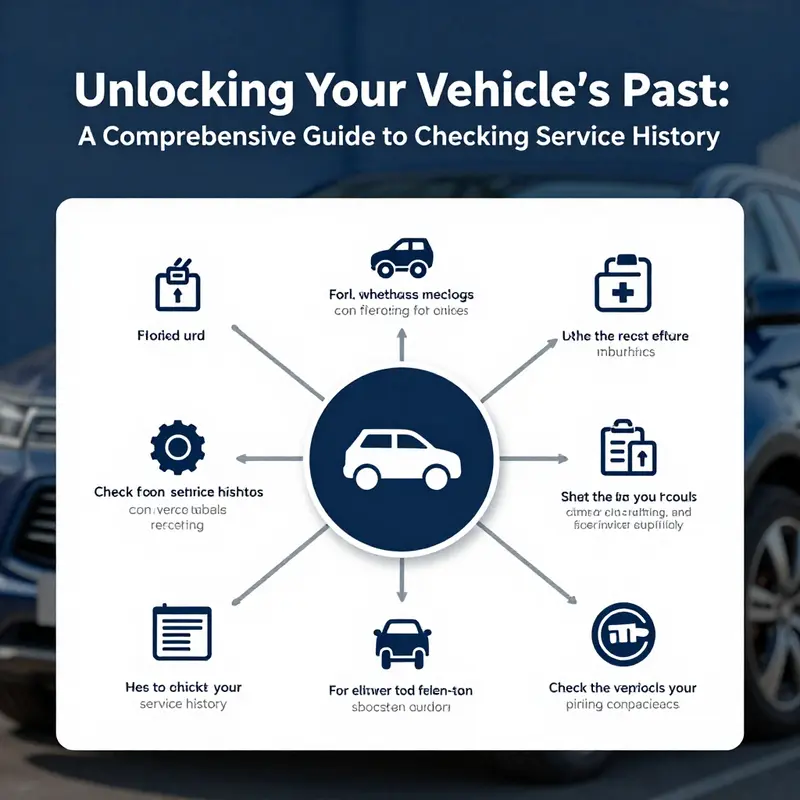
When you’re evaluating a used vehicle, the past is not just a record of previous ownership. It is a map of reliability, potential hidden costs, and the real value you’re about to buy. A comprehensive service history does not merely confirm that a car has seen regular oil changes; it opens a window into how well the car has been cared for, how faithfully scheduled maintenance was carried out, and whether there were major incidents that could influence its long‑term performance. The question is how to assemble that window quickly and confidently, especially in markets where data lives in different silos and the truth may be scattered across several sources. The answer lies in a disciplined, layered approach that blends fast, broad insights with authoritative, item‑level verification. In this chapter, we follow a practical arc that keeps the narrative cohesive while guiding you through the most effective methods to check a vehicle’s service history without getting lost in a maze of partial information. The goal is not to chase a perfect, real‑time feed but to piece together a reliable, usable history that can inform a buying decision, a negotiation stance, and ongoing ownership expectations.
A fast, comprehensive overview starts with recognizing the strengths and limits of different data sources. The most convenient and revealing first stop is a third‑party vehicle history platform that aggregates data from multiple sources. Think of this approach as a broad lens: it pulls together maintenance records from various authorized service networks and independent repair shops, presenting them in a single, readable report. In practice, you would access this kind of platform via a widely available interface, enter the vehicle identification number, and, in many cases, upload a photo of the registration certificate containing the VIN. The result is a detailed maintenance timeline that lists service dates, mileage, and the specific items addressed—oil changes, brake work, part replacements, and other routine interventions. Importantly, these platforms often extend beyond simple maintenance logs. They can flag odometer discrepancies, verify the match between VIN and license plate, and reveal safety‑relevant information such as accident history or insurance claims. This integrated view helps you understand the car’s trajectory, not just isolated events. The strength of this method lies in breadth and speed: you walk away with a single report that synthesizes data from many sources, circumventing the “data silo” problem that can plague checks limited to one dealer network or one insurer.
Yet breadth does not replace depth. For a subset of buyers—especially those who want the most authoritative, original records—checking with the vehicle’s original brand‑specific network remains indispensable. If the car has a documented history of routine service at a particular brand’s authorized dealers, those records can be the most precise, containing exact repair items, part numbers, labor entries, and even labor times. This path requires a physical visit to a dealership or a formal authorization, because the dealership’s internal management system holds the canonical record for that brand. You present identification, vehicle documents, and the VIN, and request access to the service history through the dealership’s internal database. The payoff is clarity: you see exactly what was done, when, which parts were used, and often the technician notes behind the work. The limitation is that the scope is inherently narrow—these records cover only that brand’s network, and privacy policies can restrict access if you’re not the owner or an authorized party. Nevertheless, when available, they anchor your assessment in the most authoritative single source.
A different but complementary track involves the insurer. Insurance claims can reveal a different category of history—the presence and extent of major repairs following accidents or significant damage. Contacting the insurer that covered the vehicle in the past and requesting a claim history can illuminate whether the car sustained damage beyond routine wear, how extensive the repairs were, and whether frames or structural elements were affected. This approach is especially valuable for catching hidden crash history that might not appear in service records but was resolved through insurance settlements. The caveat is practical: you may need to provide proof of identity and policy details, and in some cases access is limited or requires formal channels. Still, when combined with maintenance data, insurance records can provide a fuller picture of the vehicle’s resilience and the quality of past repairs.
Alongside these more formal channels, the seller’s own paper trail remains a critical piece of the puzzle. The owner’s service manual and receipts—if they exist—offer a direct line to the car’s maintenance rhythm. Private sellers who provide a consistently updated log book, stamped service records, and receipts for major repairs create a track record you can audit. The value here is in the authenticity of the evidence. If the entries align with the mileage and the vehicle’s age, you gain confidence that the car has been cared for. Conversely, long gaps between services, repeated unexplained repairs, or missing records can signal risk. This is not a guarantee of a bad car, but it is a practical indicator to probe further before finalizing a deal.
The modern toolkit also includes hands‑on diagnostics. OBD‑II devices connect to the car’s onboard computer and retrieve diagnostic trouble codes in real time. While this approach does not supply a chronological history, it serves as a complementary check that can reveal recurring fault patterns or dormant issues that may not yet have triggered a service entry. For someone comfortable with basic tech tools, this can be a quick way to corroborate the narrative the history data is telling. If the bike‑shed of codes points toward a recurring mechanical concern, you know to press for more documentation or a professional inspection before committing.
In practice, the most robust checks combine two or more methods. A prudent buyer will start with a broad, online history report to establish an initial read on the car’s maintenance footprint. Then, where feasible, they will follow up with an in‑person 4S shop or dealership history check to verify the most authoritative details. An insurance inquiry can be layered in if the initial data suggest the possibility of a major incident. Finally, the seller’s own records provide a personal corroboration. The aim is to converge toward a consistent story: do the maintenance intervals align with the car’s current condition? Are there any red flags that warrant a more extensive pre‑purchase inspection? This holistic approach minimizes the risk of buying into a car with a hidden backstory that could surface later as costly repairs or diminished reliability.
For readers seeking a practical pathway to start, the following approach tends to work well in many markets. Begin with a broad data pull from a third‑party history platform to obtain a consolidated view of maintenance, parts replacements, and service intervals across multiple networks. This step often reveals both the pattern and the anomalies—the irregular service gaps, unusual mileage at service, or unaccounted parts replacements—that merit closer scrutiny. Next, if the data suggest high integrity or you suspect strong care, pursue the brand‑specific dealership history for the most authoritative confirmation and granularity. If a vehicle has a known history of accidents or major repairs, reach out to the corresponding insurer to confirm the scope of those events. Finally, examine the owner‑provided receipts and the service manual. A seller who can present a consistent, verifiable history across these channels is often the most trustworthy. Throughout this process, keep notes and compare dates, mileages, and work performed; minor discrepancies are common, but substantial misalignments warrant professional assessment.
As you integrate these sources, a few practical signals emerge. Consistent service intervals that align with manufacturer recommendations, corresponding mileage entries, and detailed labor notes all point to diligent maintenance. Sudden gaps in service, missing receipts for major components, or repeated work on the same system without resolution are warning signs. Odometer tampering remains an especially important flag; if you notice a mismatch between service intervals and the odometer, or if a platform flags potential tampering, investigate further. Finally, consider how the history aligns with the vehicle’s age and expected wear. A car approaching high mileage with a clean maintenance history may be a better buy than a low‑mileage car with patches of missing data or unclear repairs.
To support ongoing learning, many readers find value in treating the history check as a living document to be revisited during ownership transitions, service milestones, and when planning substantial repairs. If you want a concise primer linked to extended reading, you can explore related concepts in our broader maintenance resources at the KMZ Vehicle Center blog, which offers practical guidance on upkeep and diagnostics that complements history checks. For deeper policy context on evaluating used cars, see external consumer guidance that discusses buying a used car with confidence and the kinds of documentation that matter most during the process. This balanced, layered approach helps buyers move from hesitation to informed decision, turning a potentially uncertain purchase into a confident, transparent investment.
Key takeaway: there is no single source that tells the entire story. A robust history check weaves together broad history data, brand‑specific records, insurance claims, and, where possible, the owner’s receipts. The result is a credible narrative you can trust when assessing risk and planning future maintenance. And when you’re ready to read more about general maintenance topics and practical car‑care know‑how, visit the KMZ Vehicle Center blog for accessible, practical posts that complement this chapter’s focus on history checks. KMZ Vehicle Center blog.
For readers who want to understand the broader consumer perspective on buying a used car, the following external resource offers guidance on evaluating a used vehicle without relying on a single data source: FTC guidance on buying a used car. This resource reinforces the principle that multiple checks increase confidence and help you negotiate from a position of knowledge, not guesswork.
In sum, the most efficient path to a reliable read on a vehicle’s service history combines speed with depth. A robust third‑party history platform provides the quick, broad base; a brand‑specific dealership check delivers precision; insurance records reveal hidden crash history; and the owner’s documentation rounds out the story. The chapter you now carry into negotiations and inspections offers a practical, repeatable framework that respects both the realities of data fragmentation and the buyer’s need for clarity. When used thoughtfully, these methods illuminate a car’s past with enough detail to make a well‑informed decision—and enough flexibility to adapt to different markets, different brands, and different ownership histories.
Final thoughts
Accessing a vehicle’s service history is crucial to avoid potential pitfalls when buying or maintaining a vehicle. By utilizing various methods—whether through third-party platforms, authorized dealerships, insurance records, or personal documentation—car owners can ensure they have a thorough understanding of a vehicle’s past. Integrating these approaches will equip you with the knowledge needed to make sound decisions, whether you are a private owner, a used car buyer, or operating a small business fleet.