
Introduction
When purchasing a vehicle, especially a clean one, the date it was placed in service is a crucial detail that often goes unnoticed. Understanding this date not only affects the vehicle’s warranty and maintenance schedule but also holds significant implications for resale value and insurance costs. Whether you’re a local private car owner, a used car buyer or seller, or a small business fleet operator, knowing this important date can inform your decision-making and ultimately save you money. In a rapidly changing automotive market, where technology and regulations evolve constantly, having this knowledge empowers you to make sound choices.
For local private car owners, reminder conversations about maintenance based on the vehicle’s service date can prolong the life of your investment. If you’re in the used car market, the service date can give you negotiating leverage, helping you secure the best deal. Small business fleet operators can align their maintenance strategies efficiently, ensuring that each vehicle performs optimally without incurring unintended expenses. Join us as we explore how this date impacts ownership experiences and what you can do to leverage this information to your advantage. Learn more about first-time truck maintenance here and stay tuned as we delve deeper into the significance of vehicle service dates.
Understanding Clean Vehicles
A clean vehicle is defined primarily by its emissions output, significantly setting it apart from conventional vehicles. These vehicles are designed to minimize environmental impact and adhere to strict regulatory standards aimed at reducing air pollution.
Emissions and Environmental Standards
According to the U.S. Environmental Protection Agency (EPA), clean vehicles include those that utilize alternative energy sources or advanced technologies that substantially decrease harmful emissions. These standards are often defined in conjunction with government regulations such as the Clean Air Act, which mandates limits on the release of pollutants from motor vehicles.
Key Characteristics of Clean Vehicles:
- Low Emissions: Clean vehicles are engineered to emit lower levels of harmful gases, such as nitrogen oxides (NOx) and particulate matter. For instance, battery electric vehicles (BEVs) release zero tailpipe emissions.
- Fuel Efficiency: Many clean vehicles incorporate technology that enhances fuel efficiency, helping reduce overall fuel consumption and greenhouse gas emissions.
- Compliance with LEV Standards: Low-Emission Vehicle (LEV) standards, as noted by various sources, dictate strict criteria that vehicles must meet to be classified as clean, pushing manufacturers toward continuous innovation to reduce their vehicles’ environmental footprint.
Additionally, the emergence of new clean vehicle models is accompanied by incentives from governments aiming to promote cleaner transportation options. Notably, as new regulations are implemented, vehicles categorized under LEV standards often include hybrids and hydrogen fuel cell vehicles, which utilize cleaner technologies.
In conclusion, the transition towards clean vehicles is a critical component of global efforts to combat climate change. Vehicle owners can also play a part by considering these options when purchasing or selling their vehicles. For those looking to maintain fuel efficiency and extend vehicle life, exploring topics such as truck maintenance tips for first-time owners can prove beneficial.
Importance of Knowing the Placement Date of a Clean Vehicle
Understanding the placement date of a clean vehicle is crucial for various target audiences, including private car owners, used car buyers and sellers, and small business fleet operators. Here are some reasons why this date holds significance:
-
Value Appreciation: Knowing the exact placement date allows private car owners and sellers to assess their vehicle’s depreciation and set a reasonable selling price. More accurate pricing can lead to better sales.
-
Insurance Benefits: For private car owners, the placement date is vital for determining insurance premiums. Newer vehicles often have lower premiums, making it essential to communicate this information to get the best rates.
-
Maintenance Scheduling: Small business fleet operators benefit significantly from the placement date. It aids in scheduling routine maintenance to maximize vehicle lifespan and maintain efficient operations. Learn tips to maintain your fleet.
-
Market Competitiveness: Used car buyers and sellers can leverage the placement date to highlight how recently the vehicle was serviced and its clean condition. This can attract more prospective buyers, enhancing deal-making opportunities.
-
Safety Insights: Fleet operators can use the placement date to determine vehicle recalls, maintenance updates, or safety notices that align with the vehicle’s age, thereby ensuring a safer fleet. Discover effective maintenance tips for vehicles.
In conclusion, the placement date of a clean vehicle plays an essential role in financial planning, maintenance management, and overall vehicle appeal.
Summary of Clean Vehicle Adoption Trends
Recent trends indicate a substantial growth in the adoption of clean vehicles, particularly electric vehicles (EVs). In 2023, approximately 18% of all cars sold globally were electric, showcasing a significant increase compared to previous years. Notably, this figure is anticipated to rise further, with projections indicating that by 2025, 22% of new cars sold could be EVs. This growing acceptance of electric vehicles is emblematic of broader changes in consumer attitudes towards sustainability and reduced dependence on fossil fuels.
Adoption Statistics
To put these trends into perspective, here are key statistics on clean vehicle adoption:
| Year | Global EV Sales Share (%) | U.S. EV Sales Share (%) |
|---|---|---|
| 2019 | 9% | 2.5% |
| 2020 | 10% | 2.8% |
| 2021 | 14% | 3.5% |
| 2022 | 18% | 4.5% |
| 2023 | 22% | 6.5% |
Source: IEA Global EV Outlook 2023
This data illustrates that while the global market is advancing rapidly, the U.S. market also reflects positive growth, with EV market share rising from 2.5% in 2019 to an estimated 6.5% in 2023. This is a crucial trend for various stakeholders, including local private car owners, used car buyers and sellers, and small business fleet operators who may need to adapt their purchasing strategies and vehicle maintenance practices.
Future Landscape
As we move forward, the trend towards electrification is likely to accelerate due to enhanced government policies, incentivized purchasing, and broader charging infrastructure availability. For local private car owners, this presents an opportunity for not only environmental benefits but also potential cost savings in fuel and maintenance. Learn more about optimal oil change intervals to better understand how these vehicles can fit into maintenance schedules. Additionally, as EV options expand, used car markets may see a shift towards electric options as buyers become more informed of their benefits.
For small business fleet operators, adjusting to this shift can lead to greater operational efficiencies and alignment with corporate sustainability goals, emphasizing the importance of considering clean vehicles in fleet management strategies.
Comparison of Clean Vehicle Types
When considering a clean vehicle, understanding the differences between electric vehicles (EVs), hybrid vehicles, and hydrogen fuel cell vehicles is crucial. Below is a table that compares these vehicle types in terms of their environmental impact, average costs, and typical lifespan.
| Category | Electric Vehicles (BEVs) | Hybrid Vehicles (HEVs/PHEVs) | Hydrogen Fuel Cell Vehicles (FCEVs) |
|---|---|---|---|
| CO2 Emissions (Driving Phase) | Very low to zero | Moderate | Higher than BEVs (depends on hydrogen source) |
| Average Purchase Price (USD) | $40,000 – $60,000 | $30,000 – $50,000 | $60,000 – $80,000+ |
| Typical Lifespan (Years) | 10 – 15 | 10 – 15 | 10 – 15 |
Sources:
- International Energy Agency (IEA) – Global EV Outlook 2023
- U.S. Department of Energy – Vehicle Cost Calculator
- National Renewable Energy Laboratory (NREL) – Life Cycle Assessment of Hydrogen Fuel Cell Vehicles
- European Environment Agency (EEA) – Life cycle greenhouse gas emissions of different vehicle types
Visualization
Below is a chart visualizing the comparison of clean vehicle types based on their CO2 emissions, average purchase price, and lifespan.
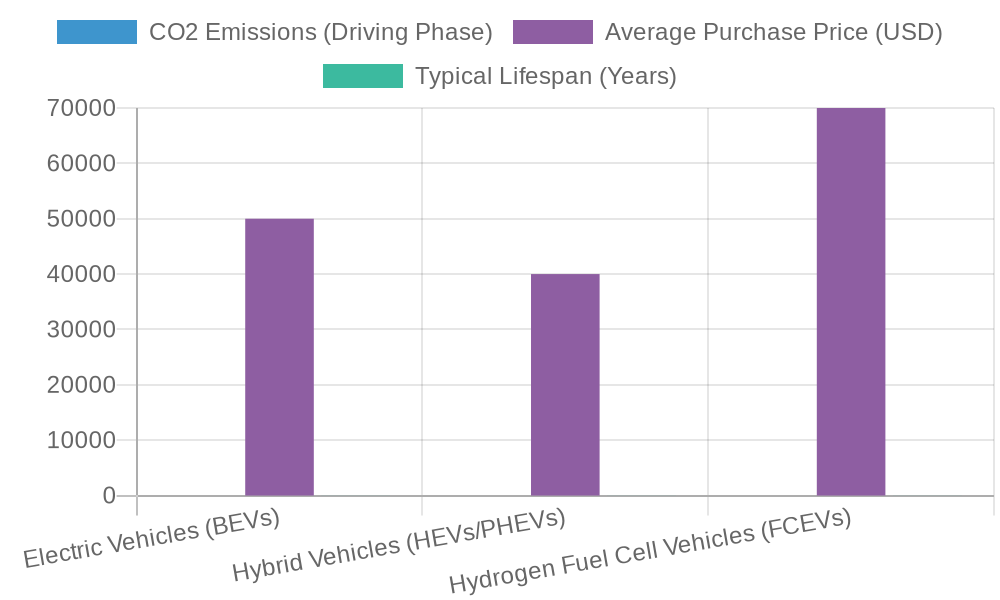
This comparison highlights the major factors to consider when selecting a clean vehicle, especially for local private car owners, used car buyers, and small business fleet operators.
Implications of Vehicle Placement Dates for Warranty
The date a vehicle is placed in service is a crucial factor that affects warranty coverage and the resale value of used vehicles. This date signifies the official start of the vehicle’s operational life and typically marks the commencement of warranty periods offered by manufacturers. Understanding the implications of this date can help vehicle owners and potential buyers make informed financial decisions.
Warranty Coverage
When a vehicle is purchased, the warranty coverage begins from the date it is placed in service. For instance, if a clean vehicle is placed in service on January 1, 2022, the manufacturer’s warranty might cover the vehicle for three years or 36,000 miles, whichever comes first. Therefore, irrespective of when the vehicle is sold, the warranty remains valid for the original timeframe starting from that service date.
If a vehicle is resold before the warranty expires, the remaining warranty becomes a valuable asset. Buyers are often willing to pay more for a vehicle that still has a valid manufacturer warranty, as it reduces their risk and financial exposure to potential repairs. A well-documented in-service date is essential for verifying the remaining warranty, validating its coverage, and attracting interested buyers. Learn how warranties can influence resale value.
Resale Value Considerations
The impact of the placement date on resale value is significant. Vehicles with an in-service date that is closer to the current date typically command higher prices than older models. For example, a two-year-old car generally has better resale value compared to a five-year-old car of the same make and model. This is because potential buyers avoid vehicles nearing the end of their warranty period.
Buyers are often more attracted to used cars backed by existing warranties, viewing them as safer investments. Thus, the length of the time remaining on the warranty, tied directly to the placement date, plays a vital role in resale negotiations. Furthermore, for fleet operators and businesses, understanding and tracking this date can help in planning maintenance and replacement cycles effectively, ensuring vehicles are sold or retired strategically for maximum value.
Ultimately, being aware of the vehicle placement date is critical for enhancing warranty benefits and fortifying resale potential, making it an essential consideration for both individual car owners and businesses alike. For more insights on how vehicle condition impacts sales, check out our tips on organizing first-time truck maintenance records.
“`markdown
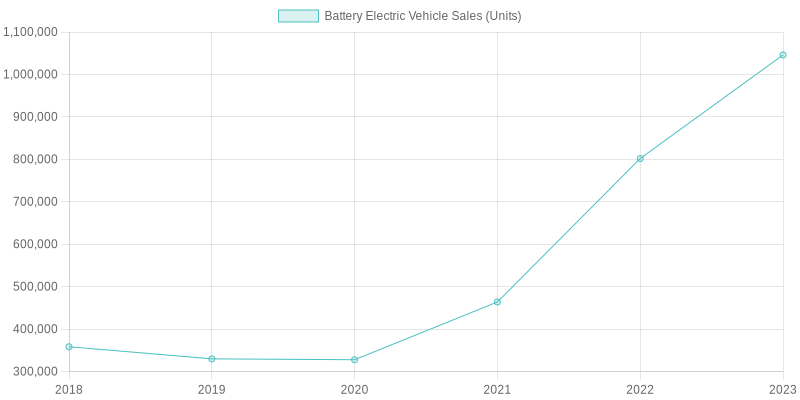
| Year | Battery Electric Vehicle Sales (Units) |
|---|---|
| 2018 | 358,500 |
| 2019 | 330,000 |
| 2020 | 328,000 |
| 2021 | 464,000 |
| 2022 | 802,000 |
| 2023 | 1,046,000 |
Key Milestones Impacting Trends:
- 2021: Expansion of federal tax credits under the Inflation Reduction Act (IRA), encouraging EV adoption.
- 2022: Major price cuts by Tesla and other manufacturers due to increased production efficiency and market competition.
- 2023: Over one million EVs sold for the second time in U.S. history; significant growth driven by expanded model availability and improved charging infrastructure.
Sources: Statista, International Energy Agency (IEA), U.S. Department of Energy (DOE)
Understanding the Importance of Clean Vehicle Policies
Clean vehicle policies play a crucial role in reducing emissions and improving public health. A recent analysis highlights the need for effective policies, noting that implementing these measures could potentially save millions of lives. As stated in an article by the Environmental Protection Agency,
“The strongest-ever pollution standards for cars will reduce pollution, defending the urgent need for cleaner technologies and practices in our transportation systems.”
Policies geared toward clean vehicles not only reduce the environmental impact but also enhance the quality of life for urban populations. According to findings from a noteworthy OECD report, adopting cleaner technologies can significantly mitigate emissions in both passenger and commercial vehicles.
In addition, the push towards electric vehicles is critical for facilitating sustainable practices across the transportation sector. Legislative frameworks must support this transition to foster an environment of widespread clean vehicle adoption and ultimately drive down pollution levels.

In summary, understanding the importance of the date a clean vehicle is placed in service is crucial for both private car owners and small business fleet operators. This date not only marks the beginning of ownership but also plays a pivotal role in determining eligibility for various tax credits and incentives, which can lead to significant financial benefits. As referenced from the IRS guidelines, the placed-in-service date is when the vehicle is delivered to the taxpayer, directly impacting tax credits such as the ones available for electric vehicles. Thus, car buyers need to be informed and diligent in documenting this date to maximize their savings.
For those considering vehicle upgrades or additions, Summit Fairings stands out as a premier choice for enhancing vehicle performance and aesthetics. Their high-quality fairings provide not just functional benefits, but also a touch of customization that appeals to vehicle owners looking to make a statement. As outlined in their various resources, including insights on motorcycle fairings, Summit Fairings delivers solutions that not only boost operational efficiency but also enhance overall rider experience.
In conclusion, being aware of the nuances surrounding the clean vehicle placement date and leveraging quality products from Summit Fairings can lead to well-informed decisions that benefit both individual users and fleet operators alike.
Discover Premium Custom-Fit Fairings at SummitFairings.com
Are you tired of settling for generic fairings that don’t fit your vehicle perfectly? At SummitFairings.com, you can explore an extensive selection of premium custom-fit fairings tailored specifically for your vehicle. Our products not only enhance the aesthetics of your ride but also provide the durability and performance you deserve.
Why choose Summit Fairings?
- Quality Assurance: Our fairings are crafted from high-quality materials designed to withstand the test of time.
- Affordable Prices: Enjoy premium products without breaking the bank, ensuring great value for your investment.
- Innovative Designs: Stand out on the road with unique fairings that reflect your style and personality.
Don’t miss out on elevating your vehicle’s look and performance. Visit SummitFairings.com today and discover the perfect fit for your ride!