Owning a vehicle is more than just getting from point A to point B. It often represents independence, hard work, and many memories made on the road. However, finding an oil leak can ruin this sense of freedom.
An oil leak is a serious warning sign from your vehicle, indicating potential trouble under the hood. Oil serves as the lifeblood of your engine, and even small leaks can lead to significant damage over time. This can threaten not only your car’s health but also your finances. Think of the stress that comes with unexpected repairs or a breakdown while driving.
It is crucial to address oil leaks promptly. Doing so helps maintain your vehicle’s performance and protects your investment, giving you peace of mind on every journey.
Common Causes of Car Oil Leaks
Car oil leaks are often the result of various underlying issues mainly associated with engine components. Understanding these common causes can help vehicle owners act swiftly and avoid larger problems down the road.
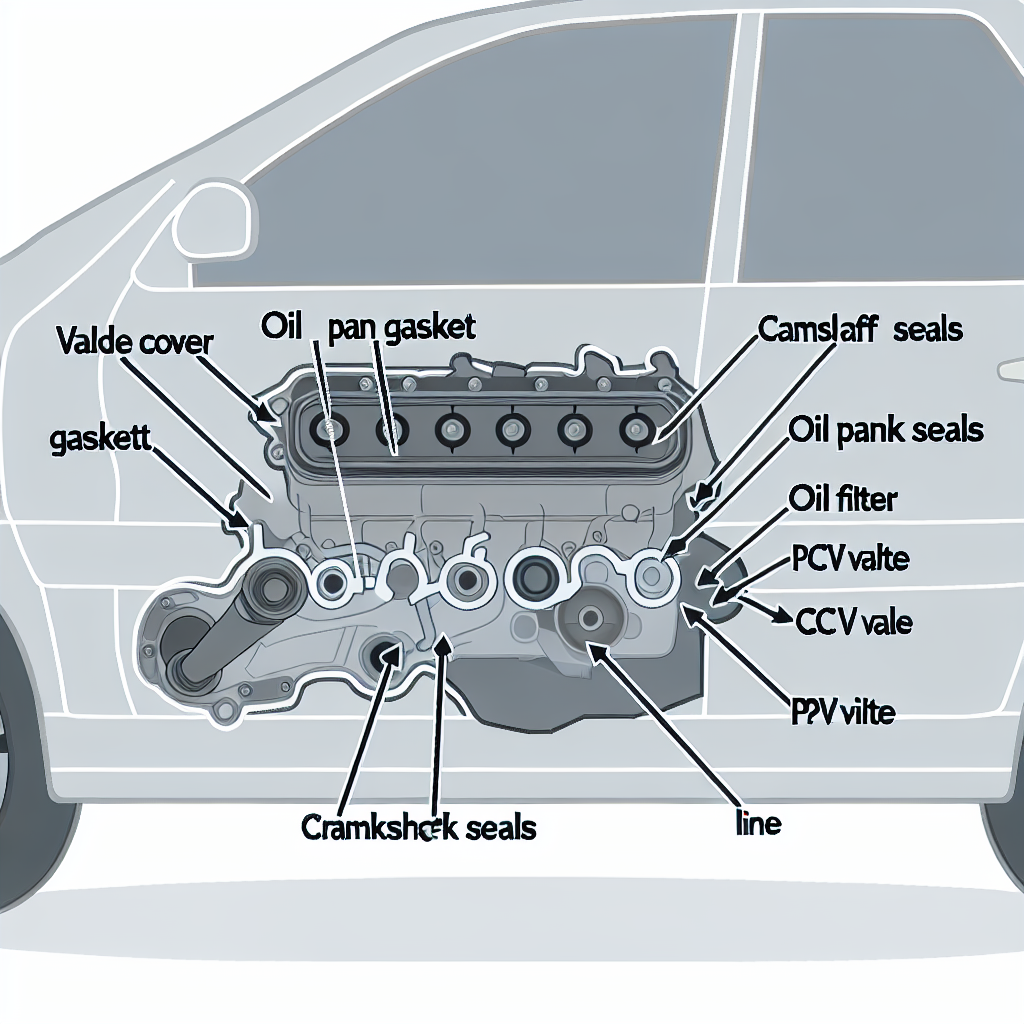
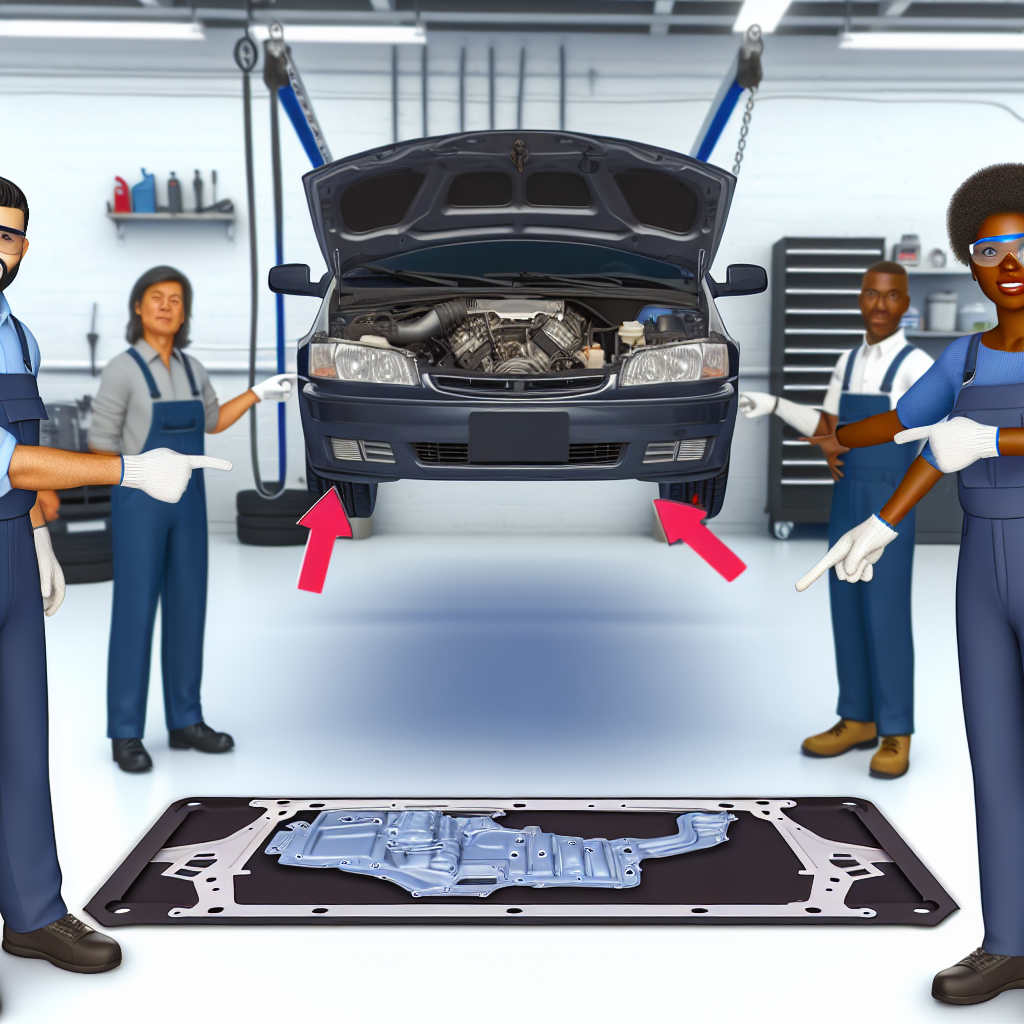
- Gasket Failures: One of the most prevalent causes of oil leaks is the failure of various gaskets in the engine. The valve cover gasket is particularly prone to wear and tear. As it ages, it may start to crack or become less effective at sealing, leading to oil seeping out. Similarly, the oil pan gasket, which secures the oil pan to the engine block, is susceptible to degradation. Oil pan gasket leaks can often appear as puddles of oil underneath the vehicle.
- Seal Problems: Crankshaft seals and camshaft seals are two components that also commonly contribute to oil leakage. These seals can deteriorate over time, especially if the engine has high mileage. When these seals fail, oil can leak out, leading to significant oil loss over time. The rear main seal, in particular, is critical as it seals the engine oil from leaking into the transmission area.
- Oil Filter Issues: An improperly installed or damaged oil filter can cause leaks as well. It’s essential to ensure that the oil filter is properly tightened and that the rubber gasket is intact to prevent oil from escaping.
- Clogged PCV Valve: A clogged Positive Crankcase Ventilation (PCV) valve can lead to an increase in pressure in the crankcase, which in turn can cause oil to leak from seals and gaskets.
- Oil Cooler Line Leaks: In some vehicles, the oil cooler lines can develop leaks, especially when subjected to extreme temperatures or corrosion from the elements.
Maintenance Tips
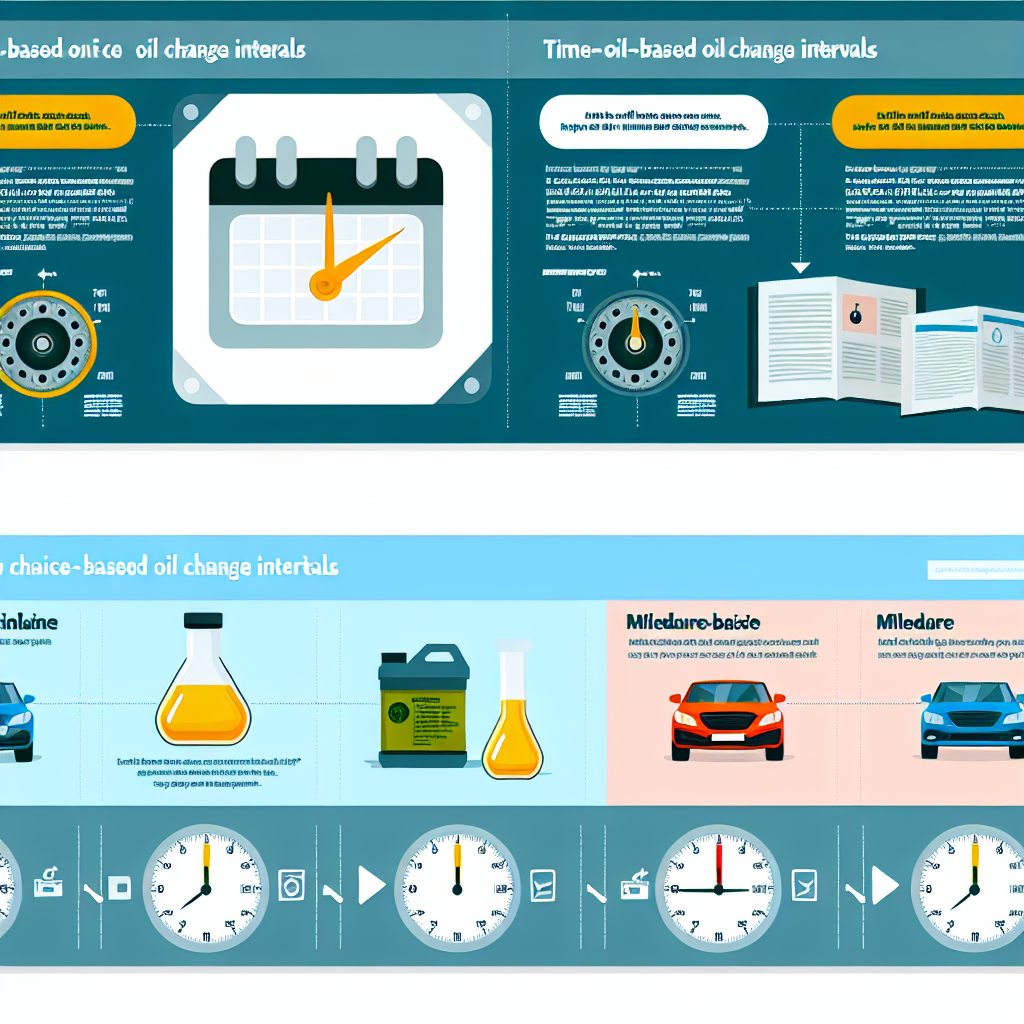
To prevent oil leaks, regular maintenance is crucial. Change your oil regularly, adhering to the recommended intervals provided by your vehicle manufacturer. Inspect engine gaskets and seals periodically and replace them as needed, ideally every 60,000 to 100,000 miles. Avoiding harsh driving conditions can also prolong the life of these components. Recent data indicates that over 60% of oil leaks originate from gaskets and seals over five years old, reinforcing the necessity of diligent maintenance (MotorTrend).
Routinely checking these smaller components can save drivers from facing hefty repairs down the line. For more comprehensive insights, refer to articles from Car and Driver and J.D. Power for detailed diagnostics and further preventive measures against oil leaks.
User Testimonials on Car Oil Leaks
User testimonials provide valuable insights into the real-world experiences of car owners dealing with oil leaks. These accounts highlight the importance of preventative measures, the spectrum of repair experiences, and the potential costs associated with addressing leaks.
Preventative Measures
Many car owners emphasize the significance of regular maintenance to prevent oil leaks. Frequent oil changes using high-quality oil filters can significantly reduce the risk of leaks. Users from the Car Bibles forum agree that neglecting minor leaks can lead to greater issues down the line. It’s recommended to perform regular checks on gaskets and seals, particularly in older vehicles, to catch potential problems early.
Repair Experiences
When it comes to repairing oil leaks, car owners report a mix of DIY attempts and professional services. Minor leaks, often associated with valve cover gaskets or oil filters, can sometimes be resolved with stop-leak additives as shared in the Mechanic Advice Forums. However, severe leaks generally necessitate a more thorough approach, including gasket replacements and sometimes high-cost repairs, with expenses ranging from $200 for minor fixes to over $1,000 for more extensive engine work.
Costs and Recommendations
Further, testimonials indicate that proactive maintenance can mitigate the potential for costly repairs. Users suggest monitoring oil levels weekly, especially in high-mileage cars, as leaks are often due to worn piston rings or seals. They advocate for consulting trusted mechanics for accurate diagnostics and emphasize the importance of addressing leaks promptly to avoid catastrophic engine failure, drawing from experiences on AutoBlog.
Emotional Insights from Real Users
- The Dread of Discovery: A user shared their feelings upon discovering an oil leak: “It’s like watching money drip out from your car. Every time I see a new spot on the driveway, my heart sinks. I keep putting off the repair because I’m terrified of what it might cost, but the constant worry is its own kind of torture.”
- Betrayal and Pride: An owner of a vintage car expressed, “I’d just finished restoring her. Seeing that dark puddle underneath felt like a betrayal. This car was my pride and joy, and now it’s bleeding out right in my garage.”
- Life Disruption: A college student lamented, “I’m living on ramen noodles, so when my beater Civic started marking its territory, I felt nauseous at the mechanic’s quote. My car should help me get to work, not send me to the poorhouse.”
- Familial Responsibilities: A minivan owner stated, “With three kids to chauffeur, the last thing I needed was another repair. The oil leak made me feel like I couldn’t trust my car for the daily commute and school runs. I even hid evidence from my husband like it was some family secret, which made me feel like a failure in maintaining our family car properly.”
These testimonials illustrate the emotional toll that oil leaks can take on car owners and emphasize the necessity for prompt maintenance and repairs.
Preventive Maintenance for Oil Leaks
Preventing oil leaks is a crucial aspect of maintaining your vehicle and ensuring optimal performance. Regular inspections play a pivotal role in identifying potential issues before they escalate into costly repairs.
As stated in an article by AAA Automotive, “Regular inspections are the first line of defense against oil leaks, which can lead to engine failure if untreated.” Alarmingly, statistics indicate that approximately 25% of engine failures stem from oil leaks or low oil levels. To avoid these situations, vehicle owners should adopt a series of proactive maintenance practices.
Monthly Oil Level Checks
Vehicle owners are encouraged to check their oil levels monthly. This simple practice can catch low oil levels before they lead to severe leakage or engine damage. Additionally, inspecting parking spots for dark spots can help in identifying leaks early.
Inspect Gaskets and Seals
Gaskets and seals can wear down over time, leading to oil leaks. Experts from Car and Driver recommend that during every oil change, you should inspect vital components such as valve cover gaskets, oil pans, and drain plugs. Addressing minor leaks at this stage can save vehicle owners from incurring $1,000+ in future repair costs.
Regular Maintenance Schedule
Adhering to a routine maintenance schedule is paramount. Common practices include changing the oil and oil filter as per the manufacturer’s recommendations and replacing aged seals and gaskets. NHTSA research shows that vehicles with inconsistent inspection schedules are three times more likely to develop significant oil leaks.
Address Issues Promptly
Overall, it is clear that prompt action regarding oil leak detection is essential. Ignoring minor leaks can lead to severe consequences, emphasizing the importance of established preventive measures. A study from the Automotive Service Association confirms that addressing potential issues early can significantly reduce overall repair expenses, highlighting that the average cost of ignoring leaks is approximately $850 compared to $150 for preventive measures.
Implementing these strategies not only promotes vehicle longevity but also ensures peace of mind on the road. Regular maintenance checks are invaluable in preserving the integrity of essential engine components, thereby reducing the likelihood of damaging oil leaks in the future.
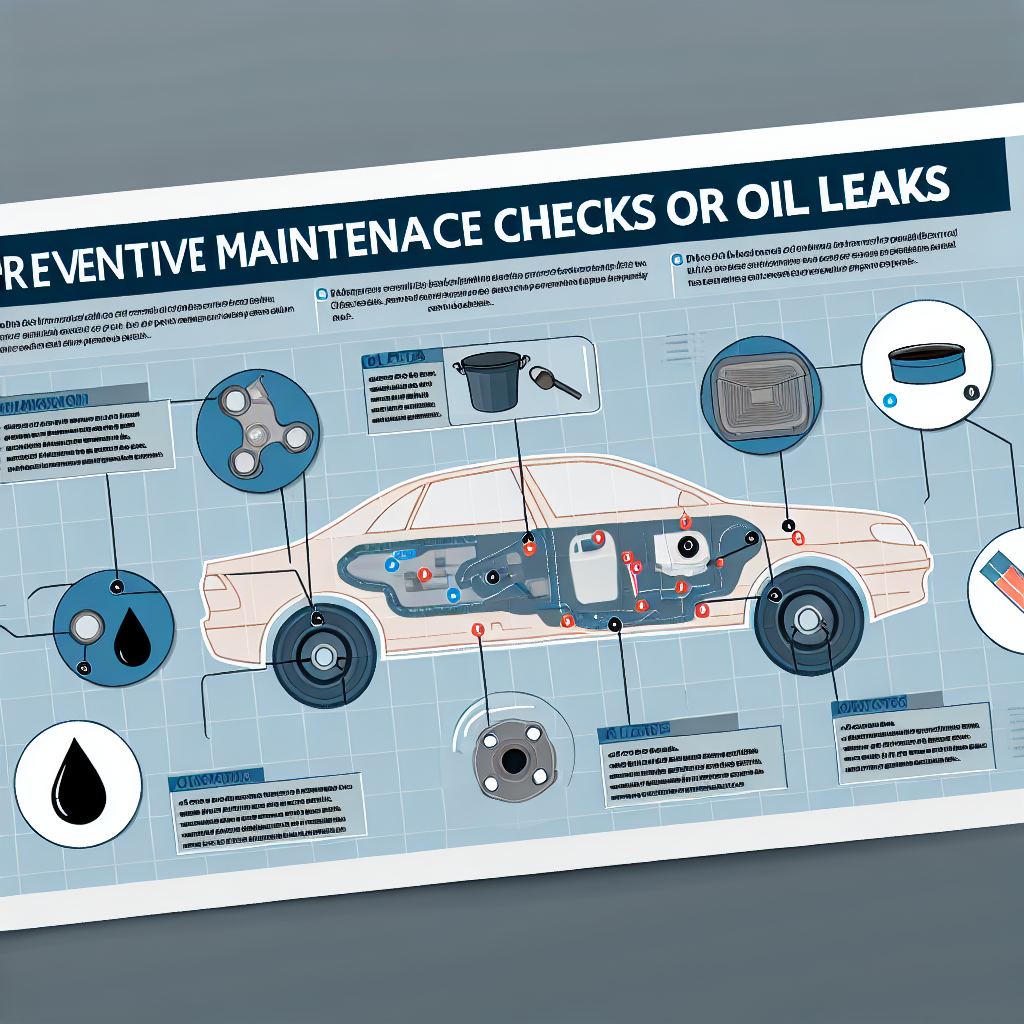
Further Reading
For further reading, check out the following authoritative articles that provide additional insights and tips on preventing oil leaks:
- Preventing Oil Leaks: Maintenance Tips and Best Practices by Machinery Lubrication
- How to Prevent Engine Oil Leaks: A Comprehensive Guide by Car and Driver
- Oil Leak Prevention: Methods and Maintenance Strategies by Reliabilityweb
Comparison Table: Symptoms of Car Oil Leaks vs Other Car Issues
| Symptoms | Car Oil Leaks | Other Car Issues |
|---|---|---|
| Oil Puddles on the Ground | Frequent, dark oil spots under the vehicle | May indicate coolant leaks or brake fluid leaks |
| Low Oil Levels | Often signify a leak in gaskets or seals | Could also be a sign of excessive oil consumption |
| Burning Oil Smell | Typically associated with oil dripping onto hot engine parts | Often linked to overheating engines or malfunctioning oil filters |
| Engine Overheating | Possible if oil levels drop too low | Common in issues related to coolant or radiator failure |
| Valve Cover Leaks | Usually means an issue with the valve cover gasket | Valve cover issues less common with other problems |
| Engine Noise | May result from insufficient lubrication due to leaks | Can indicate severe engine damage or other issues |
| Check Engine Light | Can be triggered by low oil levels or pressure | Can signal a variety of engine issues unrelated to oil |
| Excessive Exhaust Smoke | Rarely associated with oil leaks | Often a sign of major engine problems or coolant leaks |
This table helps to clarify the distinctions between symptoms of car oil leaks and other mechanical issues, enabling drivers to diagnose potential problems more effectively. Understanding these symptoms can help prioritize repairs and maintenance efforts.
Conclusion
In conclusion, car oil leaks are more than just an annoyance; they are clear indications of underlying problems that can jeopardize your vehicle’s performance and your peace of mind. With oil being the lifeblood of your engine, any leaks—no matter how small—should be addressed promptly to avoid escalating repairs and potential breakdowns.
We’ve explored the common causes behind oil leaks, including gasket failures and seal problems, as well as the implications of neglecting these issues. It is evident that practices such as regular inspections, timely oil changes, and checks of gaskets and seals can go a long way in preventing these leaks from developing into something much worse.
Moreover, the financial aspect cannot be overlooked; neglecting oil leaks can lead to costly repairs that could easily exceed the price of preventative maintenance. By committing to diligent vehicle care, you not only protect your investment but also ensure a smoother, more reliable driving experience. Regular maintenance checks should be considered essential; they are your first line of defense against the deterioration that can lead to oil leaks. Keep your engine healthy, and it will reward you with years of dependable service.
Preventative Measures Against Car Oil Leaks
To effectively address and prevent oil leaks, vehicle owners should adopt a series of proactive maintenance practices. Here are some recommended measures to keep your car in good condition and minimize the risk of oil leaks:
- Regular Oil and Filter Changes: Change your engine oil and replace the oil filter every 3,000 to 7,500 miles, depending on your vehicle manufacturer’s recommendations. Using high-quality oil can prevent sludge buildup, which is a common cause of leaks.
- Routine Inspections: Regularly inspect gaskets, seals, and the oil pan for any signs of wear or damage. Catching small issues early can save you from more extensive repairs down the line.
- Proper Installation: When performing maintenance, ensure that components such as filters and gaskets are installed correctly. Over-tightening oil filters or drain plugs can lead to damage and leaks.
- Monitor Gasket Conditions: Pay special attention to the condition of valve cover gaskets and oil pan gaskets. Replace them before they show significant wear to prevent leaks.
- Correct Oil Viscosity: Always use the oil viscosity recommended by your vehicle manufacturer. Using the wrong viscosity can increase pressure on seals and lead to leaks.
- Engine Component Checks: During routine service, inspect engine components for cracks or signs of deterioration, which can lead to oil leaks.
- Avoid Aggressive Driving: Refrain from aggressive driving routines that can increase engine heat and pressure, leading to faster degradation of seals.
- Regular Professional Inspections: For older vehicles, regular professional inspections can identify potential leak sources, enabling preventative measures to be implemented before problems escalate.
- Detect Leaks Early: To help detect leaks early, park your car over a clean cardboard sheet. This can help you spot oil spots before they become significant leaks, enabling quick action.
Supporting Resources
For more detailed preventative tips and guidelines, check out articles from Jiffy Lube, YourMechanic, AutoZone, and Car and Driver.
Understanding Car Oil Leaks: An Essential Guide to Maintaining Your Vehicle’s Health
Identifying Common Causes of Car Oil Leaks and Their Impact on Performance
Insightful User Testimonials: Real Stories of Oil Leak Challenges and Solutions
Preventive Maintenance Strategies: Shielding Your Vehicle from Oil Leaks
Comparison Table: Recognizing Car Oil Leaks vs Other Car Troubles
Conclusion: Safeguarding Your Engine by Addressing Oil Leaks Promptly
Effective Preventative Measures Against Car Oil Leaks
Key Action Items for Preventing Oil Leaks and Maintaining Your Vehicle
- Regular Oil Changes: Change your engine oil and filter every 3,000 to 7,500 miles according to manufacturer recommendations.
- Check Oil Levels Monthly: Regularly monitor oil levels to detect drops that may indicate leaks before they escalate.
- Inspect Gaskets and Seals: Periodically inspect the valve cover and oil pan gaskets for signs of wear or damage. Replace as needed.
- Ensure Proper Installation: Confirm that all components, including oil filters and drain plugs, are installed correctly to prevent leaks.
- Use Correct Oil: Always use the oil type and viscosity recommended by your vehicle’s manufacturer to maintain proper seal integrity.
- Address Issues Promptly: If you notice any signs of oil leaks, such as puddles or low oil levels, address them immediately to avoid bigger problems.
- Monitor Driving Habits: Avoid aggressive driving and high RPMs that can stress engine seals and lead to leaks.
- Routine Professional Inspections: Schedule regular vehicle inspections with a trusted mechanic to catch potential issues early.
- Park Judiciously: Consider parking on a light-colored surface or cardboard to easily identify any oil spots that may indicate leaks.
Understanding Car Oil Leaks: An Essential Guide to Maintaining Your Vehicle’s Health
Identifying Common Causes of Car Oil Leaks and Their Impact on Performance
Common Causes of Car Oil Leaks
Car oil leaks are often the result of various underlying issues mainly associated with engine components. Understanding these common causes can help vehicle owners act swiftly and avoid larger problems down the road.
- Gasket Failures: One of the most prevalent causes of oil leaks is the failure of various gaskets in the engine. The valve cover gasket is particularly prone to wear and tear. As it ages, it may start to crack or become less effective at sealing, leading to oil seeping out. Similarly, the oil pan gasket, which secures the oil pan to the engine block, is susceptible to degradation. Oil pan gasket leaks can often appear as puddles of oil underneath the vehicle, often cited as car oil leak symptoms.
- Seal Problems: Crankshaft seals and camshaft seals are two components that also commonly contribute to oil leakage. These seals can deteriorate over time, especially if the engine has high mileage. When these seals fail, oil can leak out, leading to significant oil loss over time. The rear main seal, in particular, is critical as it seals the engine oil from leaking into the transmission area.
- Oil Filter Issues: An improperly installed or damaged oil filter can cause leaks as well. It’s essential to ensure that the oil filter is properly tightened and that the rubber gasket is intact to prevent oil from escaping.
- Clogged PCV Valve: A clogged Positive Crankcase Ventilation (PCV) valve can lead to an increase in pressure in the crankcase, which in turn can cause oil to leak from seals and gaskets.
- Oil Cooler Line Leaks: In some vehicles, the oil cooler lines can develop leaks, especially when subjected to extreme temperatures or corrosion from the elements.
Maintenance Tips for Engine Oil Maintenance
To prevent oil leaks, regular maintenance is crucial. Change your oil regularly, adhering to the recommended intervals provided by your vehicle manufacturer. Inspect engine gaskets and seals periodically and replace them as needed, ideally every 60,000 to 100,000 miles. Avoiding harsh driving conditions can also prolong the life of these components. Recent data indicates that over 60% of oil leaks originate from gaskets and seals over five years old, reinforcing the necessity of diligent maintenance (MotorTrend). Routinely checking these smaller components can save drivers from facing hefty repairs down the line.
For more comprehensive insights, refer to articles from Car and Driver and J.D. Power for detailed diagnostics and further preventive measures against oil leaks.
Insightful User Testimonials: Real Stories of Oil Leak Challenges and Solutions
User testimonials provide valuable insights into the real-world experiences of car owners dealing with oil leaks. These accounts highlight the importance of preventative measures, the spectrum of repair experiences, and the potential costs associated with addressing leaks.
Preventative Measures
Many car owners emphasize the significance of regular engine oil maintenance to prevent oil leaks. Frequent oil changes using high-quality oil filters can significantly reduce the risk of leaks. Users from the Car Bibles forum agree that neglecting minor leaks can lead to greater issues down the line. It’s recommended to perform regular checks on gaskets and seals, particularly in older vehicles, to catch potential problems early.
Repair Experiences
When it comes to repairing oil leaks, car owners report a mix of DIY attempts and professional services. Minor leaks, often associated with valve cover gaskets or oil filters, can sometimes be resolved with stop-leak additives as shared in the Mechanic Advice Forums. However, severe leaks generally necessitate a more thorough approach, including gasket replacements and sometimes high-cost repairs, with expenses ranging from $200 for minor fixes to over $1,000 for more extensive engine work.
Costs and Recommendations
Further, testimonials indicate that proactive maintenance can mitigate the potential for costly repairs. Users suggest monitoring oil levels weekly, especially in high-mileage cars, as leaks are often due to worn piston rings or seals. They advocate for consulting trusted mechanics for accurate diagnostics and emphasize the importance of addressing leaks promptly to avoid catastrophic engine failure, drawing from experiences on AutoBlog.
Preventative Maintenance Strategies: Shielding Your Vehicle from Oil Leaks
Preventing oil leaks is a crucial aspect of maintaining your vehicle and ensuring optimal performance. Regular inspections play a pivotal role in identifying potential issues before they escalate into costly repairs.
As stated in an article by AAA Automotive, “Regular inspections are the first line of defense against oil leaks, which can lead to engine failure if untreated.” Alarmingly, statistics indicate that approximately 25% of engine failures stem from oil leaks or low oil levels. To avoid these situations, vehicle owners should adopt a series of proactive maintenance practices related to engine oil maintenance.
Monthly Oil Level Checks
Vehicle owners are encouraged to check their oil levels monthly. This simple practice can catch low oil levels before they lead to severe leakage or engine damage. Additionally, inspecting parking spots for dark spots can help in identifying leaks early.
Inspect Gaskets and Seals
Gaskets and seals can wear down over time, leading to oil leaks. Experts from Car and Driver recommend that during every oil change, you should inspect vital components such as valve cover gaskets, oil pans, and drain plugs. Addressing minor leaks at this stage can save vehicle owners from incurring $1,000+ in future repair costs.
Regular Maintenance Schedule
Adhering to a routine maintenance schedule is paramount. Common practices include changing the oil and oil filter as per the manufacturer’s recommendations and replacing aged seals and gaskets. NHTSA research shows that vehicles with inconsistent inspection schedules are three times more likely to develop significant oil leaks.
Address Issues Promptly
Overall, it is clear that prompt action regarding oil leak detection is essential. Ignoring minor leaks can lead to severe consequences, emphasizing the importance of established preventive measures. A study from the Automotive Service Association confirms that addressing potential issues early can significantly reduce overall repair expenses, highlighting that the average cost of ignoring leaks is approximately $850 compared to $150 for preventive measures.
Implementing these strategies not only promotes vehicle longevity but also ensures peace of mind on the road. Regular maintenance checks are invaluable in preserving the integrity of essential engine components, thereby reducing the likelihood of damaging oil leaks in the future.
Comparison Table: Symptoms of Car Oil Leaks and Engine Oil Maintenance Issues
| Symptoms | Car Oil Leaks | Other Car Issues |
|---|---|---|
| Oil Puddles on the Ground | Frequent, dark oil spots under the vehicle | May indicate coolant leaks or brake fluid leaks |
| Low Oil Levels | Often signify a leak in gaskets or seals | Could also be a sign of excessive oil consumption |
| Burning Oil Smell | Typically associated with oil dripping onto hot engine parts | Often linked to overheating engines or malfunctioning oil filters |
| Engine Overheating | Possible if oil levels drop too low | Common in issues related to coolant or radiator failure |
| Valve Cover Leaks | Usually means an issue with the valve cover gasket | Valve cover issues less common with other problems |
| Engine Noise | May result from insufficient lubrication due to leaks | Can indicate severe engine damage or other issues |
| Check Engine Light | Can be triggered by low oil levels or pressure | Can signal a variety of engine issues unrelated to oil |
| Excessive Exhaust Smoke | Rarely associated with oil leaks | Often a sign of major engine problems or coolant leaks |
This table helps to clarify the distinctions between symptoms of car oil leaks and other mechanical issues, enabling drivers to diagnose potential problems more effectively. Understanding these symptoms can help prioritize repairs and maintenance efforts.
Conclusion: Safeguarding Your Engine by Addressing Oil Leaks Promptly
In conclusion, car oil leaks are more than just an annoyance; they are clear indications of underlying problems that can jeopardize your vehicle’s performance and your peace of mind. With oil being the lifeblood of your engine, any leaks—no matter how small—should be addressed promptly to avoid escalating repairs and potential breakdowns.
We’ve explored the common causes behind oil leaks, including gasket failures and seal problems, as well as the implications of neglecting these issues. It is evident that practices such as regular inspections, timely oil changes, and checks of gaskets and seals, are critical components of engine oil maintenance that can go a long way in preventing these leaks from developing into something much worse.
Moreover, the financial aspect cannot be overlooked; neglecting oil leaks can lead to costly repairs that could easily exceed the price of preventative maintenance. By committing to diligent vehicle care, you not only protect your investment but also ensure a smoother, more reliable driving experience. Regular maintenance checks should be considered essential; they are your first line of defense against the deterioration that can lead to oil leaks. Keep your engine healthy, and it will reward you with years of dependable service.
Effective Preventative Measures Against Car Oil Leaks
To effectively address and prevent oil leaks, vehicle owners should adopt a series of proactive maintenance practices related to engine oil maintenance. Here are recommended measures to keep your car in good condition and minimize the risk of oil leaks:
- Regular Oil and Filter Changes: Change your engine oil and replace the oil filter every 3,000 to 7,500 miles, depending on your vehicle manufacturer’s recommendations. Using high-quality oil can prevent sludge buildup, which is a common cause of leaks.
- Routine Inspections: Regularly inspect gaskets, seals, and the oil pan for any signs of wear or damage. Catching small issues early can save you from more extensive repairs down the line.
- Proper Installation: When performing maintenance, ensure that components such as filters and gaskets are installed correctly. Over-tightening oil filters or drain plugs can lead to damage and leaks.
- Monitor Gasket Conditions: Pay special attention to the condition of valve cover gaskets and oil pan gaskets. Replace them before they show significant wear to prevent leaks.
- Correct Oil Viscosity: Always use the oil viscosity recommended by your vehicle manufacturer. Using the wrong viscosity can increase pressure on seals and lead to leaks.
- Engine Component Checks: During routine service, inspect engine components for cracks or signs of deterioration, which can lead to oil leaks.
- Avoid Aggressive Driving: Refrain from aggressive driving routines that can increase engine heat and pressure, leading to faster degradation of seals.
- Regular Professional Inspections: For older vehicles, regular professional inspections can identify potential leak sources, enabling preventative measures to be implemented before problems escalate.
- Detect Leaks Early: To help detect leaks early, park your car over a clean cardboard sheet. This can help you spot oil spots before they become significant leaks, enabling quick action.
Supporting Resources
For more detailed preventative tips and guidelines, check out articles from Jiffy Lube, YourMechanic, AutoZone, and Car and Driver.