Vehicle Safety: The Importance of Brakes
When it comes to vehicle safety, brakes hold a position of paramount importance. They are the difference between a smooth stop and a potential disaster, making their upkeep non-negotiable. By adopting smart driving habits, such as gradual braking and anticipating stops, drivers can significantly extend the life of their brakes while ensuring effective performance. As Benjamin Gracias notes, “The best way to preserve your brakes is to use them as little as possible.” This wisdom encourages drivers to be proactive, not just reactive, in their approach to brake maintenance.
Moreover, understanding that the sounds your brakes make can indicate their health lays the foundation for diagnosing issues early. Whether it’s a subtle squeak or a disruptive grinding noise, these auditory clues can guide you in recognizing when your brakes need attention, enabling a longer-lasting and more effective braking system. In this article, we will explore various vehicle maintenance techniques and delve deeper into the significance of brake sound diagnosis, ensuring that you’re equipped with the knowledge to keep your braking system optimal.
Let’s delve deeper into both the habits that guard against wear and the sounds that signal a need for further inspection.
Understanding Brake Noises
Understanding the various sounds that your vehicle’s brakes can make is crucial for keeping them functioning well and ensuring safety. Here are common brake noises, what they usually mean, and what to do if you hear them.
1. Squeaking or Squealing Noise
- Description: A high-pitched noise that happens when you apply the brakes.
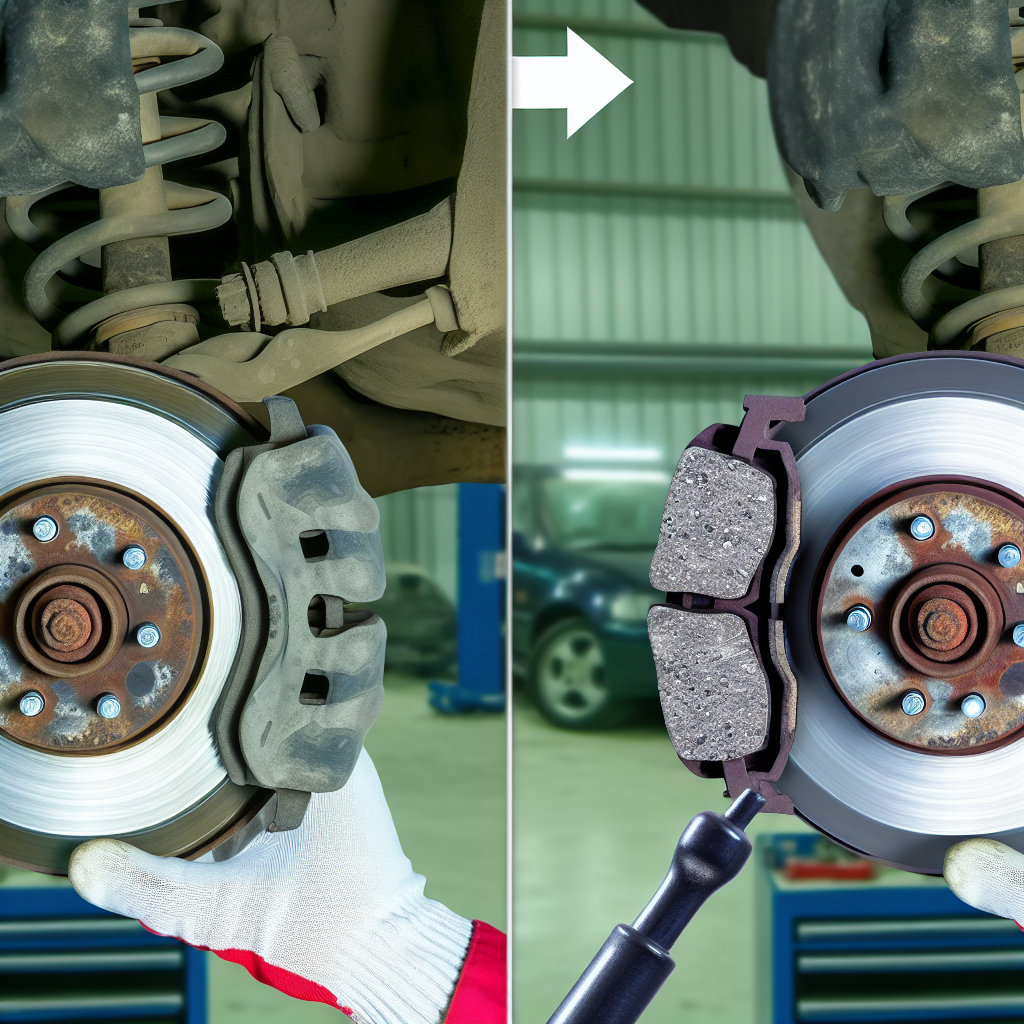
- Common Causes: This sound often comes from worn brake pads that have built-in indicators. When these pads wear down, the indicators touch the rotor and cause a squeal. Glazed brake pads or rotors, from overheating, can also create this sound. Additionally, moisture or rust can lead to temporary squeaks.
- Recommended Action: Check the brake pads. If they are worn, replace them to prevent damage to the rotor.
2. Grinding Noise
- Description: A harsh sound that occurs when you brake.
- Common Causes: Grinding usually means that the brake pads are completely worn out, letting the metal backing plate rub directly against the rotor. This can cause serious damage to the rotor. Small debris getting stuck between the rotor and pad can also cause grinding.
- Recommended Action: Stop driving immediately and replace the worn pads. Check the rotors for damage and resurface them if needed.
3. Thumping or Pulsing Noise
- Description: A rhythmic vibration or noise you feel in the brake pedal.
- Common Causes: This sound can happen if the rotors are warped, causing uneven contact with the brake pads. Loose hardware may also cause movement during braking.
- Recommended Action: Check the rotor for warping and secure any loose components. Resurface or replace the rotors as needed.
4. Clicking or Rattling Sound
- Description: A repetitive sound you hear when braking.
- Common Causes: This could be caused by loose brake parts or damaged clips. Worn suspension components might also create noise during braking.
- Recommended Action: Make sure all brake components are tightly secured and replace any broken parts.
5. Hissing or Sizzling Sound
- Description: A hissing noise when you press the brake pedal, often linked to the rear brake assembly.
- Common Causes: This sound may indicate a leak in the brake booster or overheating brake components.
- Recommended Action: Inspect vacuum hoses for leaks and check the booster for proper function.
Key Quotes on Brake Sounds
Benjamin Gracias points out, “Knowing these sounds will help you better diagnose specific brake issues and fix them before they lead to further damage or worse, brake failure.” Recognizing these sounds is essential for promptly addressing brake issues before they become serious problems.
Proactive Brake Care Tips
- Schedule regular brake inspections to monitor wear on pads and rotors.
- Use high-quality brake components to reduce noise and ensure effective braking.
- Drive carefully, employing gradual braking to extend the life of your brakes.
By being attentive to the sounds your brakes make and reacting quickly to any unusual noises, you can improve your vehicle’s braking performance and safety.
Prolonging Brake Life Through Smart Driving Habits
Practicing smart driving habits can have a significant impact on the longevity of your vehicle’s braking system. Here are key strategies that can help maintain optimal brake performance and extend their lifespan:
- Avoiding Hard Braking and Sudden Stops: Frequent abrupt stops impose excessive strain on brake pads and rotors, leading to quicker wear. By anticipating traffic flow and maintaining a safe following distance, drivers can decelerate gradually. This not only reduces stress on the braking system but also enhances road safety. According to Wills Auto Service, minimizing hard braking can lead to a considerable extension of brake life.
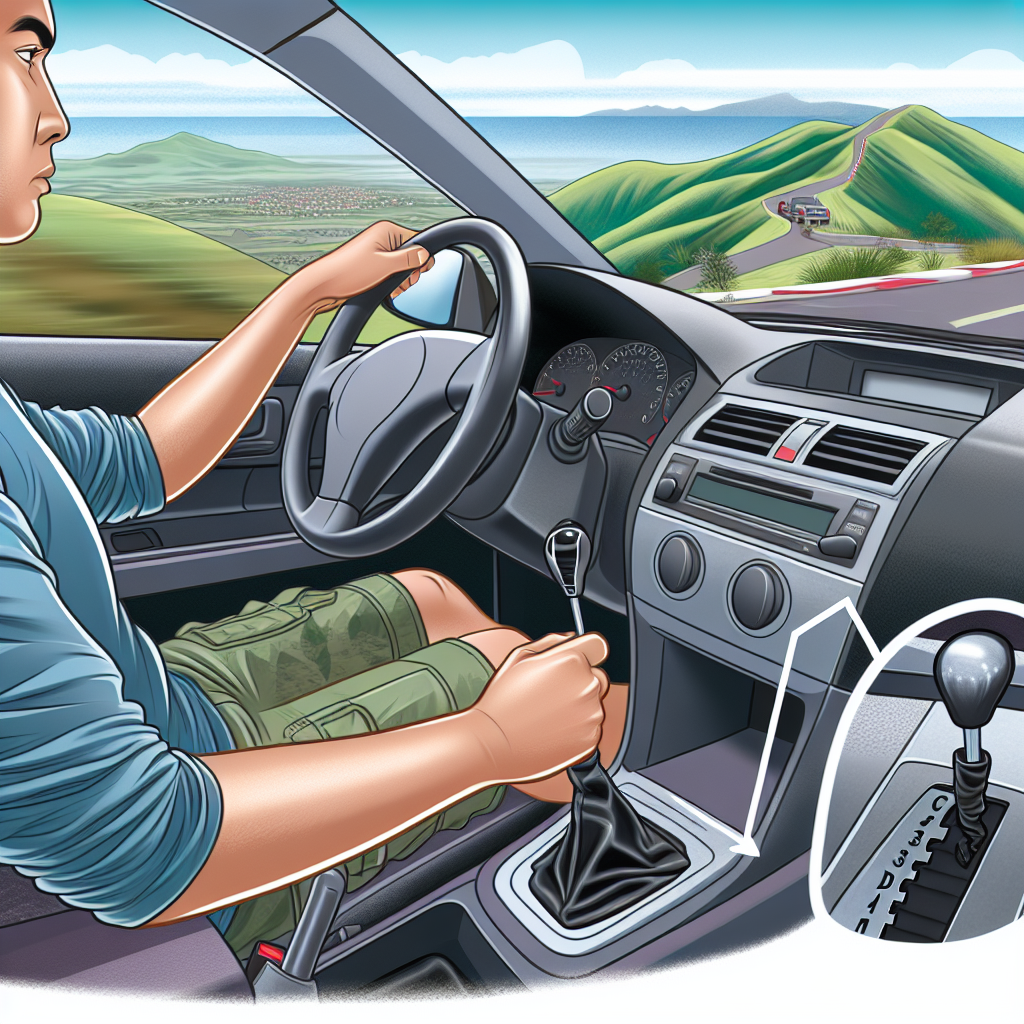
- Utilizing Engine Braking: Engine braking occurs when you downshift to lower gears rather than relying solely on the brake pedal for deceleration. This technique takes advantage of the engine’s resistance to slow down. It is particularly advantageous during downhill journeys as it reduces the heat generated through friction, thus lowering the risk of brake fade. As detailed by the RAC, engine braking not only prolongs brake life but also improves vehicle control.
- Maintaining a Safe Following Distance: Keeping an ample distance between vehicles allows for smoother stops and less reliance on brakes. This habit minimizes the likelihood of sudden stops and the associated wear on braking components. The importance of this practice is emphasized in articles by Varsani Brake Linings, highlighting how a proper following distance can contribute to extended brake life.
- Reducing Vehicle Load: Overloading your vehicle not only reduces fuel efficiency but also places additional strain on the brakes. By adhering to the manufacturer’s load recommendations, drivers can decrease brake wear, enhancing both performance and durability. Motor Biscuit suggests managing vehicle weight to optimize brake longevity.
By implementing these driving techniques, not only can you prolong the life of your vehicle’s brakes, but you’ll also contribute to safer driving practices and may see reduced maintenance costs over time. Embracing these habits leads to improved vehicle performance and safety—worth considering as part of any responsible driving approach.
| Brake Type | Sound Characteristics | Common Issues | Recommendations |
|---|---|---|---|
| Disc Brakes | Generally quieter; may produce a squeal due to worn pads or moisture. | Worn pads can lead to grinding noises; can warp over time. | Regular inspections for wear; replace pads promptly. Maintain the rotor’s surface. |
| Drum Brakes | More pronounced sound if worn; may thump or rattle. | Drum distortion can cause thumping; brake fade under heavy load. | Regularly check drum clearance; service shoes when worn. Ensure proper adjustment. |
Regular preventative maintenance of vehicle brakes is crucial for ensuring safety and prolonging the lifespan of brake components. Routine inspections help in the early detection of potential issues, preventing costly repairs and reducing the risk of brake failure.
Expert Recommendations on Preventative Brake Maintenance:
-
Regular Brake Inspections:
- Experts recommend having your brakes professionally inspected at least once a year or every 12,000 miles. Drivers who frequently navigate stop-and-go traffic, tow heavy loads, or drive in hilly regions should consider more frequent inspections to account for increased wear.
Source
- Experts recommend having your brakes professionally inspected at least once a year or every 12,000 miles. Drivers who frequently navigate stop-and-go traffic, tow heavy loads, or drive in hilly regions should consider more frequent inspections to account for increased wear.
-
Recognizing Warning Signs:
- Being attentive to specific sounds can aid in early diagnosis of brake issues:
- Squealing or Screeching Sounds: Often indicate worn-out brake pads that need replacement.
- Grinding Noises: Suggest metal-on-metal contact, which may damage your rotors.
- Vibrating Brake Pedal: Can signal warped rotors or uneven wear.
- Soft or Spongy Pedal Feel: May point to air in the brake lines or a hydraulic issue.
- Warning Lights: A brake warning light on your dashboard often means there’s an issue that needs immediate attention.
Source
- Being attentive to specific sounds can aid in early diagnosis of brake issues:
-
Sound Detection and Diagnosis:
- Advancements in technology have led to the development of systems like OtoMechanic, a web application that detects and diagnoses vehicle component issues based on their sounds. It compares a user’s recording of a problematic sound to a database of annotated sounds caused by failing automobile components, aiding in early detection and repair.
Source
- Advancements in technology have led to the development of systems like OtoMechanic, a web application that detects and diagnoses vehicle component issues based on their sounds. It compares a user’s recording of a problematic sound to a database of annotated sounds caused by failing automobile components, aiding in early detection and repair.
-
Preventing Brake Noise Through Proper Maintenance:
- Proactive care keeps brakes quiet and reliable.
- Regular Brake Inspections: Scheduled inspections catch problems early.
- Proper Driving Habits: Smooth, gradual braking reduces brake wear and heat generation compared to frequent hard stops.
- Quality Parts and Service: Investing in quality brake components ensures quiet operation, better performance, and longer service life.
Source
- Proactive care keeps brakes quiet and reliable.
By adhering to these expert recommendations, drivers can ensure their braking systems remain in optimal condition, enhancing vehicle safety and performance.
In summary, ensuring the longevity and effectiveness of your vehicle’s brakes hinges on a solid understanding of their condition, coupled with the implementation of smart driving habits and regular maintenance. The sounds emitted by your brakes serve as critical diagnostic tools, allowing you to detect issues early before they escalate into costly repairs or, even worse, brake failure.
As Benjamin Gracias poignantly stated, “Knowing these sounds will help you better diagnose specific brake issues and rectify them before they cause further damage or, worse, brake failure.”
Pairing this diagnostic awareness with proactive measures—such as avoiding hard braking, utilizing engine braking, and maintaining a safe following distance—can significantly extend the life of your brake system. Regular inspections and attentive driving not only foster safety but can also result in cost savings by reducing the frequency and scale of necessary repairs.
Adopting these smart driving habits, alongside a commitment to sound maintenance practices, will ensure that you prioritize safety on the road while enhancing the performance of your vehicle. The relationship between diagnostics and proactive behavior encapsulates a comprehensive approach to brake care—one that is essential for every driver.
Brake Sound Statistics and Importance
Understanding the implications of brake sound cues is essential for maintaining safety and performance in vehicles. Recent statistics shed light on this issue, emphasizing how crucial it is for drivers to heed the sounds their brakes make.
According to a survey conducted by Kal Tire, a significant 62% of drivers are aware of various sounds—such as squealing, squeaking, screeching, and grinding—that can indicate potential brake problems. These sounds should not be ignored, as they often serve as the first warning signs of underlying issues within the braking system. Alarmingly, many drivers fail to recognize more critical signs of malfunction, such as a flat brake pedal.
Ignoring brake noises can lead to dire consequences:
- Increased Stopping Distance: When components like brake pads or rotors are worn, the distance required to stop a vehicle can dramatically increase, which can escalate the risk of accidents. This is a serious concern, especially in urban settings where sudden stops are frequent.
- Damage to Brake Components: Failing to respond to initial warning sounds can result in further damage to vital brake parts, leading to expensive repairs. Prolonged neglect can exacerbate minor issues into serious safety hazards.
- Potential Brake Failure: In the worst-case scenarios, completely worn brake pads can lead to total brake failure, endangering the driver and others on the road.
Specific sound indications can guide preventive maintenance:
- A squealing or squeaking noise often points to worn brake pads or insufficient lubrication on caliper hardware.
- Grinding noises typically signify that the brake pads have worn down enough to allow metal-to-metal contact, which can damage the rotors.
- Vibrations or pulsing during braking may indicate warped rotors or uneven pad wear.
By being attentive to these auditory signals and conducting regular inspections, drivers can address brake issues before they escalate into major safety concerns, ultimately ensuring enhanced vehicle performance and safety.
Potential Dangers of Ignoring Brake Sounds
Neglecting the sounds that your brakes make can lead to disastrous consequences, emphasizing the critical need for regular brake maintenance. In the UK alone, between 2013 and 2018, defective brakes triggered 3,894 road accidents, resulting in 64 fatalities. A notable spike was observed in 2018 when there was a 67% increase in deaths associated with defective brakes, culminating in 15 tragic fatalities (Fleet News).
In the United States, the severity of this issue becomes even more pronounced. The National Highway Traffic Safety Administration reported that from 2005 to 2007, faulty brakes were involved in 10,000 critical accidents (Miller Weisbrod). Each year, an estimated 264,000 crashes are attributed to brake failure alone (Wellstrumbull). These statistics highlight the tangible risks associated with ignoring warning sounds, which often serve as the first signal of underlying brake issues.
A harrowing example of what can happen when brake sounds are disregarded is the 2018 Schoharie limousine crash in New York. A stretch limousine, known for previous brake issues, crashed with all 20 occupants losing their lives as a result. Investigations revealed that inadequate maintenance had led to a complete brake system failure (Wikipedia). This tragedy underscores the life-threatening potential of neglecting routine brake inspections and maintenance.
Common brake defects such as brake fade, which occurs after overheating, as well as ABS failures and fluid leaks, can all compromise vehicle safety. Moreover, inspection data indicates that 11.6% of commercial vehicles were taken out of service due to brake-related violations. This alarming statistic further reiterates the necessity of regular brake checks (Law Office of John Solis).
In essence, ignoring brake sounds is not merely an oversight; it can culminate in catastrophic accidents. Proactive listening to your brakes, coupled with timely maintenance, is essential for ensuring vehicle safety and protecting lives on the road.
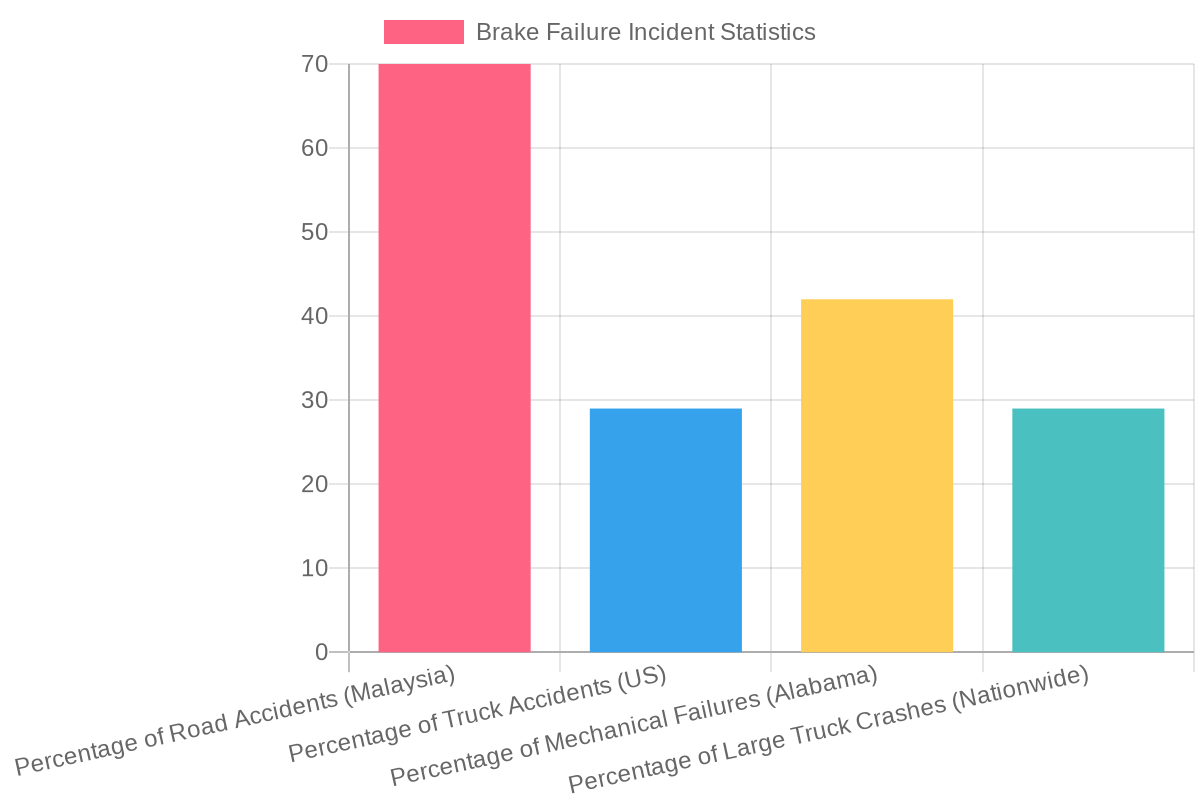
Brake Failure Statistics Graph
This graph illustrates the percentage of road accidents attributed to brake failure incidents associated with poor maintenance practices:
- Percentage of Road Accidents in Malaysia due to Mechanical Failure: 70%
- Percentage of Truck Accidents in the U.S. Involving Brake-Related Problems: 29%
- Percentage of Mechanical Failures in Car Accidents Attributed to Brake Defects in Alabama: 42%
- Percentage of Large Truck Crashes Nationwide Due to Brake-Related Problems: 29%
These statistics highlight the critical importance of regular brake maintenance in preventing accidents and ensuring vehicle safety.
Understanding these figures emphasizes the necessity for drivers to prioritize brake care and maintenance to avoid dire consequences related to brake failure.