The PCV valve (positive crankcase ventilation valve) plays a critical role in maintaining engine health and efficiency. It regulates the release of gases from the crankcase back into combustion, reducing harmful emissions and preventing unnecessary engine damage.
An effective PCV valve helps to minimize oil leaks, which can lead to costly repairs and interfere with the optimal function of other engine components, including catalytic converters. Additionally, a malfunctioning PCV valve can trigger the check engine light, serving as an early warning sign for drivers.
By ensuring the proper operation of the PCV valve, vehicle owners can enjoy improved fuel economy and extend the lifespan of their engine. Regular inspection, as suggested by automotive experts, is essential for preventing sludge formation and preserving the overall integrity of the engine.
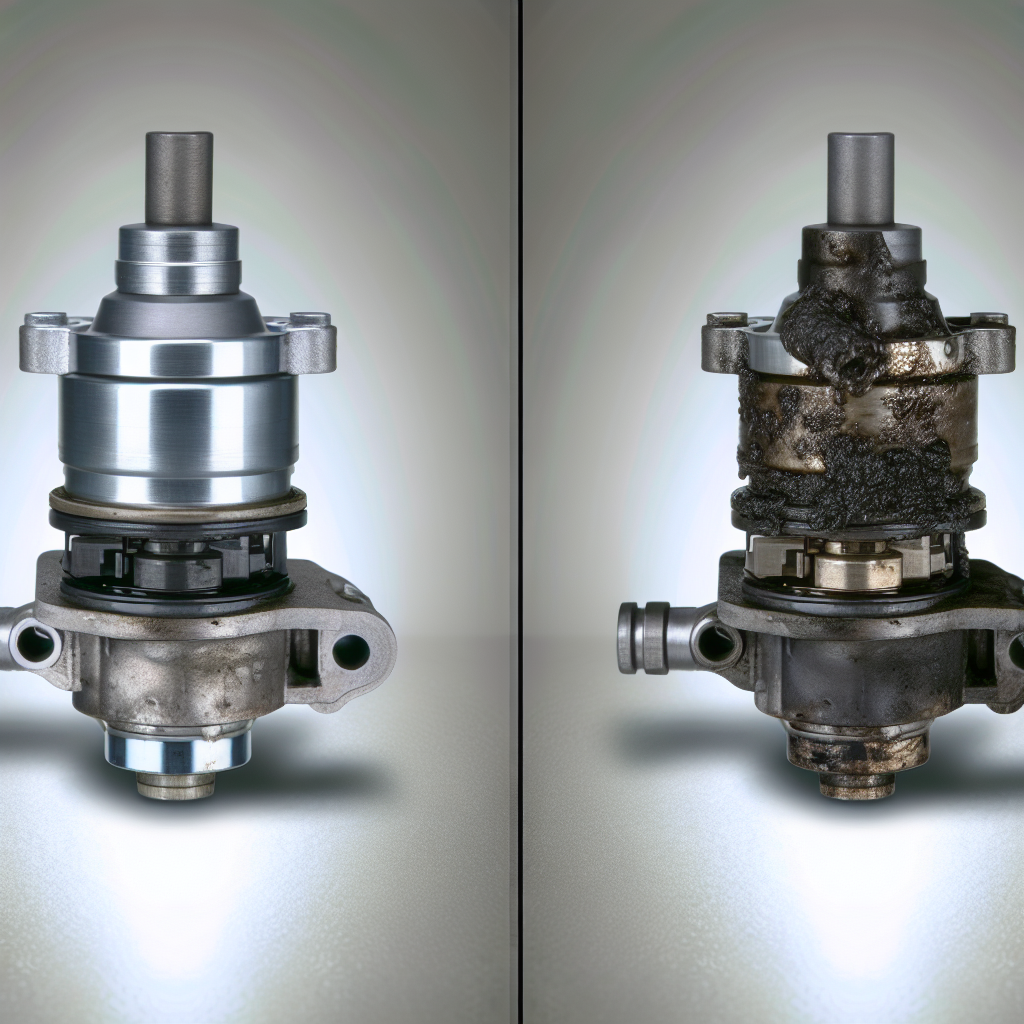
Consequences of Neglecting PCV Valve Maintenance
Neglecting PCV valve maintenance can have significant negative impacts on your vehicle. Here are the key consequences to be aware of:
- Potential Engine Damage: A malfunctioning PCV valve can lead to excessive pressure buildup in the crankcase. This can result in serious engine damage, including blown gaskets and seals, which can be costly to repair.
- Increased Oil Leaks: Neglecting the PCV system can lead to oil leaks since the pressure buildup may force oil out of its intended pathways. This problem not only leads to loss of engine oil but can also create a mess under the vehicle.
- Reduced Fuel Efficiency: A faulty PCV valve disrupts the air-fuel mixture in the engine, causing it to run inefficiently. This mismanagement can lead to poor fuel economy, requiring more frequent trips to the gas station.
- Sludge Formation: Failing to address PCV issues can cause oil to break down and form sludge. This sludge can clog the engine components, impacting performance and requiring intensive cleaning or replacement.
- Catalytic Converter Damage: A defective PCV valve can lead to unburned fuel and oil entering the combustion system, which can eventually damage the catalytic converter. Replacing this component can be very expensive.
- Check Engine Light Activation: Engaging a faulty PCV valve can trigger the check engine light, indicating that the vehicle requires immediate attention. Ignoring this warning can exacerbate existing issues.
In summary, regular inspection and maintenance of the PCV valve are crucial for a healthy engine and vehicle longevity. Neglecting this simple yet vital component can lead to extensive and costly repairs down the road.
| Vehicle Make | Average Cost ($) | Recommended Replacement Interval (Miles) |
|---|---|---|
| Toyota | 15 | 20,000 – 50,000 |
| Honda | 10 | 20,000 – 50,000 |
| Ford | 12 | 20,000 – 50,000 |
| Chevrolet | 14 | 20,000 – 50,000 |
| Nissan | 13 | 20,000 – 50,000 |
| Volkswagen | 12 | 20,000 – 50,000 |
| Subaru | 15 | 20,000 – 50,000 |
| Hyundai | 10 | 20,000 – 50,000 |
| Kia | 9 | 20,000 – 50,000 |
| BMW | 25 | 20,000 – 50,000 |
DIY Inspection and Maintenance Tips
Taking care of your PCV valve is a simple yet important maintenance task that helps keep your engine healthy. With a few practical steps, you can inspect, clean, or even replace your PCV valve right at home. Here’s how to go about it:
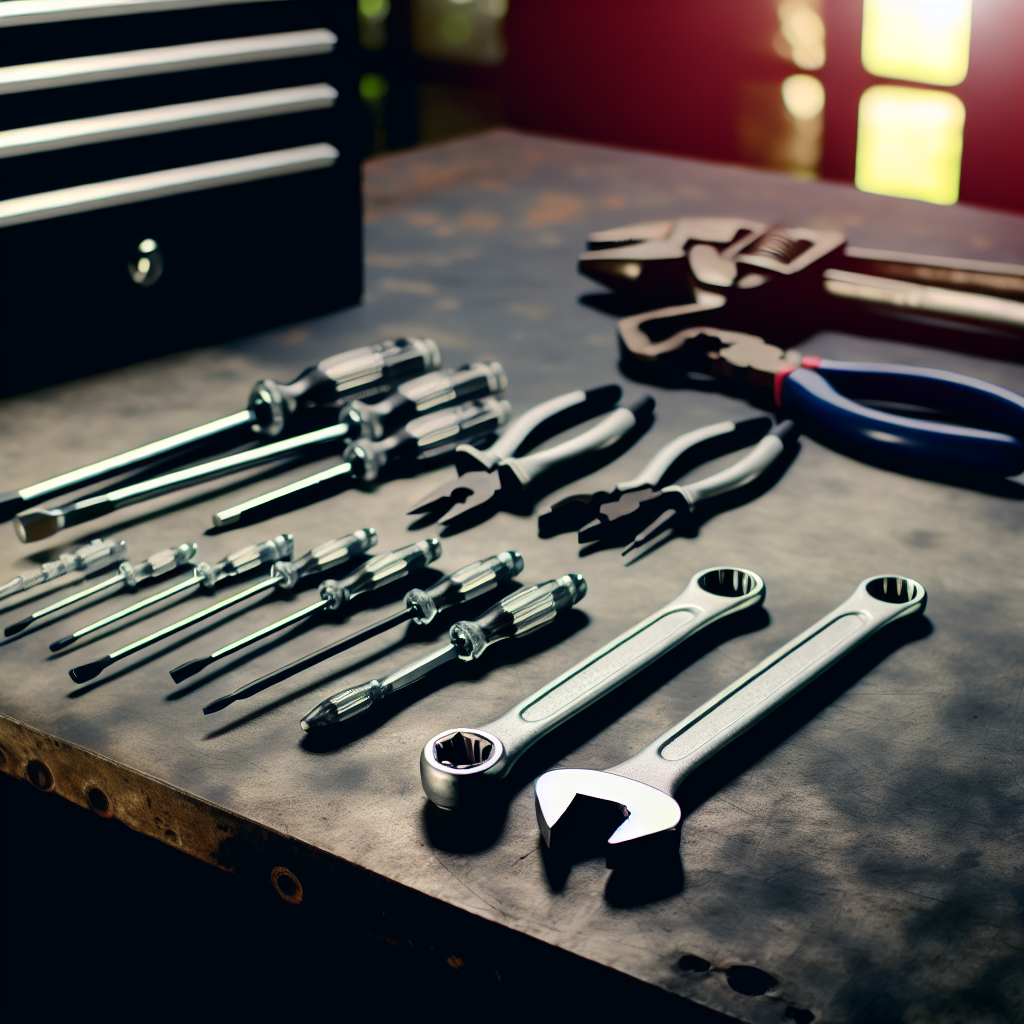
Step 1: Gather Your Tools
For this DIY project, you will need:
- A socket wrench set
- Pliers
- A clean cloth or rag
- Engine oil if needed
- Replacement PCV valve (if necessary)
Step 2: Locate the PCV Valve
The PCV valve is usually located on the engine block or intake manifold in most vehicles. You can refer to your owner’s manual for the exact location. Once found, ensure the engine is off and cool to avoid burns.
Step 3: Inspect the Valve
- Remove the PCV Valve: Use the socket wrench to unscrew and remove the PCV valve. Be careful not to damage any surrounding components.
- Check for Blockages: Look for any clogs or signs of sludge. A clear valve allows free airflow, while a blocked valve indicates it might need cleaning or replacing.
Step 4: Clean the PCV Valve (if applicable)
To clean the valve:
- Use a Cleaning Solution: Soak the valve in a mixture of vinegar and water or a dedicated engine cleaner for about 10-15 minutes. This helps to break down any sludge.
- Rinse and Dry: Rinse the valve with water, then dry it thoroughly with a clean rag to prevent moisture contamination when reinstalled.
Step 5: Reinstall or Replace
- Reinstall the Cleaned Valve: If the valve is in good condition, carefully reinsert it back in place and screw it back with the socket wrench.
- Replace if Necessary: Should you discover severe wear or damage during inspection, it’s best to replace the PCV valve. Ensure the new valve matches the old one to avoid compatibility issues.
Step 6: Run the Engine and Check
Start your vehicle and let it idle for a few minutes. Check for any unusual noises and watch for the Check Engine light, ensuring that the system is working smoothly.
Key Statistics and Facts about PCV Valve Replacement Frequency
The proper maintenance of the Positive Crankcase Ventilation (PCV) valve is essential for optimal engine performance and longevity. Below is a summary of the recommended inspection intervals, replacement frequencies, and associated costs:
Recommended Inspection and Replacement Intervals
- Inspection Frequency: It is advisable to inspect the PCV valve every 20,000 to 50,000 miles or during regular oil changes. This allows for the early detection of issues such as clogging or wear.
- Replacement Recommendations: Most automotive experts recommend replacing the PCV valve every 30,000 to 60,000 miles. This practice not only helps in preventing engine damage but also ensures that the vehicle runs efficiently over time.
Cost Ranges for PCV Valve Replacement
- Cost of PCV Valves: The price for a PCV valve can vary substantially based on vehicle make and model, ranging typically from $2 to $15 for a standalone valve. Integrated systems, which bundle the PCV valve within larger assemblies, can cost significantly more, sometimes exceeding $60 for the part alone.
- Labor Costs: Professional replacement can add $75 to $150 for simple PCV valves, while more complex integrated systems may incur labor charges rising to $200 to $500.
- DIY Costs: For vehicle owners opting for a DIY approach, the part cost usually ranges between $10 and $30 for standalone valves, offering a more budget-friendly option.
Consequences of Neglecting Maintenance
Neglecting PCV valve maintenance can lead to serious issues, including:
- Engine Damage: A malfunctioning PCV valve can cause excessive crankcase pressure, leading to damaged gaskets and seals.
- Increased Oil Leaks: Ineffective PCV systems can result in oil leaks, further complicating engine health.
- Poor Fuel Economy: An ineffective valve disrupts the air-fuel mixture, reducing fuel efficiency and increasing fuel consumption.
In summary, to ensure vehicle health and performance, regular PCV valve inspection, cleaning, and replacement are critical components of engine maintenance, generally occurring at 20,000 to 60,000-mile intervals, while costs can vary significantly depending on the complexity of your vehicle’s system.
In conclusion, the significance of maintaining a fully functioning PCV valve cannot be overstated when it comes to promoting overall engine health. A well-maintained PCV system helps prevent costly issues such as oil leaks, which can damage other vital components and lead to frustrating performance problems. Regular inspections of the PCV valve, ideally at intervals of 20,000 to 50,000 miles, allow for early detection and corrective measures that can save both time and money.
For vehicle owners looking to take control of their vehicle’s maintenance, many aspects of PCV valve care can be tackled as DIY projects. Simple steps, such as cleaning or replacing the valve, can lead to improved engine efficiency and longevity. By staying proactive and addressing potential issues with the PCV valve, you can ensure your engine runs smoothly and avoid the long-term consequences of neglect. Remember, when it comes to vehicle maintenance, an ounce of prevention is always worth a pound of cure.
In conclusion, the significance of maintaining a fully functioning PCV valve cannot be overstated when it comes to promoting overall engine health. A well-maintained PCV system helps prevent costly issues such as oil leaks, which can damage other vital components and lead to frustrating performance problems. Regular inspections of the PCV valve, ideally at intervals of 20,000 to 50,000 miles, allow for early detection and corrective measures that can save both time and money.
For vehicle owners looking to take control of their vehicle’s maintenance, including automotive maintenance tips, many aspects of PCV valve care can be tackled as DIY projects. Simple steps, such as cleaning or replacing the valve, can lead to improved engine efficiency and longevity. By staying proactive and addressing potential issues with the PCV valve, you can ensure your engine runs smoothly and avoid the long-term consequences of neglect. Remember, when it comes to vehicle maintenance, an ounce of prevention is always worth a pound of cure.
Quotes on the Importance of PCV Valve Maintenance
Incorporating insights from automotive professionals can significantly enhance understanding of the vital role a PCV valve plays in maintaining engine health. Here are some notable quotes:
- “The PCV valve is very important part of the engine that ensures that your engine will last long time.” – Auto Repair Guys
- “While the PCV valve doesn’t seem to play a significant role, neglecting it can lead to other issues that, in the long run, can affect your engine and vehicle’s overall performance.” – Kennedy Transmission
These remarks underscore why failing to maintain the PCV valve can lead to disastrous outcomes such as severe engine damage, increased oil leaks, and poor fuel efficiency. As noted by experts, “A tiny $15 part can turn into a $4,000 repair bill if ignored.” This dramatic financial escalation highlights the importance of regular maintenance and timely replacement.
Addressing these aspects proactively not only preserves vehicle performance but also enhances environmental compliance by managing emissions effectively.
User Experiences and Reviews on PCV Valve Replacements
User testimonials concerning PCV valve replacements present a spectrum of insights, highlighting the importance of this maintenance task and the varying experiences one may encounter. Here are the key themes observed based on user feedback:
Necessity and Cost-Effectiveness
Many users emphasize the necessity of regular PCV valve replacements as a preventative measure. A common sentiment is captured in the phrase, “I replace the PCV valve every 25K miles. No questions asked.” This proactive attitude stems from the understanding that neglecting this tiny component can lead to more severe engine issues. While the cost of a standalone PCV valve typically ranges from $10 to $30, professional labor can add another $50 to $100, leading to total expenses of around $100 to $220. Users have reported higher costs, particularly when misdiagnoses occur or when integrating systems significantly complicate repairs, leading to total bills reaching $1,800 in some unfortunate cases where a simple replacement triggered extensive repairs due to prior neglect.
DIY Experiences and Challenges
The consensus among DIY enthusiasts suggests that replacing the PCV valve is generally an easy task; many state, “This job requires virtually no mechanical ability.” Users report being able to complete the task in as little as 30 minutes, emphasizing how straightforward the process can be. However, challenges often arise, especially with older valves that may become brittle. Several users shared tales of the valve breaking during removal attempts, complicating a task that was supposed to be simple. Statements like, “It was stuck tight in the hole… The plastic flange fractured off” highlight the risks involved with older models. Additionally, some have encountered difficulty accessing specific valve locations, which can turn an ostensibly straightforward job into a frustrating experience for many.
Typical Outcomes and Recurring Issues
Successful replacements often result in considerable improvements to engine performance, such as the resolution of misfires and better fuel efficiency. Users have reported transformations in their vehicles post-replacement, sharing feedback like, “The car runs beautifully with the new valve.” However, not all outcomes are positive, as some have experienced ongoing issues even after replacement, often highlighting the need for proper diagnosis. Known vulnerabilities in certain makes and models, like BMW’s integrated PCV systems, point to the importance of understanding vehicle-specific challenges when contemplating valve replacement.
Overall, user experiences reflect a mixture of empowerment and caution, encouraging timely maintenance while also emphasizing the importance of ensuring correct diagnosis and installation. In light of user feedback, it’s clear that ignoring the PCV valve can lead to significantly larger engine issues down the road.
For additional insights, users can refer to credible sources such as Reddit discussions on PCV valves or the Honda Pilot thread discussing DIY risks.
Real-World Examples of PCV Valve Inspection and Replacement
To emphasize the significance of PCV valve maintenance, this section presents practical examples and case studies drawn from real-life experiences. These narratives illustrate the consequences of neglecting PCV valves and the benefits of timely inspections and replacements.
Successful DIY Maintenance Instances
-
Proactive Maintenance with Honda Pilot (2012, 60,000+ miles)
An owner of a 2012 Honda Pilot decided to undertake routine maintenance on their vehicle after hearing about potential PCV valve issues from online car forums. The owner adopted a proactive philosophy towards maintenance, consistently utilizing synthetic oil. During a DIY inspection, they discovered that the PCV valve was in excellent condition, thus avoiding potential future problems associated with a blocked valve. This experience reinforced their confidence in regular checks, demonstrating that preventive measures not only maintain vehicle performance but can also save costs associated with more serious repairs down the line.
-
Accessible Replacement and Cost Savings with Honda Civic (2009, 220,000 miles)
Facing escalating oil consumption and performance issues, a Civic owner opted for a DIY PCV valve replacement to sidestep a $300 professional labor charge. The PCV valve was conveniently located, making it accessible for replacement. After successfully swapping in a new valve, the owner noted improved engine performance and significant fuel savings. Their experience highlighted how DIY maintenance can be both economical and empowering for vehicle longevity.
Challenges Faced by Car Owners
-
Design Flaw with Chevrolet Cruze (2011-2016)
Many Chevrolet Cruze owners faced recurring issues attributed to a design flaw in the PCV system, resulting in symptoms such as erratic idling and diagnostic trouble codes. DIY enthusiasts who attempted to address the problem found that the system’s interconnected components complicated the repair. Multiple owners replaced just the valve cover to later discover they needed to address the intake manifold as well, escalating their repair costs and time commitment significantly. This case illustrated the necessity of thorough research before embarking on DIY fixes, as neglecting to address all interconnected issues can lead to further complications and expenses.
-
Inaccessibility of PCV Valve in Toyota RAV4
A Toyota RAV4 owner set out to replace the PCV valve based on scheduled maintenance. However, upon disassembly, they found that the valve was pressed into the cylinder head and required extensive disassembly of the engine components to access it. What began as a routine maintenance task quickly turned into a time-consuming ordeal. This experience stresses the importance of knowing your vehicle’s design before attempting maintenance, as complex systems can easily exhaust the effort put into a seemingly simple task.
-
Compatibility Issues in Volkswagen CC PCV Replacement
A Volkswagen CC owner discovered that their attempt to replace a faulty PCV valve with an incorrect part led to new problems in the vehicle’s performance. Because the part did not effectively regulate pressure within the crankcase, the owner was compelled to consult with a professional for further diagnosis, resulting in both delays and additional costs. This scenario exemplifies the challenges of ensuring part compatibility, especially in modern vehicles with intricate systems.
Conclusion
These examples underscore the importance of both timely maintenance and the complexities involved in PCV valve repairs. While many owners have successfully engaged in DIY repairs, particularly in simpler designs, challenges often arise in more complex vehicles. Furthermore, understanding the implications of neglecting the PCV valve can prevent costly repairs and extend the longevity of your vehicle. Ultimately, a thoughtful approach to car maintenance, encompassing both proactive inspections and thorough part knowledge, can lead to a more efficient and effective vehicle care strategy.
By sharing such user experiences, we can comprehend the substantial economic implications of maintaining critical components like the PCV valve and the potential pitfalls of neglect. Thus, staying informed and vigilant is key to ensuring smooth vehicle operation and longevity.
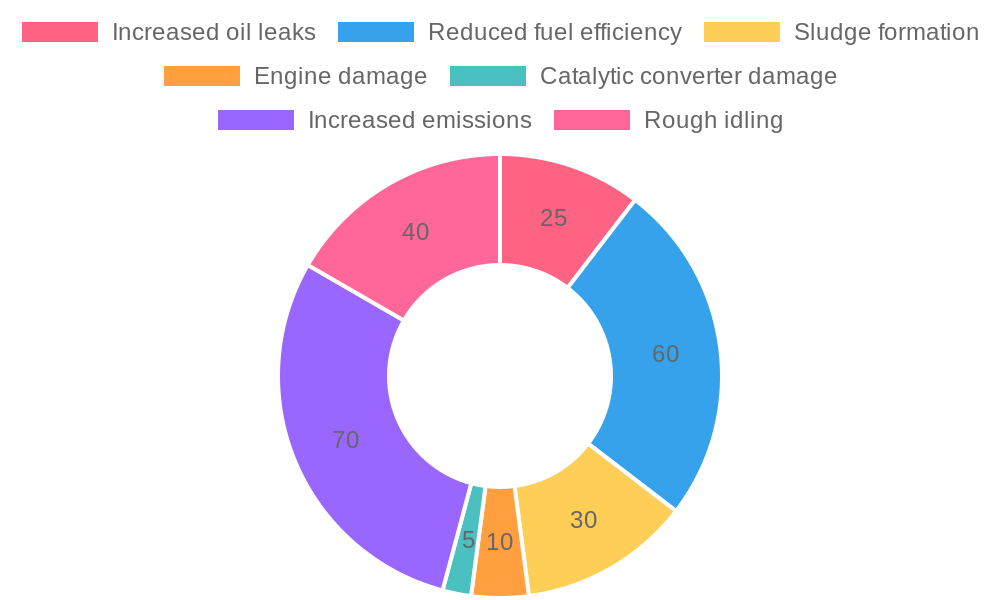
This interactive graph demonstrates the consequences of neglecting PCV valve maintenance, highlighting various impacts on engine health. The data reflects how neglect can lead to increased oil leaks, reduced fuel efficiency, sludge formation, and potential engine damage, emphasizing the importance of regular maintenance to avoid serious vehicle issues.
Recommendations and Further Reading on PCV Valve Maintenance
To enhance your knowledge and understanding of PCV valve maintenance, here are some recommended sources where you can find reliable information and experienced insights:
- Jalopnik provides a comprehensive overview of how bad a malfunctioning PCV valve can ruin your engine. Learn about the importance of regular inspections and replacements here.
- Yahoo Autos details the symptoms and impacts of a failing PCV valve, emphasizing the necessity of timely maintenance. Access their insights here.
- Automotive professionals have shared crucial insights on the PCV valve’s necessity. You can read more about it here.
- For practical testing methods to check your PCV valve, refer to various guides available on automotive forums, such as this one on how to test a PCV valve, detailing four test points and their significance here.
- Experienced users discuss symptoms and best practices associated with PCV valve maintenance on forums. Check out discussions and user feedback around common issues with PCV systems and tips on effectively managing them.
User Stories Related to PCV Valve Maintenance
Incorporating real user experiences enhances the emotional engagement and relatability of PCV valve maintenance stories. Here are some narratives that highlight the challenges and successes faced by vehicle owners in maintaining their PCV valves:
A Lesson Learned from Neglecting Maintenance
“After dealing with an oil leak for several months, I finally decided to investigate. I found out my PCV valve was completely clogged. Replacing it wasn’t difficult, yet it took me a while to realize the connection between that tiny component and the health of my engine. Since the replacement, my car runs like new, and I wish I had done it sooner.”
This story reminds us that neglecting seemingly minor components can lead to major issues, reinforcing the importance of regular checks.
The Joy of DIY Maintenance
“I leverage online resources for car maintenance, and replacing my PCV valve was a straightforward DIY task. I tackled it on a Saturday afternoon; for the price of a simple part, I avoided an expensive repair bill. It makes you feel accomplished when you can fix things by yourself, and I noticed improved performance immediately.”
Here, the satisfaction of DIY maintenance reflects a broader theme of empowerment among car enthusiasts.
Overcoming Challenges
“I attempted to replace my PCV valve, but it was stuck, and I ended up breaking the old one while trying to get it out. It was frustrating! But after a quick trip to the auto parts store for a new one, I successfully finished the job. It taught me to approach such tasks with more caution and prepare for possible setbacks.”
This user story highlights the challenges that can arise even in DIY tasks, stressing the importance of patience and preparedness.
Transformative Results
“After hearing strange noises from my engine, I decided to check the PCV valve. It was old and battered. After replacing it, not only did the noise disappear, but I also saw an improvement in fuel efficiency! I couldn’t believe such a small part could make such a difference.”
This narrative showcases the transformative impact of regular maintenance on vehicle performance, showcasing the direct benefits of caring for the PCV valve.
Collectively, these user stories serve to emphasize the critical role that proactive maintenance and timely replacements play in vehicle health. Each experience underscores a lesson—staying informed and engaged in the maintenance process not only fosters a deeper understanding of your vehicle but also ensures it runs smoothly over time.