Engine maintenance is often overlooked by vehicle owners, yet it is critical for prolonging your car’s life and enhancing performance. One key part of engine upkeep is engine degreasing and flushing. Effective engine degreasers, whether solvent-based or water-based, can help remove grime, sludge buildup, and other harmful contaminants from engine components.
“Nothing beats working on a clean engine bay during servicing.”
A clean engine not only runs more efficiently but also improves fuel economy and reduces emissions. Regular cleaning helps prevent risks like overheating and diminished performance. Additionally, understanding oil flushing techniques can give your vehicle a clean slate, ensuring vital lubricants perform effectively. In this article, we explore when and how to use engine degreasers effectively, emphasizing the importance of proactive maintenance for every vehicle owner.
“Nothing beats working on a clean engine bay during servicing.”
“Nothing says ‘gearhead’ more than a clean engine bay.”
| Method | Benefits | Drawbacks | Ideal Use Cases |
|---|---|---|---|
| Solvent-based |
|
|
|
| Water-based |
|
|
|
Benefits of Regular Engine Degreasing: Best Practices for Engine Cleaning
Regular engine degreasing offers numerous advantages that contribute to the longevity and efficiency of your vehicle’s engine. Here are some key benefits:
- Enhanced Performance: A clean engine runs more effectively. Removing accumulated grime allows engine components to operate smoothly, reducing friction and improving overall performance.
- Reduced Sludge Buildup: Over time, engines can accumulate sludge, which can hinder efficient oil flow. Regular degreasing minimizes this buildup, ensuring that oil circulates freely and provides adequate lubrication.
- Prolonged Engine Life: By keeping your engine clean and free of contaminants, you reduce wear and tear on engine components, potentially extending its lifespan significantly.
- Improved Fuel Efficiency: A well-maintained engine can lead to better fuel economy, as it does not have to work as hard to overcome the resistance caused by dirt and sludge.
- Reduced Risk of Overheating: A clean engine is less likely to overheat. Sludge buildup can trap heat, leading to a potential rise in engine temperature. Regular degreasing helps maintain optimal thermal management.
- Easier Detection of Leaks: A clean engine allows for better visibility of components, making it easier to spot fluid leaks and other issues that may arise over time.
- Positive Resale Value: Maintaining a clean engine can enhance the resale value of your vehicle. Potential buyers often check the engine condition; a degreased engine signals good maintenance practices.
Incorporating regular engine degreasing into your vehicle maintenance routine can lead to long-lasting benefits that improve both performance and reliability.
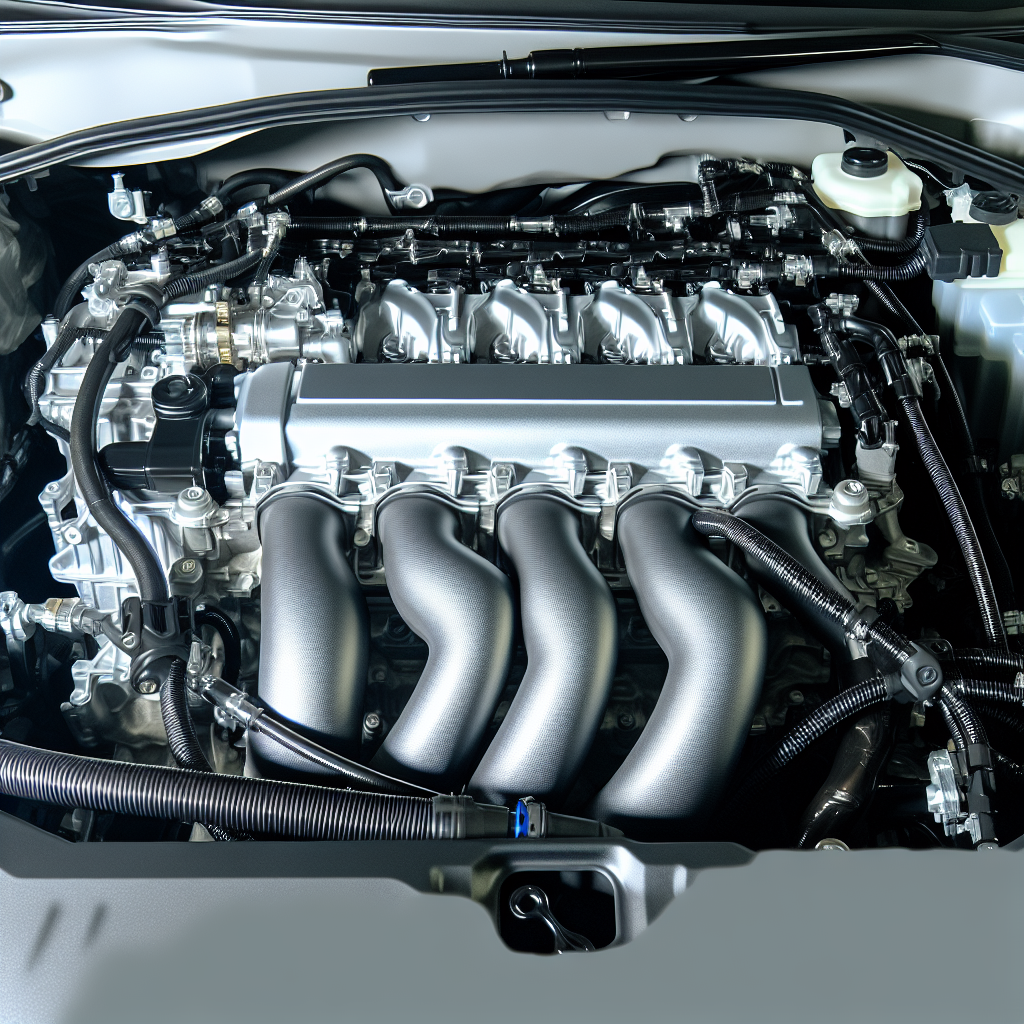
Image illustrating a clean engine bay, showcasing a well-maintained engine with shiny surfaces and organized components, highlighting the importance of engine maintenance.
User Adoption Data on Engine Degreasing and Flushing
Engine degreasing and flushing are pivotal for maintaining vehicle health, and recent statistics shed light on how frequently vehicle owners engage in these practices.
-
Frequency of Engine Flushing:
-
General Recommendations:
It is typically advised for most vehicles to undergo an engine flush every 30,000 to 60,000 miles. This helps maintain cleanliness and performance efficiency. Source
-
High-Mileage or Neglected Vehicles:
Those with higher mileage or a history of poor maintenance may benefit from more frequent flushing, roughly every 15,000 to 20,000 miles, to avert sludge buildup and optimize performance. Source
-
General Recommendations:
-
Growing Market Trends:
- The global engine flush market is forecasted to climb from approximately USD 1,824.2 million in 2025 to USD 2,785.6 million by 2035, reflecting a compound annual growth rate (CAGR) of 4.3%. Such growth illustrates escalating awareness around engine maintenance and the significant benefits of engine flushing. Source
- About 60% of vehicle owners are now conscious of engine flush products and their advantages, demonstrating an increased recognition of the necessity for regular engine care. Source
- Notably, sales of eco-friendly engine flush products have risen by 25% in the last three years, indicating a shift toward more environmentally respectful vehicle maintenance practices. Source
These statistics underline the importance of regular engine degreasing and flushing, not only in improving vehicle performance and longevity but also in fostering environmentally responsible maintenance practices.
Best Products for Engine Degreasing
When it comes to maintaining your vehicle’s engine, using effective degreasers is paramount. Here are two of the best products recommended for engine degreasing:
Valvoline Engine Oil System Cleaner
- Uses: Specifically formulated to remove sludge, varnish, and other contaminants from the internal engine components, this cleaner is compatible with both petrol and diesel engines, making it a versatile option.
-
Benefits:
- Effectively dissolves and disperses dirt and sludge deposits, ensuring cleaner engine internals.
- Helps prevent early contamination of new engine oil by removing residual sludge from previous oil changes.
- The application process is straightforward, requiring no specialized tools or extensive preparation.
- Recommendations: For best results, add the cleaner to the engine oil when at operating temperature, let the engine idle for at least 10 minutes, and follow up with an oil change to remove the contaminants.
Mighty VS7 Oil System Cleaner
- Uses: This petroleum-based formula efficiently dissolves sludge deposits, removes corrosion, gums, and varnish from the crankcase. It can work with all engine types and is particularly noted for its quick action.
-
Benefits:
- Unlike some other cleaners, it does not contain oil-thinning kerosene or mineral spirits, ensuring it promotes smoother engine performance without causing leaks.
- Starts working within just three minutes of application, making it a quick and efficient solution.
- Prepares the engine for a fresh oil change by eliminating harmful deposits that might hinder performance.
- Recommendations: Simply add the cleaner to the crankcase, let the engine run at idling speed for three minutes, then drain the oil and replace the filter before refilling with fresh oil.
Both the Valvoline Engine Oil System Cleaner and Mighty VS7 Oil System Cleaner provide reliable solutions for engine degreasing and help maintain engine performance over time. Regular use of these products can significantly extend the lifespan of your engine by eliminating harmful residues.
In conclusion, maintaining your vehicle’s engine is paramount for ensuring its longevity and optimal performance. Regular engine maintenance practices, particularly degreasing and flushing, play a vital role in preventing contaminants like sludge from accumulating and obstructing engine functions. By incorporating these practices into your routine, you can protect your engine from damage, enhance fuel efficiency, and improve overall drivability.
Engine degreasing not only revitalizes the internal components by providing a clean slate but also aids in early detection of potential leaks or issues that could arise. Flushing the system clears out old engine oil and debris, allowing new oil to flow freely and work effectively.
As vehicle owners, embracing these maintenance habits not only reflects a commitment to preserving the health of your vehicle but also ultimately saves you money on repairs and improves your driving experience. We encourage you to adopt these practices regularly to ensure that your engine runs smoothly for years to come. A clean engine is not just a matter of aesthetics; it’s an essential factor in vehicle performance.
Engine Maintenance Checklist
For vehicle owners committed to maintaining their engine’s health, here is a checklist that outlines steps for regular engine degreasing, flushing, and essential maintenance tips:
- Regular Engine Degreasing:
- Select the appropriate degreaser (solvent-based or water-based).
- Ensure the engine is cool before starting the cleaning process.
- Cover sensitive components (electrical parts, air intake) to prevent damage.
- Apply the degreaser, allowing it to sit as per the product instructions.
- Use a soft brush for stubborn grime and rinse thoroughly with water.
- Ensure the engine is dry before reinserting any covers or components.
- Engine Flushing:
- Check the owner’s manual for recommended flushing intervals.
- Use an engine oil system cleaner before the flush to remove buildup.
- Drain the old engine oil completely and replace with the recommended oil type.
- Run the engine briefly (5-10 minutes) to circulate the new oil, then drain again to remove residue.
- Replace the oil filter to ensure continued efficiency.
- Additional Maintenance Tips:
- Conduct a visual inspection of hoses, belts, and other components for wear and tear.
- Monitor oil levels regularly, topping off or changing oil as advised.
- Keep records of service dates and product usage for reference.
- Consider scheduling professional maintenance annually to ensure all aspects of the engine are addressed.
- Embrace eco-friendly products where possible to promote environmental sustainability.
Incorporating this checklist into your vehicle maintenance routine can greatly enhance your engine’s lifespan and efficiency, ensuring optimal performance for years to come.
As we explore the compelling benefits of regular engine degreasing, it becomes clear that these practices not only enhance performance but also contribute significantly to vehicular longevity and efficiency. The awareness of these advantages is crucial for vehicle owners, as understanding the positive impact of clean, well-maintained engines can drive better maintenance habits.
Consequently, we can observe an encouraging trend in user adoption for engine maintenance practices, highlighting statistical insights that underline the growing recognition among drivers about the importance of engine health. Let’s delve into the current landscape of engine degreasing and flushing practices as supported by recent user adoption data.
Product Comparison Table for Engine Degreasers
This table outlines some of the best products for engine degreasing, providing a side-by-side comparison of their features and ideal use cases to help you choose the right option for your vehicle maintenance needs.
Engine Degreasers Explained: What – There are a few different solutions you can use to remove sludge and other contaminants from your car’s engine, but soapy water should not be one of them.
Best Practices for Engine Degreasing and Flushing
Regularly cleaning your engine bay helps in identifying leaks, preventing component degradation, and improving overall aesthetics. Here are some recommended products:
- WD-40 Specialist Machine & Engine Degreaser Foaming Spray: Effectively removes grease and grime, suitable for various engines.
- Chemical Guys Signature Series Orange Degreaser: Citrus-based formula that tackles debris.
- Gunk Foamy Engine Brite Engine Cleaner: Safe for all engine components, no scrubbing required.
Importance of Regular Engine Maintenance
Regular maintenance enhances vehicle performance, improves fuel efficiency, and extends engine life, preventing costly repairs. For example, adhering to proper oil change protocols can prevent up to 85% of engine-related breakdowns (heavyvehicleinspection.com). With proper checks, you can improve gas mileage by up to 15% (speedwaymedia.com).
Statistics on Vehicle Maintenance Impact
According to FMCSA, motor carriers with maintenance issues face a 65% higher crash rate than average (fmcsa.dot.gov). Poor vehicle maintenance contributes to thousands of deaths annually (dontgethittwice.com). Regular checks of critical components, as highlighted by OSHA, can significantly reduce these risks (osha.gov).
Debunking Maintenance Myths
Many vehicle owners still have misconceptions about maintenance frequency and practices. For example, many think they need to change their oil every 3,000 miles, which isn’t applicable for modern vehicles (azbigmedia.com).
By addressing these components—using reputable products for engine cleaning, understanding the need for regular maintenance, and debunking myths—you can significantly enhance your vehicle’s performance and safety.