
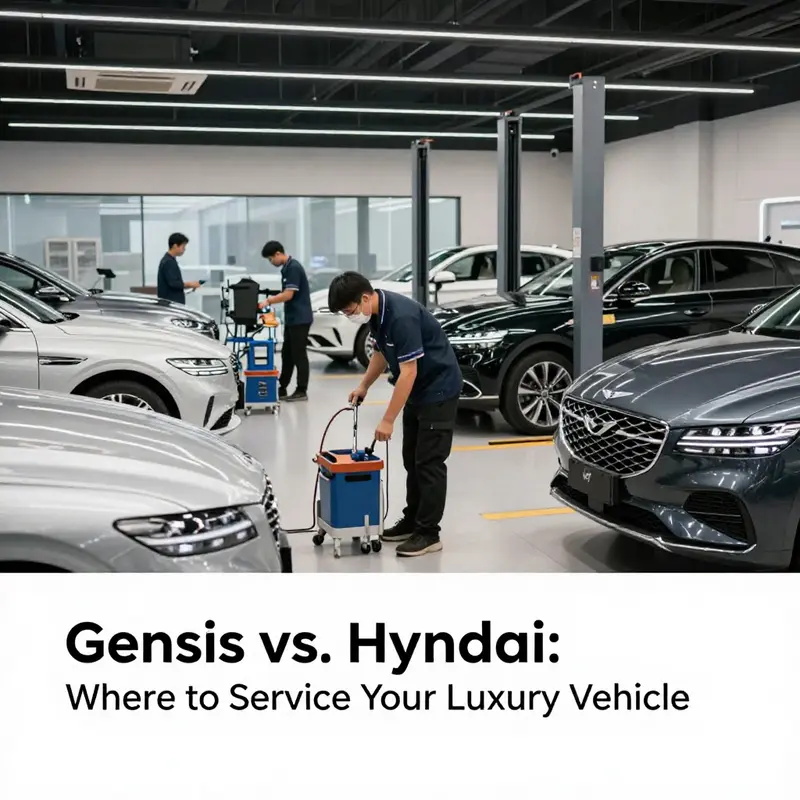
Understanding where to service your Genesis vehicle is essential for maintaining its luxury performance. Many potential Hyundai owners and Genesis enthusiasts may wonder if servicing a Genesis at a Hyundai dealership is feasible; however, the reality is that Genesis operates its own network of authorized service centers. This distinction is significant for local private car owners, used car buyers, and small business fleet operators looking for reliable service options. This article will explore the limitations of servicing Genesis vehicles at Hyundai dealerships, delving into the independent service network dedicated to Genesis, the unique offerings at authorized service centers, and the technology available to locate these specialized facilities. By the end of this discussion, readers will have a comprehensive understanding of the services available for Genesis owners and the best ways to access them.
Service Pathways Across the Brand Umbrella: Navigating Genesis Care Within Hyundai’s Network

When a luxury badge sits under the same corporate roof as a mainstream counterpart, owners naturally ask a simple, practical question: can these vehicles be serviced where they routinely shop for maintenance? In the case of the Genesis lineup—the luxury arm that shares lineage with a broader Hyundai Motor Group ecosystem—the answer unfolds as a nuanced yes, with important caveats. The landscape of service for Genesis vehicles is shaped by two intertwined realities. On one hand, Genesis operates its own, carefully curated network of authorized service centers. On the other hand, Hyundai dealerships—built to support a large family of vehicles that share platforms, components, and many service procedures—can perform substantial maintenance work on Genesis models. The tension between brand-specific care and cross-brand convenience is not a contradiction so much as a spectrum of service options, with different levels of expertise, tooling, and warranty considerations guiding the decision-making process for owners. This chapter aims to illuminate that spectrum, outlining where Hyundai service centers can step in, where they should not, and how Genesis owners can navigate the decision with confidence and clarity.
At the heart of the question lies a practical truth: many routine tasks that keep a modern car running smoothly are not tied to a single badge. Regular maintenance—oil and filter changes, tire rotations, brake inspections, fluid top-offs, and generic diagnostic scans—often rests on widely shared automotive engineering. Genesis and Hyundai models frequently inhabit this shared space. Service technicians at Hyundai dealerships commonly receive training that covers a broad portfolio of maintenance procedures, and they typically have access to standard consumables and parts that align with those used across the corporate family. Because of this alignment, Hyundai service centers can handle routine maintenance for Genesis vehicles efficiently and without significant downtime. The day-to-day grind—keeping the vehicle aligned, topped off, and running properly—can often be completed in the familiar setting of a local Hyundai service bay, where schedules may be more flexible and convenience easier for a customer with a busy life.
Yet this practical compatibility does not erase the fact that Genesis maintains its own dedicated service ecosystem for a reason. The Genesis brand sets customer expectations around a premium service experience—short wait times for appointments, highly trained technicians who understand the subtleties of Genesis design, and access to proprietary diagnostic tools and software that are calibrated to Genesis-specific systems. For many owners, the elevated expectations that accompany luxury ownership extend to the diagnostic and programming capabilities that underwrite advanced features—the kind of systems that can include sophisticated driver-assistance setups, connected services, and software calibrations tailored to Genesis hardware and software architecture. In this light, the Hyundai network can provide effective support for standard, non-Genesis-specific maintenance, but when a service truly hinges on the Genesis platform—repair work tied to Genesis software, calibration of Genesis-only systems, or warranty work that hinges on Genesis engineering data—there is a strong case for turning to a Genesis Authorized Service Center.
The distinction between routine, cross-brand service and brand-specific, Genesis-centered maintenance becomes clearer when we consider the scope of work that falls into each category. Routine maintenance—oil changes, tire rotations, brake fluid checks, transmission service intervals, and basic system diagnostics—tollows a predictable schedule and uses widely available parts and tools. In many cities, Hyundai technicians can perform these tasks with the same efficiency they apply to Hyundai-badged vehicles, thanks to shared platforms and familiar service procedures. The level of training at Hyundai dealerships often includes broad coverage of common powertrains and electronics found in both brands, which means the workflow, the turn-around time, and the cost of service can be more predictable for Genesis owners who want to keep a busy calendar intact. The alignment of service lanes here is practical: it reduces downtime, minimizes the friction of getting an appointment, and leverages the breadth of the Hyundai network to support Genesis owners in places where Genesis-only service centers might be geographically distant.
But when a service requires Genesis-specific expertise—whether a complex software update tied to Genesis Connected Services, calibration of advanced driver-assistance systems that use Genesis-tuned parameters, or any warranty service that hinges on Genesis diagnostics—the advantages of an authorized Genesis facility become clear. The proprietary diagnostic tools and software environments used by Genesis technicians are designed to interface with Genesis control units, configurations, and calibration records in ways that standard Hyundai equipment may not replicate precisely. Even when the same hardware might exist in a Hyundai workshop, the access rights, software licensing, and calibration libraries can be restricted to Genesis centers. In such scenarios, attempting to perform the work at a Hyundai dealership could compromise the quality of the repair, the accuracy of the diagnostics, or the integrity of the warranty terms. For owners, this translates into a straightforward decision tree: if the service involves Genesis-specific features, warranties, or software calibrations, the most reliable path is an authorized Genesis center. If not, Hyundai can be a convenient and competent option for the basics, especially when time or proximity matters.
A critical variable in this equation is warranty coverage. Genesis, as a luxury sub-brand, attaches its own warranty terms that reflect the brand’s service philosophy. While many routine maintenance items are covered under standard warranty terms regardless of where the service is performed, there are nuanced scenarios where the warranty conditions are contingent on service being performed by an authorized Genesis facility or by technicians who have Genesis-certified qualifications. The practical implication is simple: if you rely on the Genesis warranty to cover a repair or a malfunction, you want to ensure that the servicing pathway complies with Genesis’ warranty requirements. In some instances, having work completed at an unauthorized shop could complicate future warranty claims or lead to questions about coverage. Owners should verify the exact terms with Genesis and your local dealership, and when in doubt, opt for the Genesis service center for anything touching warranty coverage or Genesis-specific features. This approach protects the vehicle owner’s investment while preserving the brand experience that Genesis promises.
Beyond warranty and diagnostic considerations, the quality of the service experience itself matters. Premium ownership expectations extend to the hospitality, the communication cadence, and the predictability of service outcomes. Genesis Authorized Service Centers are designed to deliver a brand-consistent service journey: gracious facilities, loaner or courtesy car programs where available, and a service advisor who speaks the language of Genesis features, options, and maintenance plans. Hyundai dealerships, while they may not replicate every facet of the Genesis experience, are well-equipped to manage the essential maintenance workflow, often with flexible scheduling, part availability, and the broader technician workforce that supports multiple brands. For the owner, this dual-layered option can translate into real-world benefits: you can select the path that aligns with your immediate needs, whether that means the convenience and speed of a nearby Hyundai service center for routine tasks or the assured, Genesis-specific expertise for more intricate work.
This nuance also extends to the tools and diagnostics deployed in each setting. Hyundai service departments frequently rely on robust diagnostic platforms that span a wide range of makes and models. These platforms are excellent for routine fault finding, recalibrations that are not Genesis-specific, and the maintenance steps that keep your vehicle performing at peak levels. Genesis centers, however, bring a software and hardware toolbox calibrated to the Genesis architecture. They maintain an installed base of software versions, calibration data, and software APIs that are tailored to Genesis modules, enabling precise parameter adjustments and issue replication that can be elusive in a more generalized diagnostic environment. The difference may be subtle in day-to-day service, but for certain calibrations—especially those tied to the traction and dynamic control systems or to the latest connectivity and telematics features—the Genesis facility holds a tighter alignment with the brand’s engineering intent.
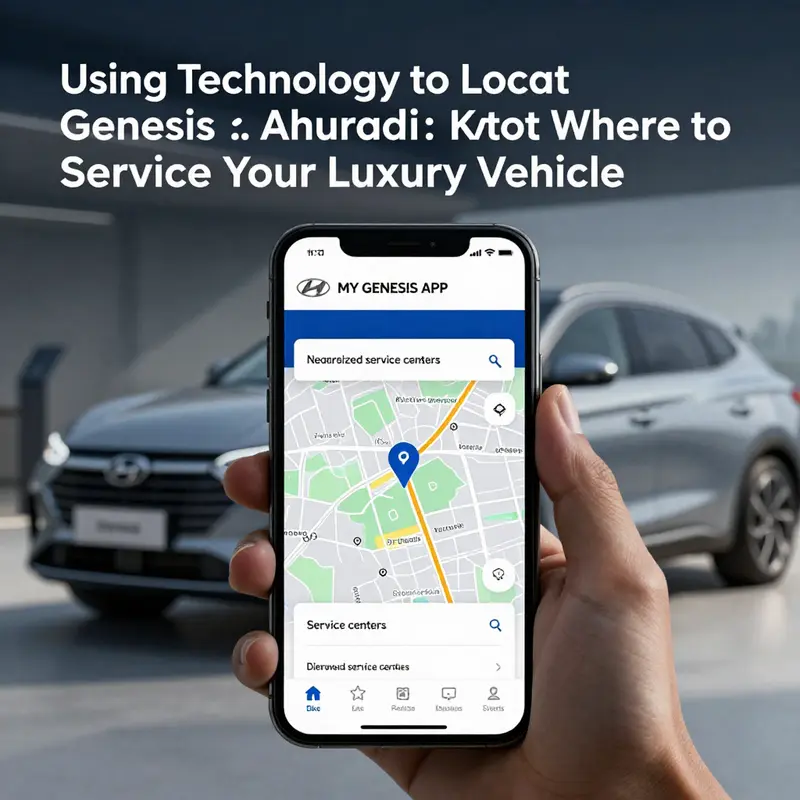
From a customer experience perspective, it is worth noting how owners navigate the decision. A pragmatic approach begins with defining the maintenance need. If it is a routine service item with no Genesis-only software or hardware calibration, a local Hyundai dealership can often meet the requirement with efficiency. If, however, the service involves any Genesis-specific feature, connection service, or software programming, booking an appointment with a Genesis Authorized Service Center should be the first choice. To make this process smoother, Genesis has embraced digital tools designed to help owners locate authorized centers and understand service options. The MY GENESIS app, for example, serves as a practical gateway to nearby Genesis service resources, appointment scheduling, and the trackable status of services. This digital touchpoint reinforces the brand’s commitment to a refined service journey and provides a clear signal when the vehicle’s needs align with Genesis-only expertise. For those who value flexibility, this blend of options—routine care at Hyundai centers and brand-specific service at Genesis centers—offers a pragmatic path to maintain the vehicle’s performance and its premium ownership promise.
There is also a geographic dimension to this discussion. Genesis Authorized Service Centers are not uniformly distributed in every city, and in some markets, a driver may find a Genesis center relatively close by, while in others, the nearest Genesis facility may be a longer drive away. Hyundai dealerships, with their more expansive footprint, often fill the gap by providing access to routine maintenance within a shorter radius. In places where Genesis centers align with luxury mobility attitudes—cities with high demand for premium service experiences—the owner may seek the Genesis path by preference, ensuring that the service narrative remains aligned with expectations for comfort, personalized care, and the precise handling of Genesis features. The availability question also loops back to a practical tool for owners: the official Genesis website and the Genesis Owner Support hub, which offer center locators and service guidance. When planning service, it is prudent to check both networks for the most efficient route to care, and to confirm hours, parts availability, and any labor-rate considerations that could influence decision-making.
Even with the best-laid plans, the realities of vehicle maintenance include moments of nuance that require clear communication. Owners should approach service providers with a concise description of the work needed and any prior service history, especially when the job might involve software updates or feature calibrations unique to Genesis. Calling ahead to confirm whether the requested service can be performed by the local Hyundai team, and whether they have Genesis-certified technicians or the necessary proprietary tools on hand, can save time and prevent miscommunications on the day of the appointment. If you are dealing with a more complex diagnostic issue, it is reasonable to request that a Genesis controller or a Genesis-trained technician review the issue or supervise the work, even if the initial intake occurs at a Hyundai facility. Clear expectations, a written estimate, and a documented service plan are the hallmarks of a well-managed maintenance journey across brand boundaries.
In contemplating the broader arc of service strategy, it is helpful to consider how this approach aligns with customer expectations for luxury ownership. A premium brand often signals a distinct level of care, with service experiences designed to mirror the vehicle’s elevated performance and craftsmanship. Yet consumers do not always live in markets where a Genesis center is just around the corner. The capacity for Hyundai dealerships to handle routine maintenance creates a practical advantage, reducing downtime and broadening access to skilled technicians who understand modern powertrains. The key is recognizing the different competencies each network brings to the table. The Hyundai option can be viewed as the everyday, reliable backbone for regular care, while the Genesis network serves as a specialist, ensuring that the vehicle’s most advanced systems are nurtured in an environment tuned to Genesis engineering and brand philosophy. Together, they form a complementary ecosystem that supports the owner across a spectrum of needs rather than a single, one-size-fits-all approach.
As owners, we also owe it to the vehicle and to ourselves to stay informed about the best practices for service. Reading official guidance from Genesis and staying aligned with the MY GENESIS app helps ensure that the chosen service path does not inadvertently compromise the vehicle’s performance or warranty posture. It is worth noting that this balanced path—leveraging Hyundai for routine, broad-based maintenance while reserving Genesis-specific work for authorized centers—reflects a thoughtful approach to resource use and ownership experience. The goal is to preserve the car’s performance envelope, protect the investment, and maintain the luxury experience that drew many owners to Genesis in the first place. For those who want to further explore practical tips and field-tested maintenance strategies that resonate with this balance, the KMZ Vehicle Center blog offers a reservoir of insights and real-world checklists that align with the realities described here. You can explore their practical maintenance guidance at the KMZ Vehicle Center blog.
If you crave official alignment and want to surface the guidance straight from the brand’s mouth, Genesis’ official owner resources contain the most definitive statements about where and how to service a Genesis vehicle. They emphasize the distinction between the dedicated Genesis service network and the broader Hyundai service ecosystem, while reinforcing that specialized care—especially for warranty-related or Genesis-specific features—benefits from Genesis-trained technicians and proprietary diagnostic capabilities. The official guidance confirms the general principle that routine tasks can be handled at Hyundai dealerships, but specialized work should ideally be performed at Genesis Authorized Service Centers to maintain the integrity of the Genesis platform and the fidelity of its warranty and software ecosystems. The conclusion owners may draw is pragmatic: keep the premium experiences in mind, choose the most appropriate service path for the task at hand, and use the available digital tools to locate the right facility in your area. This approach preserves both the vehicle’s performance and the luxury ownership experience that defines the Genesis brand.
In closing, the service pathways for Genesis vehicles reveal a practical, customer-centric architecture. Hyundai dealerships can and do handle the routine maintenance that keeps vehicles running smoothly, allowing owners in many regions to enjoy convenient access to skilled technicians without traveling far from home. For specialized work that hinges on Genesis-specific software and engineering, Genesis Authorized Service Centers remain the gold standard, ensuring that the brand’s flagship technologies are calibrated and validated by technicians trained and equipped specifically for Genesis. The structure is not about choosing one network over the other in a rigid sense; it is about recognizing the strengths each network brings to the table and using them intelligently to sustain the vehicle’s performance, luxury experience, and warranty protections over time. The result is a service ecosystem that respects the heritage of the Genesis brand while embracing the practical realities of ownership in a global automotive landscape. For ongoing, practical commentary on maintenance strategies and the realities of cross-brand servicing in modern markets, refer to the resources and insights shared through the KMZ Vehicle Center blog and stay aligned with official Genesis guidance through their owner support channels. For a direct view of the official Genesis support framework, consult Genesis Owner Support: https://www.genesis.com/us/en/owners/support/.
null
null
Within the Hyundai Family: Mapping Genesis Service, Support, and the Road to Premium Care
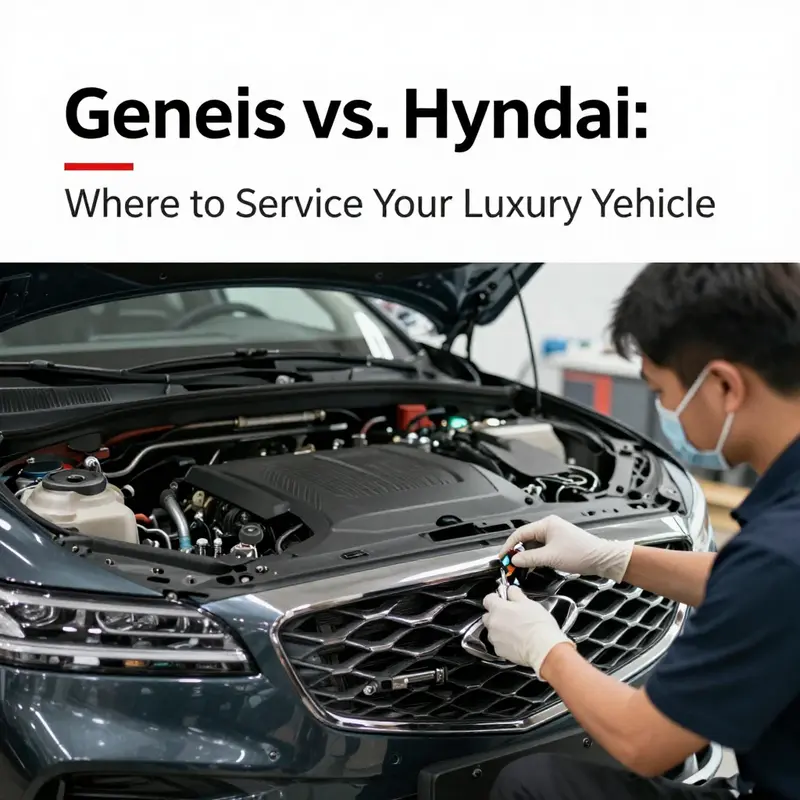
The question of whether Genesis vehicles can be serviced at Hyundai dealerships sits at the intersection of corporate structure, brand positioning, and a car owner’s practical expectations. In the Hyundai Motor Group, Genesis is treated as a distinct luxury line with its own design language, ownership experience, and, crucially, service network. This separation is deliberate. Genesis aims to preserve a premium standard of care that aligns with its refined brand promises, even as it sits under the larger corporate umbrella. The short answer is that Genesis vehicles are not serviced at Hyundai dealerships. Instead, Genesis maintains its own authorized service centers staffed by specialists who understand the unique engineering, software, and warranty commitments of Genesis models. This arrangement is not merely a matter of brand prestige; it is a logistical and service design choice intended to ensure consistent quality, transparent processes, and a customer experience that aligns with what Genesis buyers expect from a luxury marque. In practice, this means Genesis owners should plan around a Genesis Authorized Service Center when vehicle care is needed, whether for routine maintenance, warranty work, or more complex repairs. The result is a service ecosystem that is tightly aligned with the brand’s standards, even as it remains under the umbrella of a broader corporate family. The distinction matters because it shapes every conversation a Genesis owner has about scheduling, pickups, and the reassurance that a service procedure will honor both the warranty terms and the high expectations that accompany a luxury ownership experience. Genesis service centers are built to deliver more than rudimentary upkeep; they are designed to provide a holistic care journey that reassures owners during what can otherwise be a stressful experience. This is particularly important for customers who invest in a Genesis vehicle expecting bespoke service, clear communication, and a sense of arrival that mirrors the premium experience of the vehicle itself. The network structure also influences practical decisions about where to obtain service, how to manage time, and what kinds of mobility assistance are available during repairs. The practical implication for Genesis owners is straightforward: the right place to receive official Genesis service is within the Genesis Authorized Service Center network, not at Hyundai dealerships. The policy is clear in the official communications that accompany this brand separation: Genesis service is exclusive to Genesis centers, with trained Genesis Partners who bring a focused expertise to every maintenance visit. That distinction, in turn, helps Genesis maintain control over the quality of labor, the availability of genuine parts, and the alignment of service protocols with warranty terms. For owners, this translates into a more predictable and transparent service experience. The Genesis service ecosystem places a premium on clarity—about what the service will entail, how long it will take, what courtesy transport may be available, and how the status of a repair or maintenance visit will be communicated throughout the process. The objective is to minimize surprises and to maximize trust. At the heart of this trust is the Genesis Valet Service, a signature offering that underscores the brand’s emphasis on convenience and thoughtful customer care. The Valet Service is not a universal guarantee; rather, it is a service feature that is deployed where conditions permit it, and where local regulations allow its operation. The core idea is simple: a Genesis vehicle can be picked up from a location chosen by the owner—such as home or office—and delivered to a Genesis Authorized Service Center for warranty work or complimentary scheduled maintenance. When the repairs are complete, the vehicle is returned to the owner at a pre-arranged location and time, creating a seamless loop that minimizes disruption to daily life. This door-to-door approach is designed to reduce the friction often associated with vehicle maintenance, particularly when a premium vehicle deserves more than a standard service experience. The service partners who undertake this logistics-heavy task are specially trained, and their communications with customers are structured to provide ongoing updates. Real-time status messages, estimated completion times, and clear articulation of the next steps help to cultivate a sense of transparency and control for owners who may be juggling work, family, and a busy schedule. It is this emphasis on open communication that helps sustain confidence in the Genesis ownership journey. The existence of such a program, however, is not universal across all geographies. The availability of the Valet Service depends on the presence of an active Genesis Authorized Service Center within the customer’s city, as well as adherence to local traffic regulations and policies. When direct valet service encounters regulatory or logistical barriers, Genesis does not abandon the owner; instead, it may coordinate pickup and delivery through a partner chauffeur platform, acting on the customer’s behalf. This flexibility demonstrates a customer-centric approach designed to keep the service promise intact, even when local constraints require adaptive solutions. The broader set of complementary services—scheduled maintenance, warranty service, and courtesy cars—are similarly subject to regional availability. In regions where the Genesis service infrastructure is fully operational, owners can anticipate a comprehensive package that simplifies ownership: proactive maintenance scheduling, proactive warranty administration, and courtesy transportation during service periods. The aim is to keep Genesis owners in motion and minimize the downtime that accompanies vehicle service. And because the network is regional, customers should consult the Genesis Motor China ecosystem for the most accurate, up-to-date information regarding which services are available where and under what conditions. The official information, including the scope of services and any policy updates, is regularly refreshed to reflect changes in the service network, local regulations, and fleet considerations. For those who want a straightforward path to a nearby service center, the MY GENESIS APP is the practical tool designed to locate the nearest authorized location and to navigate appointment scheduling, status tracking, and maintenance history. The app-based approach aligns with the broader digital ambitions of Genesis, ensuring that owners can access service information, booking capabilities, and updates without needing to engage in uncertain or opaque exchanges with a dealer. The combination of a dedicated service network, the potential for door-to-door logistics, and a robust digital platform collectively reinforces the Genesis commitment to maintaining brand integrity through high-quality service experiences. Yet the reality of service access is not solely about having a nearby center. It is also about alignment between the vehicle’s requirements and the service provider’s capabilities. Genesis vehicles incorporate advanced engineering, bespoke software, and a warranty framework that reflects the luxury proposition of the brand. This means that work must be performed by technicians who understand Genesis specificities, from high-torque electric systems to finely tuned drivetrains, and who have access to the correct version of software updates and hardware parts. Hyundai dealers, while skilled in many areas, operate under a different brand service matrix which does not include the Genesis maintenance protocols or the same range of Genesis-specific parts. Consequently, the service experience for Genesis owners is distinct enough that attempting to service a Genesis vehicle at a non-Genesis location risks not only inconsistencies in maintenance outcomes but potential impacts on warranty coverage. This separation, therefore, becomes a practical safeguard for owners who expect a consistent standard of care. The policy also carries implications for travelers and owners who relocate or frequently commute between cities. If a Genesis Authorized Service Center does not exist in a customer’s city, the owner’s options may be more constrained than those in cities with full Genesis coverage. In such cases, the owner may need to plan trips to nearby cities with active centers or rely on the valet or pickup-delivery arrangements where available. The experience is designed to be friction-minimizing within the bounds of a Genesis-centric service network. Furthermore, the decision to maintain a separate Genesis service network within the Hyundai Motor Group is influenced by brand strategy. Genesis positions itself as a premium, luxury experience, and service is a central component of that luxury proposition. By maintaining an exclusive network, Genesis can tailor its service processes, lighting and ambiance in its centers, and the customer journey—from check-in to completion—so that it remains aligned with the high expectations of Genesis buyers. Customers are not simply paying for mechanical labor; they are investing in a relationship built on trust, predictability, and comfort. This is why the Genesis service ecosystem emphasizes transparency in communications, availability of valet-like pick-up options when permissible, and the assurance that genuine Genesis parts and trained technicians are used for every repair or maintenance task. It is also why the app and the official channels emphasize real-time updates, appointment windows, and post-service follow-ups. For readers who are curious about the mechanics of maintenance planning for a Genesis vehicle, it is helpful to anchor expectations in a practical framework that reflects how the brand structures its service promises. The maintenance conversation for Genesis vehicles often revolves around a balance between routine care and the specialized attention needed for more complex issues. Routine maintenance, typically including oil changes, tire rotations, brake inspections, and system checks, is designed to be efficient and predictable within the Genesis Authorized Service Center environment. The availability of complimentary scheduled maintenance highlights the brand’s commitment to long-term ownership satisfaction, rather than a one-off repair, and it plays a crucial role in preserving resale value and ensuring the vehicle operates in peak condition. When warranty service is required, owners can expect a streamlined process that prioritizes adherence to warranty terms and the correct application of warranty procedures. This is not simply about repairing a fault; it is about upholding a promise of quality and assurance that Genesis has cultivated through its training programs for service partners and its clear service-policy documentation. The courtesy car provision—when offered—further reflects the brand’s approach to minimizing disruption and maintaining productivity for customers, which is a tangible demonstration of the premium service ethos at work. These levels of service are not automatically available everywhere; they depend on the robustness of the local Genesis infrastructure, the presence of a qualifying authorized service center, and the regulatory environment that governs vehicle transportation and mobility services in a given city or region. In the broader context of owner education, it is useful to consider how a Genesis owner can plan around service needs in relation to the location of authorized centers. The MY GENESIS APP and Genesis Motor China resources become practical tools in this planning, guiding users to the nearest center, clarifying what services are offered in a given locale, and providing direction on scheduling and status updates. With these systems in place, owners can coordinate a service experience that aligns with both their personal schedules and the brand’s standards. While some readers may wonder whether Hyundai’s broader network could handle Genesis maintenance in a pinch, the design philosophy behind Genesis service insists on maintaining a distinct network. This separation ensures that Genesis customers receive service experiences that are consistent with the brand’s luxury positioning, safety commitments, and warranty frameworks. It also shapes the expectations for when and where owners can access certain premium services, such as door-to-door valet logistics or company-approved transportation during service. The practical reality is that if you own a Genesis vehicle, the most reliable route to service is through Genesis Authorized Service Centers, supported by trained Genesis Partners and, where appropriate, third-party chauffeur options that are configured to stay within the regulatory and policy framework of the location. The result is a service journey that upholds the luxury standards Genesis is known for, while providing clear, customer-centric processes that can be tracked and managed through digital touchpoints. For those seeking a concise anchor to this topic, the official Genesis Motor China platform remains the primary reference for up-to-date service availability, coverage areas, and policy updates. It is the authoritative source to confirm whether a local center exists and what services are offered in a given city. Owners are encouraged to consult the Genesis ecosystem—via the app or the official site—to confirm current options before arranging any service or pickup logistics. As the landscape of automotive service continues to evolve, Genesis’s approach to care emphasizes a calibrated blend of premium human interaction and modern digital convenience. The outcome is not merely maintenance; it is a carefully curated ownership experience designed to keep a Genesis in peak condition while preserving the brand’s value proposition for years to come. For readers who want to explore practical maintenance guidelines in a broader, relatable context, consider consulting a general maintenance resource that covers routine upkeep concepts alongside brand-specific considerations. This can provide a broader perspective on the fallbacks and enhancements that come with owning a Genesis vehicle and participating in its dedicated service network. If you desire the latest information directly from the source, you can visit the Genesis Motor China website at https://www.genesis.com.cn. The link will guide you to official service center locations, eligibility details for Valet Service in your city, and any regional variations in policy. In summary, Genesis vehicles are serviced through a dedicated Authorized Service Center network operated by Genesis partners, with valet and doorstep logistics offered where permissible, and with a strong emphasis on transparent communications and premium customer care. Hyundai dealerships do not function as Genesis service centers, and plans for maintenance should be aligned with the Genesis infrastructure rather than the broader Hyundai dealer network. This separation preserves the integrity of the Genesis brand while delivering a service experience that meets the high expectations of its owners. For the most accurate and up-to-date details regarding service availability and eligibility, customers are encouraged to consult the official information released by Genesis Motor China. For practical, in-depth maintenance planning, the internal resource on oil-change intervals provides a broader perspective on how to think about scheduling and service cadence—accessible here through the linked guide optimal oil-change intervals time vs mileage. As the automotive service ecosystem continues to evolve, Genesis remains focused on delivering a premium, transparent, and flexible ownership experience that aligns with the expectations of luxury buyers, while Hyundai’s broader dealer network remains dedicated to its own brand lineup and service standards. For those seeking a single authoritative reference for global or regional service policies, Genesis Motor China and the MY GENESIS APP provide the most reliable points of contact, supported by clear policy communications and regular updates that reflect the dynamic nature of service networks in different markets. External reference: For the most accurate information, consult Genesis Motor China: https://www.genesis.com.cn
Navigating Service Boundaries: How Technology Maps Genesis Care Within Hyundai’s Luxury Umbrella
Final thoughts
In summary, Genesis vehicles cannot be serviced at Hyundai dealerships due to their distinct service networks, which ensures that all maintenance and repairs are tailored to the specific needs of these luxury vehicles. Local private car owners, used car buyers, and small business fleet operators can enjoy peace of mind knowing that dedicated Genesis Authorized Service Centers provide expert care and advanced services specifically designed for their vehicles. As technology advances, tools such as the MY GENESIS APP make it easier than ever to locate these authorized facilities. Understanding these distinctions will allow Genesis owners to maximize their vehicle’s performance and luxury experience.