
In the world of automotive engineering, the service charging system stands as a crucial component, ensuring that a vehicle’s battery is continually replenished and efficient, ultimately powering the myriad of systems from headlights to ignition. However, when this vital mechanism falters, it may lead to an alarming situation: the vehicle may stall unexpectedly. Understanding how the service charging system operates, and recognizing the symptoms of its failure, is essential for vehicle owners, particularly private car owners and small business fleet operators. A malfunction can not only compromise safety but also lead to costly repairs and disruptions in daily operations. As the heart of your vehicle’s electrical system, the service charging system demands attention, and neglecting its maintenance can threaten your vehicle’s reliability on the road. This article will delve into the implications of a failing service charging system, while also addressing preventative measures you can take to mitigate the risk of stalling issues. To learn more about keeping your vehicle in optimal condition, consider exploring our blog for practical insights.
Understanding the Service Charging System in Vehicles
The service charging system in vehicles plays a crucial role in ensuring the reliable operation and performance of the vehicle’s electrical systems. Comprised of several key components, this system is responsible for converting mechanical energy into electrical energy to charge the battery and power the vehicle’s electronics.
Key Components of the Charging System
- Alternator:
- The alternator is the heartbeat of the charging system. It generates electrical power by converting mechanical energy produced by the engine into electrical energy. When the engine runs, the alternator’s rotor spins, inducing an alternating current (AC) in the stator windings. This AC is then converted into direct current (DC) suitable for charging the battery and powering various electrical components in the vehicle.
- Voltage Regulator:
- This component ensures that the voltage output from the alternator remains within a safe range, typically between 13.5V to 14.8V. By monitoring the voltage, it prevents undercharging or overcharging of the battery, thereby protecting it from damage.
- Drive Belt:
- This belt connects the engine to the alternator, providing the necessary mechanical power to keep the alternator functioning effectively. A worn or damaged drive belt can result in alternator failure, leading to battery drain and potential stalling of the vehicle.
- Charging Fuse:
- Serving as a safety measure, this fuse protects the circuit between the alternator and the battery. If a fault, such as a short circuit, occurs, the fuse blows, preventing overheating of the wiring and avoiding electrical fires.
How It Affects Vehicle Operation
When a vehicle experiences issues with its service charging system, such as a failing alternator or loose battery terminals, it can lead to critical electrical failures. For instance, if the needed voltage is not sustained, the engine may stall while idling or performing low-speed maneuvers, significantly affecting the safety and reliability of the vehicle. Regular inspection and maintenance of the components involved in the charging system are essential to prevent unexpected breakdowns. For tips on maintaining specific vehicle components, you can learn more about charging system inspections.
In conclusion, understanding the service charging system intricately connects to vehicle reliability. By ensuring each component operates efficiently, vehicle owners can mitigate the risks associated with electrical failures, promoting safer driving experiences for private car owners and fleet operators alike.
Comprehensive Overview of Stall Symptoms Due to Service Charging Issues
When a vehicle experiences service charging system issues, it can lead to potential stalling, making it vital for car owners to recognize the symptoms associated with this problem. Here are some key indicators that suggest your vehicle may stall due to issues with the service charging system:
-
Illuminated Battery Warning Light: If the battery light remains lit on the dashboard, it is a clear sign that the charging system is not operating correctly. This may indicate a problem with the alternator or other components of the charging system.
-
Dimming or Flickering Headlights: Sudden changes in headlight brightness, particularly when the vehicle is idling, can indicate instability in the electrical supply, potentially caused by a failing alternator. (learn more about vehicle maintenance)
-
Electrical Malfunctions: If electrical accessories such as power windows, stereo systems, or dashboard lights perform erratically or fail, this could be a sign of an inadequate charge being supplied to the system.
-
Unusual Noises: Hearing grinding or whining sounds from the engine compartment may point to problems within the alternator, which can lead to stalling if not addressed.
-
Engine Stalling or Difficulty Starting: Frequent engine stalls when the vehicle is stationary, or struggles when starting can signify that the charging system isn’t providing sufficient power to the engine control unit (ECU) and fuel injection. (learn more about truck maintenance tips)
-
Frequent Jump Start Needs: If your vehicle requires multiple jump-starts to operate, it’s likely that the charging system is failing to keep the battery adequately charged, risking further stalling.
Common Causes of Vehicle Stalling due to Service Charging System Failures
| Cause | Symptoms | Solution |
|---|---|---|
| Failing Alternator | – Dimming headlights | – Replace the faulty alternator |
| – Dashboard warning lights (battery symbol) | – Inspect and clean corroded battery terminals | |
| – Sudden engine shutdowns | – Check serpentine belt for wear | |
| – Electrical issues (flickering dashboard lights) | – Test entire charging system with a multimeter | |
| Poor Electrical Connections | – Slow starter cranking | – Inspect and tighten loose connections |
| – Intermittent engine misfires | – Regular maintenance checks | |
| – Sudden stalling during driving | – Replace damaged wiring |
For more information on related topics, consider checking out our blog on vehicle maintenance or lift pump maintenance tips for diesel engines.
Vehicle Stalling Frequency Due to Service Charging Issues
Understanding the frequency of vehicle stalling, particularly due to service charging issues, can highlight the importance of proper vehicle maintenance, especially for local car owners and fleet operators. Studies indicate that vehicle breakdowns can be pivotal in road safety and vehicle reliability. For instance, a case study in New South Wales, Australia, noted that approximately 30% of all road incidents are attributed to vehicle breakdowns, which can often stem from mechanical failures, including issues with service charging systems (ResearchGate).
Furthermore, research highlights that improper battery management during repairs, which relates to service charging practicest, can lead to intermittent stalling due to voltage fluctuations affecting electronic control units. This phenomenon is more prevalent in urban conditions where vehicles encounter high load situations.
In electric vehicles (EVs), the adoption rate is significantly impacted by user experiences with charging infrastructure. A report from the U.S. Department of Energy found that over 60% of EV users reported encountering charging station failures or system issues, which may cause unexpected vehicle stalling (U.S. Department of Energy).
Moreover, a noteworthy statistic unveils that breakdown reports surged by 35% in areas with a high penetration of EVs during power outages, showcasing the vulnerability of vehicles that rely heavily on consistent charging (Home Energy Management Report).
Overall, regular maintenance of service and charging systems is critical for preventing stalling incidents. %
Conducting proper diagnostic evaluations can significantly mitigate risks associated with vehicle shutdowns or stalling, ensuring a safer and more reliable driving experience for all vehicle users.
For more on vehicle maintenance, check out our guide on lift pump maintenance tips for diesel engines.
Troubleshooting Tips for Car Owners with Service Charging System Issues
When your vehicle displays a “service charging system” warning, it may be a precursor to stalling issues. Addressing the problem promptly can prevent further damage or inconvenience. Here are practical steps to troubleshoot and potentially resolve the issue:
1. Check Battery Condition
- Inspect the Battery: Look for any corrosion around the terminals and ensure the connections are tight. A clean and secure connection is crucial for proper battery function. If you see corrosion, clean it carefully with a solution of baking soda and water.
- Test the Battery Voltage: Use a multimeter to check the battery voltage. A healthy battery should read around 12.6 volts. If it’s lower than 12.4 volts, consider charging or replacing the battery.
2. Inspect the Alternator
- Listen for Unusual Noises: When the engine is running, listen for any strange sounds coming from the alternator. Grinding or whining noises could indicate a failing alternator.
- Check Voltage Output: With the engine running, measure the voltage at the battery terminals again. A good alternator should output between 13.8 and 14.5 volts. If it falls outside this range, the alternator may not be charging the battery properly.
3. Check Fuses and Connections
- Inspect Fuses: Reference your vehicle’s manual to locate the fuse box. Check for any blown fuses related to the charging system and replace them if necessary.
- Examine Cables and Wires: Look for frayed wires or loose cables in the charging system. Any damage can cause intermittent connectivity, leading to charging issues.
4. Evaluate Belts and Pulleys
- Check the Serpentine Belt: Ensure the serpentine belt that drives the alternator is in good condition. Look for signs of wear such as cracks or fraying. If it appears too worn, consider replacing it.
- Listen for Slipping: When the engine is running, If you hear a squealing noise, it may indicate that the belt is slipping. This can lead to inadequate charging.
5. Professional Assistance
- Consult a Mechanic: If you’ve performed these checks without resolving the issue, it’s best to seek professional assistance. A certified technician can diagnose the problem thoroughly and recommend appropriate repairs.
- Regular Maintenance: To prevent future issues, schedule regular maintenance checks. Address any warning lights immediately and engage in routine inspections of the battery and charging system to ensure longevity.
Additional Resources
For more detailed guidance on vehicle maintenance and troubleshooting, consider visiting KMZ Blog or explore our Lift Pump Maintenance Tips for Diesel Engines.
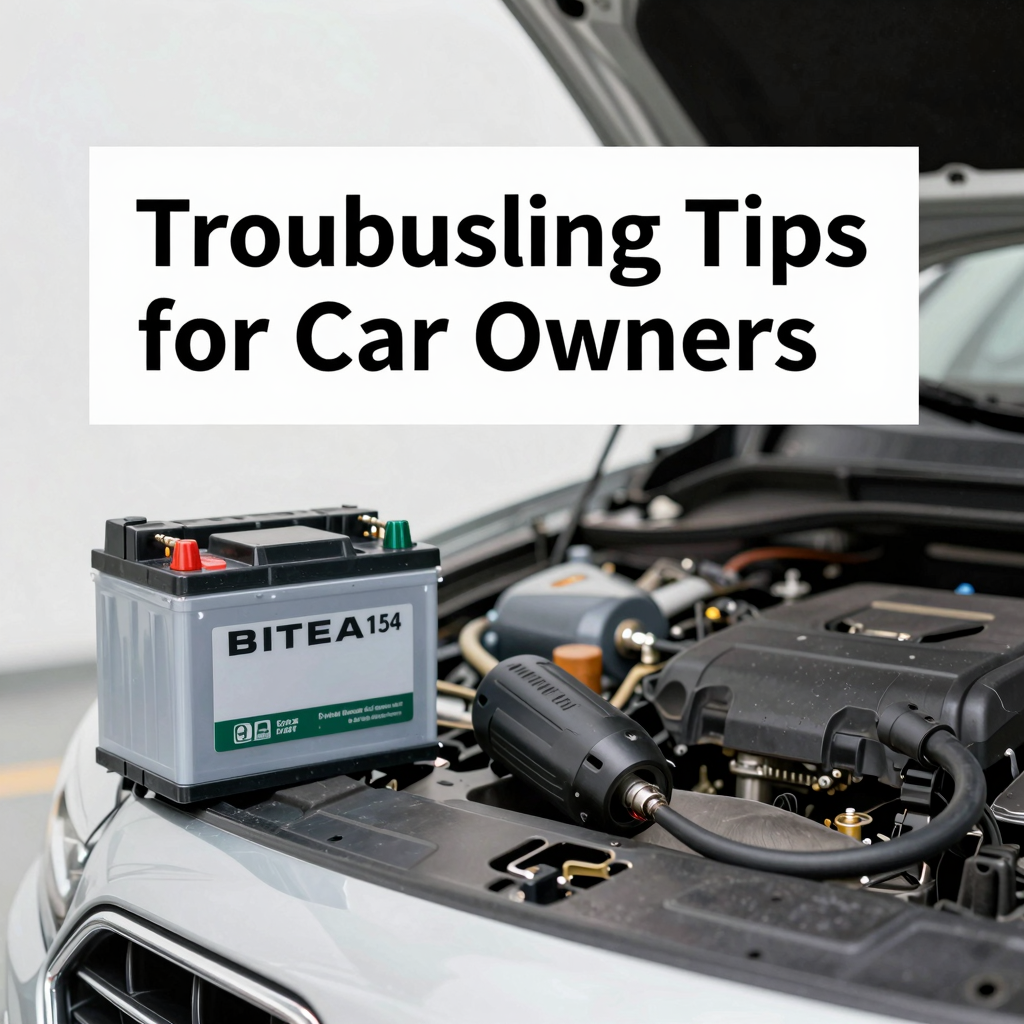
By following these troubleshooting steps, car owners can take proactive measures to address charging system issues and ensure a smoother driving experience. Don’t hesitate to consult professionals if the problem persists, as early intervention can save time and costs later on.
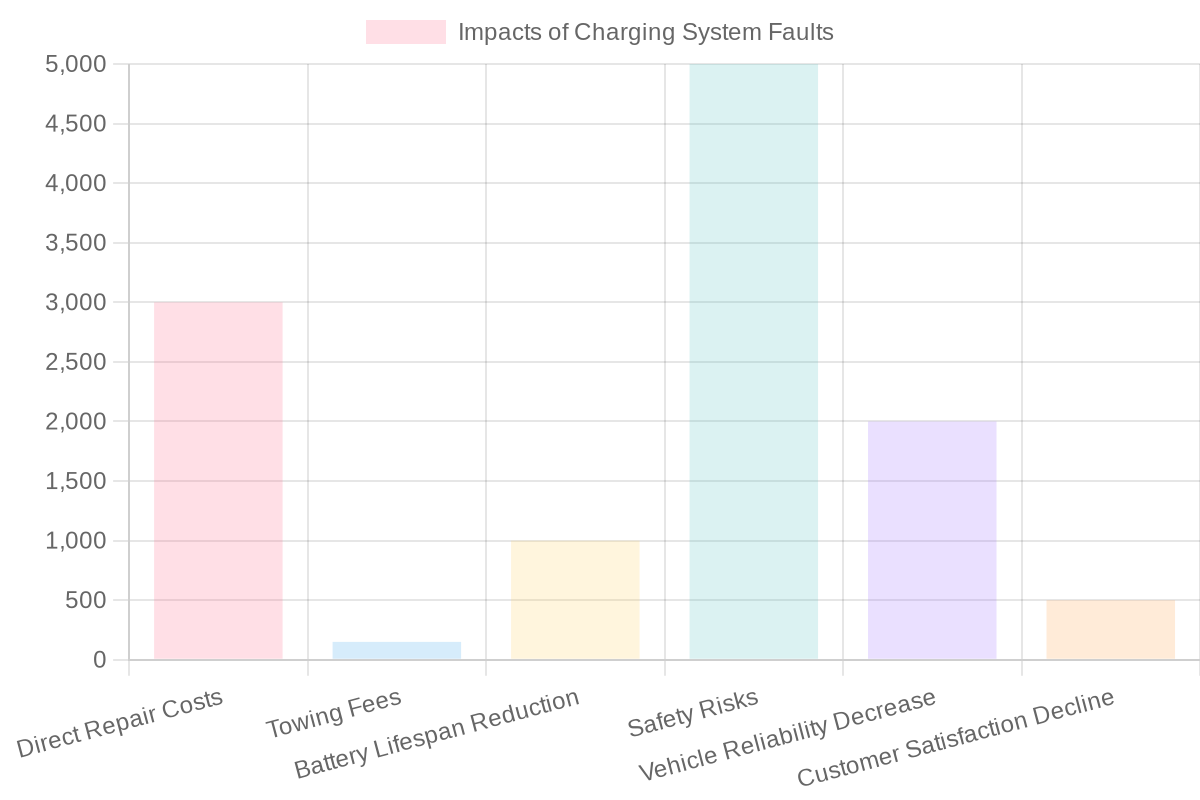
The above chart illustrates the potential costs and consequences of neglecting a faulty vehicle service charging system, highlighting direct repair costs, unexpected towing fees, battery lifespan reduction, safety risks including electrical fires, vehicle reliability decreases, and declines in customer satisfaction.
Conclusion
In summary, understanding the service charging system of your vehicle is crucial for ensuring its longevity and reliability. A faulty charging system can lead to significant risks, including unexpected stalling or failure of essential electrical components. When these issues are promptly addressed, the safety and functionality of the vehicle can be maintained, preventing more serious and costly repairs down the road.
Moreover, regular maintenance plays a vital role in enhancing vehicle performance and safety. According to recent studies, vehicles that undergo routine checks are significantly less likely to experience mechanical failures, thus reducing the risk of accidents. For private car owners, used car buyers, and small business fleet operators, these preventive measures are indispensable. Staying vigilant about maintenance not only helps avoid unexpected breakdowns but also preserves the vehicle’s value and efficiency.
As you reflect on your driving habits and vehicle condition, consider taking proactive steps toward maintenance. At Summit Fairings, we offer a comprehensive range of services designed to keep your vehicle running smoothly. Regular service checks-be it for the charging system, fluid levels, or tire conditions-can make a substantial difference. Learn more about essential vehicle maintenance here and ensure that your vehicle remains safe and reliable for the road ahead.
Importance of the Service Charging System
The service charging system in a vehicle plays a crucial role in powering essential electrical components and ensuring overall vehicle reliability. Without proper maintenance, issues can arise that may lead to vehicle failure or stalling, especially during critical driving conditions.
“A well-maintained electrical system is not just about starting the car-it’s about ensuring every safety-critical function operates reliably.”
- Dr. Elena Rodriguez, Lead Automotive Systems Engineer at the National Institute of Vehicle Safety (NIVS)
Learn more about electrical system maintenance in vehicles.
In vehicles, the electrical system acts as the nervous system, impacting everything from ignition to advanced driver-assistance systems (ADAS). Ensuring that every relay, battery, and connector is functioning optimally is essential for maintaining not only convenience but also safety. Proactive checks can help avoid unexpected vehicle stalls, which are often linked to underlying electrical faults. Regular maintenance routines should include visual inspections and system diagnostics to catch issues early.
For vehicle owners, particularly those operating small fleets or purchasing used vehicles, understanding the importance of the service charging system can save significant time and resources in the long term. Regular maintenance not only enhances reliability but also increases the lifespan of the vehicle.
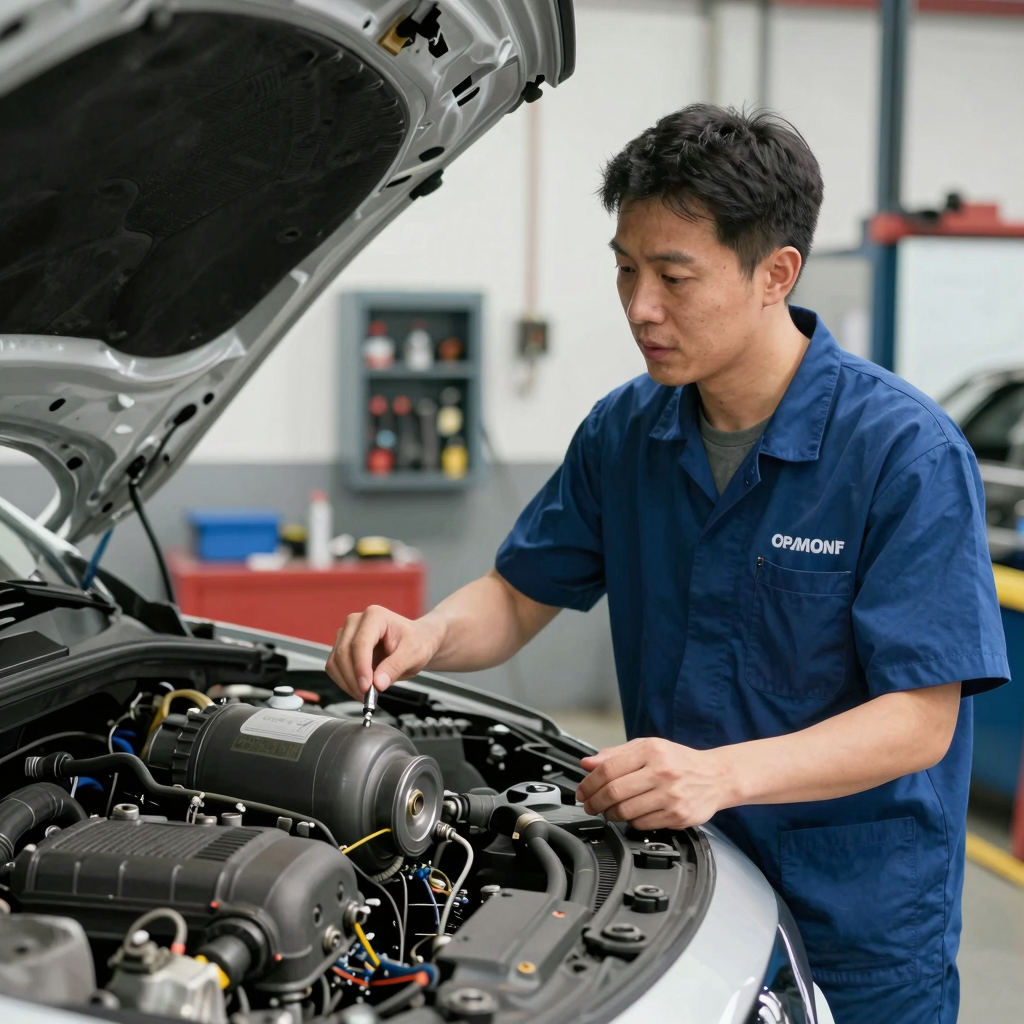
An automotive expert discussing the maintenance of service charging systems.
For additional insights, explore our resources on optimal oil change intervals and lift pump maintenance tips for diesel engines.
Revamp Your Ride with Summit Fairings!
Are you looking to enhance your motorcycle’s style while maintaining affordability? Look no further! At Summit Fairings, we offer a range of high-quality motorcycle fairings that perfectly cater to your needs.
Why Choose Summit Fairings?
- Affordability: Enjoy premium quality without breaking the bank. Our fairings provide excellent value for every rider.
- Durability: Made from impact-resistant ABS plastic and lightweight fiberglass, our fairings are designed to withstand the test of time and protect against UV degradation.
- Custom Fit: Our product line includes full, half, and quarter fairings that ensure a precise fit for your motorcycle, eliminating the hassle of modifications.
- Enhanced Performance: Designed to reduce aerodynamic drag by up to 18%, our fairings optimize your bike’s fuel efficiency and high-speed stability.
- Easy Installation: Most kits fit specific models with minimal adjustments, making it simple for you to upgrade your bike.
Get Started Today!
Don’t wait! Transform your riding experience with Summit Fairings. Visit us at Summit Fairings to explore our collection and find the perfect fairing for your motorcycle!