
Understanding a vehicle’s service history is essential for local private car owners, used car buyers, sellers, and small business fleet operators. Knowing how to access service records can provide valuable insights into a vehicle’s past, ensuring informed decisions whether you’re buying, selling, or maintaining a fleet. This guide details several effective methods for retrieving service records, from official dealerships to innovative third-party platforms. You’ll also learn how insurance companies and manufacturer apps can contribute to a comprehensive understanding of a vehicle’s history.
Unlocking the Vehicle’s History: How to Retrieve Official Service Records Through Brand Dealerships
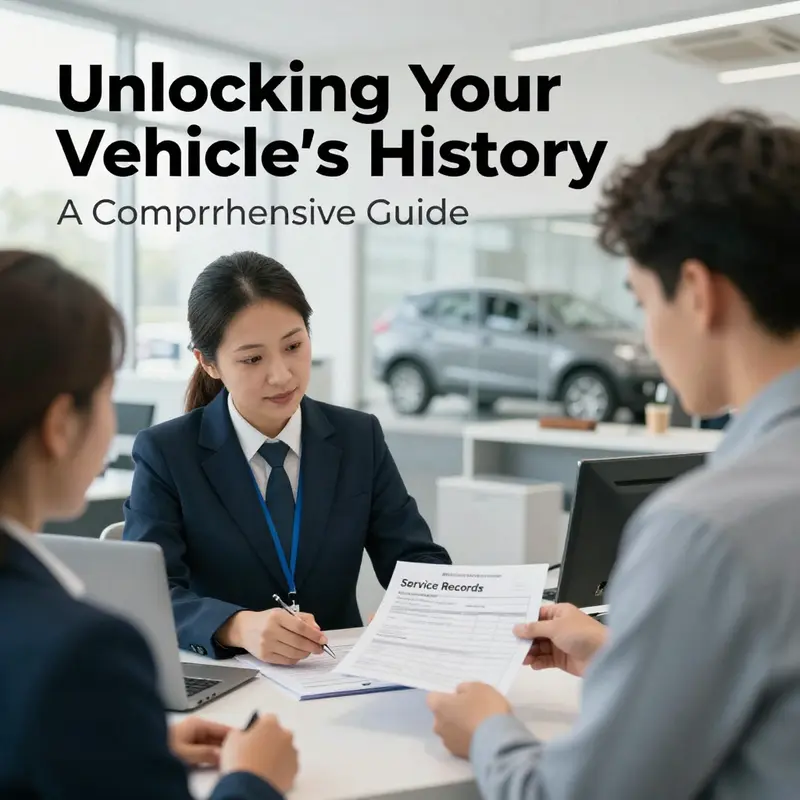
A vehicle’s service history is more than a ledger of past maintenance. It is a narrative of how a car was cared for, which parts were replaced, and how well its preventative care was managed over time. When you seek service records from official dealerships, you are tapping into the most authoritative and complete account available. These records are tied directly to the vehicle’s VIN and to the brand’s network of authorized service centers, and they often reveal details that other sources simply cannot provide. For someone evaluating a used car, or a current owner who wants to confirm the validity of a recent claim, the official channel offers a level of reliability that is hard to match. Yet the path to obtaining these records is not a single doorway. It moves with ownership status, regional rules, and the specifics of any active warranty or service plans. Understanding these nuances helps you move through the process efficiently and reduces the likelihood of friction along the way.
The first principle in accessing dealership records is to determine whether you are the vehicle’s primary owner or a prospective buyer. If you are the owner, the route is straightforward, though it still requires careful preparation. You should visit an authorized dealership of the same brand as the vehicle. Bring the vehicle’s registration certificate and a government-issued ID that proves your identity. In the service department, request a service history inquiry at the after-sales counter. The staff will use the vehicle’s VIN to access the manufacturer’s internal records and compile a detailed history of all maintenance and repairs conducted at authorized service centers since the car rolled off the line. This history can be surprisingly granular: it may show the dates of service visits, the specific tasks performed, the parts installed, the labor time charged, and sometimes notes from the technician about the work performed or any anomalies seen during inspection. The result is a clear, authoritative document that can be used for resale disclosures, warranty assessments, or simply for personal record-keeping to better understand the vehicle’s lifecycle.
For buyers of used vehicles, the process adds a layer of scrutiny. Dealerships typically require additional documentation to verify ownership and the legitimacy of your access to the vehicle’s records. You should be prepared to present a signed used car purchase contract, the vehicle registration certificate, and your own government-issued ID. In many cases, the dealership will also want written authorization from the original owner if the car is still under warranty or if active service plans are involved. This precaution protects the integrity of the records and assures that sensitive maintenance information is shared only with authorized parties. The request itself is a legitimate, standard transaction when a buyer seeks to verify the vehicle’s condition and history before completing a purchase. It helps you determine whether the vehicle has undergone consistent service according to the brand’s approved guidelines, whether any major repairs or recalls have occurred, and whether there are patterns that might indicate maintenance issues worth exploring more deeply in a used-car inspection.
Within the dealership interaction, a few practical expectations help you move smoothly from inquiry to receipt. The staff may need to locate the VIN in their system, verify your identity, and confirm your relationship to the vehicle. Depending on the policy of the brand and local regulations, the moment you are authenticated as the owner or legitimate purchaser, the staff can pull a comprehensive record from the manufacturer’s internal database. In many cases, the dealership will provide the records in digital form, though printed copies are still common, especially if long-term ownership changes or comprehensive warranty coverage are involved. If your goal is documentation for a legal or warranty matter, you should bring any supporting documents that establish the legitimacy of your claim. This could include a court filing notice, a lawyer’s letter, or any official complaint forms that demonstrate the need for access to the records. Presenting these materials early avoids back-and-forth and signals that the request is being made in a formal, recognized context.
It is crucial to understand a fundamental limitation of this route. The records you obtain through an official dealership cover only services performed at authorized dealerships within that brand’s network. They do not include maintenance completed at independent shops or at non-branded service centers. In other words, the official record is authoritative for brand-approved service history and warranty-related repairs performed within the manufacturer’s accepted ecosystem. If the vehicle has a mixed service history—care done at independent specialists or at a non-brand center—those entries may exist outside the dealership’s purview. For a complete picture, you may need to supplement the official records with information from other sources. A widely recommended approach is to confirm key entries with multiple sources. The dealership record should be the backbone, since it confirms compliance with the brand’s service standards, but a broader view can be obtained by cross-checking with third-party history providers and with insurance records where relevant.
Today, many brands have modernized access to service histories through online owner portals or official apps. After identity verification, owners can view maintenance logs, service reminders, and warranty details directly through the brand’s system. This digital access often mirrors the information found in the in-person inquiry, offering a convenient way to monitor service cadence, upcoming maintenance needs, and any previously uploaded service notes. If you frequently manage a vehicle or own more than one unit, this online capability can be a major time-saver, letting you assemble a complete service dossier without visiting a dealership for every check. When you use these portals, you should still be mindful of privacy and data-sharing rules. Access is typically restricted to the registered owner or an authorized representative, and some information may require additional verification before it becomes available for download.
To help you think through the process, consider a practical narrative such as a primary owner who wants to confirm a recent repair and verify that it aligns with the manufacturer’s specifications. You walk into the after-sales counter at a nearby authorized dealership of the same brand, bring your registration and ID, and politely explain that you need a complete service history for your vehicle. The clerk pulls up the VIN in the manufacturer’s system, confirms your ownership, and then retrieves a chronological log of all authorized services since new. If the car has received years of routine maintenance that was consistently recorded, you will see entries for oil changes, tire rotations, brake service, and any recalls or software updates performed by the brand’s network. If a major repair occurred, the record will specify the parts replaced, the labor hours charged, and the technician notes that accompanied the service. You receive the record, usually in digital form, sometimes with hard copies for your records. You review it to ensure the dates and service descriptions match what you know, and you may print extra copies if you plan to present the history with a financing proposal, a sale, or a warranty claim.
If you encounter hurdles—perhaps the dealership cannot locate a record tied to a long-ago service, or you are not the original owner—the next step is to communicate clearly and provide any supporting documentation. It can help to call ahead and confirm what documents are required before you travel to the dealership. You may also ask whether the dealership can initiate a formal request to the brand’s internal system for the period you need, especially if the service history spans several years or a complex ownership chain. In some regions, data-sharing protocols require additional forms or an authorized representative to sign on behalf of the owner. If you are acting on behalf of someone else, ensure you carry a signed authorization form that identifies the vehicle by VIN and lists your relationship to the owner. The goal is to demonstrate legitimate access, protect privacy, and prevent misuse of sensitive information.
An important consideration for any party seeking records is the potential need for legal or regulatory alignment. If you are involved in a dispute about vehicle quality or warranty coverage, you may need to present your case with formal documentation. The dealership can cooperate with authorities and release relevant records when appropriate. Having the right documents—legal notices, letters from counsel, or official complaint forms—speeds up the process and signals that the request is legitimate and necessary for adjudication. In these circumstances, the dealership staff are not only service administrators; they can become part of a formal process that supports consumer rights and warranty protections. The resulting records are then more than a past accounting; they become a piece of evidence that can guide decisions about remedy, settlement, or continued service planning.
For readers seeking a broader sense of how to think about vehicle histories, the official channel remains a dependable backbone. It offers a verifiable account of how the car has been cared for within the brand’s own network. Yet to build a thorough, defensible view of a vehicle’s condition, you may want to pair the official records with supplementary sources that capture a wider swath of the vehicle’s life. A practical approach is to use the dealership’s record as the anchor, then consult a reputable third-party history service for any entries that might lie outside the brand’s network. This combined method yields a fuller picture, especially when evaluating a car’s past when considering a purchase.
If you are curious about more practical tips on ongoing maintenance and how to plan future care, you can explore related guidance at the KMZ Vehicle Center blog, which aggregates practical advice and checklists for keeping vehicles reliable between visits. KMZ Vehicle Center blog
When you are ready to begin, remember the essential steps: identify the right authorized dealership for the brand, assemble the required ownership and identity documents, and state your purpose clearly—whether to verify a particular service, confirm warranty eligibility, or prepare for a potential purchase. The decision to obtain official records through a dealership is both a safeguard and an opportunity. It gives you confidence that the vehicle’s maintenance narrative is authentic and aligned with brand standards. It also sets the stage for confidence in future decisions, whether you are maintaining your own car, buying a used one, or preparing a case related to warranty claims. The vehicle’s documented history is not just a collection of dates and numbers; it is a credential that can influence everything from insurance assessments to resale value. And while the path is straightforward for owners, the process remains accessible to buyers and other legitimate parties who can demonstrate appropriate authorization. In the end, the dealership route offers a trusted, manufacturer-aligned record that supports informed decisions and responsible ownership.
External resource for further perspective: a major automaker’s official service history portal illustrates how centralized records can be structured and accessed by authorized users. https://www.bmw.com/en/owners/service-and-maintenance.html
How to Obtain Service Records for a Vehicle through Third-Party Platforms
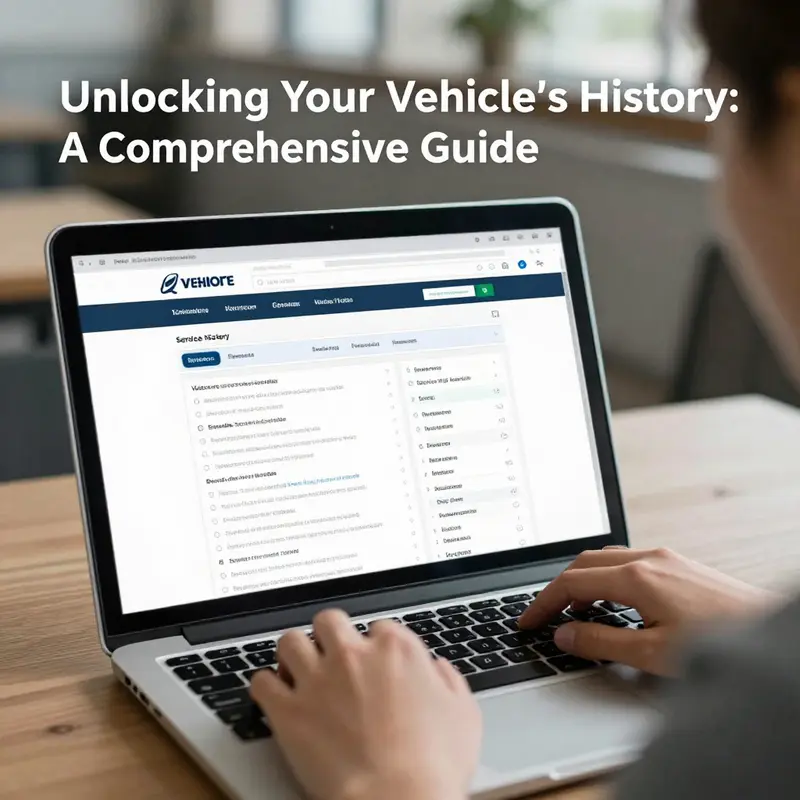
Accessing a vehicle’s service history through third-party platforms offers a practical, time efficient path when direct dealership records are hard to reach or when you want a broader picture that spans multiple shops and time periods. These platforms aggregate data from various service centers and help you assemble a more complete narrative of how a car has been cared for. The value of this approach lies in convenience, speed, and coverage. Rather than calling a single shop and hoping for the full history, you obtain a consolidated report that pieces together maintenance events, repairs, and sometimes ancillary details such as mileage at the time of service or the status of important components. When you are evaluating a used vehicle, this consolidated view can illuminate patterns that a single source might miss, such as a consistent stream of minor repairs that mask a bigger issue, or a long gap in maintenance that could signal neglect or hidden problems. In that sense, third-party platforms function as a useful information hub, offering a practical way to validate the vehicle’s claimed maintenance schedule and to cross-check the stories you hear about its past.
Choosing a reputable platform is the first and most important step in this process. A reliable service is not simply one that returns data quickly, but one that can demonstrate data provenance and legitimacy. Look for platforms that emphasize data sourcing from official repair shops, authorized service networks, and insurers where relevant. The platform should present the data in a clear, auditable format, showing entry dates, service descriptions, parts used, and the mileage recorded at the time of service. If a report is vague or omits critical details, that should raise a red flag rather than invite blind trust. A trustworthy platform also provides a trail of how the data was collected, including timestamps and the source of each entry. These breadcrumbs matter when you later need to verify an entry with a dealership or an insurer.
To begin, you typically start from a broad third-party portal that offers a dedicated function for querying vehicle maintenance and repair records. The journey begins with identifying the vehicle you are investigating and establishing a method to submit the data you hold. In many cases, you will be asked to provide the vehicle identification number, or VIN, a 17-digit code that uniquely identifies the car. The VIN is your most important locator; it ties every maintenance entry to the exact vehicle and helps prevent mix-ups across similar models or siblings within a brand family. If the VIN is not readily visible, you may have the option to upload a clear photo of the vehicle’s registration certificate or to enter additional identifiers such as the license plate number or the chassis number, depending on the platform’s requirements. The more precise your input, the more accurate the resulting report will be. As you proceed, it is natural to feel a sense of anticipation about what the history might reveal: timely oil changes, decisive brake work, perhaps a tires-for-alignment episode, or a repair note that indicates an underlying mechanical concern that was addressed in a way that future buyers will want to know about.
The core of the experience lies in the quality and clarity of the data that the platform returns. A robust report typically contains maintenance and repair dates, services performed, parts replaced, and, importantly, the mileage recorded at the time of service. The inclusion of mileage is crucial; it anchors each maintenance entry in the car’s life and helps you assess whether service intervals align with the manufacturer’s recommendations or with typical usage patterns for the model. In many reports you will also see notes about the status of the vehicle such as whether it is currently under lien or if there are any flags indicating recalls, insurance events, or major accidents. The level of detail can vary, but the most informative reports paint a longitudinal picture: a timeline that shows routine maintenance in regular intervals, plus any significant repairs that might influence a resale decision.
Before you trust a third-party report, it is wise to treat it as one piece of a larger puzzle. The data is powerful when cross-checked against other sources. If the platform highlights a major repair or an unusual anomaly, you should verify that entry with the dealership that serviced the car or with the insurance company involved, if applicable. A dealership or service center can sometimes provide additional context for an entry that appears ambiguous in a third-party record. Conversely, if the platform reveals gaps in maintenance, you have a legitimate reason to dig deeper: perhaps the car was serviced at independent shops that do not feed their records into the platform, or perhaps a period of ownership that coincides with a lease or rental arrangement where routine maintenance is handled by a fleet manager. Understanding such nuances helps you interpret the report accurately rather than drawing conclusions from a single data point.
What makes third-party platforms particularly compelling is their breadth. A single platform may collect maintenance histories from multiple dealerships and independent repair shops, creating a mosaic of the car’s life that would be difficult to assemble by visiting one shop at a time. This breadth is especially valuable for buyers of used vehicles, where a complete service trail can distinguish a well-kept car from a mechanically sound but poorly documented one. The broader the data set, the more confident you can be in your assessment. Yet breadth also invites caution. Not all entries carry equal weight. A routine oil change logged by a small independent shop might appear alongside a major repair performed at an authorized network facility, and the level of documentation can vary. In practice you will often encounter a mix of standardized entries and more narrative notes. The key is to read each entry with an eye for consistency and corroboration: does the pattern of maintenance make sense given the vehicle’s age, mileage, and advertised condition?
Accessing a third-party maintenance history is often straightforward. After choosing a reputable platform, you navigate to the vehicle history query function and provide the VIN. If you do not have the VIN handy, several platforms allow you to upload a clear image of the vehicle’s registration certificate, which can be processed to extract the necessary identifiers. Once submitted, the platform processes the information and returns a report. The turnaround is typically rapid, and you can view the report directly within the app or on the platform’s website. The best interfaces present the data in a readable, chronological format, sometimes supplemented with a summary that highlights trends, such as regular maintenance intervals, overdue services, or a cluster of high-cost repairs. If there is an option to download the report as a PDF, it can be helpful to preserve the historical record for future reference in negotiations or inspections.
A practical approach to using these reports is to adopt a mindset of verification rather than taking a single document at face value. Begin by scanning the maintenance timeline for consistency: are the maintenance tasks aligned with the manufacturer’s upkeep schedule for the vehicle’s age and mileage? If the report shows long gaps between services or a cascade of repairs that occurred in a short window, note these as potential red flags to investigate further. Consider cross-checking selective entries with the original sources: the dealership that serviced the car, other local shops, or the insurer if an incident is cited. This cross-verification is not an accusation but a due diligence step that strengthens your understanding of the vehicle’s history. The more you corroborate, the more confidence you gain in your assessment and in your negotiating position if you are buying, selling, or trading the vehicle.
One practical habit when working with third-party histories is to use the report as a framework for discussion with other parties. If you are buying, share the report with the seller and request clarifications for any entries that seem inconsistent or incomplete. If you are the seller, proactively addressing questions raised by the report can reduce friction and speed up the sale. In either case, the report becomes a communicative tool rather than a simple dataset. It can guide conversations about the car’s condition, maintenance quality, and overall provenance. The same logic applies to inspections. An inspector can use the maintenance timeline as context to interpret wear patterns, unusual noises, or performance concerns observed during the physical evaluation. When used in concert with a dealership’s records and an independent inspection, a third-party maintenance history becomes a robust triad of evidence that supports a well-informed decision.
To deepen your practical understanding, you may wish to consult additional resources that discuss the role of vehicle history data in used-car decision making. For readers seeking broader insights and related maintenance knowledge, the KMZ Vehicle Center blog offers a suite of articles that explore maintenance fundamentals, service intervals, and best practices for vehicle care. This resource complements the approach described here by translating data into actionable maintenance habits and decision-making benchmarks. You can find the blog through the following link: KMZ Vehicle Center blog. The platform also emphasizes how a disciplined maintenance routine correlates with longer-term reliability, a principle that aligns with the idea of using third-party histories as a decision-support tool rather than a definitive verdict.
While third-party platforms can dramatically simplify the task of collecting maintenance data, you should remain mindful of privacy and authorization considerations. Access to someone else’s vehicle records is subject to legal and ethical constraints. Always ensure you have proper authorization before requesting or using another party’s records, and treat the data with care. The purpose of accessing a history report is to inform a trustworthy assessment of the vehicle, not to invade privacy or disclose confidential information. When in doubt about permission, seek written authorization or work through legitimate data custodians such as the vehicle owner, the dealer, or the insurer who can confirm ownership status and consent. Respecting these boundaries preserves trust and keeps the process above reproach while you pursue the recommended due diligence.
In sum, third-party platforms offer a compelling, efficient means to assemble a vehicle’s service history from multiple sources in a single report. They enable quick screening of maintenance patterns, provide handy mileage anchors, and help identify potential red flags early in the evaluation process. The approach works best when you view the report as part of a broader verification strategy that includes direct checks with dealerships, insurers, and, where feasible, independent inspectors. By combining breadth with careful verification, you gain a fuller, more reliable picture of a vehicle’s past and, consequently, a stronger footing for your decisions about purchase, sale, or ongoing ownership.
For those who wish to extend their understanding beyond maintenance histories, the following external resource offers additional perspectives on data provenance and the use of vehicle history data in decision making: https://mp.weixin.qq.com/s?_biz=MzI3NjUxMzYwOA==&mid=2247508896&idx=1&sn=7d8f1c2e1e1b4a2d8d7b5a1a9b5d8c6e&chksm=569b7e5d61ecf74b6e39c1b42746519a5c586e1f3146552c19a959f79f9799f49a39e85260c7c2a22d99b90f4071f49a6b2c765519767a57d43b2f1813690c35591c&scene=21#wechatredirect
Tracing a Vehicle’s History Through Insurance Claims: What Claim Records Reveal
Tracing a vehicle’s history through insurance claims can reveal how past incidents shaped its maintenance and reliability. Insurance claim records show when events occurred, what was damaged, which repair facilities were involved, and how quickly the vehicle returned to service. They complement routine maintenance logs by highlighting major repairs and recurring issues that may affect value. Remember that many ordinary services and warranty-covered work do not appear as claims. For a prospective buyer, the goal is to read these records in context: align incident dates with mileage, review the scope of repairs, and cross-check with the dealer’s service history or the manufacturer’s records. Access is usually via the insurer’s online portal, with formal reports available through a claims representative if needed, often requiring proof of ownership. Used thoughtfully, insurance data helps frame questions for the dealer and adds rigor to the evaluation, while remaining one piece of a broader history that includes maintenance, recalls, and ownership records from trusted sources.
Unlocking the Manufacturer’s Gate: Accessing Your Vehicle’s Service Records Through Official Apps and Portals
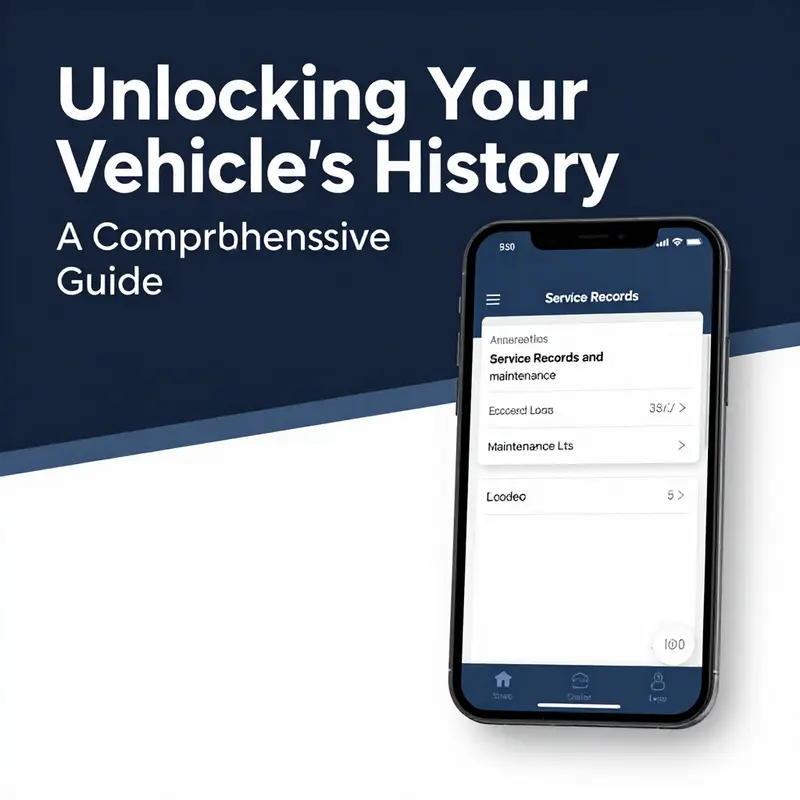
When you’re evaluating a used car or simply keeping a maintenance log up to date, the service history can feel like a roadmap to the vehicle’s life. The most reliable and complete data usually comes straight from the source: the manufacturer’s own digital ecosystem. This chapter walks you through how to access those records via official apps and owner portals, showing how the process becomes clearer, more accurate, and easier to verify than sifting through scattered receipts and memory alone. The goal is not just to retrieve a list of past services, but to understand what each entry means for the car’s current condition, its resale value, and its ongoing maintenance plan. In practice, the manufacturer pathway often yields a narrative that aligns with the manufacturer’s recommended schedule, including details that might be missing from independent shops or insurer files. The journey begins with a simple step: obtaining the vehicle’s VIN and setting up an official account that can be linked to that VIN inside the brand’s digital environment.
Start with the app store, but do not rush the download. The process is designed to be straightforward, yet the quality of the data you retrieve hinges on proper setup. After you download the vehicle maker’s official app or navigate to their online portal, you create a user account. Identity verification is typically the gatekeeper step. You will be prompted to enter information that proves you are the legitimate owner or an authorized user. This is not a barrier to access but a safeguard to ensure privacy and data integrity for the vehicle’s history. If you are the owner, you’ll be asked for details that corroborate your ownership—proof of purchase, a vehicle registration document, or a government-issued ID sometimes suffices, depending on the brand’s security protocol. The emphasis is on accuracy and legitimate access, and a smooth verification often unlocks the most dependable data available.
Once the account is established, the next step is to link the car itself. This is usually accomplished by entering the VIN into the app’s dedicated section—often labeled something like “My Vehicles” or “Vehicle Management.” The VIN is the anchor that binds your digital profile to the physical car. It can be found in several places: the lower corner of the windshield on the driver’s side, the door jamb on the driver’s side, or the vehicle registration papers. If you’re unsure, the app’s help sections frequently offer a quick guide to locating the VIN on your specific model. After you submit the VIN, the system will verify it against its database and confirm whether the vehicle is successfully associated with your account. A successful link is the key that opens the vault of maintenance history stored within the manufacturer’s system.
With the linkage in place, you can navigate to sections typically labeled “Service History,” “Maintenance Records,” or “Vehicle Health.” Here lies the core value of using the official channel. The data presented is usually a precise, time-stamped log of maintenance and service events performed at authorized dealerships or service centers within the brand’s network. Expect entries that include dates of service, a description of the tasks performed, the parts involved (including part numbers where available), the mileage at the time of service, and sometimes even the technician or service advisor who handled the visit. This level of detail can be crucial when evaluating wear patterns, planning upcoming maintenance, or confirming that critical components were serviced according to schedule.
The inherent strength of this approach is its direct lineage from the manufacturer. Because the history is generated within the brand’s own ecosystem, it tends to reflect the official maintenance cadence and warranty considerations. If the car was serviced exclusively at authorized dealerships, the history can be exceptionally complete. If, however, some service occurred at independent shops or non-authorized centers, those entries may appear as partial records or be absent altogether. It is not unusual for a brand’s portal to show the standard maintenance performed at the authorized network while flagging services performed outside that network as separate entries or as gaps in the regular maintenance logs. Reading these nuances becomes part of understanding the vehicle’s true service landscape, rather than treating the record as a single uninterrupted ledger.
Identity protection is an important thread in this tapestry. Accessing another person’s vehicle records requires explicit authorization and legal right to confidentiality. Privacy laws are not merely boilerplate; they govern what can be disclosed and to whom. If you are acting on behalf of a buyer or a lender, gathering the necessary documented consent is part of the process. In the absence of such authorization, attempting to retrieve data through the manufacturer’s system could be blocked or require the stand‑up of a formal authorization document, sometimes facilitated by the seller or owner. For this reason, many buyers choose to accompany the process with additional sources to triangulate the data and confirm the completeness of the history.
Beyond the official channel, the manufacturer’s app or portal often provides additional utilities that can complement the service history. Reminders for upcoming maintenance, recommended service intervals, and warranty status can be viewed in the same interface. This makes it easier to plan future upkeep in alignment with the manufacturer’s guidelines, which can be especially valuable for first-time owners or buyers of a used vehicle who are unfamiliar with the car’s long‑term maintenance cadence. While the primary goal is to obtain a complete service log, these auxiliary features reinforce responsible ownership and can help you gauge whether the car followed the brand’s recommended care program over time.
If the vehicle has a fairly complex service history or if you’re assessing a purchase, you might still want to corroborate the information by consulting additional sources. A complete picture often emerges when the manufacturer’s records are compared with data from a dealership’s service department, an insurer’s claims history, and, where applicable, a trusted independent repair shop that has treated the car over the years. Each source has its own strengths and limitations: the dealer’s records can provide detailed notes and work orders, insurer histories reveal significant accident-related work, and independent shops may fill gaps where authorized services were not performed. The best practice, especially when evaluating a used car, is to synthesize these sources to form a robust narrative of the vehicle’s past. In this integrated approach, the manufacturer’s records serve as the core, with supplemental entries used to fill any gaps or corroborate entries from other sources.
For readers who want a broader context or practical examples of how this information is used in real life, the KMZ Vehicle Center blog offers a range of maintenance and ownership insights that align with the everyday realities of keeping a vehicle in good shape. You can explore practical guidance and related topics by visiting their blog for a broader perspective on care, maintenance intervals, and smart upkeep decisions. KMZ Vehicle Center blog.
When the official portal reveals a clear and comprehensive service history, you gain confidence in the car’s reliability and in your future maintenance planning. But the absence of certain entries does not always spell trouble; it simply signals that some events occurred outside the authorized network or that the data has not yet been uploaded to the brand’s system. In such cases, a careful buyer or owner can still assemble a reliable maintenance narrative by gathering the missing pieces from other sources as described. If you are in the market for a used car, this is when you’ll appreciate the clarity that comes from a manufacturer-backed history, because it provides a trustworthy baseline from which to assess wear, potential repairs, and the vehicle’s overall readiness for continued operation.
Practically speaking, the steps to access these records can be summarized in a straightforward, repeatable sequence that works across most major brands, with minor variations. Start by locating the VIN, then create and verify your account, and finally link the vehicle in the app or portal. From there, you navigate to the service history section and review the entries with attention to dates, services performed, and mileage. If you encounter a safeguard mechanism or a data gap, don’t be discouraged. Instead, proceed to corroborate the data with dealership records, insurer reports, and trusted repair shops. This triangulated approach often yields the most accurate, actionable view of a vehicle’s service history and helps you make informed decisions whether you are buying, selling, or simply maintaining the car you own.
For readers who want a broader sense of how these practices fit into the larger landscape of vehicle care, consider exploring related topics on the same platform that inspired this chapter. The blog addresses maintenance cadence, component care under varied operating conditions, and practical tips for keeping systems in sync with manufacturer recommendations. These resources can be a helpful companion as you build a more complete maintenance plan and set expectations for future service intervals.
External resource: HouCheKeJian WeChat mini program provides a convenient, centralized portal for retrieving service history across multiple 4S shops and repair centers in China. Access to this data, while convenient, should be used in conjunction with manufacturer records and dealer-confirmed entries to ensure a fully verified history. https://mp.weixin.qq.com/s?_biz=MzI3NjUxMzYwOA==&mid=2247508896&idx=1&sn=7d8f1c2e1e1b4a2d8d7b5a1a9b5d8c6e&chksm=569b7e5d61ecf74b6e39c1b42746519a5c586e1f3146552c19a959f79f9799f49a39e85260c7c2a22d99b90f4071f49a6b2c765519767a57d43b2f1813690c35591c&scene=21#wechatredirect
Final thoughts
Accessing service records is a vital step in ensuring that car owners, potential buyers, and fleet operators make informed decisions. Official dealerships provide detailed and reliable records very specific to the make and model, while third-party platforms and insurance companies offer additional perspectives that can uncover crucial information. By leveraging manufacturer apps, vehicle owners can have immediate access to their service histories. Whether you’re investing in a used car or managing a fleet, understanding how to access these records can significantly impact your experience and satisfaction.