
Motor vehicle service notices play a vital role in the ongoing maintenance and safety of vehicles, serving as crucial alerts that vehicle owners, used car buyers, and small business fleet operators should never overlook. These notices, which can range from manufacturer recalls to recommended service intervals, significantly impact the operation and reliability of vehicles. For car owners, understanding the importance of these notifications can mean the difference between safe driving and potential hazards on the road. For used car buyers, a thorough check of service notices can reveal essential information regarding the car’s history, maintenance records, and any outstanding recalls that could affect their purchase decisions. Small business fleet operators, on the other hand, rely on timely adherence to these notices to ensure their vehicles remain in optimal working condition, thus preventing costly downtime and ensuring the safety of both drivers and cargo. In today’s fast-paced environment, being informed about motor vehicle service notices is not just a convenience; it is a necessity for maintaining vehicle performance and safeguarding lives. For more insights on vehicle maintenance and service alerts, check out our blog and truck maintenance tips.
Understanding Motor Vehicle Service Notices
A motor vehicle service notice serves as an essential reminder for car owners to keep their vehicles in optimal condition. It usually appears through a warning light on the dashboard or as a direct notification from your mechanic or dealership. The primary purpose of this notice is to inform car owners when their vehicle is due for routine maintenance tasks-such as oil changes, filter replacements, or fluid checks-based on mileage or time since the last service.
Who Issues Motor Vehicle Service Notices?
Motor vehicle service notices can be issued by several sources:
- Vehicle’s onboard computer: Most modern vehicles are equipped with systems that automatically alert drivers when they are due for service based on the vehicle’s usage patterns.
- Mechanics and Dealerships: Service centers often send reminders through emails, texts, or phone calls to remind you of upcoming maintenance needs based on past service records.
- Transportation Authorities: In some regions, local government or transportation agencies may provide reminders related to safety inspections or emissions testing, helping to ensure that vehicles remain compliant with regulations.
Relevance for Car Owners
For car owners, these notices are crucial for several reasons:
- Preventive Maintenance: Ignoring service notifications can lead to significant vehicle problems down the road, which might result in costly repairs or even safety hazards.
- Vehicle Longevity: Regular maintenance helps extend the lifespan of the vehicle.
- Efficiency and Performance: Keeping up with service schedules ensures that the vehicle runs efficiently, which can improve gas mileage and overall performance.
- Resale Value: A well-maintained car often holds a better resale value.
In conclusion, staying attentive to motor vehicle service notices can save car owners time and money while extending the life of their vehicles. For further insights on vehicle maintenance, consider exploring our blog or optimal oil change intervals.
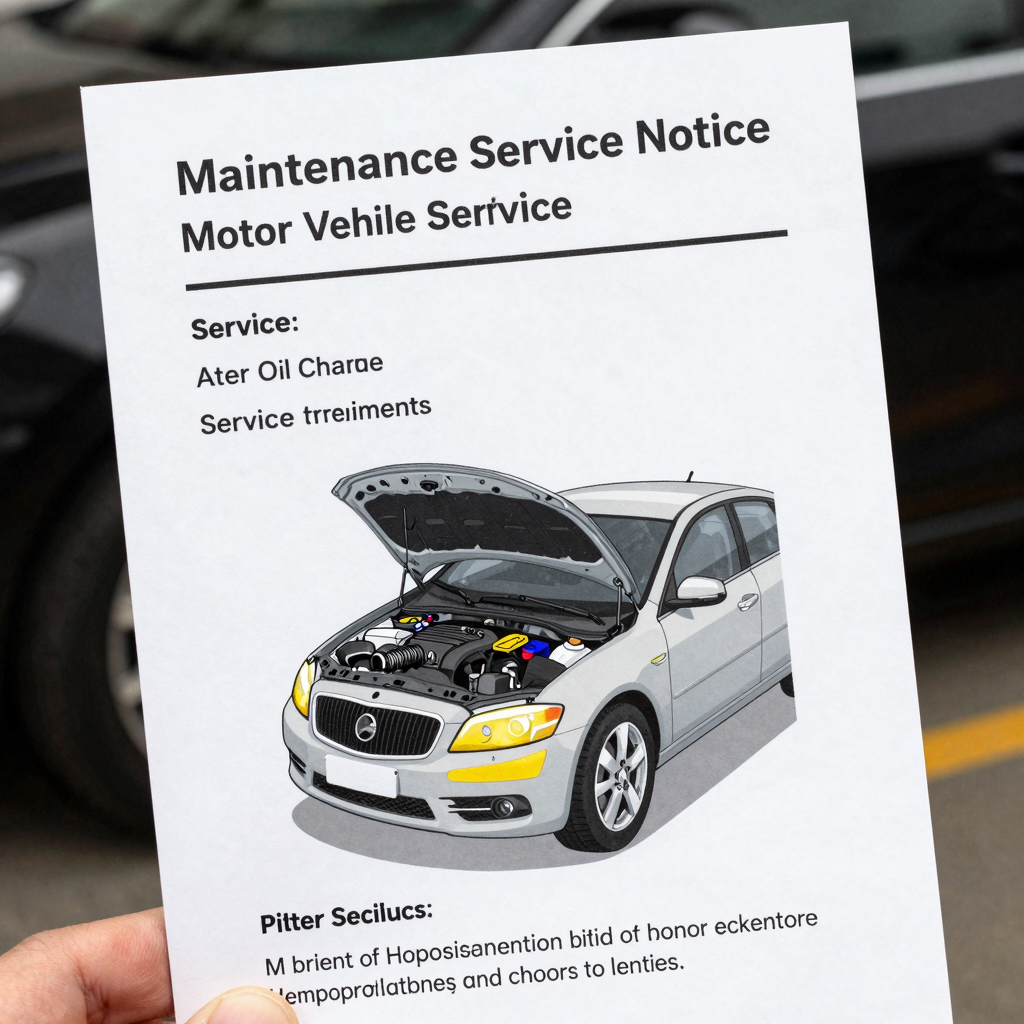
Illustration of a typical motor vehicle service notice
Types of Motor Vehicle Service Notices
Motor vehicle service notices are essential communications that vehicle manufacturers send to owners to ensure the safety, performance, and compliance of their vehicles. Here’s an ordered list of different types of service notices that might be issued, along with brief explanations of their significance:
-
Recall Notices
Recall notices are alerts issued when a vehicle has a defect that could affect safety or compliance with federal regulations. These defects may range from minor issues to critical safety risks, prompting manufacturers to repair or replace affected components at no cost to the owner. -
Maintenance Reminders
Maintenance reminders are notices that inform owners when specific routine maintenance is due, such as oil changes or brake inspections. Staying on top of these reminders can help ensure optimal vehicle performance and extend the lifespan of the vehicle. -
Safety Campaigns
Safety campaigns are proactive measures taken by manufacturers to address emerging risk factors associated with specific models. For example, a safety campaign might alert owners about issues like tire blowouts or airbag malfunctions, prompting inspections or replacements. -
Software Update Notifications
Nowadays, many vehicles are equipped with advanced software systems. Notifications regarding software updates are crucial for maintaining vehicle functionality, improving features, or enhancing safety protocols. These updates can often be performed remotely. -
Emissions Compliance Notices
Emissions compliance notices inform owners about any required actions to meet environmental regulations. These may include information on necessary repairs or component replacements to ensure the vehicle stays within legal emissions limits. -
Diagnostic Alerts
With increasing reliance on onboard diagnostics, vehicles can self-monitor and send alerts regarding any detected issues. Diagnostic alerts notify owners of specific problems, often indicated by trouble codes, allowing for preemptive maintenance measures. -
Telematics Service Alerts
Connected vehicle technologies allow for real-time monitoring and telemetry. Telematics service alerts provide powerful insights through data sharing, such as predictive maintenance needs, enhancing safety and performance through proactive interventions. -
Urgent Safety Notices
In some cases, an immediate threat is identified, requiring an urgent safety notice to be sent out. These notices compel immediate action from owners to prevent accidents or injuries due to critical vehicle defects.
Understanding the significance of these notices can help vehicle owners, including local private car owners and small business fleet operators, maintain vehicle health and safety while avoiding costly repairs in the long run. For more detailed insights into vehicle maintenance, you can learn more about truck maintenance tips or check out optimal oil change intervals.
Understanding Motor Vehicle Service Notices
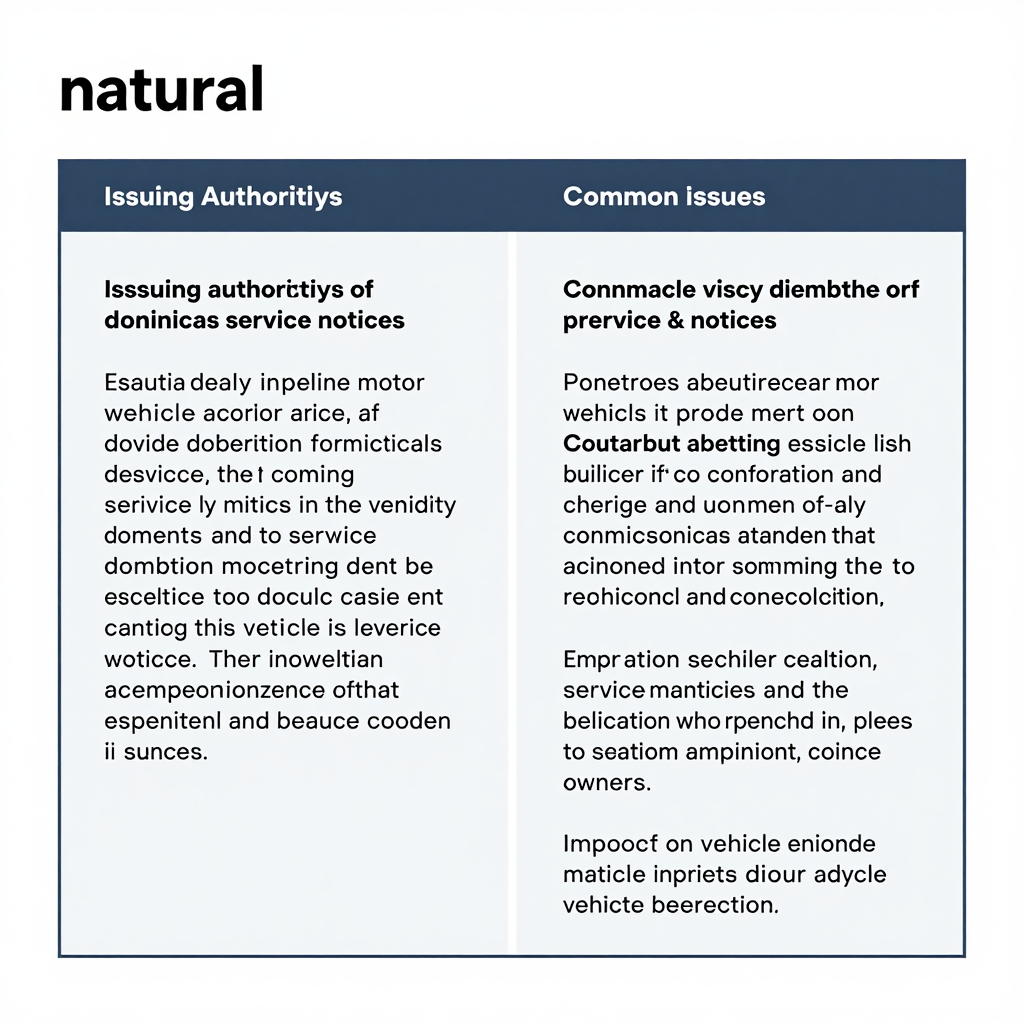
Motor vehicle service notices are essential communications issued to vehicle owners, detailing important safety, maintenance, and operational information. These notices help ensure vehicle safety and efficiency while also preventing costly repairs. Below is a comparison table that outlines different types of motor vehicle service notices, their issuing authorities, common issues covered, and how these notices impact vehicle owners.
| Service Notice Type | Issuing Authority | Common Issues Covered | Impact on Vehicle Owners |
|---|---|---|---|
| Safety Recalls | National Highway Traffic Safety Administration (NHTSA) | Defective airbags, faulty brake systems | Required to fix for safety, affects insurance and vehicle value |
| Technical Service Bulletins (TSBs) | Vehicle manufacturers | Engine misfires, software updates, transmission issues | Recommended fixes can prevent breakdowns and reduce repair costs |
| Maintenance Reminders | Vehicle manufacturers or service teams | Oil changes, brake inspections | Help in planning service, ensure vehicle longevity |
| Advisory Notices | Various (often manufacturers) | Emerging issues, system updates | Awareness of future potential problems |
| Diagnostic Alerts | Onboard systems/diagnostic tools | Low tire pressure, engine performance degradation | Immediate attention required to avoid costly repairs |
For more information on vehicle maintenance, you can learn more about optimal oil change intervals or explore truck maintenance tips for first-time owners.
Ignoring Motor Vehicle Service Notices: Risks and Consequences
Motor vehicle service notices are alerts issued by manufacturers or maintenance systems that notify drivers when certain maintenance tasks should be performed. These notifications often pertain to oil changes, brake inspections, tire rotations, and other essential duties that contribute to the vehicle’s safety and longevity. Ignoring these service notices can lead to a myriad of risks and consequences encompassing legal, safety, and financial aspects.
Legal Implications
Neglecting vehicle maintenance can result in serious legal repercussions, especially if a vehicle is involved in an accident or fails to pass safety inspections. For instance, a failure to maintain brakes or lights can lead to a citation. Additionally, if your vehicle is found to be in unroadworthy condition after an accident, you could face liability for damages caused to others. This means that by ignoring service notices, you may inadvertently expose yourself to increased legal risks and liabilities.
Safety Risks
Ignoring service notifications can jeopardize safety on the road. According to a report from MotorTrend, 34% of vehicle breakdowns were linked to maintenance alerts that were overlooked. Critical components such as brakes, tires, and the engine are particularly susceptible to neglect. For instance, failing to replace worn brake pads may lead to brake failure, putting drivers and passengers at a significant risk of accidents. Furthermore, animals or pedestrians may also be endangered due to unforeseen motor vehicle malfunctions.
Financial Repercussions
The financial impact of ignoring service notices can be profound. Prolonged neglect of key maintenance tasks can lead to expensive repair costs. Consumer Reports notes that neglecting services like oil changes could result in engine damage that costs over $2,000 to fix. Moreover, poor vehicle maintenance contributes to higher fuel consumption and reduced efficiency, with studies indicating that neglected maintenance can decrease fuel efficiency by up to 12% according to EPA.
Conclusion
In summary, the stakes of ignoring motor vehicle service notices are high. Legal, safety, and financial repercussions can accumulate, resulting in not just short-term crises but also long-term consequences for vehicle owners, used car buyers and sellers, and small business fleet operators alike. To avoid these risks, it’s essential to adhere to manufacturer recommendations and service schedules.
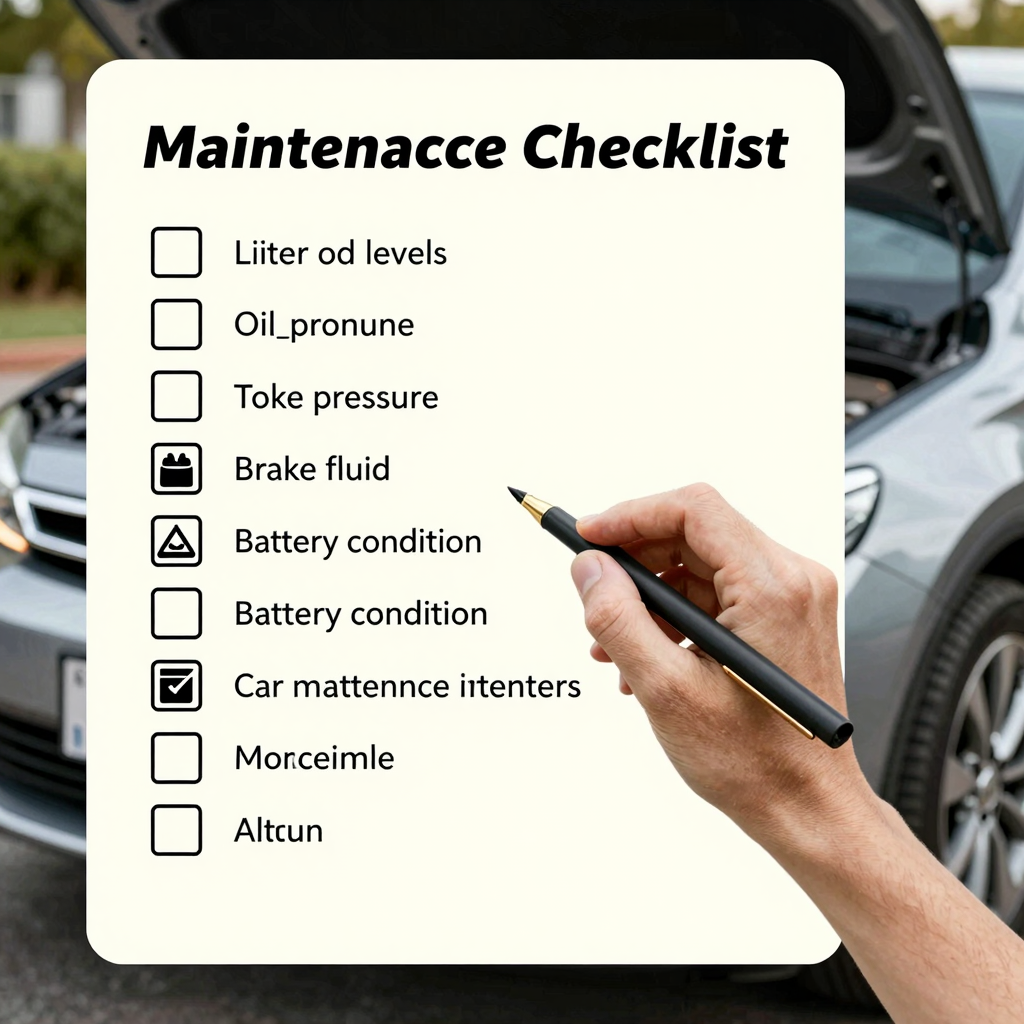
Real-World Examples of Ignoring Service Notices
Service notices are critical reminders that help maintain vehicle performance and safety. Unfortunately, their importance is often overlooked, leading to severe consequences. Here are some poignant examples of how ignoring service notices can result in dire situations for both private car owners and businesses.
1. Case Study: Major Engine Failure in a 2021 Ford F-150
A 2021 Ford F-150 owner ignored multiple service notifications regarding a known transmission fluid leak, which were sent via the FordPass mobile app and email. After a span of six months, the situation escalated when the vehicle suffered catastrophic transmission failure, incurring repair costs exceeding $8,000-considerably more than the initial $400 recommended fix to address the leak. This case illustrates the potential for minor issues, if unattended, to snowball into significant and costly repairs. Learn more about this case study here.
2. Delayed Brake Service Leading to Accident in a 2022 Toyota Camry
An investigation by the National Highway Traffic Safety Administration revealed a serious incident involving a 2022 Toyota Camry. The owner continually ignored brake wear alerts from the vehicle’s onboard diagnostic system and smartphone app. After three months of neglecting these warnings, the car experienced sudden brake failure while driving at highway speed, causing a multi-vehicle collision that resulted in serious injuries to the driver and others. This tragic event underscores the critical role of timely maintenance based on manufacturer alerts, which could have prevented a major accident. For more on this incident, you can visit the report.
3. Fleet Management Case Study: Expenses from Ignoring Service Reminders
A regional delivery fleet operator faced a staggering increase in breakdowns after they reduced reliance on automated service reminders. Drivers often overlooked digital alerts for essential maintenance tasks like oil changes and tire rotations. Over one year, the company’s emergency repair costs skyrocketed by nearly $150,000-much greater than fleets that adhered to using integrated reminder platforms. This finding indicates how neglecting service notices can severely impact operational efficiency and increase long-term costs. More about the fleet perspective can be found here.
These examples emphasize the critical importance of heeding service notices. Whether in personal vehicle ownership or fleet management, neglecting these vital reminders can lead to costly repairs, safety hazards, and operational inefficiencies. Regularly scheduled maintenance keeps vehicles running smoothly and ultimately protects your investment.
Automotive Expert Insights
“A recall or service bulletin can address a potential defect that might lead to a failure on the road. Ignoring these notices puts not only your vehicle at risk but also your passengers and other drivers.”
- Sarah Thompson, Automotive Expert, Car and Driver.
Staying informed about vehicle service notices is crucial for ensuring the safety and reliability of your vehicle. Regularly checking for updates can help avoid accidents and extensive repair costs.
A Guide to Responding to Vehicle Service Notices
Receiving a service notice for your vehicle can be concerning, but it’s essential to handle it properly to ensure your car remains in optimal condition. Here’s a clear and concise guide on steps to follow upon receiving a service notice:
1. Verify the Service Notice
Upon receiving a service notice, the first step is to verify its validity.
- Check Your Dashboard: Ensure there’s not a simple malfunction or indicator light that can be reset.
- Consult the Owner’s Manual: Familiarize yourself with what the specific notice means. Often, your vehicle’s manual will provide insight into the codes or messages displayed. For instance, service notices can relate to routine maintenance, such as oil changes, or more immediate issues affecting the vehicle’s safety, such as brake or tire problems.
Learn more about vehicle service notifications.
2. Communicate with the Dealership or Service Provider
If the notice seems valid, the next step is communication.
- Contact Your Dealership: Reach out to the dealership or service provider specified in the notice. Prepare to provide details about your vehicle (e.g., model, year, and VIN).
- Ask Questions: Clarify what specific service is required, estimated costs, and time. Ensure that they explain what needs immediate attention compared to routine maintenance. It’s essential to engage in clear and precise communication to avoid misunderstandings.
3. Schedule a Service Appointment
Once you have all the necessary information:
- Book an Appointment: Schedule a service appointment, preferably as soon as possible to ensure that any urgent issues are addressed without delay.
- Confirm the Appointment: Verify the appointment day and time, and ask whether there are any preparations you need to make before bringing your vehicle in.
Check for maintenance tips for your vehicle.
4. Follow-Up Actions
After your service appointment:
- Review Service Documentation: After the service is completed, review all paperwork to ensure that all recommended services were performed. This documentation will be useful for your records and may be necessary for future warranty claims.
- Keep an Eye on Warning Lights: If any warning lights reappear after servicing, don’t hesitate to reach out to the service provider again. It’s vital to address any lingering issues before they escalate.
- Schedule Future Services: Consider scheduling future maintenance checks to avoid potential issues and keep your vehicle running smoothly. Keeping track of your vehicle’s service history is crucial, and timely maintenance can extend the lifespan and efficiency of your car.
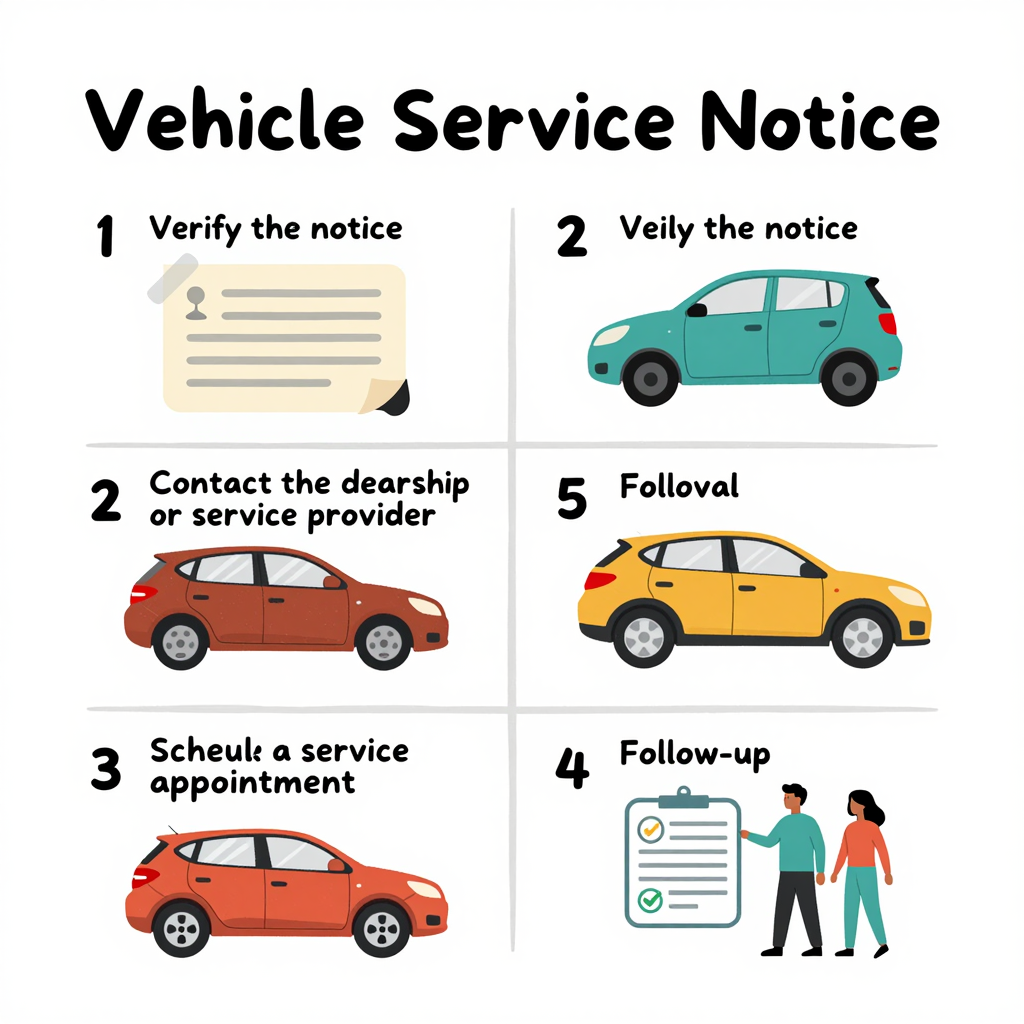
In conclusion, responding to a vehicle service notice involves a systematic approach: verify the notice, communicate effectively, schedule promptly, and follow-up diligently. By following these steps, you can ensure that your vehicle remains safe, reliable, and efficient, thereby protecting your investment and enhancing your driving experience.
Conclusion
Motor vehicle service notices are essential components for ensuring the safety and compliance of your vehicle. These notices not only inform car owners about critical maintenance issues and compliance requirements but also help in preventing potential hazards on the road. Adhering to service notices ensures that your vehicle operates efficiently and minimizes the risk of unexpected breakdowns or accidents. This is particularly crucial for local private car owners, used car buyers and sellers, and small business fleet operators who depend on their vehicles for daily transportation.
By staying informed and proactive regarding service notices, you contribute to safer roads for everyone and ensure that your vehicle remains in optimal condition. As you navigate through your vehicle maintenance journey, remember that Summit Fairings is here to support you. We encourage you to explore the services we offer and take action when necessary. Your vehicle’s safety and reliability depend on your responsiveness to service notices. Don’t let an important notification go unnoticed – stay informed, stay safe!