
A vehicle’s service brake serves as the backbone of vehicle control and safety. For local private car owners, used car buyers, and small business fleet operators, understanding how this crucial system operates can make all the difference in day-to-day driving and vehicle performance. This article delves into the key aspects of a vehicle’s service brake, exploring its operation, importance in safety, the supporting hydraulic and pneumatic systems, its role in emergency situations, and the promising future technologies that enhance its reliability. By gaining insight into these areas, vehicle owners can ensure their rides remain not only functional but optimally safe.
The Normal Path to Safe Stops: How a Vehicle’s Service Brake Maintains Control in Everyday Driving
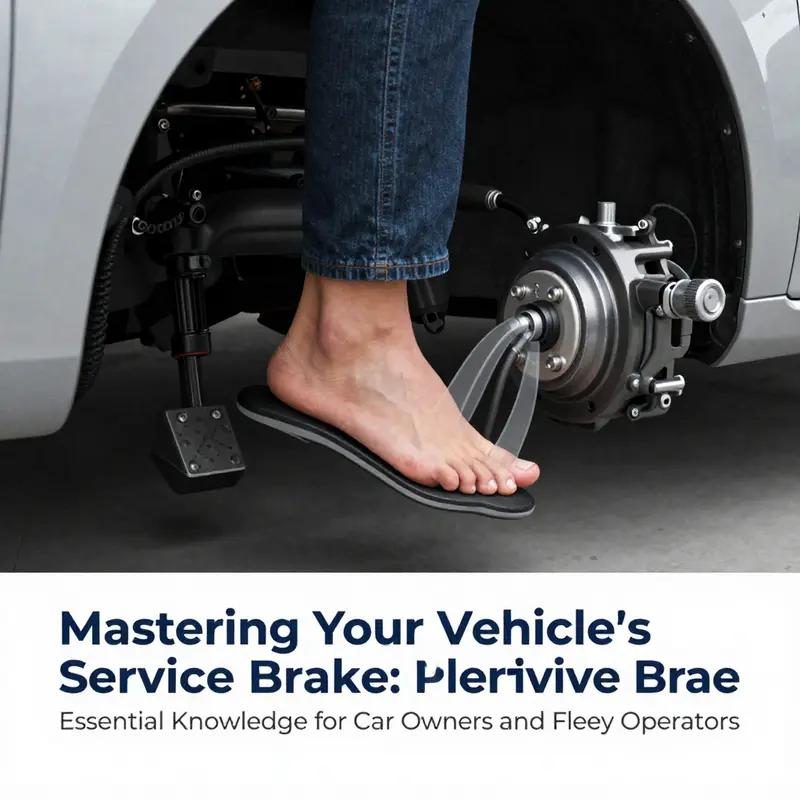
A vehicle’s service brake is the dependable workhorse of daily motion. When you press the brake pedal, you set off a chain of events that translate your intention to slow or stop into the friction that makes motion die away in a controlled, measurable way. In most modern vehicles, this process begins with your foot, but it ends in a carefully orchestrated interplay of hydraulic or, in some cases, electronic controls that apply force at each wheel. The service brake is designed for regular use under ordinary conditions, a tool you rely on to reduce speed for traffic signals, to maintain safe distances, and to respond to sudden hazards without losing steering control. It is this reliability under routine demand that makes the service brake the backbone of everyday safety on the road.
At the heart of the system is a straightforward conversion of energy. Your foot applies pressure on the brake pedal, which actuates a master cylinder in hydraulic setups or coordinates with an electronic brake control unit in more electronically managed systems. In hydraulics, the pedal’s movement creates fluid pressure that travels through brake lines to the wheel cylinders or the calipers. The calipers squeeze the brake pads against a rotor, while wheel cylinders press shoes against a drum. In either case, the result is friction between a moving surface and a stationary counterpart, and that friction converts the vehicle’s kinetic energy into heat. Heat is the enemy of inefficiency here, because excessive heat can degrade braking performance. For this reason, when people speak about “brake fade,” they are describing a condition where the system has heated beyond its ideal operating range, reducing its ability to convert energy effectively. The service brake, then, is designed with durability in mind, but it also requires prudent use by the driver, especially during routine driving where smooth, predictable braking preserves tire grip, steering, and passenger comfort.
A key feature of the normal braking process is the need for gradual, progressive action. Drivers are advised to apply pressure steadily and smoothly, particularly in everyday traffic. Abrupt or heavy pedal application can cause a rapid transfer of force that the tires may struggle to manage, sometimes leading to wheel lock or skid if traction is compromised, and potentially compromising steering control. The goal is a balanced deceleration that allows the vehicle to slow without sudden weight transfer that unsettles the chassis. This approach becomes even more important as road conditions change. On wet pavement, for example, the tire’s grip is reduced and braking distances lengthen. The ability to modulate brake pressure in a measured way helps maintain control and prevents a reactive, panic-driven braking sequence that could escalate risk rather than reduce it.
Beyond the basic press-and-stop action lies the practice of anticipatory braking. This principle encourages drivers to read the traffic environment ahead and begin slowing early. Easing off the accelerator and using engine braking, where appropriate, reduces reliance on the service brakes for everything from a gentle slowdown to a firm stop. Anticipation is not about slow patience alone; it is about maintaining the vehicle’s momentum within the limits of safety. With light-to-moderate deceleration, you are less likely to overheat the system, preserve firm pedal feel, and retain steering control — factors that pay off when a sudden hazard arises and you must respond with decisive action.
Foot positioning is another subtle but crucial factor in the normal operation of the service brake. The ball of the foot resting on the pedal allows for optimum surface contact and precise modulation. A relaxed foot with even pressure reduces fatigue over long drives and helps the driver feel how the vehicle responds to braking input. For many drivers, this means the difference between a smooth deceleration and a jolting stop. The body position matters, too: aligning your hips, knee, and ankle to form a natural hinge supports consistent pedal application and reduces the likelihood of pedal travel becoming erratic during moments of stress.
The service brake does not operate in isolation. In most vehicles, it coexists with anti-lock braking systems (ABS) and, increasingly, with a suite of electronic control strategies that help manage stability and steering during braking. When ABS is present, braking under emergency conditions is a markedly different experience from braking in a non-ABS scenario. The driver is instructed to apply firm, continuous pressure and to avoid pumping the brake pedal. ABS modulates brake pressure at a rapid cadence — typically in the range of six to ten cycles per second — to prevent wheel lock while preserving steering ability. This modulation is invisible in the sense that you feel a steady, controlled deceleration rather than a stall or skid, and it happens because the system is actively managing the distribution of braking force to maintain directional control. The result is a more confident, survivable response when confronted with sudden hazards, but it requires the driver to maintain pedal contact and allow the system to do its work rather than attempting to override it with manual pumping.
Maintenance underpins all of these operating principles. Regular inspection and care keep the service brake reliable across the vehicle’s life. Brake pads should be checked for thickness; a common guideline is to replace pads when they are removed from service with a thickness around 3 millimeters or less. This ensures the pads still provide adequate contact and friction without excessive rotor wear or unsafe stopping distances. Brake fluid conditions matter as well. The fluid must be present at the appropriate level and free from contaminants that could corrode hydraulic seals or reduce braking efficiency. Warning indicators on the dashboard should be treated seriously; a brake warning light is an early signal that something in the system needs attention, whether it is a fluid issue, worn components, or a leak somewhere in the hydraulic circuit. Regular service checks, ideally performed at intervals recommended by the vehicle manufacturer, help catch issues such as uneven pad wear, rotor scoring, or fluid degradation before they become safety concerns.
The environment in which braking occurs adds another layer of complexity. Wet surfaces, snow, ice, and even dusty or gravelly roads influence how much traction is available and how quickly friction can be generated. In wet conditions, grip can drop suddenly, and a driver who has learned to drive with restraint and anticipation will find it easier to adjust. On long descents, heat buildup becomes a critical factor; engine braking in manual or automatic transmissions helps reduce the thermal load on the service brakes. The principle is simple: by selecting a lower gear, you convert some of the vehicle’s kinetic energy into mechanical work performed by the engine rather than entirely by the brake rotors. In many automatic transmissions, meaningful engine braking can be achieved by selecting a lower range or using driving modes that favor engine load stability on declines. The objective is consistent: keep braking loads within a range that the components can handle without overheating, while maintaining control of the vehicle’s speed and balance.
An integrated view of braking also recognizes that the service brake represents a point of interaction between human judgment and machine regulation. The driver’s perception of pedal feel, the rate at which braking force is applied, and the timing of the release after a stop all contribute to the overall quality of braking. A smooth, predictable feel often reflects well-tuned hydraulics or electronics, a balanced weight distribution, and tires that provide sufficient grip for the intended deceleration. The more the driver aligns with these cues — gradual input, anticipation of traffic dynamics, careful foot placement, and respectful attention to road conditions — the more the service brake fulfills its role as a safe, reliable daily mechanism rather than a last-resort trigger for emergency maneuvers.
To readers seeking a broader practical frame for these ideas, consider how maintenance routines influence everyday safety. A routine check of brake components might include measuring pad wear, inspecting for warped rotors, testing the brake fluid’s clarity and level, and confirming that warning lights operate correctly. In many driving scenarios, you will not reach the limits of the braking system, but you should still be mindful of signs that indicate a developing issue: a soft or spongy pedal, unusual noises during braking, or a longer stopping distance than expected. Such signals deserve careful attention and, if needed, professional diagnosis. The service brake’s effectiveness hinges not only on the components themselves but also on how well the driver uses them, how well the system is maintained, and how well the vehicle’s broader safety features interact with human control during real-world driving conditions.
For readers interested in expanding their maintenance practice and broader driving resources, a reliable source of practical guidance can be found in the KMZ Vehicle Center blog, which offers broad coverage of vehicle care and safe driving practices. This resource is a useful companion as you refine your understanding of how normal braking should feel and respond under varied conditions. You can explore their insights at the KMZ Vehicle Center blog.
As the road continues to present new challenges, the calm, deliberate application of the service brake remains a central habit for safe driving. It is a reminder that braking under normal conditions is not a dramatic act but a controlled, continuous process of sensing distance, modulating pressure, and trusting the system to translate human intention into reliable deceleration. When conditions demand emergency stopping, the combination of a firm pedal and the protective modulation of ABS can preserve steering control and help you navigate to a safer halt. The feel of the brake, the feedback from the pedal, the sense of the vehicle’s balance through the seat and steering wheel, all converge to create a practical, repeatable routine that supports safe driving across everyday routes and routine hazards alike.
External resource: How to Brake Properly
Normally the Anchor of Safety: Understanding the Vehicle’s Service Brake and Its Unseen Vigilance
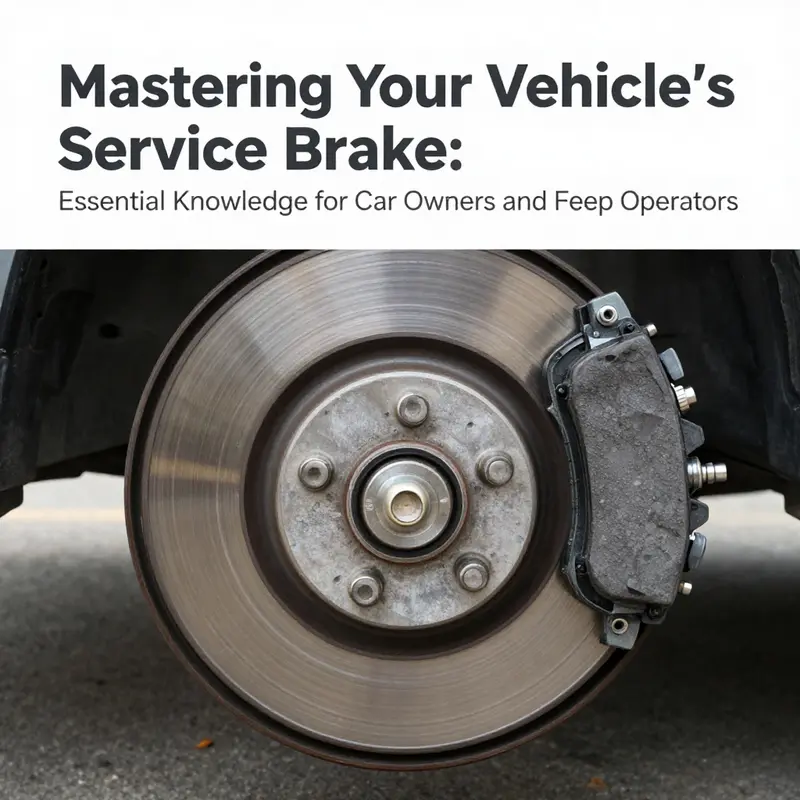
The service brake is the hinge pin of a vehicle’s daily life on the road, and its proper function is less a luxury than a prerequisite for safe motion. When driving, this system sits in the background as a quiet, reliable partner that translates a driver’s intent into controlled deceleration or a full stop. The word normally hints at its ordinary, dependable operation under routine conditions, yet the consequences of a degraded service brake reveal why it deserves overt attention. In the ordinary moments—approaching a red light, yielding to a pedestrian, or slowing for a curve—the service brake becomes the frame within which speed is managed, momentum is redirected, and risk is mitigated. Its performance matters not only for dramatic emergency stops but for every moment the vehicle reduces velocity in a predictable, controlled manner. The mechanics behind this trust are straightforward and enduring: foot pressure on the pedal initiates a chain reaction that dissipates kinetic energy as heat through friction, converting moving mass into a manageable, safe pause. In that sense, the service brake is a sophisticated yet fundamental bridge between human intention and machine response.
From a mechanical perspective, the driver’s foot presses the brake pedal, which actuates a master cylinder to generate hydraulic pressure. This pressure travels through a network of brake lines to the calipers at each wheel (or to wheel cylinders in drum brake setups). The hydraulic system multiplies the force applied by the foot, distributing it across all wheels in a way that coordinates deceleration. When the calipers press the brake pads against the rotors, or the wheel cylinders push shoes against drums, friction converts the vehicle’s kinetic energy into heat. This heat must be absorbed somewhere, and while most of it dissipates into the surrounding air, the efficiency of the system depends on clean, unimpeded channels and components that can handle repeated heating cycles. The elegance of this design lies in its simplicity: a small input from the driver becomes a large, controlled response at the wheels, the difference between life and harm often lying in the fine margins of maintenance and wear.
The truth about the service brake extends beyond the moment the driver pushes the pedal. The reliability of this system rests on every piece of the chain: the brake fluid that transmits pressure, the level of fluid in the reservoir, the thickness of the brake pads, the condition of the rotors, and the absence of leaks in lines and connections. If any link is compromised, the speed at which a vehicle can be slowed or stopped changes in unpredictable ways. Low fluid can lead to a soft pedal feel, where the driver must press farther to achieve the same deceleration. Worn pads reduce friction, increasing stopping distance and the heat load on rotors. Damaged rotors can cause vibrations and pulsations that not only feel troubling to the driver but may indicate deeper performance issues. Leaks in hydraulic lines erode pressure, introducing delays that cease to be a mere inconvenience and become a real safety hazard. The principle is simple, but the margin for error is thin: even small degradations in one component ripple through the entire braking sequence, diminishing the system’s ability to translate intention into timely, predictable outcomes.
Numerical demonstrations often underscore this point. At 100 km/h, or about 62 mph, a well-maintained braking system can bring a vehicle to a stop within roughly 40 meters, depending on vehicle weight, tire condition, and road surface. When the system is degraded, stopping distances can balloon to 70 meters or more, a gap that translates into a substantial risk increase in urban traffic and highway merging scenarios. These numbers are not just theoretical; they reflect the real-world consequences of brake performance. If a driver finds that stopping requires more distance than expected, or if the pedal feels unusually soft or sinks toward the floor, those are warning signs that demand attention. Such signals are not mere nuisances but potential indicators of brake fluid issues, worn components, or leaks that undermine the system’s ability to convert kinetic energy efficiently into heat, and thereby stop the vehicle when necessary.
Modern vehicles augment the service brake with sophisticated electronic aids designed to keep wheels from locking and to preserve steering control during abrupt deceleration. Anti-lock Braking Systems (ABS) and Electronic Stability Control (ESC) are not independent miracle workers; they depend entirely on the service brake’s underlying integrity. ABS prevents wheel lock-up by modulating brake pressure during heavy braking, allowing the tires to maintain traction with the road surface and enabling steering input. ESC helps keep the vehicle on a stable path by applying selective braking and, when needed, reducing engine power to maintain directional control on slippery surfaces. When the base braking system is compromised—whether through inadequate hydraulic pressure, fluid contamination, worn pads, or overheated rotors—these safety systems lose their footing. They cannot compensate for what should be a dependable brake performance. In that sense, ABS and ESC amplify the importance of the service brake rather than replace it; their effectiveness is a direct reflection of the service brake’s health.
In commercial and heavy vehicles, the stakes ascend with the weight and momentum involved. Large vehicles carry more energy and require proportionally greater braking force to achieve the same rate of deceleration as lighter cars. Long descents, high speeds, and heavy loads can lead to brake fade, a situation where heat buildup reduces braking power. Fade is more than a temporary nuisance; it can precipitate loss of vehicle control, especially on grades where there is continuous need for braking. To mitigate this, heavy vehicles rely on robust braking architectures, often with air-assisted or pneumatic systems in addition to hydraulic components. Regular inspection and maintenance become not a routine task but a critical safety practice: checking brake wear indicators, verifying fluid levels, and ensuring that air pressure in pneumatic systems remains within prescribed ranges. Without rigorous upkeep, the risk of brake fade and associated mishaps increases, making every descent a potential hazard rather than a controlled maneuver.
The maintenance imperative extends beyond closed-loop inspections. A well-functioning service brake is lived daily, not just tested during an annual inspection. Warning signs accumulate gradually and must be interpreted with care. Squealing or grinding noises often signal worn pads or contaminated rotors. A spongy or soft pedal can indicate air in the hydraulic lines, a leak, or moisture intrusion into the brake fluid. A vehicle that pulls to one side under braking suggests uneven wear, a sticking caliper, or a misadjusted brake system. These signals rarely appear in isolation; they emerge from a system that has tolerated a build-up of minor faults, which, if ignored, culminate in a more dramatic performance failure. The habit of regular maintenance—quality fluid replacements, timely pad and rotor checks, and the scrutiny of lines and seals—transforms a potentially hazardous situation into a predictable and safe response to driver input. This practice is more than mechanical care; it is a philosophy of safety that places preventative attention above reactive fixes.
The connection between driver behavior and brake performance is also a reminder that the service brake operates within a broader ecosystem of vehicle safety. Proper tire condition, road surface, and weather all influence how much braking force is needed, how quickly it can be applied, and how the vehicle responds. When tires lack adequate tread or are underinflated, traction is compromised, amplifying the risk that even a robust braking system cannot fully control. Wet, icy, or snowy surfaces magnify these dynamics, making the importance of maintaining a healthy service brake even more pronounced. In such conditions, drivers often need to execute more gradual decelerations and allow more time for the system to achieve a controlled stop. The aim is not to conquer every hazard by sheer braking power but to harmonize braking with all other safety measures—pace, visibility, steering, and alertness—to preserve control and reduce risk.
For readers seeking practical, hands-on guidance on keeping the service brake dependable, resources exist that translate technical requirements into everyday actions. The KMZ Vehicle Center blog offers accessible maintenance guidance that can help car owners understand what to monitor and when to seek professional service. By following their practical advice, drivers can become more versed in recognizing the early signs of wear and scheduling timely upkeep, which in turn strengthens overall safety on the road.
The broader safety framework for braking is reinforced by authoritative standards and recommendations from national safety authorities. Organizations like the National Highway Traffic Safety Administration emphasize that properly functioning brakes are foundational to vehicle safety, underscoring the imperative of regular servicing and attentive care. Beyond the mechanical details, the service brake embodies a core principle of road safety: prevention through proactive maintenance. When the brake system is kept in peak condition, the driver’s authority over speed and stopping power remains reliably aligned with the demands of real-world driving, whether it involves a routine stop at a traffic signal or a sudden need to avoid a pedestrian or obstacle. In this sense, the service brake, perceived by many as a technical subsystem, actually operates as a continuous guardian of life and mobility, quietly shaping outcomes in ways that drivers experience only as the confidence to proceed.
To complement the narrative with practical resources, readers can consult the KMZ Vehicle Center blog for accessible maintenance tips and takeaways for everyday practice, while recognizing that official safety information remains anchored in trusted organizations and their guidelines. For authoritative information on brake safety standards and maintenance guidelines, refer to the official NHTSA website: https://www.nhtsa.gov
Stoppage on Demand: The Hydraulic and Pneumatic Foundations of a Vehicle’s Service Brake
The service brake is the most visible and most relied-upon safety feature in everyday driving. It is normally the primary braking system used whenever a driver presses the pedal, guiding the vehicle from highway cruising toward a stop at a signal, in a traffic weave, or when a hazard appears suddenly. This chapter explores how the service brake achieves this essential task, not as a single magic button, but as a carefully engineered chain of force transmission, energy transformation, and protective control. Central to this story are two different yet equally capable ways of translating a human touch into the braking force that slows a car or a heavy vehicle: hydraulic systems, which dominate lighter, passenger-car and small-vehicle applications, and pneumatic systems, which are favored in larger, heavier machines that demand robust stopping power. Both systems share the same core goal—to convert kinetic energy into heat through friction at the wheel brakes—but they do so with different fluids, different dynamics, and different maintenance footprints. In practice, these systems sit at the heart of the vehicle’s braking performance, shaping how quickly a driver can respond, how smoothly a vehicle slows, and how reliably the brakes perform under varied conditions.
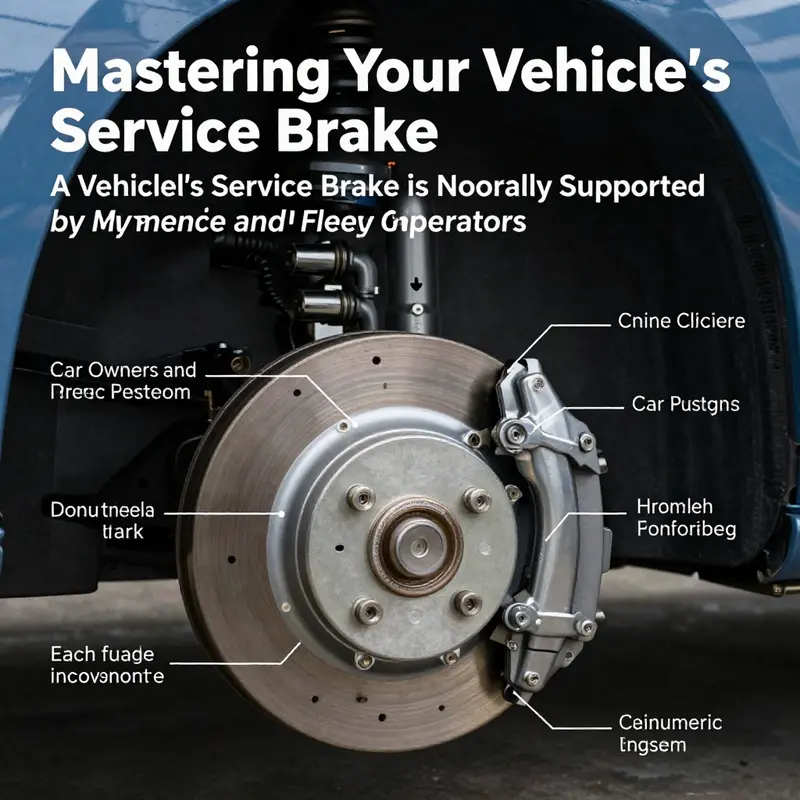
Hydraulic brake systems are the standard in most passenger cars because they deliver quick, precise responses with a light pedal and refined modulation. A hydraulic system hinges on a closed loop of incompressible fluid moving under pressure. When the driver presses the brake pedal, the master cylinder translates that mechanical input into hydraulic pressure. This pressure travels through tight network of brake lines to the brake calipers, which house the brake pads pressed against the rotors. The physics are straightforward but powerful: a small force applied at the pedal, amplified by the master cylinder’s design, creates a larger, controllable force at the calipers. The result is a reliable and predictable deceleration that drivers can modulate with the finest of foot movements, enabling smooth slowing and precise stopping in ordinary traffic and during sudden hazard responses.
The components—master cylinder, brake lines, and calipers—form the essential dominoes of transmission. The master cylinder works as the first valve in a pressure chain, converting a linear push into fluid pressure. The brake lines must be free of air and moisture; any intrusion of air makes the pedal feel spongy and can dull brake response. Brake fluid itself is chosen for its properties under a wide range of temperatures, resisting boiling heat at the calipers during hard stops and maintaining stable pressure transmission at low temperatures during cold starts. When the driver applies the brakes, the fluid pushes against pistons inside the calipers. Those pistons squeeze the brake pads against the rotors, generating friction that converts the car’s kinetic energy into heat. The heat dissipates through the rotor surface and into the surrounding environment, and the effect is immediate, repeatable, and easily graded by the driver through pedal modulation.
In this hydraulic world, a smooth, linear pedal feel is not a mere comfort; it is a safety attribute. Drivers rely on the sense of how hard they are pressing and how their braking will respond, particularly in unexpected situations. The hydraulic system’s responsiveness comes from the inherent properties of liquid pressure: incompressibility ensures that the input force translates almost instantaneously into braking action, with a predictable advance in deceleration as the pedal is squeezed. However, this same reliance on a closed fluid system brings vulnerabilities. Leaks, worn seals, or moisture accumulation in the fluid can degrade performance. Moisture in brake fluid lowers the boiling point, increasing the risk of brake fade if the brakes overheat during sustained heavy braking. For this reason, hydraulic brakes demand regular inspection of fluid levels, moisture content, and the integrity of lines and seals. Maintenance becomes a routine act of preserving the viscosity and purity of the fluid, the absence of air in the lines, and the cleanliness of the calipers and rotors, so that the system can respond as intended under real driving pressures.
Pneumatic braking systems, most commonly found on large buses and trucks, bring a different set of strengths and challenges. They rely on compressed air to generate the braking force, a design choice born from the demands of heavy loads and long, sustained stopping requirements. The core idea is simple: air is compressed by a dedicated compressor and stored in tanks until needed. When the driver applies the brakes, the compressed air is routed to brake chambers where it acts on a diaphragm or a piston. This mechanism converts air pressure into mechanical force that moves the brake shoes or push rods, pressing the brake pads against the drums or rotors. The result is a robust deceleration that can accommodate the high friction and heat associated with heavy-duty braking. The architecture of pneumatic brakes emphasizes reliability in the face of heavy use, high torque, and substantial working temperatures. It also introduces a different set of maintenance demands. Air, while abundant, can carry moisture and contaminants. Moisture-laden air can corrode components, promote rust in brake lines, and compromise the braking force if water freezes in cold climates or condenses in tanks. To mitigate these issues, compressors and tanks are equipped with filtration and moisture drain systems, and technicians monitor air quality and pressure levels to ensure consistent braking performance.
The contrast between hydraulic and pneumatic braking is not a matter of one being superior to the other, but a matter of fit for the vehicle’s mass, speed, duty cycle, and operating environment. Light, fast-accelerating passenger cars rely on the sensitivity and precision of hydraulic brakes to deliver incremental control. The hydraulic path allows a driver to feel the response almost instantly, enabling delicate speed regulation in urban traffic, controlled peels of braking to approach a stop at a signal, and rapid, decisive actions in emergencies. Large vehicles, by contrast, demand a system that can sustain high braking forces over longer periods without overheating and without suffering from severe pedal fade. Pneumatic brakes can deliver this resilience for heavy loads, where the stopping distance is influenced by mass, tire grip, and road grade. Moreover, the redundancy provided by air reservoirs and the potential for spring-applied parking brakes in certain configurations adds a layer of safety in cases of engine failure or hydraulic compromise. In both approaches, the ultimate objective remains the same: converting a vehicle’s kinetic energy into heat through friction, thereby reducing speed and bringing the vehicle to a halt in a controlled, predictable manner.
The normal operation of the service brake also interacts with modern safety systems. Anti-lock braking systems, electronic stability control, and brake assist features modulate the hydraulic or pneumatic pressures to prevent wheel lock, maintain steering control during braking, and optimize braking force for varying load conditions. In hydraulic systems, electronic controllers adjust the pressure delivered to each wheel to keep the vehicle stable during panic stops or on slippery surfaces. In pneumatic systems, control valves and monitoring electronics regulate air pressure, ensuring that the brake chambers receive consistent force while avoiding abrupt, unpredictable changes. These integrated safety features depend on the integrity of the basic braking path—the hydraulic fluid lines or the compressed air network—and on the reliability of the seals, hoses, tanks, and valves that keep pressure steady, predictable, and safe.
From a maintenance perspective, the two systems share a common refrain: attention to the fundamentals keeps the brakes trustworthy. For hydraulic brakes, attention centers on fluid condition and line integrity. A pale, dark, or contaminated brake fluid, visible leaks, or a soft pedal signpost potential issues that require diagnostics and component replacement. In practice, technicians test pressure at the master cylinder, inspect lines for cracks or wear, and evaluate rotor or disc wear via thickness measurements and surface condition. They also assess caliper operation, pistons, and slider pins to ensure even pad wear and consistent clamping force. For pneumatic brakes, the emphasis is on air quality, tank pressure, and the integrity of the air lines and brake chambers. Routine checks include listening for audible leaks, measuring tank pressure and pressure decay, draining moisture from tanks, and inspecting components for corrosion or mechanical wear. A careful balance of filtration, moisture control, and reliable compressors is essential to keep an air brake system robust in the face of temperature fluctuations, road vibrations, and long service hours.
Drivers experience these differences not as abstract engineering details, but as the tangible feel of the pedal and the predictability of the stopping distance. A hydraulic system’s response is often described as crisp and immediate, with a direct line to the driver’s foot that makes speed control intuitive. A pneumatic system’s strength lies in its resilience—its ability to deliver high braking forces even when a vehicle weighs much more than a passenger car, and to function reliably across heavy-duty conditions. Yet, both systems share a core imperative: the service brake must work consistently, without surprises, under a wide spectrum of temperatures, loads, and road conditions. The driving task, after all, is not simply about stopping; it is about stopping safely, with predictable deceleration and the continued ability to steer and maneuver while the braking action is in progress. It is this interplay between system design, driver feedback, and safety technology that makes the service brake a normally dependable partner in daily transportation.
To connect practical maintenance knowledge with everyday driving realities, consider the everyday wisdom of vehicle owners managing their own fleets, trailers, or personal cars. For practical guidance that ties braking performance to broader truck and vehicle maintenance, see the resource on truck maintenance tips for first-time owners. This kind of guidance helps illuminate how braking systems fit into a broader routine of inspections, fluid checks, and preventive care that keeps a vehicle reliable on the road. When you understand the role of maintenance in sustaining braking performance, you gain a deeper appreciation for why the normal service brake—whether hydraulic or pneumatic—demands careful attention and respect as the most fundamental enabler of safe driving.
External resource: How car brakes work
The Service Brake as the Everyday Anchor: How the Foot Brake Becomes the Frontline in Emergencies
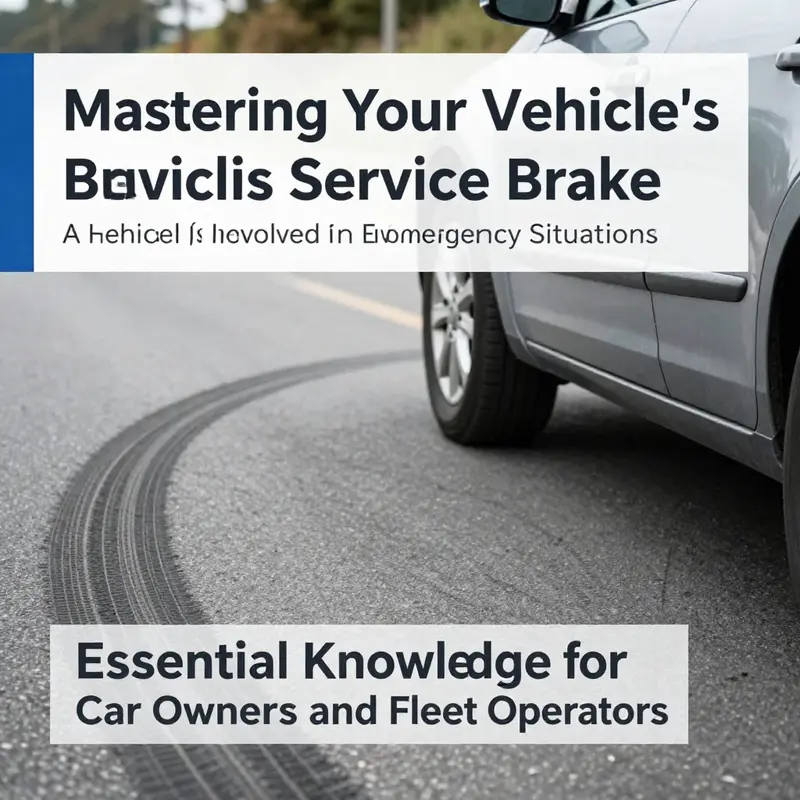
At the heart of daily driving sits the service brake, the quiet workhorse that slows and stops a vehicle. It is the primary braking system most drivers rely on, activated by a simple foot press on the brake pedal. In most cars, the service brake uses a hydraulic circuit that translates toe force into pressure that travels along brake lines to each wheel. Some heavy vehicles rely on pneumatic lines as well, but the aim is the same: friction between pads and rotors converts kinetic energy into heat. This conversion is efficient and predictable, refined through years of engineering to handle routine stops and sudden demands alike. When you roll to a stop at a light, descend a hill, or slow for traffic, the service brake provides the steady deceleration that makes those maneuvers safe and repeatable. It is not glamorous, but it is essential. Without it, braking would rely on gravity or momentum alone, and stops would be longer, less controllable, and more dangerous. The service brake is the backbone of everyday motion, the mechanism that keeps speed within safe bounds and makes urgent deceleration possible when hazards appear. A well-tuned pedal feel—how hard it is to press and how the brake responds—gives drivers a crucial sense of control that translates into calmer, more deliberate driving decisions. That feel is not accidental; it is the result of careful calibration across components, from pedal leverage to master cylinders, from brake fluid properties to pad composition, all working together to deliver reliable stopping power when it matters most.
What makes the service brake so central in emergencies is not only its raw stopping capability but its integration with safety systems designed to preserve control. When a hazard appears suddenly, the driver’s instinct is to push hard on the pedal. The service brake responds by applying friction at the wheels, while electronic aids monitor the car’s behavior. Anti-lock Braking Systems (ABS) prevent wheels from locking, a condition that would otherwise rob the driver of steering control. If the vehicle begins to slide or yaw, Electronic Stability Programs (ESP) step in, modulating braking force and sometimes braking individual wheels to keep the vehicle on its intended path. This triad—pedal input, ABS, and ESP—transforms a straightforward deceleration into a controlled, navigable maneuver even in precarious conditions. The goal is not merely to stop but to stop in a way that preserves steerability and predictability. In emergency scenarios, that predictability matters. It allows a driver to correct course after initial deceleration, avoid an obstacle, and reduce impact forces when a collision becomes unavoidable. Safety research from national agencies consistently emphasizes that the effectiveness of the service brake during emergencies is a critical determinant of injury outcomes. When the brakes are well maintained and supported by modern safety systems, stopping distances shrink and the risk of loss of control declines. This is not a rhetorical claim but a material one, grounded in data about how vehicles respond under urgent braking loads.
Maintenance is not a luxury for the brakes; it is a matter of life safety. The service brake relies on a handful of interlocking components that wear with use. Pads or shoes press against rotors or drums, generating friction that heats quickly. The heat must be managed; when it overwhelms the material, brake fade can occur, shortening stopping power. In hydraulic systems, the fluid must remain clean and at the proper level; leaks spoil pressure and responsiveness. In air- or pneumatic-assisted systems, air leaks or moisture can impair performance. Worn pads reveal metal backing, and worn rotors show grooves or a warm glow after a trip. These signs warn that performance is slipping and that inspection is overdue. Regular checks of pad thickness, rotor condition, and fluid condition are essential. Professionals typically measure pad material and rotor surface, test brake pedal feel, and listen for unusual noises. A well-maintained service brake offers a stable baseline that makes any emergency response more reliable. The importance of routine maintenance cannot be overstated; it is the quiet safeguard behind every bold stop. As wear advances, the risk of reduced grip grows, particularly on wet or slippery surfaces, underscoring why periodic inspection is a nonnegotiable part of vehicle stewardship.
Beyond the brakes themselves, drivers influence emergency performance through tires, road conditions, and load. A tire with low tread or worn composition cannot grip the road as effectively, increasing stopping distances even when the brakes work perfectly. Wet or icy surfaces further reduce friction, challenging both the tires and the brake system. The weight of the vehicle and how that weight shifts during braking also matters. When you brake hard, weight transfers to the front wheels, increasing heat there while reducing grip at the rear. Modern brakes and ABS manage such dynamics by distributing braking force intelligently and quickly. The system senses wheel rotation and vehicle motion, adjusting pressure at each wheel to maintain stability. In a well-balanced vehicle, the outcome is a controlled deceleration where steering remains possible and the vehicle tracks where the driver intends. This harmony between mechanical force and electronic regulation illustrates why the service brake cannot be viewed in isolation. It operates as part of a broader safety orchestra, where tires, suspension, steering, and electronic aids work together to preserve control during emergencies.
Drivers contribute to this safety in practical ways. They learn to brake early, avoid sudden, weighty pedal presses, and maintain safe following distances. Even with ABS and ESP, abrupt maneuvers can upset the vehicle’s balance and invite slipping or skidding on uncertain surfaces. Regular, smooth braking habits reduce the likelihood of conditions that degrade performance, such as glazed pads or overheated rotors. The quiet reality is that most emergencies can be handled more safely when the driver is prepared with good technique and a well-maintained system. For many readers who want to deepen their understanding of brake maintenance or to explore related truck care topics, the KMZ Vehicle Center blog offers practical guidance and reminders about routine checks and service considerations. This resource, while not a substitute for professional inspections, can help drivers build habits that support the service brake’s reliability over time. In the broader arc of vehicle safety, the service brake is the reliable, everyday mechanism that also shoulders extraordinary responsibilities. It is designed to deliver strong, controllable deceleration in the moment of need, and it gains strength when drivers attend to maintenance and proper technique. By recognizing its role as the common link between daily driving and emergency response, motorists can approach each trip with confidence that the system behind their stops is ready for whatever the road may present. For authoritative context, see the official safety overview on brake systems provided by national authorities: NHTSA Brake Systems.
Beyond Hydraulics: The Intelligent, Integrated Service Brake Transforming Everyday Driving
The service brake has long stood as the steady workhorse of road safety, a system that translates a driver’s intent into deliberate, controlled deceleration. For decades, it relied on a straightforward chain: pedal movement, hydraulic pressure, a master cylinder, hydraulic lines, and a caliper that pressed a friction surface against a wheel. This arrangement is rugged and familiar, but it is also a boundary of mechanical design that is increasingly viewed through a software-driven lens. As traffic conditions intensify, as electrification reshapes vehicle architecture, and as autonomous and assisted driving become more common, the brake system is being reimagined as a smarter, more integrated part of the vehicle’s intelligence rather than a standalone, purely mechanical function. The result is not a mere upgrade but a rethinking of how braking feels, how reliably it responds, and how efficiently it harvests energy for the next journey.
At the heart of this transformation lies the shift from traditional hydraulic or pneumatic actuation to electronic mechanical braking, or EMB. This approach uses electric motors to apply the brakes directly at the caliper, bypassing much of the hydraulic infrastructure that once defined the system. The appeal is compelling: fewer moving fluids, simpler lines, lighter weight, and a direct line of communication between pedal input and wheel action. With EMB, the braking process becomes a digital signal that can be calibrated with precision, tuned for a broad spectrum of driving styles, and integrated with other vehicle systems in ways that were impractical with hydraulics alone. The immediacy of electric actuation opens doors to rapid response and granular control, features that are indispensable when the vehicle must respond to sudden hazards or when the car’s active safety suite is coordinating deceleration with steering, throttle, and suspension dynamics.
The EMB pathway also brings new design opportunities that influence how vehicles are engineered at the subsystem level. Without bulky hydraulic lines and fluid reservoirs, engineers can rethink layout and weight distribution, potentially reducing unsprung mass and improving overall ride quality. The absence of brake fluid also reduces the risk of leaks and environmental contamination, aligning braking technology with broader sustainability goals. Yet EMB is not a drop-in replacement that eliminates the need for careful engineering. It introduces new requirements for thermal management, energy storage, and electrical redundancy. A braking event that was once essentially mechanical now becomes an orchestration of motors, power electronics, and software decisions that must be robust across temperature extremes, voltage fluctuations, and potential sensor faults. The promise of EMB rests on dependable control logic, rapid actuation, and the capacity to function seamlessly within the vehicle’s wider electrical architecture.
A parallel development that complements EMB is the rise of One-Box Line Control Systems, a concept sometimes described as a compact, integrated module that merges the traditional brake booster’s role with a centralized control unit. Think of it as a single, highly capable node that interprets the driver’s pedal position, translates it into precise brake torque commands, and executes those commands through the EMB actuators at each wheel. In practice, this integration reduces the number of discrete components and interfaces, streamlining diagnostics, calibration, and fault isolation. It also lends itself to more coherent safety logic; a single module can cross-check pedal intent with vehicle speed, steering angle, and anticipated deceleration demands derived from sensor data and traffic context. The one-box approach is particularly compelling for electric vehicles and future EV architectures, where packaging efficiency and software-driven control are already central priorities. It supports smoother pedal feel, because the electronic system can shape the braking response to achieve a consistent, predictable sensation for the driver while delivering the necessary stopping power.
As these hardware and software abstractions converge, the vehicle’s braking system becomes deeply intertwined with the car’s sensory and analytical fabric. Advanced sensor suites—encompassing cameras, radar, and lidar—feed into fusion algorithms that help the brake system anticipate hazards before the driver can react. In a world of predictive braking, the car might begin a light, preparatory deceleration when perceiving a cyclist stepping into the road or a car sliding to a halt ahead due to congestion. The driver’s pedal input remains the primary interface, but the system’s interpretation of intent and context adds a layer of intelligence that complements the driver rather than overrides it. Automatic emergency braking, adaptive cruise control, and autonomous driving platforms rely on this enriched braking capability to achieve safe, coordinated deceleration in complex traffic situations. The EMB and One-Box configurations are thus not merely evolution; they are foundational to a broader safety ecosystem in which braking is a shared responsibility among human perception, machine vision, and predictive software.
Electrical integration empowers more than safety. It enables regenerative braking to become an affirmative design feature rather than a side effect. In electrified powertrains, the kinetic energy diverted from deceleration can be funneled back into the battery, improving overall efficiency and extending range. The challenge, of course, is to harmonize regenerative and friction braking so that the vehicle experiences a seamless transition as deceleration requirements change. This balance demands careful control strategies—prioritizing energy recovery when feasible, yet ensuring the driver always has a predictable braking feel and ample thermal capacity to manage heat generation during high-demand stops. In essence, regenerative braking is not a separate process but an extended function of the same integrated braking system, coordinated by software that knows when to trade peak torque for energy capture, and when to terminate energy recovery to preserve tire grip and stopping power.
Beyond the technical orchestration, the evolution of the service brake invites a reexamination of the driver’s relationship with braking dynamics. The shift toward EMB and WCBS-style integration promises more precise and repeatable responses across a wide range of conditions. For drivers, this can translate into a braking experience that remains consistent in wet, dry, or icy conditions, with the system adapting its torque delivery to road texture and tire state. Yet the ultimate measure of success lies not in sophistication alone but in trust. Drivers must sense that braking behavior aligns with their expectations and that the car will intervene judiciously when safety margins demand it. This requires an ongoing dialogue between human perception and machine action, a dialogue facilitated by sensor fusion, real-time feedback, haptic pedal feel, and calibrated deceleration profiles that honor the intent behind the driver’s input while respecting the physics of motion, grip, and energy dissipation.
The implications extend into the workshop and the showroom as well. A service brake that is embedded in a broader intelligence network demands new maintenance paradigms. Technicians must diagnose faults within an electronic ecosystem rather than isolate mechanical subsystems. System-level diagnostics, software versioning, and secure over-the-air updates become routine, ensuring that brake control logic remains current and resilient against evolving cyber-physical threats. Training shifts from a focus on hydraulic integrity and fluid levels to a broader competence in electronics, software calibration, and power management. In showroom conversations, the emphasis moves toward the brake’s role in overall efficiency, its contribution to safety systems, and the way it interacts with the vehicle’s automated driving capabilities. The driver’s sense of control remains central, but the path to that control grows more nuanced, dependent on accurate perception, robust software, and dependable electrical power.
As this transition unfolds, stakeholders across the industry—from designers and engineers to service professionals and policy makers—are prompted to consider how best to standardize interfaces, ensure fault tolerance, and protect privacy within increasingly connected brake systems. Interoperability among different vehicle platforms and software stacks becomes a strategic priority, enabling safer, more predictable behavior across a growing array of autonomous driving features. With regulatory expectations rising around safety performance and cyber resilience, the service brake’s transformation is not only a matter of performance but of governance, accountability, and reliability in the public space. The narrative is not about replacing what works but about expanding the capabilities of the braking system in a way that preserves the driver’s sense of ownership and control while delivering smarter, safer, and more energy-conscious operation.
For readers seeking deeper exploration into the technical architecture of line control braking and one-box solutions, a detailed technical overview from industry documentation offers a rigorous map of how these concepts are implemented in practice. In the meantime, those who want to stay connected to ongoing industry discussions and practical maintenance insights can turn to the KMZ Vehicle Center blog for updates, tips, and explorations of how evolving brake technologies translate to real-world driving and vehicle care. See the following external resource for a detailed technical overview: https://www.berte.li/en/.
Final thoughts
Understanding your vehicle’s service brake is paramount for safety and performance. As a vital component, its effective function ensures smooth driving and responsiveness in emergencies. Whether you are a private car owner, a used car buyer, or managing a fleet, knowing how the service brake operates and recognizing its importance can affect not only your driving experience but also your safety on the road. Future technological advancements promise to further enhance the reliability and efficiency of service brakes, making it crucial for all vehicle owners to stay informed and proactive about their braking systems.