
Vehicle registration services serve as the backbone for formalizing ownership and ensuring compliance in vehicle usage. Understanding these procedures is vital for local private car owners, used car buyers, sellers, and small business fleet operators alike. This guide will explore the key components of vehicle registration, including step-by-step processes for new vehicle registration, annual inspection requirements, ownership transfers, and updating information as needed. Each chapter builds upon the last, creating a robust understanding of how to manage vehicle registration efficiently and effectively.
Navigating New Vehicle Registration: Embracing Digital Efficiency, Compliance, and a Seamless Transition
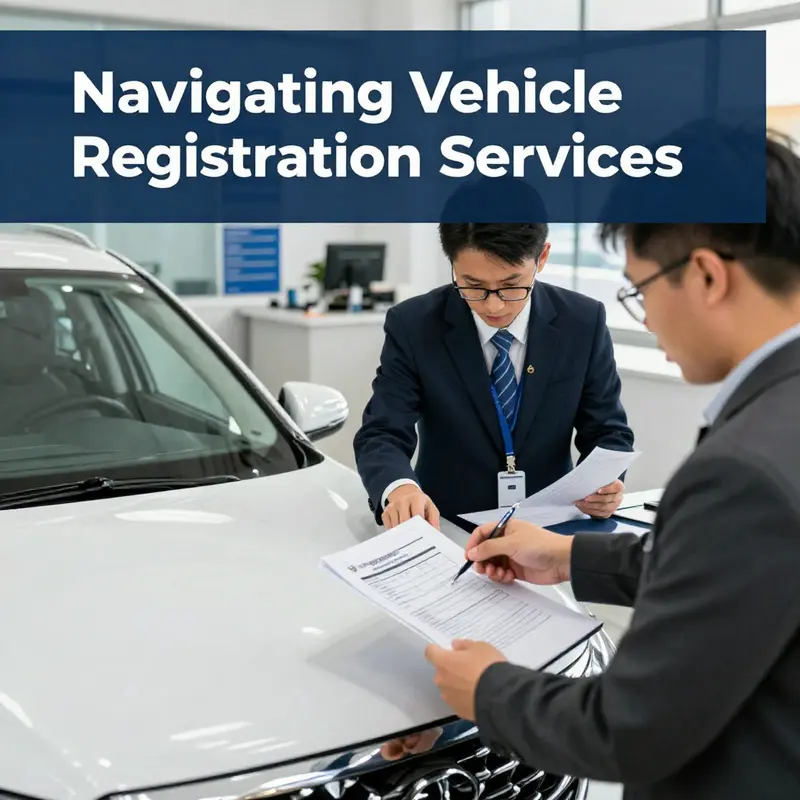
The process of registering a new vehicle is a pivotal step for many prospective owners who are embarking on a journey that unites legal conformity, technological advancement, and digital convenience. In today’s regulated landscape, the official vehicle registration service is not only responsible for validating ownership but also for ensuring that every vehicle on the road meets established safety, environmental, and legal standards. The process is multifaceted, weaving together an intricate array of documentation requirements, digital systems, inspections, and mandated payments. Modern registration services facilitate a system that is efficient yet thorough, providing prospective vehicle owners with both convenience and a standardized procedure enforced by government or regulatory authorities.
At its core, vehicle registration begins by verifying that a vehicle meets every statutory requirement before it can be deemed roadworthy and legally operable. When an owner purchases a new vehicle, whether domestically manufactured or imported, it is crucial first to confirm compliance with local and national safety standards. This verification is usually marked by the successful completion of a technical or safety inspection which, for imported vehicles in particular, is often accompanied by type approval or the acquisition of a certificate of conformity. Once safety clearance is provided, the vehicle is deemed eligible to commence registration, a process that is heavily reliant upon precise documentation and strict adherence to prescribed guidelines.
Central to the registration process is the submission of a host of vital documents. Prospective vehicle owners are required to present identity proofs, sales invoices or bills of sale, import documents such as a certificate of origin, and a manufacturer’s certificate that attests to the vehicle’s compliance with stringent manufacturing standards. In many jurisdictions, applicants must also submit a completed and verified application form along with a copy of the vehicle identification number (VIN) verification. The presentation of these documents confirms not only the authenticity of the vehicle but also assures the administration that all prior requirements have been met. Moreover, the process mandates that owners secure appropriate insurance—often in the form of a comprehensive policy that includes mandatory third-party liability coverage—as well as fulfilling tax obligations imposed on vehicle purchases.
Technological developments have been transformative in the way vehicle registration services are delivered. In settings where online applications have supplanted traditional in-person procedures, the entire registration process has become more accessible and faster. Take, for instance, the dedicated digital platforms that many governments now offer. In China, the widely used “Traffic Management 12123” application exemplifies the streamlined interface that guides users through every step of the registration process. After login, users can seamlessly navigate to the motor vehicle services section, locate the new vehicle registration option, and upload digital copies of requisite documents such as the certificate of conformity, purchase invoice, tax receipts, and insurance policy. The integration of photo uploads and document verification has eliminated the need for excessive physical paperwork.
Another illustrative example can be found in Hong Kong, where the Transport Department’s “HKeMobility” mobile app provides an innovative all-in-one system that not only simplifies the new vehicle registration process but also extends its digital services to include vehicle license auctions and other related functionalities. Such digital platforms underscore a larger trend toward evolving service delivery channels that reduce physical waiting times while increasing the transparency and efficiency of vehicle registration procedures. In these digital environments, scheduling inspections or finalizing registration details often occurs within a matter of minutes, allowing prospective vehicle owners to proceed with confidence as they await the arrival of their license plates and registration certificates.
In this integrated process, the applicant is generally required to choose a preferred license plate number. Advanced registration systems now offer a pre-selection system where users can input their desired alphanumeric combination through the online portal. This value-added service not only personalizes the registration experience but also enhances user engagement by merging the official process with a modern digital interface. Once all prerequisites – comprehensive document submission, inspection completion, and payment of fees – have been satisfied, the system culminates by issuing essential documents. These documents include the vehicle registration certificate, license plates, and often an inspection sticker that must be affixed to the vehicle. The digital transformation of these procedures ensures that even when vehicle registration services are administered online, the necessary security protocols and authentication methods remain robust and reliable.
However, the registration process is engineered not only for the convenience of new vehicle registration but also for preserving the overall integrity of vehicle ownership records. Special attention is dedicated to circumstances where previous legal issues such as outstanding traffic violations or criminal convictions may influence eligibility for registration. In some regions, authorities are empowered to impose restrictions on individuals with a history of infractions, meaning that new vehicle registration could be denied if an applicant does not meet certain behavior criteria or if their record suggests systemic non-compliance with road safety regulations. Such provisions are designed both to encourage responsible driving behavior and to protect the broader public from potential safety risks. The resulting framework is one where the promise of a smoother, digitally enabled process is balanced by stringent oversight and robust regulation.
Effective vehicle registration is also deeply integrated with government efforts aimed at bolstering national data security, urban planning, and environmental monitoring. Registries of vehicles serve as a critical database for tracking vehicle ownership, ensuring that traffic regulations are adhered to at all levels. This data is also useful for planning infrastructural developments, managing congestion, and tackling issues related to environmental pollution. Thus, the registration process is not a mere formality but a crucial element that supports public policies designed to enhance road safety and improve the overall quality of life in urban centers. Insightfully, comprehensive records allow authorities to promptly identify and respond to trends in vehicle usage, identify deficiencies in the current regulatory framework, and adjust policies in response to evolving technological or environmental demands.
For many new vehicle owners, the steps involved in registration serve as a valuable educational experience, presenting them with insights into not only vehicle ownership but also the responsibilities that come with it. The detailed documentation requirements, the need for scheduled technical inspections, and the mandatory insurance and tax payments all converge to reinforce a broader narrative of accountability. It is a narrative that insists that vehicle ownership is more than just a financial investment or convenience—it is a civic duty with implications for road safety and community well-being. As these processes move online, the juxtaposition of accountability and technological accessibility exemplifies modern governance’s commitment to an integrated public service system.
The evolution of these digital registration processes has also introduced a new era of customer service in the public sector. With the advent of online portals and mobile applications, the typical bureaucratic hurdles have been substantially reduced, leading to increased public satisfaction. Digital platforms have enabled not only a reduction in processing times but also a significant improvement in the accuracy and security of registration records. They also provide opportunities for tracking applications in real time, thereby alleviating common anxieties experienced by applicants who, in the past, might have endured long waiting periods and ambiguous cut-off dates. This immediate feedback loop given by online systems has dramatically improved trust and transparency between the public service institutions and the citizens they serve.
Embedded within this smooth digital transition is a reliance on rigorous data validation and cybersecurity measures. As applicants store sensitive personal details and financial information on online registration platforms, government entities are required to meet high standards of data protection. This involves securing digital channels with encryption, employing multi-factor authentication, and continuously updating software to mitigate cyber risks. In doing so, the vehicle registration service not only facilitates a smoother process for new vehicle owners but also reassures them that their personal data is managed safely and securely under stringent regulatory oversight.
As these practices become standard, there is also a significant societal component to consider. In many communities, especially those with high vehicle turnover or rapid urbanization, the efficiency gains delivered by digital registration services translate directly into improved public mobility. With faster registration processes, new vehicle owners are able to integrate into traffic networks with minimal delays, promoting better traffic flows and reducing urban congestion. Additionally, the ability to carry out various registration related tasks remotely—whether it is the renewal of registration, the process of over-transfer in the case of a second-hand vehicle, or even the updating of important vehicle details—further demystifies the vehicle registration ecosystem. The resulting ease of access serves as an impetus for broader public engagement in vehicle registration procedures, encouraging a more informed and proactive approach to vehicle ownership.
Equally important is the role of these services in supporting compliance and enforcement. The digital platforms provide real-time updates and integrated checks that ensure every vehicle on the road complies with local regulations. When discrepancies are detected—be it through a mismatched VIN or outdated insurance documentation—the system generates alerts that prompt further inspection or immediate remedial action. In many instances, this immediate feedback loop saves administrators valuable time and resources, while simultaneously helping to uphold the credibility of the registration process itself. Moreover, the digital interface offers clear guidance for those who might need to update certain details after a significant life change, such as an address update or a change in the vehicle’s utility status from private to commercial use.
In its modern incarnation, the registration process also embraces certain financial safeguards that have direct implications for public revenue. The collection of taxes and fees associated with new vehicle registrations not only funds the maintenance of vital transportation infrastructure but also supports broader community services. This collection process is integrated into the digital platform, where payment channels are linked with banking systems to facilitate quick, reliable transactions. This level of financial integration, supported by electronic payment gateways, reduces the chances of human error and eliminates many of the inefficiencies that once plagued manual transactions.
The new vehicle registration system also places an increased emphasis on user education and transparency. Digital interfaces typically provide detailed checklists and guidance notes that help applicants understand exactly what is required at each step. For example, a new registrant can access a detailed description of the necessary documents to be provided and even view sample layouts of completed forms. In some cases, these platforms offer interactive tutorials that guide users through the entire process from start to finish. Such features empower the public by making an otherwise intimidating bureaucratic process accessible and straightforward. The integration of clear, accessible information fosters a spirit of trust between the service provider and the citizens, ensuring that all parties have a unified understanding of the process and its implications.
In addition to the many practical benefits, this modern approach to vehicle registration is aligned with broader governmental objectives of reducing paper waste and increasing operational efficiency. Digitized processes reduce the use of physical documents, lower the environmental footprint associated with paper production and disposal, and contribute to faster processing times overall. Moreover, by minimizing the need for face-to-face interactions, these digital systems also promote a safer user experience, a key advantage in times when social distancing or health and safety measures are indispensable.
A further dimension to this transformation is how integrated digital services allow for more sophisticated reporting and data analytics. Governments can analyze trends in vehicle registration to better understand shifts in consumer behavior, regional growth, and even environmental impact. These insights can then be used to tailor future policies and optimize urban planning initiatives. For instance, data showing an increase in electric and hybrid vehicles might trigger the development of specialized registration pathways that focus on incentivizing eco-friendly transportation alternatives. In essence, the registration process acts as both a gatekeeper and a valuable source of information that informs public policy.
For individuals looking to dive deeper into the nuances of vehicle registration or to remain updated with the latest in industry insights, resources such as the comprehensive collection of articles available on the official corporate blog offer additional guidance. One can find multifaceted discussions regarding the integration of digital services with traditional regulatory frameworks and the evolution of public service delivery through resources such as the in-depth analyses available on the vehicle registration services blog. Such resources complement the procedural information outlined here and enhance the overall understanding of the evolving landscape in vehicle registration services.
The journey through the registration process represents a confluence of administrative rigor, digital innovation, and public accountability. Every step, from the initial verification of the vehicle’s eligibility to the final issuance of registration credentials, underscores a commitment to modernizing public service delivery and ensuring that every vehicle on the road is meticulously documented and regulated. As digital systems continue to evolve, the traditional registration framework transforms into a dynamic process that not only meets regulatory requirements but also prioritizes efficiency, accuracy, and public transparency.
In conclusion, the registration of a new vehicle today is much more than a regulatory obligation—it is a carefully orchestrated process that reflects modern technological advancements, robust verification protocols, and a commitment to delivering high-quality public service. With streamlined online tools, integrated payment systems, and comprehensive digital guidance, the vehicle registration process is steadily evolving into a model of efficiency and clarity. By embracing digital transformation, authorities are reimagining how citizens interact with essential services, ensuring that the journey from purchasing a new vehicle to confidently hitting the road is as smooth and informed as possible. For a more detailed understanding of a similar process in an international context, interested readers can review additional resources available at Transport Department – Vehicle Licensing & Registration (Hong Kong).
Ensuring Safety and Compliance: Navigating the Intricacies of Annual Inspections and Registration Renewal
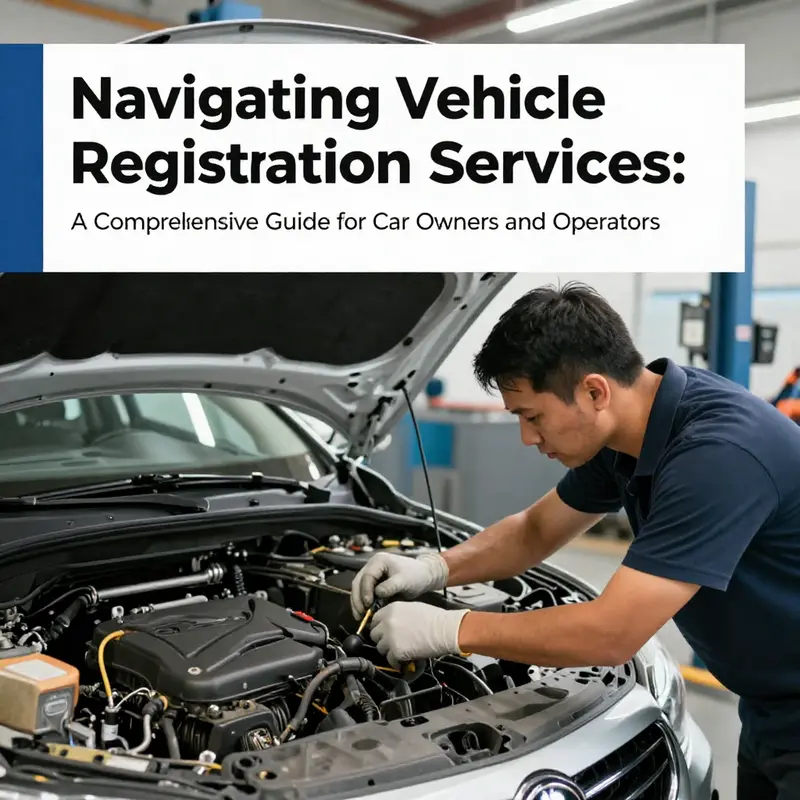
In the realm of vehicle registration services, annual inspections and timely registration renewals stand as the twin pillars ensuring public safety and regulatory compliance. The process is far more than a bureaucratic formality; it is an essential exercise that protects drivers, pedestrians, and the environment by verifying that vehicles are safe to be on the road and adhere to stringent standards. Understanding the integration of inspection and renewal processes is key for every vehicle owner who values longevity and performance from their vehicle while contributing to broader transportation safety policies.
At its core, the annual inspection is designed to comprehensively assess the condition of a vehicle. In many jurisdictions, a vehicle must undergo a scheduled inspection once a year to verify that its components – from braking systems and lighting arrangements to tire integrity and emissions efficacy – meet established standards. This rigorous scrutiny ensures that all vehicles, whether new or long in service, continuously operate within safety boundaries set forth by local transportation authorities. When a vehicle passes its inspection, it not only gains renewed legal operating status but also demonstrates its commitment to safety and responsible driving.
The inspection process leaves no stone unturned. It begins with a detailed evaluation of the vehicle’s mechanical components. The braking system, for example, is tested intensively to verify that it provides reliable stopping power—a critical factor in preventing accidents. Similarly, the state of the tires is closely monitored; the inspector checks for tread depth and any signs of uneven wear or damage that could compromise traction. The quality of the lights, including headlights, tail lights, and indicators, is also examined, since proper illumination is essential for nighttime driving and adverse weather conditions. These tests are conducted not just to ensure that the vehicle is mechanically sound but also to mitigate risks to all road users.
Environmental considerations are an equally important facet of the annual inspection. Emission tests form a core component of the process, as they determine whether the vehicle is releasing pollutants beyond permissible limits. This aspect of the inspection highlights the balance between personal vehicle ownership and societal responsibilities in the face of growing environmental concerns. With many cities and states aiming to reduce their carbon footprint, ensuring that vehicles comply with emission standards has become imperative not only for the protection of public health but also for the sustainability of urban environments.
Beyond the technicalities of the actual inspection, the administrative aspects of vehicle registration renewal play an important role in the overall process. Vehicle registration renewal is the procedural continuation that ties the safety verification from the inspection to the legal status of the vehicle. In many jurisdictions, once a vehicle successfully completes its annual inspection, the owner is invited to renew the vehicle registration, often well before the expiry date. This renewal is more than just a checkbox exercise; it is the owner’s acknowledgement that the vehicle remains fit for the road and that all relevant information about the vehicle is both updated and accurate in government records.
The timeline for registration renewal is critical. Most regulatory bodies recommend that vehicle owners initiate the renewal process at least 60 days before the registration expires. This window not only provides sufficient time to gather the necessary documents—such as proof of identity, current vehicle insurance information, the vehicle identification number (VIN), and evidence of successful inspection—but also allows for any adjustments or corrections to be made before the vehicle is deemed unfit for legal operation. In a real sense, the renewal period acts as a buffer that protects both the vehicle owner and the regulatory institutions from last-minute hassles that may arise from missing or incorrect documentation.
Technological advances have streamlined much of the renewal process. In many regions, including those with forward-thinking digital infrastructures, vehicle registration renewals can be completed online via official government portals. This not only saves time but also reduces the stress often associated with physical visits to administrative offices. By entering updated personal data and uploading digital copies of required documents, vehicle owners can accomplish the renewal process from the comfort of their homes. This digital transformation has contributed significantly to increased compliance rates, as it minimizes barriers and simplifies what once was a cumbersome task.
One of the standout features of many modern systems is the integration of incentives designed to encourage early renewal. For example, several jurisdictions offer substantial discounts on inspection fees if the registration is renewed ahead of schedule. These financial benefits underscore the mutual interest shared by regulatory authorities and vehicle owners: ensuring that vehicles remain safe and compliant while reducing unnecessary administrative overhead. Such discounts not only motivate timely renewals but also help build a culture of proactive vehicle maintenance and civic responsibility.
The interrelationship between annual inspections and registration renewal is both practical and symbolic. Practically, passing an inspection is often a prerequisite for a smooth renewal process. The two processes work in tandem—a vehicle that fails the inspection cannot easily be renewed until it meets the set safety and environmental standards. Symbolically, a successful inspection coupled with timely registration renewal is a public declaration of the vehicle owner’s commitment to safety, responsibility, and adherence to the law. For many, the annual cycle of inspection and renewal becomes a personal milestone marking another year of safe driving and responsible vehicle ownership.
Moreover, keeping accurate and updated records through the renewal process forms a critical part of vehicle registration services. Any changes in vital information, such as shifts in residential address or alterations to the vehicle itself (for example, modifications to the engine number or conversion of a private vehicle to a commercial one), must be reflected in the official documents. This meticulous record-keeping is indispensable for a variety of reasons, including accurate enforcement of regulatory policies, verification of ownership, and even in facilitating procedures such as transfer of registration during vehicle sales. Ultimately, the registration renewal process safeguards both the individual vehicle owner’s interests and those of the wider public by maintaining a transparent and accountable system.
In addition to the systematic technical checks, the inspection process plays a significant role in forestalling potential risks associated with aging or poorly maintained vehicles. Regular inspections act as an early warning system by alerting owners to issues that, if left unchecked, could escalate into major safety hazards. For example, routine checks might reveal that corrosion has begun to compromise the metal structure of a vehicle or that the brake pads are nearing the end of their functional life. Addressing these issues promptly through recommended vehicle repairs not only prevents accidents but can also extend the lifespan of the vehicle. It is a vivid demonstration of how regulatory oversight can directly translate into enhanced safety and reduced long-term maintenance costs for the owner.
Another important consideration is the environmental impact that legacy vehicles can have when they do not meet current emission standards. With stricter regulations being phased in globally, the role of annual inspections as a gatekeeper for environmental compliance becomes even more evident. Vehicles that fail to meet emissions criteria may be subject to compulsory repairs or, in severe cases, may be taken off the road until compliance is restored. These measures, while stringent, underscore a broader commitment to reducing atmospheric pollution and protecting the quality of life in urban areas. In many communities, the visible presence of updated registration tags serves as a reminder that individual vehicle owners are actively contributing to a cleaner, safer environment.
The renewal process, often integrated with the inspection results, further ensures that the most current information is available to law enforcement and transportation departments. From the moment a vehicle is registered—with its inspection, ownership details, and insurance status duly recorded—the data serves multiple administrative functions. For example, in accidents or when tracking vehicle histories, accurate government records ensure that responsibilities can be promptly assigned and legal processes initiated without undue delay. This combination of safety checks and up-to-date registration records is an exemplary model of preventive administration that benefits everyone involved.
The broader implications of annual inspections and timely renewals extend into various aspects of everyday life. For instance, during periods of heavy traffic or inclement weather, knowing that every vehicle on the road has passed stringent safety checks offers a measure of reassurance to commuters. Parents, in particular, find comfort in the knowledge that school buses and family vehicles alike are subject to regular, robust safety standards that minimize the risk of mechanical failure. In this way, the routine bureaucratic processes that might appear as mere formalities from the outside are, in truth, foundational to a society that prioritizes the well-being of its citizens.
The importance of these processes is equally evident in the context of law enforcement. Police and traffic authorities rely on updated registration and inspection data to swiftly identify stolen vehicles, track down those who have been non-compliant, and ensure that all cars on the road meet the minimum safety requirements. An organized, centralized database of vehicle records allows for rapid action in emergency situations, enhancing the overall security infrastructure of a nation. These records also serve as key pieces of evidence in legal disputes, such as cases involving disputes over vehicle ownership or liability in accidents. The integration of annual inspections with registration renewals, therefore, bolsters the integrity and effectiveness of legal systems by keeping information current and accessible.
As the landscape of vehicle registration services continues to evolve, emerging technologies are set to further streamline these processes. Digital platforms now play an increasingly prominent role, as many jurisdictions transition to online systems for inspection scheduling and registration renewals. The digital transformation not only reduces paperwork but also minimizes the waiting times and human errors that can plague manual processes. Furthermore, these platforms often incorporate automated reminders, notifying vehicle owners well in advance of upcoming inspection dates and registration expirations. Such innovations are a testament to how traditional systems can be enhanced through the application of modern digital solutions, ensuring that compliance remains accessible and efficient for all parties involved.
For many vehicle owners, the experience of navigating an annual inspection followed by a registration renewal may seem complex or even burdensome at times. However, it is important to view this process within the larger context of public safety. The rigorous standards and multiple checkpoints incorporated into both the inspection and renewal phases are in place to protect everyone—from the solo driver on an isolated highway to the countless commuters in bustling urban centers. Every component inspected, every document verified, and every piece of information updated reinforces a framework that values reliability, transparency, and a proactive approach to maintenance.
In practical terms, the process of annual inspection and renewal is both an administrative obligation and a preventive maintenance tool. Frequent inspection allows vehicle owners to identify and address issues before they escalate into severe failures that might lead to accidents or costly repairs. Coupled with the registration renewal, which legally confirms that a vehicle is roadworthy, the overall process becomes an integrated system designed to ensure that all vehicles are safe, efficient, and environmentally responsible. The system, as a result, serves as an indispensable link between personal vehicle care and public interest.
Maintaining the continuity of these processes also helps to prevent a backlog of vehicles that might otherwise compromise overall road safety. When every vehicle owner honors the requirement for routine inspections and timely renewals, the collective outcome is a decrease in roads accidents and an improvement in the performance of the transportation infrastructure. It is this shared responsibility that binds individual vehicle owners to the larger community, reinforcing the idea that personal upkeep and regulatory adherence are two sides of the same coin.
For those seeking further insights into the broader context of regular vehicle maintenance and service protocols, additional perspectives can be found on the vehicle service insights blog. This resource provides a deeper dive into maintenance strategies, highlighting how aspects like optimal oil change intervals, engine care, and overall vehicle upkeep contribute to the longevity and safety of your automobile.
Reflecting on the dynamics of annual inspections and registration renewals, it becomes evident that the system is designed to be both preventive and corrective. On the preventive side, regular inspections catch potential issues at an early stage, thwarting the progression of wear and tear. On the corrective side, the renewal process updates public records and ensures that all vehicle data remains precise and reliable. Together, these processes not only safeguard drivers and pedestrians but also foster an environment where vehicles can operate at their highest levels of efficiency and safety.
The evolving landscape of transportation regulation also means that these processes are subject to periodic updates and adjustments. Regulatory bodies continually refine inspection criteria and renewal processes in response to emerging trends and technological advancements. As vehicle designs become more complex and as environmental standards continue to tighten, the methods used in inspections may become even more sophisticated. In the near future, we could see enhanced digital interfaces that offer real-time diagnostic data from vehicles, further bridging the gap between owners and regulators. These advancements promise to elevate the standards of vehicle safety and operational efficiency to unprecedented levels.
In conclusion, the annual inspection and registration renewal process is much more than a routine administrative requirement—it is a vital component of a comprehensive strategy designed to ensure that every vehicle on the road is maintained in accordance with modern safety, environmental, and performance standards. Through diligent inspections that cover everything from braking systems to emissions control, coupled with an efficient and user-friendly renewal process, vehicle registration services provide a robust framework that protects public welfare and fosters responsible driving habits. For the most current information and detailed step-by-step guidance on these procedures, please refer to the official government portal at the Hong Kong vehicle registration and examination page.
Navigating the Transition: In-Depth Insights into Vehicle Ownership Transfer Procedures
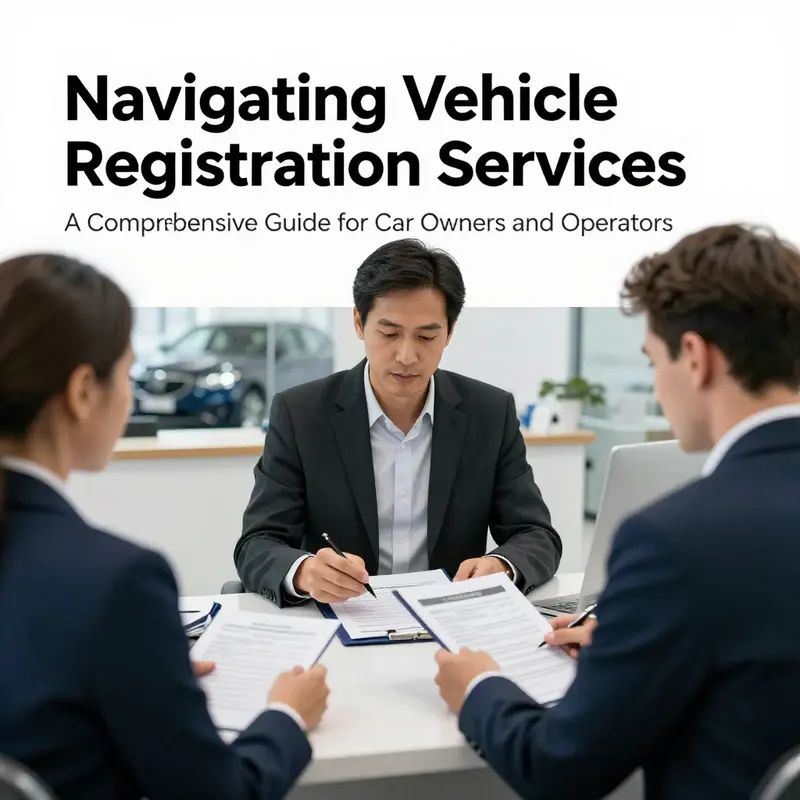
The process of transferring vehicle ownership serves as one of the most critical components in the realm of vehicle registration services. In a system where legal rights and responsibilities are continually assigned and reassigned, ensuring that every step is meticulously followed not only protects the interests of both the buyer and seller but also fortifies the integrity of the public records maintained by government agencies. The journey from one owner to another, although sometimes viewed as an administrative formality, encapsulates a broad spectrum of checks, documentation, and legal safeguards that collectively contribute to a robust registration system.
At the very heart of ownership transfer lies a series of sequential yet interdependent actions. The process commences with the completion of a detailed bill of sale or transfer form. This document, often prepared jointly by buyer and seller, acts as undeniable evidence that a transaction has taken place. It transcends a mere exchange of payment by affirming that both parties agree to the change in ownership. In legal terms, it serves as a binding contract that stipulates all the critical details such as the vehicle identification number (VIN), purchase price, date of sale, and the signatures of both parties. This document, therefore, is not only a record of financial exchange but also a formal declaration of the transfer of rights and obligations that accompany the vehicle.
Once this foundational step has been successfully navigated, attention turns to the updating of the title. The title is often regarded as the most tangible proof of a vehicle’s legal ownership. When the vehicle changes hands, the recorded title must be altered so that it accurately reflects the new owner’s identity. This step involves submitting the revised document to the relevant motor vehicle authority, which then reissues the title under the new name. It is here that the importance of precise documentation cannot be overstated; a single error or omission might lead to future legal disputes or complications in subsequent transactions. Detailed verification processes are in place to ensure that the information submitted is correct and corresponds with the national or state records maintained by government agencies.
Integral to the title update is the act of re-registration with the local motor vehicle authority. This registration process requires the new owner to file all updated paperwork, including the newly endorsed title. The motor vehicle authority, whether operating online through digital portals or offline at designated regional offices, then undertakes the responsibility of formally recording the ownership change. At this point in the process, the new owner is usually required to pay any applicable fees and, in many jurisdictions, undergo additional procedures such as vehicle inspection or an emissions test. These supplementary measures ensure that the vehicle meets the mandatory safety and environmental standards, thus safeguarding not only the new owner’s rights but also public safety and compliance with environmental regulations.
The structure of the transfer process is underscored by a series of general requirements that vary from one jurisdiction to another. Despite the variations, most regions insist on a few fundamental conditions: valid proof of identity from the new owner, the payment of designated fees, and, in many cases, the successful completion of a vehicle inspection or emissions evaluation. The requirement of identity verification is especially significant, as it forms the basis of trust upon which the entire system is built. By ensuring that only legitimate individuals can assume ownership, these measures help prevent fraud and misrepresentation. Supplementary fees, often perceived as administrative necessities, actually serve to cover the costs associated with maintaining an updated and secure registry, safeguarding the interests of all parties involved.
While many processes remain consistent, the mode of application can vary significantly. In the modern era, digital solutions have transformed traditional methods, with many jurisdictions now offering online application platforms. These platforms streamline the entire process, allowing individuals to submit the necessary documentation, remit fees electronically, and sometimes even schedule required vehicle inspections. For instance, technological advancements have made it possible for buyers and sellers to fill out the bill of sale digitally, attach scanned copies of required identification, and receive instant confirmation of submission. However, despite the convenience that online platforms provide, many areas retain the option for face-to-face interactions at regional vehicle registration offices. This dual approach caters to diverse audiences, ensuring that those less comfortable with technology are still able to complete their ownership transfer without undue hindrance.
Beyond the procedural aspects, a deeper, more strategic consideration is the consistency and accuracy of vehicle records throughout the transfer process. Each vehicle has a detailed history that includes previous ownership records, accident reports, and maintenance logs. When transferring ownership, these historical details become critically important. The new owner must be well aware of the vehicle’s past as it may have implications on insurance premiums, future resale value, and even eligibility for certain types of regulatory exemptions. As a result, it is imperative that the transfer process not only focuses on the formal change of name on a title but also ensures that the vehicle’s chronological record remains unbroken and accurately reflects its full history.
Considering the complexity of these interrelated elements, the entire process of ownership transfer becomes a delicate balancing act between customer service efficiency and regulatory compliance. Authorities must ensure that every document submitted adheres to stringent requirements, while individuals must exercise due diligence at every step. This collaborative responsibility is what ultimately preserves the integrity of the vehicle registration system. For many, the process might seem daunting; however, a thoughtful approach that includes careful review of legal documents, verification of vehicle history, and adherence to established protocols can significantly simplify the transition. In this context, the role of authorized third-party service providers has grown increasingly important. These providers often act as intermediaries who guide customers through the complexities of documentation and regulatory requirements, thereby reducing barriers and instilling a higher degree of accuracy in every transaction.
Moreover, many jurisdictions are now integrating electronic tracking systems that maintain digital records of all vehicle transfers, thereby minimizing the potential for inadvertent errors or fraudulent activity. These systems offer enhanced security measures such as encryption and multi-factor authentication, which help protect both personal and vehicular data. The move towards a digital infrastructure has opened a new chapter in vehicle registration services, where streamlined processes and improved data management work hand in hand to support the evolving needs of modern consumers. The advent of these systems has also enabled real-time updates to public records, meaning that any change in ownership is immediately visible to relevant authorities and even to prospective buyers engaged in secondary markets.
It is also important to consider how the specifics of the transfer process might be influenced by the type of vehicle under consideration. For example, the transfer of a personal vehicle typically involves standard procedures; however, vehicles designated for special purposes, such as commercial trucks or specialized equipment, might be subject to additional layers of verification and oversight. In the case of electric vehicles and other emerging automotive technologies, evolving regulatory frameworks are constantly being updated to account for changes in technology and usage patterns. These unique considerations necessitate an adaptable and forward-thinking approach from both regulatory bodies and vehicle owners alike.
Throughout this multi-step process, the importance of documentation cannot be overstated. Every piece of paperwork—from the bill of sale to the updated title and registration certificates—serves as a critical link in the chain of legal ownership. The precision with which this documentation is handled directly affects the security of the vehicle registration system as a whole. Incomplete or inaccurate documentation can lead to disputes, delays, and sometimes even legal challenges that may compromise the vehicle’s status. As such, both the buyer and seller are strongly encouraged to maintain copies of all documents submitted, and to verify the authenticity of each piece of paper before proceeding to the next stage of the process.
Modern vehicle registration services have learned a great deal from earlier, more manually driven systems. In the past, errors in financial records, misplaced titles, or lost documents could result in long and cumbersome legal battles. Today, however, significant advances in data management and document tracking have greatly minimized these risks. An accurate, digital repository of vehicle records not only streamlines the transfer process but also provides a reliable reference for any future disputes or inquiries regarding a vehicle’s history. In this regard, the integration of digital tools into traditional administrative processes is a trend that will likely continue to gain momentum in the years ahead.
Perhaps one of the most important aspects of the vehicle ownership transfer process is the clear communication between all parties involved. Both the buyer and the seller must be fully aware of the regulatory requirements, the necessary documentation, and the financial obligations that accompany the transfer. In many cases, misunderstandings arise not from intentional deceit but simply from a lack of familiarity with the detailed procedures involved. To mitigate this risk, many motor vehicle authorities now offer comprehensive online guides and educational resources designed to demystify the transfer process. These resources explain every detail in plain language, ensuring that individuals from all backgrounds—regardless of their experience with legal or administrative procedures—can complete the transfer with confidence and accuracy.
A well-structured transfer process also includes opportunities for error correction and dispute resolution. It is not uncommon for unforeseen issues to arise during the submission of paperwork or during vehicle inspections. In such situations, the ability to promptly address and rectify these challenges is vital. Clear guidelines for dispute resolution and error correction help maintain a smooth transition and minimize potential friction between the parties involved. Whether through direct contact with a motor vehicle authority representative or via a dedicated online support system, the availability of these remedial measures reinforces public trust in the system.
In discussing the nuances of vehicle ownership transfer, it is also essential to highlight the significance of adhering to both established regulations and emerging best practices. The process of updating vehicle titles and re-registering ownership is not merely a clerical exercise; it is a legally binding activity that can have long-term implications for both personal and financial security. An error at any stage can cascade into future complications, such as issues with insurance claims, difficulties in reselling the vehicle, or even challenges during legal disputes. Therefore, an uncompromising commitment to detail is necessary from all parties involved. This commitment is supported by frequent updates to regulatory guidelines, which are disseminated to the public via official websites and other trusted channels.
Furthermore, the role of digital and mobile platforms in streamlining the vehicle transfer process cannot be understated. The rise of comprehensive online service portals has enabled many users to complete a full transfer process without ever stepping into a registration office. Digital platforms not only offer convenience but also increase transparency by allowing tracking of the status of applications, submission of additional information if needed, and real-time notifications regarding any required actions. For those interested in broader insights on navigating modern service platforms, a visit to the KMZ Vehicle Center blog provides additional context and guidance on maintaining current vehicle registration practices while adapting to digital transformation.
In addition to the detailed administrative and technical steps involved in a vehicle ownership transfer, the overall process also embodies a series of consumer protection measures. These measures are designed to ensure that the transaction is equitable and that the rights of all parties are safeguarded. From verifying the unique identifiers of a vehicle to confirming the legitimacy of the documents provided, each procedural requirement is calibrated to minimize risk. Consumers are encouraged to engage in due diligence, inspecting not only the physical state of a vehicle but also the veracity of its registration history. In some cases, independent inspection services or verification agencies are called upon to provide third-party validation, further enhancing the security of the entire transaction.
Another essential facet of the process involves the consideration of fees and government levies associated with the ownership transfer. The financial component of the registration process includes a series of predetermined fees which may encompass application charges, title update fees, and occasionally even penalties if the processing time exceeds certain regulatory deadlines. These levies, while sometimes viewed as burdensome, play a crucial role in funding the infrastructure needed to maintain a modern, efficient registration and vehicle tracking system. They also act as a deterrent against frivolous or unauthorized changes of ownership, thereby preserving the accuracy and reliability of public records.
Beyond the immediate fiscal and administrative challenges, the vehicle ownership transfer phenomenon presents an opportunity for a broader societal reflection on the evolution of transportation governance. As traditional vehicular technologies give way to newer, more sophisticated alternatives—such as electric and hybrid vehicles—so too does the regulatory framework evolve to better accommodate the needs of modern society. In many regions, discussions are underway to further streamline digital registration processes, improve public accessibility to information, and even centralize data repositories in a manner that allows for cohesive oversight across multiple governmental agencies.
The ongoing evolution of these systems is not without challenges. Stakeholders must navigate a delicate balance between the need for rigorous data validation and the demand for user-friendly, accessible platforms. As technology continues to advance, so too must the regulatory mechanisms that govern the documentation and transfer of ownership. Authorities are increasingly investing in training and digital infrastructure to ensure that staff members are equipped to handle modern requests efficiently, while users benefit from reduced wait times and improved clarity in the documentation process. In doing so, they affirm their commitment to both maintaining legal integrity and embracing innovation—a dual objective that is central to the future of vehicle registration services.
At its core, the transfer of vehicle ownership is much more than a bureaucratic hurdle; it is a vital process that underpins the trust and reliability of the vehicle registration system. It calls for meticulous attention to detail, a comprehensive understanding of both legal and administrative requirements, and the capacity to adapt to evolving technological landscapes. Every completed transfer represents a successful convergence of old and new systems—a reconciliation of historical vehicle data with the modern need for efficient, transparent processing. For this reason, individuals and institutions alike must treat each transaction with the seriousness it deserves.
Furthermore, the successful navigation of these procedures often sets the stage for subsequent interactions within the same registration framework. A well-executed ownership transfer not only provides peace of mind for the current parties but also creates a seamless transition for any future vehicle-related actions, whether that involves selling the vehicle again, applying for permits, or changing other critical details in the registry. The ongoing maintenance of accurate records is therefore indispensable, as it forms the foundation for a host of interrelated services within the broader vehicle registration ecosystem. In this sense, the act of transferring ownership becomes both an end in itself and a stepping stone to a host of other administrative transactions.
Given the layered complexities and the pivotal importance of the process, it is clear that the role of public authorities and service providers extends far beyond the mere collection of fees and submission of paperwork. They act as stewards of public trust, ensuring that every vehicle on the road is accounted for with precision and that every owner is protected under the law. As such, the continuous evaluation and improvement of these procedures remain central to the broader objectives of transport policy and public safety. For further detailed guidelines and to keep abreast of the latest updates in this domain, interested parties may refer to the official website of the Department for Transport at Department for Transport.
In conclusion, the transfer of vehicle ownership encapsulates a multifaceted process that intertwines legal, technical, and administrative dimensions into a single coherent operation. It demands a high level of coordination between individuals, regulatory bodies, and even third-party service providers to ensure that every documented change aligns with the broader mandate of maintaining safe and accurate public vehicle records. As the vehicle registration services continue to evolve and adapt in response to new challenges and technological advancements, the foundational principles of transparency, accountability, and efficiency will remain the guiding forces behind every successful ownership transfer. The diligence exercised during these transitions ultimately reinforces the trust that the public places in the entire registration system, making each carefully executed transaction a testament to the robust framework that underpins modern vehicle governance.
Evolving Records: Navigating Information Updates and Special Vehicle Registration in a Modern Era
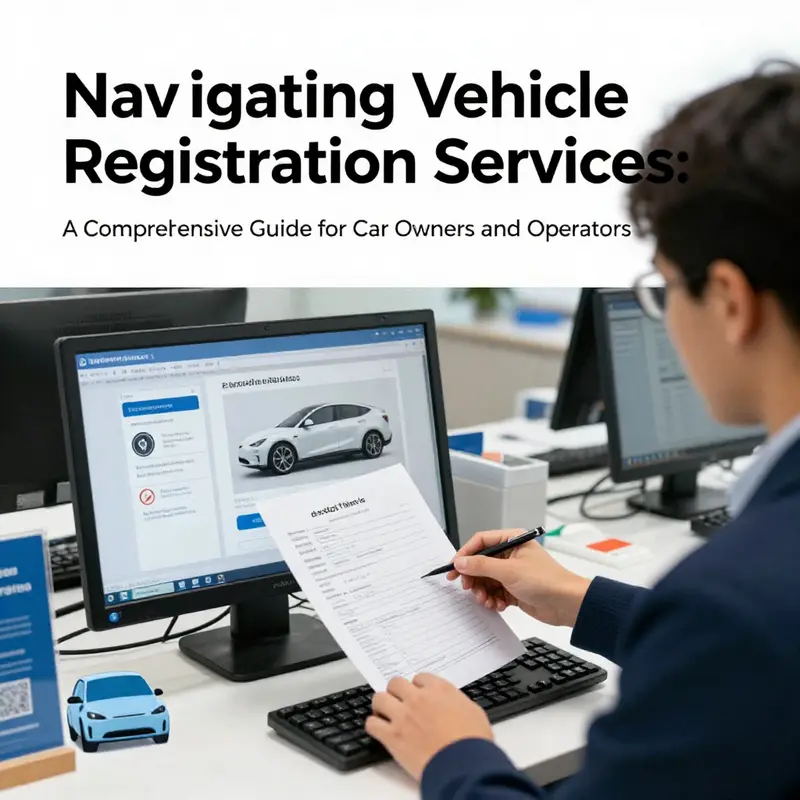
In the evolving landscape of vehicle registration services, where every detail matters from the recording of routine information changes to the management of special vehicle categories, emerging procedures have gradually redefined the way governments and regulatory bodies interact with motor vehicles. The recent regulatory developments signal a turning point in how authorities manage modifications to vehicle designs, maintain the integrity of registered data, and ensure that special vehicles meet both operational and safety standards before joining the public road network. With the introduction of standardized procedures and updated guidelines, the sector is transitioning into an era in which consistency, efficiency, and transparency are prioritized. Modern registration processes now integrate technology-driven solutions with traditional methods to ensure that every detail – whether it pertains to a simple change of address or to the approval of a newly designed vehicle component – is meticulously recorded and monitored.
The journey towards comprehensive reform began as officials recognized the need for a unified and transparent approach to documenting design changes in vehicles. On October 1, 2025, a groundbreaking initiative was officially announced, marking the introduction of a standardized procedure dedicated specifically to recording modifications made to vehicle designs. This move was not merely procedural; it reflected a broader commitment to both enhancing the accuracy of vehicle records and instilling greater public confidence in the registration system. Historically, mechanical and technological upgrades to vehicles were treated as secondary considerations, but as innovations in design and connectivity became more prevalent, there arose an essential need for a reliable system to monitor these modifications. This new methodology ultimately helps bridge the gap between rapid technological advancements and traditional registration systems by delivering a unified framework that benefits both regulatory authorities and vehicle owners alike.
Beyond the standardized approach to design changes, another prominent facet of modern vehicle registration emerges in the realm of intelligent connected vehicles (ICVs). In Shenzhen, as of March 28, 2024, public security authorities and traffic management departments have shifted their oversight responsibilities directly to accommodate the distinct and evolving nature of ICVs. These vehicles, equipped with interconnected technologies that communicate with infrastructure and other vehicles, require registration methods that reflect their advanced systems and the security implications that arise from them. The updated regulatory framework signifies more than just administrative change; it is an essential adjustment that ensures these vehicles, with their embedded technologies, are held to strict safety and operational standards. In many ways, the introduction of intelligent connected vehicles represents both the challenges and the opportunities inherent in modern technological integration, as it forces traditional systems to evolve and adapt rapidly to new industry landscapes.
As vehicle registration services progress, significant regulatory shifts have also been introduced to address long-standing issues surrounding unregistered vehicles. A new vehicle registration and licensing regime, effective from December 22, 2025, specifically targets vehicles that have remained unlicensed for extended durations. Through this regime, regulatory bodies have sought to rectify issues tied to long-term non-compliance, thereby safeguarding public roads and ensuring that every vehicle in operation adheres to current safety standards. The regime raises the bar in terms of scrutiny, requiring additional surveillance and stricter adherence to registration protocols for vehicles that might otherwise slip through the oversight net. This initiative has been particularly important in metropolitan and densely populated regions where unregistered vehicles pose heightened risks to both safety and environmental health. By addressing these concerns head-on, authorities are not only ensuring adherence to regulations but also reinforcing an ecosystem where every aspect of vehicle operation is monitored, documented, and regulated with utmost precision.
Parallel to the modernization of routine registration practices is the evolving domain of information changes. In a world where mobility is intricately tied to digital records, updating vehicle registration details to reflect changes in personal or operational information has become crucial. This realm of services covers a wide spectrum—from updating an owner’s residential address to amending vehicle usage classifications, like converting a private car into an operational or commercial vehicle. These modifications demand a seamless, reliable, and accessible update process, and the latest streamlining of registration services has been designed to accommodate that need. Technology has played a pivotal role in this transformation, with online application platforms emerging as a popular mechanism for submitting and tracking registration updates. Many regional authorities have embraced digital interfaces that simplify the process of updating vehicle information, minimizing paperwork and reducing the waiting period associated with traditional window-based applications. This digital integration not only accelerates the process but also reduces the possibility of human error, thereby ensuring that the vehicle registration records remain both accurate and current.
In addition to routine information changes, the registration procedures for special vehicles have seen significant revisions in recent years. Special vehicles, such as fire engines, ambulances, rescue and engineering vehicles, require bespoke registration protocols that acknowledge their distinct roles on public roads. In Beijing, for instance, the regulatory framework mandates that these vehicles acquire a dedicated approval certificate prior to registration. This certificate is granted only after the vehicles have met rigorous safety and operational standards which are far more stringent than those applied to conventional vehicles. The need for such detailed oversight arises from the critical functions these vehicles perform in emergency and service scenarios, where a minor error in design or misinterpretation of operational capacity could lead to severe consequences. This high degree of scrutiny is indicative of a broader trend in vehicle registration services, where the convergence of technology, design, and safety standards becomes essential in regulating various classes of vehicles under one unified system. Moreover, the enhanced focus on special vehicles represents a commitment to safeguarding public welfare and facilitating smooth emergency responses when needed most.
The reform in vehicle registration services is more than just an administrative update; it reflects broader societal changes in how transportation is perceived and utilized in the modern era. As vehicles become extensions of personal identity and professional assets, every detail related to their management – from registration and licensing to routine checks and special registrations – is entrusted with significant importance. For vehicle owners, staying abreast of these changes means not only fulfilling legal obligations but also contributing to a larger narrative of modernity and efficiency in transportation. In many instances, renewing registration or updating records is seen as part of maintaining a vehicle’s overall integrity and operational excellence. Equally, for regulatory authorities, the shift towards more technologically integrated processes means an opportunity to reduce fraud and administrative inefficiencies, thereby enhancing overall public trust in governmental institutions.
Furthermore, the global trends in vehicle registration services showcase how regulatory bodies worldwide are converging in their approaches to address similar challenges with innovative solutions. While regional differences exist due to varying local conditions and technological adoption rates, many of the challenges faced by regulators are universal. For example, the inherent risks associated with long-term unregistered vehicles or outdated registration records have prompted many governments to adopt a more rigorous regime similar to the one proposed in December 2025. Similarly, the adaptive measures adopted by cities like Shenzhen and Beijing in handling intelligent connected vehicles and special service vehicles respectively, stand as testaments to the relentless drive towards improved road safety and administrative excellence. This global perspective highlights how interconnected today’s regulatory challenges are and how innovations in one region can often influence legislative and technological adoption in another. As countries continue to learn from each other’s experiences, the convergence of standards, processes, and technological applications continues to foster a more harmonized and efficient world of vehicle registration services.
Despite the inherent challenges in transitioning from traditional to modern registration methodologies, the benefits of these updates are manifold. For vehicle owners, a streamlined and transparent system means they can now update vehicle records with ease, whether it is to correct a transposition error in the identification number or to update the vehicle’s history following a design change. For regulatory bodies, the adoption of digital processes reduces the risk of error, ensures real-time updates, and provides a robust framework for auditing and historical record keeping. This transformation has been facilitated by the integration of intelligent systems that can automatically flag discrepancies and ensure that all changes conform to established safety and quality specifications. In many respects, the modern registration system is a reflection of how technology can enhance public administration, offering not only improved service delivery but also heightened accountability and transparency. To explore further insights on the measures taken in service modernization, readers can review a range of articles that detail innovative practices in vehicle administration on the official blog available at this comprehensive resource.
While the modernizing efforts have been largely successful, the transformation is ongoing and continues to raise new avenues for improvement. The area of information changes is now subject to constant refinement, as digital records must be maintained with exceptionally high standards of accuracy and timeliness. This is particularly important in today’s environment, where even minor delays or errors in updating records can have broader implications for vehicle safety, law enforcement, and insurance processes. In parallel, special vehicles that operate under extraordinary conditions require continuous oversight. New amendments and periodic updates to the regulatory framework ensure that as firefighting, emergency rescue, and engineering vehicles evolve, their registration-based compliance remains current and robust. The modern administration understands that a static approach will do little to address the evolving challenges posed by emerging technologies and changing societal expectations. Instead, a dynamic model of regulation is favored, where continuous feedback from industry experts, technological advancements, and practical field observations helps shape incremental improvements in the registration process.
Innovation in vehicle registration services serves as a shining example of how traditional workflows can be transformed through a combination of careful regulation, technological integration, and a willingness to embrace change. By establishing a standardized procedure for design changes and adapting to the challenges presented by intelligent connected vehicles and special vehicle requirements, authorities have set a benchmark for operational excellence. This progressive model is not only beneficial for regulatory agencies but also offers a compelling narrative for vehicle owners who rely on a robust system to ensure their vehicles are registered accurately, maintained appropriately, and ready for safe operation on public roads. The transformation witnessed in this field underscores the need for constant vigilance, ongoing evaluation, and strategic adaptation in the face of rapid technological and procedural evolution. As the global community continues to propel forward into a future characterized by increasing connectivity and technological innovation, the regulations that govern vehicle registration services stand as the foundation for a safer, more interconnected road network.
In summary, the recent initiatives in the domain of vehicle registration represent a forward-thinking approach to addressing the multifaceted challenges inherent in managing safe, reliable, and up-to-date records of vehicle information. From the introduction of a standardized procedure for tracking vehicle design changes to the calibration of rules governing intelligent connected and special service vehicles, the modern registration journey is oriented towards a future where every change, update, and modification is accounted for with precision and care. This integrated system not only streamlines the administrative burdens for vehicle owners and regulatory bodies alike but also fortifies the framework that underpins road safety and public accountability. With each regulatory update, modern vehicle registration services continue to empower both the public and the authorities in their joint mission to ensure that vehicles remain compliant, safe, and reflective of the rapid advancements in automotive technology. For a detailed account of the official guidelines and regulatory measures that underpin these transformative initiatives, interested readers can refer to the comprehensive government resource available at Government Announcement on Vehicle Registration and Licensing Regime.
Final thoughts
Understanding vehicle registration services is crucial for ensuring compliance and streamlined operations for all vehicle owners and operators. By familiarizing yourself with the processes for new vehicle registration, annual inspections, ownership transfers, and information modifications, you empower yourself to navigate these services effectively. Stay informed about any changes or updates in vehicle regulations, as these can directly impact your vehicle management practices. Equip yourself with this knowledge and make informed decisions moving forward.