
When you receive a notification about your “vehicle service interval approaching,” it might feel a bit like receiving a reminder for a dental appointment-something easy to push aside but crucial to your overall well-being. In the world of automotive maintenance, understanding this notification is vital for ensuring your vehicle’s longevity and safety on the road. Regular service intervals help keep your car running smoothly by addressing potential issues before they become costly repairs. For private car owners, used car buyers, and small business fleet operators, being proactive about servicing can result in significant savings and a more reliable vehicle. By recognizing the importance of these notifications, you’re taking an essential step towards maintaining your investment. Learn more about vehicle maintenance strategies to stay ahead of those reminders!
Importance of Vehicle Service Intervals
Regularly scheduled vehicle service intervals are crucial for maintaining your vehicle’s overall health, performance, and safety. Adhering to a service schedule ensures that necessary checks and replacements are performed on critical components such as brakes, oil filters, and tires. Notably, the Car Care Council reports that vehicles that strictly follow recommended service intervals experience up to 30% fewer breakdowns compared to those that do not. This statistic underscores the importance of routine car maintenance in preventing unexpected failures on the road.
One of the primary benefits of regular servicing is the extension of engine life. Studies indicate that consistent maintenance can prolong engine lifespan by as much as 50%. This longevity translates into better performance and reliability, ensuring that your vehicle runs smoothly for years to come. Additionally, regular checks optimize fuel efficiency, potentially lowering your fuel costs over time.
Safety is another critical aspect that routine services address. Regular inspections help identify potential issues, ensuring that essential safety systems-like brake and light functions-operate correctly. In fact, neglecting scheduled services can lead to deteriorating safety conditions, increasing the risk of accidents and high warranty claims.
Furthermore, adhering to a structured maintenance schedule can also enhance the resale value of your vehicle by up to 20%. Prospective buyers often seek documentation that showcases the maintenance history, viewing it as evidence of the vehicle’s care.
In summary, the importance of vehicle service intervals cannot be overstated. Investing time and resources into regular maintenance not only boosts safety and performance but also translates to significant long-term savings. For more insights on optimal maintenance strategies, consider exploring our blog section or learn about optimal oil change intervals that you should follow.
Typical Service Intervals for Various Vehicle Makes and Models
Understanding the service intervals for your vehicle can help you maintain its performance and longevity. Here’s a comparison of common service intervals based on mileage, age, and the type of service required for different makes and models:
| Vehicle Make | Oil Change Interval | Tire Rotation Interval | Brake Inspection Interval | Additional Notes |
|---|---|---|---|---|
| Toyota | Every 10,000 miles | Every 5,000 miles | Every 12,000 miles | Regular maintenance ensures reliability. Learn more about maintenance tips. |
| Ford | Every 5,000 miles | Every 5,000 miles | Every 12,000 miles | Watch for transmission fluid changes at 60,000 miles. |
| Honda | Every 10,000 miles | Every 5,000 miles | Every 12,000 miles | Consistent service improves fuel efficiency. |
| Tesla | Every 10,000 miles | Every 6,250 miles | Check annually | Brake fluid check every 4 years. |
| Chevrolet | Every 7,500 miles | Every 5,000 miles | Every 12,000 miles | Ensure air filter changes every 15,000 miles. |
This table illustrates the varying service needs that depend on make and driving conditions. Keeping track of these differences can help optimize your vehicle’s performance and avoid costly repairs in the future.
The Consequences of Ignoring Service Intervals
Neglecting vehicle service intervals can lead to a variety of serious consequences that not only jeopardize the safety of drivers but also incur significant costs down the line. Regular maintenance is essential for keeping a vehicle in optimal working condition. The repercussions of skipping these service intervals can be grave. Here’s a breakdown of the potential risks and costs associated:
-
Increased Wear and Tear: A study by the AAA Foundation for Traffic Safety indicates that vehicles lacking timely servicing have a 40% higher risk of mechanical failure. Components such as brakes, tires, and engines experience excessive wear, which can lead to premature failure. For example, neglecting oil changes can result in oil sludge buildup, damaging engine components and ultimately leading to complete engine failure, which can cost upwards of $6,000 to replace.
-
Safety Issues: Safety is paramount when it comes to vehicle operation. A maintenance oversight, such as delaying brake inspections, can compromise stopping power, increasing the risk of accidents. The National Highway Traffic Safety Administration highlighted that 29% of vehicles involved in accidents had neglected essential inspections, underscoring that poor maintenance directly correlates with increased accident rates.
-
Costly Repairs: Ignoring recommended service intervals can lead to costly repairs. According to a CarMD report, drivers can expect to pay an average of $1,200 in preventable repairs over a vehicle’s lifetime due to maintenance neglect. This includes issues like brake degradation and transmission failures, which can range from $2,500 to $4,000.
-
Anecdotal Evidence: In a practical scenario, a local business owner skipped the recommended service for their delivery van, which subsequently broke down due to a failed transmission. The repair costs not only exceeded the annual maintenance costs but also resulted in lost business during downtime.
In summary, neglecting service intervals leads to increased wear and tear, safety concerns, and potentially hefty repair bills. Car owners must prioritize routine maintenance to ensure vehicle reliability and safety.
Common Signs Indicating It’s Time for Vehicle Service
Car owners should be vigilant about their vehicle’s performance and functionality. Observing certain signs can help determine when it’s time for service, ensuring that the vehicle remains in optimal condition and preventing more significant issues down the line. Here are some common indicators:
- Strange Noises: Unusual sounds such as clunking, grinding, or screeching can be a sign of mechanical issues.
- Warning Lights: Dashboard warning lights, especially for engine, oil, or brakes, should be addressed promptly.
- Decreased Performance: If the vehicle struggles to accelerate or has trouble maintaining speed, it may require attention.
- Fluid Leaks: Puddles of oil or coolant under the vehicle can indicate leaks that need to be fixed.
- Vibration or Shaking: If the steering wheel or car body vibrates excessively, it may suggest alignment issues or tire problems.
For more detailed maintenance tips, check out our blog or learn about optimal oil change intervals.
Preparing for a Service Appointment
To ensure a smooth experience when taking your car for servicing, it’s vital to prepare beforehand. Here are some practical tips for vehicle owners:
-
Check Fluid Levels: Before your appointment, check essential fluid levels such as engine oil, brake fluid, coolant, and windshield washer fluid. Low levels could indicate underlying issues that the mechanic should address.
-
Review Your Service History: Having your vehicle’s service history handy can be extremely beneficial. Knowing previous services, repairs, and upcoming maintenance can help the technician provide better service. Make sure to bring any relevant documentation or electronic records to discuss with your mechanic. Learn more about keeping a detailed service history.
-
Communicate Any Concerns: Document any issues you’ve been experiencing with the vehicle. Whether it’s unusual noises, warning lights, or performance problems, communicate these concerns clearly to the mechanic. This information will help them diagnose and address the problems more effectively.
-
Schedule Ahead: Try to book your appointment during off-peak hours-early mornings or mid-week can be your best bet. This will reduce wait times and allow mechanics to give your car the attention it needs. It’s also important to schedule your service a few weeks ahead, particularly before holidays or busy seasons.
By following these tips, you can help facilitate an efficient service appointment that will keep your vehicle running smoothly.
“Owning a car means owning its upkeep. The more you know about your vehicle, the better equipped you are to protect your investment.” – Carlos Mendez, ASE-Certified Master Technician. Learn more about the importance of vehicle maintenance.
Regular vehicle maintenance is vital for ensuring the safety, reliability, and longevity of your vehicle. By adhering to service intervals, car owners can protect their investments and avoid costly repairs.
In conclusion, understanding vehicle service intervals is crucial for ensuring the longevity and efficiency of your car. Regular maintenance not only helps in detecting potential issues early on but also improves fuel efficiency and enhances safety on the road. By keeping track of your vehicle’s service needs, you can avoid unexpected breakdowns and costly repairs down the line.
For private car owners, it is essential to familiarize yourself with your vehicle’s manual to understand the specific intervals for oil changes, tire rotations, and brake inspections. Likewise, used car buyers should prioritize checking the service history to ensure they are making an informed decision. Small business fleet operators can benefit from a well-planned maintenance schedule to keep their vehicles operational and minimize downtime.
We encourage you to take proactive steps toward vehicle maintenance. Don’t wait for the service interval notification-consider scheduling your next service appointment today with our automotive specialists at KMZ Vehicle Center. For more tips on maintaining your vehicle, visit our blogs on optimal oil change intervals and other related maintenance articles.
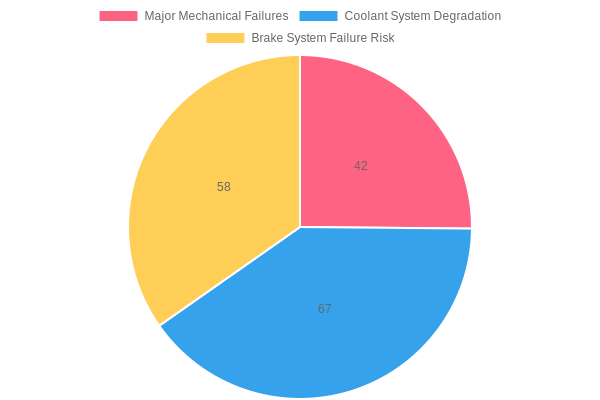
This chart illustrates the significant positive impact of adhering to vehicle service intervals on reliability. Key data points include:
- 42% lower risk of major mechanical failures for those following service intervals.
- A 67% increase in coolant system degradation for vehicles exceeding service intervals by more than 15%.
- A 58% higher risk of brake system failure due to fluid contamination when maintenance is delayed.
For more insights on vehicle maintenance, you can read our blog or learn about optimal oil change intervals that could further enhance vehicle reliability.