
Vehicle upfitting is an essential service that transforms standard vehicles into tailored solutions for various operational needs. For local private car owners, used car buyers and sellers, and small business fleet operators, understanding the role of vehicle upfitters and the benefits they offer can lead to significant improvements in performance, safety, and compliance. The following chapters will delve into what vehicle upfitting entails, the key activities involved, the enhanced operational efficiency it provides, the safety improvements offered, and the importance of customization and compliance in the upfitting process. Each chapter is designed to build your knowledge and illustrate how vehicle upfitters play a vital role in optimizing service fleets.
The Upfit Advantage: Turning Standard Vehicles into Mission-Ready Tools for Service Fleets
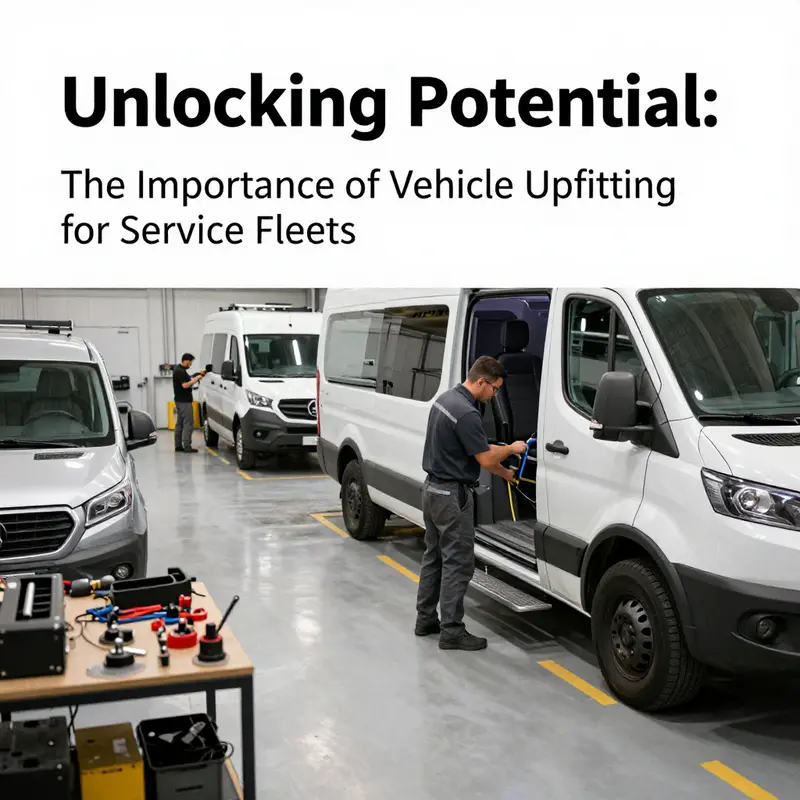
Vehicle upfitting is more than a set of add-ons. It is a design mindset that treats a fleet’s work vehicles as purpose-built tools, capable of delivering precision, safety, and reliability in the field. In service operations—whether a utility crew maintaining lines, a delivery team meeting tight deadlines, or a maintenance squad responding to a fault—vehicles must do more than transport people and gear. They must flow with the work, adapt to shifting tasks, and preserve the health of the crew as they move from site to site. Upfitters, as skilled partners in this transformation, bridge the gap between off-the-shelf production models and the duty-bound realities of daily operations. They translate a fleet’s needs into tangible configurations: sturdy storage, accessible workspaces, integrated technology, and proven performance upgrades. The result is not just a vehicle that carries equipment; it is a mobile workspace, a safety instrument, and a data node all in one. This is the core of the upfit philosophy: to shape a vehicle around the work, not the other way around.
In practice, the upfitting journey begins with a clear picture of the fleet’s tasks. A service van destined for field technicians may require a robust ladder rack, lockable tool storage, and a workbench that withstands daily use. A utility truck might benefit from a heavy-duty suspension that supports long hours on rough streets, plus a crane and reinforced tie-down points to secure heavy components. Emergency response units demand rapid access to equipment and redundancy in critical systems, often supplemented by advanced lighting, winching capabilities, and secure communications hardware. Across these scenarios, the shared aim is to minimize downtime, reduce the risk of injury, and empower workers to complete tasks more efficiently. The upfitter’s role is to translate the operational language of the field into physical changes that endure under the strains of real-world use.
A key element of this translation is the thoughtful integration of technology. Telematics, GPS tracking, and fleet-management software have become standard tools that help managers optimize routes, monitor vehicle health, and analyze driver behavior to improve safety and efficiency. But technology in an upfit is not a trendy add-on; it is the backbone of a continually improving operation. Sensors can be embedded to track load weight, door or ladder usage, and even the temperature of refrigerated compartments. These data streams feed into dashboards that help supervisors anticipate maintenance needs, schedule tasks in the most productive order, and allocate resources where they are most needed. The result is a fleet that learns from daily patterns rather than reacting to crises after they occur. As fleets scale, standardized yet adaptable upfits ensure that each vehicle contributes consistently to the whole, creating predictability in performance across hundreds of units.
The physical and ergonomic design of an upfit also matters immensely for safety and longevity. Upfitters tailor interiors for worker comfort and injury prevention by choosing reinforced cab structures, anti-slip flooring, and ergonomic seating arrangements that reduce fatigue during long shifts. They also optimize cargo areas for secure storage, using dividers, latching systems, and access points that minimize bending, reaching, and tripping hazards. The interplay between safety features and productivity is not accidental: when workers can move confidently through a vehicle, they perform their tasks faster and with fewer mistakes. In high-stakes contexts—like maintenance crews handling heavy materials or responders accessing critical equipment—these considerations translate directly into fewer injuries and faster service delivery.
Compliance is another essential thread in the upfitting tapestry. Upfitters operate in a highly regulated space, where changes to weight distribution, ballast, lighting, or storage must meet federal and state requirements. They work in concert with fleet managers to certify that every modification aligns with safety standards and industry rules, such as those set forth by governing bodies and standards organizations. This collaborative approach reduces the risk of noncompliance, which can lead to costly fines, operational delays, or liability in the event of an incident. The reliable partnerships forged with upfitters also support maintenance and inspections over the vehicle’s lifecycle, ensuring that modifications remain fit for purpose as tasks evolve and regulations shift.
Beyond the essential mechanics of the job, the cultural and branding dimensions of upfitting can deliver strategic value. A fleet that presents a cohesive, durable, and well-organized service image reinforces client trust and internal morale. Custom paint schemes, durable signage, and uniform storage solutions communicate professionalism and capability to customers, partners, and regulators alike. This aesthetic alignment with function embodies a broader principle: the vehicle is not just a tool but a representative of the organization’s standards and capabilities. The upfit process, therefore, becomes a story of consistency—across thousands of miles of service, across different crews, and across diverse weather and terrain.
The question of cost is never far from the surface. Upfitting represents an upfront investment, but the total cost of ownership often trends downward over the vehicle’s lifecycle. Efficient layouts reduce daily wear and tear by distributing weight and loads more evenly, which helps brakes, tires, and suspensions stand up to heavy use. Better equipment placement and ergonomic features reduce worker fatigue and the time spent on routine tasks, compounding savings in fuel, maintenance, and downtime. Furthermore, standardized upfit configurations make maintenance and part replacement easier across a fleet, lowering downtime during repairs and simplifying training for new hires. When viewed through the lens of long-term performance and reliability, upfitted vehicles become durable assets rather than expendable gear.
The real-world implications of these principles are visible in municipal and industrial settings where the complexity of daily operations is high and the need for dependable service is constant. A waste-management department, for example, might work with an upfitter to design compactors with automated side-loading systems, integrated sensors, and route-aware software. The result is a vehicle that not only carries out its task more efficiently but also communicates with a central system to optimize routes and anticipate maintenance. Comparable transformations occur in electrical utilities, telecommunications, and construction fleets, where the same mindset—adapt the vehicle to the work, integrate technology to inform decisions, and ensure compliance and safety—yields tangible gains in uptime and service quality. These outcomes echo the broader trajectory of modern fleet management, where the vehicle is a platform for work, data, and safety rather than a passive carrier of gear.
To appreciate the full spectrum of benefits, it helps to view upfitting as a continuous improvement process rather than a one-off installation. The collaboration between fleet managers and upfitters evolves with the company’s needs, enabling standardized configurations that still retain flexible options for specialized tasks. This scalability is essential for service fleets that expand or re-task vehicles as programs grow or priorities shift. The upfit becomes a reproducible recipe—delivered at scale, applied with precision, and updated as new technologies or regulatory demands emerge. In this light, the upfitting ecosystem supports not just the present-day demands of service provision but also the strategic ambitions of organizations aiming to deliver more reliable, safer, and more cost-effective service.
For practitioners seeking practical guidance during the journey, the path is as much about process as it is about parts. Start with a clear, data-driven brief that maps tasks to functional requirements and identifies bottlenecks in current workflows. Engage with a reputable upfitter who can translate constraints into tested, durable solutions while maintaining regulatory alignment. Build in a plan for training, maintenance, and ongoing evaluation so the upfit remains fit for purpose as operations evolve. And while the specifics of each vehicle and each operation will differ, the underlying principle is universal: a vehicle designed around the work elevates performance, safety, and value across the entire service lifecycle. For practical guidance on keeping upfitted vehicles in good condition, see truck maintenance tips for first-time owners.
External resource: NHTSA’s Vehicle Upfitting Resource provides authoritative safety guidelines and best practices that complement the upfitting journey and help fleets stay compliant while pushing performance forward. NHTSA Vehicle Upfitting Resource
Engineered for Service: The Core Upfitting Activities That Shape a Fleet’s Day-to-Day Performance
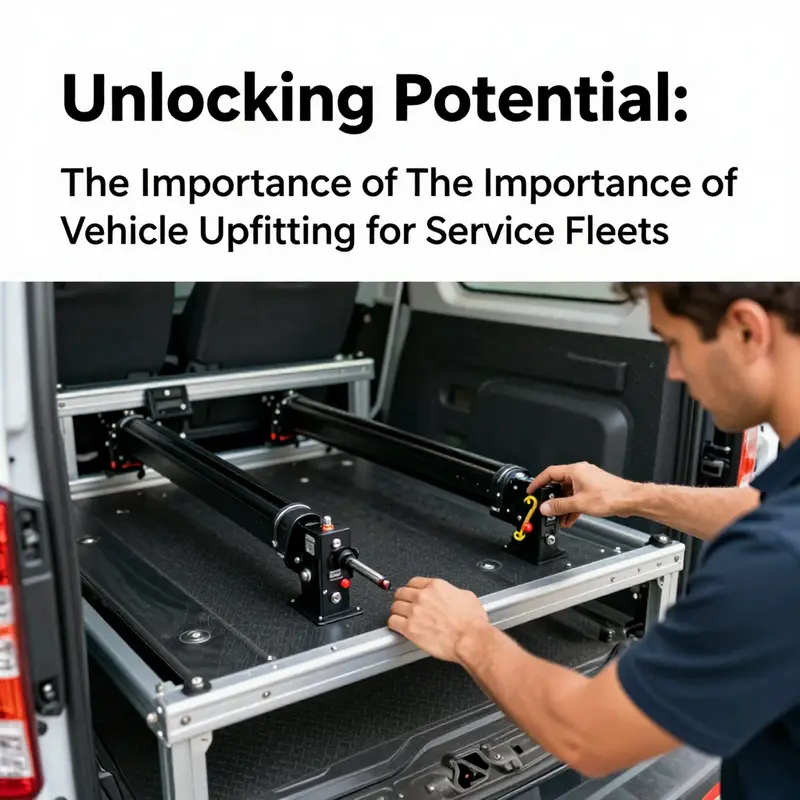
When a fleet depends on vehicles to carry out critical tasks—from restoring power to delivering essential supplies, from inspecting pipelines to responding to emergencies—the difference between a standard production model and a truly capable vehicle is upfitting. A vehicle upfitter acts as the bridge between the raw potential of a chassis and the precise demands of daily operations. The process is not about adding gadgets for gadget’s sake; it is about orchestrating a suite of purposeful modifications that improve efficiency, safeguard personnel, and extend the life of the asset. In service fleets, where downtime translates into costs and risk, the upfitter’s work is less about style and more about a carefully weighed blend of engineering judgment, safety oversight, and practical usability. The journey from concept to road-ready vehicle begins with listening—understanding the fleet’s routes, workloads, and regulatory environment—and ends with a vehicle that feels almost inevitable in its fit for duty. Every modification is chosen with an eye toward compatibility with the fleet’s operation, maintenance schedules, and budgetary realities, ensuring that the vehicle remains reliable across its entire lifecycle.
Suspension and chassis modifications set the tone for how a vehicle will perform across the rough edges of daily service. Upfitters evaluate expected loads, terrain, and route length to determine whether reinforced springs, heavy-duty shock absorbers, or selective lifting is appropriate. The aim is not just a stiffer ride, but a controlled one—one that preserves tire wear, reduces operator fatigue, and maintains predictable handling during dispatches that cut across uneven surfaces, gravel, or urban streets with sudden stop-and-go demands. When done well, these changes yield improved ride quality, enhanced stability during heavy lifting or long drives, and a foundation that supports subsequent enhancements without compromising structural integrity.
Body and exterior enhancements go beyond aesthetics. Protective bumpers and reinforced panels shield vulnerable points from anticipated hazards—whether the job sites are congested urban corridors or remote extraction routes. Skid plates and roll bars add a layer of resilience against impact and debris, while custom bodywork supports the practical needs of the operation, such as weatherproof enclosures, ladder stowage, or secure tool mounts. Branding remains a consideration, but it’s a byproduct of thoughtful design: a unified exterior that signals professional capability while remaining low-profile enough to avoid unnecessary draw for non-operational risks. The result is a vehicle that can withstand daily wear, resist the elements, and present a professional, consistent appearance across a fleet.
Interior customization focuses on ergonomics and efficiency. The cab becomes a working environment where drivers perform tasks for long shifts, sometimes in challenging conditions. Specialized seating configurations, durable flooring, and optimized cabin layouts reduce fatigue and support quick, precise motions during service calls. Integrated storage systems keep tools, parts, and documentation within easy reach, while climate control or insulation improvements maintain a comfortable environment in extreme weather. These interior adjustments translate into fewer interruptions, faster task completion, and a safer workspace that keeps drivers focused on the job rather than fighting with clutter or cramped space.
Powertrain and performance upgrades address the need for sustainable, reliable operation under varying load profiles. Fleet tasks often demand reliable acceleration for merging into traffic, steady torque for equipment operation, or efficient cruising for long routes. Upfitters may modify engines, transmissions, or exhaust systems to improve fuel efficiency, torque delivery, or towing capacity, with careful attention to emissions regulations and warranty implications. The goal is not to chase horsepower but to align power delivery with real-world use: smoother drivelines, better response at the right RPM bands, and a drivetrain that tolerates heavy-duty work without sacrificing longevity. In this context, even small gains in efficiency or reliability accumulate across hundreds or thousands of miles, translating into meaningful reductions in fuel spend and maintenance costs over time.
Electrical and telematics integration is arguably the backbone of a modern service vehicle. Wiring harnesses expand to accommodate diagnostic tools, GPS trackers, remote monitoring devices, and fleet management software. This integration delivers real-time visibility into vehicle health, location, and performance, enabling predictive maintenance schedules that reduce unexpected downtime. Data flows become actionable: a sensor alert might prompt a quick tire rotation or battery check before a breakdown, while route data informs dispatch on the most efficient paths, taking into account traffic, weather, and service demand. The upfitter must balance power needs with electrical safety, ensuring systems are protected by appropriate fusing, shielding, and heat management. When executed well, the vehicle behaves as a mobile data node, feeding information into the fleet’s wider operations ecosystem and enabling smarter decisions at the management level.
Specialized equipment installation is the defining feature of most service vehicle programs. Hydraulic lifts, refrigeration units, cargo racks, or emergency lighting systems are chosen to match the fleet’s core activities. The installation challenges involve not only mounting weight and space efficiently but also ensuring reliable service life in demanding environments. For example, a utility truck may require heavy-duty crane functionality or a robust ladder system; a field service van might need refrigeration to preserve materials or tools at correct temperatures; an emergency-response vehicle must balance lighting, sirens, and communication gear while preserving payload capacity. Each component is integrated with the vehicle’s electrical and hydraulic systems, tested for safety, and wired to be easily serviced in the field by technicians with the right expertise. The result is a vehicle that can perform specialized tasks without requiring operators to improvise or improvise—every tool and system within reach and ready for action.
Safety and compliance features thread through every step of the upfitting process. Enhanced braking systems, backup cameras, and ADAS capabilities support safer operation in congested work zones and provide an extra margin of protection for workers. Compliance with federal and state regulations, such as DOT, OSHA, and FMCSA standards, is not an afterthought but a core criterion during design, inspection, and testing. Professional upfitters bring a disciplined approach to documentation, labeling, and verification, helping fleets avoid non-compliance penalties and ensuring that vehicles pass inspections without delays. This rigor is essential when a fleet operates across multiple jurisdictions or when vehicles perform high-risk tasks where precise performance metrics matter for liability and safety.
The practical orchestration of these activities happens in close partnership with fleet operators. A successful upfit begins with a shared understanding of routes, tasks, and constraints, followed by a design phase that translates those insights into a concrete plan. Load calculations, weight distribution analyses, and clearance checks are not technical jargon but the scaffolding for a vehicle that remains service-ready throughout its life. Post-installation, the emphasis shifts to commissioning—systematic testing to confirm that electrical circuits, HVAC, hydraulics, and safety features operate harmoniously under real-world conditions. Maintenance planning then follows, ensuring technicians know how to inspect and service the added components, preserving warranties and extending the vehicle’s useful life. When fleets invest in upfitting with this level of care, the result is a family of vehicles that behaves like a single, well-tuned instrument—each unit contributing to a larger collective performance.
For fleets seeking ongoing guidance on maintenance and best practices, the KMZ Vehicle Center blog offers practical insights and context KMZ Vehicle Center blog. Real-world case studies also illustrate how thoughtful upfitting translates into measurable improvements in uptime, safety, and efficiency across a range of service applications. As service demands evolve—whether toward more electrified propulsion, more intelligent routing, or tighter safety protocols—upfitters play a pivotal role in keeping the fleet aligned with those goals. This alignment hinges on designing around the work itself: understanding the daily rhythms of the drivers, the constraints of the environments where vehicles operate, and the regulatory landscape that governs commercial mobility. In that sense, upfitting is less about a one-time modification and more about creating a durable framework that can adapt as needs change, ensuring the fleet remains capable, compliant, and cost-effective from deployment through retirement.
External resource: Global Vehicle Upfitting Market Report by QYResearch provides a broader context for how industry practices, global trends, and regulatory forces shape the upfitting landscape. Access the report at https://www.qyresearch.com/reports/1073428/global-vehicle-upfitting-market-trends-analysis-and-forecast-to-2030.
The Fabric of Service: Upfitting for Efficient Fleet Operations

When fleet managers map routes or decide how a crew should operate, the question extends beyond horsepower and payload. It asks how to translate a vehicle into a tool that reliably supports a crew’s exact workflow from shift start to job completion. That translation is the core of vehicle upfitting. An upfitter is more than a supplier of add ons; they are a collaborative partner who reimagines a stock chassis as a purpose built platform. The process, known as upfitting, weaves together safety, practicality, and durability so the vehicle can march through long days, challenging weather, and tight job sites without becoming a bottleneck. A well upfitted vehicle is not merely loaded with equipment; it is engineered to become a seamless extension of the technician’s hands and mind.
The heart of upfitting lies in listening to users—the technicians who will live in the cab, open the back doors, and reach for a tool in the middle of a crowded street. From this frontline perspective, the upfitter designs around the way work actually happens. They install purpose built cargo compartments, ladders, lift gates, and secure storage that keep tools and materials exactly where they are needed. They also tailor interiors for ergonomics and safety, selecting flooring that won’t slip on a rain slick surface and seating arrangements that reduce fatigue during long shifts. Every rack, every drawer, every tie down point is chosen to minimize the time technicians spend searching for items or wrestling with clutter. The result is a vehicle whose layout advances the job, not the other way around.
Technology plays a pivotal role in this transformation. Upfitters integrate telematics, GPS, and fleet management software to deliver real time visibility, route efficiency, and predictive maintenance insights. A single, well wired dash can consolidate diagnostics, fuel data, and vehicle health alerts, turning a routine inspection into a proactive safeguard against downtime. For service fleets, the combination of physical customization and digital integration is a force multiplier. It means a crew can plan an afternoon route with confidence, knowing the van’s interior is organized for fast access to the right tools and the telematics system will flag a maintenance issue before it disrupts service.
Beyond gadgets and gadget placement, the interior itself can be redesigned to support safer and more productive work. Cabins can be configured for enhanced ergonomics, with optimized seating, easier ingress and egress, and non slip flooring that resists wear in adverse conditions. Storage solutions are paired with secure locking mechanisms and smart labeling so technicians can identify and retrieve equipment without unnecessary movements. This attention to detail reduces product and personnel risk while improving the cadence of daily tasks. In service environments where vehicles spend long hours in transit or parked at job sites, such thoughtful design translates into steadier energy use and steadier performance across the fleet.
Safety and compliance anchor every decision. Upfitters align modifications with safety regulations and industry standards, from load securement to lighting and visibility. Reinforced cab structures, impact protection for stored materials, and compliant lighting configurations contribute to safer work environments. Regulators such as those overseeing commercial vehicle operation emphasize the importance of proper loading, secure storage, and accessible emergency equipment. When fleets rely on upfitters to navigate these rules, they gain more than compliance; they reduce the risk of fines, downtime, and costly liability.
The financial logic of upfitting rests on long term value. While upfits require upfront investment, the payoff often arrives through lower total cost of ownership. Better weight distribution and aerodynamic considerations can improve fuel economy, while purpose built layouts protect chassis integrity and reduce wear on mechanical components. Maintenance becomes easier when tools and parts are organized in fixed locations, leading to quicker service calls and fewer trips back to the shop. A side benefit often observed is reduced health related costs; properly designed work vehicles can lessen worker fatigue and musculoskeletal strain, contributing to fewer sick days and higher overall productivity. In this sense, the business case for upfitting sits at the intersection of safety, efficiency, and asset longevity.
Branding and fleet psychology also come into play. Upfitters can apply colors, logos, and signage that transform each vehicle into a mobile representation of the organization. When a fleet presents a consistent, professional image, customers experience reliability before they even meet the technicians. At scale, standardized upfits simplify maintenance scheduling, spare parts inventory, and driver training. A uniform approach across a large order improves predictability in operations and creates efficiencies that ripple through procurement and service delivery.
Sustainability is no afterthought in modern upfitting. With growing emphasis on greener fleets, upfitters increasingly offer options that support environmental goals. This includes integrating electric vehicle conversion kits or hybrid components where feasible, which can help reduce emissions and align with corporate sustainability commitments. The shift toward electrified work platforms does not erase the need for rugged reliability; it reframes the toolbox and reconfigures the routine around a quieter, cleaner, and more economical operating model. Even when full EV adoption isn’t practical in every role, lightweight, modular chassis upgrades and energy efficient accessories can contribute meaningful improvements in efficiency and lifecycle costs.
A tangible illustration of these concepts comes from real world operations. Consider a municipal waste management department that partners with an upfitter to convert standard trucks into compactors with automated side loading systems, integrated sensors, and route optimization software. The modifications are not cosmetic; they change the cadence of the driver’s day and the precision of the route itself. With the right layout, a single crew can handle higher daily throughput with fewer trips, improving safety by reducing heavy lifting and awkward maneuvers while increasing predictability in collection schedules. This example sits at the convergence of physical design, digital connectivity, and operational strategy—the essence of what an upfitter can bring to a service fleet.
For practitioners seeking a deeper dive into practical adaptation strategies and case studies, the KMZ Vehicle Center blog offers accessible perspectives and concrete examples of upfit projects in the field. It serves as a useful companion to the broader exploration of upfitting best practices and fleet optimization. KMZ Vehicle Center blog
All these dimensions—layout, technology, safety, lifecycle economics, branding, scalability, and sustainability—work together to convert a generic vehicle into a resilient, adaptable asset. The upfitter’s craft is not about adding features; it is about orchestrating a system where every component works in harmony with the crew’s workflow. The result is a fleet that can deliver faster service, safer operations, and a stronger bottom line across the long arc of daily operations. It is this synthesis of design thinking, regulatory awareness, and practical execution that makes vehicle upfitting a strategic driver of efficiency for service fleets. To the fleet manager, it is not an optional upgrade but a foundational capability—the means by which a fleet becomes a scalable, reliable, and brand consistent platform for delivering critical services.
External resource: NAFA
Safe by Design: Elevating Service Fleet Safety Through Vehicle Upfitting

Safety is not an afterthought in service fleets; it is the backbone of daily operations. Vehicle upfitting, once seen as a way to add shelves and ladders, has evolved into a discipline that designs safety into every inch of a vehicle. When a fleet treats upfit work as risk management, the benefits extend beyond fewer incidents to steadier operations, lower liability, and a stronger focus on worker well-being. An upfitter approaches a standard chassis as a blank canvas—one that must endure demanding routes, variable cargo, and the unpredictable realities of the workday. The result is a vehicle that not only carries tools but also supports safe behavior, with systems tucked into the vehicle where they are most needed.
A core pillar of safety in modern upfitting is advanced driver assistance systems (ADAS). These systems act as a guardian on the road, compensating for the inevitable moments of distraction, fatigue, or misjudgment that accompany long shifts. Automatic emergency braking reduces stopping distances when a collision seems likely, a feature especially valuable on busy urban routes where pedestrians and cyclists mingle with delivery vans and utility trucks. Lane-keeping aids help a driver stay on course when the road narrows or weather obscures lane markings, while blind-spot detection warns of vehicles that an ordinary glance might miss during a lane change. In the hands of trained operators, these technologies aren’t a substitute for vigilant driving; they are a safety net that adds a margin of error in favor of prevention.
Beyond the electronics, the physical architecture of the upfitted vehicle matters as much as its software. Secure cargo restraints and reinforced body structures guard against the day-to-day jolts of loading and unloading, sudden stops, and rough terrain. When a ladder shifts during ascent, or a toolbox moves with a hard braking event, the consequences can be severe. Upfitters design anchored storage, tie-down points, and anti-slip floors that keep materials stable, decreasing the likelihood of shift-induced loss of control. The iterative process of optimization also prioritizes weight distribution. A miscalculated load can alter steering, braking, and cornering in ways that surprise even seasoned drivers. Through careful placement of heavy items low and centered, fleets gain not only stability but predictable handling characteristics, enabling operators to react with confidence rather than improvisation.
Ergonomics is another thread that runs through safety’s fabric. The routines of service work—driving to diverse sites, crawling into confined compartments, lifting, twisting, reaching—place cumulative stress on bodies. Upfitters respond with seating arrangements, steering wheel and pedal adjustability, and dashboard layouts tailored to the drivers who inhabit them day after day. A cabin designed around a technician’s workflow reduces fatigue, which in turn lowers the likelihood of momentary lapses that can escalate into accidents. In waste collection, utility maintenance, or emergency response, drivers spend hours navigating tight spaces. When controls align with natural movements and fatigue is mitigated, the result is steadier hands, quicker reactions, and fewer injuries. It is a reminder that safety is as much about human factors as it is about hardware.
The story of safety in upfitting would be incomplete without attention to data and learning. Telemetry and fleet management software deliver a real-time picture of how a vehicle behaves on the road and how a driver interacts with the equipment. Data about braking patterns, acceleration, cornering, and idling form the basis for targeted coaching. Supervisors can identify risky patterns—like frequent harsh braking in a particular route—and tailor training to address them. This creates a culture where safety is an ongoing, data-driven conversation rather than a one-time compliance check. It also supports maintenance planning; alerts can trigger timely inspections of critical safety components, from electrical harnesses to sensor calibrations, ensuring that the vehicle’s safety features operate as designed.
Regulatory compliance and risk management sit at the heart of credible upfitting programs. Reputable upfitters work within the framework of federal and state rules, aligning modifications with safety standards that govern commercial vehicles. That alignment reduces exposure to fines and legal risk while helping a fleet demonstrate due diligence in the event of audits or incident investigations. In this sense, the upfitter becomes a partner in building a compliant, defensible operation, not merely a shop that adds features. Resources from fleet associations emphasize best practices around vehicle upfitting, safety standards, and the cost of noncompliance, underscoring how carefully calibrated modifications protect people and assets alike.
As with any safety initiative, real-world adaptation provides the most compelling proof of value. Consider a municipal fleet tasked with routine waste collection that also faces the risks of narrow streets and heavy on-route traffic. An upfitted truck can combine automated side-loading hardware with sensors that detect curb proximity, a lighting package that improves visibility in early morning routes, and a compact storage system that minimizes loose gear on the rear deck. The driver benefits from a safer, more organized workspace, while the city gains in on-route reliability and fewer incidents during transfers and stops. The same principles apply across utilities, courier services, and construction operations, where the ability to preempt hazards by design reduces exposure to injuries and liability.
Even branding, often seen as a marketing aftertaste, can be harmonized with safety objectives. A fleet can project a professional image without sacrificing the protective logic built into the vehicle. Distinctive paint schemes and logos can coexist with well-ordered tool mounts, labeled hazard zones, and clearly marked escape routes inside the cab. The result is a mobile instrument of the organization’s safety promise, not just a rolling advertisement. For fleets expanding their operations or standardizing across a growing number of vehicles, scalable upfit templates offer the twin advantages of uniform safety outcomes and more predictable maintenance across the entire fleet. The disciplined approach to standardization also eases training and reduces the variability that can complicate safety audits.
Maintenance, inspection, and calibration sit at the end of the safety loop, but they are far from afterthoughts. Upfitted systems require ongoing care: periodic checks of fasteners, harnesses, and mounting points; regular calibration of sensors and cameras; and proactive replacement of worn components before they fail. A practical guideline is to treat the upfit as a dynamic system that evolves with the fleet’s tasks and routes. When a new route demands a different tool set or when a driver reports a drift in a steering feel, the aligned team must revisit the configuration to preserve its safety edge. In this spirit, a simple resource for frontline operators is to consult maintenance guidance on truck upkeep to keep the workhorse in peak form; see Truck maintenance tips for first-time owners for practical upkeep guidance.
The arc of safety through upfitting is not a one-off upgrade but a continuous path. It requires collaboration among fleet managers, technicians, and drivers to translate policy into practice. It demands vigilance, not just for the equipment but for the human beings who rely on it daily. When upfitters treat safety as a design imperative and fleets commit to ongoing monitoring, the result is a set of vehicles that reduce the likelihood of accidents, protect workers, and lower the total cost of risk. The idea that a vehicle can be both a tool and a shield is not merely aspirational; it is a practical strategy that aligns operational efficiency with humane, responsible stewardship of the workforce.
For readers seeking a broader frame, the evidence from national safety authorities and fleet associations reinforces that vehicle upfitting should be viewed as a core component of modern fleet management. The close link between engineered protections, driver support systems, and compliant practices produces a safer, more productive service fleet that can adapt to changing conditions without compromising people or performance. For more on upfitting safety research, see the external resource provided by the National Highway Traffic Safety Administration. The link points to a comprehensive report on how upfitting intersects with safety practice and policy, offering a roadmap for continuous improvement: https://www.nhtsa.gov/vehicle-upfitting-safety.
Built to Work: The Craft of Customization and Compliance in Service Vehicle Upfitting

Every service fleet moves through a landscape of tasks, routes, and deadlines. The choice to upfit a vehicle reflects a deliberate wager: a generic chassis can be transformed into a precise tool, tuned for a single line of work. The vehicle upfitter stands at the center of that transformation, translating operations into a tangible set of features, fixtures, and constraints. This is not merely add-on equipment; it is a reimagining of how a machine behaves under load, in traffic, and on windy job sites. The goal is simple yet powerful: reduce friction, increase safety, and extend the vehicle’s usable life, so crews can focus on the work ahead.
Customization begins with listening. A good upfitter spends time with fleet managers and technicians to map tasks to physical design. They consider equipment that must travel, be accessed, or deployed routinely: tool storage, ladders, racks, lift mechanisms, or enclosures that protect gear from weather. They integrate technology that makes operations visible and controllable: GPS, telematics, diagnostic interfaces, and fleet software that tracks usage, maintenance, and route efficiency. They also adjust interiors for comfort and safety, from seating layouts to anti-fatigue flooring and secure anchor points for tools. Each choice is weighed against the vehicle’s structural limits and the need to keep the chassis compliant with safety rules. This is where the art of customization meets the science of safety, producing a vehicle that feels like a single-purpose tool rather than a leftover shell of the factory model.
The most valuable upfit is the one that anticipates the job. Consider a service van designed for rapid material swapping and on-site diagnostics. A well-executed package might include integrated ladders and drawers that align with the technician’s workflow, a rear camera and lighting package for visibility in dim alleys, and a power system that supports portable tools without draining the main battery. In another scene, a utility truck may receive a robust crane, reinforced panels, and a dedicated storage bay that keeps heavy hardware from shifting during transit. The overarching aim is to harmonize function with safety, ensuring that every added device contributes to performance rather than creating new risk factors. The job of the upfitter, in short, is to maintain a balance between capability and reliability while guarding the vehicle’s handling and uptime.
The compliance puzzle is not an afterthought but the framework that allows all this customization to exist legally and safely. Compliance sits at the core of every upfit decision. Safety standards govern structural changes and the installation of heavy equipment, as reflected in national and regional rules for commercial vehicles. Emissions requirements force fleets to consider location-specific limits, especially as agencies and private operators explore alternative powertrains. Weight limits are a constant equation: every rack, every heavy drawer, and every crane shifts the vehicle’s weight, potentially altering braking, suspension, and steering. Accessibility laws remind fleets that inclusion is not optional and that doorways, ramps, and secure anchoring must accommodate all workers. Responsible upfitters keep a meticulous record of the changes, certify components, and provide documentation that aligns with regulatory expectations. They leverage pre-approved systems and tested configurations, reducing the risk of non-compliance during inspections, insurance audits, or fleet reviews.
Non-compliance carries real costs. Fines, recalls, and gaps in insurance coverage can disrupt operations and erode trust with customers. The cost emphasis shifts from initial price to total cost of ownership, as non-compliant modifications can create downstream expenses in maintenance and failure scenarios. For fleet managers, the path to risk reduction is proactive, not reactive. That means selecting certified upfitters who understand the applicable rules and who keep pace with evolving standards for heavy equipment, electronics integration, and emerging propulsion methods. It also means demanding detailed change logs, witnessed tests, and validation that every modification remains compatible with the vehicle’s original design intent and safety margins.
Standardization offers another strategic advantage. When fleets adopt a core set of approved configurations, maintenance becomes easier, parts interchangeability rises, and technicians learn the same interfaces and storage layouts across dozens or hundreds of units. A unified approach supports brand identity, allowing fleets to incorporate consistent signage and color schemes that reinforce professional reliability on the road. Yet customization remains essential, because no two routes are identical. The best fleets balance common platforms with flexible add-ons that can be swapped as tasks evolve, such as modular storage units or scalable power setups. This balance keeps the fleet agile while preserving compliance and predictability.
In practice, the project unfolds through a staged process: design review, CAD validation, component sourcing, controlled installation, vibration and torque testing, and final safety checks. Each stage includes documentation and cross-checks with regulatory requirements. The most successful programs embed audits and routine re-checks into the fleet’s maintenance cycles, ensuring that modifications meet standards even as parts wear and fleets scale.
Regulatory awareness has also evolved with new energy strategies. As more fleets explore electric conversions or hybrid solutions, additional certifications and inspections may be required. Upfitters must stay informed about how batteries, high-voltage systems, and charging infrastructure affect a vehicle’s certification status and maintenance requirements. The result is a corridor of collaboration: fleet managers, upfitters, and regulators moving together to maintain safety, efficiency, and environmental stewardship. A municipal waste program that partnered with an upfitter to convert standard trucks into compactors with automated side-loading capabilities, integrated sensors, and route planning software serves as a quiet testament to what thoughtful customization and disciplined compliance can achieve in practice. The gains are not only measurable in minutes saved per stop but also in safer operations, improved worker morale, and longer vehicle life.
To stay aligned with best practices, fleet leaders should consult authoritative guidance and participate in ongoing training. A reliable upfitting program continues to deliver value long after the first mile, translating into fewer breakdowns, quicker responses, and stronger service levels. For additional context on broad fleet-management practices and upfitting standards, the KMZ Vehicle Center blog offers perspectives and case studies that complement this chapter. KMZ Vehicle Center blog.
Regulatory guidance is available from the National Highway Traffic Safety Administration at https://www.nhtsa.gov.
Final thoughts
Vehicle upfitting stands as a critical investment for service fleets, directly impacting operational efficiency, safety, and compliance. With a clear understanding of what vehicle upfitters do, as well as the benefits they provide—from improved safety features to tailored customizations—owners and operators can make informed decisions that enhance their fleet’s performance. As you explore options for your vehicle needs, consider how upfitting can transform standard vehicles into powerful, efficient tools tailored to your unique business needs.