
Vehicle service is not just about fixing what’s broken; it’s about maintaining the longevity, safety, and performance of your vehicle. For local private car owners, used car buyers, sellers, and small business fleet operators, understanding what vehicle service entails is crucial to maximizing the benefits of your automotive investment. This article delves into key facets of vehicle service, from the significance of routine inspections and repairs to the transformative role technology plays in modern maintenance practices. Furthermore, we will explore the economic impacts of vehicle service on the broader automotive industry, highlighting the interconnectedness of various stakeholders. By the end, readers will appreciate the vital role effective vehicle service performs in ensuring optimal vehicle functionality.
What Vehicle Service Really Means: A Deep Dive into Maintenance, Inspections, and Keeping Cars Safe on the Road
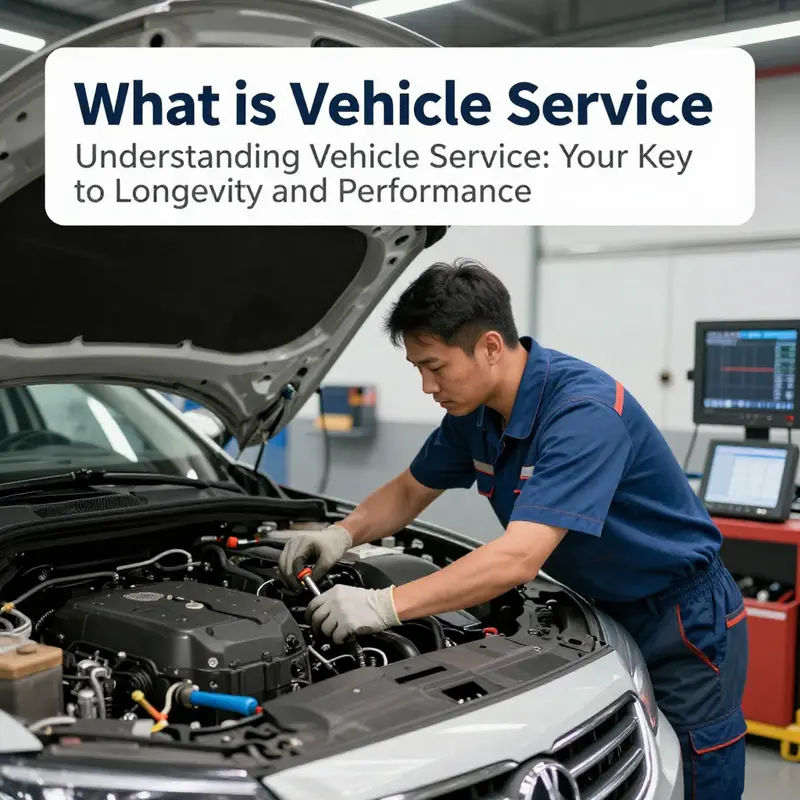
Vehicle service is more than a routine chore or a dashboard warning. It is a comprehensive, ongoing discipline that blends maintenance, inspections, diagnostics, and timely repairs to keep a vehicle safe, reliable, and performing at its best. At its core, service is a proactive strategy designed to prevent problems before they arise and to catch hidden issues before they become serious failures. Rather than waiting for a breakdown, responsible vehicle ownership treats service as an essential part of operating a machine that travels daily, carries passengers, and endures varying weather and road conditions. This approach recognizes that a car is a complex system of interdependent parts,each designed to work in harmony for a given lifespan. When one element is neglected, other components are forced to compensate, often leading to accelerated wear or unplanned downtime. Thus, service is not merely about fixing what is broken; it is about preserving the integrity of the entire vehicle so that it remains safe and dependable for the journey ahead. In practical terms, this philosophy translates into a predictable rhythm of care driven by the manufacturer’s guidance, the vehicle’s design, and the realities of daily use. The routine maintenance schedule becomes a living plan that adapts to mileage, time, climate, and driving style. The result is a vehicle that feels consistent, responds predictably, and invites confidence every time the driver turns the key or presses the start button. The broader purpose of vehicle service, then, is to sustain the performance envelope of the car while minimizing the risk of sudden faults that could compromise safety, compromise comfort, or inflate repair costs. The aim is not to chase perfection but to reduce uncertainty and extend the useful life of the vehicle. Within this framework, service spans several layers of activity. First, routine maintenance tasks form the backbone of a healthy drive. These tasks, performed at regular intervals, keep the core systems aligned. Oil and filter changes, for instance, ensure the engine remains properly lubricated and protected under operating conditions. While the exact interval depends on the vehicle and the driving regime, the practice remains a constant reminder that lubrication is a foundational necessity rather than a discretionary upgrade. Second, the brake system receives careful attention. Brakes are a critical safety interface with the road, and their condition—pads, rotors, and fluid—directly affects stopping distance and control. Regular inspections help detect wear before it becomes a safety concern, and timely replacement can prevent heat buildup, squeal, and diminished braking performance. Third, tires and rims are inspected for tread depth, proper pressure, alignment, and overall condition. Tires are the vehicle’s only contact with the road, and their health has a direct impact on traction, braking, ride quality, and fuel efficiency. An overlooked tire issue can escalate quickly, turning a routine trip into a risk. Fourth, suspension and steering checks ensure that the wheels are aligned with the chassis and that shocks, struts, and linkages are functioning as intended. Worn suspension components can alter ride height, handling, and tire wear, compromising control, especially in emergency maneuvers. Fifth, the electrical system—batteries, alternators, lights, fuses, and wiring—receives evaluation because modern cars rely on electronics for everything from starting the engine to delivering critical safety information to the driver. A weak battery or corroded connectors can trigger no-start conditions or intermittent faults that mask more serious problems. Sixth, the cooling system and fluid checks help prevent overheating and ensure stable operating temperatures. Coolant condition and level matter, and hoses and radiators are inspected for leaks and deterioration. Finally, the drive train and transmission deserve attention. Drivetrain components, including axles and CV joints, and the transmission fluid’s condition influence acceleration, smoothness, and efficiency. Each of these areas contributes to a larger picture: a vehicle that remains dependable under a wide range of loads and conditions. Beyond these routine tasks, engineers have layered in modern technology to support the maintenance cycle. Built-in service reminder systems—often symbolized by a wrench on the dashboard—translate the manufacturer’s recommended schedule into a practical prompt for owners. These reminders rely on a combination of mileage and time intervals, commonly signaling that it is time for scheduled service, oil changes, or inspections. The intention is straightforward: provide a proactive nudge rather than an alarming alert, guiding owners to schedule service before performance degrades or parts wear out. Yet the same warning light can mislead when it is triggered by real-time sensor data. In some cases, sensors detect anomalies such as low oil pressure, abnormal air intake, or misfires. When that happens, the line between preventive maintenance and urgent repair blurs, and the driver is prompted to seek timely professional evaluation. This dynamic underscores a central truth: service is not a single event but a continuum that blends routine care with responsive diagnostics. For those who embrace the practice, the benefits are tangible. Regular maintenance helps sustain engine efficiency, reduces the likelihood of sudden failures, and preserves resale value. It also supports fuel economy, as clean filters, properly inflated tires, and calibrated systems operate more efficiently. The experience of driving a well-serviced vehicle is characterized by steadier performance, smoother acceleration, quieter operation, and predictable response to routine inputs such as steering and braking. In parallel with care for the mechanical heart of the car, modern vehicles increasingly require attention to software and electronics. Software updates, calibrations, and recalibrations may be necessary to maintain optimal performance, adapt to evolving safety standards, or address newly identified issues from the vehicle’s onboard diagnostics. The service process thus becomes a blend of hands-on checks and software-enabled refinement, with technicians using diagnostic tools to read fault codes, monitor live data, and verify that control modules, sensors, and actuators coordinate correctly. This integration of mechanical and digital care reflects how vehicle service has evolved from a purely mechanical craft into a holistic discipline that embraces electronics, telemetry, and data-driven maintenance. The practical implications for owners are straightforward. Seek maintenance according to the manufacturer’s service schedule—found in the owner’s manual or on a service portal—and avoid skipping intervals because busy life or cost concerns loom large. Regular diagnostic scans, often performed with standardized On-Board Diagnostics (OBD-II) tools, help uncover issues that are not immediately evident through the naked eye. They can reveal trends in sensor readings, coolant temperatures, fuel trim, and misfire history that suggest upcoming maintenance needs or early-stage faults. When a service appointment is scheduled, it is essential to work with qualified professionals—mechanics or authorized service centers—who are trained to interpret the vehicle’s specific systems and software. The expertise they bring is crucial when engines, transmissions, or electronic control units require precise adjustments, software updates, or component replacements. This is not a matter of choosing between DIY enthusiasm and professional care; rather, it is about recognizing the limits of knowledge and tools available to the average owner and the value of a trained, certified technician in ensuring accurate diagnosis and durable repairs. The scope of vehicle service extends beyond maintenance and repair into the broader ecosystem that supports the automotive experience. The service industry encompasses auto repair, detailing, insurance claims processing, financing, and fleet management. While the individual vehicle’s health is the focal point, service centers also operate within a network that manages risk, finance, and logistics for individuals and organizations alike. This interconnectedness underlines how service contributes to safety, reliability, and efficiency across the entire transportation landscape. With that context, the practice of vehicle service becomes a steady discipline of watchfulness and care. It invites owners to cultivate a routine that respects the vehicle’s requirements and responds to emerging needs with timely action. The goal is not to chase a perfect machine but to maintain a predictable, dependable partner on the road. For those navigating the question of when to service, the answer lies in paying attention to the combination of mileage, time, and observed performance. The manufacturer’s schedule provides the baseline, while real-world use can add nuance. If you notice unusual noises, reduced fuel economy, changes in braking feel, vibrations, or warning indicators—these are signals that warrant an assessment, even if it is not yet time for the next routine service. In Australia and many other regions, the importance of inspections is reinforced by legal requirements tied to licensing, registration, and safety standards. These inspections may cover roadworthiness, component integrity, and compliance with modifications or vehicle specifications. While the precise rules vary by jurisdiction, the underlying principle remains consistent: regular, documented inspections and maintained records help authorities and owners ensure continued safety and environmental responsibility. For those seeking formal guidance on inspection and service requirements, authoritative resources are available through government portals and official agencies that outline the rules, schedules, and processes for vehicle verification, safety checks, and compliance reporting. As a practical step, owners can establish a service habit that aligns with the vehicle’s needs and their own routines. Maintain a calendar of service milestones, keep records of maintenance and repairs, and ensure that a trusted technician reviews the vehicle at appropriate intervals. In addition, staying informed about your vehicle’s service reminders and the meaning of the Service light helps prevent ambiguity. It is useful to recognize that the label is primarily a nudge toward maintenance rather than a fix for an immediate fault, though there are situations where the dashboard alert signals a real condition requiring urgent attention. This nuance reinforces the idea that service is a partnership: the owner, the vehicle, and the technician work together to sustain performance, safety, and longevity. The knowledge content that supports sound servicing is accessible, but it benefits from careful interpretation. Your owner’s manual, the service schedules posted by the manufacturer, and the diagnostic insights from technicians together form a robust triad for decision-making. When used together, they empower the owner to schedule the right service at the right time, select appropriate parts or fluids based on the vehicle’s design, and monitor outcomes to verify that the expected improvements manifest after a repair or maintenance action. For readers who want additional practical guidance and longer-term planning strategies, there is a wealth of information available through reputable automotive resources and educational content. A useful starting point is the KMZ Vehicle Center blog, which hosts practical, experience-based guidance on maintenance routines, intervals, and best practices for keeping a vehicle in peak condition. KMZ Vehicle Center blog. To round out the broader regulatory context, authoritative guidance on vehicle inspections and service requirements in Australia can be found at the NSW Government’s Vehicle Inspection Services resource: https://www.service.nsw.gov.au/vehicle-inspection. This external resource helps illustrate how service and inspection expectations are formalized within a regulatory framework, complementing the practical guidance described here and underscoring the shared goal of safe, reliable road travel.
Keeping the Vehicle Alive: How Routine Service Builds Safety, Reliability, and Value
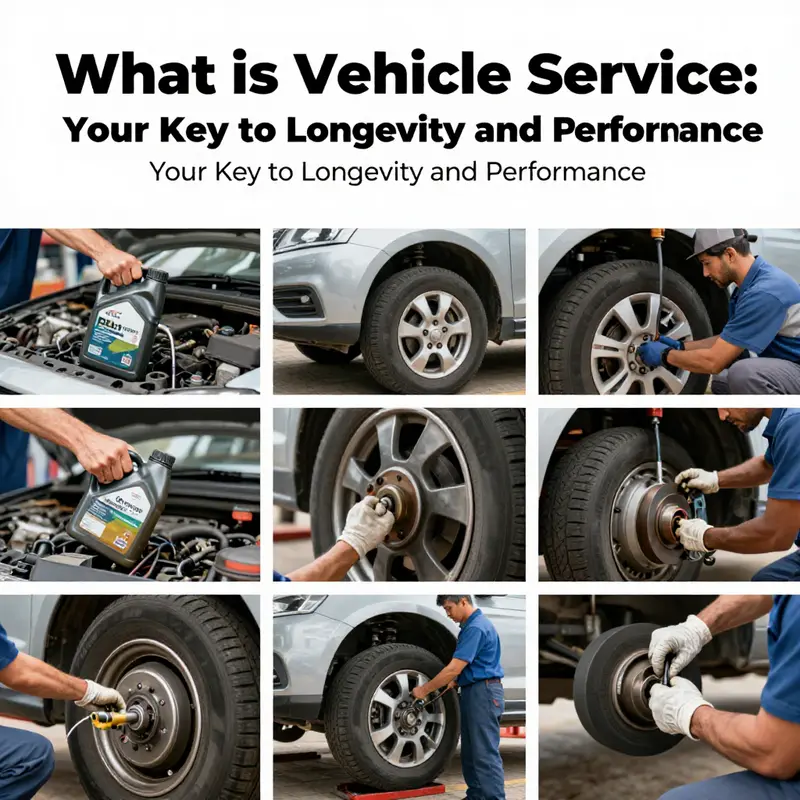
Vehicle service is a continuous, collaborative practice that keeps moving parts aligned with the expectations of a driver and the demands of the road. It is not a single event but a cadence of checks, replacements, and diagnostics designed to preserve safety, performance, and longevity. When a car is serviced well, it feels responsive, predictable, and confident under a range of conditions. When it is neglected, the risk of breakdown rises, along with repair costs and the chance of an unsafe situation on the highway. The core idea of service, then, is preventive care: a proactive program that addresses wear before it becomes a failure, balances efficiency against demand, and maintains a vehicle’s value over time. At its heart, vehicle service boils down to a simple truth: regular attention to the mechanical and electronic systems translates into safer driving, more reliable operation, and lower total ownership costs.
The practical scope of vehicle service is broad, yet the through-line is consistency. Routine maintenance includes fundamental tasks such as oil changes, tire rotations, brake inspections, fluid checks, and the replacement of filters and belts that wear with time. Oil keeps the engine lubricated, carrying away heat and debris, while the air and cabin filters ensure clean air intake and a healthier interior environment. Tire maintenance—keeping tires properly inflated, rotated for even wear, and analyzed for tread depth—directly affects steering, braking, and fuel efficiency. Brake inspections reveal wear on pads, rotors, and calipers, which are critical to stopping power and control. Fluid replacements beyond engine oil, such as coolant, transmission fluid, brake fluid, and power-steering fluid, safeguard hydraulic and cooling systems and prevent corrosion or unexpected hesitation under load. The aim is not merely to replace items on a schedule but to verify that the vehicle’s life-supporting systems are functioning within design specifications.
A road-ready service program also hinges on good diagnostics. Modern vehicles are filled with sensors, controllers, and software that monitor performance and health in real time. A routine service can include diagnostic testing to identify not only obvious wear but also subtle deviations that precede failures. This diagnostic lens is especially important as vehicles become more software-driven. Updates to vehicle software can optimize fuel economy, refine idle stability, or recalibrate transmission behavior, improving drivability and efficiency without any mechanical replacement. For owners of electric and hybrid vehicles, diagnostics extend to battery packs, high-voltage safety systems, and thermal management networks. Battery health and thermal control significantly influence range, charging speed, and long-term resilience, making software-driven monitoring a central facet of contemporary service.
Service is also about understanding the signs that a car is in good shape versus when a visit to the shop is warranted. A dashboard light that looks like a wrench is a proactive nudge rather than an emergency alarm. It signals that the vehicle has passed a set maintenance threshold based on mileage, time, or a combination of both, and that a formal inspection or part replacement may be due soon. Interpreting that signal requires a trained technician who can differentiate between a routine service interval and a more urgent repair. The goal is to empower drivers with information rather than to scold or alarm them. In practice, this means scheduling a service appointment with a qualified mechanic or an authorized dealership when the light appears, and relying on the technician’s expertise to confirm the recommended work.
The case for routine checks and repairs extends beyond safety and reliability to economic efficiency. A well-maintained vehicle tends to be more economical to operate over time. Regular servicing often yields tangible savings by preventing fuel waste, avoiding major breakdowns, and preserving resale value. For example, a dirty air filter is not just a nuisance; it can squeeze engine performance and efficiency, increasing fuel consumption and emissions. While figures vary, it is widely understood that neglecting basic maintenance can lead to higher costs in the long run because minor issues accumulate into bigger, more expensive repairs. Routine checks also protect the vehicle’s value. A well-documented service history is a compelling selling point for buyers who want assurance that the vehicle has been cared for properly. This reality matters whether the owner plans to trade in the car, sell it privately, or simply maintain it as a reliable daily driver.
Another important dimension of service is environmental responsibility. Regular maintenance helps vehicles meet emissions standards by ensuring that exhaust and emission-control systems operate correctly. Clean air is an outcome of well-tuned combustion, properly functioning catalytic converters, and efficient exhaust flow. As regulatory expectations evolve, service routines incorporate more precise checks of emissions components and, for many vehicles, software updates that optimize emissions performance. This is particularly relevant as cities and regions tighten limits on pollutants and incentivize low-emission operation. In short, routine service supports not only personal safety and reliability but also community health and environmental stewardship.
As vehicles have evolved, so has the meaning of service. Internal combustion engine cars still rely on oil, filters, and tire and brake maintenance, but the cadence has shifted with advances in electronics and connectivity. Many tasks once performed manually by technicians can now be aided by onboard diagnostics and remote programming. Service intervals are increasingly guided by a vehicle’s own data, time, and mileage, creating a dynamic schedule that can adapt to the driver’s habits and driving environments. Even the scheduling itself is more sophisticated; many service centers track service windows and recalls, align maintenance with major service plans, and coordinate with customers using digital reminders. The result is a more reliable, transparent, and predictable ownership experience.
The broader automotive service ecosystem is not limited to basic maintenance. It encompasses auto repair, detailing, insurance claims processing, financing, and fleet management. This ecosystem plays a crucial role in keeping individuals’ vehicles safe and commercial operations efficient. The service industry relies on skilled technicians who understand the interplay between mechanical components and software systems. It also depends on high-quality parts, proper lubrication, and accurate diagnostic tools. For the driver, this means that the service experience should be straightforward: clear explanations of needed work, a transparent estimate of costs, and a reasonable timeline for when the vehicle will be back in service. A good service encounter leaves a driver with confidence in the vehicle and trust in the shop.
A natural question for many readers is how to approach service in a way that makes sense for their specific car and circumstances. The answer starts with knowing the basics of maintenance intervals. For many vehicles, the owner’s manual outlines recommended service intervals based on mileage or time, and it is wise to honor those guidelines as a floor, not a ceiling. Some components wear more quickly in extreme conditions—hot climates, heavy towing, frequent short trips, or stop-and-go urban driving can change what is “due now.” The professional assessment, informed by the vehicle’s own sensors and the technician’s experience, helps tailor a plan that respects the manufacturer’s intent while accounting for real-world use.
To illustrate the practical side of planning, consider a driver who wants to balance reliability with the least disruption to daily life. Scheduling maintenance at a time when the vehicle is not needed for critical trips reduces the friction of service. The choice of shop can also influence the experience. A certified dealership or a trusted independent shop can perform the same fundamental services, but the approach to diagnostics, the availability of digital vehicle records, and the alignment with future recall work may vary. Some owners prefer a dealership for the reassurance of factory-trained technicians and access to official service bulletins, while others value the convenience and sometimes lower costs of independent facilities. Either way, the key is to maintain a consistent service pattern and to keep a simple file of service receipts and maintenance notes. This record is helpful for tracking wear patterns, planning upcoming maintenance, and supporting resale value.
For those who enjoy a deeper, more personal relationship with their vehicle, service is also a learning journey. It invites owners to develop a basic understanding of what each maintenance task does. Why replace an air filter? What does a high coolant temperature reading imply? How does tire health influence braking distance? While the specific diagnostic details belong to the trained technician, a general awareness helps drivers make informed decisions and communicate more effectively with service providers. It also fosters safer driving, because a driver who understands the basics of maintenance is more likely to notice subtle changes in performance, such as unusual noises, vibrations, or changes in steering feel, and to act promptly rather than delaying care.
In this evolving landscape, a single resource that can anchor an owner’s knowledge is the practical guidance surrounding service intervals and maintenance decisions. For practical scheduling insights, many drivers consult resources like Optimal oil-change intervals: time vs mileage. This kind of information helps drivers think critically about how often to service rather than relying on a one-size-fits-all timetable. It’s a reminder that service is not just about replacing parts but about maintaining a living system that responds to how and where you drive. The discussion extends to modern powertrains, where engines, transmissions, and electric propulsion units require different kinds of attention. In an internal combustion engine, the routine is anchored in lubrication, combustion efficiency, and heat management. In electric vehicles, the emphasis shifts toward battery health, thermal regulation, high-voltage safety, and software-driven optimizations. Yet the same underlying principle remains: consistent checks, timely repairs, and disciplined maintenance lead to safer operation, lower ownership costs, and longer vehicle life.
Ultimately, the chapter on vehicle service is a study in disciplined care. It shows how a routine, well-executed program can translate into reliability, confidence, and value. It demonstrates that service is not a tedious interruption but a smart investment in safety and performance. It reflects a broader understanding of how a vehicle functions as an integrated system of mechanical and electronic components, each requiring regular attention to work harmoniously. The role of the vehicle owner, technician, and workshop is to keep that system balanced, diagnosing issues early, addressing wear with appropriate parts, and updating software when necessary to align with new standards and improved performance. In doing so, the journey of owning a vehicle becomes less about managing inevitable failures and more about cultivating dependable mobility that supports daily life, protects the family, and respects the environment. The practice of service, then, is the operational heart of responsible vehicle ownership.
For readers seeking additional authoritative guidance on vehicle safety, maintenance practices, and recalls, SaferCar.gov offers up-to-date resources and best practices drawn from the U.S. Department of Transportation. This external resource complements the practical insights discussed here by grounding them in official safety standards and regulatory context: https://www.safercar.gov/
What Is Vehicle Service? How Technology Reframes Maintenance for Modern Vehicles
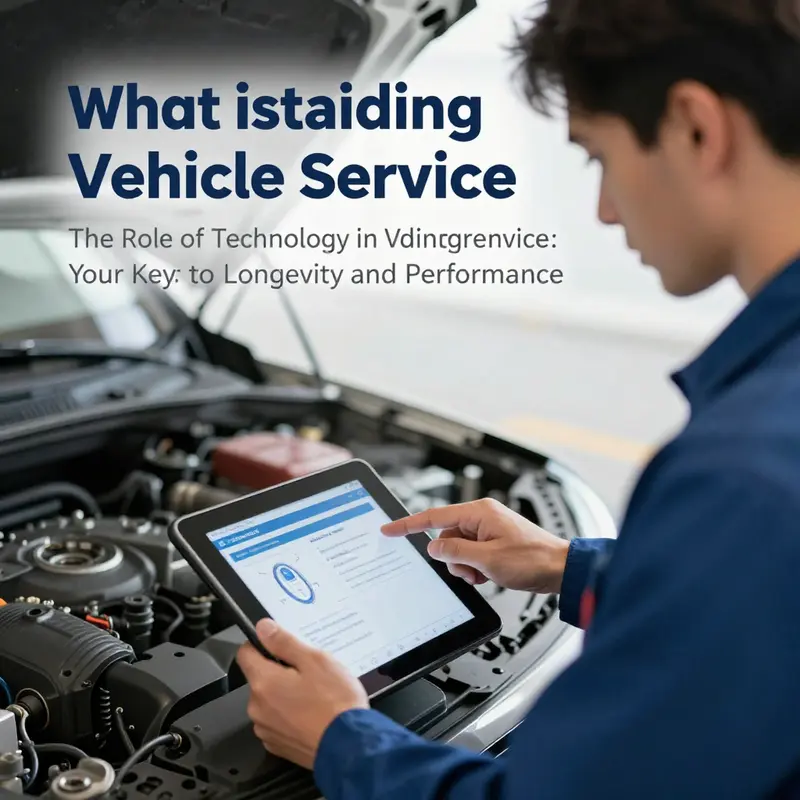
Vehicle service has grown far beyond routine oil changes and brake pad swaps. In the best sense, it is the art and science of sustaining a vehicle’s performance, safety, and longevity through a lifetime of connected support. In the modern landscape, a vehicle is more than a mechanical machine; it is a networked system of sensors, software, and communication channels that continuously generates data about its own health. As a result, service is increasingly proactive, data-driven, and integrated with the broader ecosystem of mobility. The simple act of keeping wheels turning has evolved into a disciplined practice that blends traditional mechanical expertise with software diagnostics, remote monitoring, and intelligent scheduling. The aim is not merely to fix problems as they appear but to anticipate them, minimize downtime, and extend the lifespan of the vehicle while preserving safety and driving enjoyment. This shift reshapes the expectations of drivers, technicians, manufacturers, and fleets alike, turning vehicle service into a coordinated lifecycle management process rather than a series of stopgap repairs.
Technology sits at the heart of this transformation. Modern vehicles collect information through an array of onboard sensors and control units, measuring everything from tire pressure and fluid temperatures to battery state, motor torque, and brake wear. These data streams feed into centralized or cloud-based platforms that can interpret the information, recognize patterns, and detect deviations from normal operation. When a sensor signals a potential issue—perhaps an abnormal fluid level drift, a heating cycle that persists longer than usual, or a slight decline in battery efficiency—the system can generate a service request automatically. The driver might receive a notification on a mobile app with a recommended service window, or a service center could receive an alert in its service-management dashboard. In either case, the process becomes a coordinated workflow that unites the vehicle owner, the service provider, and the vehicle’s digital infrastructure.
The role of predictive maintenance is a centerpiece of this approach. Rather than waiting for a fault to become visible or for a warning light to blink after a problem has already started, predictive maintenance uses historical data, real-time telemetry, and machine learning to forecast when a component is likely to fail or when performance will degrade beyond accepted thresholds. This enables maintenance to be scheduled at a convenient time and location, long before a minor issue becomes a costly repair or causes unexpected downtime. The outcome is a smoother ownership experience, lower total cost of ownership, and enhanced safety on the road. In practice, predictive maintenance might mean an oil condition analysis that flags an accelerated wear rate, a brake-system trend showing increasing pad wear, or a battery health curve that signals a need for testing or replacement within a defined horizon. For drivers, these insights translate into confidence and clarity: service becomes a planned event rather than a crisis response.
A critical enabler of this new service paradigm is connectivity. Telematics, the cloud, and robust data networks allow vehicles to communicate with service providers in near real time. The vehicle can share diagnostic codes, fault histories, and usage patterns with authorized partners while respecting the owner’s privacy and consent preferences. When appropriate, an over-the-air (OTA) software update can be delivered to the vehicle to remediate a software fault, improve fuel efficiency, refine driving dynamics, or enhance safety features. OTA updates illustrate a shift from a traditional model of occasional dealer visits to a continuous cycle of digital improvements that complement the physical maintenance performed by technicians. Even routine maintenance can be optimized through OTA-enabled software checks that verify service intervals, verify oil quality, and confirm that tire pressure targets are consistent with current load conditions. The net effect is a vehicle that improves over time, with each service interaction contributing to a more reliable driving experience.
This digital maturity also elevates the role of the service provider. Automotive digital mobility service owners—whether they are original equipment manufacturers, tier-one suppliers, or technology partners—must function as both the primary interface for the end user and the coordinator of a sprawling, interdependent service ecosystem. Meeting this dual responsibility requires disciplined process management, not just technical know-how. Proven IT service management practices, such as those outlined in ITIL and ISO/IEC 20000, provide a framework for handling service requests, incident resolution, change planning, and continual improvement. In a connected vehicle world, a service ticket can originate from a dashboard alert, a mobile app notification, or an autonomous vehicle’s internal health-check trigger, and it may involve scheduling a technician, dispatching the correct parts, and aligning with field service windows—all coordinated through a centralized ITSM platform. The emphasis shifts from simply repairing a part to orchestrating a seamless service experience that spans digital data, human expertise, and on-site activity.
Consider a practical scenario that illustrates how technology reshapes everyday service flows. A vehicle’s battery management system detects an unusual pattern in cell voltage stability during a cold-start sequence. The signal travels through the vehicle’s secure network to the cloud, where an AI-driven diagnostic engine weighs the probability of a pending battery degradation against ambient conditions, historical performance, and recent usage. If the assessment crosses a predefined threshold, a service ticket is opened automatically, the owner receives a clear, actionable message about the likely cause and recommended next steps, and the system presents options to schedule a service appointment or arrange for a mobile technician to visit at a convenient time. The service team can view the vehicle’s diagnostic history, confirm the needed parts, and allocate resources accordingly. A mobile technician, armed with the right tools and an unplug-and-replace procedure, arrives at the owner’s location, validates the diagnostic findings on-site, and completes the repair with real-time documentation uploaded to the vehicle’s service record. The entire sequence—from digital signal to completed repair—occurs with minimal friction for the user and with traceable data for future reference. This is not a hypothetical future; it is increasingly how well-prepared service ecosystems operate today, bringing together data, people, and process in a cohesive, end-to-end workflow. The driver experiences fewer surprises, the vehicle runs more reliably, and the maintenance history is transparent and accessible across ownership transitions.
At the same time, the convergence of software and hardware in vehicles compels a shift in the maintenance mindset. Routine checks—oil condition, fluid levels, brake wear, tire tread, and cooling system integrity—still matter, but their relevance is increasingly contextualized by data streams and usage patterns. For instance, oil-change intervals historically based on mileage or elapsed time are now refined by real-world operating conditions and oil-condition analytics. The conversation around when to service converges with a broader question: how does the vehicle’s current software state, sensor health, and drive history influence the optimal service plan? In some cases, the interval might extend when usage is low and conditions gentle; in others, it might shorten if telemetry indicates accelerated wear or a harsher duty cycle. The upshot is a more personalized, evidence-based approach to maintenance that recognizes the unique story of each vehicle, rather than applying a one-size-fits-all schedule. This shift does not erase the practical wisdom of longtime technicians; it augments it with data-driven insights that help technicians target the right tasks at the right time. For drivers, this means clearer guidance and fewer unnecessary trips to the shop, while technicians gain predictable workloads and higher first-time fix rates, driven by better information and smarter planning.
The integration of digital service with traditional mechanics raises important questions about skills, privacy, and governance. Modern technicians are increasingly data interpreters as well as hands-on repairers. They must understand diagnostic codes, software interfaces, and the basics of cybersecurity to protect sensitive vehicle data. Data privacy becomes a central concern because vehicles collect personal and usage information—where you drive, how you drive, and how you interact with your car’s features. Clear consent, transparent data practices, and rigorous security protocols are essential to maintaining trust in a connected service model. In parallel, governance frameworks and standardization efforts help ensure interoperability across brands, platforms, and service providers. The goal is not to create a closed, opaque system but to foster a collaborative, well-governed ecosystem where data flows securely to the right hands and information remains accessible to the right stakeholders for legitimate purposes.
Looking ahead, the evolution of vehicle service is deeply aligned with broader trends in mobility and automation. As fleets expand and diversify with electrified and autonomous vehicles, the service model will need to scale, becoming more automated, scalable, and predictive. Over-the-air updates will become a routine means of delivering not only feature improvements but also safety enhancements and performance optimizations. Remote diagnostics will shorten repair cycles and reduce downtime, while remote fault simulations and digital twins may allow service teams to test fixes in a virtual environment before deploying them to a live vehicle. The service landscape will increasingly include fleet management and insurance workflows, reflecting a more integrated view of mobility where service is not a single event but a continuous, engineered experience. For owners and operators, the payoff is straightforward: higher reliability, lower risk, and a better understanding of how each service decision affects the vehicle’s performance over time. For the broader automotive ecosystem, the narrative is about sustainable, data-informed stewardship—keeping vehicles safe, efficient, and capable of evolving with technology rather than becoming obsolete as software and hardware advance.
Ultimately, this chapter’s thread ties back to a central idea: vehicle service is the lifecycle orchestration of a highly connected device. It is where mechanical care meets software intelligence, where human expertise harmonizes with automated workflows, and where the customer receives a transparent, proactive, and dependable experience across the life of the vehicle. The future of maintenance is not simply more gadgets or more alerts; it is smarter coordination, thoughtful governance, and a service culture that treats a vehicle as an evolving partner rather than a one-off asset. To appreciate how this plays out in practice, consider the small, everyday decisions that accumulate into lasting reliability—the choice to heed a predictive alert, the option to schedule a convenient service window, the trust to share diagnostic data for a faster fix, and the assurance that the repair will be documented and accessible for future reference. In that sense, technology does not replace the skilled human touch; it augments it, making service more precise, more responsive, and more attuned to the reality that a vehicle’s health changes with time, use, and environment.
For readers seeking a deeper dive into how these ideas translate into maintenance planning and component-level guidance, the discussion around maintenance intervals and optimization remains relevant. A focused exploration of oil-change intervals, timed versus mileage-based routines, and related best practices can offer practical grounding within this broader tech-centric view. See the discussion on optimal oil-change intervals for a nuanced look at how data can inform traditional maintenance schedules with clarity and confidence. optimal oil-change intervals.
To stay connected with ongoing insights and practical tips from a vehicle-care perspective, you can explore the KMZ Vehicle Center blog for broader context and guidance on maintenance fundamentals, equipment, and planning. KMZ Vehicle Center blog.
External resource: for a foundational framework on managing such services, see ITIL’s overview of IT service management principles, which underpins how automotive service ecosystems can be structured for reliability and continual improvement. ITIL overview.
What is Vehicle Service: The Economic Currents Driving the Automotive Service Industry
Vehicle service is more than the act of turning a wrench or replacing a filter. It is a lifecycle discipline that keeps machines running, communities moving, and economies humming. When a dashboard light glows with a wrench icon, it is easy to see it as a simple reminder to schedule a routine appointment. Yet that light sits atop a complex system of labor, knowledge, parts, and technology that sustains the broader automotive ecosystem. In modern terms, vehicle service encompasses routine checks, oil changes, tire rotations, brake inspections, fluid replacements, and parts replacement when wear warrants it. It also includes diagnostics for mechanical and electrical issues, software updates for increasingly connected cars, and timely repairs after wear, failures, or accidents. Taken together, these activities constitute the service spine that supports both individual mobility and the industrial machinery that moves goods and people across regions and nations.
At the heart of the economic story of vehicle service is its role as a substantial employer and a stabilizer of the manufacturing value chain. The industry supports millions of jobs globally, spanning technicians, diagnostic specialists, parts suppliers, and the administrative teams that keep records and compliance moving. In the United States, the automotive service ecosystem remains a cornerstone of the manufacturing value-added sector. Deloitte Insights highlights how the manufacturing share of the auto industry, while fluctuating over decades, underscores that services continue to account for a large share of activity. Specifically, automotive services contributed a substantial portion of manufacturing value-added in 2020—nearly 7%. That figure reflects more than a snapshot of maintenance alone; it signals a robust, data-driven network of businesses that translate technical knowledge into ongoing vehicle reliability, safety, and performance. It is a reminder that the health of the service sector reverberates through the broader economy, even as production volumes wax and wane.
This dynamic is not static. The service landscape is continually reshaped by shifts in technology, labor markets, and consumer expectations. One clear trend is rising repair and service costs. In the wake of labor shortages and global supply chain pressures, the cost of servicing vehicles has climbed in ways that touch households and businesses alike. Skilled technicians command higher wages as their expertise becomes more specialized; meanwhile, the complexity of modern vehicles—equipped with advanced electronics, sensors, and software—requires more sophisticated tools, diagnostics, and continuous training. Parts sourcing, too, has grown intricate, with longer lead times and a broader array of components that must meet precise specifications. These cost pressures contribute to higher outlays for maintenance and, in turn, influence ownership economics. When service becomes more expensive, vehicle affordability and ownership rates can be affected, particularly for lower-income households. The ripple effects extend to the purchase of new vehicles and to the timing of maintenance decisions, which in turn influence the utilization of the entire automotive supply chain.
Yet the economic story of vehicle service is also one of adaptation and resilience. The rise of preventive maintenance alerts, driven by vehicle control units and on-board diagnostics, marks a shift toward data-driven, proactive service. Modern cars now communicate when certain components require attention, not merely based on elapsed time but on real driving conditions, wear patterns, and software health. This proactive posture has a twofold effect: it improves vehicle longevity and performance, but it also elevates customer expectations for timely, accurate servicing. Service providers are responding by investing in diagnostic technologies, such as advanced scan tools and connected record-keeping systems, to interpret quickly and accurately the signals emitted by a vehicle’s electronics. The operational costs of these investments are real, but they are increasingly treated as essential pluralities of a modern service operation. In this sense, the service model is evolving from a reactive, break-fix paradigm to a proactive, performance-based paradigm, where long-term reliability is aligned with efficiency and transparency.
The economic implications of this evolution extend beyond individual shops and technicians. A data-driven service ecosystem can improve fleet utilization and reduce downtime for commercial vehicles. For freight operators, public transportation agencies, and nine-to-five logistics providers, dependable maintenance translates into predictable service levels, fewer delays, and safer operations. These improvements contribute to productivity in sectors that depend on road mobility for efficiency and reliability. In turn, this supports consumer confidence and the broader market for vehicles. When services are accessible and dependable, people feel more comfortable keeping, rather than replacing, vehicles. The upshot is a more stable demand for maintenance parts, tools, and professional services, reinforcing a virtuous loop that supports employment and investment across the sector.
The economic health of the automotive service industry also hinges on how service models evolve to accommodate the shifting structure of consumer spending. As households recalibrate budgets amid inflationary pressures and changing wage dynamics, maintenance may be prioritized differently. Some drivers may defer non-urgent servicing, while others seek out value-driven options that emphasize reliability and long-term cost-of-ownership. This tension underscores the need for service providers to offer transparent pricing, flexible service packages, and clear communication about expected outcomes. A transparent, customer-focused approach can help sustain demand even when prices rise, by demonstrating the long-term value of maintenance investments in terms of safety, fuel efficiency, and asset longevity. In this context, the service industry becomes a bridge between consumer expectations and the practical realities of owning and operating a vehicle in a modern economy.
The broader industry ecosystem—manufacturers, suppliers, and service networks—also benefits from a resilient service sector. As production shifts or contracts due to macroeconomic cycles, the service side of the business stabilizes the overall health of the auto industry. A vibrant service network supports the lifecycle of vehicles, from early post-sale maintenance through late-life retirement or disposal. It also serves as a crucial interface for diagnostics, software updates, and even recalls, ensuring that the physical asset remains aligned with evolving regulatory standards and safety expectations. The service sector, in effect, maintains the reliability and safety that give consumers confidence in the broader automotive system and in the investments they make in mobility technology.
For readers seeking practical perspectives on how to approach vehicle service in a way that supports both performance and economic resilience, many industry voices emphasize the value of ongoing learning and community knowledge. Practical guidance and context often emerge from accessible resources that translate technical concepts into actionable steps. For example, a well-curated car service community can offer insights on maintenance intervals, cost considerations, and diagnostic questions that help vehicle owners make informed decisions. An illustrative resource is the KMZ Vehicle Center blog, which provides practical guidance and insights that can complement the professional advice received from technicians. By engaging with these sources, drivers can better understand the rationale behind maintenance schedules, the meaning of service alerts, and the ways in which good service practices contribute to long-term ownership value. In this vein, readers are encouraged to explore accessible guides that demystify the work of service and help align expectations with the realities of modern vehicle technology.
From a policy and planning perspective, the economic picture of vehicle service points to several important considerations. Workforce development is central to maintaining affordability and quality. Investment in training, apprenticeship pathways, and certification programs helps ensure a steady supply of skilled technicians who can navigate the increasing complexity of modern vehicles. Equipment upgrades and digital record-keeping systems also require capital, but they are essential for accuracy, traceability, and compliance. Policymakers who support targeted training incentives, fair wages, and accessible continuing education can help stabilize the workforce and, by extension, the broader economy. Additionally, supply chain resilience for parts and diagnostic tools contributes to steadier pricing and shorter downtime for customers. When service networks are robust and well-supported, the entire ecosystem benefits: more reliable transportation, improved freight reliability, and greater consumer confidence in both new and used vehicle markets.
All of these strands—the jobs and value-added from service, the rising cost pressures, the technology-driven shifts in maintenance practice, and the policy and workforce implications—intertwine to form the economic currents that shape the automotive service industry. This chapter has traced how the service sector is not merely a cost center but a strategic contributor to economic activity, productivity, and resilience. It is a narrative of continuity and change: continuity in the function of keeping vehicles safe and reliable, and change in the ways that technology, data, and management practices reshape how that function is delivered. As the industry continues to adapt, one constant remains clear—the health of vehicle service is inseparable from the health of the broader mobility economy. For readers seeking practical pathways to engage with these dynamics, the KMZ Vehicle Center blog offers accessible discussions that translate industry shifts into day-to-day guidance, while professional resources remind us that the backbone of modern mobility rests on skilled hands, precise diagnostics, and a commitment to safety and longevity. External research, such as the macroeconomic analyses from Deloitte Insights, provides a wider lens on how this service ecosystem threads into national and global economic performance and policy considerations. Those perspectives, together with on-the-ground practice and consumer experience, help illuminate why vehicle service deserves attention not only as maintenance but as a robust economic force that sustains mobility, opportunity, and growth across economies.
External Resource for Further Reading: Deloitte Insights – Auto industry impact on economy. https://www2.deloitte.com/insights/us/en/industry/finance/economic-impact-of-the-auto-industry.html
Final thoughts
In summary, vehicle service is a multifaceted endeavor that encompasses a range of maintenance practices crucial for ensuring vehicle performance, safety, and longevity. For local private car owners, used car buyers, and small business fleet operators, understanding the essential components of vehicle service is not merely beneficial but necessary for the stewardship of their automotive investments. As technology continues to evolve, the landscape of vehicle maintenance is shifting towards more sophisticated diagnostics and software integration, further enhancing service efficiency. Additionally, recognizing the economic implications of effective vehicle service can influence decisions across various sectors of the automotive industry. Embrace vehicle maintenance as a proactive measure to ensure safety and reliability on the road.