A Vehicle Service Contract (VSC) offers car owners the security and peace of mind they need when it comes to unexpected repairs once the manufacturer’s warranty expires. This guide will delve into various aspects of VSCs, focusing on their types and coverage options, the numerous benefits they provide for car owners, crucial considerations before making a purchase, and the significant impact they can have on maintaining and managing repair costs. Understanding these facets will help local private car owners, used car buyers and sellers, and small business fleet operators make informed, advantageous decisions regarding their vehicles.
Beyond the Manufacturer’s Warranty: A Guided Tour of Vehicle Service Contract Types and Coverage Options
A vehicle service contract, often called an extended warranty, is not a single policy but a family of protections designed to shield a car owner from the unpredictable costs of repairing complex machinery once the factory warranty ends. It functions as a prepaid service agreement that covers specified parts and systems for a period of time or a set mileage. The philosophy behind these contracts is simple: repair bills for major components can be eye-wateringly high, and spreading those risks over a predictable, manageable payment can be a comfort to owners who want to keep their vehicle on the road without sudden financial strain. Yet the appeal rests not just in the promise of protection but in the way the contract aligns with a specific vehicle and its owner’s circumstances. For some drivers, a long horizon of reliability matters more than a lower upfront price, while others prefer a leaner plan that covers only the core components. The choice hinges on both the vehicle’s nature and the owner’s risk tolerance, as well as practical considerations like ownership length, driving habits, and maintenance discipline.
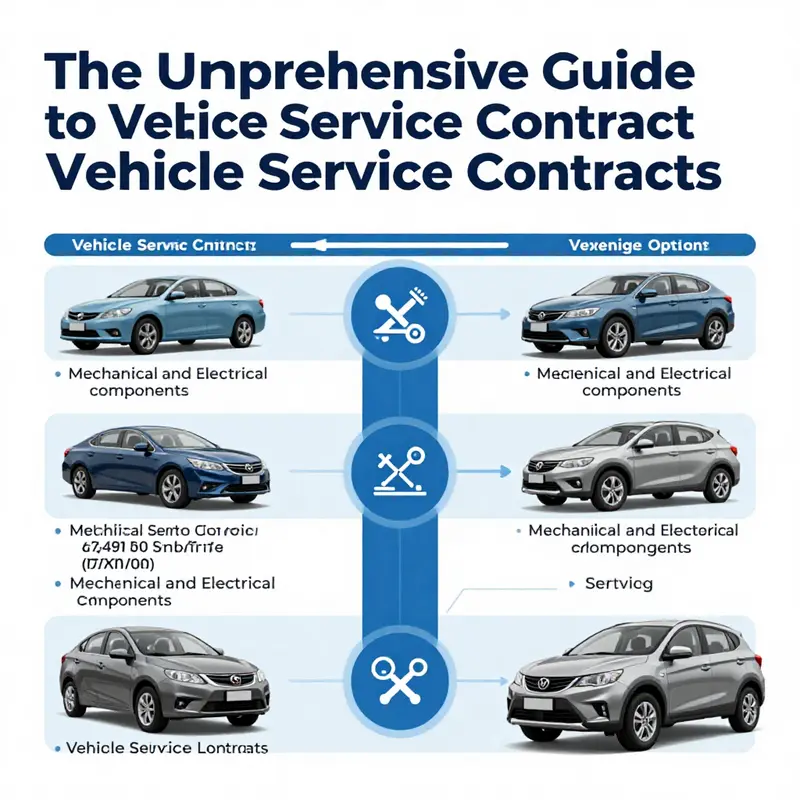
The landscape of vehicle service contracts is commonly described in three broad tiers: basic, enhanced, and premium. Each tier represents a progression in scope and cost, with corresponding differences in the breadth of coverage and the financial terms that accompany it. Basic plans anchor protection to the most critical and historically expensive components: the engine, the transmission, and the drivetrain. These are the parts that, when they fail, can immobilize a car and trigger a cascade of repair costs. The logic of a basic plan is to furnish a reliable floor of protection rather than a guarantee of everything running perfectly for every mile. It is a prudent starting point for newer vehicles with solid reliability records, or for owners who are prepared to self-insure for less likely, more expensive failures.
Enhanced plans step outward from that core. They keep the engine and transmission in focus but extend coverage to additional systems that impact daily comfort and usability. Air conditioning systems and electrical components such as power windows, door locks, and electronic control modules are common additions under enhanced coverage. This tier recognizes that as cars incorporate more advanced technology, the cost of repairing or replacing ancillary systems can grow quickly. The broader protection means fewer surprise bills when a cluster of related components begins to fail, offering a more predictable ownership experience while still maintaining a reasonable premium compared with the top tier.
Premium plans sit at the far end of the spectrum, delivering the most expansive safety net. In many programs, they extend to items like tires and batteries, and they frequently include roadside assistance, rental car coverage, and higher reimbursement limits for covered repairs. The appeal of premium plans is straightforward: they maximize the likelihood that a broader array of failures is covered, potentially reducing out-of-pocket expenses to a level closer to a regular maintenance cost. But premium plans also carry higher deductibles or larger monthly or annual payments, and they may come with additional conditions about where and how repairs are performed. The bottom line is that the choice among basic, enhanced, and premium should be guided by the vehicle’s age, its known reliability, the owner’s willingness to tolerate risk, and the anticipated cost of potential repairs over the planned ownership horizon.
Bringing this into focus requires looking at the specific coverage options that sit inside these plan families. Coverage is not a single monolith; it is a mosaic defined by mileage or time limits, deductibles, exclusions, and the repair networks that the policy authorizes. Some contracts cap coverage by mileage, for instance at 100,000 miles, or by time, such as seven years from the purchase date. Others offer unlimited mileage but limit coverage to a fixed term, which can be an important distinction for buyers who intend to keep a vehicle well beyond a typical loan period. The mileage and time structure matters because it governs how long the protection lasts and when it may no longer apply. For a high-mileage vehicle, a plan with higher mileage thresholds or no mileage cap might be more attractive; for a vehicle with uncertain mileage future, a set-term plan might be simpler to manage.
Deductibles themselves are a central economic lever in these contracts. A deductible is the amount a driver pays out of pocket for each covered repair before the plan begins paying. Deductibles commonly range from around $50 to $200 per claim, depending on the plan’s level and the agreed terms. A lower deductible often comes with a higher premium, while a higher deductible reduces the ongoing cost of coverage but increases the immediate out-of-pocket exposure if a repair becomes necessary. The balance between deductible size and premium is a recurring negotiation point. For some drivers, a low deductible is worth the peace of mind; for others, paying a little more upfront to gain broader coverage is the preferred path.
Exclusions are perhaps the most important and misunderstood part of a contract. Nothing in a vehicle service contract is universal; the specifics are defined in the fine print.Common exclusions can include wear-and-tear items such as brake pads, wiper blades, and tires unless the contract explicitly includes them in a premium package. Other typical exclusions include routine maintenance items, fluids, and sometimes components that fail due to neglect or improper maintenance. There may also be exclusions tied to certain driving conditions, aftermarket modifications, or repairs performed outside a specified network. Understanding what is excluded is as critical as knowing what is covered. When a repair bill arrives, the gap between expectation and reality is often a function of how clearly those exclusions are phrased and how precisely the contract defines covered scenarios.
Beyond what is covered and what is excluded, the path to repair under a vehicle service contract is shaped by the repair network and the reimbursement method. Some plans work on a direct-pay basis with a network of authorized repair shops. In this setup, the owner presents the service authorization, and the shop bills the provider, with the owner paying the deductible at the point of service. Other plans may require the owner to pay for the repair upfront and then seek reimbursement from the insurer or provider later. Each method has pros and cons. Direct-pay arrangements minimize cash flow shocks and speed up the repair process; reimbursement models can require more paperwork and patience but may offer broader choice of repair facilities. The choice of network can also influence the speed and quality of service. A strong network typically means shorter wait times, standardized labor rates, and access to specialists for complex powertrains or electronics.
A practical question that guides many buyers is whether a vehicle service contract complements rather than duplicates routine maintenance. Maintenance—that is, regular oil changes, filter replacements, brake inspections, and tire rotations—plays a different role from the protection a VSC offers. A maintenance plan reduces the likelihood of breakdowns by keeping the vehicle in peak condition, while a VSC provides a shield against the financial consequences of repair failures when parts wear out or fail despite proper care. The two strategies can work in tandem, but they need to be aligned with the vehicle’s age, expected repair cost, and the owner’s financial strategy.
Choosing between a third-party contract and one sold by a dealership adds another layer of decision making. Dealerships often offer VSCs tied to the vehicle at the point of sale or lease, sometimes bundling them with financing. Third-party providers may offer a broader menu of coverage options, longer terms, or different deductible structures. Each source carries its own implications for transferability, claim-processing speed, and the experience of customers who may decide to sell or trade the car before the contract expires. Transferability—that is, whether the plan remains in force when the car changes hands—can be an important consideration for buyers who anticipate selling the vehicle in a few years. When evaluating offers, it is essential to ask about transfer rules, claim timelines, and any fees associated with transferring or canceling the contract.
The guidance from the Federal Trade Commission (FTC) offers a north star for consumers navigating these choices. The FTC emphasizes careful comparison of plans, asking detailed questions about coverage and exclusions, and thoroughly reviewing the contract terms before signing. This guidance is designed to shield buyers from misleading claims or hidden fees and to promote transparency in the marketplace. Reading the fine print, verifying what is covered for a given model and trim, and confirming whether there are any limits on the repair facility network are steps that prevent post-purchase regret. For readers who want a broader view of maintenance and reliability topics, the KMZ Vehicle Center blog provides ongoing context that complements understanding VSCs and how they fit into a broader strategy for keeping a vehicle dependable. KMZ Vehicle Center blog.
The decision to purchase a vehicle service contract should also be informed by an inventory of practical questions. How old is the vehicle, and what is its repair history? Do you expect to keep the car for a decade or do you plan to trade it sooner? What is your monthly cash flow, and how would a fixed premium affect your budget compared with the potential out-of-pocket costs of major repairs? How comprehensive do you want your protection to be, and are you comfortable with the possibility of paying more upfront for broader coverage that may never be used? These questions do not have one right answer; they are a way to calibrate the choice to personal circumstance.
In examining coverage, it is also wise to consider the potential long-term total cost of ownership. The sticker price of a vehicle is only part of the picture. A basic plan might seem economical on paper, but if the vehicle experiences uncommon but expensive failures, the enhanced or premium levels could prove more economical in the long run. Conversely, if the car is known for reliable performance and the owner follows a disciplined maintenance schedule, a simpler plan may suffice. A nuanced assessment weighs the probability and cost of future repairs, the vehicle’s reliability track record, and the financial tolerance for variability in repair expenses. The balance among these factors is unique to each buyer and vehicle.
The broader lesson from the landscape of vehicle service contracts is that there is no one-size-fits-all answer. The best choice aligns with the vehicle’s technical profile, the owner’s risk appetite, and the way the owner plans to use the car. It requires reading the terms with care, asking precise questions about network access, reimbursements, and exclusions, and then mapping those details onto a realistic ownership scenario. It also benefits from tapping into external guidance like the FTC’s framework, which remains a trusted baseline for reducing the likelihood of regret after purchase. The aim is not merely to secure protection but to secure it in a form that is practical, transparent, and aligned with the owner’s broader approach to car ownership.
As you move from reading about the plan types and coverage options toward practical decision-making, you’ll likely find that the most valuable information is found in the specifics of each contract. Look for clear definitions of the covered components, explicit language on wear-and-tear exclusions, and a transparent description of how service is delivered. Don’t shy away from requesting a sample contract, a summary of benefits, and a side-by-side comparison of different tiers. A careful buyer will also inquire about key operational details, such as whether the plan is fully transferable, what happens if the car is leased, how maintenance records influence eligibility, and whether there are caps on certain types of labor or parts. These questions help separate plans that seem similar on the surface from those that truly offer predictable protection over time.
Ultimately, a vehicle service contract is a financial tool designed to stabilize a portion of ownership costs in exchange for a predictable premium. It should be evaluated not simply as a discount on potential repairs, but as a long-term risk management decision that integrates with maintenance discipline, ownership plans, and personal budget considerations. When approached with clarity, a VSC becomes more than a safeguard against surprise repairs; it becomes a structured approach to preserving vehicle value, reliability, and peace of mind.
For readers seeking further exploration of maintenance and reliability topics that touch on the broader ecosystem around vehicle care, the referenced resources and related content can provide useful context as you compare plans and decide how a vehicle service contract fits into your ownership strategy. The FTC’s guidance remains a cornerstone for transparent consumer protections and informed decision-making in this space. And for ongoing, practical insights on how to keep your vehicle in prime condition between the major service intervals, consider engaging with reliable maintenance guidance and community perspectives available through relevant automotive resources. The aim is to equip you with a balanced view—one that weighs the realities of repair costs against the promise of predictable budgeting and dependable service whenever you need it.
External resource for further reading: https://www.consumer.ftc.gov/articles/0136-extended-warranties
Beyond the Warranty Window: How Vehicle Service Contracts Guard Your Car, Your Wallet, and Your Confidence
A Vehicle Service Contract, commonly interpreted as an extended car warranty, is a paid plan that sits between you and the unpredictable costs of keeping a vehicle on the road once the factory warranty has faded. It isn’t a replacement for good maintenance or a substitute for careful driving, but it is a disciplined way to manage the risk of sudden, high-ticket repairs. When you buy a vehicle, you are buying more than a metal shell with a motor. You are buying a long-term relationship with a machine that will need parts replaced, systems recalibrated, and components brought back to life after wear and tear. A VSC acknowledges that the timing of repairs is uncertain, but the financial impact need not be. It shifts the risk from your bank account to a service provider in exchange for a predictable monthly or annual premium. In practical terms, this means peace of mind and a clearer path to budgeting, especially as vehicles age and the boundary between “old” and “new” starts to blur.
Understanding what a VSC covers starts with recognizing that these plans are largely designed to protect major mechanical and electrical components that drive the car and control its essential operations. The most common guardrails focus on the parts that routinely produce the steepest repair bills: the engine, the transmission, and the drivetrain. A well-structured contract can cover a wide array of related systems, from fuel delivery and cooling to steering and electrical components, depending on the level of protection you select. The idea is straightforward: if a covered part fails, the repair costs you would face—labor, parts, and sometimes diagnostic fees—are absorbed by the provider instead of by you. The specifics, of course, vary from plan to plan and provider to provider, which makes due diligence essential. In the space of a single decision, a car owner converts potential thousands of dollars in out-of-pocket repairs into a known, manageable number that fits a monthly budget. It is this transformation—from uncertainty to predictability—that makes a vehicle service contract a compelling option for many households.
The financial shield provided by a VSC is particularly tangible when you consider the real-world price tags of major repairs. An engine rebuild, a failed transmission, or a compromised drivetrain can reach into the tens of thousands in modern vehicles, especially when labor costs are included. The endgame is not merely to protect a line item on a budget but to protect the investment itself. If you depend on a car for commuting, family transportation, or business deliveries, the ability to forecast whether a given month will require a large repair bill can be more valuable than a small reduction in the monthly premium. The contract’s value, then, lies in the clarity it delivers: coverage details, deductibles, and the scale of protection are spelled out, so you aren’t left guessing about what might or might not be paid for when the inevitable breakdown occurs.
Yet a vehicle service contract is not a one-size-fits-all shield. The best approach is to view it as a tailored risk management tool. Coverage levels vary widely, and every plan tacks on exclusions or limitations that can shape the overall true cost. Some contracts present a broad net, embracing a wide range of systems and components, while others are more selective, focusing on the most expensive failure points while leaving more routine maintenance to you. This is not a flaw, so long as the buyer understands the trade-offs. A broader plan might deliver comfort and simplicity for an older vehicle with a patchwork of quirks, but it may also carry a higher price or stricter terms. A narrower plan can be more affordable and easier to manage, though it may require careful maintenance of non-covered parts and a clearer plan for what happens when non-covered failures occur. Either way, the decision rests on your risk tolerance, the vehicle’s age, and the reliability history of your specific model.
From the moment you sign, the VSC becomes part of your car’s ongoing story. You can think of it as a kind of financial weather forecast for your vehicle: you may get dry days in which nothing breaks, punctuated by the occasional storm of a repair bill that would have once seemed catastrophic. The challenge is to balance the cost of the contract against the probability and magnitude of possible repairs. The math isn’t perfect, but the logic is practical. If you drive a car past the point where the manufacturer’s warranty ends and you intend to keep the car for several more years, a VSC can consolidate the risks into a single, predictable line item. And if you decide to sell the vehicle, a well-structured transfer option can preserve its desirability by signaling that future buyers won’t face an unknown repair horizon. The practical effect is straightforward: a smoother exit from the financial shock of a major repair, a clearer budget, and a more confident ownership tenure.
Beyond the core safety net for engines, transmissions, and drivetrains, many vehicle service contracts offer additional perks that widen their usefulness in everyday life. Roadside assistance, rental car reimbursement, and towing services can transform a breakdown into a manageable inconvenience rather than a narrative of missed work, canceled plans, and disrupted routines. These perks expand the contract’s value from “pay for repairs” to “maintain mobility.” Imagine a scenario where a car breaks down far from home. The roadside rescue and a temporary ride can keep a family on schedule, enabling a parent to get to work or a student to attend classes without an unplanned disruption cascading into several days of downtime. For people who rely on their vehicle daily, those extras are not frivolous add-ons; they are essential tools for maintaining life’s rhythms when the unexpected occurs.
The story a VSC helps you tell yourself is also a story about responsibility. Purchasing a contract signals a commitment to proactive maintenance and prudent financial planning. It invites you to review your vehicle’s systems with a more informed eye: what is truly critical to protect, how much repair risk you are willing to shoulder, and how much of that risk you want to cap with a fixed cost. This perspective naturally complements good maintenance habits. For example, keeping up with recommended service intervals—oil changes, filter replacements, and cooling system checks—helps ensure that you get the most out of a service contract, because the covered components are less likely to be exposed to wear patterns that accelerate failures or create ambiguous repair scenarios. The relationship between maintenance discipline and coverage effectiveness can be subtle, but it is real. With regular care, the odds of a covered component failing within the contract’s term can become more predictable, translating into more predictable costs and better value from the contract over time.
For readers who want to broaden their understanding of the practical mechanics behind vehicle maintenance and protection, the broader automotive information ecosystem offers valuable context. The KMZ Vehicle Center blog, for instance, provides a steady stream of practical guidance on keeping vehicles reliable and cost-effective. You can explore its resources at the KMZ Vehicle Center blog, which helps connect the dots between everyday maintenance decisions and longer-term ownership costs. This kind of depth matters because a VSC is not a replacement for responsible ownership; it is a complement to it. The best outcomes come when you approach ownership with both a clear protection plan and a disciplined maintenance regimen.
In evaluating a VSC, the questions often come down to coverage scope, cost, and the claims experience you can expect. A robust contract will spell out exactly what is covered and what isn’t, including any deductibles, caps, and the preferred repair networks. It will also outline the process for filing a claim, including documentation needs, required diagnostic work, and timelines for approval. A fair contract should balance simplicity with thoroughness, so you aren’t left navigating a maze at the moment you need help most. A straightforward contract can deliver more than just financial relief; it can reduce the cognitive load that comes with ongoing vehicle ownership. You won’t have to guess whether a repair is covered or wrestle with vague language about “parts and labor” limits. Instead, you will have clear expectations and a practical framework for how to proceed when your car needs service.
Another practical dimension is the transferability of the contract. Buyers who intend to sell their vehicle may find that a transferable VSC adds value to the sale, signaling to a prospective buyer that the vehicle has this layer of protection in place. Conversely, some contracts allow cancellation or cancellation-without-penalty windows if ownership changes hands, which can affect the decision to purchase in the first place. The financial math of a VSC—premium, deductible, and coverage length—should be weighed against the vehicle’s age, its reliability history, and the buyer’s own risk tolerance. If you intend to own the car for a decade or more, the long-term cost of potential repairs can be substantial; a VSC could align well with that horizon. If your plan is to trade in the car in a few years, you’ll want to weigh the immediate cost against the likelihood of benefiting from the coverage within that shorter window.
The social and emotional dimensions of owning a car are often overlooked in purely financial analyses. A vehicle service contract can reduce the strain that comes with unpredictable breakdowns, especially during busy seasons or critical moments—think of family emergencies, the start of a school term, or a critical work project that depends on reliable transportation. The peace of mind that comes from knowing you have a plan in place to handle repairs is a form of resilience. It doesn’t erase the reality that cars require care, but it does transform that responsibility into something more manageable and less alarming. For many drivers, that psychological relief translates into better driving confidence, a smoother relationship with their vehicle, and more energy to focus on daily life rather than fixating on “what if” scenarios.
In this light, a vehicle service contract can be viewed as part of a broader ownership strategy. It is not merely a hedge against failure but a decision about how you want to experience your car over the long haul. By pairing a well-chosen coverage plan with disciplined maintenance and mindful driving, you create a system that supports reliability, predictability, and financial control. If you are navigating the end of a factory warranty or contemplating a long future with an aging vehicle, the benefits—cost protection for major components, predictable expenses, peace of mind, and practical add-ons—become especially tangible. The value lies not only in the potential to save money on repairs but in the everyday steadiness that a thoughtful protection plan can bring to both travel routines and personal schedules. For many owners, that steadiness is the real reward of a vehicle service contract.
External resource for further perspectives can be explored online, offering broader insights into service plans and ownership costs: https://www.carshield.com
Guarding Your Car, Guarding Your Wallet: A Thorough Guide to Vehicle Service Contracts
A Vehicle Service Contract, often described in everyday terms as an extended car warranty, is a paid plan designed to shield a vehicle owner from the outsize costs of repairs once the original factory warranty lapses. It functions as a form of financial protection, outlining a schedule of covered components and the circumstances under which those components will be repaired or replaced, typically in exchange for a periodic premium. The appeal is clear: it translates the uncertainty of mechanical failure into something more predictable, allowing a driver to plan ahead rather than react to a sudden, potentially expensive repair bill. Yet like any insurance-like product, its value is not universal. The chapter that follows is more than a checklist; it is a careful, expansive consideration of what a vehicle service contract actually covers, how it costs, and how the provider’s reliability shapes the experience of owning a car long after the manufacturer’s warranty has ended. By foregrounding five core considerations—coverage details, deductibles, provider reputation, length and mileage limits, and repair limitations—the discussion unfolds as a cohesive narrative about the tradeoffs embedded in any service contract and how a thoughtful buyer can navigate them with confidence.
First, the most obvious yet often misunderstood dimension is coverage. A vehicle service contract is not a blanket promise to fix every problem that could ever occur in a vehicle. Instead, it enumerates a defined list of covered components and a parallel list of exclusions. In practical terms, major mechanical components such as the engine, transmission, and the drivetrain are frequently included because they represent the bulk of repair costs for many vehicles. But the coverage is rarely unlimited. Worn or consumable items—the brakes, tires, wiper blades, and sometimes belts and hoses—often fall outside the contract’s protection. Some plans broaden the net to include elements of the electrical system, air conditioning, or steering components, while others constrain coverage to a more focused subset of parts. The critical move for any buyer is to obtain a precise, itemized schedule of what is covered and what is not, and to compare it against the vehicle’s expected failure points and maintenance needs. It is not enough to read the summary language; buyers should examine the fine print, the exceptions, and the maintenance requirements that can affect whether a claim is honored. A well-structured contract will also describe repair processes, reimbursement methods, and whether the repair must be performed at specific facilities or if independent shops are accepted. Whatever the lay description, the exact language matters because it governs every future claim.
Alongside coverage, the deductible structure deserves careful attention. The deductible is the amount the insured party must pay out of pocket toward a covered repair. It represents a deliberate design choice: higher deductibles tend to lower monthly or annual premiums, while lower deductibles reduce the immediate financial burden at the moment of a repair but typically raise the ongoing cost of the contract. The practical effect of this is straightforward. If you anticipate a high frequency of repairs or if you prefer a predictable monthly expense, a lower deductible might align better with your risk tolerance and budgeting approach. Conversely, if you drive conservatively and budget for occasional serious repairs, a higher deductible can make sense. Yet the deductible does not exist in a vacuum; it interacts with the claim process, the geographic or network constraints of the provider, and the timing of repairs. A contract with a modest deductible but stringent service requirements can still yield surprising out-of-pocket exposure if a repair must be performed by non-preferred shops that incur out-of-network charges. Therefore, the decision about deductible level should be grounded in a holistic view of one’s finances, driving patterns, and tolerance for uncertainty. To the extent a buyer can model typical maintenance costs and probable failures, they can select a deductible that harmonizes premium savings with realistic out-of-pocket expectations when a covered repair arises.
Trustworthy provider reputation sits at the heart of any decision about a vehicle service contract. A well-regarded company is more likely to process claims smoothly, maintain transparent communications, and provide responsive customer service when problems arise. Financial stability matters because a contract is only as good as the ability of the provider to pay for covered repairs years into the contract term. Prospective buyers should assess a company’s long-term standing through multiple lenses: independent ratings by reputable financial or consumer protection organizations, the track record of honoring claims, and the experiences of other customers documented in reviews. It is also valuable to examine whether the provider is backed by a broader corporate structure or a standalone specialty firm, and whether there are third-party assurances of reliability. Speaking with a sales representative about claim timelines, the process for submitting a repair estimate, and the expected response time can reveal a lot about day-to-day expectations. In addition, a prudent buyer will consider how the provider handles disputes or unexpected service denials. A contract that promises coverage but provides ambiguous or slow claims resolution can erode the perceived value of the protection more quickly than any mechanical issue could. The goal is to choose a partner whose operational practices align with one’s expectations for service quality and reliability, because most drivers will never use every feature of a plan, but they will certainly notice the quality of the claims experience when a repair is needed.
The duration and mileage caps of coverage complete a critical triad of decision factors. Vehicle service contracts are structured to run for a fixed period—often expressed as years—or for a defined mileage limit, whichever comes first. A contract that ends after a few years but allows extensive driving can leave a car owner unprotected at a moment when the car has likely aged and components are more prone to wear. Conversely, a contract with a high mileage limit but a short time frame can be unnecessary for a vehicle with low annual miles or for a model known for durability. Buyers should map their driving profile against the contract’s terms. This means honestly assessing how many miles they expect to accumulate over the coming years, the anticipated lifespan of the vehicle, and the likelihood of ownership beyond the initial window. A careful alignment reduces the risk of paying for protection that expires just as the car begins to demand more attention. It also helps to consider the vehicle’s planned lifecycle—whether the owner envisions keeping the car for a decade or trading it in sooner. The more realistic the projection, the more accurately one can select a contract that provides meaningful cover during the prime years of ownership.
No description of vehicle service contracts would be complete without addressing repair limitations. Many plans impose constraints on where repairs can be performed. Some contracts require service at authorized dealerships, while others permit independent shops, subject to certain conditions. The location constraint matters for convenience, cost, and the speed with which a repair is completed. If a plan restricts you to dealer service, you may face longer wait times or higher labor rates, even if the actual parts are covered. On the other hand, a broad network that includes trusted independent mechanics can offer greater flexibility and potentially lower costs, provided the network maintains consistent quality standards. The repair limitations also interact with the claim process: some providers require pre-authorization for certain repairs, set caps on labor rates, or impose inspection requirements before authorizing coverage. Understanding these mechanics in advance avoids surprises at the point of service and helps ensure that the contract delivers real, usable protection when it matters most. In essence, the integrity of coverage is not merely about which parts are listed; it is also about how and where those parts can be repaired, and how smoothly the process unfolds for the car owner.
As readers deliberate these factors, a practical approach emerges. It begins with a precise, apples-to-apples comparison of multiple contracts. This means listing each plan’s covered components, exclusions, deductible levels, and any service network constraints side by side. It also means asking pointed questions about pre-existing conditions, coverage transfers when ownership changes, and the policy’s cancellation terms. A well-informed buyer will consider whether the plan can be extended or transferred, and what happens if the vehicle fails to meet certain maintenance criteria. These questions are not merely bureaucratic hurdles; they mirror the real-world constraints that often determine whether a contract finally pays for itself. The path to value lies in choosing a plan that best aligns coverage with anticipated needs, balancing cost against the likelihood and cost of repairs over time, and ensuring the service experience will be reasonable when the inevitable repair arises.
For readers seeking additional context on evaluating vehicle service contracts, a comprehensive guide maintained by a trusted consumer safety authority provides an useful framework. The guide outlines common pitfalls, warning signs of problematic terms, and practical steps to verify the legitimacy and reliability of a contract before committing. While the details can vary by provider and by policy, the underlying principles remain consistent: clarity on what is covered, transparent costs, a reputable and stable service partner, and a realistic expectation of how coverage will function in everyday driving. As with any significant financial decision, taking the time to read the full terms, consult independent resources, and reflect on one’s own driving patterns will pay dividends when a repair becomes necessary. A practical way to connect this guidance with daily life is to link the maintenance philosophy with broader vehicle care routines. Consistent, proactive maintenance reduces the probability of major failures and, by extension, the likelihood of a claim under a VSC. In short, the best vehicle service contracts are those that complement responsible ownership: they provide support when it is genuinely needed, without introducing new vulnerabilities through opaque terms or rigid, inconvenient requirements.
To deepen understanding and connect practical maintenance actions with contract considerations, readers may explore additional resources that examine how vehicle care intersects with long-term protection. For example, routine maintenance topics—like ensuring appropriate oil changes and system checks—play a crucial role in extending the life of a vehicle and reducing the chance of unexpected repairs. This connection between everyday care and protection offers a holistic view of vehicle ownership, where the contract serves as a safety net rather than a substitute for prudent upkeep. For those who enjoy reading about practical maintenance strategies, there is a centralized hub that gathers actionable tips and thoughtful explanations about keeping vehicles in top condition. You can visit this resource for more insights on upkeep and preventative care, which complements the decision-making process when evaluating a vehicle service contract. KMZ Vehicle Center Blog.
As a closing note within this chapter, recognizing the five core considerations—coverage details, deductibles, provider reputation, length and mileage limits, and repair limitations—enables a buyer to approach a VSC with both skepticism and clarity. Skepticism ensures you do not accept vague promises or ambiguous coverage, while clarity helps you select protections that genuinely align with your needs and expectations. The interplay among these factors is rarely simple; it requires a careful synthesis of what is offered, what it costs, who stands behind it, how long protection lasts, and where repairs can occur. The complexity is real, but it is navigable with a structured mindset, practical questions, and a willingness to read the terms closely and compare plans side by side. The end goal remains straightforward: to secure a level of protection that matches real-world driving, provides predictable budgeting, and delivers reliable support when a repair challenge arises. In that sense, a vehicle service contract is not a one-size-fits-all product but a tailored instrument of risk management that, when chosen thoughtfully, minimizes disruption and maximizes confidence on every road ahead.
External resource for further reading: https://www.cpsc.gov/Recalls/2023/vehicle-service-contracts-what-you-need-to-know
Beyond the Warranty Window: How Vehicle Service Contracts Shape Maintenance Costs and Ownership Confidence
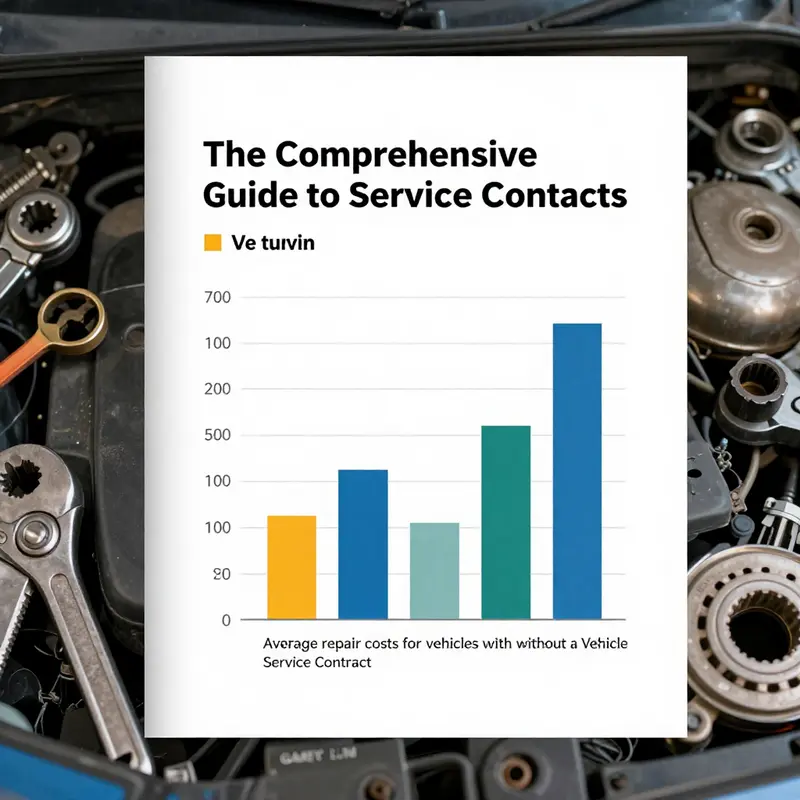
A vehicle service contract, often described as an extended warranty, is more than a simple add-on to the purchase price. It is a deliberate risk-transfer tool that shifts the financial burden of major repairs from the owner to a third-party provider. The idea is straightforward: when a vehicle ages and its factory warranty expires, the risk of costly breakdowns climbs. A service contract steps in to cover specific mechanical and electrical components that fail outside the original warranty, offering a shield against the unpredictability of repair bills. The appeal is not only financial but psychological, since owners can drive with a sense of predictability, knowing that a major failure won’t derail their budget or plans. Yet like any financial product, its value is not universal. It depends on the vehicle history, how the owner uses the vehicle, and the terms of the contract itself. Understanding how these contracts influence maintenance and repair costs requires looking both at what is typically covered and at what lies outside the coverage, as well as how the broader ownership costs unfold over time.
Coverage terms are the heart of any vehicle service contract, and they determine the extent to which the financial risk is shifted. Most contracts focus on major mechanical failures and certain electrical issues rather than routine wear-and-tear items. This distinction matters because it frames the real-world cost dynamics. If a component such as the engine, the transmission, or the drivetrain fails, a service contract can dramatically reduce or even eliminate the out-of-pocket expense for repair or replacement. But wear items such as tires, brake pads, wiper blades, and light bulbs are frequently excluded or covered only under separate maintenance plans. The practical effect is that the contract does not substitute for all maintenance; rather, it cushions the bills that arise from unforeseen failures in components that are less forgiving of failure modes than regular wear items. The net result is a smoother, more predictable repair landscape, but one that still requires ongoing, diligent maintenance to minimize the chance of covered failures occurring in the first place.
The predictability that service contracts introduce can be a major financial virtue, especially for aging vehicles or models with known reliability quirks. When a major system such as the transmission experiences problems outside the warranty window, repair costs can climb into the thousands. A representative figure sometimes cited in consumer discussions is a transmission repair or replacement that can surpass several thousand dollars. In such scenarios, a service contract that covers the major components, or that caps outlay through plan limits, has the potential to produce substantial savings relative to paying entirely out of pocket. For owners who drive vehicles well beyond the original warranty period, the value proposition often hinges on the probability of a costly failure and the cost of the contract itself. If a car s track record shows frequent transmission or engine issues, the contract can prove its value by eliminating or defraying large, unexpected bills. Conversely, for reliable vehicles with a clean track record, the upfront premium and periodic payments for coverage may not be justified by the reduced risk of a major failure.
The total cost of ownership (TCO) perspective helps frame this decision in a more nuanced way. TCO considers not only the price of the contract but also how coverage affects maintenance behavior, resale value, and the likelihood of expensive repairs that would otherwise alter cash flow. Several factors influence whether a VSC adds value. Vehicle reliability history matters a great deal: if a given model has shown a tendency toward costly, non-routine failures as it ages, a service contract can be a prudent hedge. The length and breadth of coverage are equally important: a longer-term contract that includes a broad set of components will obviously carry a higher premium, but it can also provide higher protection against spikes in repair costs. The deductible structure matters as well. Some plans require a deductible per repair; others are zero-deductible. A plan with frequent deductions may still be cost-effective if the covered repairs are large enough, but it changes the cash-flow dynamics for the owner in the event of multiple claims.
From the consumer’s standpoint, coverage flexibility and clarity are as important as price. Providers differ widely in what they cover, what they exclude, and how they handle repairs. A robust contract typically includes explicit terms about covered components, common exclusions, the maximum payout, and the availability of authorized repair networks. It may also outline maintenance requirements, such as regular servicing intervals, that if not followed can jeopardize coverage. The risk here is not just paying for something that isn’t ultimately useful, but discovering after the fact that the contract refuses a claim because a maintenance condition was not met. This makes it essential to scrutinize the fine print: the contract definitions of mechanical failure, the list of covered components, the procedure for filing a claim, any requirement to service with approved shops, and the existence of any coverage caps or exclusions that could blunt the anticipated protection.
The decision to purchase a vehicle service contract also hinges on how one uses the vehicle. A driver who accumulates high mileage in a short period can be exposed to a higher probability of wear and tear, even if the vehicle remains mechanically sound. In such cases, a service contract becomes a risk management tool as much as a cost shield. On the other hand, a newer vehicle with a clean reliability record, driven primarily for short daily commutes, may see fewer major failures as the vehicle ages. For these owners, the contract’s value is less about preventing an inevitable big-ticket repair and more about padding the budget against the occasional unexpected breakdown. The analysis then moves beyond a single repair scenario to the broader arc of ownership, including maintenance costs, potential upgrades, and the resale market’s perception of a car that carries a service contract.
Maintenance itself remains a critical companion to any service contract. A contract can reduce the sting of a major non-routine repair, but it cannot magically replace the benefits of proactive, timely maintenance. Regular oil changes, transmission service, brake system checks, cooling system maintenance, and other scheduled care all contribute to the longevity and reliability of the vehicle. Regular maintenance reduces the likelihood that a vehicle will experience the kind of failure that triggers a covered repair, thereby preserving the intended value of the contract. It is worth noting, too, that some maintenance tasks interact with coverage terms. For example, certain plans require that maintenance be performed at specific intervals or by qualified technicians to keep the coverage valid. The implication is clear: maintenance discipline and contract terms must align to achieve the desired balance of protection and cost control.
To illustrate how this interplay might affect a typical owner, consider two scenarios that reflect common decision-making contexts. In the first scenario, a driver owns an aging vehicle with a history of sporadic reliability issues. The owner faces the prospect of expensive, near term repairs as the vehicle accrues mileage. In this case, a vehicle service contract with broad coverage, especially for engines, transmissions, and drivetrain components, could deliver meaningful financial relief. The premium paid for the contract is weighed against the high probability of meaningful claims in the next few years. In the second scenario, a relatively new vehicle with a solid reliability profile remains within or near its original warranty window. Here, the incremental cost of a service contract is harder to justify, given the lower expected incidence of major failures. The decision becomes a matter of risk tolerance and ownership horizon: if the owner plans to hold the vehicle for many years and wants maximum predictability in budgeting for repairs, a contract might still be attractive; if not, the contract’s cost could outweigh its benefits.
Given the wide variability in contract terms, a prudent approach to evaluating a VSC is a careful, numbers-first analysis that goes beyond headline coverage. Prospective buyers should map out: the upfront premium, any annual renewals, the deductible per claim (if any), the maximum payout limit, the list of covered components, and the exact exclusions. They should also assess the repair costs they are most likely to incur given their vehicle’s make, model, age, and mileage. A practical method is to estimate potential major repair costs over the ownership horizon and compare that to the all-in cost of the contract, including any deductibles and premium escalations. This kind of forward-looking calculation, while not perfect, offers a concrete way to determine whether the contract reduces expected maintenance costs or simply shifts them in time and form.
The claim process and the integrity of the provider matter as well. A contract implies not just money saved but a reliable process to access those savings when a failure occurs. Owners should ask questions about how claims are filed, the processing time, and whether repairs must be performed at a specified network of shops. A smooth and transparent claims experience reinforces the perceived value of the contract and helps ensure the plan delivers on its promise. In contrast, opaque terms, long claim cycles, or frequent claim denials undermine the point of having protection in the first place. This is another reason why the evaluation of a service contract should include a review of customer service quality, claims turnaround times, and the provider’s track record, not just the price tag.
Maintenance and repair costs are not the sole determinants of a contract’s value. The intangible benefits, namely peace of mind and budget predictability, often carry substantial weight for many owners. Even when a contract’s monetary advantage is modest on paper, the ability to plan repairs with a known cost can liberate a household budget for other priorities, such as education, home improvements, or a safer vehicle setup. The emotional labor associated with sudden, unexpected repairs is another form of value. For some buyers, that value is worth more than the math of a strict cost-benefit analysis would suggest.
An additional layer comes from the relationship between maintenance habits and coverage outcomes. Diligent maintenance reduces the chance of catastrophic failures that would be covered by a contract, while neglect can render coverage claims questionable or reduce their effectiveness. This interdependence reinforces the notion that a service contract is not a standalone safeguard. It is most effective when paired with disciplined maintenance, a habit of preventive care, and an understanding of how both factors influence long-term costs. The result is a more resilient financial plan for vehicle ownership, one that blends protection with proactive care rather than leaving the owner to face a surprise repair with only a lump-sum wallet as a defense.
For readers seeking practical pointers, consider how routine maintenance information dovetails with contract decisions. Regular maintenance, such as oil changes, plays a key role in overall vehicle health and reliability. The timing of these services can influence not only performance but the risk profile of a future breakdown. If you want a concise reference on maintenance intervals and how to balance time-based versus mileage-based service, you can explore detailed guidance at Optimal oil-change intervals: Time vs. mileage. Recognizing how maintenance schedules interact with coverage plans can help you choose a contract that complements your driving habits rather than one that sits idle until a claim is needed.
The central takeaway is that vehicle service contracts are neither universal solutions nor mere commodities. Their value rests on a careful match between the vehicle reliability trajectory, the owner’s ownership horizon, the specific terms of the contract, and the owner’s tolerance for risk. A well-chosen contract can substantially dampen the financial punch of major repairs and provide a stable foundation for budgeting. A poorly chosen one can add cost without meaningful protection. The comparison should be anchored in real-world expectations about maintenance needs, not merely in promotional promises. In this sense, the contract becomes part of a broader plan for responsible ownership, one that acknowledges uncertainty, embraces preventive care, and strives for predictable, manageable costs over time. It invites owners to think not only about the next repair bill but about a longer arc of ownership in which maintenance discipline and prudent risk management work in tandem.
For those who want to go deeper into the broader landscape of extended warranties and vehicle service contracts, a well-regarded external resource offers a critical perspective on what to know before buying. It provides guidance on evaluating coverage, costs, and claims processes, helping readers discern when a contract adds real value and when it may be better to rely on maintenance and savings. Read more at the external resource: https://www.consumerreports.org/vehicles/extended-warranties-what-to-know-before-you-buy-a-vehicle-service-contract-a1567492/ to inform your decision-making with an independent, consumer-focused examination of extended warranties.
In summary, vehicle service contracts can meaningfully influence maintenance and repair costs, but their value is contingent on thoughtful alignment with vehicle reliability, ownership plans, and careful scrutiny of contract terms. They are tools for risk management and financial planning, not magic shields that universally prevent expense. The best practice is to couple thorough due diligence with disciplined maintenance and a clear sense of personal ownership goals. This integrated approach helps ensure that a service contract, when purchased, genuinely reduces financial stress and enhances the overall ownership experience rather than simply adding another line item to the budget.
Final thoughts
Investing in a Vehicle Service Contract is a strategic choice for any car owner looking to mitigate the uncertainties of vehicle ownership. By understanding the types of contracts available, recognizing their myriad benefits, and considering the essential factors before purchasing, you can make an educated decision that ultimately enhances your vehicle ownership experience. Not only can a VSC save you money on repairs and offer peace of mind, but it can also simplify the management of maintenance costs. In an era where vehicle reliability is paramount, a well-chosen Vehicle Service Contract stands as a vital component of responsible vehicle ownership.