
Considering the purchase of a used vehicle? Understanding a vehicle’s service history is crucial to making an informed decision. A service history report can provide insights into the car’s overall condition and reliability. Evaluating the report offers insights into how well the vehicle has been maintained, any major repairs that have been completed, and whether it has unresolved safety recalls or a troubled title history. This guide will break down what to look for in three key areas: Regular Maintenance Records, Major Repairs and Replacements, and Recall History and Title Branding. By mastering these elements, local private car owners, used car buyers and sellers, and small business fleet operators can make informed vehicle choices.
Decoding the Roadmap Within Service Records: The Power of Regular Maintenance History in a Vehicle’s Story
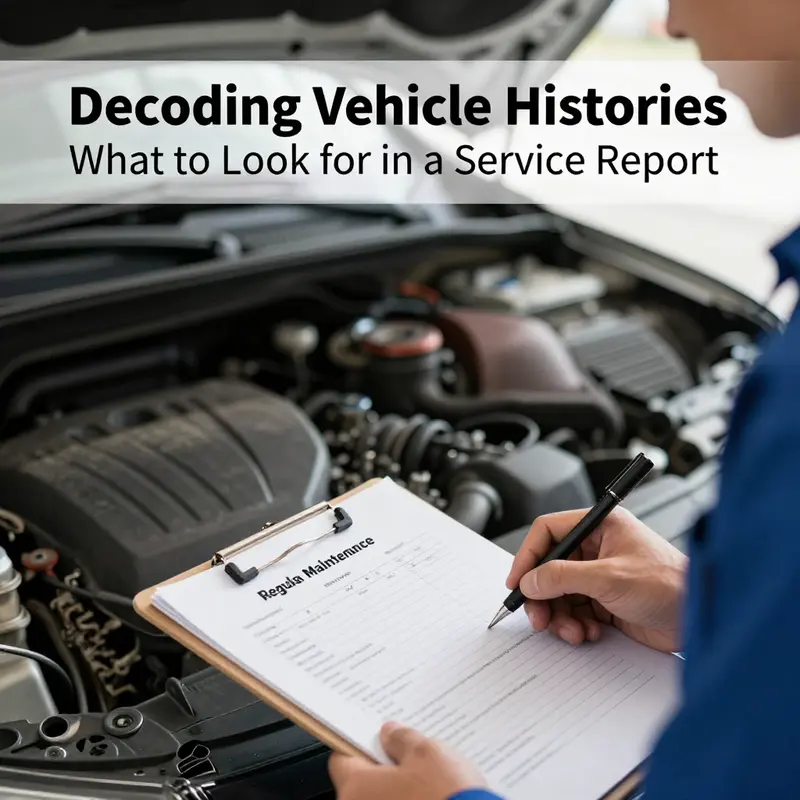
A vehicle’s service history is more than a ledger of past work; it is a narrative about how the car has been cared for, tuned, and kept on the road. When you read a history report with a careful eye for regular maintenance, you’re not merely parsing dates and numbers. You’re learning whether the vehicle has followed the manufacturer’s recommended rhythm, whether ownership has treated it with consistent attention, and, crucially, where the signals point to reliability or red flags. Regular maintenance records act as a backbone for the entire history, anchoring later observations about condition, performance, and potential future costs. In a used-car decision, that backbone is often the most credible predictor you have, because maintenance activity tends to reflect underlying health—how an owner addressed wear, what got proactively serviced before problems emerged, and whether the vehicle’s life has been stewarded with discipline rather than neglect. To read these signals well, you need a steady sense of what “regular” looks like across different vehicles, how service is documented, and how data quality can influence your interpretation. Then you can connect the dots between what’s logged and what you might experience after purchase, all while cross-checking against the car’s physical condition during a thorough inspection.
Oil changes sit at the heart of regular maintenance reporting because they are the most frequent, concrete action that touches the engine’s life and longevity. The typical cadence—roughly every 5,000 to 7,500 miles for many modern engines, with variations depending on oil type, vehicle design, and manufacturer guidance—creates a predictable rhythm. When a history shows these entries in regular intervals, it communicates a pattern of timely attention and respect for the engine’s needs. A gap, even if it occasionally makes sense due to owner travel or extended service intervals, invites closer scrutiny. Was the gap caused by a long road trip where the oil was available but not changed, or by a record that simply wasn’t kept because a service was performed but not entered into the report? The difference matters because the engine’s life often correlates with how consistently oil is replaced. A well-documented sequence of oil changes reassures you that the person behind the wheel has protected the engine’s internals against sludge, wear, and thermal stress. And because oil quality also influences fuel economy and performance, a strong oil-history narrative helps you forecast future maintenance costs more reliably.
Tire rotations and inspections also carry meaningful weight in a regular-maintenance narrative. Even wear on tires is a practical proxy for how roads have been used and how the vehicle has been cared for. A history that shows tires rotated at the manufacturer’s recommended intervals—typically every 5,000 to 7,500 miles, aligned with oil-change cadence in many shops—signals proactive maintenance. When rotations appear on schedule, you gain confidence that the owner is seeking even tire wear, preserving grip, braking performance, and comfort. Conversely, irregular or missing tire-rotation entries can hint at gaps in attention that sometimes accompany broader maintenance neglect. If a vehicle shows a string of rotations but lacks documentation for wheel alignment or tire inspections when the tires wear unevenly, you might suspect a trade-off between low up-front maintenance costs and higher risks of uneven tire wear, which can mask underlying suspension or steering concerns over time. In the broader arc of the history, tire-related entries connect to other wear items—brakes, suspension components, and even fuel economy—because the way tires wear reflects how the rest of the drivetrain has been treated.
Brake inspections and replacements occupy a similarly weighty place in the regular-maintenance story. The brake system is one of the most critical safety envelopes on any vehicle. A clean maintenance record will typically show periodic brake-fluid flushes, pad replacements, and rotor refinements as specified by the vehicle’s service schedule. These entries reveal how the owner approached safety-related maintenance and whether the vehicle has had timely care to preserve stopping power. Patterns matter here: repeated inspections followed by timely pad and rotor replacements suggest a preventive approach that reduces the likelihood of urgent brake-service events later. If the record shows minimal brake work for many miles but the car exhibits signs of braking problems in a test drive—vibrations, squeals, or soft pedal feel—that discordance should raise questions about the completeness or accuracy of the history. The brake system does not live in isolation; it communicates with tires, suspension, and even the brake-fluid condition, all of which contribute to how reliably the car stops and how the vehicle communicates safety to its driver.
Beyond the specific components, the broader language of a maintenance history—fluids, filters, and health checks—paints a picture of ongoing care. Fluid checks and replacements—coolant, transmission fluid, power steering fluid, and brake fluid—reflect whether the vehicle’s life-bloods are being refreshed at appropriate intervals. Coolant stability, for instance, influences engine temperature control and long-term corrosion resistance, while transmission-fluid changes, where applicable, are closely linked to shifting smoothness and wear on torque-converter or transmission components. Properly logged fluid service is a reassuring sign that the owner has monitored critical interfaces and responded to wear indicators rather than postponing maintenance until a light indicates trouble. In the same thread, battery health monitoring—entries that show checks and, when necessary, replacements after three to five years—signals attention to the electrical system and readiness to address starting and charging reliability. A vehicle with a reasonable cadence of battery checks is less likely to stall or suffer unexpected electrical faults as it ages.
Filter replacements—air, cabin, and fuel—round out the ecosystem of regular maintenance because each filter serves a direct purpose in performance and comfort. Replacing air filters on schedule supports engine efficiency and power, while cabin filters contribute to interior air quality and occupant comfort. Fuel filters, where present, protect fuel delivery systems from contaminants that can impact performance and longevity. When these entries align with the vehicle’s stated maintenance plan, they reinforce the impression that the car has been cared for consistently and with attention to detail. The absence of filter changes on a history that otherwise documents routine services can be a quiet red flag that someone overlooked the small, practical tasks that collectively keep a vehicle running smoothly.
Interpreting service-interval consistency is the unifying lens through which each of these elements is understood. A history that shows services performed at regular mileage or time intervals, following the manufacturer’s recommended schedule, is a powerful indicator of adherence to care guidelines. This consistency is not merely about ticking boxes; it is about building a protective routine that reduces the likelihood of delayed repairs, unexpected breakdowns, and cascading problems that originate from neglected routine tasks. When the record demonstrates a disciplined approach to routine maintenance, it strengthens confidence that the vehicle’s reported condition aligns with how it has been treated over time. Gaps, on the other hand, require context. A three-year gap with low miles could be benign in a well-traveled car, but a 15,000-mile gap between oil changes in a vehicle known to accumulate engine hours in daily use may indicate neglect or incomplete record-keeping. The difference matters because it changes the risk calculus for future reliability and repair costs.
Some readers encounter vehicles with unusual patterns, and those patterns deserve careful interpretation rather than snap judgments. For example, a car could show a long stretch of regular maintenance with a single, unusually large service—perhaps a major fluid replacement, a cooling-system overhaul, or a transmission service—that was prompted by a known issue or by a careful pre-purchase inspection. In such cases, the presence of a single, elevated service expense does not automatically imply chronic failure risk. It can simply reflect a prudent intervention that corrected a problem before it could escalate. The key is consistency around the exception: if most services were routine and timely but one major repair appears, look for supporting notes in the history, receipts, or purchase records that explain the reason for the deviation. If the narrative surrounding that repair seems coherent and well-documented, it may be a positive sign of proactive maintenance rather than a red flag about persistent deficiencies.
These considerations become more nuanced when the vehicle in question is a brand with formal service ecosystems or a model that relies on specialized diagnostics. Some manufacturers design maintenance guidance to be followed with dealership involvement, while others accept a broad network of qualified independent shops. Dealership-maintained histories often come with more standardized terminology, more consistent parts sourcing, and more complete service marshalling. Independent shops may vary in how they log work, especially if their systems do not interface with a national database. As a result, the same vehicle could present a slightly different pattern in a report depending on who performed the service and how entries were recorded. Reading the history with this nuance in mind helps you distinguish a genuinely well-kept car from a record that merely appears complete because it was compiled from a single source.
For electric and hybrid vehicles, the regular maintenance script can shift, but the principle remains: predictable, timely maintenance is the backbone of reliability. Some brands provide automated maintenance summaries during official service visits, which can be a helpful baseline. However, owners should still ensure that any independent repairs or DIY maintenance is accurately recorded, especially when work touches critical systems like battery cooling, high-voltage components, or charging hardware. In certain cases, improper or unauthorized maintenance can have consequences not only for performance but also for warranty coverage. This reminder—echoed in manufacturer guidelines—emphasizes the broader point that a history is only as trustworthy as the completeness and accuracy of the records it contains. When you encounter modern vehicles with consolidated, digital maintenance logs, you gain an additional layer of confidence, but you should not assume that a lack of manual receipts automatically equates to neglect. If a digital log is incomplete or selectively entered, you should pursue corroboration through receipts, shop notes, and, where possible, VIN-linked databases.
As you move from the specifics of components to the cadence of entries, you begin to see how a well-kept service history supports a robust assessment of a vehicle’s condition. A chain of regular entries signals that the car has likely benefited from timely interventions that curtail wear, preserve efficiency, and maintain safety margins. The opposite pattern—sporadic maintenance or long, unexplained gaps—pushes risk into the foreground. In practice, the most informative histories strike a balance: they show steady attention to routine tasks while also documenting occasional necessary repairs that were properly addressed and explained. A history that combines both elements—consistent regular maintenance with transparent major services—often translates into a vehicle that has lived a careful, proactive life rather than one that has merely endured.
To connect these observations to your due-diligence routine, approach the history as you would a physical examination of the car. Start with the through-line of regular maintenance: are oil-change, tire-rotation, brake, and fluid-service entries present at predictable intervals? Are there notes on filter replacements and battery checks that corroborate the car’s aging profile? Do the service dates and odometer readings align, or do you see suspicious jumps that require verification? Then broaden the lens to include the context of who performed the work. A history that includes a series of dealership services can be a reassuring baseline because dealer records tend to be standardized and easier to verify. But a long streak of independent-shop entries should not disqualify a car outright; professionals in independent shops can deliver highly reliable service, and their records can be just as credible if they are complete, legible, and consistent with the vehicle’s maintenance schedule.
In this sense, a complete and transparent service history does more than inform you about past care; it can positively influence a vehicle’s value and your peace of mind as a buyer. Buyers often value the predictability that comes with a documented routine, because it suggests fewer hidden surprises in the near term and a more straightforward path to ongoing maintenance planning. When you place a strong emphasis on this single dimension—regular maintenance records—you set a foundation for broader due diligence that includes recall status, title history, and ownership patterns. The regularity signal helps you gauge how much risk you’re taking on and how well the car has aged under its owner’s stewardship. As you close the loop, remember to corroborate the history with a thorough on-site inspection. A clean history will still require a practical check of the car’s current condition, and any inconsistencies between what’s logged and what you observe on the road or in the bay will require further clarification.
For readers seeking deeper, practical guidance on maintenance timing and intervals, the KMZ Vehicle Center blog offers practical perspectives that complement the data you find in a vehicle history report. It can be a useful companion as you compare different makes and models and translate maintenance intervals into a concrete maintenance plan for your own ownership. KMZ Vehicle Center blog
In the end, the value of a regular-maintenance narrative rests on its clarity and completeness. A well-documented pattern communicates care, discipline, and foresight. It lowers your uncertainty about future repairs and supports a more confident estimation of remaining life and resale value. The goal is not to micromanage every spark plug life or every nut on the vehicle, but to recognize the regular cadence that signals a sound maintenance philosophy. When you see a history that blends consistent routine care with transparent major repairs, you gain a fuller, more trustworthy portrait of the vehicle’s past—and a more reliable forecast for its future. The standard against which you measure a history remains the same: does the car’s documented care align with the vehicle’s age, mileage, and known usage patterns? If the answer is yes, you have a solid basis for moving forward with confidence.
External reference: For a detailed example of what to expect in a professional vehicle service history report, visit Carfax. Carfax – Official Vehicle History Report Provider
Beyond the Surface: Decoding Major Repairs and Replacements in a Vehicle’s Service History
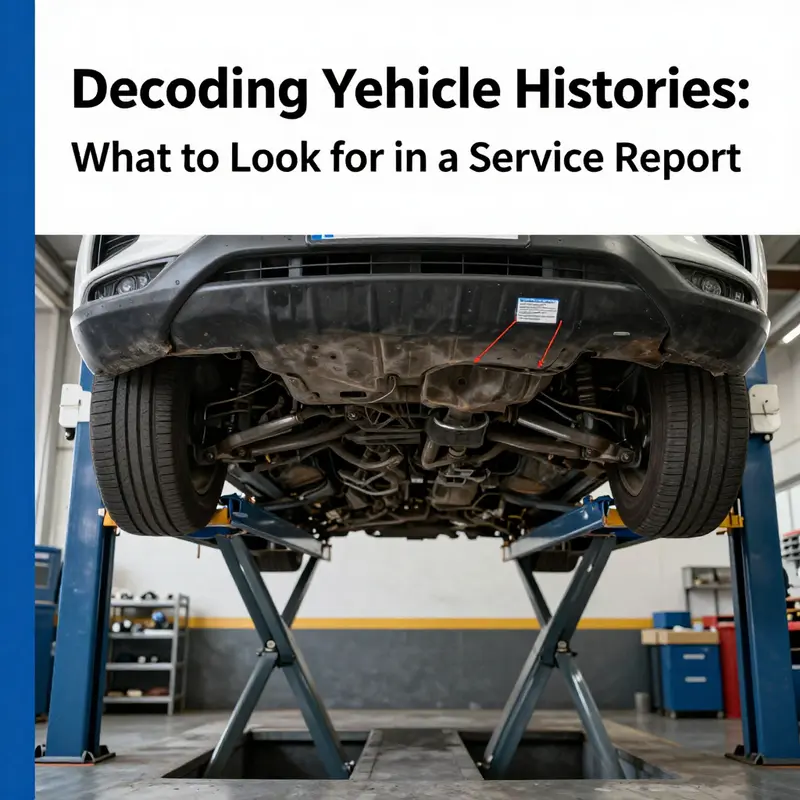
When you open a vehicle service history report, the most telling chapter is often the section that chronicles major repairs and replacements. These entries are not mere footnotes; they are milestones that reveal how the car endured wear, how ownership responded to problems, and how the vehicle’s long-term reliability was shaped by decisions made along the way. A thoughtful read of these records can separate a well-cared-for example from one that carried hidden risks, and it can do so without requiring a dealership-level repair background. What you’re looking for is a story—one that connects the dots among age, usage, and the mechanical heart of the car. This story unfolds most clearly when you consider three intertwined questions: what happened, when it happened, and how it was resolved and followed up on. Engine overhauls, transmission replacements, and major bodywork are not isolated facts; they form a continuum that tells you whether the vehicle was maintained proactively, repaired reactively, or perhaps masked by deferred maintenance. In the pages that follow, the focus sharpens on how to read these entries with an eye toward practical risk assessment, future maintenance needs, and informed negotiation at the dealership or private sale stage.
The first thing to acknowledge is that major repairs come in many forms, and not all of them spell doom for a vehicle’s future. An engine rebuilt or replaced, for example, can be a sign of significant wear or a once-in-a-lifetime calamity that was properly addressed. In some cases, an engine replacement is the result of a known defect that later became the subject of a warranty or manufacturer program. Other times, it is the consequence of an accident damage that necessitated a block-level fix or a complete replacement, followed by meticulous reassembly and alignment work. What matters is not the existence of the repair alone, but the context around it: the mileage at which the work occurred, the service provider’s reputation and documentation quality, and the steps taken to prevent recurrence of the problem.
A transmission replacement or overhaul sits in the same category of high impact, high cost, and high consequence. Transmission work is one of the most expensive repairs a vehicle owner can face, and it ripples through future reliability expectations. A documented transmission replacement might indicate a short period of inconvenience followed by solid performance if the repair coincided with a properly timed service schedule and a robust aftercare plan. Conversely, a history peppered with multiple transmission-related entries can signal upstream issues—perhaps with the engine’s cooling system, driveline alignment, or even software controls—that were never fully resolved. The cadence and clustering of these entries matter. A single, well-documented repair is far less alarming than several entries scattered across different owners with inconsistent maintenance records. In other words, the pattern matters as much as the individual line item.
Beyond powertrain components, major bodywork and structural repairs deserve equal attention. A history that shows extensive panel replacement, frame straightening, or significant collision repair can illuminate potential structural compromises that might not be immediately apparent during a casual inspection. While advanced repair techniques can restore strength and safety, the risk profile changes when damage involved critical structures or when repeated bodywork accompanied electrical or sensor recalibration. If the report mentions open recalls or unresolved safety service in the same timeframe, it’s prudent to view past structural work with heightened scrutiny. The linkage between repair history and title status—whether there was a salvage or rebuilt designation at any point—can amplify concerns about durability and long-term safety. In short, major repairs across different systems weave a more complete map of the vehicle’s past than any single line item could.
When you extract meaning from major repairs, the service provider’s identity becomes a meaningful clue. A record showing work performed at a dealership may indicate access to more standardized documentation, more precise mileage readings, and better traceability of parts and labor. Dealership notes often reflect factory service bulletins, software updates, and original equipment replacement specifications. Independent shops can also yield high-quality records, especially if they maintained meticulous parts lists and labor hours. The important thing is consistency and clarity in the documentation: the description should clearly identify the component or system, the work performed, and the parts involved, ideally with mileage and date stamps. If the report lacks detail—vague phrases, missing part numbers, or ambiguous timeframes—that lack of clarity can complicate your assessment and increase the risk of misinterpretation. On the other hand, a comprehensive, well-documented entry provides a foundation for evaluating whether the repair solves the underlying problem or merely treats symptoms.
A second layer of meaning emerges when you map the major repairs against odometer readings and service dates. The odometer doesn’t reset at the end of a repair, which means you should expect the mileage to reflect continuous use. Large gaps between major repairs can be a red flag, especially if those gaps coincide with extended periods of vehicle storage or a shift in ownership. Gaps may also reflect a tiresome reality: maintenance kept up in one stretch, then neglected for a long time, followed by a big repair bill later. Any mismatch between reported service dates and mileage warrants deeper investigation. If a repair date is several years after the last recorded mileage but the vehicle shows low miles overall, question whether the repair represented early-onset failure or a delayed diagnosis that allowed a minor issue to escalate. Conversely, a repair at a very high mileage may be more understandable, but you still want to know whether the drivetrain was aligned with a prolonged maintenance plan that included regular fluid changes, filter replacements, and system checks. The goal is to determine if the repair was an isolated incident or part of an ongoing maintenance pattern that kept the car running reliably afterwards.
Closely tied to odometer and date consistency is the recall history that often accompanies major repairs. A vehicle with a major repair and open recalls presents a dual lens through which to view safety and reliability. Recalls address manufacturer-design or manufacturing defects that affect broad populations of vehicles; if a major repair occurred before or during a recall, it might indicate opportunities for improved fixes, better parts, or updated software that could mitigate the risk of recurrence. The public recall database hosted by a national standards body provides a straightforward route to check the status of open recalls using the VIN. This independent cross-check is essential because recalls can coexist with a repaired condition, and addressing them can meaningfully impact long-term ownership costs and safety considerations. If you discover an open recall while assessing major repairs, treat it as a separate line item to be resolved before concluding the vehicle’s overall value or condition.
A third dimension worth weighing is the vehicle’s title status and any salvage history. Title branding such as salvage, rebuilt, flood, or fire is a stark signal that the car endured significant damage, and even a thorough repair may not fully restore the original confidence in the vehicle’s structural or electrical integrity. When major repairs align with a title designation, the risk profile shifts. The presence of a salvage or rebuilt title often implies more extensive inspection requirements, higher insurance costs, and potentially limited resale value. While some salvage-titled vehicles can be reliable after proper restoration, buyers should demand detailed repair invoices, a clean bill of health from a trusted mechanic, and a robust warranty or guarantee on the work performed. The interplay between major repairs and title branding is not merely a matter of cosmetics; it touches on safety, reliability, and the vehicle’s long-term performance envelope.
In evaluating major repairs, it’s natural to ask whether repeated fixes point to hidden, systemic issues or to effective, targeted responses to specific failures. Recurrent repairs on the same component or system—such as cooling system failures, brake issues, or electrical faults—can hint at design flaws, suboptimal maintenance practices, or poorly resolved root causes. The distinction between a stubborn recurring problem and a one-off repair is subtle but consequential. A single, well-documented fix with clear evidence that the root cause was addressed, a parts list with appropriate replacements, and a follow-up alignment of related systems can translate into durable improvements. Multiple, overlapping fixes with insufficient documentation or unclear descriptions, however, can signal a pattern of short-term symptom management rather than comprehensive resolution. For buyers, this distinction matters because it influences risk assessment, potential future repair costs, and the reliability you can reasonably expect from the vehicle after purchase.
The chapter on major repairs and replacements is not a siloed ledger; it must be read with the broader context of ownership history and the vehicle’s overall condition. Cross-referencing with accident and damage reports helps determine whether a major repair was a response to collateral damage or independent wear. The presence of accidents alongside major repairs may point to cumulative stress on the chassis or drivetrain, which can affect alignment, suspension geometry, and even electronic control systems. If the report shows extensive bodywork in conjunction with structural repairs, you’ll want to verify whether post-repair recalibration of safety systems—the airbags, seatbelt pretensioners, sensors, and camera or radar units—was performed to factory specifications. Modern vehicles rely on a synergy between mechanical integrity and software-managed safety; a major repair that fails to account for calibration and software reprogramming can leave latent vulnerabilities that only surface during spirited driving or extreme conditions.
The ultimate aim of reading major repairs and replacements is to arrive at a balanced judgment about risk, maintenance history, and future cost of ownership. A clean record of no major repairs is a strong positive signal, suggesting the vehicle has enjoyed a long span of reliable operation and careful maintenance. Yet a single major repair does not doom a vehicle either, provided the repair was timely, well-documented, and followed by disciplined care. The more important question is whether the repairs were proactive or reactive, whether documentation is precise and verifiable, and whether the aftercare has been robust enough to prevent a recurrence of the issue. In this sense, a repair history becomes a predictor of future performance, contingent on the quality of the repairs and the integrity of the maintenance plan that followed.
To deepen your understanding, consider this practical approach as you review major repair entries. Start by noting the exact component or system repaired, the date, and the mileage at the time of service. If a repair is engine-related, ask whether it involved a rebuild, a block replacement, head work, or a turbocharger upgrade, and whether the labor included reassembly checks, torque specs, and calibration. For transmissions, track whether the fix involved a rebuilt unit, a new transmission, or service that addressed clutches, bands, solenoids, or hydraulic pressure. If bodywork is involved, pay attention to whether structural components were replaced and whether the frame or unibody was straightened with proper equipment and verification. Then, seek corroborating evidence: receipts, part numbers, and any notes about OEM versus aftermarket components. If a repair is recorded by a dealership, you may find more detailed service bulletins or software updates tied to the repair, while independent shops may offer a more granular parts-and-labor breakdown. In either case, the presence of precise data—labor hours, parts lists, and documentation of testing—significantly strengthens your confidence in the repair’s quality and durability.
A broader, narrative understanding comes from looking at the repair history as a continuum that intersects with ownership patterns and the car’s ongoing maintenance. If the vehicle changed hands multiple times but shows a consistent pattern of timely major repairs followed by renewed reliability, that can be a reassuring sign of resilient design and conscientious caretaking. If, however, the same model in similar condition shows a string of high-cost repairs across different owners, you should probe for systemic issues specific to that model year, manufacturing batch, or variant. Ownership history matters here: a vehicle that changed hands quickly without corresponding maintenance records is riskier than one with a steady ownership timeline supplemented by thorough service entries. The story grows more credible when you see a durable post-repair maintenance habit—regular oil changes, fluid checks, and timely sensor recalibrations—that aligns with the repaired systems’ needs and the manufacturer’s recommended intervals.
For readers seeking further guidance that complements these ideas, the concept of a well-rounded history is explored in depth on the KMZ Vehicle Center blog, which offers practical perspectives on maintenance planning and service history interpretation. This resource helps bridge the gap between the raw data found in a report and the everyday decisions buyers and owners must make, from scheduling preventive maintenance to negotiating price based on evidence of past work. You can visit the blog at KMZ Vehicle Center blog for ongoing insights that align with the themes discussed here. While individual repair entries tell part of the story, a broader understanding comes from integrating these insights into a broader maintenance philosophy that emphasizes proactive care over reactive patchwork.
As you wrap your review of major repairs and replacements, remember to keep one guiding principle in mind: the quality of the documentation is as important as the repair itself. A robust, transparent record—clear descriptions, precise dates and mileages, detailed parts and labor information, and a consistent narrative across multiple entries—provides the foundation for a credible assessment of risk and value. When you combine that with a careful check of the vehicle’s title history, recall status, and accident records, you gain a comprehensive understanding of the car’s past and a practical forecast for its future. The goal is not to judge a vehicle by a single data point but to synthesize a set of data points into a coherent view of reliability, potential maintenance costs, and overall ownership experience. In this synthesis, major repairs and replacements become the most informative chapters, guiding your expectations and informing your negotiation strategy as you move toward the next phase of the buying or ownership journey.
To reiterate the flow of reasoning in a practical sense: identify the repair, understand the root cause, verify the repair’s timing against mileage, assess the documentation’s quality, cross-check with recalls and title status, evaluate the pattern across ownership spans, and finally translate this analysis into realistic maintenance and budget planning. When you approach the history with this framework, the narrative of major repairs turns from a collection of isolated incidents into a reliable map of the vehicle’s past behavior and future reliability. It is through this map that you can negotiate fair value, anticipate forthcoming maintenance needs, and decide whether the vehicle represents a prudent investment given its specific history. If you want to continue building your fluency in reading these histories and translating them into actionable steps, consider exploring additional guidance from reputable sources that focus on maintenance planning, service intervals, and the interpretation of repair histories in everyday ownership. For broader context on maintenance timing and the logic behind interval-based care, you can consult the resource that discusses optimal oil-change intervals and time-vs-mileage considerations, which complements the insights about major repairs by framing preventive care as a key determinant of longevity. This broader perspective helps ensure that your assessment of a vehicle’s past remains aligned with a practical, forward-looking maintenance strategy that safeguards reliability and value over time.
Beyond the mechanics, a thoughtful buyer should also consider the reliability implications of the major repairs in relation to the vehicle’s overall health and ownership experience. A vehicle that has demonstrated durable post-repair performance after a well-documented engine or transmission replacement may still offer strong value, particularly if the repair was completed with OEM components, proper torque specifications, and a clear aftercare plan. On the flip side, repeated major repairs without consistent follow-through can erode confidence in long-term reliability and raise questions about underlying design or manufacturing vulnerabilities. The key is to read the history as a cohesive narrative rather than as a series of standalone events. If the narrative suggests responsible stewardship—timely maintenance, transparent documentation, and a pattern of addressing issues before they escalate—the car’s future risk profile may be acceptable within a well-considered price with room for negotiation. If the narrative hints at neglect or mismanagement—gaps in routine maintenance, vague repair descriptions, or recurring issues without durable resolutions—you face a higher projected ownership cost and a greater likelihood of future disruptions.
Ultimately, the task of deciphering major repairs and substitutions in a vehicle service history is about balancing awareness with judgment. The reader must weigh the significance of each repair alongside the broader picture of maintenance discipline, vehicle usage, and the owner’s approach to upkeep. A well-tracked sequence of major repairs, thoroughly documented, followed by consistent preventive care can be a sign of a car that will reward careful ownership. A history marked by ambiguity, poor documentation, or recurring failures warrants heightened scrutiny and a cautious stance on value and warranty coverage. In either case, the capacity to translate repair entries into practical expectations is a skill that improves with deliberate practice, careful comparison with the vehicle’s make and model, and a steady commitment to due diligence before making a decision.
As you prepare to move from history to hands-on inspection, keep this mindset: history informs judgment, but it does not dictate it. A physical inspection, road testing, and an independent mechanical assessment remain essential to verify that the repairs described in the report were executed to a high standard and that the vehicle aligns with the expectations set by its documented past. Together, these elements create a comprehensive, credible basis for evaluating value, planning maintenance, and making a purchase or ownership decision with confidence. And as you proceed, remember that you are building a working understanding of a car’s life story—one that will guide you toward a purchase you can enjoy with fewer surprises and more peace of mind.
For those who want to continue sharpening their ability to interpret service history reports, the broader maintenance philosophy behind these judgments is worth exploring. The maintenance timing and preventive care discussions, such as aligning oil-change intervals with time and mileage, complement the analysis of major repairs by clarifying what routine care was performed and when. This holistic approach helps ensure that your interpretation of a repair-heavy history is grounded not only in what happened but in why it happened, how it was addressed, and what it implies for ongoing reliability. By integrating these perspectives, you gain a robust framework for assessing value and risk. If you seek additional perspectives on how to plan maintenance around the vehicle’s past, a visit to the KMZ Vehicle Center blog offers practical context and actionable tips that align with the themes discussed here. The link to that resource is embedded in the broader narrative for readers who want to deepen their understanding while maintaining focus on the core task of evaluating major repairs and replacements in a vehicle’s service history.
Finally, as you close your review of major repairs, open recalls, title status, and ownership patterns, you should feel equipped to form a grounded expectation about the car’s future. A careful, well-documented repair history paired with a disciplined maintenance plan can translate into reliable performance and predictable costs. A history that lacks clarity or shows unresolved safety issues, questionable repair quality, or suspicious ownership patterns should prompt a more conservative stance. The goal is to move from data to decision with clarity and confidence, knowing you have built a complete picture that accounts for both past events and future responsibilities. By approaching major repairs and replacements with this integrated mindset, you place yourself in the strongest possible position to value the vehicle accurately, plan for necessary upkeep, and navigate negotiations with information and assurance. And as you continue to build your evaluative toolkit, keep in mind that the most telling evidence often lies in the intersection of the event itself, the documentation surrounding it, and the ongoing care that followed.
External reference: For a reliable source on recall status and official safety information, consult the public recall database at https://www.nhtsa.gov/recalls. This resource can help you confirm whether there are open or resolved recalls that intersect with major repairs, adding an essential layer to the overall assessment of a vehicle’s history and safety.
null
null
Final thoughts
Understanding a vehicle’s service history report is essential to making safe and smart purchasing choices. Regular maintenance records reflect a vehicle’s upkeep, while records of major repairs alert you to potentially serious issues. Additionally, the recall history and title branding guard against purchasing problematic vehicles. Each element contributes to a complete picture of the car’s reliability and potential future costs. Ultimately, doing thorough research and making informed decisions can save you from unexpected troubles down the road.