The Vehicle Service Division stands as a pivotal segment within the automotive industry, dedicated to the upkeep and repair of vehicles, ultimately ensuring their longevity and performance. With increasing vehicle complexity and the rise of electric models, understanding the nuances of this division becomes essential for local private car owners, used car buyers and sellers, and small business fleet operators. Through the examination of the service division’s role in maintenance, its economic impact, technological advancements, customer satisfaction strategies, and future trends, we will unveil its significance in driving not only individual vehicle health but also broader automotive business success. Each chapter will elucidate how the Vehicle Service Division contributes significantly to maintaining optimal vehicle conditions, fostering customer loyalty, and shaping future automotive strategies.
The Engine of Reliability: How the Vehicle Service Division Keeps Maintenance, Repair, and Fleet Health on Track
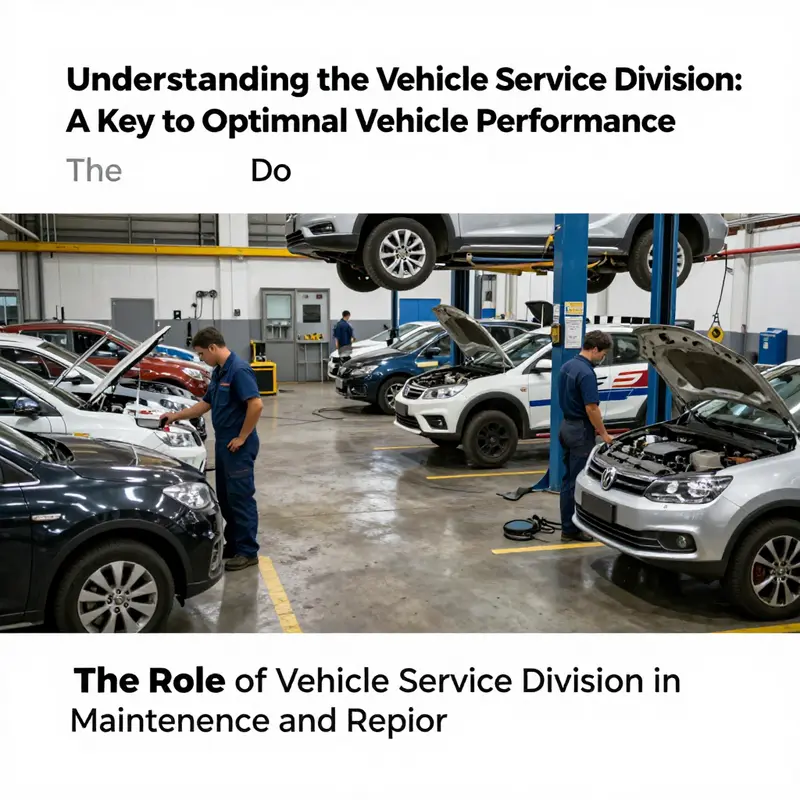
The Vehicle Service Division often sits at the center of an organization’s promise to its customers and its own bottom line. It is the hands-on counterpart to engineering and product development, translating design intentions into reliable, durable performance in the field. Rather than a single, isolated department, the service division is a living system that links the reliability of every vehicle to the health of a business model built on uptime, safety, and trust. In practical terms, this division oversees the full spectrum of vehicle upkeep—from routine inspections to complex diagnostics, from scheduled maintenance to the adrenaline-fueled moment when a breakdown is diagnosed and resolved. The aim is not merely to fix what is broken but to anticipate what could fail, to prevent downtime, and to ensure that every mile driven reflects the highest standards of safety and efficiency. In today’s fleet environments, where vehicles are assets with measurable lifecycles, the service division becomes a strategic function. It creates a predictable, data-driven pathway for extending life, protecting personnel, and preserving capital, all while delivering a service experience that reinforces customer loyalty in a competitive market.
The heart of the division is its disciplined approach to maintenance and repair. Routine inspections are not perfunctory tests but structured assessments designed to catch wear and degradation early. The process begins with a comprehensive check of critical systems—engine health, transmission integrity, braking performance, steering response, suspension wear, electrical system reliability, and safety equipment readiness. These inspections serve a dual purpose: they safeguard daily operations and they provide a historical record that informs longer-term decisions about parts replacement and service intervals. When executed well, routine inspections become a health report for the fleet, a proactive signal that helps managers schedule downtime in a way that minimizes disruption and maximizes productivity. In this sense, the division acts as a steward of operational continuity, aligning maintenance calendars with fleet utilization to keep the system resilient rather than reactive.
Preventive maintenance sits at the core of this discipline. It is the practical embodiment of a philosophy that values reliability over expediency. Tasks such as fluid replacements, filter changes, tire rotations, and brake inspections are not routine chores but essential investments in safety and performance. The goal is to prevent cascading failures that would otherwise cascade into extended downtime, costly repairs, or unsafe driving conditions. Preventive maintenance also has a subtle, strategic payoff: it stabilizes maintenance costs by smoothing out expense spikes and enabling more accurate budgeting. When a fleet consistently follows a preventive maintenance plan, unexpected failures become rarer, and the maintenance window becomes something that can be scheduled with confidence rather than fought against with speed and improvisation.
Diagnostics and complex repairs define the more technical edge of the division’s work. Modern vehicles are built with sophisticated control systems, networked sensors, and modular architectures that require advanced diagnostic tools and specialized expertise. The service division must marry technical know-how with disciplined problem-solving to locate the root causes of failures quickly. This includes interpreting data from diagnostic scanners, reviewing fault codes, conducting component-level tests, and, where necessary, performing more invasive troubleshooting. The capability to isolate issues efficiently translates directly into reduced downtime and more accurate repairs. It also supports longer-term reliability by ensuring that fixes address the underlying problem and are compatible with the vehicle’s design expectations and safety requirements. In this context, the service team becomes a bridge between the workshop and the road, translating lab-like diagnostics into real-world reliability.
Compliance management is a thread that runs through every action in the division. Vehicles must meet safety regulations, environmental requirements, and manufacturers’ guidelines for maintenance and repair. The service division keeps meticulous records of inspections, service history, and parts replacements, ensuring traceability for audits, warranties, and regulatory reviews. This attention to compliance does more than protect the organization; it protects drivers, cargo, and the public. The division’s experience with regulatory expectations also informs risk management strategies, helping leadership anticipate changes in standards and adjust maintenance programs accordingly. In an industry where the cost of noncompliance can be steep, the alignment of maintenance practices with regulatory frameworks is not optional but foundational.
Downtime minimization and process efficiency are not afterthoughts. They are essential performance metrics that compound over the lifetime of a fleet. The division strives to shorten turnaround times for routine services, expedite diagnostic sessions, and streamline parts procurement. Lean workflows, clear communication channels, and effective scheduling become competitive advantages when every minute saved on a repair translates into more productive hours on the road or in the field. Efficiency also extends to the vehicle service manager’s role, who must orchestrate a multi-skilled team with precision. When maintenance and repair are performed with coordinated speed and accuracy, fleets experience fewer unscheduled events, better utilization of assets, and steadier service levels for customers who depend on reliable transportation.
The automotive service manager stands as the linchpin of the division’s day-to-day success. This role requires a blend of technical proficiency and human leadership. On the floor, the manager oversees the flow of repairs, balances staffing with demand, and ensures quality control at every touchpoint in the service process. They are the primary decision-maker for prioritizing work orders, reallocating resources in response to shifting needs, and communicating with customers about status, expectations, and potential delays. The manager also plays a crucial role in nurturing a culture of accountability and continuous improvement. Technical knowledge is essential, but equally important are the soft skills that guide interactions with technicians, customers, and suppliers. A strong service manager builds trust through transparency, communicates clear expectations, and empowers the team to own each repair path from diagnosis to delivery.
The skills landscape for this leadership role is expansive. Technical fluency remains non-negotiable; modern technicians must understand electronic control units, sensor networks, and diagnostic interfaces. Leadership requires the ability to manage a diverse team—technicians, apprentices, parts specialists, and administrative staff—while maintaining morale and high performance. Customer service abilities are crucial because the service division is often the customer’s primary point of contact for vehicle health. The best managers listen actively, explain complex issues in accessible language, and design service experiences that reassure owners and operators under pressure. Problem-solving in this context means more than fixing a malfunction; it means redesigning workflows to prevent rework and crafting maintenance plans that align with a fleet’s operational tempo.
For organizations seeking to benchmark excellence, professional standards and certification play a guiding role. The industry recognizes that consistent, high-quality service relies on established criteria for workmanship, safety, and process discipline. Certification bodies and professional associations provide frameworks that help shops and departments measure performance, validate credentials, and pursue ongoing education. This emphasis on standards is not a punitive footnote; it is a practical tool that aligns daily tasks with long-term reliability goals. The information and guidelines offered by these bodies help shape repair strategies, documentation practices, and training programs that keep teams current with evolving vehicle technologies. In this context, the Vehicle Service Division becomes not only a cost center but a knowledge center, a repository of best practices that lifts the entire organization.
The economic logic behind the service division is clear and compelling. Maintenance contracts, parts sales, and fleet management solutions create recurring revenue streams that stabilize cash flow and reinforce long-term loyalty. By delivering predictable maintenance, timely repairs, and transparent service experiences, the division turns vehicle health into a measurable asset. The approach extends beyond the shop floor; it informs procurement, capacity planning, and customer relationship management. When fleets experience fewer breakdowns, operators experience less risk, and the organization preserves capital through improved uptime, better resale values, and a stronger reputation for reliability. The service division thus becomes a strategic asset—an engine of steady, sustainable growth rather than a reactive function that only reacts to failures.
As audiences across the industry encounter this narrative, many practical threads emerge for daily practice. For instance, practitioners can benefit from accessible, hands-on guidance that translates broader maintenance principles into shop-floor actions. A useful resource for frontline readers is the set of practical tips tailored to new vehicle owners, which offers actionable steps for routine care and common maintenance tasks: truck maintenance tips for first-time owners.
Taken together, the Vehicle Service Division represents the operational backbone of modern mobility. It embodies a philosophy that sees vehicle health as an ongoing dialogue between design intent and real-world use. It coordinates inspections, maintenance, diagnostics, repairs, compliance, and customer engagement into a coherent system that prioritizes safety, uptime, and value. It is the connector that binds manufacturing brilliance to customer experience, ensuring that every journey is reliable and every fleet is resilient. This integrated, service-driven approach sets the stage for the sector’s next evolutions, where data-driven maintenance, predictive analytics, and proactive fleet strategies will increasingly shape how organizations plan, invest, and grow. As the chapter moves forward, the conversation will explore how service divisions interact with product development, technology integration, and broader strategic objectives—revealing how maintenance and repair become not a cost to be managed but a capability to be leveraged for enduring success. For professionals seeking a deeper dive into industry standards and certification, recognized guidelines from industry bodies provide essential benchmarks and learning pathways that support ongoing excellence. External resources, such as those maintained by professional associations, remain valuable touchpoints for teams aiming to elevate their practice and align with evolving safety and quality expectations.
The Service Engine: How Vehicle Service Divisions Sustain Growth, Loyalty, and Economic Stability Across Automakers
The Vehicle Service Division is often perceived as a back-office function, a collection of workshops and call centers that keep cars on the road. Yet in the contemporary automotive landscape, this division operates as a strategic capability that underpins financial resilience and long-term growth for any major manufacturer. It is the orchestration of maintenance, diagnostics, parts replacement, warranty support, and increasingly digital services, stitched together to extend the life of the vehicle and strengthen the bond between brand and customer. This is not merely about fixing problems; it is a holistic value proposition that preserves safety, sustains performance, and reinforces consumer confidence at every mile of ownership. When a car leaves the showroom, the service division steps in as a partner for years, shaping how customers perceive reliability, how often they return, and how much value they extract from their original investment. In this light, the service division becomes a compass for the entire enterprise, guiding decisions about pricing, staffing, technology adoption, and even product development. The aim is simple but powerful: turn each service interaction into a moment that reinforces trust, rather than a one-off transaction that drains the bottom line. In a world where consumer expectations are increasingly shaped by seamless digital experiences, the division has to blend hands-on expertise with predictive analytics, remote monitoring, and data-enabled decisions that anticipate needs before they become disruptive failures.
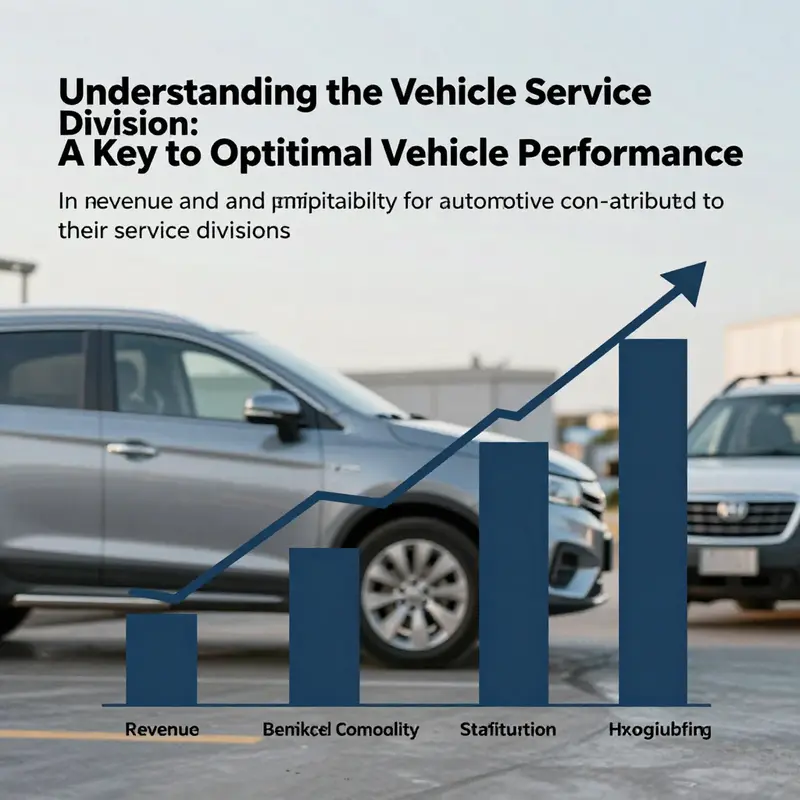
At its core, the Vehicle Service Division diversifies revenue. Vehicle manufacturing is inherently cyclical, buffeted by shifts in demand, financing conditions, and macroeconomic turbulence. The service side, by contrast, offers a steadier stream: scheduled maintenance, diagnostic testing, wear-part replacements, recalls, and, increasingly, digital services that monitor vehicle health remotely. These offerings generate recurring revenue rather than one-time income. The recurring nature of maintenance programs, extended warranties, fleet-management solutions, and spare-parts sales helps smooth earnings and reduces the dependence on new-vehicle sales during downturns or periods of rapid price competition. In this sense, the division acts as a financial stabilizer, cushioning the volatility of the core manufacturing business while still enabling overall growth through expanded service capabilities. This stability matters because it supports sustained investment in other strategic areas, including portfolio diversification, electrification initiatives, and the expansion of aftersales ecosystems that can cross-sell services and goods across multiple model lines and geographies.
A second economic signal from the service division is its crucial role in customer retention. When a vehicle owner brings a car in for routine maintenance or a complex repair, the interaction becomes a touchpoint for strengthening brand affinity. A well-executed service experience—transparent diagnostics, clear communication about recommended work, and a convenient, timely turnaround—creates a perception of value that persists well beyond a single service event. The impact is measurable: higher likelihood of repeat visits, longer customer lifetimes, and stronger referral dynamics. Service excellence not only preserves the current vehicle’s performance but also elevates the perceived value of every future interaction, from used-vehicle transactions to potential electrified offers. The service division thus serves as a bridge between the present service encounter and future revenue opportunities, including used-vehicle sales, certified programs, and ongoing digital services that keep the customer connected to the brand long after the repair bill is settled. In this sense, the sales cycle of a vehicle blends into a lifecycle that remains active through service touchpoints.
Profitability typically centers on the margins generated by aftersales activities. While the initial manufacture-and-sell phase often carries the most visibility, the service domain can deliver higher margins over time. Labor costs, parts sales, and warranty administration combine to form a portfolio with meaningful profitability, especially when efficiency and digital enablement boost throughput without sacrificing quality. This dynamic is not about replacing manufacturing profits but about supplementing them with a durable, resilient revenue engine. As markets cycle, service margins tend to be less exposed to some of the pricing pressures that can compress new-vehicle profits. In practice, this translates into a healthier blend of gross margins that supports broader strategic investments, such as data-driven diagnostics, accelerated parts logistics, and the implementation of more sophisticated training and certification programs for technicians. The result is a more robust overall earnings profile that stands up to the shifting economics of mobility.
Economic indicators from the broader auto industry reinforce the value of a strong service division. Historical perspectives show a shift in how value is created within manufacturing ecosystems. For example, a long-run view indicates a decline in the relative contribution of motor-vehicle output to GDP during the late 20th century, even as the automotive sector maintained a meaningful share of manufacturing value added into the 2020s. This dichotomy underscores that while vehicle production remains important, the ongoing profitability and resilience of the ecosystem increasingly hinge on services, aftersales, and the data-enabled capabilities that support them. The takeaway is not merely that service matters, but that it has become a central pillar of economic relevance for automakers in a world where product cycles compress and consumer expectations rise for continuous value. The Vehicle Service Division, by anchoring maintenance, parts, and digital services in a single, customer-facing continuum, helps translate that broader economic reality into a practical operating model that sustains growth through various market conditions.
Technological transformation has elevated the service division from a traditional shop floor function to a high-value, analytics-driven operation. Vehicle history, maintenance records, and real-time health data now feed into predictive models that anticipate failures before they occur. The ability to anticipate needs translates into proactive scheduling, reduced downtime for fleets, and minimized risk for individual owners. In this environment, the used-vehicle market also benefits. Comprehensive service histories elevate the credibility and valuation of second-hand vehicles, enabling smoother transactions and more accurate pricing. The data backbone supports recall campaigns, recall efficiency, and targeted communications with customers, turning a recall response into a service opportunity rather than an inconvenience. These capabilities extend the lifecycle of vehicles and reinforce the ecosystem that the automaker cultivates around a given model or platform.
The service division also unlocks new revenue models that align with the broader shifts toward connected mobility and sustainability. Connected services—enabled by IoT and telematics—keep vehicles updated, diagnose issues remotely, and provide customers with timely recommendations. Predictive maintenance uses analytics to forecast when a component will fail or degrade, allowing preemptive servicing that minimizes costly breakdowns and maximizes uptime. Subscription-based services, once considered speculative, are increasingly viable as a steady revenue stream tied to ongoing customer engagement rather than one-time sales. These models are not hypothetical; they represent a pragmatic response to how customers value convenience, transparency, and proactive care. The service division, therefore, becomes a proving ground for new business architectures that blend hardware, software, and services into a coherent customer experience. Such a shift also matters for the capital efficiency of the automaker, since subscription revenue can improve visibility into cash flows and enable more precise demand forecasting for parts and service capacity.
In practice, the strategic importance of the Vehicle Service Division is amplified when it aligns with broader corporate growth ambitions, including profitability and geographic expansion. A robust service capability helps stabilize returns in a long-term horizon and supports ongoing product strategies that require enduring customer relationships. For instance, a major automaker’s service and commercial-vehicle operations can be a significant growth vector even as new-vehicle margins evolve with electrification and evolving regulatory landscapes. The service engine, then, serves as a counterbalance to fluctuations in product cycles, a source of recurring revenue in an era of subscription and services, and a platform for leveraging data to improve efficiency and customer value across the entire business. In effect, the division transforms risk into opportunity by converting service interactions into data-rich insights and sustainable revenue streams that reinforce a brand’s financial health and competitive edge.
For readers seeking practical perspectives on service operations and maintenance strategy, industry practitioners often point to sources that synthesize theory with field experience. The KMZ Vehicle Center blog offers a practical lens on maintenance scheduling, parts considerations, and workflow optimization, illustrating how disciplined service practices translate into better uptime and customer satisfaction. KMZ Vehicle Center blog
As the automotive industry continues its transition toward smarter mobility and greater emphasis on total cost of ownership, the Vehicle Service Division will remain a cornerstone of economic resilience for manufacturers. It is where life-cycle value is created, where customer relationships are fortified, and where innovation can turn routine maintenance into a gateway to cost savings, safety improvements, and loyalty. The chapter on the economic impact of the Vehicle Service Division thus points to a broader truth: the future of automotive profitability lies as much in the care economy of maintenance and data-driven services as it does in the big bet on the next generation of vehicles. The service division has already demonstrated that it can translate mechanical reliability into financial stability, and in doing so, it supports a sustainable, adaptive automotive industry that can weather disruption and still grow.
External reference: Deloitte Insights highlights the auto industry’s broader economic impact and the evolving role of manufacturing and service activities within the economy. https://www2.deloitte.com/insights/us/en/focus/economics-spotlight/auto-industry-impact-on-economy.html
Predictive Power and Connected Care: The Technological Rebirth of the Vehicle Service Division
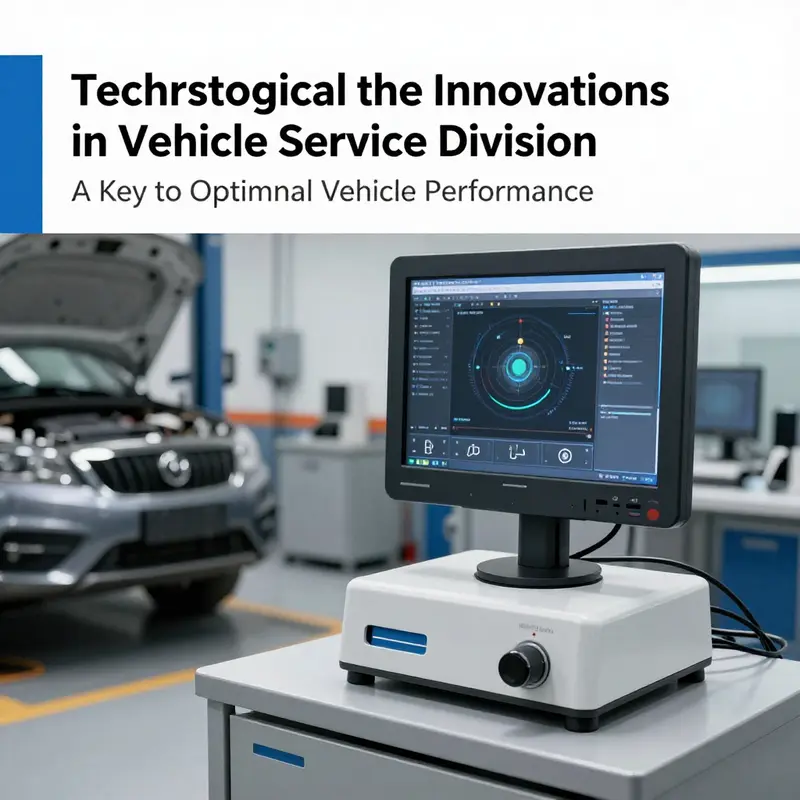
The Vehicle Service Division, long the heartbeat of maintenance, repair, and aftersales support, is undergoing a deliberate transformation driven by a confluence of data, connectivity, and digital capability. In its traditional sense, this division managed scheduled maintenance, diagnostics, parts replacement, and warranty repairs for both new and used vehicles. Yet as vehicles become more sophisticated and customers demand greater convenience, the division is evolving from a reactive service function into a proactive, data-enabled ecosystem. The aim is not merely to fix what is broken, but to anticipate issues, streamline the service journey, and sustain a vehicle’s performance well beyond its purchase. In this shift, technology is not a supplement; it is the backbone that redefines what service means for drivers, fleets, and the brands that stand behind them.
At the core of this evolution lies predictive maintenance powered by artificial intelligence. Modern vehicles generate streams of real-time data from thousands of sensors, spanning engine health, brake wear, battery status, fluid levels, and beyond. When these data points flow into a centralized analytics layer, patterns emerge that would escape a human technician or a legacy rulebook. AI models can forecast potential failures hours, days, or even weeks before symptoms are audible or warning lights illuminate. The practical impact is immediate: maintenance can be scheduled around the vehicle’s operational demands rather than applied after a fault has already caused downtime. Downtime is expensive for any operator, whether it is a single-car owner trying to keep a daily routine on track or a fleet manager aiming to maximize vehicle utilization. By shifting maintenance from a reactive to a proactive model, the service division increasingly distributes its value through uptime guarantees, reduced unexpected repairs, and improved safety margins. As a result, customers perceive service not as an interruption but as a continuous, confidence-building experience.
The promise of predictive maintenance is amplified by telematics and connected car technologies. Telematics systems offer a window into a vehicle’s life, reporting health status remotely and alerting service providers when attention is required. In this connected paradigm, a vehicle can initiate its own appointment requests or automatically trigger a diagnostic session during an infrequent idle moment, such as a long-haul stop or a vehicle rest period. Cloud platforms then consolidate data from individual vehicles, fleets, and service centers, creating a single source of truth that bridges the gap between driver, dispatcher, and technician. This centralized data fabric enables seamless coordination: a service advisor can prepare the right parts and the right technician ahead of arrival, a fleet manager can adjust schedules to minimize disruption, and the driver can receive transparent updates about when service will occur and what it will entail. The result is a smoother, faster, and more predictable service journey that reinforces customer trust. For those seeking practical context on how this kind of digital integration plays out in the industry, the KMZ Vehicle Center blog offers ongoing perspectives on how a modern service operation navigates change and customer expectations. KMZ Vehicle Center blog
As data flows more freely, augmented reality (AR) and virtual reality (VR) emerge as powerful enablers of both training and field diagnostics. For technicians, AR glasses or overlays can guide a repair with real-time, context-aware instructions layered over the physical components. This reduces the cognitive load during complex tasks and minimizes the time spent flipping between manuals and parts catalogs. VR, meanwhile, accelerates onboarding and upskilling by immersing technicians in realistic repair scenarios and diagnostic workflows without interrupting live service bays. The practical payoff is twofold: faster diagnosis and repair cycles, and a workforce that scales its expertise without a linear increase in training time. In a service ecosystem where machines talk to machines and humans rely on digital prompts, AR and VR help translate capability into efficiency, translating thick technical know-how into actionable steps at the point of care.
Another watershed capability shaping the service division is the rise of over-the-air (OTA) software updates. OTA updates allow vehicle software to be refreshed remotely, sometimes addressing performance, efficiency, or bug fixes without a service visit. This capability redefines what it means to maintain a vehicle—maintenance becomes partially virtual and partially in the physical realm, with some issues resolved via software while others still require hands-on interventions. OTA updates ease the burden on service networks, reduce inconvenience for drivers, and keep vehicles operating with the latest optimizations. The broader effect is a service portfolio that can sustain value between physical visits, reinforcing customer loyalty by delivering ongoing improvement rather than episodic fixes. In aggregate, AI-driven predictive maintenance, telematics-enabled connectivity, AR/VR-enabled training and support, and OTA software updates fuse into a cohesive technology storyline that repositions the Vehicle Service Division as a strategic, recurring-revenue engine rather than a cost center.
This transformation matters not only for individual drivers but also for fleets, which increasingly rely on data-rich service ecosystems to maximize utilization and minimize risk. For fleets, predictive maintenance translates into lower total cost of ownership and higher asset availability. Telematics enables continuous health monitoring across dozens or hundreds of vehicles, with automated scheduling that aligns maintenance windows with deployment cycles. The service division thus becomes a partner in optimization rather than a vendor answer to a problem. The revenue model shifts accordingly: recurring maintenance programs, parts replenishment aligned with wear patterns, and value-added services like fleet health dashboards and predictive parts forecasting create predictable, long-term revenue streams. In this sense, the service division plays a pivotal role in the profitability narrative of the automotive business, contributing to resilience even as the market undergoes disruption from electrification and new mobility patterns.
A natural consequence of this shift is how the service experience is designed for the customer. The journey moves from a one-off repair event to an ongoing relationship that blends digital touchpoints with in-person expertise. The service center becomes a node in a broader digital ecosystem where notifications, reminders, and proactive guidance are personalized based on the vehicle’s profile and usage. In practice, that means drivers can receive timely recommendations, book appointments with a few taps, and track the status of their vehicle in real time. Car owners are less likely to encounter cascading delays when issues are anticipated and scheduled thoughtfully. For service professionals, this aspirational model demands a new set of capabilities: data literacy to interpret predictive signals, project management skills to coordinate parts and technicians efficiently, and a customer-centric mindset that aligns technical actions with everyday life. The integration of these capabilities, enhanced by a robust knowledge base and real-time data streams, marks a move from mechanical fixes to holistic, technology-enabled care.
An important thread running through this evolution is how the service division aligns with broader corporate strategy. The shift toward connected maintenance and proactive care supports the broader objective of sustaining vehicle performance while generating durable, recurring revenue. It also enables more refined product-service systems, where vehicle health information informs not just maintenance scheduling but also warranty planning, parts lifecycle management, and even vehicle design feedback loops that influence future iterations. As a result, the service division becomes a strategic asset that contributes to long-term sustainability, customer loyalty, and competitive differentiation. This is especially evident in contexts where commercial-vehicle services and aftersales operations are singled out as key growth drivers in industry analyses. The trend underscores that the value of service extends beyond individual repairs to the health of the entire ecosystem—the vehicle, the driver, the fleet, and the service network that keeps them aligned.
At the heart of these capabilities is a robust data ecosystem. Data generated by vehicles, collected through telematics, stored in the cloud, and analyzed with AI, must be governed with privacy, security, and interoperability in mind. Service organizations need standardized data models so that information can flow seamlessly across service centers, manufacturers, and third-party providers. Interoperability also means the ability to integrate with various fleet-management platforms and customer relationship management systems, ensuring that the service experience feels cohesive rather than fragmented. This requires careful attention to cybersecurity, as vehicles become increasingly connected and software-defined. It also demands a culture of continuous improvement within the service workforce, where technicians and advisors alike stay current with evolving diagnostic tools, software versions, and repair paradigms. The net effect is a service operation that is both technically sophisticated and deeply customer-centric, capable of delivering consistent performance and reliability across a diverse array of vehicles and usage patterns.
Taken together, these technological innovations reshape the role of the Vehicle Service Division within the automotive value chain. No longer a place where issues are diagnosed and fixed in isolation, it becomes an intelligent, connected hub that anticipates needs, coordinates resources, and communicates with drivers and fleets in meaningful ways. The transformation extends beyond efficiency gains; it redefines trust. When customers know their vehicle is being monitored, updated, and supported through a transparent, proactive process, confidence in the brand’s aftersales capability grows. The service experience becomes a differentiator that sustains the vehicle’s performance, preserves safety, and protects the investment customers make when they choose to own or lease a vehicle. In this light, the technologically driven Vehicle Service Division is not a cost center but a strategic platform for ongoing value creation, customer satisfaction, and durable profitability that travels with the vehicle through its entire lifecycle.
For readers seeking a broader theoretical grounding on how service innovation models are evolving within the automobile service industry, this chapter echoes findings from studies that emphasize the shift from reactive servicing to proactive, technology-enabled service ecosystems. The practical implications extend to organizational design, talent development, and the way service contracts are structured to reflect ongoing care rather than episodic interventions. As the industry continues to embrace cloud-based data platforms, remote diagnostics, and immersive training, the potential for a truly seamless, end-to-end service experience expands in tandem with the vehicle’s own digital evolution. In short, the Vehicle Service Division is becoming more than maintenance; it is becoming a strategic, technology-enabled pathway to resilience and growth. External researchers and practitioners alike are watching closely as these shifts unfold, recognizing that the next era of vehicle service hinges on the intelligent integration of data, connectivity, and human expertise. For a deeper theoretical context, see the linked study on service innovation in the automobile service industry. https://www.sciencedirect.com/science/article/pii/S095741741830627X
Service as Seam: How the Vehicle Service Division Weaves Loyalty, Safety, and Sustainable Growth
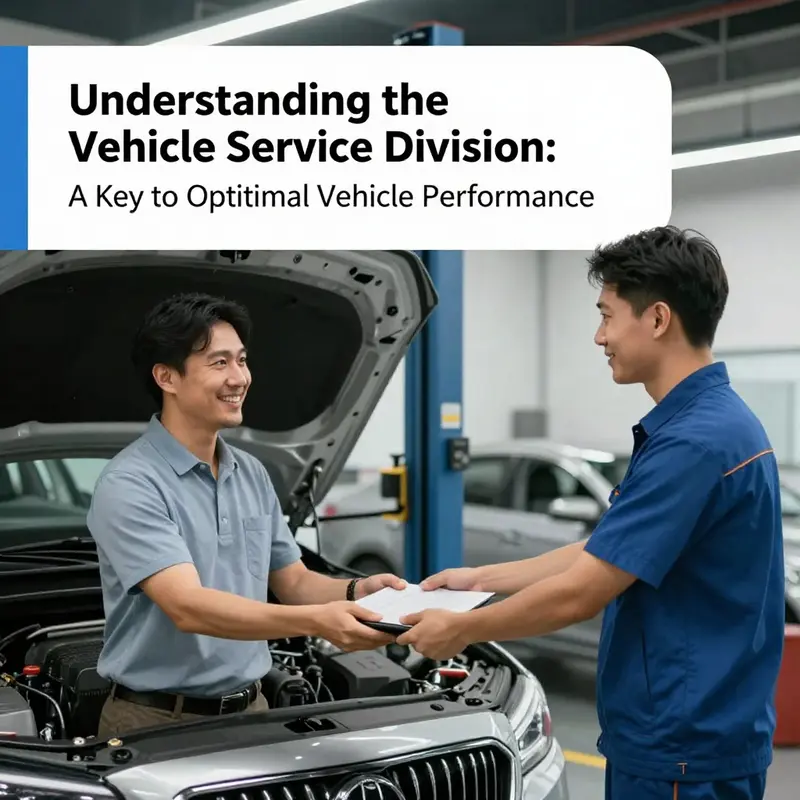
The Vehicle Service Division stands at the interface where a vehicle’s promise becomes ongoing experience. It is not merely a workshop or an aftersales department; it is the living link between a customer’s daily mobility and the brand’s long-term reputation. When a vehicle leaves the showroom, its future value in the owner’s life is increasingly tied to the quality of service that keeps it safe, efficient, and dependable. In this sense, the service division is a strategic engine for the entire enterprise. It converts part of the initial sale into a recurring relationship, turning one transaction into many through maintenance visits, repairs, parts supply, and fleet support. A well-run service operation reduces the total cost of ownership for customers, minimizes downtime, and preserves the vehicle’s performance envelope. The cumulative effect is not only user safety and satisfaction but also a durable competitive advantage rooted in trust and consistency. In markets where customers interact with the brand primarily through service experiences, the quality and reliability of aftersales care become the defining elements of loyalty, more so than the initial price or the allure of new design.
The contemporary Vehicle Service Division operates on a dual axis: technical excellence and customer-centric processes. On the technical side, the division must employ technicians who not only understand the mechanics but also the software that governs modern vehicles. This is increasingly important as vehicles become connected and software-driven, requiring diagnostic tools, firmware updates, and precise parts replacement to maintain warranty integrity and performance standards. The importance of technician competency, promptness, and reliability cannot be overstated. Recent research into service quality highlights these three attributes as core drivers of customer satisfaction: when staff demonstrate deep skill, act with speed, and follow through with dependable service, customers develop trust and emotional resonance with the brand. This is where the theoretical becomes highly practical: a skilled, efficient, and dependable service staff reduces anxiety, communicates clearly about what is needed, and creates a service episode that feels respectful of the customer’s time and priorities. Such experiences become the baseline for loyalty that endures across years and multiple vehicle purchases.
Equally crucial is the integration of digital interfaces and connected-car capabilities that modern service teams leverage to elevate the customer journey. Real-time diagnostics transform visits from reactive fixes to proactive care, where issues are anticipated, scheduled, and, when possible, resolved before they disrupt a driver’s routine. Digital service interfaces—ranging from online appointment scheduling to transparent parts inventories and maintenance dashboards—offer customers visibility, control, and convenience. A positive digital experience reduces friction and strengthens the emotional bond customers feel toward the brand, because they sense that the company is listening, anticipating, and respecting their time. In practice, this means that customers can book a slot at a time that suits them, receive timely updates about what will be done, and see what alternatives exist for extending the vehicle’s life. The result is a service encounter that aligns with a customer’s expectations for convenience, clarity, and personalized attention.
From a strategic standpoint, the service division is a driver of recurring revenue and long-term profitability. It creates predictable cash flows through maintenance contracts, parts sales, and fleet-management solutions that help businesses optimize vehicle uptime. The early years of the industry’s shift toward electrification and connected mobility have underscored this point. When a company can reliably deliver maintenance windows, timely parts replacements, and transparent diagnostics across a fleet, it reduces the total cost of ownership for fleet operators and employer-provided mobility. This sustainability of revenue streams is particularly valuable in a market where intensive capital outlays and rapid tech evolution press hard on margins. A robust service operation cushions those dynamics by providing stable, recurring income that complements the cyclical nature of new-vehicle sales. The service division thus takes on additional strategic weight as a profit center that supports the broader business model, including investments in new powertrains and digital capabilities that the company uses to compete.
The connection between service quality and brand loyalty is underscored by researchers who define loyalty as a durable preference to buy from the same brand over an extended horizon. This loyalty is not born from a single good experience but from a consistent pattern of positive post-purchase interactions. The service division is often the primary touchpoint for these ongoing interactions. Customers may not remember every detail of the initial purchase, but they remember the ease of scheduling, the speed of turnaround, the courtesy of the staff, and the clarity of the explanations they receive about repairs or maintenance. When a customer perceives that the service network understands their needs—that it recognizes their travel patterns, anticipates their maintenance cycles, and respects their time—the brand becomes embedded in their routine life. This is why service excellence translates into repeat business and why it matters that a service visit feels like a partnership rather than a transaction. Companies that achieve this balance typically see a measurable lift in loyalty metrics, including higher likelihood to repurchase, more frequent visits for maintenance, and a stronger willingness to recommend the brand to others.
The Mahindra studies add an important dimension to this discussion. They show that high service quality—captured by staff competency, promptness, and reliability—is not simply a nice-to-have; it is a foundational element that elevates customer satisfaction and solidifies loyalty. When customers encounter technicians who communicate clearly about what is required, provide transparent timelines, and deliver services as promised, the emotional connection to the brand deepens. It becomes more than trust in a particular fix; it becomes confidence in a system that consistently supports the customer’s mobility. The practical implication for leaders is clear: invest in the people who interact with customers and in the processes that keep those interactions smooth, predictable, and respectful of the customer’s time. Such investments yield dividends in customer retention, advocacy, and lifetime value.
The architecture of a superior service experience also involves intelligent process design. Clear, customer-centric workflows help staff manage expectations and avoid unnecessary delays. For example, automated reminders for upcoming maintenance, pre-visit digital checklists, and standardized diagnostic protocols can reduce variability in service outcomes. When customers perceive that the service process is streamlined and transparent, their confidence grows. They feel that the brand is actively managing risk on their behalf, which reinforces the sense of partnership. In turn, this partnership becomes a backbone of loyalty, because customers begin to trust that the brand will look after their vehicle as if it were part of their family, with the same care they would give themselves.
The chapter of the service division that most clearly translates these ideas into everyday practice is the integration of people and technology. A skilled workforce paired with sophisticated digital tools is more than the sum of its parts; it creates a platform for personalized service. Data about a customer’s vehicle history, preferred appointment times, and performance trends enables personalized maintenance plans that feel intuitive rather than generic. This personalization is not about invasive data collection but about anticipating needs, reducing friction, and ensuring that every service episode respects the customer’s time and priorities. When service teams can offer tailored recommendations and timely interventions—such as software updates that optimize efficiency or parts replacements that extend life without unnecessary downtime—the customer experiences a sense of proactive care. That sense is a powerful driver of loyalty that endures across ownership cycles.
For practitioners seeking practical guidance, the takeaway is simple: build a service ecosystem that harmonizes technical excellence with customer empathy and digital convenience. Invest in continuous technician training, cultivate service advisors who can translate technical details into clear customer language, and design interactions around the customer’s calendar rather than the workshop’s schedule. Align performance metrics with customer outcomes—on-time completions, first-visit fix rates, and satisfaction scores—so that every decision, from staffing to shop layout, reinforces the message that the brand is committed to making service a reliable pillar of mobility rather than a costly interruption. In doing so, the Vehicle Service Division becomes a strategic asset that supports growth, resilience, and competitive differentiation in an industry that rewards not only what you build but how you sustain it.
To explore more about building loyalty through service strategy, readers may consult broader industry insights and practitioner perspectives available in the KMZ resource hub. KMZ Vehicle Center blog offers practical guidance and case studies that illuminate how service operations translate theoretical commitment into measurable customer value. The broader literature on loyalty in the automotive sector reinforces that durable engagement is rooted in consistent service experiences, transparent communication, and a forward-looking approach to maintenance and repair. As the sector continues to evolve with electrification, connectivity, and data-enabled decision-making, the Vehicle Service Division will remain the connective tissue that binds customers to the brand across miles and years.
For readers seeking a broader point of reference on how loyalty dynamics are shaping the automotive industry today, this external resource provides a compelling overview: https://www.forbes.com/sites/forbestechcouncil/2024/11/28/building-customer-loyalty-in-the-automotive-industry/ .
Future-Proofing the Road: The Strategic Evolution of the Vehicle Service Division

The vehicle service division is no longer a backstop for wear and tear or a break-glass option when a car breaks down. It has become a strategic engine for reliability, safety, and long-term profitability in a shifting mobility landscape. As vehicles grow more connected and more electrified, the service division must evolve from a cost-center that executes repairs into a proactive hub that protects the total ownership experience. This transformation hinges on three converging forces: electrification, digital platforms, and changing customer expectations that increasingly value convenience, transparency, and value beyond a single repair event. Taken together, they recast the service division as a continuous revenue stream and a powerful touchpoint for brand loyalty, rather than a stopgap function that merely keeps fleets and individual vehicles on the road. The road ahead demands a rethinking of how maintenance is delivered, how diagnostics are performed, and how value is captured across the vehicle’s entire lifecycle.
Electrification is the first force reshaping the service playbook. As internal combustion engines give way to high-voltage systems, battery packs, and thermal management architectures, the core skills of traditional maintenance soften into a new set of competencies. Technicians must develop a deep understanding of battery health indicators, state of charge variability, and high-voltage safety protocols. Diagnostics shift from spark plugs and oil filters to battery modules, inverter efficiency, and software-defined limits that govern range, charging, and performance. This shift places a premium on specialized training and access to advanced diagnostic tools that can interpret complex data streams from traction systems and thermal controls. The result is not just faster fault finding but more effective prevention, as subtle changes in battery performance can foretell degradation long before a vehicle reveals an obvious fault.
The second driver is digitalization, which is turning service from a episodic repair cycle into a continuous care model. Vehicles now generate streams of data about health, usage, and environmental conditions. When connected properly, these data feeds enable real-time remote monitoring, proactive service scheduling, and over-the-air software updates that optimize performance without a traditional shop visit. OTA capabilities expand the service division’s reach beyond the physical network, enabling the OEM or its partners to push improvements, patch vulnerabilities, and recalibrate performance parameters with minimal friction for owners. This shift to software-defined service also introduces new cybersecurity dimensions. Protecting vehicle software, securing data, and ensuring trusted update channels become integral components of ongoing service quality. In this environment, the service division is as much a software operation as a mechanical one, with dashboards and analytics that anticipate needs before customers even notice a potential issue.
The third trend is the modern customer’s expectations for seamless, personalized, and flexible service. Consumers increasingly want maintenance that fits their schedules, not the other way around. They favor transparent pricing, predictable maintenance windows, and the ability to manage service via apps, mobile units, or doorstep pick-up and drop-off options. The service division must deliver convenience at scale, whether through mobile technicians who can perform routine checks on-site, fleet-management platforms that optimize maintenance across dozens or hundreds of vehicles, or subscription-based care programs that bundle maintenance, software updates, and access to remote diagnostics into a single, predictable monthly cost. In this ecosystem, the service division also serves as a critical loyalty touchpoint. When maintenance feels proactive, affordable, and aligned with a driver’s timetable, trust grows, and customers are more likely to stay with the brand for the long haul.
From a strategic standpoint, these shifts create a compelling economic case for the vehicle service division. Recurring revenue streams emerge through prepaid maintenance plans, bundled software updates, and fleet-management services that cover multiple vehicles over years. Parts and consumables still play a role, but the mix evolves toward high-margin software-enabled services and data-driven offerings that enhance uptime and utilization. This is particularly true for commercial fleets and fleet owners, who prize predictable maintenance costs, minimized downtime, and the ability to quantify total cost of ownership across a fleet. In that sense, the service division becomes a mission-critical component of fleet performance, not merely a support function for vehicle reliability.
If this is the direction, the organizational implications are substantial. Realigning the service division around predictive maintenance requires investment in training pipelines, diagnostic platforms, and an integrated data layer that can translate sensor streams into actionable actions. It means equipping technicians with tools that can handle battery diagnostics, thermal analytics, and software-level interventions, while also ensuring that service centers—whether physical locations or mobile units—have rapid access to the right parts and the right technicians at the right time. The operational model shifts toward optimization of uptime and utilization, where the key performance indicators track not only repair times but also mean time between failures, percent of preventive maintenance completed on schedule, and time-to-next-action for a given vehicle in a fleet.
The value proposition extends beyond maintenance itself. Connected-car ecosystems enable the service division to serve as a partner in overall vehicle health, security, and performance. Diagnostic data, when properly analyzed, can reveal opportunities to improve efficiency, extend range in EVs, or tune performance for specific driving patterns. This capability turns the service division into a data-enabled concierge, a steward of continuous improvement for each customer. It also opens avenues for new business models. Subscription access to enhanced diagnostic capabilities, predictive alerts, and automated software de-bugging can create recurring revenue streams that stabilize earnings even as vehicle prices and raw material costs fluctuate. The service division’s success, in this view, hinges on the capacity to translate data into tangible outcomes: reduced downtime, longer vehicle life, and a more compelling ownership experience.
To remain competitive, original equipment manufacturers and their suppliers must invest in three core capabilities. First, they need sophisticated training ecosystems that keep technicians current with rapidly evolving technologies. Second, they require state-of-the-art diagnostic equipment and software that can read and interpret a vehicle’s digital DNA across powertrains, batteries, and networks. Third, they must deploy robust OTA architectures and secure update channels that assure customers their vehicles are getting legitimate, verified improvements without compromising safety. These investments are not merely cost centers; they are enablers of new business models and customer relationships. They create a platform for continuous engagement and a basis for measuring customer lifetime value, which is increasingly the most meaningful metric for value creation in a market where vehicles outlast traditional ownership models.
Industry observers, including leading strategy researchers, emphasize that the convergence of EV adoption, AI-powered service tools, and resilient supply chains will define the profitability of vehicle service divisions in the coming years. The McKinsey analysis on automotive market trends for 2026 highlights how these forces are reshaping OEM and supplier strategies, underscoring the strategic importance of service operations as a driver of future profitability and customer engagement. The implications for operators and fleet owners are clear: the best service ecosystems will integrate maintenance, software, and data into a single, coherent value proposition, reducing downtime while increasing the speed and quality of service delivery. This is not about replacing human labor with screens; it is about augmenting human expertise with intelligent tooling and a data-rich culture that makes preventive care practical and accessible to every customer, from a single car owner to a large fleet.
In practical terms, the transition invites a closer look at what customers expect from maintenance in an increasingly connected world. People want to know when a service is needed, what it will cost, and how it will affect the vehicle’s performance. They also want to minimize the friction associated with staying current on maintenance. In response, many providers are experimenting with transparent pricing, real-time appointment optimization, and mobile or on-site service options that fit busy schedules. The objective is to create an experience where maintenance is not a disruption but a seamless, value-adding activity. When a vehicle’s health data suggests a pending issue, the service division can propose a proactive intervention on a schedule that aligns with the owner’s calendar, driving careful planning and reducing the risk of unexpected breakdowns.
This chapter’s perspective aligns with broader industry dynamics and emphasizes a holistic view of the vehicle service division as a strategic asset. It is not merely about keeping vehicles on the road; it is about maintaining the integrity of the ownership experience, protecting safety, and ensuring that every mile traveled reinforces trust in the brand. The service division becomes a living interface between the vehicle, the owner, and the broader mobility ecosystem. With the right capabilities, it can turn maintenance from a periodic obligation into a continuous value proposition, where uptime, performance, and predictability are the default expectations. That is the essence of future-proofing the road: building service ecosystems that anticipate needs, adapt to technology’s pace, and reward loyalty with reliable, high-quality care.
For readers seeking practical context within the broader conversation, consider exploring practical maintenance guidance that complements this strategic shift. For example, resources focusing on routine intervals and the balance between time and mileage can help bridge the gap between high-level trends and day-to-day operations. This approach keeps the service division grounded in the real-world challenges technicians and customers face, while still supporting the broader strategic narrative of a service-centered future. The linkage below offers a concrete practical reference that pairs well with the framework described above: Optimal oil-change-intervals: time versus mileage.
As the horizon approaches 2026 and beyond, the vehicle service division stands poised to redefine profitability and customer engagement in the automotive industry. It will be judged by its capacity to transform data into preventive care, to balance high-tech expertise with empathetic service delivery, and to convert maintenance into a value-driven journey for every vehicle and every owner. The foundations are clear: electrification demands new skills and tools; digital platforms demand robust data, secure connectivity, and OTA capabilities; and customer expectations demand convenience, transparency, and consistent quality. When these elements align, the service division does more than fix cars. It sustains trust, fuels loyalty, and underpins a durable competitive advantage in a rapidly changing mobility landscape. External industry perspectives reinforce this trajectory, signaling that the strategic importance of service operations will only grow as vehicles become more software-defined and connected. The question for leaders is not whether to pursue this evolution, but how quickly and comprehensively to enact it, so that every service interaction reinforces a confident, resilient, and enduring ownership experience.
External perspective: For a broader industry view on how market volatility, electrification, and AI-driven service solutions are reshaping OEM and supplier strategies, see the McKinsey automotive market trends article listed in the sources. This external context complements the chapter’s focus on the internal transformation of the vehicle service division and reinforces the necessity of aligning operational capability with strategic ambition.
Final thoughts
The Vehicle Service Division emerges as an indispensable facet of the automotive landscape, not only safeguarding vehicle longevity but also driving financial growth, technological integration, and customer loyalty. It is clear that as vehicles evolve, so does the importance of comprehensive service offerings tailored to meet the needs of private car owners, used car markets, and business fleets. Preparing for the future entails embracing innovations and ensuring that customer satisfaction remains at the forefront. By recognizing the vital contributions of the Vehicle Service Division, stakeholders can position themselves strategically for success in an ever-changing automotive environment.