
Regular vehicle servicing is crucial for maintaining the performance, safety, and longevity of your car. This guide delves into the various components involved in a standard vehicle service, shedding light on why each aspect is vital. Whether you are a private car owner, a used car buyer or seller, or a small business fleet operator, understanding these essentials can help ensure your vehicle remains in optimal condition. The upcoming chapters will break down the basics of vehicle servicing, provide a detailed look at individual components, and underscore the importance of regular maintenance. Let’s embark on this informative journey to enhance your vehicle care knowledge.
Inside the Service Bay: A Comprehensive Roadmap to What a Vehicle Service Really Includes
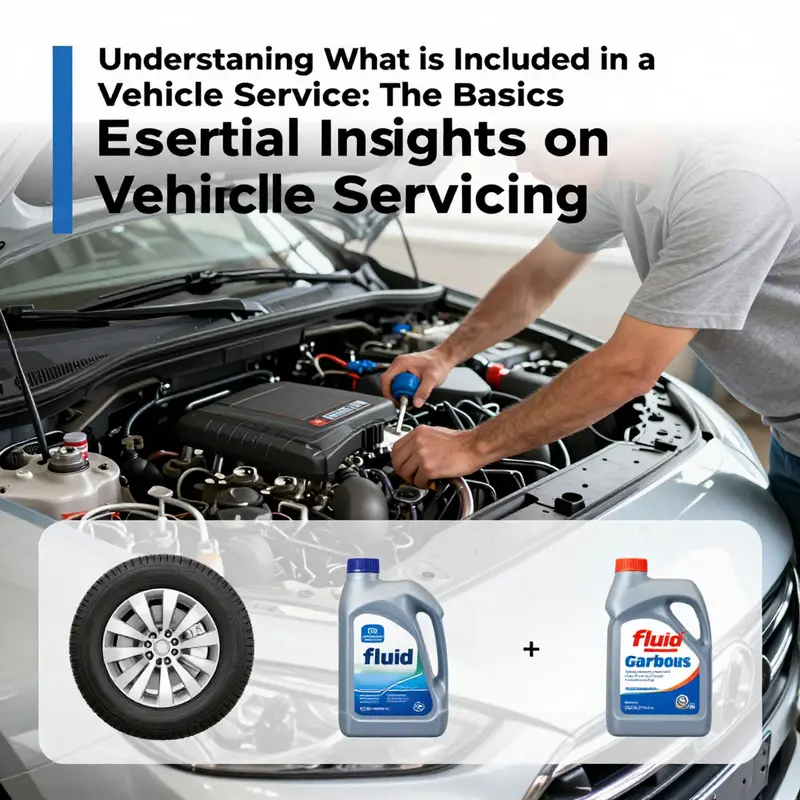
Every time you bring a vehicle in for a service, you are participating in a deliberate, methodical ritual that guards safety, reliability, and value. A service is not a single task but a coordinated sequence designed to assess and refresh the car’s vital systems. The goal is to catch small faults before they become expensive problems, to reassure the driver about roadworthiness, and to preserve the machine’s efficiency and longevity. The exact checklist may vary by make, model, and service level, but a well-rounded service generally follows a consistent framework that aligns with factory recommendations and industry best practices. The result is a smoother ride, fewer unexpected breakdowns, and a clearer sense of what needs attention now and what can wait until the next interval. In practice, what you get during a service is a blend of replacement parts, fluid replenishment, diagnostic checks, and a careful, trained eye that flags concerns the car cannot tell you on its own.
Central to nearly every service is the oil change and filter replacement. Engine oil acts as the lifeblood of the engine, reducing friction and carrying heat away from moving parts. The technician drains the old oil, replaces the filter, and pours in fresh oil chosen for the engine’s specifications and driving style. The choice between synthetic and conventional oil, the correct viscosity, and the right quantity all matter, because oil that is too thick or too thin at operating temperature can alter lubrication, fuel economy, and emissions. In newer engines, manufacturers may require specific synthetics or additive packages; in older designs, a high mileage or blend oil might be recommended. Along with the oil, a quick check of the oil level and the oil pressure readings helps confirm the engine is being lubricated properly and that there are no obvious leaks around the oil pan or gasket area. The result is not simply a fresh reservoir but an assurance that the heart of the engine is protected for thousands of miles ahead.
Inspection of fluids follows, covering coolant, brake fluid, power steering fluid, transmission fluid, and washer fluid. Coolant protects the engine from freezing and overheating; its level is checked and the concentration tested, because coolant that is too weak or degraded can invite overheating in hot weather or in stop-and-go traffic. Brake fluid is hygroscopic, absorbing moisture over time, which lowers its boiling point and can lead to spongy brakes or corrosion in the brake system. Power steering fluid ensures motor-assisted steering remains responsive, while transmission fluid’s condition and level affect shifts, lubricity, and cooling. Washer fluid is a simple but essential visibility aid, and while it may seem minor, a low level can indicate a leak or a leak path that deserves attention. The service visit often includes topping off these fluids to manufacturer-recommended levels and noting any abnormal color, smell, or contamination that could signal issues such as leaks or worn seals. In some cases, technicians will also check for system pressures or perform quick temperature and flow tests to ensure the cooling circuit and hydraulic systems are performing within expected ranges.
Tires receive a thorough appraisal, including inflation pressures, tread depth, signs of uneven wear, sidewall damage, and puncture history. Properly inflated tires improve fuel efficiency, handling, and braking performance, while uneven wear can betray alignment or suspension issues that deserve attention. A tire rotation may be advised to promote even wear, and more thorough services may include wheel alignment and balancing to restore precise handling and reduce vibration. The technician may also inspect the spare tire and the jack set, ensuring you are equipped for a roadside event. All these checks contribute to safer driving and more predictable handling in rain, snow, or heat. For vehicles that carry heavy loads or participate in frequent highway driving, these checks become even more critical, because tire performance compounds with speed and weight, influencing stopping distances and cornering stability.
Brake systems warrant careful assessment, since they are central to safety. The service includes measuring brake pad thickness, inspecting rotors and calipers for wear and scoring, checking brake lines for leaks or corrosion, and confirming the hydraulic system has adequate fluid. If pads are approaching the minimum thickness or rotors show excessive wear or warping, the technician notes a replacement plan and may suggest revisiting the vehicle’s usage pattern or upcoming mileage interval. This part of the service is not about selling parts but about establishing a safe margin for stopping power and ensuring the braking system remains responsive under all conditions. In many modern vehicles, wear sensors provide advance notice, helping the driver schedule maintenance before the pads contact the rotors, which protects both turning performance and rotor life.
Battery health receives a test of charge and starting ability, sometimes including a load test or a conductance test to assess cold cranking amps and overall health. The outcome may reveal marginal cells, corrosion on terminals, or loose connections. If the battery is aging, the service log may propose testing again at the next interval, or arranging a replacement when advisable, particularly in climates with extreme temperatures where battery capacity is stressed. A healthy battery also supports the car’s electrical architecture, ensuring sensors, cameras, and infotainment systems operate reliably without drawing power when the engine is off. The procedure integrates with the vehicle’s broader electrical health checks, so the battery is not treated as a separate, isolated component but as a critical source of reliable energy for the entire system.
Lighting and electrical systems are checked, along with the circuits that control them. This includes exterior headlights, taillights, brake lights, turn signals, hazard lights, dashboard indicators, and interior cabin lights. The tester may inspect fuses, wiring harnesses, switches, and connectors for wear or looseness. In modern cars, lighting and electrical concerns can cascade into sensor faults or warning messages, so a thorough check reduces the risk of surprise warnings on the road. The inspection also helps ensure that visibility remains uncompromised in poor weather or at night, which is as much about driver confidence as it is about safety compliance.
Suspension and steering components are assessed for play, wear, leaks, and missing fasteners. Shocks or struts that no longer damp effectively can degrade ride quality and stability, while worn ball joints or tie rods can affect steering precision. The inspector looks for such wear to prevent cornering instability and to avert costly repairs that might result from unnoticed looseness or misalignment. Even minor looseness can echo through tire wear and braking performance, so addressing it early is part of the service’s preventive aim. In this context, the service becomes a proactive conversation about how the road interacts with the car, not merely a routine maintenance checklist. A careful hand on the suspension also reveals issues like bushings or control arm wear that could undermine tire contact with the road and alter steering feel in ways that a driver only notices when they push the car a little farther than typical city speeds.
Exhaust systems are visually inspected for leaks, rust, or damage in pipes, manifolds, and the catalytic converter. A compromised exhaust not only risks emissions compliance and fuel efficiency but can also allow dangerous fumes to seep back into the cabin. The technician listens for unusual noises and examines hangers and clamps to ensure the system remains secure. In many vehicles, exhaust leaks near the engine or underbody are easier to detect during a routine service, representing a straightforward repair rather than a major overhaul if caught early. The tailpipe itself can reveal corrosion trends or impact from road debris, and attention to these details helps prevent noise, odor, and efficiency problems that could emerge during longer trips or in colder climates.
Air filters are essential to maintain clean air intake and proper engine performance. The engine air filter is inspected and replaced if dirty or clogged; a clogged filter reduces airflow, lowering power and efficiency and increasing fuel consumption. The cabin air filter, which affects interior air quality and HVAC efficiency, is also checked and replaced if necessary. The decision to replace filters is guided by how dirty they are and the manufacturer’s recommended service intervals, rather than solely by mileage. A clean air path supports smooth engine operation, reduces particulate intake into the intake manifold, and helps the HVAC system maintain comfortable cabin conditions, which in turn affects driver alertness and overall trip comfort.
Heating, ventilation, and air conditioning systems are checked for proper operation, including airflow, cooling and heating performance, and refrigerant levels. Cabin comfort depends on a well-functioning HVAC system, but beyond comfort, the system also influences defogging and dehumidification, which are critical for visibility. The service may involve inspecting the climate control components, hoses, and condensers, and ensuring the refrigerant charge meets specifications. If a cabin odor or poor cooling arises, the technician notes the issue and suggests the appropriate course of action, which may include a recharge or a component service. In some cases, the service reveals that cabin filters are failing to trap contaminants effectively, a detail that matters not just for comfort but for long-term interior durability and occupant health.
A general visual inspection rounds out the hands-on checks. The technician surveys the vehicle for signs of damage, rust, loose brackets, or potential issues that might not be visible through component-specific checks. This holistic look helps identify corrosion on undercarriage members, fluid leaks, cracked wiring insulation, or bent suspension parts. Not every issue will be urgent, but noting it creates a record that can be revisited at the next service or if a driver observes new symptoms between visits. The human eye remains essential here, complementing sensors and diagnostic tools with broad, real-world judgment built from experience and the vehicle’s age, geography, and typical use.
Fresh in the era of connected cars is the diagnostic scan. Modern vehicles rely on onboard computers that monitor dozens of subsystems. The technician uses specialized tools to read stored trouble codes, monitor live data, and assess readiness monitors. A clean diagnostic readout is not a guarantee of flawless operation, but it increases the chance of catching developing faults before they become failures. If codes surface, the technician interprets them in the context of symptoms, service history, and manufacturer guidance, distinguishing between a true fault and a temporary condition caused by testing or environmental factors. This aspect of the service connects the mechanical checks with the software intelligence of the vehicle, recognizing that many systems communicate across networks that span the engine, transmission, braking, and chassis control modules.
While the outline above describes a standard framework, the actual content shifts with the service level chosen. A basic service might emphasize fluid top-offs, oil changes, and a focused inspection. A full service expands the scope to include more extensive diagnostics, a deeper brake and suspension check, and possibly parts replacement. Manufacturer-recommended services, which many owners adhere to, follow the timing and parts guidelines set in the owner’s manual and on the vehicle’s service calendar. These variations reflect the difference between preventive care and required maintenance schedules that manufacturers communicate to protect warranty coverage and optimize performance under expected driving conditions. The service menu therefore acts as a bridge between the car’s design intent and the owner’s daily life, translating engineering into practical, actionable steps that preserve reliability across seasons and miles.
Regular service yields tangible benefits beyond immediate reliability. It supports consistent fuel economy by keeping engine and transmission operating at expected efficiency. It preserves safety margins by maintaining effective brakes, proper tire condition, and strong lighting and visibility. It helps sustain resale value by documenting ongoing upkeep and by avoiding the large, unforeseen repair bills that often follow neglected maintenance. The service history becomes part of the vehicle’s story, reassuring future buyers that the car has been cared for and monitored over time. The cumulative effect of disciplined servicing is a vehicle that remains predictable in performance, which in turn reduces anxiety for the driver and improves long-term cost of ownership. When the car is well maintained, minor inconveniences tend to become manageable maintenance items rather than sudden failures that disrupt travel or family plans.
The service experience is ultimately a conversation between the driver, the technician, and the vehicle. The technician translates the car’s signs into actionable recommendations, while the driver considers budget, driving patterns, and the vehicle’s role in daily life. Where a dashboard warning lights up, the service visit becomes an opportunity to diagnose whether the signal is a minor alert or a prelude to a more serious concern. In many shops, the result is a clear maintenance plan that is aligned with the car’s design and with the owner’s priorities, not a string of arbitrary tasks. In this sense, the service visit becomes a collaborative event, a moment to align the vehicle’s needs with the owner’s expectations for safety, comfort, and efficiency.
For readers seeking a broader view of how a service is structured and justified, the KMZ Vehicle Center offers an extensive overview that complements this discussion. kmzvehiclecenter.com/blog/ provides an accessible reference point for many owners curious about the rationale behind routine checks and how professionals decide when to replace fluids or components. It helps readers translate the general principles of preventive maintenance into practical steps tailored to their specific makes and models. By engaging with such resources, owners can approach service as an informed partnership rather than a passive obligation, turning maintenance into a reliable framework that supports daily driving and long-term goals.
Ultimately, understanding what is included in a vehicle service is about appreciating the balance between maintenance and responsibility. The process is not a single habit but a layered discipline designed to extend life, protect safety, and support confidence in every journey. When you approach service with a clear picture of what is being examined and refreshed, you can participate more actively in decisions about timing, parts, and priorities, ensuring the car remains a dependable partner for years to come. For those who want to cross-check details against industry standards and a widely used checklist, the external reference provides a structured baseline that many technicians rely on to ensure consistency and safety across a broad range of vehicles. https://www.nationalcarcheck.co.uk/vehicle-service-checklist
Inside the Service Bay: A Comprehensive Guide to What a Vehicle Service Includes

A vehicle service is more than a quick oil change or a cursory check of a few lights. It is a deliberate, organized process designed to keep a car safe, reliable, and efficient over time. When you bring a car into the service bay, technicians follow a practical sequence that mirrors how the car operates under daily use, treating the service as a health check for a complex machine that is always in motion.
The engine and its immediate surroundings are inspected first. Oil level and quality are checked, and the oil and filter may be refreshed if needed. A clean oil supply supports lubrication, heat transfer, sealing, and wear prevention. The cooling system is evaluated with attention to coolant level and condition, hoses and belts, and the radiator. The aim is to prevent overheating and maintain optimal operating temperatures.
Brakes, tires, and wheels form a safety pillar. Pads, rotors, calipers, and fluid are inspected for wear and correct function. Tire pressure, tread depth, and wear patterns are measured, with rotation or alignment considered if needed to ensure even wear and confident handling.
Electrical health follows, given modern cars depend on sensors, modules, and electronics. The battery’s state of charge and health are checked, the alternator is tested, and wiring and connections are inspected for corrosion or looseness. Lighting and visibility systems are tested for proper operation.
The suspension and steering are evaluated for play, noise, and wear in springs, shocks, control arms, and joints. A road test or handling assessment may be used to detect signs of misalignment or loose components that affect steering accuracy.
The exhaust, air intake, and HVAC systems are examined for leaks, blockages, and proper airflow and climate control performance. The air filter in particular is inspected and replaced as needed to sustain engine efficiency and power.
Beyond subsystem checks, a general visual inspection looks for leaks, corrosion, or loose fasteners. A diagnostic scan reads stored fault codes and confirms that the vehicle’s computer is communicating correctly with sensors and actuators. The result is a documented action plan, noting what was checked, what was replaced, and what is recommended next to maintain reliability and resale value.
Service levels vary in scope, from basic maintenance to more thorough inspections aligned with the manufacturer schedule. The best plan matches driving patterns, climate, and workload to the vehicle’s needs, helping to minimize unexpected downtime and extend the life of the car.
Inside the Service Bay: A Comprehensive Look at What a Vehicle Service Really Includes and Why It Keeps You Safe

Every time your car goes in for a service, it is more than a routine turnover of parts. It is a careful checkup that treats the vehicle as a living system rather than a collection of independent components. A service is about safety, reliability, and that quiet confidence you feel when you turn the key and hear the engine settle into a steady rhythm. The specific items on a service sheet can vary by make, model, age, and the level of service you choose—basic maintenance, a full service, or manufacturer-recommended intervals—but the underlying purpose remains the same: to identify wear, top up what fluids are running low, and tune the machine so it runs as efficiently as possible for as long as possible. When you understand what gets inspected and why, that moment in the service bay becomes less of a transaction and more of a partnership between you, your vehicle, and the technician who respects the way a car tells you when something is not quite right. It is this conversation that keeps your wheels turning, your family safe, and your daily life uninterrupted.
Engine performance and safety hinge on a carefully choreographed sequence of checks and replacements, all designed to catch issues before they become disruptions. A typical visit unfolds with a clear logic: critical systems are evaluated first, fluids are gauged and replenished, wear parts are measured against safe limits, and the vehicle is tested in ways that reflect real-world driving. The goal is not merely to fix what is broken, but to preserve what works, to extend the life of the vehicle, and to minimize the chance that a minor fault turns into an inconvenient breakdown on the road. Throughout this process, technicians rely on a blend of experience, manufacturer guidance, and diagnostic tools to translate symptoms into solutions. The result is a vehicle that feels steady, responsive, and predictable—qualities that are priceless when you are navigating busy streets, long highway stretches, or adverse weather. For the driver, the most visible sign of a well-executed service is a car that starts reliably, runs smoothly, and shows fewer signs of strain in daily operations. The deeper benefit is the quiet assurance that the vehicle is in good health, with wear monitored and managed rather than ignored.
At the heart of every service is the engine oil and filter change. Oil lubricates the engine’s moving parts, keeping metal surfaces from rubbing together and producing heat that would otherwise seize or warp components. Over time, oil breaks down, viscosity shifts, and contaminants accumulate. A qualified technician drains the old oil and replaces it with the correct viscosity for the engine. The new oil is paired with a fresh filter to trap particles that could otherwise circulate back into the system. This routine step delivers immediate benefits: quieter operation, more consistent oil pressure, and improved fuel economy through optimal lubrication. Yet the value extends beyond the moment of change. Clean oil protects critical tolerances, reduces wear on bearings and camshafts, and helps maintain emissions performance by preventing incomplete combustion that can occur when oil degrades. The check is also an opportunity to spot leaks or unusual metallic hints in the oil—signs that something else in the system might be amiss.
Following the oil routine, technicians perform a careful inspection of fluids throughout the vehicle. Coolant or antifreeze maintains the engine at a stable temperature, preventing overheating or freezing in extreme conditions. Brake fluid must stay at the correct level and condition to ensure a responsive pedal feel and effective braking, while transmission fluid, power steering fluid, and even windshield washer fluid each play a role in the vehicle’s smooth operation and driver visibility. The levels are compared against specified ranges, and any dip can signal a leak, a worn hose, or a sealed system that is failing incrementally. In this moment, the vehicle communicates through numbers and colours: the bright green of a full reservoir, the warning red of an empty or critical level, or the murky brown of contaminated fluid. The technician not only tops up where needed but also notes the condition of each fluid. Contaminants, cloudiness, or an unusual odour can reveal leaks, overheating histories, or internal wear that warrants closer monitoring.
Tire condition and pressures form another essential thread in the service tapestry. Tires are the only contact with the road, and their health has immediate consequences for safety, comfort, and efficiency. The technician checks tread depth and wear patterns, inspects for cuts or bulges, and confirms that inflation pressures align with the vehicle’s specifications and the season’s demands. Properly inflated tires improve handling, reduce rolling resistance, and extend tread life. A rotation may be recommended to promote even wear across all four corners, and in some cases, an alignment or balancing is advised to correct steering pull or vibration. The service thus becomes a proactive measure to prevent early tire replacement and to sustain grip in wet or icy conditions. In addition, tire health serves as a practical barometer for other systems: if a wheel shows unusual wear, it can hint at suspension or alignment issues that deserve attention.
The brake system sits at the center of safety, and its inspection is one of the most consequential parts of any service. Technicians measure the thickness of brake pads, inspect rotors or discs for scoring or warping, and verify the integrity of calipers, hoses, and lines. Any sign of excessive wear or leaks prompts a recommendation for replacement or repair. Because brakes are a wear item that responds to driving style, environment, and load, the service includes a practical audit of their condition. A sound braking system not only stops the car quickly but also communicates with the driver through a consistent pedal feel and predictable responses. This testing occurs in a controlled environment and mirrors how the vehicle will be expected to perform in daily traffic, including emergency stopping scenarios where minimum threshold values must be met to maintain safety.
Battery health is another quiet but crucial focus. Modern vehicles depend on a battery for starting power as well as for sustaining electrical systems when the engine is off. A battery test checks charge capacity, voltage, and overall health, with attention to signs of weakness or corrosion at terminals. A failing battery can leave you stranded or cause electronic glitches that mimic more serious mechanical faults. By assessing starting power and readiness, service professionals determine whether replacement is needed or if a recharging or cleaning is sufficient. The result is a vehicle that sings to life on cold mornings or after a long idle period, rather than coughing or stalling.
Lighting and the electrical system receive a thorough examination as well. Exterior lights—headlamps, taillights, turn signals, and fog lights—must illuminate correctly and be free of moisture or condensation. Interior lights and dashboard indicators should function reliably, helping the driver stay aware of their surroundings and vehicle status. Electrical reliability matters even when the car is idle; a well-maintained lighting system reduces the risk of accidents in low visibility and supports passenger safety in all seasons.
The suspension and steering components deserve careful scrutiny because they influence ride quality, handling, and stability. Shock absorbers or struts, control arms, bushings, ball joints, and tie rods are checked for wear, looseness, or signs of leakage. Worn suspension parts can lead to reduced grip, excessive body roll, and a harsher ride, while slack in the steering system translates into imprecise control. The service identifies issues that could worsen with road impact or time, and it offers targeted remedies to restore confident handling and comfort. A well-balanced suspension system contributes to consistent braking efficiency and predictable cornering, especially on uneven roads or when the vehicle is carrying a load.
The exhaust system undergoes a visual and tactile inspection for leaks, rust, or damage that could affect performance and emissions. A compromised exhaust path can alter engine tuning, lower fuel economy, and introduce harmful fumes into the cabin or underbody. While many drivers do not notice minor rust, the service looks for spots that could progress to holes or joint failures, prompting timely repair. The catalytic converter and other components are checked to ensure they remain effective in reducing pollutants and keeping the vehicle within regulatory standards.
Air filtration is another often-overlooked touchpoint that quietly supports efficiency and performance. A dirty engine air filter restricts airflow, undermining combustion efficiency and fuel economy. Replacing the filter when it is clogged or dirty helps the engine breathe freely, leading to smoother idling, better throttle response, and a small but meaningful improvement in miles per gallon. This simple step also reduces the amount of dust entering the intake system, which can contribute to longer-term wear if left unchecked.
The heating, ventilation, and air conditioning (HVAC) system is evaluated for comfort and reliability. Technicians confirm adequate airflow, cooling or heating performance, and appropriate refrigerant levels. They may inspect cabin air filters and replace them if they are blocked. A properly functioning HVAC system does more than keep occupants comfortable; it helps defog windows for visibility and maintains interior air quality, which contributes to safer driving in all weather conditions.
Beyond the individual components, a general visual inspection surveys the vehicle for any signs of corrosion, loose fasteners, or parts that could become problematic with vibration and mileage. This broad sweep complements the more targeted checks and ensures that issues lurking under a panel or behind a wheel arch do not escape notice. In many shops, a diagnostic scan runs concurrently with the physical checks. Modern cars embed a network of sensors and fault codes that illuminate warning lights when something is outside normal parameters. A scanner reads these codes, places them in context with service history and live data, and helps technicians decide which issues deserve attention now and which can wait until the next scheduled visit.
All of these steps converge in a single outcome: a vehicle that has been preemptively evaluated to prevent surprises. Regular servicing is not simply a predicate for keeping a warranty intact; it is a practical approach to extending reliability and safety. When services are performed according to a manufacturer’s recommended schedule—whether that means a basic maintenance interval, a full service, or a more comprehensive manufacturer-recommended plan—the odds of sudden failures decrease, and a car’s resale value tends to be higher because prospective buyers see consistent care recorded in its history. In addition to safety and reliability, a well-executed service supports environmental responsibility. Clean, correctly tuned engines burn fuel more efficiently and produce fewer emissions. This is not just about meeting regulations; it is about responsible driving that respects both the immediate drivers and future road users.
To make sense of the specifics for your own vehicle, consult the owner’s manual and talk with a qualified technician who can translate your car’s particular needs into a service plan. The information in a manual outlines the accepted intervals, the types of fluids recommended, and the conditions under which certain checks should be prioritized. For readers seeking practical context on ongoing maintenance practices, the KMZ Vehicle Center blog offers approachable guidance and tips on care routines that complement professional services. You can explore practical maintenance ideas and deeper explanations there via the blog.
Regular servicing is more than a checklist; it is a proactive discipline that aligns safety, performance, and cost of ownership. The routine checks of oil and filter, fluid levels, tires, brakes, battery health, lighting, suspension, exhaust, air filtration, HVAC, general inspection, and diagnostic scanning together form a holistic picture of vehicle health. Once you see it as an integrated process, the value of each visit becomes clear: catching wear before it becomes failure, minimizing downtime, and preserving the vehicle’s value over time. The relationship between the driver and the technician becomes a collaborative one, built on clear reporting, transparent expectations, and a shared commitment to keeping the car dependable in all seasons and on all roads. Finally, when considering the broader landscape of vehicle maintenance, it is worth acknowledging that official guidance exists to support informed decisions. For official guidance on vehicle safety and maintenance, see the DVSA resource at https://www.gov.uk/government/publications/vehicle-safety-and-maintenance.
For more practical maintenance ideas and a broader view of service intervals, you can visit the KMZ Vehicle Center blog, which compiles insights and actionable tips in a format designed for real-world usage. blog
Final thoughts
Understanding what is included in a vehicle service not only empowers you as a car owner or operator, but it also reinforces the importance of regular maintenance. Each component checked during a service plays a crucial role in ensuring your vehicle operates safely and efficiently. From essential oil and fluid changes to the inspection of critical systems, the steps you take during servicing have long-lasting effects on performance and safety. Always prioritize these services to maintain efficiency, ensure safety for yourself and others, and protect your investment in your vehicle.