Fleet vehicles can be a cost-effective solution for many car owners and small business fleet operators, particularly when understanding their lifecycle and associated service costs. Knowing when these vehicles are cheaper to maintain can save significant resources, whether for personal use or business operations. This article explores the key factors influencing fleet vehicle service costs, examining the lifecycle of fleet vehicles, the importance of preventive maintenance, the role of standardized parts, and the impact of aging and wear. By understanding these elements, local private car owners, used car buyers, and small business fleet operators can make informed decisions that optimize their vehicle investments and minimize the financial burden of upkeep.
null
null
The Preventive Advantage: Keeping Fleet Service Costs Low Early in a Vehicle’s Life
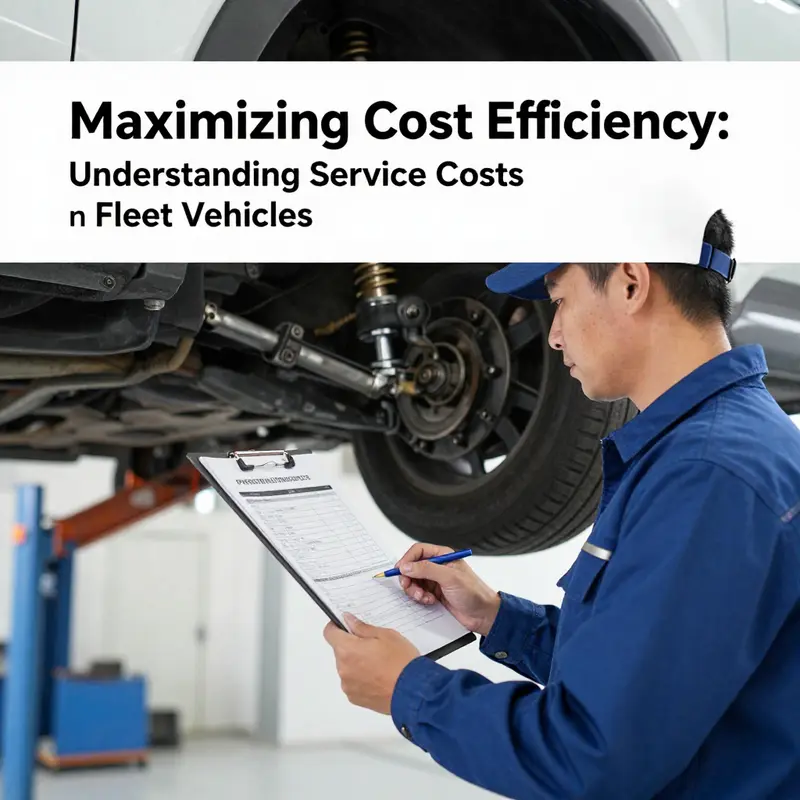
When fleet managers ask whether service costs shrink with age or rise as miles accumulate, the answer is nuanced. The cheapest window for service costs tends to occur early in a vehicle’s life. In those first years, warranties cover many repairs, and a disciplined preventive maintenance program reduces the likelihood of unexpected failures. Standard parts, standardized service protocols, and the efficiencies that come from a shared kit of components further compress costs during this phase.
Preventive maintenance lowers unplanned repair costs by catching wear before it becomes a breakdown. Unplanned repairs can be dramatically more expensive than well-timed scheduled work, factoring in labor overtime, route disruptions, and expedited parts. A data-informed maintenance approach aligns inspections, replacements, and service events with actual usage, which smooths cash flow and improves asset uptime. In short, early-life reliability and process discipline combine with warranty protections to deliver a cost advantage that is hard to beat as fleets age.
The practical takeaway is clear: invest in preventive maintenance early, standardize parts and procedures, and embed data analytics into maintenance decisions. This trio preserves higher asset utilization and a more predictable maintenance budget, helping fleets keep service costs low when vehicles are at their most economical and least unpredictable.
Standardization at Scale: How Shared Parts and Bulk Purchasing Lower Fleet Maintenance Costs in the Early Years
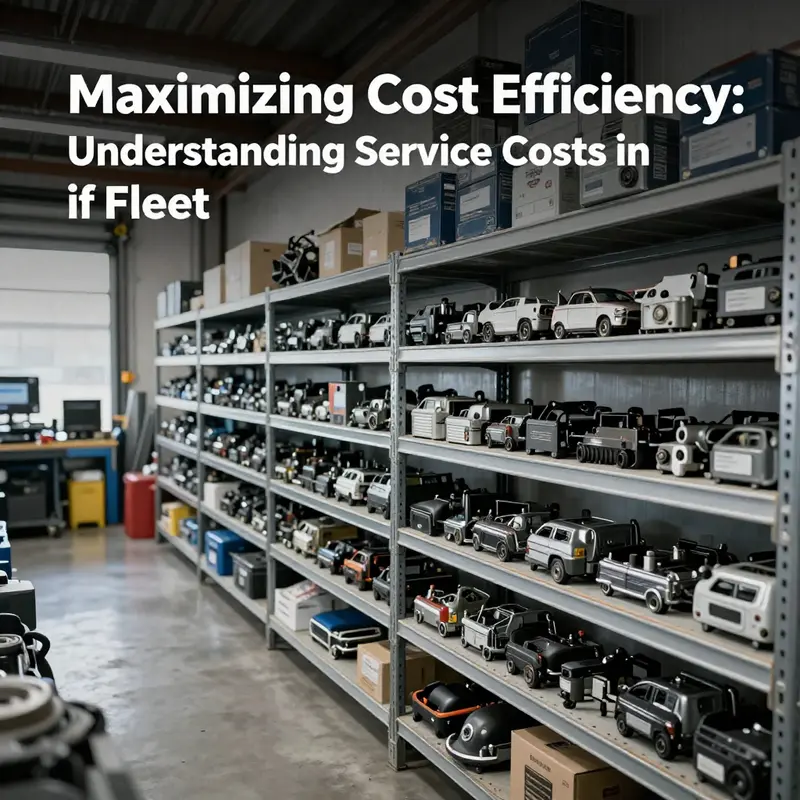
The question of when fleet maintenance costs are lowest is not merely a function of age or mileage. It is a question of how a fleet’s maintenance architecture is designed in its early years, and how discipline in standardization and purchasing scale compounds to reduce repairs, downtime, and total cost of ownership. In the first 3 to 5 years after purchase, fleets often ride a unique cost plateau. Vehicles are under warranty or near it, preventive maintenance is routine, and the parts landscape is narrow enough to become a well-practiced routine. When a fleet operator aligns these conditions with a deliberate strategy for components and procurement, the cost advantage can be substantial. The core of that advantage rests on two closely related ideas: standardized parts and economies of scale, and their joint power to reduce the friction that typically digests maintenance budgets.
Standardization as a cost-reduction engine begins long before any technician lifts a hood. It starts with the design and configuration of the fleet itself. When vehicles within a single operation share a high percentage of common parts—think of engines, brakes, suspension components, or even minor subsystems—the maintenance ecosystem becomes predictable in the best possible way. Inventory management becomes simpler because spare parts catalogs converge toward a smaller set of SKUs. Fewer part numbers mean lower storage requirements, easier forecasting, and faster replenishment cycles. For the maintenance team, the diagnostic process benefits as well. With a limited array of components, technicians build a deeper, faster familiarity with how those parts fail, how they wear, and how they interact with the rest of the vehicle architecture. This translates into shorter repair times, fewer misdiagnoses, and a higher proportion of first-door fixes, which is the practical equivalent of money saved on labor and downtime.
There is a cascade effect here. When a fleet standardizes parts, procurement gains immediate leverage. Bulk orders become feasible for commonly used components, and suppliers can offer tiered pricing tied to volume. The financial logic is straightforward: the same supplier can grant bigger discounts for a larger purchase footprint, while the fleet benefits from reduced per-unit costs and more predictable delivery. Over time, this scale produces tighter logistics and fewer emergency restocks. The result is a virtuous circle—every saved dollar in the procurement and inventory processes reduces the total maintenance outlay per vehicle, not just on paper but in the real world where downtime translates into lost service capacity and, eventually, lost revenue.
That is the essence of the economies of scale narrative in fleet operations. As fleets grow, the purchasing power and logistical efficiencies multiply. The cost per mile of maintaining a vehicle declines because the same mechanics and the same parts flow through the same workflows, month after month. When a fleet reaches a certain size and maturity, labor utilization becomes highly optimized. Technicians move through a standardized repair workflow, tools are reused across the same set of parts, and the time to complete a repair compresses. In practice, this means quicker turnaround for routine maintenance items—oil changes, brake inspections, filter replacements—and faster response to minor issues before they balloon into more expensive failures. The Modern Materials Handling analysis on economies of scale in fleet operations captures this logic succinctly: the synergy between standardization and scale is not incidental; it is a core driver of lower per-vehicle maintenance costs as fleets mature.
These ideas do not exist in a vacuum. They are tested against the lifecycle realities of fleet vehicles. In the early years, manufacturers’ warranties cover many of the higher-cost repairs associated with new technology and new powertrains. Preventive maintenance programs are aligned with manufacturer recommendations and dealer service intervals, which reduces the likelihood of expensive, unexpected failures. Because the parts are standardized and the service model is streamlined, the costs associated with routine maintenance—oil changes, tire rotations, brake pad replacements, proactive inspections—sit at a manageable baseline. For fleet managers, this baseline is a critical reference point for budgeting and for decision-making about when to replace or retire vehicles. The benefit of standardized parts is not only lower direct costs; it also translates into greater predictability. If a part fails, the repair protocol is well understood, the required skill set is consistent, and the repair cycle can be planned around a known downtime window. In environments where service availability and downtime costs are material, this predictability alone justifies a portion of the standardization investment.
The interplay between standardization and scale can be most clearly understood through the lens of preventive maintenance calendars. A well-structured calendar does more than remind technicians when to rotate tires or change oil. It codifies the shared parts strategy into actionable, repeatable tasks. When an operation uses time-based versus mileage-based intervals, the calendar must reflect the realities of the fleet’s usage patterns, the local climate, and the reliability data of the common components. This is where the internal discipline of the maintenance program meets the external economics of scale. By aligning maintenance events with a common parts suite, fleets can avoid the inefficiencies that arise when different vehicles within the same fleet require different service parts at different times. The effect is a smoother supply chain, fewer last-minute parts orders, and less downtime caused by part variation. For readers who want a deeper dive into aligning maintenance intervals with practical realities, see the discussion on Optimal oil change intervals: time vs mileage.
The pandemic era introduced a temporary distortion to this picture. It offered a stark reminder that lower maintenance costs during that period were not a result of improved engineering or inherently cheaper upkeep; they were the byproduct of reduced vehicle utilization and altered fleet dynamics. A fleet manager familiar with the period recalls the sentiment well: “The impact has been positive – no fuel, no tolls, no maintenance.” That remark underscores a critical nuance. The pandemic delayed replacements and kept older vehicles in service longer, which briefly dampened maintenance spend but did not create a durable cost advantage. In fact, once usage patterns normalized, the aging curve reasserted itself. Older fleets saw higher failure rates and a need for more specialized repairs as manufacturer support for aging components waned. The lasting lesson is clear: cycles of heavy use or underutilization can mask underlying cost structures, but standardization and scale do not rely on those cycles. They are built into the supplier relationships, the parts catalogs, and the repair routines that define efficient fleet maintenance across decades of operation.
Crucially, the early years of a fleet’s life are when standardized parts and economies of scale can be most effectively exploited. In that window, the combination of warranty protection, predictable maintenance schedules, and a narrow parts ecosystem reduces the friction that typically drives up costs. The maintenance team can diagnose and fix problems faster, the parts become a reliable feedstock that minimizes delays, and the logistics network remains lean. The result is a per-vehicle maintenance cost that trends downward relative to peers who pursue broader part diversification and fragmented procurement strategies. It is not merely about having cheaper parts; it is about having a coherent, repeatable process in which the entire maintenance footprint—parts, tools, labor, and logistics—moves in harmony. As fleets scale up and their replacement cycles lengthen, those same advantages persist but must be recalibrated. The command center must decide whether to reinvest in deeper standardization across more vehicle platforms or to tolerate a broader parts base with corresponding process adjustments. Either path will yield savings, but the most durable gains arise when standardization and scale are designed into the fleet from the outset and reinforced through disciplined supplier management and preventive maintenance discipline.
In the broader context of fleet maintenance strategy, this chapter’s focus on standardization and economies of scale is not about one-time savings. It is about building a durable operating framework that makes the early lifecycle the cheapest phase, and then carefully managing aging in a way that preserves as much of those gains as possible. The decision to standardize parts and seek scale should be guided not only by current cost baselines but also by realistic projections of wear patterns, component lifecycles, and the reliability trajectories of the fleet’s typical vehicle types. It is a forward-looking strategy that pays dividends in reduced downtime, faster repairs, and improved uptime reliability—benefits that accumulate as the fleet grows and matures.
For practitioners, the practical implications are clear. Begin by mapping the commonality of parts across the fleet and prioritizing suppliers who can guarantee stable pricing and dependable lead times for those parts. Invest in training that reinforces proficiency with a compact set of components. Build a maintenance calendar that coordinates with the shared parts strategy, ensuring that preventive tasks occur on a uniform cadence across the fleet. Leverage bulk purchasing to secure favorable terms and reduce the per-unit cost of spares. And throughout, keep a vigilant eye on the five-year horizon. If replacement budgets and aging infrastructure are aligned, the cost advantages of standardization and scale can be preserved beyond the initial years, though they will require ongoing adaptation to new parts families and evolving maintenance technologies.
In closing, the chapter’s core message is not a single tip or a narrow tactic. It is a framework for thinking about when fleet maintenance is cheapest and how to sustain that advantage. The earliest phase of a vehicle’s life—when warranties cover major repairs, and when a standardized parts ecosystem and bulk purchasing power work in concert—constitutes a window of opportunity. Within that window, the maintenance cost curve can bend more favorably than at any other time in the vehicle’s life. The challenge for fleet operators is to design their procurement, maintenance planning, and technician training around that window so that the lower costs become a durable feature of their operating model, not a temporary anomaly driven by favorable market conditions or unusual usage patterns.
For further context on how economies of scale function in fleet operations and how best to harness them, refer to the external resource linked at the end of this chapter.
External reference: How to Achieve Economies of Scale in Fleet Operations — Modern Materials Handling, September 19, 2023: https://www.mhonline.com/articles/2023/09/achieving-economies-of-scale-in-fleet-operations
Time, Wear, and the Margin: Understanding How Aging Fleet Vehicles Change Service Costs
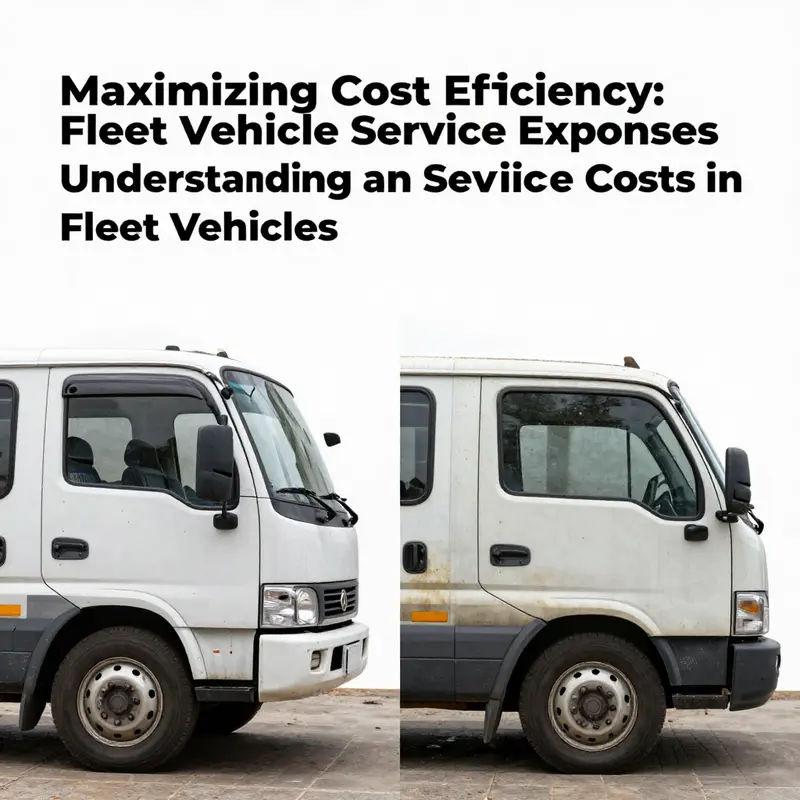
The lifecycle of a fleet vehicle is a performance timeline written in miles and years, and the financial contours of that timeline bend noticeably as age and wear accumulate. In the early years, fleets often enjoy a quiet economy for service costs. Vehicles arrive with manufacturer warranties still in effect, or at least with coverage not far behind them, and that shield translates into fewer unexpected repairs and lower out-of-pocket maintenance. Add into that the discipline of preventive maintenance and the discipline of standard parts stock, and the math becomes almost gentler than one might expect: fewer outliers, tighter price bands, and a predictable rhythm of service tasks. In practice, this means that, for many fleets, the first three to five years after purchase are the cheapest on a per-vehicle basis when it comes to maintenance and repair. The story, however, is not static. It evolves as machines accumulate miles, and the gap between new and aging starts to widen in ways that can surprise those who manage budgets without looking beyond the current quarter. As with any asset, cost curves are shaped by wear and design life, but for fleet operators the shaping forces extend beyond a single vehicle. They define the points at which it becomes more economical to retire or replace an asset, and they influence how intensively a fleet should be used during its mature years. Even in days when fuel and tolls might be stripped from the ledger, maintenance costs do not disappear with age; they transform. The same wear that reduces a component’s efficiency increases the likelihood of failure and the urgency of repairs. The practical takeaway is not simply that aging raises costs; it is that aging reorders the cost components themselves. When a vehicle remains in service longer than the planners anticipated, maintenance expense often becomes less predictable, and downtime can become a hidden cost that erodes the value of keeping the asset on the road. Running a fleet is a continuous balancing act between the desire to maximize utilization and the need to limit disruption and total cost of ownership, and aging vehicles complicate that balance in a way that requires sharper forecasting and more adaptive maintenance strategies.
The narrative of aging and wear is not an abstract accounting exercise. It has a real meaning for maintenance planning, for the selection of service intervals, and for the judgments that determine when to retire or replace a van, truck, or light-duty vehicle. Early in a vehicle’s life, warranty support and standardized maintenance practices suppress the frequency and cost of major repairs. Fleet managers leverage this window by tightening inspections, tracking service intervals with disciplined rigor, and leveraging standardized parts and service providers that benefit from volume. The economics of that structure are straightforward: the cost per mile of maintenance is lower when miles accumulate slowly, and the probability of a major failure is reduced when routine care is consistent and timely. The result is a predictable, manageable maintenance footprint that supports steady operations and reliable service delivery.
But the aging curve tells a different tale. As vehicles pass into their middle years—beyond the five- to eight-year range—the velocity of wear accelerates in several interlocking ways. The engine lauds its days of vigor less loudly as tolerances widen; transmissions may shift with less precision; brake systems and suspensions endure cumulative stress from years of use; and electrical components, increasingly integrated with control modules, begin to show the effects of a long service life. The direct consequence is a step up in routine maintenance needs as preventive intervals that might have sufficed in the early years no longer capture creeping issues. A simple maintenance schedule—once sufficient to defend reliability—can become inadequate as wear accumulates. This is not about catastrophic failure alone; it is about the rising likelihood of small, recurring repairs that chip away at uptime and inflate the per-vehicle service costs. The reliability picture shifts too. Aging fleets tend to exhibit higher failure rates, and even when failures are not catastrophic, the downtime required for diagnosis and repair carries its own price tag in lost productivity and customer service delays. In practice, the combination of wear and reduced reliability translates into more frequent servicing, longer repair cycles, and an overall escalation of maintenance costs that can surprise operators who focus only on the sticker price of a vehicle rather than its lifetime cost to maintain.
The financial implications extend beyond the mechanical. Fuel efficiency, a cost category that grows more burdensome with age, compounds the service cost story. Older powertrains often operate with diminishing efficiency, which means more fuel burn per mile and a tighter budget to absorb that drift. The intersection of higher maintenance costs and greater fuel use is where the true economic pressure of aging appears. Fleet managers who optimize lifecycle costs keep a careful eye on this balance between maintenance and fuel, knowing that even modest declines in efficiency can wash away the gains achieved through earlier preventive maintenance and warranty protections. In that sense, aging does not merely increase repair bills; it reshapes the entire cost structure of operating a vehicle.
These dynamics are not purely theoretical. A 2023 assessment by the National Highway Traffic Safety Administration provides a stark quantitative reminder: fleets operating vehicles over eight years old face service costs that are, on average, about 45% higher than those with newer assets. The statistic is more than a number; it is a signal about the pace at which aging moves from a manageable factor to a dominant driver of total cost. It also underscores the importance of timely replacement as a strategic decision, not merely a response to a single expensive repair. Yet replacement itself demands careful planning. The depreciated value of an aging asset might tempt a fleet to stretch its useful life, but the maintenance bill that accompanies that stretch can erode any perceived cash savings. The precise point at which to retire a vehicle is not fixed; it is a function of mileage, operating conditions, reliability trends, and the cost of downtime. For some fleets in predictable, low-stress environments, continued operation beyond eight years may be feasible with vigilant maintenance and parts management. For others, with heavy use, varied routes, or demanding payloads, the tipping point might arrive sooner. What matters most is a transparent, data-informed view of how aging will influence costs over the remainder of a vehicle’s life, and a plan that aligns maintenance intensity with the risk of failure and the schedule for replacement.
In practice, forward-looking maintenance planning becomes the primary tool for managing this aging cost curve. It begins with robust data collection—tracking miles, hours in service, repair incidence, downtime, and the timing of parts replacements. With this data, fleets can model the cost trajectory of an asset as it moves from the resilience of youth to the fragility of age. The predictive insight is not simply about identifying when a particular vehicle will fail; it is about understanding how the pattern of costs will evolve as the fleet ages, and about identifying interventions that can slow that evolution. Preventive maintenance takes on a more strategic role. Rather than merely following a generic schedule, fleets can tailor intervals to the vehicle’s actual operating profile, adjusting maintenance frequency in response to observed wear and performance metrics. This level of tailoring helps to preserve reliability while avoiding unnecessary servicing that wastes money and time. It also allows for better inventory planning. When maintenance is predictable, parts stocking and technician scheduling can be aligned more efficiently, reducing the cost of downtime and the risk of urgent, premium-service adds that often accompany unscheduled repairs.
A subtle but important piece of the aging puzzle is the accessibility of manufacturer support and the availability of parts. As vehicles age, gaps can emerge in service options, and that attrition can drive up both the cost and the time required to repair. In the early lifecycle, fleets benefit from broad support networks and a steady stream of replacement components, often available through centralized procurement and long-term supplier contracts. In later years, the market for older models may thin, forcing fleets to rely on aftermarket solutions or remanufactured parts, each with its own implications for reliability, warranty coverage, and total maintenance costs. The financial impact of that shift can be significant, particularly for fleets that operate in regions with limited access to qualified technicians or where the cost of downtime is high due to tight delivery schedules or high service expectations.
The decision framework around aging also has a practical resilience to it that is often overlooked. The pandemic period, for example, revealed how external shocks can mask the underlying aging curve by reducing utilization and delaying vehicle replacements. In those months, fleets could claim short-term savings from reduced use and fewer maintenance events, but that relief did not reflect a fundamental reduction in aging costs. As operations rebounded and replacements resumed, the true cost dynamics reasserted themselves. A fleet that postponed retirements found itself confronting a larger population of higher-maintenance units and a steeper escalation in service costs as those assets crept toward the eight-, nine-, or ten-year marks. The real takeaway is that external disruptions can alter the timing of maintenance demands without altering the intrinsic aging cost trajectory. This nuance matters for budgeting and for the strategic planning of replacement cycles.
To translate these ideas into actionable management, most fleets adopt a lifecycle framework that weighs depreciation against maintenance and repair costs. Depreciation is a standard lens, but when maintenance costs accelerate, the economic picture tilts toward earlier retirements or more aggressive replacement strategies. The right balance is not simply a function of the cost per mile; it is a function of reliability, downtime, and the cost of service failed delivery. A vehicle that infrequently breaks down but incurs high repair bills when it does fail can be less valuable than a newer vehicle that experiences more routine, predictable maintenance with lower risk of disruption. This is why many operators shift toward a policy that treats the eight-year threshold as a tipping point, but not an absolute rule. The exact timing depends on operating context: route certainty, payload demands, climate, and maintenance capability. Those factors shape whether the most economical choice is to keep aging assets with enhanced preventive care or to pursue replacement while the market is still forgiving on cost and availability.
For those managing day-to-day maintenance, the discipline of optimization remains central. It is tempting to think that the cheapest path is to push aging assets to their limits, but the cost tests often tell a different story. The incremental costs of keeping a vehicle beyond its optimal period can accumulate quickly in the form of unplanned downtime, emergency repairs, and the premium of late-night service windows. The trick is to convert aging into a quantifiable risk and set triggers that signal when the risk becomes unacceptable. In practice, this means a maintenance strategy that emphasizes early detection of wear patterns, a transparent approach to downtime risk, and a proactive replacement plan informed by data rather than sentiment. A well-crafted plan also considers the broader impact on the fleet’s performance metrics: on-time deliveries, customer satisfaction, and the reliability of service routes that rely on consistent vehicle availability.
In this light, aging is less a solitary destiny of each vehicle and more a shared trajectory experienced by the fleet as a whole. The magnitudes of repair costs, downtime, and energy inefficiency add up across hundreds or thousands of assets and days of operation. The cost edge enjoyed by a youthful fleet fades when the average age climbs; so, the strategic emphasis shifts toward balancing ongoing maintenance investments with timely disposals and replacements. The science of this balance lies in using data with discipline—tracking maintenance histories, calibrating preventive intervals to real-world wear, and applying a policy framework that respects both financial constraints and service obligations. When implemented with rigor, such a framework helps ensure that the aging phase remains a manageable part of the fleet’s overall cost structure instead of becoming a dominant driver of expense.
In closing, the aging and wear of fleet vehicles reframe the conversation about when service costs rise and by how much. The early years preserve a buffer of cost efficiency thanks to warranties and standardized maintenance, but the later years rewrite the budget in favor of more frequent diagnostics, more repairs, and more downtime risks. The practical lessons are clear: invest in robust maintenance data, tailor service intervals to actual wear, plan replacements with a forward-looking view, and recognize that aging is a factor to be managed with strategic timing rather than a fate to be endured passively. For readers seeking a practical lever within maintenance planning, consider the value of refining oil-change schedules to reflect time and mileage realities, a topic explored in depth at the linked resource. Optimal oil-change intervals.
For those who want to anchor these considerations in broader industry perspectives, the chapter’s findings align with public research that underscores aging as a material driver of service costs. The takeaway is simple and powerful: the cheapest service costs occur when fleets operate younger, well-maintained assets under stable conditions. As vehicles age, the cost curve rises, demanding more sophisticated planning and a disciplined replacement strategy to sustain overall fleet performance and value. This framing helps fleet leaders ask the right questions: What is the optimal replacement horizon given our usage and reliability targets? How can we tune preventive maintenance to catch wear early without over-spending on routine tasks? And how do we balance the need for uptime against the inevitability of aging wear, so that service costs stay aligned with service commitments and the bottom line?
External resources complement the internal analysis. For a rigorous, government-backed perspective on how aging affects maintenance costs, see the official publication from the National Highway Traffic Safety Administration. It offers a detailed view of the aging vehicle phenomenon and its practical implications for maintenance budgeting and fleet policy: https://www.nhtsa.gov/vehicle-aging-and-maintenance-costs. Access to this resource can help fleets calibrate their internal models and refine replacement strategies as part of a comprehensive total cost of ownership framework.
Final thoughts
Understanding the service cost dynamics of fleet vehicles is crucial for optimizing expenses and making informed purchasing decisions. From the first few years of ownership, where costs are typically lower due to warranties and preventive care, to the higher expenses associated with aging vehicles, every phase in the lifecycle offers insights into potential savings. By employing preventive maintenance strategies and leveraging standardized parts, fleet operators can further reduce costs and enhance reliability in their operations. This holistic understanding empowers local private car owners and small business fleet operators alike to manage their vehicles more effectively, ensuring better financial outcomes in both the short and long term.