Vehicle service contracts can often become a maze of options, prices, and coverage details for local private car owners, used car buyers, and small business fleet operators. As vehicles age, securing an efficient and effective service contract becomes paramount to ensure smooth operation and cost efficiency. In this exploration, we will dissect the pricing structure and uncover what influences these costs. We’ll delve into specific factors such as vehicle types, coverage options, and regional pricing differences. Additionally, we will highlight the long-term financial implications of investing in a service contract, providing you with a holistic understanding of how much is a vehicle service contract.
Breaking Down the Price: What Determines How Much a Vehicle Service Contract Costs
Understanding the true cost of a vehicle service contract starts with separating headline prices from what they actually buy you. Prices quoted for service contracts can look scattered: a single service event listed at ¥15,737.75 (about $2,200), a multi-vehicle package at ¥159,020.50 (about $22,200), a small single-model maintenance charge of ¥2,500 (about $350), and other contracts ranging from ¥6,816 to ¥209,982. These figures come from institutional procurement examples and reflect a wide range of scopes. To make sense of them, view price as a function of coverage, duration, vehicle type, and provider, then translate that into an annualized cost and practical value.
At the most basic level, two vehicle owners paying the same headline price can receive very different value. One contract might cover routine inspections, scheduled service, and minor wear items. Another might include major component repairs, labor, towing, and roadside assistance. The mix of services drives cost more than any single number. For practical decision-making, convert the total contract price into a per-year and per-mile basis so you can compare apples to apples. If a multi-year contract costs $2,500 for five years, that’s $500 per year; if it limits covered repairs to certain failures only, that annual figure may not justify the premium for your car’s age and reliability.
Vehicle type and complexity matter. Luxury and performance cars have specialized components and higher labor rates. Hybrid and modern diesel systems add diagnostic equipment and replacement parts that cost more. Procurement examples show widely varying prices because government fleets often negotiate different scopes: a public vehicle repair package for three services priced at ¥209,982 likely covers multiple vehicles and extensive repairs, while a single maintenance service for a specific model at ¥2,500 covers routine work only. For personal buyers, expect multi-year contracts for common sedans to fall roughly in the middle of the spectrum; industry averages often range from $1,500 to $3,500 for multi-year coverage, with annualized costs roughly $400 to $800.
Length of coverage is more than a calendar measurement. Contracts that extend for many years reduce the annual cost, but they also increase the odds you’ll claim something. If your vehicle is new and under the manufacturer’s warranty, an extended service contract that starts after the warranty expires might be a better buy than one that overlaps with existing coverage. Conversely, buying a long-term contract for an older vehicle that already has a history of repairs can be expensive if the contract excludes pre-existing conditions or imposes high deductibles.
Level of protection maps directly to price. Basic plans often include scheduled maintenance, engine tune-ups, and some labor. Mid-tier plans add items like electronics, transmission, and air conditioning repairs. Comprehensive plans extend to nearly every mechanical and electrical component, often mirroring manufacturer warranties. Each step up increases the premium. When evaluating plans, watch for caps on payouts per repair or per contract year. A comprehensive plan that sounds generous but limits payouts to a small amount can leave you exposed to catastrophic bills.
Provider choice influences not just price, but flexibility and service quality. Dealership-offered contracts may cost more per year, yet they often allow service at franchised locations where technicians know the brand and use original parts. Third-party providers can be cheaper and more flexible about repair locations, but they vary in claims handling and network size. Institutional procurement prices show that bulk contracts—those covering multiple vehicles or fleets—can achieve lower per-vehicle costs through volume. For individual buyers, soliciting quotes from both dealership and reputable third-party providers, and comparing the contract language, yields the best perspective on value.
Deductibles, exclusions, and claim procedures can turn a low premium into an expensive experience. A low-cost contract with a high per-visit deductible or strict exclusions for parts and labor defeats the purpose of buying coverage. Check whether wear-and-tear items, routine maintenance, and fluids are included. Verify how claims are filed and whether pre-authorization is required for large repairs. A service contract that obliges you to use certain repair shops or to obtain multiple estimates can delay repairs and increase hassle. The procurement examples suggest that institutional contracts often specify service windows and performance metrics; for private buyers, look for clear, reasonable limits on claims processing time and a straightforward authorization process.
Translating headline prices into practical terms helps shoppers decide. Take a ¥159,020.50 fleet package (about $22,200) that covers four vehicles with eight service events. Divide the total by vehicles and service events to get a per-event price, then consider the likely scope of each event. If the package includes scheduled maintenance only, the per-event value may be modest. If it includes major repairs, the per-event value becomes substantial. Do the same math for single-event prices; a ¥15,737.75 figure that covers a major repair may be reasonable compared to paying out-of-pocket for a transmission rebuild.
When is a service contract worth the price? First, when the risk of expensive failure is significant and predictable. If a vehicle type has known costly failure points—transmission, turbocharger, or complex electronics—a contract that covers those systems can prevent out-of-pocket sticker shock. Second, when the annualized cost is less than or comparable to the expected annual repair cost based on age, mileage, and reliability. Third, when contractual terms are clear, with acceptable deductibles and a reputable provider. If a contract’s fine print contains numerous exclusions or requires excessive documentation for claims, its practical value drops.
Negotiation and shopping tips improve outcomes. Get multiple quotes. Ask detailed questions about what’s covered, payout caps, and whether parts are original or aftermarket. Request sample claim forms and see how quickly the provider responds. Consider purchasing service events as needed rather than prepaying a long contract if your vehicle is reliable and you can budget for occasional repairs. If you buy a multi-year contract, attempt to negotiate price, or ask for added services such as roadside assistance or rental coverage to increase value.
Finally, use internal resources and expert guidance. For owners of larger vehicles or first-time truck purchasers, learning maintenance priorities can reduce the need for expensive coverage; advice tailored to vehicle type helps you weigh the contract against preventive maintenance. For example, practical maintenance guidance for new truck owners can clarify which failures are most likely and which costs are avoidable with routine care: https://kmzvehiclecenter.com/truck-maintenance-tips-for-first-time-owners/.
For a broader look at typical extended warranty costs and how they compare to the averages described here, consult the industry overview linked below. It offers national averages, breakdowns by vehicle age, and a framework for comparing annualized costs to expected repair spending.
External reference: https://www.thebalance.com/extended-warranty-costs-4773177
How Vehicle Type Shapes the Price: Decoding Service Contract Costs
How vehicle type shapes the price
The type of vehicle you drive is one of the strongest single predictors of how much a vehicle service contract will cost. Across models and manufacturers, differences in engineering complexity, parts availability, labor skill required, and expected failure rates create real, measurable variations in pricing. A contract for a compact commuter car rarely looks like one for a luxury performance SUV, and understanding why those differences exist helps you make smarter choices when comparing offers.
Luxury and high-performance vehicles drive up contract costs for several clear reasons. First, these vehicles often contain more advanced electronics and proprietary systems. Adaptive suspensions, variable valve timing, sophisticated infotainment and driver-assist packages, and high-performance braking systems require specialized diagnostic tools and technicians with higher skill levels. Second, replacement parts for premium brands tend to be more expensive—sometimes dramatically so—because they are either proprietary or produced to higher tolerances. Third, labor times for complex repairs are longer, both because of part access and the care required to avoid collateral damage. Insurers and contract providers price those increased risks into their premiums, so a comprehensive plan for a high-end vehicle will generally sit at the top of the cost spectrum.
Conversely, economy and mainstream vehicles typically yield lower contract prices. These models use common components that are widely available, which keeps part costs down. Mechanical systems are often simpler and more standardized, which reduces diagnostic complexity and labor hours. The combination of lower replacement costs and shorter service times reduces the expected payout a provider must prepare for, and that translates to lower premiums for consumers. For buyers of used affordable cars, a gap or limited contract can be an attractive way to manage specific risks without paying for coverage intended for high-end systems they don’t own.
Age and mileage amplify the impact of vehicle type. A new luxury sedan and a ten-year-old luxury sedan share the same brand pedigree, but their risk profiles differ. Newer vehicles often qualify for lower-cost, multi-year contracts because the likelihood of catastrophic failure is lower, and many components remain within their original wear curves. Older vehicles with high mileage, even if they were originally premium, increase the chance of component failure. That elevation in risk pushes contract pricing upward. Providers evaluate age and mileage as continuous risk factors: premiums tend to step up at common thresholds such as 60,000 or 100,000 miles, reflecting the statistical rise in claims at those points.
Coverage scope ties directly to vehicle type in practical ways. A bare-bones contract that covers basic powertrain components will be cheaper across the board. But when the contract extends to include electronics, air conditioning systems, advanced safety equipment, and accessory components, the vehicle’s original build becomes more relevant. For a vehicle that features complex active safety systems, including those on many modern luxury models, extended coverage of sensors and software-related failures can significantly raise the cost. A mainstream compact with simpler safety architecture will cost less to cover for the same breadth of services.
Contract duration and terms also interact with vehicle type. Multi-year plans are typically more economical on a per-year basis but require a larger upfront or monthly commitment. For vehicles likely to incur high repair costs—such as large SUVs or performance cars—the security of a longer contract can be appealing. Providers price long-term contracts by projecting failure probability across the full period; if a vehicle type historically shows higher maintenance needs over that timeframe, the total contract price will be higher. Short-term or single-event contracts, often used by fleets or municipal services, can be tailored to low-risk, routine needs at lower total cost, but they offer less protection against major failures.
Geography and vehicle use patterns indirectly reflect vehicle type in cost calculations. Heavy-use vehicles—delivery vans, taxis, or work trucks—experience greater wear regardless of original build, and even economy models used in harsh service conditions will attract higher premiums. Similarly, regions with demanding driving conditions, extreme temperatures, or corrosive road treatments can increase expected claims. When comparing service contracts, consider not just the vehicle’s badge but how you use it. A well-built compact driven heavily in difficult conditions may be more expensive to cover than a lightly used luxury commuter in mild climates.
Real-world procurement examples illuminate how these factors translate into numbers. Institutional and government contracts show a wide pricing range because they bundle different vehicle types, coverage scopes, and service frequencies. In one case, a single public maintenance event cost roughly the local equivalent of a few thousand dollars; in others, multi-vehicle packages with multiple service events reached tens of thousands. Those aggregate prices reflect both vehicle diversity and negotiated service levels—fleets often pay a premium for guaranteed response times and consolidated billing, while also gaining leverage through volume. For individual consumers, the equivalent decisions involve whether to choose a broad, long-term plan or targeted short-term coverage.
Average market figures help set expectations. For many consumers, multi-year service contracts fall between roughly $1,500 and $3,500 over the contract term, which breaks down to about $125 to $290 per year depending on vehicle type and coverage level. Expect upper-range costs for larger SUVs, high-end sedans, and performance cars. Smaller sedans and crossovers tend to sit at the lower end. These averages hide variation, but they provide a starting point when budgeting. If the vehicle you own or plan to buy is known for expensive components—turbochargers, dual-clutch transmissions, or sophisticated electronics—plan for costs above the midpoint.
When evaluating quotes, look beyond the headline price. Exclusions and limits matter: some contracts exclude wear-and-tear items or impose sublimits that create out-of-pocket risk for certain repairs. Deductible structure is important: higher deductibles lower premiums but increase the cost at claim time. Also check whether parts are OEM or aftermarket; premium parts raise replacement prices. For specialty vehicles, insist on clarity about whether electronic control units, hybrid components, or bespoke mechanical assemblies are covered. These details frequently differentiate contracts that appear similar at first glance.
For owners of trucks, diesel engines, or vehicles used for towing and heavy loads, maintenance needs can diverge significantly from passenger car norms. Scheduled maintenance intervals, fuel system care, and heavy-duty components require attention and can affect contract pricing. Practical resources on maintenance intervals and care for heavy vehicles can be helpful when deciding coverage needs—see this guide on optimal oil change intervals and time-versus-mileage considerations for a useful reference on preserving engine life: https://kmzvehiclecenter.com/optimal-oil-change-intervals-time-vs-mileage/.
Choosing the right contract means balancing vehicle type, expected use, and peace-of-mind needs. For a budget-conscious buyer with a simple commuter car, a limited plan or pay-as-you-go approach may be sensible. For owners of high-end vehicles or heavy-use trucks, investing in broader coverage can protect against disproportionate repair costs. Always compare coverage definitions, provider reputations, and claims processes in addition to price to ensure the contract aligns with the vehicle’s risk profile.
For specific, tailored quotes based on make, model, year, and desired coverage, consult provider quote tools that allow input of vehicle details to generate personalized offers. A primary resource for obtaining such quotes can be found here: https://www.carshield.com/
Beyond the Sticker Price: Understanding Vehicle Service Contract Costs Across Coverage Levels
When people ask how much a vehicle service contract costs, they often expect a single number that fits all vehicles. The reality is more nuanced. Price depends on the level of coverage, the make and model of the vehicle, its age and mileage, and where the contract is sold. The variation is not just theoretical. Recent procurement data from government and institutional contracts in China, captured toward the end of 2025, shows a striking spread that helps illuminate how these contracts are priced in practice. A public vehicle maintenance and repair service for one service event was priced at ¥15,737.75, roughly $2,200. A maintenance and repair package for four vehicles with eight service events carried a total of ¥159,020.50, about $22,200. A single maintenance service for a specific vehicle model, such as a Mitsubishi, was priced at ¥2,500, or about $350. A public vehicle repair service contract covering three services appeared at ¥209,982.00, around $29,200. And another maintenance and repair service was priced at ¥6,816, approximately $950. These figures underscore a critical point: the cost of a vehicle service contract is a function of scope as much as of the vehicle itself. They reflect packages that range from basic routine care to extensive warranty coverage that touches many systems and even roadside support. Importantly, these prices do not include the cost of parts, labor beyond standard service, or any extended warranty terms that might be added later. For a consumer evaluating options, these numbers provide a benchmark for understanding the ceiling of complexity and scale that a contract can reach, even if the exact quote for a private purchase will differ based on personal vehicle details and the provider chosen.
At the heart of the pricing conversation are three core ideas. First, coverage is the primary driver of cost. A basic plan that targets the engine, transmission, and drivetrain tends to be the most affordable option, while plans that expand to include electrical systems, climate control, suspension, and more increase the price substantially. Second, the vehicle itself matters. Age and mileage are strong predictors of risk, and underwriters price risk. A newer vehicle with relatively low mileage can command a lower annual premium than a high mileage or aging model, even if the vehicle is mechanically sound. Third, the market environment and the provider structure influence price. Longstanding providers with broad networks may price more aggressively toward long-term customer satisfaction, while more boutique offerings may carry higher rates but promise enhanced claims support.
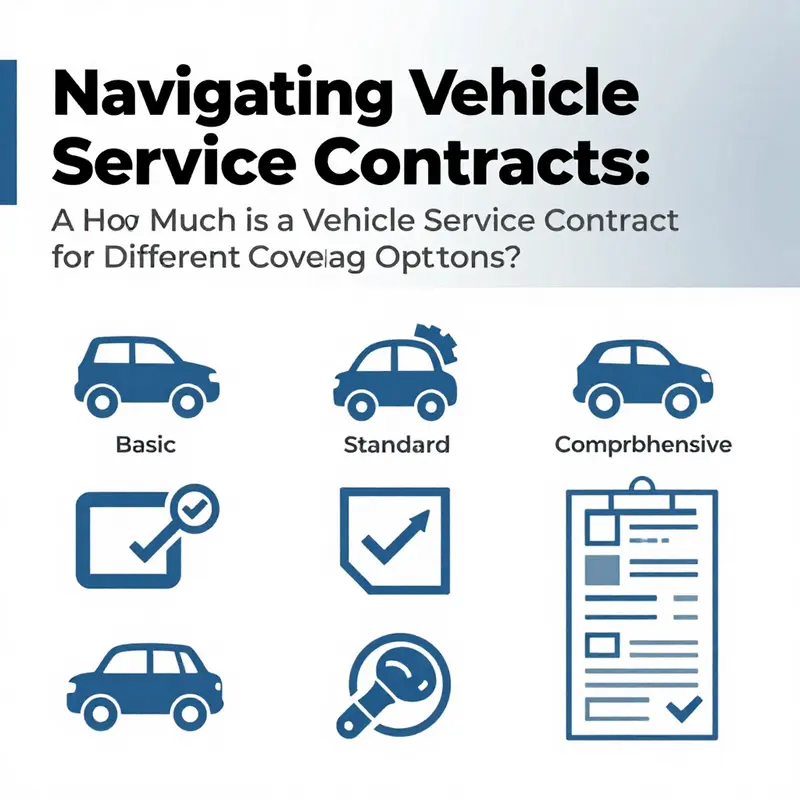
With these realities in mind, it helps to translate the general idea of coverage into concrete numbers that a shopper can map onto a personal budget. Basic coverage, the most affordable tier, typically targets major mechanical components like the engine, transmission, and drivetrain. It usually does not include labor as a standalone line item and may impose higher deductibles per claim. In practical terms, the typical annual cost for basic coverage tends to fall in the neighborhood of a few hundred dollars—roughly $300 to $600 in many markets. This makes sense for owners of older vehicles with lower market value who want a safety net against catastrophic failures that could lead to financial strain.
Stepping up to standard coverage broadens the protection envelope. Components beyond the core powertrain come into play, including electrical systems, climate control, and sometimes steering and suspension elements. Labor is more often bundled into the plan, and deductibles are lower. The typical annual price for standard or comprehensive coverage usually lands between about $600 and $1,000. This tier represents a balanced approach: more protection than basic plans while still keeping annual costs manageable for many mid-life vehicles with moderate to high usage. It is the most common choice for owners who want predictable coverage without entering the realm of luxury or high-end imported models.
For drivers seeking maximum peace of mind, premium or full-service coverage is the focus. These plans approach or exceed full-system protection, covering most mechanical and electrical components, from air conditioning to infotainment systems. Roadside assistance and rental-car reimbursement are often included, and deductibles tend to be minimal or waived entirely. The price tag for premium coverage typically runs from about $1,000 to $2,000 or more per year. This is the option favored by new-car buyers who want to protect their investment from the outset, owners of high-value or high-maintenance vehicles, and those who prefer a comprehensive, hands-off ownership experience where out-of-pocket surprises are minimized.
In practice, many buyers tailor a plan with add-ons to match specific needs. Roadside assistance, rental car reimbursement, tire and battery coverage, and even trip interruption benefits can be layered on. Each add-on adds to the annual premium, sometimes by a few dozen dollars, sometimes by hundreds, depending on the provider and the vehicle. A careful calculator approach—weighing the likelihood of needing a rental, the cost of potential tire and battery replacements, and the value of the vehicle—helps decide whether add-ons are worth the cost or better funded by the owner personally.
Prices also reflect how a contract is structured. Some plans include labor and parts within the stated price, while others separate these items and expose the buyer to additional charges at the time of a claim. In markets where repair costs are higher or supply chains are tighter, underwriters may price more aggressively to cover the increased likelihood of claims. Conversely, in competitive markets with strong consumer protections and efficient repair networks, prices can trend downward as providers vie for trust and market share.
One useful way to think about the cost is to compare it against the baseline risk you bear as the vehicle owner. A basic plan is like a hedge against the most catastrophic failures rather than a shield against all service costs. A standard plan provides broader protection and usually includes labor, making it a more predictable budgeting tool for maintenance-conscious owners. A premium plan functions as a risk transfer mechanism for those who want to cap and capably manage the total cost of ownership, often aligning with the financial planning habits of owners who value certainty over potential future repair bills.
As you navigate quotes, you will encounter the practical reality that the dollar value of a contract is a function of both duration and scope. Short-term or event-based agreements may be priced differently than long-term annual plans. For example, a single service event bundled within a broader contract in the procurement data was priced around $2,200 and included a limited set of services. In contrast, multi-vehicle packages with multiple events show how the economics change when scale enters the picture, with total costs climbing into the tens of thousands of dollars for larger fleets. The common thread is clear: larger commitments and wider coverage come with higher absolute costs, but they can yield lower per-year or per-vehicle averages when the contract is amortized over time and usage.
For anyone considering how much is a vehicle service contract, the practical next steps are straightforward. Gather a few quotes from reputable providers, and ensure you are comparing apples to apples. Read the fine print to understand what is covered and what is excluded, and verify the claims process so you know how efficiently repairs will be handled if a covered issue arises. It is also wise to benchmark the quote against the expected maintenance history of the vehicle. If a car has a proven track record of reliability and lower likelihood of major failures, setting aside funds for potential repairs may be a smarter use of the same budget you would otherwise allocate to a service contract. On the other hand, if the vehicle is costly to repair or if it serves as a high-mileage daily driver, a well-chosen plan can prevent a sudden financial squeeze and keep ownership affordable over the long haul.
For readers seeking a broader reference on how plans are structured and priced, a helpful resource is the KMZ Vehicle Center blog, which offers practical insights and real-world scenarios that illuminate how these contracts work in everyday ownership. You can explore further at the KMZ Vehicle Center blog to see how maintenance choices intersect with long-term budgeting and vehicle reliability. KMZ Vehicle Center blog.
As with most financial decisions tied to vehicle ownership, the key is to align protection with risk tolerance and realistic maintenance expectations. The numbers from international procurement examples remind us that there is no universal price tag on vehicle service contracts. The cost is a reflection of scope, scale, and the specific risk profile of the vehicle and owner. By thinking through the tiers of coverage, considering add-ons thoughtfully, and comparing multiple vetted providers, buyers can arrive at a contract that fits both their budget and their comfort with potential repair costs. When in doubt, treat the contract as a tool for managing uncertainty rather than a guarantee that every repair will be covered. In the end, the value of a vehicle service contract rests not only in its price but in the peace of mind it affords when the next unexpected repair bill looms on the horizon.
External resource for broader guidance on the topic can be found at the official site that provides plan comparisons and detailed coverage information: https://www.cpovehicleservicecontract.com/
Beyond Sticker Price: Reading Regional Costs in Vehicle Service Contracts and What They Really Mean
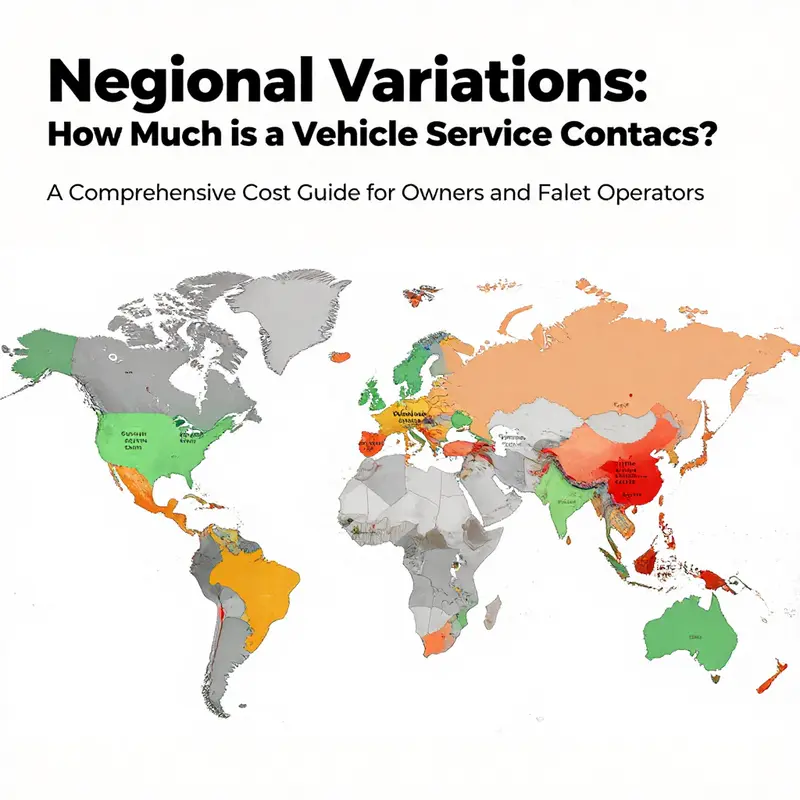
The price tags attached to vehicle service contracts reflect more than a single dollar amount. They encode a map of regional realities—labor markets, parts costs, consumer protections, and the practical expectations drivers bring to ownership. When you hear a headline about how much a service contract costs, it’s tempting to treat it as a universal number. In truth, the numbers are best understood as a lattice of regional conditions that shift with vehicle type, coverage depth, and the length of protection. To see how this works, it helps to consider the global picture and then drill into concrete examples from diverse markets, including recent procurement data from a major market in East Asia that illustrates the spectrum of service options and price points a buyer might encounter. The broader arc of the market is clear: the global auto extended warranty and vehicle service contract segment is expanding. Projections suggest the market could approach tens of billions of dollars in the near term, signaling rising consumer demand for protection amid aging fleets and ongoing concerns about repair costs. The growth figure, like any forecast, depends on many variables—economic conditions, vehicle replacement cycles, and the degree to which manufacturers and providers tailor coverage to local risk and regulatory contexts. Yet the regional variation in cost remains one of the most immediately observable realities for any shopper evaluating a contract. In North America, especially the United States, vehicle service contracts have gained strong traction as part of mainstream car ownership. The typical price band for a three-year or five-year plan on a new vehicle tends to hover roughly between $1,000 and $3,000, with the exact figure influenced by the car’s make and model, its anticipated mileage, and the selected level of protection. The prices commonly reflect a mature market where coverage packages can be layered with roadside assistance, rental car provisions, and extensive aftermarket repair networks. It is not simply a matter of price, but of the perceived risk that the contract will be needed, given the vehicle’s complexity and the likelihood of expensive components failing outside of the original warranty. Europe, by contrast, often presents a different calculus. Markets there tend to be more cautious about purchasing service contracts, and the price levels generally run lower than those in the United States. Several factors feed this pattern: lower baseline repair costs in Europe, tighter regulatory protections that shape repair economics, and a consumer culture that sometimes emphasizes direct accountability and shorter-term ownership horizons. The result is a pricing landscape where coverage exists, but the uptake is more conservative, and the average contract cost aligns with the region’s overall repair economics rather than with premium, US-style protection packages. Across emerging markets such as parts of India and Southeast Asia, the concept of formalized vehicle service contracts is younger but growing rapidly. In these regions, the price range for basic plans often sits between roughly $100 and $500, reflecting lower overall maintenance costs, different dealer and repair network structures, and a preference for simpler, more affordable coverage options. These price points also reflect the reality that labor costs and parts prices can be dramatically different from those in the United States or Western Europe. The contrasts are not merely about currency conversion; they reveal how the underlying risk pool is composed. In markets with historically lower repair costs, the actuarial assumptions behind a contract will tend to favor lower periodic premiums and potentially higher deductibles or more limited coverage, unless the buyer seeks a broader package. In wealthier regions, where vehicles can be more expensive to repair and where complex systems proliferate across a wider range of models, the contracts tend to be more comprehensive and priced to mitigate the higher dollar impact of a single big repair. Within this landscape, concrete numbers from a major market in East Asia help illustrate how scope and event structure translate into price. Recent procurement data from late 2025 show a variety of contract configurations, each aligned with different service needs. A public vehicle maintenance and repair service contract for a single service event can be priced at approximately ¥15,737.75, about $2,200 at current exchange rates. A larger package—a maintenance and repair service for four vehicles with eight service events—appears at around ¥159,020.50, roughly $22,200 for the entire bundle. For a single maintenance service targeting a specific vehicle model, such as a popular Japanese model, the price can be as modest as ¥2,500, or about $350. When the scope widens to a public vehicle repair service contract covering three services, the price climbs to approximately ¥209,982, or about $29,200. Finally, a smaller maintenance and repair service contract can be priced at around ¥6,816, equating to roughly $950. These figures demonstrate how coverage depth, the number of vehicles, the frequency of service events, and the intended audience (public fleet versus private consumer) shape price. They also emphasize that listed prices rarely include the cost of parts beyond basic service, labor beyond standard maintenance, or extended warranties that might be part of more comprehensive consumer protections. As with any procurement data, the numbers should be interpreted in context: they reflect particular scopes, administrative environments, and market dynamics rather than a universal price rule. For a consumer weighing options, the takeaway is not to chase the lowest sticker price but to understand which components of care are included, which are excluded, and how much risk you are willing to underwrite yourself through deductibles, caps, and network constraints. The China-focused data, in particular, underscores the value of clarity in quotes. A low upfront price may indicate a narrower coverage envelope or gaps in what is covered, while a higher quote can reflect broader protection, more flexible labor networks, or more extensive parts coverage. In any market, a well-structured quote should break out labor, parts, diagnostics, and any deductible or cap on benefits. It should also spell out exclusions—pre-existing conditions, wear items, routine maintenance items like fluids and filters, and certain high-cost components that may be subject to additional rider costs. For buyers seeking practical guidance, the key is to translate the contract’s protection language into a forecast of potential out-of-pocket exposure. A useful starting point is to compare how the contract handles common failure scenarios and maintenance milestones. How many preventive maintenance visits are included? Are there caps on the number of repairs per year? Is there a mileage trigger for service eligibility, and how does that interact with the vehicle’s age and expected reliability? How robust is the network of authorized service centers, and what happens if you travel outside the home region? The calculus also hinges on how you intend to use the vehicle. A fleet vehicle that logs heavy mileage or a family car that endures long road trips will benefit from a different risk assessment than a low-mileage commuter. A buyer with a newer vehicle may place greater value on a plan that covers items that typically wear out early in a vehicle’s life, while a buyer with an older model might prioritize coverage for major components with a higher likelihood of expensive repair. All of these considerations feed into the final decision: the question of how much is a vehicle service contract is not answered by a single price but by an alignment of risk, value, and practicality. The process of obtaining an offer should be collaborative, with the consumer asking pointed questions to elicit the full cost structure and the conditions of coverage. It is worth requesting a side-by-side comparison that highlights the included services, the exclusions, the deductible structure, and any pay-per-service charges that might apply for specific repairs or diagnostics. It is also wise to consider how easy it will be to leverage the contract in a real repair scenario. A contract that promises strong coverage but restricts access to authorized technicians or imposes rigid scheduling requirements can cause frustration that undermines perceived value. Conversely, a plan with a broad provider network and flexible terms can offer stronger protection against unexpected costs, even if the upfront price is higher. For readers seeking further practical guidance on general maintenance while weighing a service contract, a useful resource delves into routine care and upkeep, offering actionable tips that can complement the protection a contract provides. You can read more on the KMZ Vehicle Center blog, which includes accessible maintenance guidance and decision-support discussions that align with the realities of owning and protecting a vehicle over its lifespan. KMZ Vehicle Center blog. While the specifics of each contract will differ by region and provider, the overarching message remains consistent: a clear understanding of coverage, exclusions, and potential out-of-pocket exposure is essential to determining what you should pay today to safeguard against tomorrow’s repair bills. As markets evolve, and as manufacturers and insurers adapt their offerings to regional needs, buyers should stay informed through credible sources and comparative quotes. For those who want a deeper dive into the market dynamics—how price, coverage, and consumer expectations interact in different regulatory and economic environments—there is formal analysis that maps the growth trajectory of the auto extended warranty ecosystem across regions. This external research highlights the macro-level forces shaping what people pay for vehicle service contracts and why those numbers vary so widely from one country to another. For further details, see MarketsandMarkets’ analysis of the auto extended warranty market. https://www.marketsandmarkets.com/Market-Reports/auto-extended-warranty-market-298715488.html
Beyond the Sticker Price: Weighing the Long-Term Value of a Vehicle Service Contract

When people ask how much a vehicle service contract costs, the more telling question is what value it actually delivers over the life of the car. A price tag, after all, is only part of the story. The real question is whether the protection offered by a service contract reduces overall risk and stabilizes a budget in a way that matches the way you drive, the kind of vehicle you own, and the hours you spend behind the wheel. The numbers from recent procurement data illustrate how wide the options can be. A public vehicle maintenance and repair service contract for a single service event was priced at ¥15,737.75, roughly $2,200. A more extensive package covering four vehicles with eight service events ran about ¥159,020.50, or around $22,200 for the entire set. A single maintenance service for a specific vehicle model could cost as little as ¥2,500, about $350, while a public vehicle repair service contract for three services could reach ¥209,982.00, or nearly $29,200. There is also another example of a contract priced at ¥6,816, around $950. These figures underscore a central reality: service contracts come in a spectrum—from light maintenance plans to broad, heavy coverage. They also remind us that the stated price rarely includes everything that matters in practice, such as parts, labor beyond the basics, or extended warranties. For an accurate quote tailored to your specific vehicle and needs, it is best to contact a local auto service provider or dealership directly.
To translate these numbers into everyday decision making, it helps to separate the decision into the core question of long-term value rather than fixating on the up-front price alone. A service contract is, in effect, a hedge against unpredictable repair costs. It can protect against engine or transmission failures, which can carry price tags into the thousands. A transmission replacement, for example, can cost somewhere between $2,000 and $4,000 depending on the model and the shop. A comprehensive contract that covers such components would, in theory, offset that potential expense. Yet the cost of the contract itself—whether paid yearly, monthly, or upfront—adds up over time. In many cases the total outlay for the contract may exceed the actual repair costs if no major issue occurs during the term. In other words, the contract’s value depends on the balance between likelihood and amount of future failures and on the price of the contract itself.
This balancing act becomes more nuanced once you consider the vehicle’s age and mileage. Data from trusted sources, including evaluations summarized by industry researchers, suggest that vehicles beyond five years old or with over 75,000 miles are more prone to costly mechanical issues. In those scenarios, a service contract can provide meaningful peace of mind and predictable budgeting, delivering value through protection against expensive, out-of-pocket repairs that might arise unpredictably. For newer vehicles, especially those still under factory warranty, the added cost of a service contract may not be justified, since the core protections are already in place and the manufacturer’s coverage may be more cost-efficient than a third-party alternative.
Beyond age and odds of failure, the contract’s coverage scope and the provider’s terms weigh heavily. Some plans emphasize routine maintenance—oil changes, brake inspections, and tire rotations—while others focus on repairs to critical powertrain components or electronics. The more expansive the coverage, the higher the price, and the more you need to do the math to determine whether the incremental protection aligns with your risk tolerance. It is not unusual to see a wide gap between the price of a basic maintenance agreement and a premium plan that includes wear items, diagnostic services, and accident-related repairs. The math becomes a balancing act: does the higher premium translate into real savings if a major component fails? Or does it simply add a cushion that you may not fully utilize?
A practical way to frame this calculation is to compare expected repair costs over the vehicle’s remaining lifespan with the annual or term-based cost of the contract. One approach is to estimate the probability and cost of potential failures and multiply by the expense of those repairs, then compare that expected total to the contract’s price over the same horizon. If the expected repair costs exceed the contract’s price, the contract can be financially sensible. If not, the contract may be worth less than its price, though non-financial considerations—such as budget certainty, ease of planning, and the comfort of knowing expenses won’t spike unexpectedly—still matter.
In this context, it helps to acknowledge a simple truth: reliability varies between models, maintenance histories, and driving patterns. A driver who regularly battles rough roads, carries heavy loads, or frequently drives in extreme temperatures may see faster wear on suspension, cooling, and powertrain components. A vehicle that has already shown a predisposition to certain failures may justify higher coverage, even if the car is newer. Conversely, a careful driver with a well-documented maintenance history and a model known for reliability may prefer to self-insure, or to choose a leaner protection plan that minimizes premium outlays while relying on routine upkeep to manage risk.
Manufacturers often offer extended warranties, sometimes at lower premiums than third-party plans. In such cases, a shopper should compare the cost and scope of the manufacturer’s offer with the terms of independent providers. Manufacturer options sometimes bundle maintenance services with major component coverage, which can broaden protection without a dramatic price increase. Yet even then, the terms vary widely. Reading the fine print becomes essential: what is covered, what is excluded, what are the deductibles, and what are the caps on payouts? Is labor included at a favorable rate, and how are parts chosen? These details determine whether the contract actually reduces risk or simply shifts costs from a single big outlay to smaller, recurring ones.
For anyone navigating these questions, a starting point is to consider how frequently you expect to be faced with expensive repairs. If your vehicle has a known issue profile or is at a stage of life where repairs tend to cluster around certain systems, a service contract that specifically covers those areas may offer the best value. If you drive infrequently, or if you have access to a trusted independent mechanic who can perform routine work at predictable prices, a minimal contract or no contract at all could be the wiser path.
The data points from procurement examples, while drawn from varied markets, illuminate a broader pattern: price levels will reflect how broad the coverage is, how many services are bundled, and whether the plan includes major repairs or only routine maintenance. The numbers in the cited Chinese procurement data show that even a modest service event can carry a noticeable price, while more expansive packages quickly enter the tens of thousands of yuan for multiple vehicles or multiple service events. For an individual consumer, translating those numbers into an estimate for your own situation requires scaling them to your vehicle’s age, mileage, and the level of protection you want. In practice, that means obtaining a few quotes, carefully reviewing what is and isn’t included, and asking direct questions about limits, deductibles, and exclusions. It also means comparing the total cost of ownership with and without a contract over a time horizon that matches the vehicle’s expected life.
Beyond the numbers, there is the psychological component of budget predictability. A service contract can remove the fear of a large, unexpected repair bill and provide a steadier monthly or yearly expense. That steadiness can be especially valuable for managers and fleet operators who must forecast maintenance budgets with precision. For private buyers, the decision often hinges on whether that peace of mind is worth the price, given their risk tolerance and financial flexibility. If your daily routine involves long commutes in aging vehicles, or if you simply prefer to reduce decision-making friction when repair decisions arise, the contract becomes less about math and more about control over your cash flow.
For readers seeking more practical guidance, the KMZ Vehicle Center blog offers a broad spectrum of maintenance insights that can inform this calculation. A quick visit can help align maintenance habits with risk management, and it can serve as a useful companion to the financial analysis described here. kmzvehiclecenter.com/blog/
In sum, the value of a vehicle service contract is not a universal verdict but a personalized assessment. It rests on a triad: the vehicle’s age and reliability, your driving patterns and risk tolerance, and the specific terms of the contract you are considering. It requires you to weigh the probability and cost of future repairs against the certainty of ongoing payments. The exercise becomes simply more robust when you combine transparent price quotes with a realistic sense of how your car is likely to behave over the years ahead. The goal is to arrive at a decision that aligns with both your financial comfort and your expectations for reliability on the road. As you prepare to evaluate offers, you’ll also want to compare private plans with manufacturer-backed extensions, and you should not hesitate to push for a side-by-side comparison of coverage limits, exclusions, and deductibles.
External resource for broader context on warranty trends can be found in industry analyses: https://www.jdpower.com/vehicle-research/vehicle-warranty-trends-2023
Final thoughts
Understanding the intricacies of vehicle service contracts empowers car owners, used car buyers, and fleet operators to make informed decisions tailored to their needs. By evaluating various factors influencing costs such as vehicle type, coverage options, and regional pricing, you can strategize your vehicle maintenance effectively. Additionally, recognizing the long-term financial considerations of these contracts ensures that you’re not just preparing for immediate repairs but also safeguarding your investment for the future. In essence, the right service contract can yield significant benefits that extend well beyond mere monthly payments.