Understanding the costs associated with vehicle servicing is crucial for both local private car owners and small business fleet operators. Beyond mere finances, vehicle maintenance ensures safety, reliability, and longevity—all significant concerns for anyone keen on preserving their automotive investment. The following chapters break down service costs into two primary aspects: routine services and comprehensive maintenance. This structured approach aims to provide clarity on what you can expect to pay for different servicing needs while factoring in influences like vehicle type and age. By the end, you’ll have a fuller comprehension that empowers your decisions as a vehicle owner, buyer, or operator.
Counting the Miles: A Thorough Look at Vehicle Service Costs and Practical Budgets for Maintenance
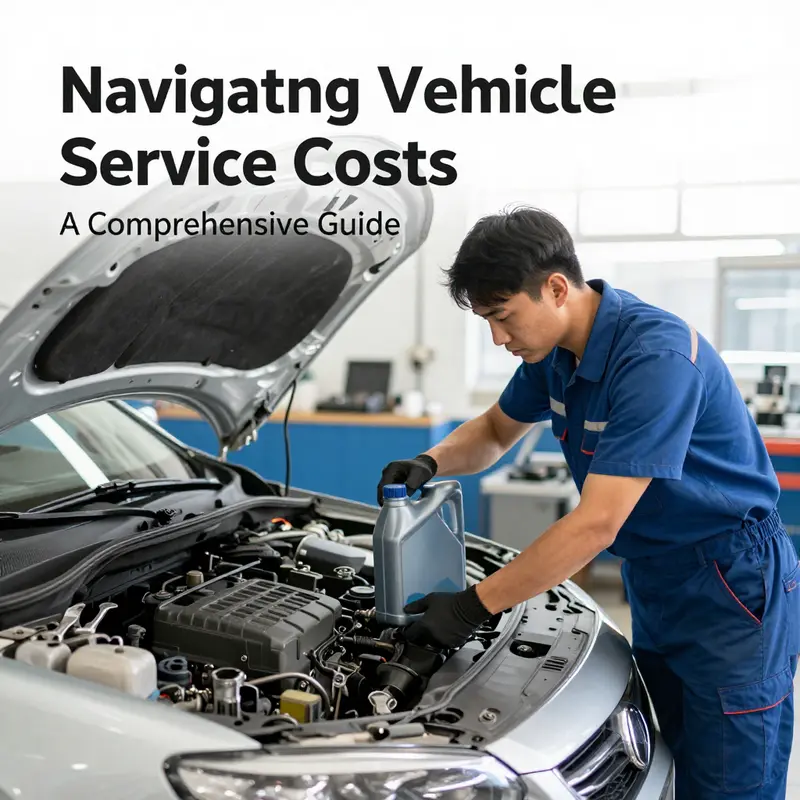
Maintenance costs for a vehicle change with age, climate, and driving style. They follow patterns: routine care is affordable when done on a predictable schedule, and neglect tends to turn small expenses into larger bills. This chapter links the common cost realities of servicing a car to a practical budgeting framework you can use in your own finances and driving.
It starts with a baseline view of typical costs for routine service such as an oil change, filter replacement, and safety check. In many regions a basic service might range from roughly 50 to several hundred dollars depending on the vehicle and shop. The exact amount depends on the engine type, the vehicle age, the required tasks, and the choice of shop. Dealerships often charge more per hour but may provide access to factory trained technicians and specialized diagnostic tools. Independent shops usually offer lower hourly rates, though the exact price can vary.
Oil changes illustrate the recurring nature of maintenance costs. A standard oil change at a local shop may fall in the 20 to 75 dollar range if conventional oil is used, with higher prices for synthetic oil and for service at a dealership. The choice of oil type affects the cost and the interval before the next change. The oil decision should align with the manufacturer recommendations, the engine design, and the owner driving patterns. If the maintenance schedule calls for synthetic oil, the upfront cost can be higher but the interval may be longer and engine protection improved.
Tire rotations are another regular line item. They are typically modest, often 20 to 60 dollars per visit, and they may be bundled with other services. The interval depends on tire wear, driving style, and road conditions. Regular rotations help ensure even wear and can delay the need for early tire replacement.
Cabin air filter replacement sits in a similar ballpark. Costs commonly range from 20 to 80 dollars depending on vehicle access and labor. Even when the price is modest, neglect can reduce airflow and cabin air quality and force the HVAC system to work harder.
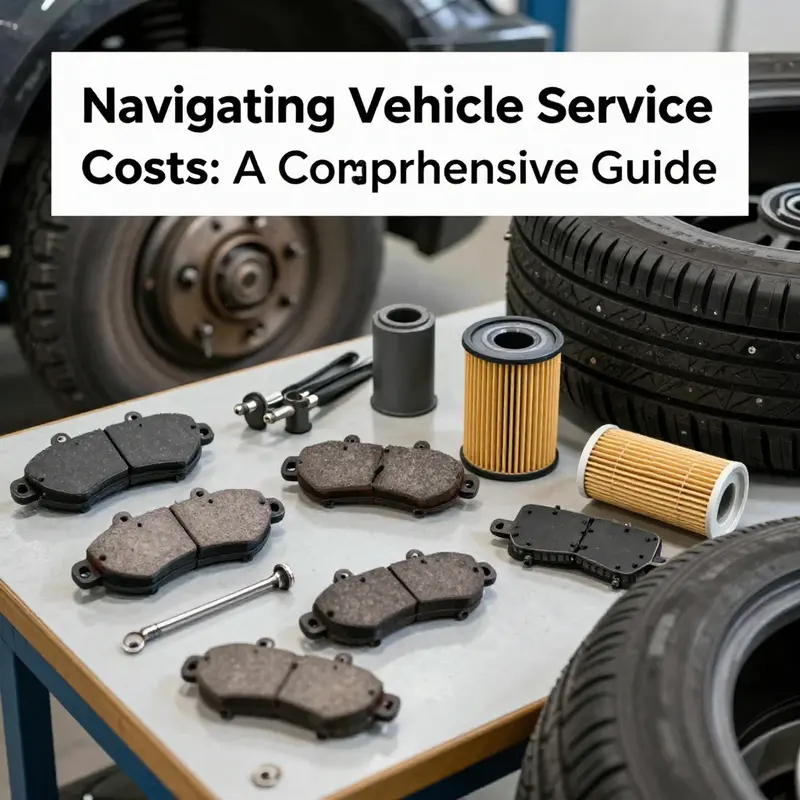
Brake service represents a larger potential cost. Replacing pads per axle can range from around 100 to 300 dollars or more, depending on pad material, rotor condition, and vehicle type. High performance or heavy duty brakes may cost more. Regular inspections and timely pad replacement help prevent rotor damage and more costly repairs later. Small maintenance tasks such as fluid top offs or bleeding can add extra charges as well.
The total cost of maintenance is not fixed. It evolves with vehicle age and technology and with the level of diagnostic effort a shop provides. Modern cars may require software updates or electronic component repairs that add cost but can also prevent bigger failures. The key is to plan for maintenance as a predictable ongoing expense rather than a one off shock. A simple budgeting approach is to set aside a regular maintenance fund and allocate funds for both expected tasks and a reasonable buffer for unexpected items.
When planning a maintenance budget it helps to separate price into two parts: labor and parts. Labor rates vary by region and shop, while parts depend on the make, model, and required components. A typical visit may involve both routine tasks and discretionary replacements, with the total reflecting a bundle of items rather than a single price. The more complex the vehicle the higher the total.
To make pricing more predictable many owners keep a maintenance log and seek estimates for specific tasks before authorizing work. Following the manufacturer schedule generally balances cost and performance and helps protect resale value. For readers seeking price guidance local shops or online cost estimators can provide a sense of typical ranges for your vehicle in your area.
The chapter closes with a reminder that maintenance is a strategic investment in safety, reliability, and long term value. By approaching service as a planned expenditure you can keep driving confidence and avoid the anxiety of unexpected repairs.
Beyond the Routine: A Deep Dive into What Vehicle Servicing Really Costs and How to Plan for It
Few expenses in car ownership are as predictable—and as frustrating—as maintenance. A routine service is the quiet understudy of the car world: it doesn’t grab headlines, but it holds the vehicle together, preserves safety, and keeps resale value intact. People often focus on the sticker price of a service, but the full story hinges on a spectrum of factors that shape the final bill. The make, model, age, and mileage of the vehicle set the baseline, yet the local market, the shop you choose, and the way you approach maintenance can shift costs by a surprising amount. The result is a financial landscape where the numbers are not random but are instead shaped by clear patterns: the type of service, the parts involved, the labor hours required, and the complexity of the vehicle’s systems. Understanding these patterns transforms maintenance from a looming expense into a carefully planned, budgeted activity that protects both safety and value over time.
At its core, servicing a vehicle is a structured routine that addresses the most common wear and tear, plus the occasional surprise that becomes apparent through diagnostics. A basic routine service typically includes an oil and filter change, cabin and engine air filter checks or replacements, fluid level top-offs, and a general safety inspection. In the United States, this basic package commonly falls in the range of about $100 to $300, depending on the vehicle and the shop. It’s important to note that the cost bands tighten or widen with the vehicle’s specific needs. For example, a vehicle with a high-performance engine, a turbocharged setup, or a drivetrain that requires special fluids and filters will push the bill higher. Conversely, an older, simpler model might be closer to the lower end of that range if the service is straightforward and the parts are readily available.
For more comprehensive maintenance—think replacing brake pads, tires, flushing cooling systems, or performing more complex diagnostics—the price range widens substantially. In many markets, those more involved services can run from roughly $300 to $1,000 or more. The spread reflects not only the cost of parts but the labor hours and the added risk if a vehicle’s systems require more careful handling or specialized equipment. It’s not unusual for heavy-duty or specialty vehicles to incur higher costs still, particularly when the parts are more expensive or when the labor requires technicians with specialized training. This is one of the reasons a routine service plan should be tailored to the individual vehicle: the same model can demand very different maintenance investments depending on its configuration, its history, and the way it is driven.
The variability is further amplified by location. In highly urban markets with dense labor pools and higher shop overhead, hourly labor rates can push up the tagged price of even a routine service. In rural areas or among independent shops with lower overhead, you might see a more favorable price, albeit with varying levels of certainty regarding OEM parts and access to recent service bulletins. The point is not to chase the cheapest option, but to balance cost with reliability and the quality of the service that keeps the vehicle safe. Many drivers discover that the most cost-efficient strategy combines a sensible routine schedule with a trusted local shop that understands their vehicle’s quirks and maintenance history.
The American Automobile Association’s (AAA) broader data helps anchor this discussion in the larger picture of ownership costs. In 2023, AAA estimated that the average annual cost to own and operate a new car was about $12,182. That figure pulls together several components—fuel, insurance, loan payments, depreciation, and maintenance. While maintenance is just one piece of the total, it’s typically a substantial and predictable portion, especially when the car is kept in good condition and serviced on schedule. The maintenance portion, in particular, tends to reflect a mix of routine oil changes, filter replacements, and inspections, plus any repairs that become necessary to address wear before it escalates into more serious problems. What AAA highlights is the point that maintenance cost is not a one-off event; it’s a recurring, manageable part of the overall cost of ownership when approached with a plan and a history to guide decisions.
To understand how those decisions play out in real-world maintenance, consider a practical example drawn from a mid-sized SUV with two engine configurations. The journey of maintenance scheduling and cost can illuminate how small choices, like how often to change the oil or which filters to replace, accumulate into meaningful differences over years. In a commonly cited case, a model with a 2.4-liter engine has a familiar service rhythm: an initial free first maintenance alongside a 5,000-kilometer (about 3,100 miles) interval, followed by more involved services at higher milestones. A small service—oil and filter change—might cost around ¥686 in a typical regional market. When the service schedule extends to a larger operation at around 65,000 kilometers (roughly 40,400 miles), the price for a combined service, including replacement of fuel filter, transmission fluid, and air plus cabin filters, could be about ¥2,260. Over a three-year horizon, estimates for this 2.4-liter configuration place the total maintenance cost at roughly ¥4,552, while a larger 3.6-liter option—which often enjoys longer spark plug intervals and different wear patterns—could approach ¥6,007 by 60,000 kilometers.
Those figures, though presented in a non-dollar currency, illustrate a general narrative that applies across markets: the volume of maintenance work grows with mileage and with the complexity of the drivetrain. The difference between the 2.4-liter and the 3.6-liter variants is not just about engine size; it reflects variations in service intervals, parts life, and the scope of what is considered routine maintenance in the manufacturer’s recommended plan. This is not to suggest one configuration is inherently more expensive to maintain overall; rather, it underscores how the service schedule can expand as the vehicle ages or when more capable engines demand more frequent attention. In certain regional contexts, such as major metropolitan centers in China, the same model’s six-figure kilometer costs can differ markedly depending on the local market for parts, labor costs, and the prevalence of regional service networks. For example, costs reported in Chengdu at 60,000 kilometers may align with the ¥4,552 figure for the 2.4-liter and ¥6,007 for the 3.6-liter, while in Guangzhou, cumulative costs by 100,000 kilometers can rise to approximately ¥25,177 for the 2.4-liter and ¥29,557 for the 3.6-liter—illustrating how geography can magnify long-term maintenance expenditure even within a single model family.
Regardless of currency, the pattern is consistent: the more miles you accumulate, the more comprehensive the service cycles become. The practical implication for budgeting is straightforward: anticipate that annual maintenance will reflect the vehicle’s condition and service history, not just the calendar. A well-documented service history, with timely oil changes, filter replacements, and inspections, tends to stabilize maintenance costs because problems are detected early and addressed before they require expensive repairs. In contrast, a sparse service history can hide wear or developing issues, leading to larger, less predictable bills when problems surface later. This is why a disciplined maintenance routine can be as much a financial strategy as a safety precaution.
If there is a single guiding principle to maintenance budgeting, it is this: plan around intervals, not just intervals around the calendar. Oil changes, filter replacements, and inspections are not arbitrary. They are scheduled to minimize wear, maximize efficiency, and extend the life of critical components. The decisions about when to perform each service often come down to the balance of time, mileage, and the vehicle’s condition. For oil-change intervals, many drivers ask whether they should extend or shorten the interval based on driving style, climate, and the exact oil used. This is where the linked resource on oil-change intervals becomes valuable. By examining the trade-offs between time-based and mileage-based intervals, you can tailor the schedule to your actual use rather than a generic guideline. See optimal-oil-change-intervals-time-vs-mileage for a deeper dive into how to optimize those changes and how to weigh the cost implications of extending or shortening them.
Another layer of complexity—and opportunity—arises from the choice between dealer service and independent shops. Dealers often stock OEM parts and have access to manufacturer-specific diagnostic tools, but that convenience comes at a premium. Independent shops can offer lower service rates and flexible scheduling, but you should verify that they use quality parts and have experience with your vehicle. Regardless of where you go, a transparent maintenance record matters. A well-kept log that documents the exact services performed, the parts used, and the dates and mileages helps you predict future costs and avoid redundant work.
To put these considerations into a budgeting framework, treat maintenance like a recurring line item that grows with mileage but can be tamed with smart choices. A practical approach is to estimate a baseline annual maintenance budget that aligns with your vehicle’s age and complexity, then adjust based on service history. For a new or near-new car, maintenance costs may be predictable and relatively modest in the first few years, especially if there are programs like free first maintenance or included service plans. As the vehicle ages and miles accumulate, you’ll likely see the budget creep upward, particularly if you own a larger or more complex vehicle or if you drive in harsher conditions. The key is to stay ahead of wear by following the manufacturer’s maintenance schedule, not merely by chasing the cheapest possible service. A proactive stance reduces the risk of expensive, surprise repairs and preserves the vehicle’s reliability and resale value over time.
Even the best-planned budgets can benefit from proactive strategies. For instance, owners may opt for high-quality aftermarket parts where appropriate, provided they are compatible with the vehicle and do not void warranties. In the SUV example, choosing reliable aftermarket oil and fuel filters or high-quality motor oil can extend the interval between services, potentially reducing annual maintenance costs without compromising performance or reliability. In practice, extending service intervals to 15,000 kilometers or more is feasible for some vehicles when paired with high-grade lubricants and filters, along with ensuring that the parts meet or exceed original specifications. This approach, however, requires careful evaluation of the vehicle’s design and the trustworthiness of the aftermarket components, and it benefits from professional guidance to avoid unintended consequences.
The bottom line is that maintenance costs are not a fixed, one-size-fits-all sum. They are a function of the car’s design, the owner’s usage, and the local ecosystem of service providers. The most stable path to predictable costs is a disciplined maintenance routine, informed by a reliable service history and validated by cost estimates from credible sources. Tools that provide cost estimates based on year, make, model, and location can be very helpful in this regard. They take the guesswork out of budgeting and give you a clearer picture of what to expect in the coming years. When used thoughtfully, these tools become part of a broader financial plan that makes vehicle ownership more manageable and less stressful.
In sum, servicing costs are an integral part of ownership, and they can be predictable when approached with structure and foresight. Basic services sit at an accessible entry point, while more comprehensive maintenance climbs with the vehicle’s complexity and mileage. The regional and vehicle-specific details will shift the numbers, but the overarching logic remains: scheduled maintenance, quality parts, and informed choices about where to service can save money over time. The data from AAA underscores maintenance as a meaningful and manageable portion of the total cost of ownership, reinforcing that with a clear plan and steady execution, the costs of keeping a vehicle running well become a budgetable, navigable path rather than a mystery waiting to surprise. As you read across chapters that explore cost categories and decision-making in greater depth, you’ll see how the threads connect—from the daily choice of oil to the longer arc of ownership costs—and how a well-structured maintenance strategy protects both safety and value for years to come.
External resource for broader context: https://www.aaa.com/autorepair/your-driving-costs-2023
Beyond the Sticker Price: How Vehicle Type, Age, and Parts Drive Service Costs Across Cars, Trucks, and Luxury Machines
Pricing a vehicle service is rarely a single, simple figure. It is the product of a chain of decisions, constraints, and trade-offs that begin with the type of work, travel distance to the shop, and the size of the vehicle. The sticker price you see on an invoice is the culmination of what the mechanic has to do, the tools and parts required, the expertise demanded by the job, and the broader economics of the local market. When you step back, the cost to service a vehicle becomes less about a vague total and more about a map of interlocking variables that shift from one car to the next and from one turnaround to the next. This is why the same model from the same year can end up with noticeably different service bills in different cities or at different shops. Understanding these variables helps a buyer budget more accurately, decide where to service the car, and anticipate how routine maintenance might evolve into a more substantial expenditure over the life of the vehicle.
The most immediate driver of cost is the service type itself. Routine maintenance is the baseline—an oil change, filter replacements, brake checks, tire rotation, fluid top-offs, and safety inspections. These tasks, while simple in concept, demand time, materials, and a degree of diagnostic attention that varies with the vehicle. A basic oil change might be straightforward, yet the price can swing based on the oil grade selected, the type of filter installed, and whether the shop performs a quick inspection and reset of maintenance reminders. When the scope of work widens—from a routine service to a brake inspection that uncovers worn rotors, to a cooling-system flush that requires specialty coolant and a pressure test—the bill rises accordingly. Major repairs, such as transmission work or the repair or replacement of advanced driver-assistance systems (ADAS), can transform a routine service into a financial event that requires significant labor hours and sophisticated diagnostic equipment. In some cases, the cost of a repair will be driven as much by the time spent and the complexity of labor as by the price of parts themselves. It is not uncommon for a high-mileage engine diagnosis to require extended testing, multiple parts swaps, and a technician with specialized training, all of which contribute to a substantially higher final figure.
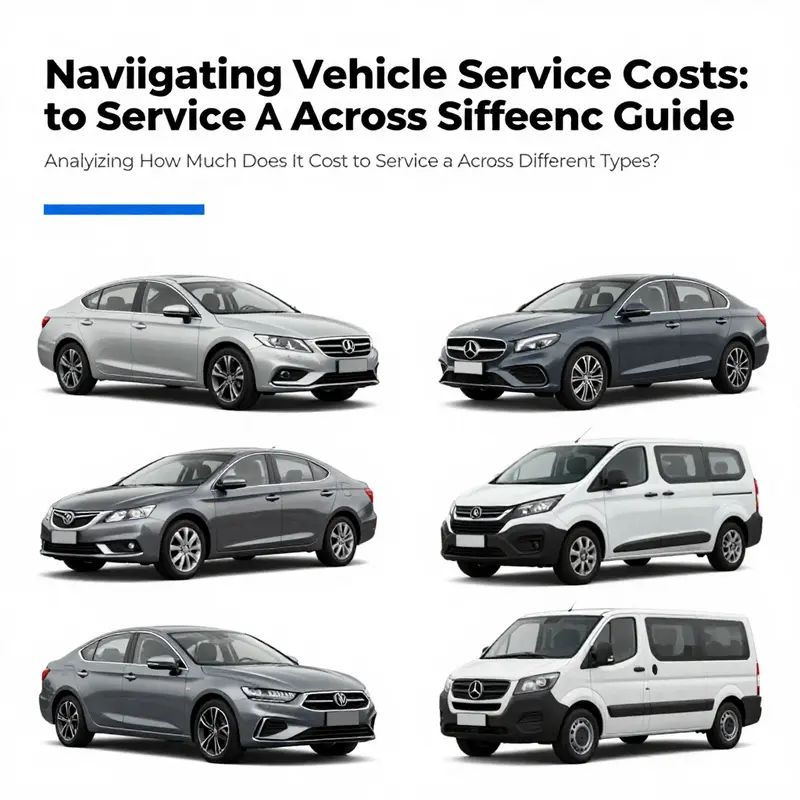
Vehicle make and model push the price envelope in predictable, yet nuanced ways. Luxury and performance brands frequently carry higher service costs, even for routine maintenance. The reasons are straightforward: more expensive, specialized parts; proprietary tools and software; and trained technicians who possess expertise in handling sophisticated electronics and performance-tuned components. This is not simply a case of a pricier sticker; it is about maintaining systems that are often tightly integrated and calibrated for exacting standards. In contrast, economy vehicles are designed for durability and lower ownership costs. They tend to use parts that are widely available, easier to source, and compatible with a broad network of shops. The sheer volume of these vehicles keeps labor and parts costs relatively downward compared to rarer, higher-end models. A sedan from a mainstream brand may present fewer surprises and a lower likelihood of expensive, unexpected failures than a prestige or boutique model that relies on unique modules, sensors, and sometimes limited-service specialists. Yet even within the economy segment, cost can vary if a particular model relies on specialized filters, rare service kits, or a turbocharged engine configuration that demands more precise maintenance than a naturally aspirated version.
Age and overall condition of the vehicle contribute a further layer of complexity. An older car, with more miles and more wear items approaching the end of their useful life, invites not only more frequent visits to the shop but also a greater likelihood of discovering issues during those visits. Worn timing belts, aging cooling systems, clutch assemblies that need replacement, or suspension components that have become soft all drive up the total cost over a given period. There is a paradox here: well-maintained older cars can sometimes be less expensive to service than a neglected newer model that has behind-the-scenes electronics and sensors that fail unpredictably. In modern cars, the surge in electronic control units, advanced sensors, and integrated modules can add a new layer of potential expenses even for what would be routine maintenance on a simpler vehicle. Newer models often bring lower immediate repair needs, but when repairs are necessary, the cost can be higher due to the cost of high-tech parts and the need for specialized diagnostic procedures. The relationship between age and cost is not linear; it follows a curve shaped by maintenance history, the presence or absence of routine preventive care, and the pace at which a given model accumulates wear on critical systems.
The origin and quality of parts are another major hinge in the pricing wheel. OEM parts—those made by the vehicle’s manufacturer—tend to fit perfectly, perform as intended, and come with warranties that mirror the vehicle’s expectations. But that level of fit and assurance carries a price premium. Aftermarket parts provide a broader pricing spectrum, from economical to premium, and their performance can vary widely depending on the source and the particular component. The choice between OEM and aftermarket becomes especially consequential when the repair involves critical systems, such as brakes, cooling, or ignition and fuel delivery components. A cheap substitute may save money in the short term, but it can influence long-term reliability and the likelihood of future visits to the shop. The availability of parts also matters. For popular models, parts tend to be plentiful and competitively priced, which helps keep service costs in check. For rare, discontinued, or specialty vehicles, part shortages or the need for importation from international suppliers can cause noticeable price surges and longer wait times for repairs. This interplay between supply chains and pricing is a reminder that maintenance is not a fixed cost in a vacuum; it adapts to the global market conditions that touch all corners of the automotive industry.
Labor rates are a core and often underappreciated determinant of service cost. Shops set hourly labor rates based on a combination of local competition, the skill level of technicians, and the overhead required to run the business. Dealerships, or factory-authorized service centers, typically command higher hourly rates because they employ technicians certified to work with specific brands, use factory tools and software, and adhere to rigorous inspection and documentation standards. Independent repair shops offer lower rates, reflecting different business models and sometimes broader cross-brand expertise. The trade-off, for some customers, is a variability in the consistency of the repair quality or the availability of certain brand-specific procedures. A well-run independent shop that invests in ongoing training and transparent communication can deliver the best of both worlds: reliable workmanship at a more manageable price point. It is worth noting that the same diagnostic effort can consume more time at one shop than another, depending on how efficiently technicians work and how thoroughly they document their findings. This dichotomy means a case-by-case approach to budgeting is often the most sensible path.
Geography deserves a prominent place in any discussion of service costs. The prices for labor, parts, and even the typical scope of maintenance can differ sharply from one region to another. Urban centers with high living costs and saturated markets may see higher hourly rates, while rural areas might benefit from lower labor costs but face challenges in part availability or access to specialized equipment. The proximity of a dealership to a metropolitan area can also influence pricing, as shops in more affluent neighborhoods may cite higher rates based on perceived willingness to pay. The cost of maintaining a vehicle is thus as much a function of where you live as who owns the vehicle. Even within the same city, two shops can price the same service differently based on their customer base, their reputation, and the level of diagnostic equipment they maintain on site. A savvy consumer can often navigate this geography by seeking multiple estimates, asking for itemized quotes, and comparing what each shop includes in the service—such as a thorough inspection, fluid analysis, or a complimentary diagnostic check.
The decision to pursue a particular maintenance path is also shaped by the quality of the diagnostic process itself. When a vehicle presents ambiguous symptoms, the shop must diagnose the root cause with a careful, methodical approach. Thorough diagnostics require time, skilled labor, and sometimes special equipment that not every shop possesses. The cost of diagnostics, when charged separately, can be a meaningful addition to the bill if the initial estimates prove to be incomplete or if the problem is elusive. Conversely, some shops embed diagnostic charges in the total price of the repair, particularly when the diagnosis is inseparable from the fix. In either setup, the key question for the consumer is whether the diagnostic is credible and whether the proposed fix addresses the underlying issue or just the surface symptoms. The confidence a consumer has in the shop’s diagnostic capabilities often translates into a willingness to pay a premium for peace of mind and the assurance that the problem will be resolved properly the first time.
Beyond the mechanics of the repair, there is also a strategic dimension to how much one should invest in service. The decision is not solely about the current repair but about the vehicle’s long-term reliability, resale value, and total cost of ownership. Investing in high-quality parts and meticulous service can reduce the likelihood of recurring issues and more expensive repairs later on. This is especially meaningful for aging vehicles or those that serve critical roles—family cars, work vehicles, or fleet assets. The calculus then includes an assessment of the vehicle’s value, the potential impact of downtime, and the availability of alternative transportation during a downtime window. The balancing act often motivates owners to adopt preventive maintenance schedules that emphasize reliability and predictability over the lowest immediate price. In such contexts, a higher upfront outlay can translate into more predictable ownership costs, fewer breakdowns, and improved peace of mind.
The way owners engage with the service ecosystem can also influence costs, sometimes in subtle but important ways. Some drivers favor a dealership for the reassurance of brand-specific expertise, while others prefer independent shops for flexibility and price. The choice of shop can be informed by past experiences, trust in the mechanic, and the clarity of the estimate. Transparent shops will provide a written estimate that itemizes parts, labor, and any ancillary charges, then show the customer the scope of the work before proceeding. Asking questions about the necessity of each item, the possibility of substituting an alternative part, or the option to perform staged repairs can all affect the ultimate bill. For those who want to approach service costs with a more strategic mindset, a preventive maintenance plan aligned with the vehicle’s manual and the shop’s recommendations can create a predictable cadence of service. With a predictable cadence, a driver can budget more effectively, reduce the likelihood of surprise repairs, and stagger costs in a way that aligns with their cash flow.
The broader economic environment and regulatory framework also exert a quiet influence on service costs. Warranty coverage, recall campaigns, and safety-related campaigns can alter the cost structure for a time, particularly when retailers or manufacturers mandate certain services or inspections. Even changes in regional environmental regulations can influence the choice of fluids and the need for certain anti-pollution checks, which in turn affects pricing. In moments where supply chains are stressed, parts availability can become a genuine constraint, prompting substitutes or longer wait times that carry associated costs. This dynamic landscape highlights the importance of staying informed about your vehicle’s needs and the local market conditions. It also underscores why it is wise to keep a flexible approach to maintenance scheduling, especially if your vehicle belongs to a segment that is sensitive to supply disruptions or to shifts in labor demand.
To bring this complicated constellation into a practical frame, many owners benefit from a disciplined budgeting approach. Start with a baseline that reflects a routine, modest service, then build in a buffer for non-routine issues that always seem to arise at inconvenient moments. Track the actual costs by service category—oil changes, brake work, tires, cooling-system maintenance, and suspension work—so you can identify which areas tend to be most expensive for your particular vehicle and driving style. This awareness helps in forecasting the annual maintenance budget and in planning conversations with the shop about possible cost-saving measures. It also invites a more active partnership with service providers. When owners come prepared with a maintenance history, a clear set of questions, and a willingness to consider staged repairs, the negotiation around pricing often shifts from a defensive stance to a collaborative problem-solving effort. A well-informed customer can navigate the intricate pricing landscape with greater confidence, ensuring that the service performed is necessary, appropriate, and aligned with long-term value rather than a one-off fix that addresses only a symptom.
In sum, the cost to service a vehicle is not a universal constant. It is a reflection of how the car is built, how it is used, and how the owner chooses to care for it. The same model line can present wide variation in maintenance costs depending on whether the vehicle is a high-mileage daily driver or a late-model luxury sedan. The interplay of part quality, labor rates, diagnostic demands, and geographic realities creates a pricing ecosystem that rewards informed choices. The more a driver understands the underlying drivers of cost—the service type, the vehicle’s make and model, its age and condition, the source of parts, the labor market, and the region—they inhabit—the more capable they become at budgeting, planning, and negotiating within this ecosystem. For those seeking a stable anchor in this complicated landscape, it remains valuable to look beyond the headline price and consider what the service promises: reliability, safety, and the continuity of the vehicle’s performance across years of ownership. When maintenance is viewed through this lens, the question “how much does it cost to service a vehicle?” becomes less a single sum and more a thoughtful calculation that reflects both the vehicle’s needs and the owner’s priorities. For readers who want to explore practical maintenance planning in greater depth, a useful resource offers guidance on when to schedule routine work relative to time and mileage and helps align service timing with the vehicle’s overall lifecycle. optimal oil change intervals (time vs. mileage). This link provides a concrete hook for readers who are mapping out their own preventive maintenance strategies, illustrating how even a routine service can be optimized to balance cost and reliability over the long haul. And for those seeking broader context on the industry landscape, the National Institute for Automotive Service Excellence (ASE) provides benchmarks and data that can illuminate pricing trends and the expectations you should have when shopping for service. See https://www.ase.com/ for an authoritative perspective.
The journey through maintenance cost is ultimately a journey through value. It is about asking not only how much a service costs today but how that service will contribute to the vehicle’s reliability in the years to come. It is about choosing a provider who can translate complex mechanical work into transparent, understandable estimates. It is about recognizing the difference between a bargain that might invite disappointment and a fair price that reflects skill, quality parts, and safeguards against future breakdowns. And it is about embracing a practical approach to budgeting that acknowledges the realities of vehicle ownership: miles accumulate, wear accumulates, and the true price of care accrues not just in dollars but in the confidence that the car will start, run smoothly, and stay roadworthy when you need it most.
Final thoughts
The cost of servicing a vehicle can range considerably, influenced by several factors such as the vehicle’s make and model, its age, and the specific maintenance required. By understanding basic routines, comprehensive services, and the underlying factors affecting these costs, vehicle owners, including private individuals and fleet operators, can make informed financial decisions aimed at protecting their automotive investments. By prioritizing routine maintenance and understanding comprehensive needs, vehicle owners can ensure their cars remain safe, dependable, and ready for the road ahead.