
As electric vehicles (EVs) gain traction among private car owners, used car buyers, and small business fleet operators, understanding their servicing needs has never been more critical. Unlike their internal combustion engine counterparts, EVs boast simpler designs that lead to less frequent servicing. This article dives into how often electric vehicles need servicing, exploring essential service intervals, manufacturer recommendations, and the importance of regular inspections. We will also highlight the role of advanced diagnostics and software updates in maintaining optimal performance. Discover how to keep your EV running smoothly, ensuring its longevity and reliability through informed maintenance practices.
Less Upkeep, More Mileage: A Practical Guide to How Often Electric Vehicles Need Servicing
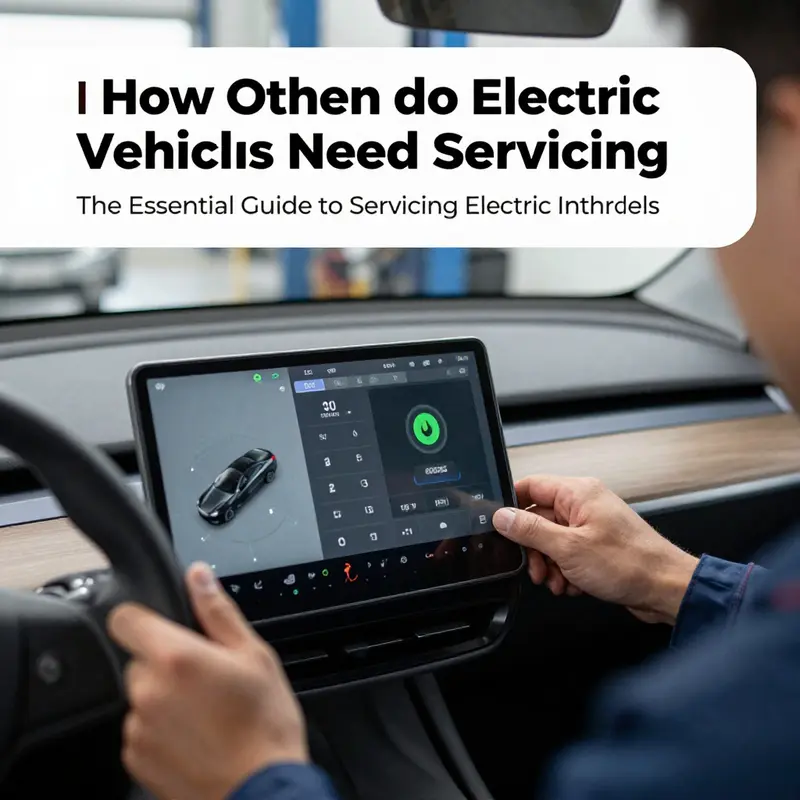
Electric vehicles move along the road with a quiet efficiency that mirrors their design philosophy: fewer moving parts, simpler fluids, and a software heart that can guide performance and safety through updates. Yet that simplicity does not remove the need for care. Servicing an electric vehicle (EV) is not a one time or a single task; it is a lifecycle plan that takes shape as you accumulate miles, endure seasonal climates, and navigate the evolving software and hardware landscapes that accompany modern electric propulsion. Understanding the cadence of service requires balancing the reality of fewer mechanical parts with the longevity demands of a high voltage battery, an intricate thermal management system, and the evolving capabilities delivered by over the air updates. The result is a maintenance rhythm that, while less demanding than that of a traditional internal combustion engine, still rewards regular attention and prudent planning.
A practical baseline often cited by manufacturers positions most EV service intervals in the two to three year range, or every thirty thousand to forty thousand miles, whichever comes first. This rule of thumb aligns with the aim of maintaining safety, performance, and battery health without generating the annual cycle of oil changes or exhaust system checks that ICE vehicles require. It is important to anchor expectations in the specifics of each model. Some brands have specialized guidance that can differ notably from the general rule, especially as new battery chemistries, cooling architectures, and drivetrain configurations enter the market. For instance, the approach taken by a few makers emphasizes a yearly service check focused on safety and software health, while others frame the interval in terms of mileage. The key point remains clear: even with fewer moving parts, EVs benefit from a scheduled checkup that centers on battery health, electric motors, the regenerative braking system, and the steady stream of software updates that keep systems aligned with safety and performance goals.
In practice, the core of EV servicing revolves around the battery and its ecosystem. Battery health measures, thermal management, and voltage stability become a recurring theme across service visits. Battery health is not simply a measure of remaining capacity; it includes monitoring the battery’s internal resistance, the effectiveness of cooling or heating circuits, and the reliability of thermal management fluid circulation. The relationship between a battery and the vehicle’s systems is intimate: thermal stability influences range, peak power, and charging speed, while a healthy battery supports efficient regenerative braking, which in turn affects tire wear and energy recovery. Because EV batteries operate within a defined thermal envelope, service intervals often emphasize inspecting cooling systems, checking coolant levels and leaks, and ensuring fans and pumps operate smoothly. This is paired with checks on the electric motor, power electronics, and associated wiring to confirm insulation integrity and resistance values that could indicate degradation or arcing concerns in extreme conditions.
As the vehicle ages and miles accrue, routine service items naturally migrate toward the familiar, practical concerns that any car owner recognizes: tires wear, brakes need inspection, and cabin air quality can drift from dust and pollen to more demanding filtration. The regenerative braking system, while reducing wear on traditional friction brakes, does not abolish brake checks entirely. Over time, brake fluid can absorb moisture and require replacement to prevent corrosion and maintain optimal braking performance. Tire rotation and alignment checks help preserve even wear, optimize efficiency, and maintain predictable handling. The cabin air filter, often overlooked, becomes a more noticeable performer as climate control demands intensify and air quality becomes a daily consideration. Even with OTA software updates capable of recalibrating motor control and battery management remotely, these mechanical checks remain essential for safety and reliability.
The landscape of official guidance underscores the variability among manufacturers. Most recommend battery health and overall performance checks every 20,000 miles or annually, whichever comes first. This cadence is a pragmatic compromise between proactive battery stewardship and the less frequent, but still important, on-road verification of charging, cooling, and software integrity. Some brands, including the more established names in the EV space, provide a slightly longer horizon for maintenance tasks that do not directly involve the battery or drive system, with inspections, filter replacements, and tire service falling into intervals similar to conventional cars. Other manufacturers have embraced a more conservative approach, especially as battery packs become more sophisticated and networked, placing emphasis on annual health checks and diagnostic sweeps that leverage built in sensors and connected services. The aim is consistent: to catch degradation early, prevent cascading issues, and preserve the long life of high voltage systems without imposing unnecessary visits that could undermine the convenience and cost advantages that EV ownership promises.
A practical way to navigate these recommendations is to view maintenance as a collaborative routine between you and your vehicle’s built in diagnostics and your dealer’s service team. The on board systems in many modern EVs continuously monitor battery temperature, voltage, cell balance, and health indicators. When a parameter drifts beyond a safe range, the car can alert you with a warning, initiate a self diagnostic, or request service. This diagnostic culture, reinforced by over the air software updates, means you might receive reminders for possible maintenance needs ahead of time, or you may experience automated recalibrations that optimize range and performance without a physical visit. Yet even with this digital first approach, certain aspects require hands on attention. Battery health cannot be fully verified without measurement and inspection by technicians who can interpret cell level data, thermal images, and cooling system functionality in the context of the full vehicle architecture. Likewise, brakes, tires, suspension, and the cooling system for the battery remain in need of tactile inspection and physical testing to ensure long term reliability and safety.
For readers seeking a practical point of reference, the official maintenance guidelines from various manufacturers are the most reliable compass. They acknowledge that EV maintenance is a living practice, evolving with new battery chemistries, cooling strategies, and software ecosystems. Owners are encouraged to consult the vehicle’s owner manual and the manufacturer’s website for the precise intervals and tasks that apply to their model. It is common to encounter notes that emphasize the reduced frequency of service relative to ICE counterparts while still highlighting the importance of timely checks. A forward looking trend in the EV maintenance world is the increasing role of OTA updates in fine tuning performance, safety, and software health without necessarily requiring a service center visit. The combination of remote diagnostics and periodic in person checks is likely to become the standard, enabling drivers to enjoy fewer trips to service centers while maintaining high standards of reliability and safety.
For those who want a more tangible sense of what a service visit might entail, imagine a typical appointment when the mileage threshold is reached or when an annual check is due. The technician would verify battery health indicators and cooling system operation, inspect electrical connections, and review software status for any available updates. Tire rotation and brake inspection would be performed, with attention paid to brake fluid quality and any signs of wear in the braking hardware despite the regenerative brake advantage. The cabin air filter would be checked and replaced if needed, and the vehicle would be scanned for any fault codes that might point to issues in propulsion electronics, charging circuits, or the thermal management loop. The aim in every case is not only to address present concerns but to prevent future ones by maintaining a clear picture of the battery’s health trajectory and the vehicle’s overall health.
All of this does not mean EV maintenance is a rigid timetable. It is a flexible framework designed to maximize longevity, safety, and value. The exact cadence depends on the vehicle, climate, charging habits, and driving style. Hot climates, frequent fast charging, or heavy towing can influence the pace at which battery cooling and wear become relevant, potentially nudging some owners toward more frequent checks. Colder climates, while gentler on long charging cycles, demand attention to battery heating and performance consistency, especially during winter months. In any case, prioritizing battery health and software integrity remains central, with routine mechanical care serving as the backbone of a well maintained EV.
If you want to explore practical perspectives beyond the general guidance, a good starting point is to consult the official resources and community discussions that translate manufacturer recommendations into real world routines. For a consolidated view of service intervals and what to expect, you can visit the KMZ Vehicle Center blog for maintenance tips and scenarios that model owners commonly encounter: KMZ Vehicle Center blog. To deepen understanding of how manufacturers frame service cadence for their EVs, you may also review industry resources and manufacturer pages, which provide model specific schedules and diagnostic guidance. As a helpful external reference, consider the official service intervals published by manufacturers, available at their respective support portals, which offer tailored guidance for ensuring battery health and vehicle safety over time.
External resource: Tesla service intervals.
Less Is More: Servicing Frequencies for Electric Vehicles Compared to Internal Combustion Engines
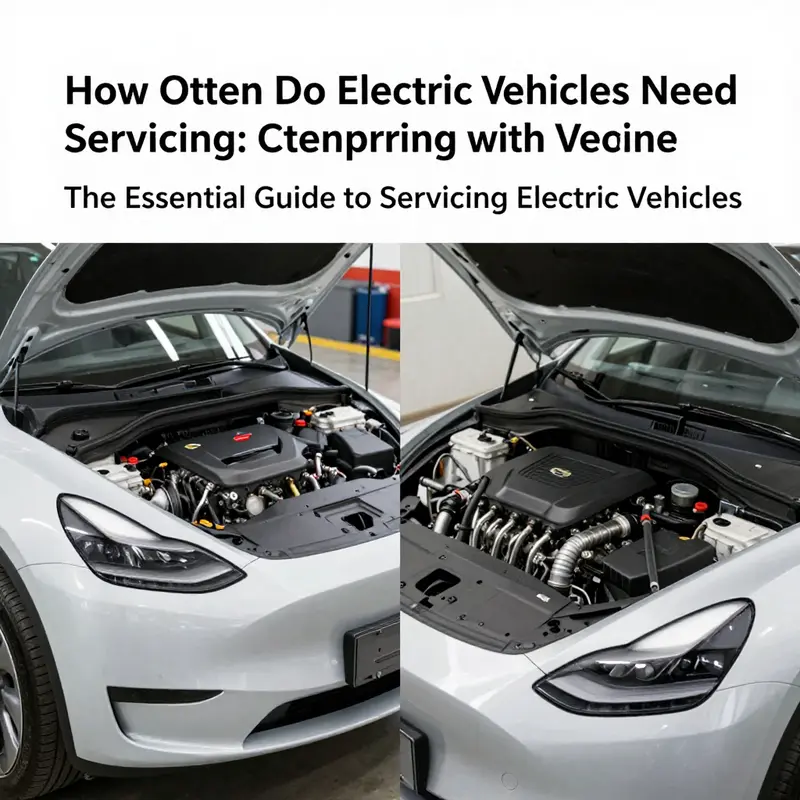
Electric vehicles have earned a reputation for needing far less maintenance than their internal combustion engine counterparts. The logic is simple and persuasive: EVs replace a noisy, oil-soaked engine with a compact electric motor, a battery pack, and a sophisticated control system. Fewer moving parts mean fewer items that wear out in routine fashion. The practical upshot is a service cadence that leans toward intervals of two to three years, or roughly thirty thousand to sixty thousand miles, depending on the model and the driving environment. This range reflects a spectrum of considerations, from the climate and road conditions to the specific drivetrain design and software architecture. Some vehicles may require more frequent checks, particularly if they operate in extreme temperatures or endure demanding daily use, while others can stretch out service intervals when everything remains stable and the software continuously optimizes performance. Even with these elongated intervals, the essence of upkeep remains consistent: protect the battery and drivetrain, ensure tires and brakes are in good condition, and keep software and vehicle health in check. Importantly, many manufacturers now incorporate built‑in diagnostics and over‑the‑air updates, which can help maintain peak performance without requiring repeated trips to a service center. A practical way to view this is to think of the battery and its supporting systems as the primary responsibility of routine maintenance, with every other system playing a secondary, supportive role. This approach does not imply neglect; it reframes servicing around what matters most for longevity and safety in an electric propulsion system.
When comparing with conventional gas-powered vehicles, the differences become clearer. ICE vehicles typically require maintenance every five thousand to ten thousand miles, with regular tasks such as oil changes, spark plug replacements, and transmission fluid refreshes. Those items exist because the engine depends on lubrication, combustion, and complex fluid dynamics that wear through routine use. EVs, by contrast, do not need oil changes or many of the routine services tied to an internal combustion engine. Instead, maintenance focuses on the essentials: tire rotation and alignment as needed, brake inspection due to the unique braking dynamics of regenerative systems, software updates that keep software and safety features current, and checks on the battery and overall drivetrain health. It’s a shift from replacing physical consumables to monitoring energy storage and electronics, which underpins the overall reduction in maintenance activity and cost.
A meaningful aspect of the EV maintenance story is the cost side of the equation. The evidence compiled by a major energy research program points to substantially lower maintenance costs for EVs over the vehicle’s lifetime—up to roughly a fifty percent reduction compared with ICE vehicles. The savings come from the absence of many components that wear out in gasoline-powered cars: the engine, the exhaust system, and the cooling circuits associated with those components. Regenerative braking also helps reduce brake pad wear, extending the interval between replacements. These efficiencies are not merely theoretical; they translate into real-world dollars that can be substantial over the life of the vehicle. That said, the cost picture is nuanced. Battery health remains a central concern for many buyers, and even with robust warranties, the long-term cost of battery replacement can be meaningful in some scenarios. Yet even here, the overall cost narrative tilts in favor of EVs when one considers lower routine maintenance, fewer service visits, and the decreasing likelihood of large-scale mechanical problems tied to the drivetrain.
Battery longevity itself deserves careful consideration. Modern EV batteries are designed to outlive many drivers’ expectations for a single vehicle, often retaining a high percentage of their original capacity well into the middle or later years of ownership. In typical usage, many batteries retain about 90 percent of their capacity after well over 150,000 miles, depending on care, climate, charging patterns, and usage. Manufacturers commonly back these pieces with substantial warranties that cover the battery and electric motor for eight to ten years or a significant mileage threshold, such as one hundred thousand to one hundred fifty thousand miles. Those warranties provide reassurance for consumers and help shape the longer-term ownership math. They also implicitly acknowledge that while battery degradation is a natural and gradual process, it occurs slowly enough that many owners will experience a vehicle that remains reliable and efficient for a large portion of its lifespan.
From a consumer standpoint, the practical implications are clear. Switching from an ICE to an EV often yields notable long-term savings in both maintenance and servicing, even when one accounts for the initial purchase price and charging infrastructure. Automakers have responded by broadening coverage through extended warranties on critical components like the battery and the electric motor, typically aligning with the eight- to ten-year horizon or reaching up to substantial mileage milestones. This expansion of warranty coverage reduces risk and encourages confident ownership, especially for first-time EV buyers who weigh the total cost of ownership alongside upfront costs. As EV technology matures and charging networks continue to grow, the day-to-day ownership experience becomes more convenient and predictable. The reduced frequency of servicing translates into less downtime for the vehicle and the ability to plan around a fewer number of trips to a service center, which is a meaningful time and cost savings for many households.
Even as the servicing cadence eases, certain ongoing checks remain essential. Regular tire inspection and rotation help maintain traction and efficiency, while braking systems require periodic evaluation to ensure that regenerative braking and conventionally applied braking continue to function in harmony. The health of the battery and the drivetrain is also worth monitoring—an aspect increasingly supported by built‑in diagnostics and app-based health reports that can alert owners to anomalies before they become costly problems. And although EVs reduce the frequency of oil, spark plug, or exhaust-system maintenance, the broader maintenance frame still exists. Software updates, for instance, are no longer a luxury but a routine element of keeping the car secure and performing well. Vehicles may receive updates that improve range, safety features, or charging efficiency, reinforcing the idea that maintenance today is as much about staying current as it is about replacing worn parts.
For readers wondering how these intervals are determined in practice, the concept of optimal maintenance intervals—such as optimal oil-change intervals (time vs. mileage)—can be instructive. While EVs do not require regular oil changes, the principle behind time-vs-mileage planning remains relevant for overall vehicle health. You can explore the nuanced rationale behind maintenance timing in more detail through accessible resources that discuss how intervals are balanced between wear, climate effects, and usage patterns. This perspective reinforces that, even in a world of simplified powertrains, thoughtful scheduling matters for longevity and performance. See the discussion on maintenance intervals for an illustrative comparison here: optimal oil-change intervals (time vs. mileage).
In sum, the servicing story for electric vehicles is one of fewer routine tasks, targeted checks, and a growing emphasis on battery health and software. The reduced maintenance footprint is a major part of the total ownership experience, but it does not imply neglect. A well-chosen service plan involves periodic, preventive care that protects the battery, preserves braking and tire performance, and keeps the software aligned with evolving safety standards and features. As technology advances, the line between vehicle upkeep and continual improvement blurs, with remote updates and smarter diagnostics reducing the need for in-person visits even further. For anyone contemplating a move to electric mobility, the caregiving model shifts from a calendar filled with oil changes and tune-ups to a cadence centered on health checks, software stewardship, and the ongoing assurance that the vehicle’s energy heart remains strong.
External factors such as climate, driving style, and charging habits will nudge the exact timing of inspections. A vehicle in extreme heat or cold, driven aggressively, or frequently charged at high power may require closer monitoring than a vehicle used in moderate conditions with steady, balanced charging patterns. Consequently, the owner’s manual remains a critical reference, guiding model-specific recommendations and any unique requirements tied to the drivetrain or technology. In practice, this means owners should stay attentive to the vehicle’s mood—its messages, dashboards, and app alerts—so that maintenance remains predictive rather than reactive. The goal is not merely to avoid breakdowns but to optimize performance, safety, and cost over the long arc of ownership.
For readers who want to explore the broader cost narrative behind EV maintenance, a comprehensive resource from a national energy laboratory highlights that maintenance costs are substantially lower for electric vehicles across their lifetimes, driven by reduced wear and tear on major components and the efficiency gains from regenerative braking. See the external resource for a broader view of maintenance economics and long-term ownership considerations: https://www.nrel.gov/vehicles-and-fuels/factsheets/electric-vehicle-maintenance-costs.html.
Reading the Battery Clock: How Brand-Specific Servicing Schedules Shape EV Upkeep
Electric vehicles enter a new era of maintenance, one where the mechanical symphony is quieter and the timing is driven more by software than by oil changes. Yet the clock still ticks, and the cadence of service can differ noticeably from one brand to another. In broad terms, EVs require less frequent servicing than traditional internal combustion engines because they have fewer moving parts and no need for routine oil changes, spark plug replacements, or exhaust system repairs. But the picture is not uniform. The intervals manufacturers set—whether by miles or by time—reflect a blend of hardware design, battery technology, thermal management, and the practical realities of real-world driving. When you take into account the mix of high‑voltage components, regenerative braking, and sophisticated software, the schedule becomes less about ticking boxes and more about preserving safety, efficiency, and long‑term battery health.
Across the major brands, a common approach emerges: baseline intervals that cluster around 12 to 24 months or roughly 15,000 to 20,000 miles. Some brands lean toward time, others toward distance, and several use a blend that prompts a service sooner if the vehicle has been driven aggressively in extreme climates or under heavy charging patterns. The result is a mosaic of guidelines, each tailored to the drivetrain layout, cooling strategy, and battery chemistry of the model in question. For instance, you may see a model asking for a routine service at 20,000 miles or two years, with the emphasis on the battery’s health, cooling system, and high‑voltage architecture; meanwhile another line might set a slightly lighter cadence, such as 15,000 miles or 18 months, with a focus on motor health, software calibration, and brake system checks. These distinctions matter far beyond a calendar date. They reflect how the battery pack ages, how the electric motor and inverter endure thermal cycling, and how regenerative braking influences wear on the brake system.
When you hear that an EV “needs less maintenance,” that’s not a license to ignore service. The routine care shifts away from oil and spark plugs toward battery health, software hygiene, and high‑voltage safety. A typical service might include a battery and high‑voltage system inspection, brake system checks—with attention to the regenerative braking components—tire rotation, suspension checks, drive unit cooling system checks, and software updates. Software plays a crucial role here. Many modern EVs deploy over‑the‑air updates that refine performance, optimize energy management, and even recalibrate certain safety and driver‑assist features. In this sense, a car can receive meaningful improvements without a trip to the service center, which helps explain why some brands emphasize remote diagnostics as a first line of defense.
There is also a clear pattern in how the industry communicates with owners. The owner’s manual remains the definitive source for model‑specific maintenance schedules, and manufacturers now couple those schedules with diagnostic systems that can flag anomalies long before a driver notices any effect on performance. In the era of connected cars, a service visit may be prompted not by a ticking clock alone but by predictive indicators that show the health of the battery, the cooling loop, or the high‑voltage system. The practical upshot is that EV owners should treat the service interval as a starting point rather than a rigid deadline. It is a tailored plan built from the interplay of driving habits, climate, charging behavior, and the unique engineering of the vehicle.
A close look at representative brand guidance helps illuminate how these plans translate into day‑to‑day ownership. A famous instance of a practical cadence is a service every 20,000 miles or two years, a threshold designed to balance the need for regular inspection of the battery pack, the high‑voltage systems, and the thermal management circuit with the reality that many owners spend far fewer miles in a typical year. In other cases, a model may ask for service every 15,000 miles or 18 months, reflecting perhaps a design that emphasizes ongoing software optimization, battery health checks, and the efficiency of the electric drive unit’s lubrication and cooling cycles. The specifics may seem granular, but they are carefully chosen to protect long‑term battery performance, preserve the regenerative braking system’s reliability, and ensure that the vehicle’s software remains current with the latest safety and efficiency standards.
These patterns are not arbitrary. They are anchored in a few universal themes. First, the battery is the heart of the vehicle, and its health determines range, charging speed, and longevity. Regular checks on battery health, cooling system integrity, and high‑voltage connectors help prevent degradation that could shorten the pack’s lifespan or create safety concerns. Second, the electric motor and inverter form a compact, efficient propulsion chain, but they demand careful thermal management. Service intervals often include cooling system inspections and, in some cases, predictive diagnostics that anticipate overheating or unusual thermal gradients before they become problematic. Third, the brakes in an EV wear differently because regenerative braking handles much of the initial stopping load. Brake inspections remain essential, especially for the friction brakes and hardware associated with calipers and rotors, ensuring that traditional braking systems remain ready for emergencies and that brake fluid maintains its properties.
The software dimension cannot be overstated. OTA updates allow a vehicle to evolve after it leaves the showroom floor. In some brands, software maintenance can reduce the frequency of certain physical checks because the diagnostics improve the ability to monitor the battery and drive electronics remotely. Still, a physical visit is often necessary to verify battery health, check for corrosion in high‑voltage components, and confirm the integrity of the overall drivetrain. The evolving practice means that a service appointment isn’t simply about fixing something broken; it can be a proactive step in maintaining peak performance, extending battery life, and adapting to new safety or user‑experience updates that require a hardware check alongside software refreshes. For readers seeking a concise view of how one brand approaches this balance, the approach is to treat the service interval as a baseline, then adjust based on observed driving patterns and environmental conditions.
If you want a more in‑depth, brand‑specific view, consider how a few models illustrate the range of practice. Some brands lean toward a compact service window—shorter intervals that keep a tight watch on battery cooling, motor health, and the high‑voltage network. Others adopt a slightly longer window but compensate with more rigorous battery monitoring. In every case, the emphasis remains on protecting the battery—the investment that defines range, performance, and long‑term value. The takeaway is simple: follow the manufacturer’s schedule, recognize that the schedule can be influenced by your daily use, and lean on diagnostics and maintenance history to decide when a check‑up is warranted. If you drive in harsh climates, frequently use fast charging, or notice changes in range or charging speed, you should be more proactive about scheduling service, even if you are within the standard interval.
For readers who want a practical way to navigate these guidelines, a useful approach is to view the service plan as a living document that evolves with your driving. A baseline can be augmented by personal experience: if you notice battery temperature or charging behavior that seems off, don’t wait for the next scheduled window. If your vehicle operates mostly on highway miles in mild weather, you may find your maintenance tasks are lighter, while a vehicle used in cold climates with frequent winter charging cycles may benefit from more frequent checks on the cooling system and battery. The same logic applies to tire maintenance, alignment, and suspension scrutiny, all of which contribute to safety and efficiency as the vehicle ages.
To connect this guidance with practical resources, consider keeping a link to a regularly updated source that aggregates maintenance philosophies across brands. For ongoing reading and context, you can explore the broader discussions in the industry by visiting the KMZ Vehicle Center blog, which offers accessible insights into time‑ versus‑mileage considerations and how they influence service planning. KMZ Vehicle Center blog.
As you map out a maintenance plan, remember that the precise cadence for your model is encoded in the owner manual and validated by the vehicle’s own diagnostics. Use the schedule as a baseline, but let the car’s condition and your driving realities guide you toward proactive upkeep. This approach helps you maximize battery longevity, sustain high‑voltage system reliability, and keep the overall ownership experience smooth and worry‑free as the technology continues to mature.
External reference for a broad, model‑specific perspective on service timing and the role of software in maintenance can be found in official maintenance guidelines provided by the vehicle maker. Official maintenance guidelines: https://www.tesla.com/support/service-schedule
The Quiet Schedule for Electric Vehicles: Why Regular Inspections Matter More Than You Might Think
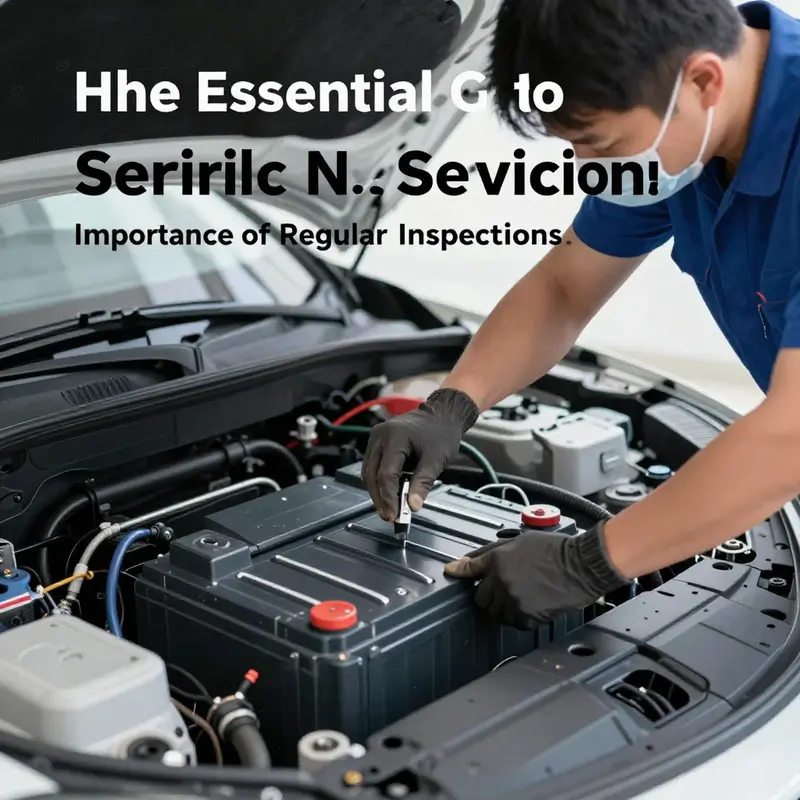
Purchasing an electric vehicle often shifts expectations about maintenance. The absence of oil changes and exhaust work makes servicing seem lighter, almost effortless. Yet the reality is more nuanced: EVs thrive on a different cadence that focuses on the battery, the electrical system, and the software that governs performance. The cadence isn’t driven by a traditional engine’s wear and tear, but by components that steadily degrade with time, heat, and use. The result is a maintenance pattern that is less about dramatic service events and more about consistent health checks. In practice, this means understanding what to look for and when to look for it, as well as recognizing that some checks can be completed at home while others benefit from the trained eye of a technician who understands high‑voltage systems and battery management. The overarching idea is simple: regular inspections keep the vehicle’s efficiency, safety, and value intact over the long haul even as the road and climate change around it.
Battery health sits at the center of this approach. The battery pack is the EV’s most valuable asset, and its performance governs range, charging behavior, and thermal stability. Over time, cells degrade, which can nudge range downward and increase heat generation during operation. Regular inspections help catch early signs of wear—unusual temperature patterns, unexpected dimming of performance, or coolant anomalies around the pack. The cooling system for the battery uses a dedicated fluid circuit; if coolant levels fall or there is a leak, the pack may struggle to shed heat, accelerating degradation. Technicians review coolant condition, confirm pump operation, and verify sensors that monitor temperatures and currents. They also interpret diagnostic data that tracks how the battery performs across different states of charge and temperature, giving a clearer picture than a single snapshot could provide. In short, proactive battery checks aren’t just about preventing a costly failure; they’re about preserving the core strength of the vehicle’s range and reliability over years of ownership.
Brakes, tires, and the chassis deserve attention even in an EV’s smoother daily routine. Regenerative braking reduces wear on traditional friction brakes, yet it does not eliminate it. The friction pads and rotors still see use, particularly in stop‑and‑go urban cycles or when the driver needs to rely on mechanical braking in situations where regen is limited. Regular brake inspections assess pad thickness, rotor wear, fluid condition, and any signs of leaks in the hydraulic system. Tire wear is equally important; instant torque and heavier weight typical of EVs can cause faster or uneven tire wear if inflation pressure or alignment are off. A routine check should include tire rotation per manufacturer guidance, tread depth assessment, and an examination of suspension components that influence ride quality and handling. Worn bushings or leaky dampers diminish comfort and can subtly affect steering precision. This integrated inspection approach—brakes, tires, and suspension—helps keep braking response consistent, ride quality high, and the vehicle’s dynamic balance intact in changing road conditions.
Software and diagnostics add a modern dimension to EV maintenance. Today’s electric platforms rely heavily on software to optimize battery management, regenerative behavior, drivetrain efficiency, and safety features. Over‑the‑air updates can patch vulnerabilities, improve performance, and refine charging algorithms without a visit to a workshop. At the same time, a hands‑on inspection still matters. Technicians verify high‑voltage connections, inspect wiring harnesses for wear or corrosion, and clear any fault codes that the vehicle’s onboard monitoring might have logged. A service visit often includes a software health check alongside a hardware review, confirming that sensors are calibrated and that cooling and charging subsystems operate within specification. The combination of OTA updates and periodic checks offers a practical balance: routine improvements can arrive remotely, while periodic in‑person checks ensure that the physical components and their interfaces with software remain robust and reliable over time.
The cadence of service and how it varies from one vehicle to another is a nuanced topic. Manufacturers generally suggest a service check every 12,000 to 24,000 miles or annually, but the exact window shifts with model, driving style, and climate. Some brands have session timings that resemble yearly checks or mid‑range mileages, while others align with a two‑year or twenty‑thousand‑mile target under milder use. The Energy Department’s guidance emphasizes that the real goal is to balance time and mileage with environmental factors and driving patterns. Cold climates, frequent rapid charging, aggressive acceleration, or heavy highway miles can push certain components toward the edge sooner, prompting an earlier service. Conversely, calm operating conditions and gentle use may extend the interval without compromising safety or performance. Drivers should consult the owner’s manual for model‑specific guidance and partner with a service provider who can translate general intervals into a tailored, practical plan. The point is not to chase a clock but to align inspections with the vehicle’s actual demands, so weaknesses never have the chance to become leaks, overheating episodes, or unexpected failures.
From a long‑term perspective, regular inspections work in concert with warranties and the broader goal of reliability. The battery’s health and the efficiency of the thermal system are central to preserving performance over the life of the vehicle. Keeping within the recommended service windows supports warranty terms that hinge on scheduled maintenance, and it reduces the risk of surprises that can lead to costly repairs or value erosion. A disciplined approach—documenting service visits, noting any unusual noises or heat, and staying current with software and hardware checks—fosters confidence that the EV will perform consistently in daily use and retain value for resale. While EVs do away with many classic repairs, they introduce a different set of preventive tasks that, when managed well, translate into fewer major breakdowns and a more predictable ownership experience. The mindset shift—from chasing engine wear to cultivating battery and software health—underpins a reliability trajectory that aligns with the quieter, cleaner promise of electric driving.
For practical readers seeking an actionable pathway, a straightforward maintenance routine can be integrated into annual planning without turning it into a burden. A pragmatic approach is to schedule a comprehensive health check at the 12,000–15,000‑mile mark, another at around 24,000 miles, and then adjust for mileage and climate in subsequent years. Climate and usage patterns matter: frequent DC fast charging in hot weather can elevate thermal stress on the battery and related systems, potentially accelerating wear in some components. In such cases, an earlier inspection can be prudent. The goal is not to micromanage every mile but to listen to the vehicle’s signals and the service recommendations that accompany the manufacturer’s manual. When you take your EV in, request a battery health assessment, a check of the thermal management system, a review of the braking system with attention to fluid condition, and a tire inspection that includes pressure, tread depth, and alignment status. A quick diagnostic scan helps confirm there are no latent fault codes that could compromise safety or efficiency, and ensures software is operating with the latest safety enhancements. If the vehicle supports remote diagnostics, you can leverage that capability to complement an in‑person visit, achieving a balanced cadence of preventive care and convenience. This combination—periodic hands‑on checks paired with remote monitoring—serves as a practical blueprint for maintaining performance, safety, and value over time.
A final note on the realities of EV ownership helps temper expectations. The electric drivetrain’s elegance—its quiet operation and high efficiency—doesn’t eliminate maintenance risk; it simply shifts it. The human element remains essential: trained technicians who understand high‑voltage systems, battery packs, and the intricacies of thermal management, combined with the vehicle’s own diagnostic clarity, form the backbone of a durable ownership experience. A reminder that anything connected to power and propulsion benefits from vigilance can help drivers avoid the cost and inconvenience of preventable failures. For ongoing guidance and evolving maintenance strategies, consider turning to trusted sources that curate practical, model‑specific advice. For ongoing guidance, consult the KMZ Vehicle Center blog. KMZ Vehicle Center blog The broader landscape of official maintenance recommendations is also worth a close look, as it provides a national‑level view of how manufacturers and regulators frame servicing needs. You can explore the Energy Department’s overview of maintenance cadences here: https://www.energy.gov/eere/vehicles/articles/how-often-do-electric-vehicles-need-servicing
How Often Do Electric Vehicles Need Servicing? Diagnostics, Software Updates, and the Quiet Rhythm of EV Care
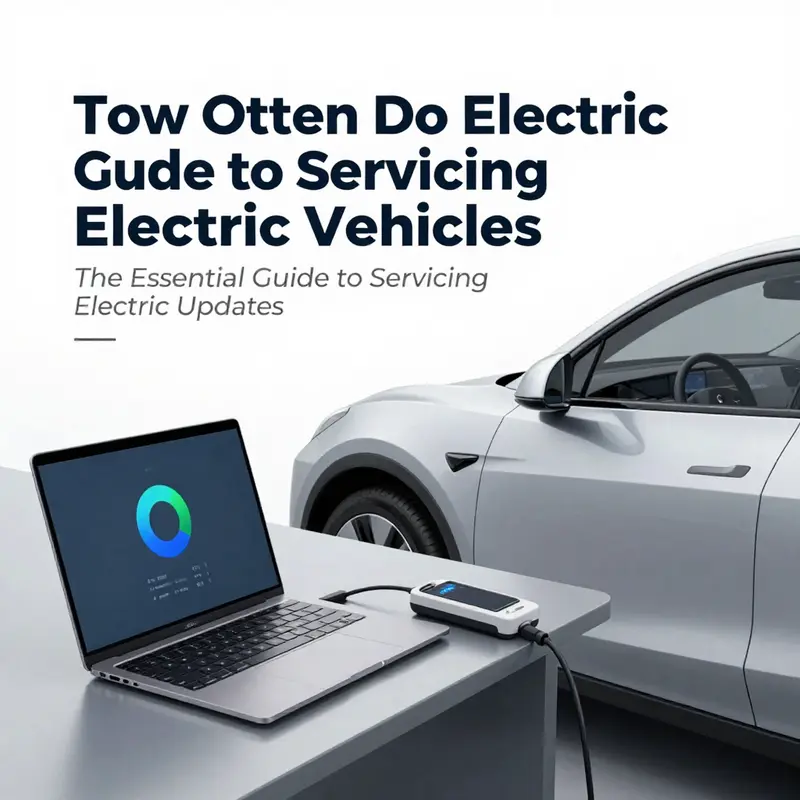
Electric vehicles have earned a reputation for a simpler mechanical heartbeat. With fewer moving parts than gas-powered cars, they tend to require fewer routine visits to a shop. Yet the quiet efficiency of EVs relies on an equally quiet, consistent cadence of care. The question of how often is not a single answer but a spectrum shaped by the vehicle’s design, its battery, and how its software is maintained. The most important truth is that routine checks are still necessary to protect performance, safety, and longevity. The intervals suggested by manufacturers paint a flexible picture rather than a fixed timetable. A practical view emerges when we consider the kinds of inspections that truly matter: tire health, brake wear, fluid levels, and the health of the charging system, bolstered by the diagnostic backbone inside the car that watches battery energy, motor efficiency, and power electronics every time you drive.
Within that framework, the service visit tends to be less a complete overhaul and more a targeted health check. Tire rotation remains vital to prevent uneven wear, preserve grip, and maximize range by maintaining consistent rolling resistance. Brake inspections are still essential; though regenerative braking reduces wear, the friction brakes are not obsolete. The checks extend to fluids you cannot see at a glance: the coolant that keeps the battery pack and electric motor within safe temperatures, plus other essential fluids in the vehicle’s systems. A careful examination of the charging system itself is crucial—cables, connectors, charging ports, and protection circuits all need regular reassurance that charging remains efficient and safe. Together, these checks help ensure that the most critical parts—the battery, the motor, and the controller—remain healthy as miles accumulate.
Beyond the visible wear, the heart of an EV’s maintenance lies in diagnostics and software. Modern EVs continuously monitor battery temperature, cell health, state of charge, and the efficiency of the electric motor and drive electronics. When a parameter drifts out of range, the system typically flags it to the driver through the car’s display, and in many cases it can send an alert to a companion app. This constant vigilance makes it possible to catch issues before they become failures, which is a major shift from the reactive mindset that used to come with older vehicles. It also means a service visit can be timed precisely to address a real problem rather than performing routine checks that might be unnecessary. The diagnostic data underpinning these alerts is now a driving companion as much as a maintenance scheduler.
Another pillar of EV care is software updates. Over-the-air updates have become a central part of how manufacturers improve vehicle performance, safety, and user experience without scheduling a trip to a service bay. An OTA update can recalibrate battery management algorithms to extract more range, refine regenerative braking profiles, or tighten drive-by-wire responses. It can also patch software bugs that affect navigation, climate control, or connectivity. In practice, these updates can reduce the need for certain types of service by addressing issues remotely and extending the time between visits. But updates do not eliminate the need for checks. The battery pack and power electronics still benefit from periodic physical inspection, especially in areas with harsh temperatures, high humidity, or heavy charging loads. The combination of diagnostics and OTA software therefore shifts maintenance from a series of reactive visits to a more proactive partnership between car and owner.
Manufacturers generally guide owners with a range of intervals rather than a single rule. A common frame suggests servicing every 15,000 to 30,000 miles or once a year, whichever comes first, with some models leaning toward a similar cadence but a different mileage cap or a longer calendar interval. Other segments of the market might propose a check every 12 months or around 12,000 miles, while some vehicles advocate 20,000 to 30,000 miles between visits, depending on drivetrain design and how software manages the battery. In every case, the specifics are carved by the manufacturer’s engineering choices and the vehicle’s software. Because EV technology continues to evolve rapidly, the owner manual becomes a critical source. Reading it carefully helps ensure the right balance between keeping the car in peak health and avoiding unnecessary trips that add cost and time.
Drivers play a central role in shaping the service rhythm. The use of the car—its climate control needs, the frequency of DC fast charging, how aggressively one accelerates, and the climate of the operating region—can influence how often repairs or inspections are flagged by the onboard systems. A battery that regularly operates near its thermal extremes will wear more quickly and may trigger more frequent diagnostic warnings. In this sense, careful charging habits and prudent route planning can extend both battery life and the interval before a service is needed. Regular tire rotations, monitoring tire pressures, and ensuring alignment are simple habits that boost efficiency and safety. Even if the vehicle invites fewer routine visits than ICE counterparts, neglect in one area—tires, brakes, or battery health—can cascade into more significant problems later. The balance lies in listening to the vehicle’s messages, performing the essential checks, and recognizing that software updates might shift the schedule over time as the car learns and improves.
From a budgeting and planning standpoint, this evolving maintenance picture can feel lighter or heavier depending on the driver’s expectations. The absence of oil changes and exhaust system service is a real reduction in the hands-on labor required. Yet there is a new kind of workload: software licenses, subscriptions in some markets, and the need to keep the car connected and up to date. Those elements do not replace physical checks but often reduce their frequency and enlarge their value when they do occur. The best approach is to frame maintenance as a cycle rather than a fixed timetable. Schedule a core inspection around the recommended mileages, but stay attentive to the car’s signals. Use the vehicle’s built‑in diagnostics and the connected app to plan a visit when the system identifies battery health concerns, unusual motor temperatures, or issues with the charging circuit. And when in doubt, contact a qualified technician who understands the particular EV architecture in your model. For readers seeking practical maintenance reminders and community tips, the KMZ Vehicle Center blog offers a hub of articles and updates worth bookmarking. KMZ Vehicle Center blog.
Taken together, the modern EV maintenance story centers on two interlocking strands: data-driven diagnostics and adaptive software. The digital layer watches what the mechanical layer cannot see and can push service needs forward or backward in time based on actual health rather than assumed risk. The software layer can alter how the car uses energy, how it protects the battery, and how it interacts with charging networks, all of which can improve safety, efficiency, and the owner’s experience. In practice, these layers mean service visits can be more efficient, targeted, and spacious in time, giving owners more predictable schedules while still preserving long-term performance. This shift matters beyond the repair bay, touching resale value, warranty coverage, and the overall resilience of the vehicle. A well-maintained EV that benefits from timely diagnostics and thoughtful software updates will likely sustain peak performance longer, offering peace of mind that extends far beyond the day-to-day commute.
Ultimately, the rhythm of EV servicing reflects both human behavior and machine intelligence. It is a balance between letting the car tell you when something needs attention and recognizing the value of routine checks that catch minor issues before they become expensive. The result is a maintenance culture that respects the battery as the central asset, treats the electric motor as a high‑reliability drivetrain, and uses software as a constant collaborator in care. As the technology matures, the cadence will continue to evolve, with quieter visits becoming more meaningful because they are driven by real concerns rather than calendar folklore. A careful owner, listening to diagnostics, following recommended intervals, and embracing OTA updates when appropriate, can keep an EV at its best for many miles to come.
Further reading on official guidance about how often EVs need servicing can be found here: https://www.energy.gov/eere/vehicles/articles/how-often-do-electric-vehicles-need-servicing
Final thoughts
To maintain optimal performance and reliability, understanding servicing needs is critical for electric vehicles. With longer intervals recommended for comprehensive checks compared to internal combustion vehicles, regular inspections remain essential for battery health and system functionality. As technology advances, features like built-in diagnostics and software updates are becoming standard, making servicing even more convenient. By adhering to manufacturer guidelines and adopting proactive maintenance practices, EV owners can ensure their vehicles remain in prime condition for years to come.